



Search News
Industry Portal
Popular Tags
Marine Propulsion Technology Trends to Watch in 2026
Author
Time
Click Count
Marine Propulsion Technology Trends to Watch in 2026
As shipowners, fleet operators, and infrastructure investors prepare for stricter emissions rules and volatile fuel economics, marine propulsion technology is entering a decisive transformation phase in 2026.
From dual-fuel engines to AI-assisted energy management, propulsion choices now shape compliance, vessel competitiveness, and long-term asset value.
For enterprise decision makers, understanding marine propulsion technology is no longer optional. It is central to fleet strategy, capital planning, and maritime resilience.
The Propulsion Landscape Is Moving From Efficiency Upgrades to Strategic Redesign
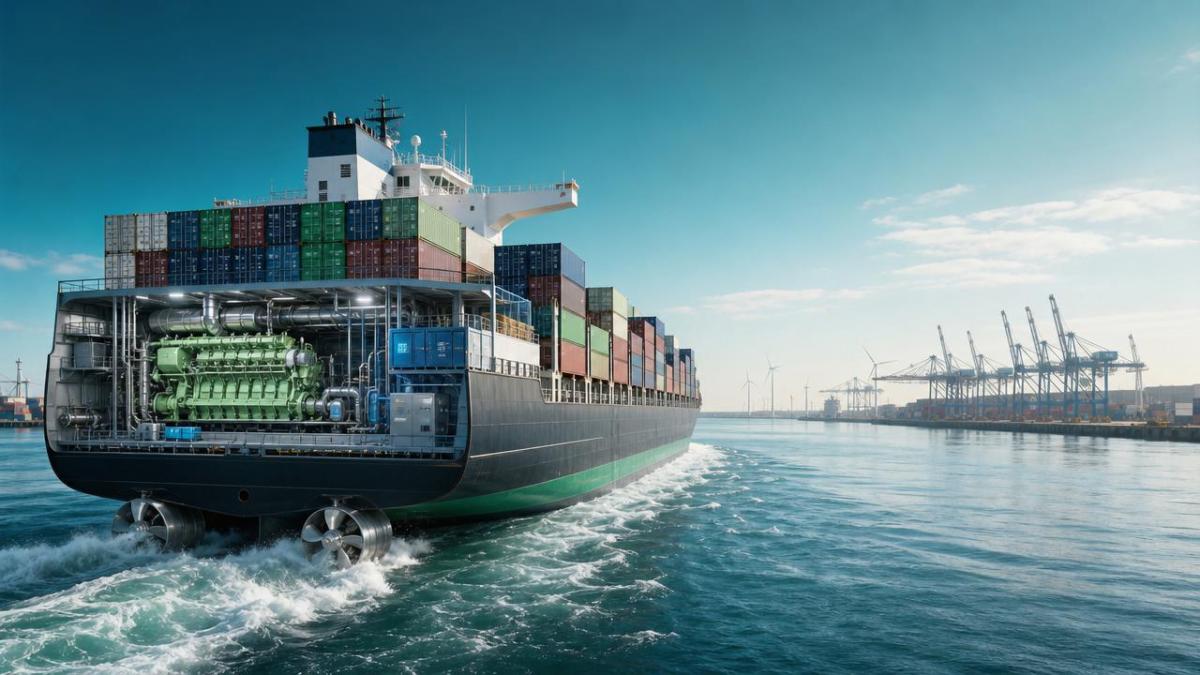
The 2026 market will not be defined by one winning fuel or one dominant engine architecture.
Instead, marine propulsion technology is becoming a layered decision involving fuel availability, carbon exposure, port infrastructure, and operational flexibility.
LNG carriers, container ships, offshore vessels, ferries, and bulk fleets are all moving at different speeds.
Yet the direction is consistent: lower emissions, higher automation, better energy conversion, and tighter integration between ship and shore.
The key change is that propulsion is no longer treated as an isolated engine room topic.
It is becoming a system-level performance lever connected to voyage planning, cargo economics, maintenance forecasting, and financing terms.
Trend Signals Showing Where Marine Propulsion Technology Is Heading
Several clear signals indicate that 2026 will accelerate propulsion diversification across global fleets.
- Dual-fuel orders remain strong, especially for LNG, methanol, and ammonia-ready vessels.
- Hybrid-electric propulsion is expanding beyond ferries into offshore support and specialized cargo vessels.
- Energy management software is becoming part of propulsion design, not an aftermarket accessory.
- Wind-assisted propulsion is gaining credibility as a fuel-saving complement.
- Engine makers are designing platforms that can adapt to future fuels.
These signals show that marine propulsion technology is moving toward modularity, optionality, and digital coordination.
The strongest fleets will not simply choose cleaner machinery. They will design propulsion ecosystems that remain valuable under changing regulations.
Key Forces Driving the 2026 Propulsion Shift
The next phase of marine propulsion technology is being shaped by regulatory pressure, fuel uncertainty, and operational economics.
The strongest driver is not regulation alone. It is the interaction between regulation, fuel economics, and charterer expectations.
That interaction forces marine propulsion technology to become more measurable, adaptable, and financially transparent.
Dual-Fuel Engines Will Remain the Practical Bridge
Dual-fuel engines will remain one of the most important marine propulsion technology trends in 2026.
They provide a practical bridge between conventional marine fuels and lower-carbon alternatives.
LNG dual-fuel systems continue to gain acceptance because supply chains are mature compared with other alternative fuels.
However, methane slip, lifecycle emissions, and future carbon pricing remain serious evaluation points.
Methanol-ready and ammonia-ready designs are also gaining attention, especially for newbuilds with long service lives.
The strategic question is not only which fuel works today. It is which propulsion architecture can evolve tomorrow.
What to watch in dual-fuel adoption
- Engine derating strategies for slower, cleaner operations.
- Methane slip reduction in LNG propulsion systems.
- Fuel tank space trade-offs against cargo capacity.
- Safety rules for ammonia fuel handling.
- Retrofit feasibility for existing vessel classes.
Hybrid-Electric Systems Will Move Into Broader Vessel Segments
Hybrid-electric propulsion is no longer limited to short-route ferries or demonstration projects.
In 2026, this branch of marine propulsion technology will expand into offshore, research, harbor, and specialized cargo applications.
Battery systems can reduce engine load variation, support peak shaving, and improve low-speed maneuvering efficiency.
For vessels with irregular load profiles, hybrid-electric propulsion can improve fuel performance and reduce maintenance stress.
The business case depends heavily on route predictability, charging access, battery replacement cost, and duty cycle analysis.
The strongest applications will be those where operational data supports a clear energy storage strategy.
AI-Assisted Energy Management Will Become a Competitive Layer
Digital intelligence is becoming inseparable from modern marine propulsion technology.
AI-assisted systems can combine weather data, hull condition, engine performance, fuel quality, and route constraints.
The result is more precise energy management across propulsion, auxiliary power, and voyage planning.
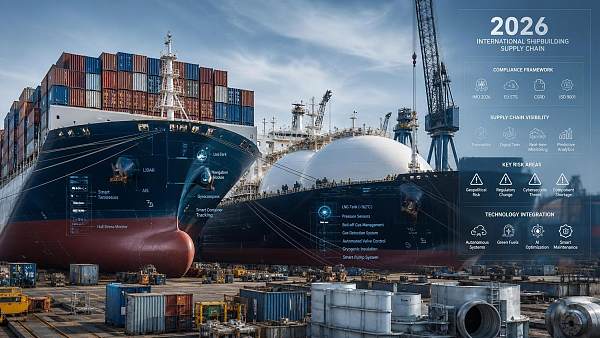
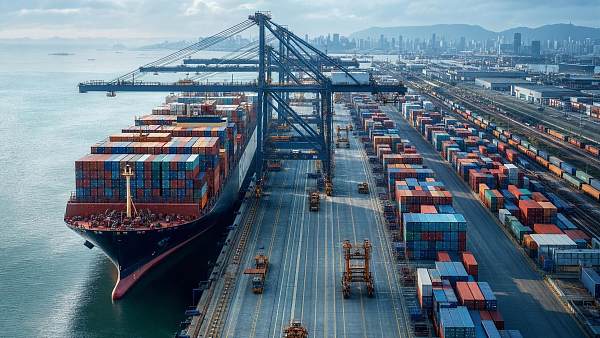
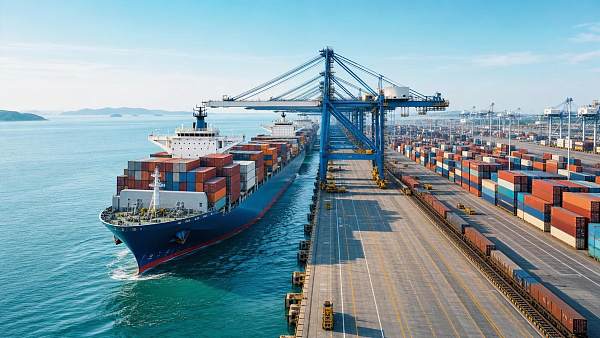
For smart container ships, this creates measurable value through lower fuel burn and more reliable arrival planning.
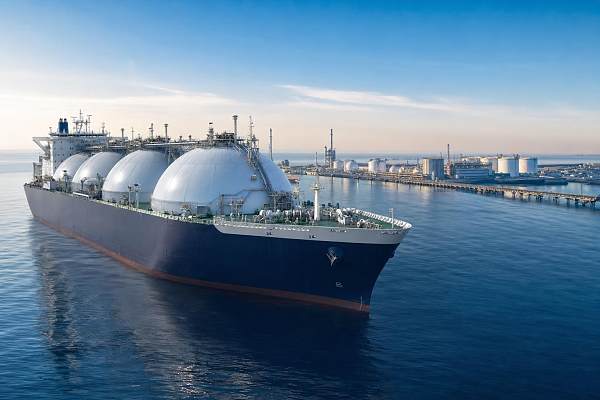
For LNG carriers, it supports improved boil-off gas management and dual-fuel optimization.
By 2026, propulsion performance will increasingly be judged through data evidence, not only sea trial specifications.
AI-enabled propulsion decisions may include
- Optimal engine load allocation across operating modes.
- Predictive maintenance for turbochargers and fuel systems.
- Dynamic speed recommendations based on port congestion.
- Battery charge and discharge timing in hybrid vessels.
- Fuel switching logic for dual-fuel operations.
Ammonia-Ready and Methanol-Ready Designs Will Shape Newbuild Value
Future-fuel readiness is becoming a major theme in marine propulsion technology planning.
Ammonia offers a zero-carbon combustion pathway, but safety, toxicity, ignition, and infrastructure challenges remain significant.
Methanol is easier to handle, but supply scale and green production costs require close monitoring.
The most resilient newbuild strategies will avoid locking vessels into a single uncertain fuel pathway.
Instead, they will prioritize tank arrangement flexibility, engine conversion pathways, and safety system upgradeability.
This makes propulsion readiness a financial question as much as an engineering question.
Operational Impacts Across Maritime Business Links
The evolution of marine propulsion technology will affect more than vessel design.
It will influence shipbuilding contracts, charter negotiations, insurance assessment, port planning, and maintenance ecosystems.
The impact will be strongest for long-life vessels, where propulsion mistakes can lock in operational disadvantages.
Shorter-cycle assets may prioritize retrofit flexibility and software-led efficiency improvements.
What Enterprises Should Monitor Before Committing Capital
The right marine propulsion technology decision depends on vessel mission, trading area, fuel access, and regulatory exposure.
A technically advanced system can still underperform if it does not match real operating conditions.
Core evaluation points for 2026
- Route stability and expected port fuel availability.
- Engine compatibility with future low-carbon fuels.
- Total energy efficiency across propulsion and auxiliary systems.
- Retrofit pathways for tanks, piping, controls, and safety systems.
- Digital readiness for performance monitoring and compliance reporting.
- Crew training needs for alternative fuel operations.
- Availability of service networks and spare components.
These points help separate fashionable propulsion concepts from bankable operational strategies.
They also reduce the risk of selecting systems that look efficient on paper but fail commercially.
Practical Response Strategies for 2026 and Beyond
A strong marine propulsion technology roadmap should combine near-term compliance with future optionality.
The objective is not to predict one perfect fuel. It is to avoid being trapped by one fragile assumption.
Phased planning is especially important for smart container ships and LNG carriers.
These vessels operate inside complex networks where propulsion choices interact with cargo timing, energy security, and global trade flows.
Why Propulsion Intelligence Must Connect Ship, Shore, and Finance
The most valuable marine propulsion technology insights will come from integrated intelligence, not isolated technical comparisons.
Ship design must be connected with port bunkering, digital voyage management, carbon accounting, and financing assumptions.
This is where GTOT’s land-sea intelligence perspective becomes relevant.
The same discipline used in rail control, traction power, and safety-critical systems applies to ocean-going vessel transformation.
Complex transport assets need rigorous technical stitching across hardware, software, standards, and commercial risk.
In propulsion strategy, the best answer is rarely the newest component. It is the best-aligned system architecture.
Final Outlook: Flexibility Will Define Propulsion Competitiveness
In 2026, marine propulsion technology will reward fleets that combine engineering discipline with strategic flexibility.
Dual-fuel engines, hybrid-electric systems, AI energy management, and future-fuel readiness will all matter.
However, their value depends on route reality, infrastructure maturity, data quality, and lifecycle economics.
The next step is to audit propulsion exposure across existing fleets and planned newbuilds.
Map fuel risk, carbon risk, retrofit potential, digital readiness, and maintenance capability before major capital commitments.
GTOT will continue tracking marine propulsion technology through technical trends, vessel intelligence, and global transport system analysis.
For organizations planning resilient maritime assets, 2026 is the right moment to turn propulsion insight into practical investment action.
Recommended News
 Jul 19, 2026Transportation Infrastructure Trends Shaping Capital Planning in 2026Transportation infrastructure trends in 2026 are reshaping capital planning across rail, ports, and shipping. Discover how resilience, automation, and digital control are driving smarter investment decisions.
 Jul 12, 2026Gas Carrier Technology in the Middle East: 2026 OutlookGas carrier technology Middle East trends for 2026: explore LNG vessel innovation, propulsion, containment, and regional yard upgrades shaping smarter energy trade decisions.
 Jul 10, 2026Commercial Shipbuilding Technology Trends Shaping Newbuild Projects in 2026Commercial shipbuilding technology is reshaping 2026 newbuild projects with smarter vessels, fuel flexibility, digital twins, and earlier compliance planning. Explore the trends driving stronger ROI.
 Jul 08, 2026Rail Transit Systems Upgrade Trends Shaping 2026 Investment PlansRail transit systems in 2026 are shifting from expansion to smarter upgrades. Explore safety, automation, energy, and digital trends shaping resilient, high-value investment plans.
 Jul 06, 2026Cryogenic Shipping Systems Manufacturer Trends Shaping 2026 Fleet UpgradesCryogenic shipping systems manufacturer trends are reshaping 2026 fleet upgrades. Explore how digital monitoring, emissions control, and safer containment can improve vessel performance.
 Jul 05, 2026Smart Shipping Solutions for Fleet Management: 2026 Trends Shaping Vessel OperationsSmart shipping solutions for fleet management are redefining vessel operations in 2026. Explore trends in integration, compliance, fuel efficiency, and resilient fleet performance.
 Jul 04, 2026Digital Marine Decarbonization Technology: What Delivers Measurable GainsDigital marine decarbonization technology helps fleets cut fuel use, improve compliance, and boost vessel efficiency with measurable, data-driven gains. Learn what truly delivers value.
 Jul 03, 2026Global Rail Infrastructure Standards: 2026 Changes to WatchGlobal rail infrastructure standards are reshaping 2026 rail projects. Discover the key compliance, interoperability, cyber, and low-carbon changes that will impact bids and investment.
 Jul 02, 2026Global Trade Logistics North America Trends to Watch in 2026Global trade logistics North America in 2026 will be shaped by rail-ocean integration, smart routing, LNG demand, and measurable resilience. Discover the trends redefining reliability and trade advantage.
 Jun 30, 2026International Shipbuilding Suppliers: 2026 Sourcing Trends and Supply Chain RisksInternational shipbuilding suppliers face new 2026 sourcing risks, from compliance and digital integration to sub-tier bottlenecks. Explore key trends shaping cost, delivery, and resilience.
 Jun 27, 2026Heavy Industry Tech Trends Reshaping Equipment Investment in 2026Heavy industry tech is reshaping 2026 equipment investment across rail and maritime systems. Explore the five trends driving safer, smarter, higher-value capital decisions.
 Jun 25, 2026Decarbonization Trends Reshaping Rail and Marine Investment in 2026Decarbonization is reshaping rail and marine investment in 2026. Discover where capital is moving, which assets gain value, and how smarter transport upgrades improve resilience.
 Jun 23, 2026Global Rail Infrastructure Trends Shaping Capacity, Funding, and Delivery TimelinesGlobal rail infrastructure trends are redefining capacity, funding, and delivery timelines. Explore how data-driven planning and system readiness shape resilient, investable rail projects.
 Jun 22, 2026Maritime Logistics Trends in 2026: Capacity Shifts, Delays, and Margin PressureMaritime logistics in 2026 faces shifting capacity, persistent delays, and rising margin pressure. Explore key risks, lane-level signals, and smarter planning strategies.
 Jun 21, 2026LNG Carriers Technology Advancements: 5 Upgrades Reshaping Fleet PerformanceLNG carriers technology advancements are reshaping fleet performance through smarter containment, dual-fuel propulsion, digital monitoring, boil-off control, and automation—see the 5 upgrades driving safer, cleaner, more profitable LNG shipping.
 Jun 20, 2026Global Supply Chain Challenges in Rail Infrastructure in 2026Global supply chain challenges in rail infrastructure are redefining 2026 project risk. Discover where delays, compliance, and sourcing pressure hit hardest—and how smarter evaluation protects cost, delivery, and performance.
 Jun 20, 2026Full Digitalization in Rail: 7 Risks to Address Before ScalingFull digitalization in rail can boost safety, maintenance, and control—but only if key risks are managed. Explore 7 critical challenges to address before scaling network-wide.
 Jun 18, 2026Maritime Logistics Trends in 2026: Where Shipping Efficiency Is MovingMaritime logistics in 2026 is driven by AI routing, port connectivity, decarbonization, and asset visibility. Discover the trends redefining shipping efficiency and resilience.
 Jun 17, 2026Transportation Infrastructure Development Trends That Matter for Long-Term PlanningTransportation infrastructure development trends are reshaping rail, ports, shipping, and LNG networks. Explore the key signals for smarter long-term planning, resilience, and investment value.
 Jun 17, 2026Railway Automation Trends Shaping Safer, Smarter Networks in 2026Railway automation in 2026 is driving safer, smarter rail networks with predictive maintenance, integrated signaling, and higher capacity. Explore the trends shaping resilient transport.
 Jun 15, 2026Decarbonization in Rail Transportation: What Cuts Emissions First?Decarbonization in rail transportation starts with the fastest wins: traction optimization, regenerative braking, smarter signalling, and retrofit upgrades that cut emissions, costs, and risk.
 Jun 14, 2026Rail Infrastructure Investment: Cost vs Long-Term ReturnRail infrastructure investment is more than upfront cost. Discover how lifecycle planning, smarter systems, and reliable rail design can deliver stronger long-term returns.
 Jun 13, 2026Advanced Ocean-Going Vessels: Key Design Shifts in 2026Advanced ocean-going vessels in 2026 are redefining shipping with AI routing, fuel-flexible propulsion, and smarter port integration. See which design shifts drive resilience, efficiency, and long-term fleet value.
 Jun 12, 2026High-Speed Rail Technology Trends Shaping 2026 ProjectsHigh-speed rail technology is reshaping 2026 projects through smarter signaling, resilient traction, precision braking, and digital monitoring. Explore the trends driving safer, scalable, bankable rail delivery.