



Search News
Industry Portal
Popular Tags
Advanced Ocean-Going Vessels: Key Design Shifts in 2026
Author
Time
Click Count
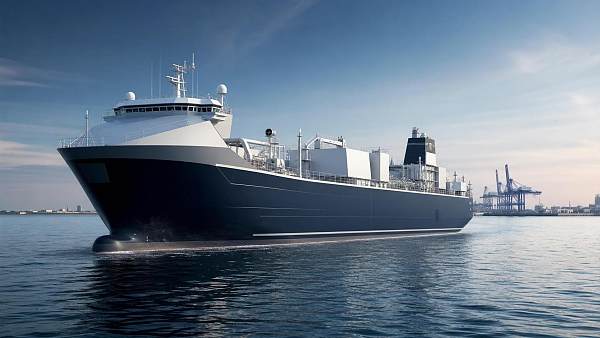
In 2026, advanced ocean-going vessels are judged less by gross tonnage and more by how intelligently they move cargo, manage energy, and absorb disruption.
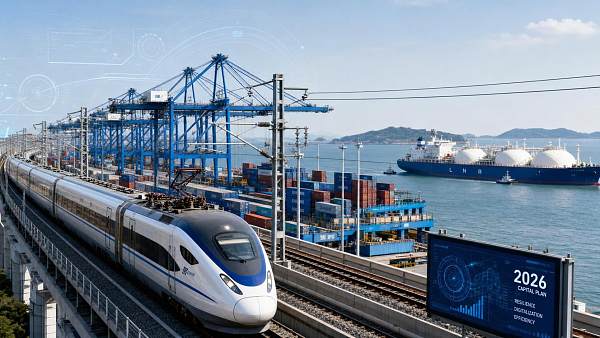
That shift matters across the wider transport economy, where shipping schedules, port capacity, rail transfer speed, and energy security now influence each other more directly.
For companies tracking capital cycles, fleet strategy, or supply chain resilience, the new vessel design language is becoming a practical decision framework, not just a naval engineering topic.
Why vessel design now sits at the center of transport strategy
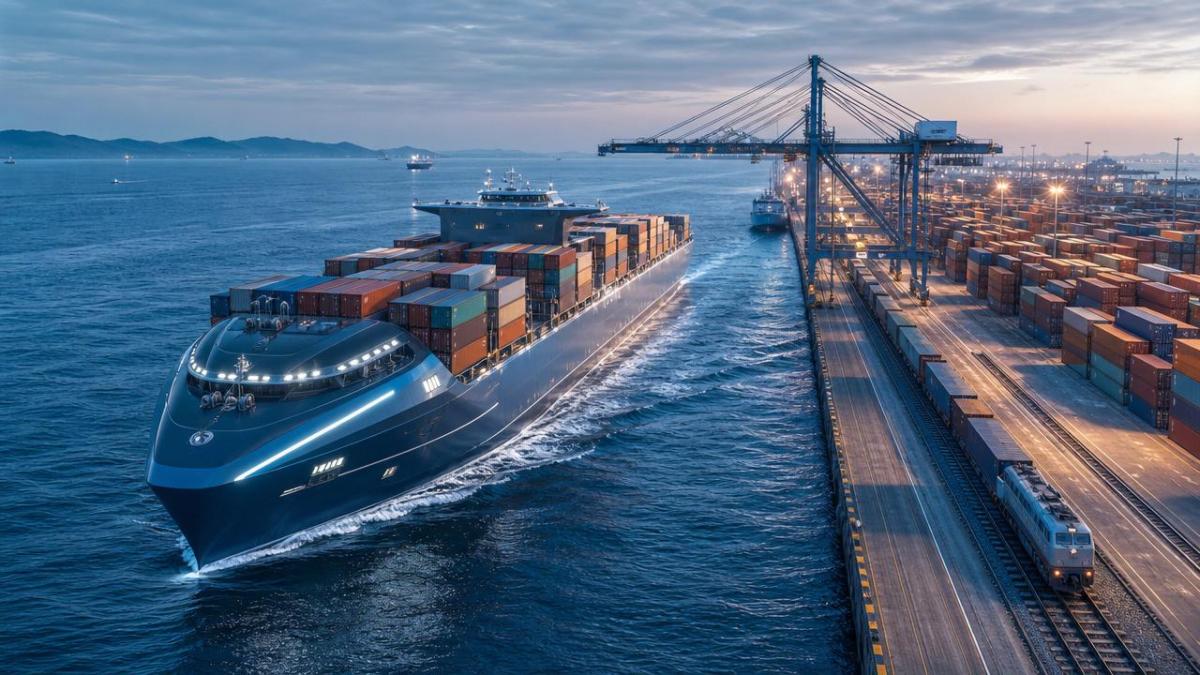
The shipping market no longer rewards scale alone. It rewards predictability, fuel flexibility, digital visibility, and the ability to connect smoothly with inland networks.
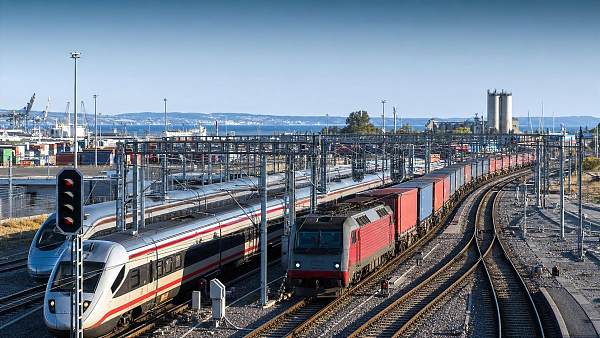
This is why advanced ocean-going vessels are increasingly discussed alongside smart rail systems, terminal automation, and strategic infrastructure planning.
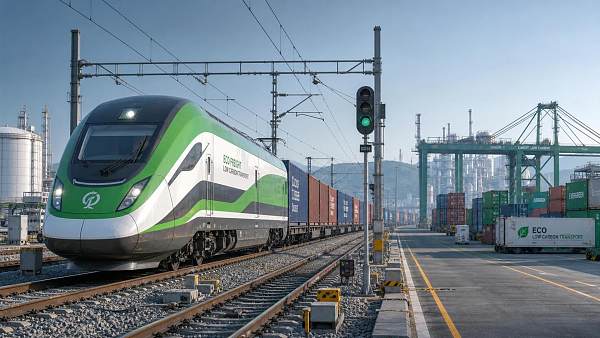
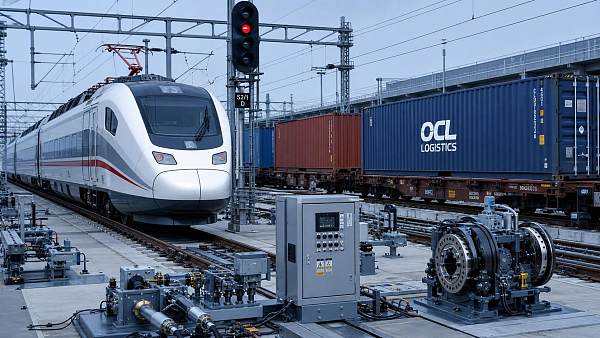
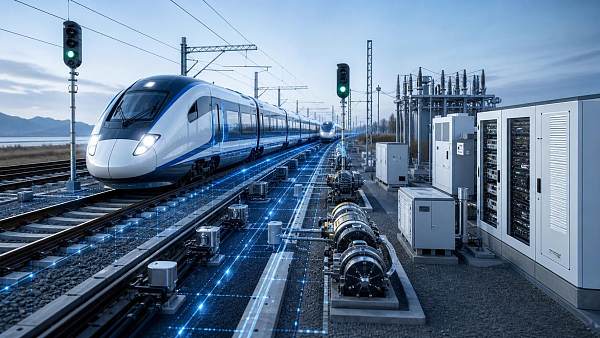
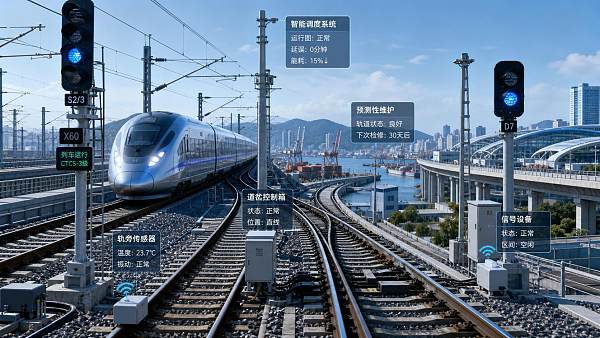
GTOT’s cross-domain perspective is useful here. The same logic that governs safe rail control and high-speed traction is now shaping marine operations.
In both sectors, asset value depends on real-time sensing, fault tolerance, system integration, and disciplined response to complex operating environments.
For ocean fleets, that means ships designed as connected operating platforms rather than standalone floating assets.
What defines advanced ocean-going vessels in 2026
The term covers more than smart container ships or LNG carriers, although both remain leading reference points.
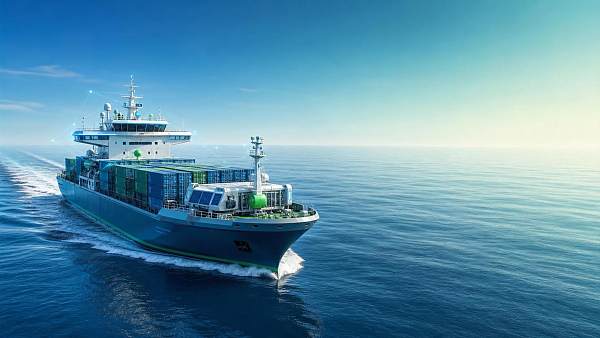
In practical terms, advanced ocean-going vessels combine structural efficiency, propulsion flexibility, digital control layers, and stronger integration with shore-based decision systems.
They are built to improve commercial performance under volatile fuel prices, changing emissions rules, port congestion, and unpredictable route conditions.
Core design traits now receiving the most attention
- Integrated navigation intelligence with route optimization, weather response, and vessel performance analytics.
- Dual-fuel or fuel-ready propulsion architectures that extend compliance and commercial life.
- Higher levels of onboard sensing for machinery health, cargo condition, and hull performance.
- Tighter ship-to-shore data exchange for berth planning, maintenance timing, and network coordination.
- Safety systems designed for cyber risk, operational redundancy, and remote diagnostic support.
These features do not replace naval fundamentals. They reshape how those fundamentals are valued in commercial deployment.
The biggest design shifts behind the new generation
AI moves from assistance to operational influence
Earlier digital systems mostly monitored conditions. In 2026, they increasingly influence routing, speed profiles, fuel burn, and maintenance windows.
That does not mean autonomous ships dominate every trade lane. It means assisted decision systems are becoming commercially normal.
Propulsion is designed for uncertainty, not a single fuel answer
LNG remains important, especially for deep-sea routes and energy-linked shipping, but the design conversation now centers on flexibility.
Owners want engines, storage layouts, and retrofit pathways that reduce stranded-asset risk over a longer compliance horizon.
The hull becomes part of the intelligence system
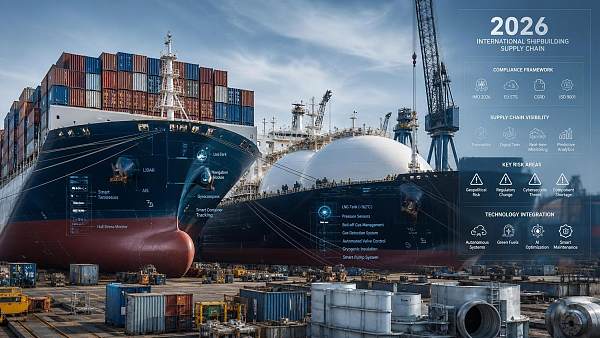
Advanced ocean-going vessels increasingly use sensor feedback to track drag changes, structural stress, loading efficiency, and maintenance timing.
This creates a more dynamic relationship between design, operations, and lifecycle cost.
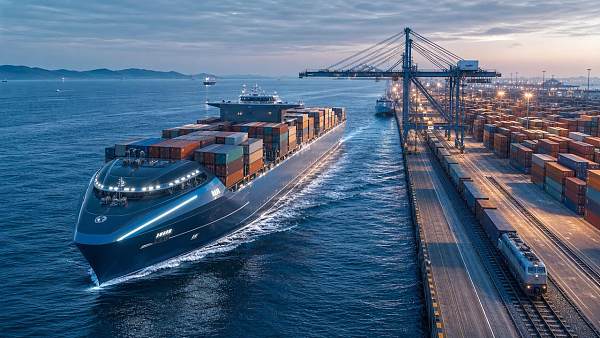
Ports are now embedded in vessel design logic
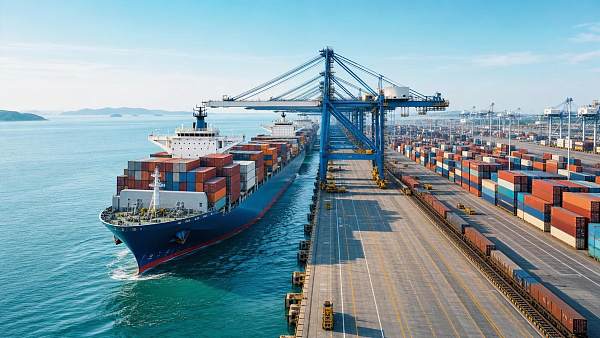
A ship that performs well at sea but loses time at berth no longer meets the standard.
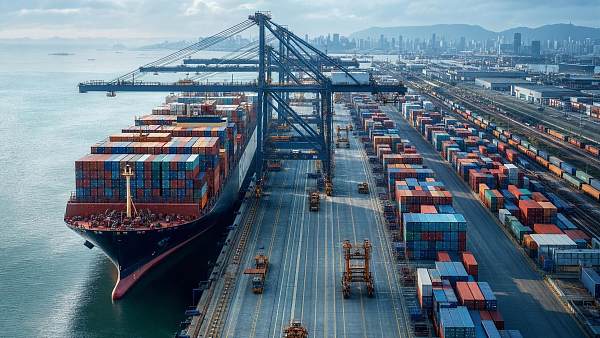
Design teams now account for crane interface, cargo visibility, terminal data flows, and turnaround predictability much earlier.
Where the business value becomes visible
The value of advanced ocean-going vessels appears in fewer schedule surprises, better fuel economics, stronger compliance positioning, and more stable asset utilization.
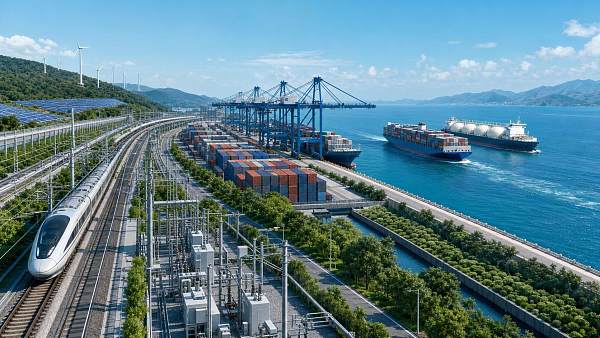
That value also extends beyond the ship itself. It improves how maritime transport interacts with rail corridors, inland depots, and strategic inventory planning.
This land-sea linkage is especially important for GTOT’s intelligence model, where vessel capability is assessed within a broader intercontinental logistics chain.
What matters most is that these gains are cumulative. A vessel does not need one breakthrough feature; it needs coordinated improvements across several design layers.
Which vessel categories best illustrate the trend
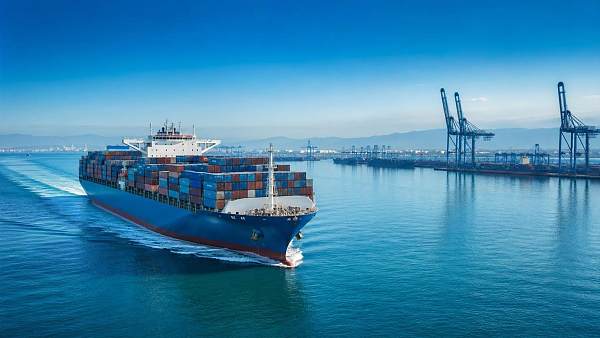
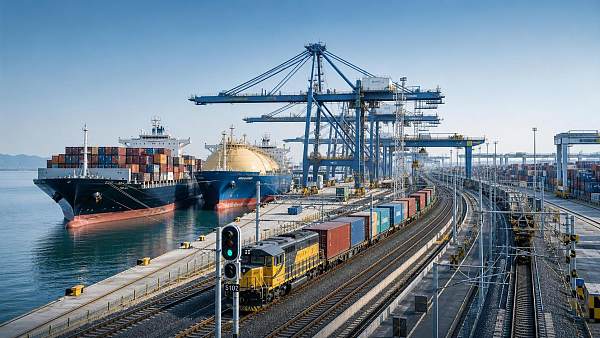
Smart container ships remain the clearest example because they sit at the junction of global trade volume, port automation, and route planning complexity.
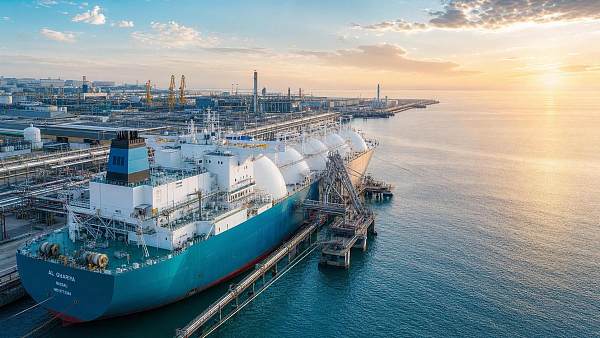
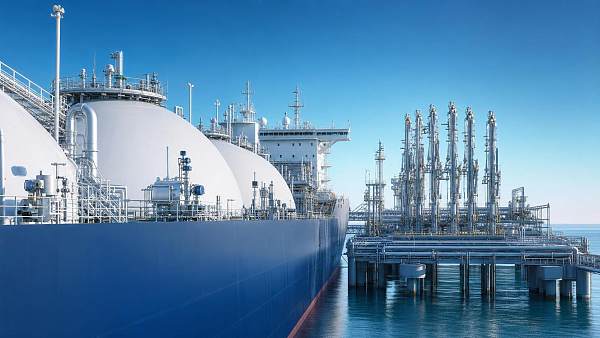
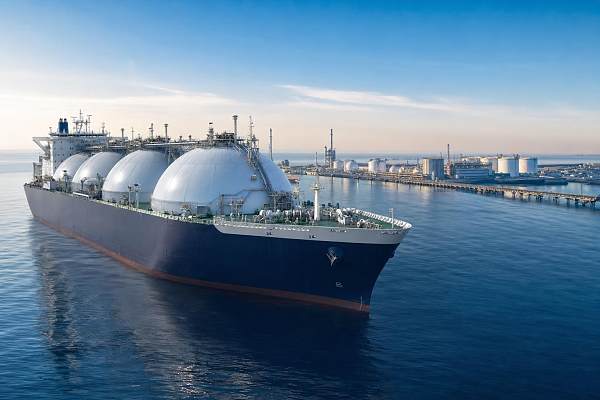
LNG carriers show another side of the evolution. Their technical demands push innovation in containment systems, thermal control, and dual-fuel propulsion.
Bulk carriers, vehicle carriers, and specialized energy vessels are also adopting the same design logic, even if at different speeds.
The key point is that advanced ocean-going vessels are no longer a narrow premium segment. They are becoming the benchmark for newbuild relevance.
How to assess design choices without chasing hype
Not every digital feature creates durable value. The more useful question is whether a design choice improves operational decisions under real constraints.
Five practical filters
- Check interoperability with ports, fleet platforms, and inland logistics systems.
- Measure fuel flexibility against route profile and regional bunkering reality.
- Review redundancy, cybersecurity, and remote support capability together.
- Compare lifecycle maintenance needs, not only newbuild efficiency claims.
- Test whether data outputs support commercial decisions, not just technical dashboards.
This is where intelligence platforms such as GTOT add value. Market signals, engineering trends, and infrastructure shifts need to be read as one system.
A vessel may look advanced on paper yet underperform if port readiness, fuel pathways, or downstream transfer capacity are weak.
What to watch next
Over the next planning cycle, the strongest indicators will likely come from three areas: retrofit economics, digital standardization, and cross-network coordination.
Retrofit economics will show whether current fleets can absorb the 2026 design shift fast enough.
Digital standardization will decide whether advanced ocean-going vessels can exchange useful data across ports, carriers, and inland systems without friction.
Cross-network coordination may become the real differentiator, especially where ocean cargo must connect with high-efficiency rail and terminal infrastructure.
A sensible next step is to map vessel requirements against route exposure, fuel options, terminal conditions, and inland transfer dependencies.
That approach creates a clearer basis for comparing designs, prioritizing upgrades, and judging which advanced ocean-going vessels are built for lasting advantage rather than short-term optics.
Recommended News
 Jul 19, 2026Transportation Infrastructure Trends Shaping Capital Planning in 2026Transportation infrastructure trends in 2026 are reshaping capital planning across rail, ports, and shipping. Discover how resilience, automation, and digital control are driving smarter investment decisions.
 Jul 12, 2026Gas Carrier Technology in the Middle East: 2026 OutlookGas carrier technology Middle East trends for 2026: explore LNG vessel innovation, propulsion, containment, and regional yard upgrades shaping smarter energy trade decisions.
 Jul 10, 2026Commercial Shipbuilding Technology Trends Shaping Newbuild Projects in 2026Commercial shipbuilding technology is reshaping 2026 newbuild projects with smarter vessels, fuel flexibility, digital twins, and earlier compliance planning. Explore the trends driving stronger ROI.
 Jul 08, 2026Rail Transit Systems Upgrade Trends Shaping 2026 Investment PlansRail transit systems in 2026 are shifting from expansion to smarter upgrades. Explore safety, automation, energy, and digital trends shaping resilient, high-value investment plans.
 Jul 06, 2026Cryogenic Shipping Systems Manufacturer Trends Shaping 2026 Fleet UpgradesCryogenic shipping systems manufacturer trends are reshaping 2026 fleet upgrades. Explore how digital monitoring, emissions control, and safer containment can improve vessel performance.
 Jul 05, 2026Smart Shipping Solutions for Fleet Management: 2026 Trends Shaping Vessel OperationsSmart shipping solutions for fleet management are redefining vessel operations in 2026. Explore trends in integration, compliance, fuel efficiency, and resilient fleet performance.
 Jul 04, 2026Digital Marine Decarbonization Technology: What Delivers Measurable GainsDigital marine decarbonization technology helps fleets cut fuel use, improve compliance, and boost vessel efficiency with measurable, data-driven gains. Learn what truly delivers value.
 Jul 03, 2026Global Rail Infrastructure Standards: 2026 Changes to WatchGlobal rail infrastructure standards are reshaping 2026 rail projects. Discover the key compliance, interoperability, cyber, and low-carbon changes that will impact bids and investment.
 Jul 02, 2026Global Trade Logistics North America Trends to Watch in 2026Global trade logistics North America in 2026 will be shaped by rail-ocean integration, smart routing, LNG demand, and measurable resilience. Discover the trends redefining reliability and trade advantage.
 Jun 30, 2026International Shipbuilding Suppliers: 2026 Sourcing Trends and Supply Chain RisksInternational shipbuilding suppliers face new 2026 sourcing risks, from compliance and digital integration to sub-tier bottlenecks. Explore key trends shaping cost, delivery, and resilience.
 Jun 27, 2026Heavy Industry Tech Trends Reshaping Equipment Investment in 2026Heavy industry tech is reshaping 2026 equipment investment across rail and maritime systems. Explore the five trends driving safer, smarter, higher-value capital decisions.
 Jun 25, 2026Decarbonization Trends Reshaping Rail and Marine Investment in 2026Decarbonization is reshaping rail and marine investment in 2026. Discover where capital is moving, which assets gain value, and how smarter transport upgrades improve resilience.
 Jun 23, 2026Global Rail Infrastructure Trends Shaping Capacity, Funding, and Delivery TimelinesGlobal rail infrastructure trends are redefining capacity, funding, and delivery timelines. Explore how data-driven planning and system readiness shape resilient, investable rail projects.
 Jun 22, 2026Maritime Logistics Trends in 2026: Capacity Shifts, Delays, and Margin PressureMaritime logistics in 2026 faces shifting capacity, persistent delays, and rising margin pressure. Explore key risks, lane-level signals, and smarter planning strategies.
 Jun 21, 2026LNG Carriers Technology Advancements: 5 Upgrades Reshaping Fleet PerformanceLNG carriers technology advancements are reshaping fleet performance through smarter containment, dual-fuel propulsion, digital monitoring, boil-off control, and automation—see the 5 upgrades driving safer, cleaner, more profitable LNG shipping.
 Jun 20, 2026Global Supply Chain Challenges in Rail Infrastructure in 2026Global supply chain challenges in rail infrastructure are redefining 2026 project risk. Discover where delays, compliance, and sourcing pressure hit hardest—and how smarter evaluation protects cost, delivery, and performance.
 Jun 20, 2026Full Digitalization in Rail: 7 Risks to Address Before ScalingFull digitalization in rail can boost safety, maintenance, and control—but only if key risks are managed. Explore 7 critical challenges to address before scaling network-wide.
 Jun 18, 2026Maritime Logistics Trends in 2026: Where Shipping Efficiency Is MovingMaritime logistics in 2026 is driven by AI routing, port connectivity, decarbonization, and asset visibility. Discover the trends redefining shipping efficiency and resilience.
 Jun 17, 2026Transportation Infrastructure Development Trends That Matter for Long-Term PlanningTransportation infrastructure development trends are reshaping rail, ports, shipping, and LNG networks. Explore the key signals for smarter long-term planning, resilience, and investment value.
 Jun 17, 2026Railway Automation Trends Shaping Safer, Smarter Networks in 2026Railway automation in 2026 is driving safer, smarter rail networks with predictive maintenance, integrated signaling, and higher capacity. Explore the trends shaping resilient transport.
 Jun 15, 2026Decarbonization in Rail Transportation: What Cuts Emissions First?Decarbonization in rail transportation starts with the fastest wins: traction optimization, regenerative braking, smarter signalling, and retrofit upgrades that cut emissions, costs, and risk.
 Jun 14, 2026Rail Infrastructure Investment: Cost vs Long-Term ReturnRail infrastructure investment is more than upfront cost. Discover how lifecycle planning, smarter systems, and reliable rail design can deliver stronger long-term returns.
 Jun 13, 2026Advanced Ocean-Going Vessels: Key Design Shifts in 2026Advanced ocean-going vessels in 2026 are redefining shipping with AI routing, fuel-flexible propulsion, and smarter port integration. See which design shifts drive resilience, efficiency, and long-term fleet value.
 Jun 12, 2026High-Speed Rail Technology Trends Shaping 2026 ProjectsHigh-speed rail technology is reshaping 2026 projects through smarter signaling, resilient traction, precision braking, and digital monitoring. Explore the trends driving safer, scalable, bankable rail delivery.