



Search News
Industry Portal
Popular Tags
Cryogenic Shipping Systems Manufacturer Trends Shaping 2026 Fleet Upgrades
Author
Time
Click Count
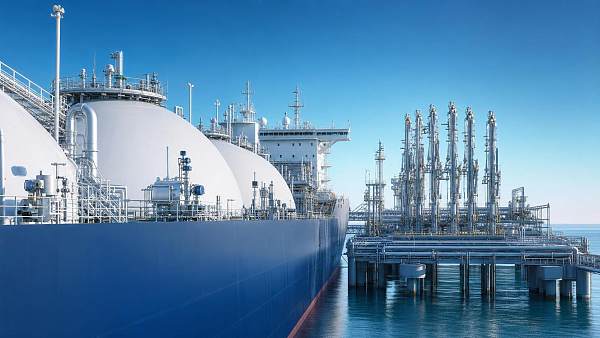
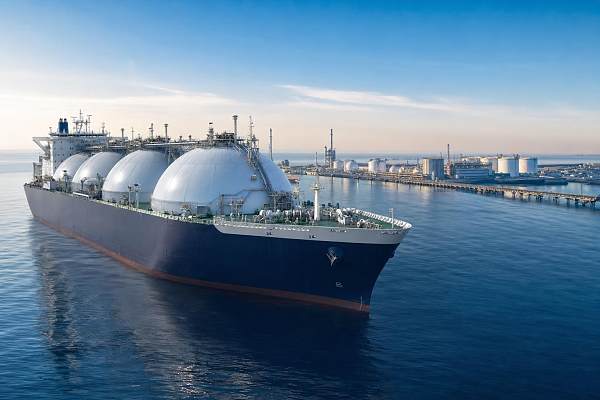
Pressure is building around the 2026 upgrade cycle for LNG carriers and other deep-cryogenic vessels. A cryogenic shipping systems manufacturer is no longer judged only by insulation quality or cargo reliability.
The discussion now includes lifecycle emissions, digital monitoring, containment resilience, and how a vessel fits wider transport corridors. That shift matters because energy logistics is becoming more interconnected, regulated, and capital intensive.
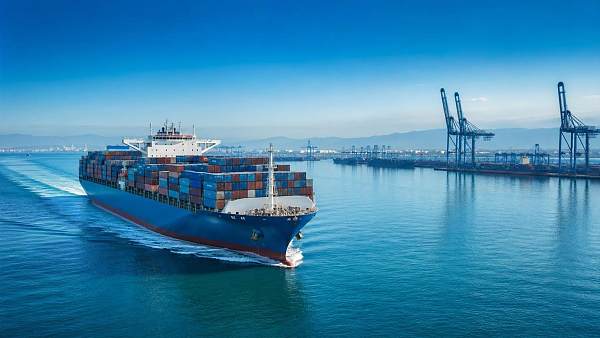
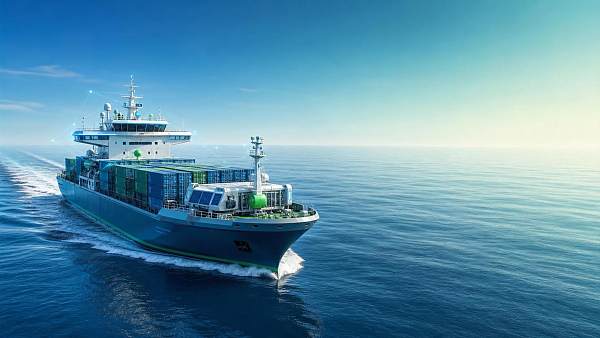
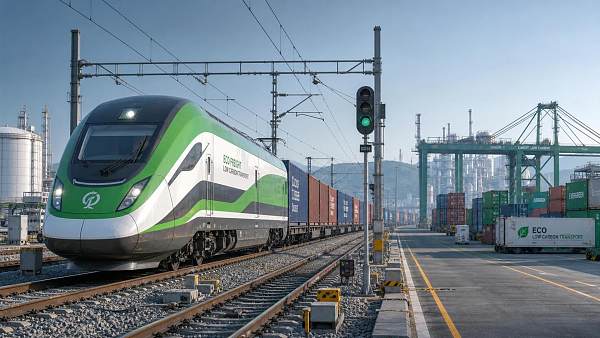
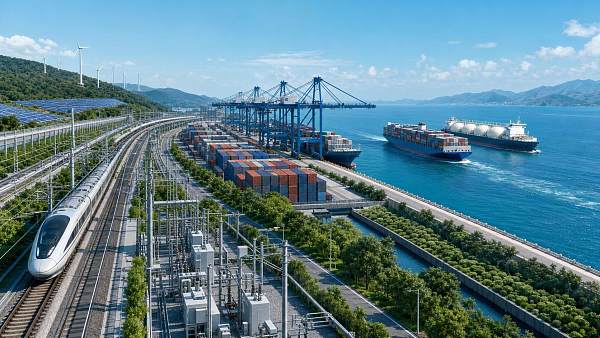
For GTOT, this topic sits naturally beside smart container ships, railway control systems, and strategic transport intelligence. Land and sea assets now face the same demand: move more, waste less, and operate with fewer safety surprises.
Why 2026 fleet upgrades are becoming a strategic decision
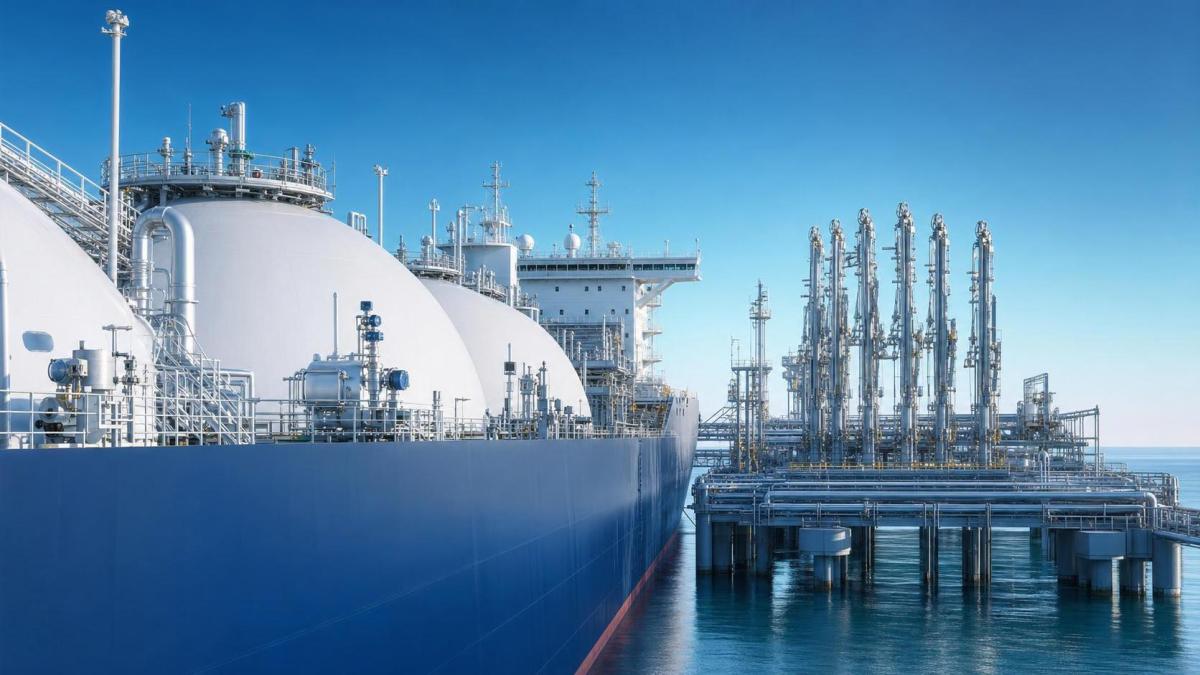
The next upgrade wave is not just a technical refresh. It reflects a market where charter expectations, compliance rules, and energy security priorities are tightening at the same time.
A cryogenic shipping systems manufacturer now works inside a broader decision chain. Shipowners, yards, EPC teams, and terminal operators all want stronger proof of long-term performance.
That proof must cover cargo boil-off behavior, membrane integrity, automation visibility, and maintenance predictability. In practical terms, upgrade budgets are moving toward systems that reduce uncertainty, not only fuel use.
This is also where cross-sector thinking matters. GTOT tracks railway signaling, braking intelligence, and marine digitalization because the same principle applies across modes: asset value increasingly depends on controllability and data trust.
What defines a modern cryogenic shipping systems manufacturer
In older procurement logic, the manufacturer supplied tanks, insulation, valves, and associated handling systems. That remains essential, but it is no longer enough.
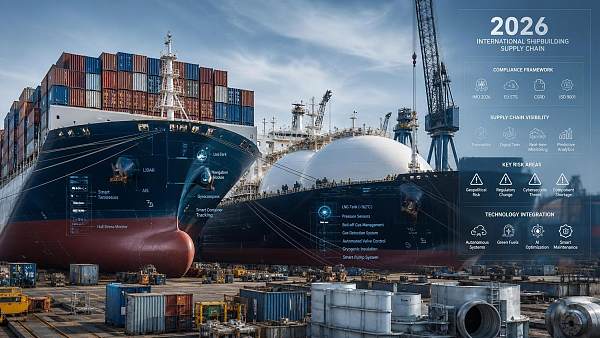
A modern cryogenic shipping systems manufacturer is expected to support vessel integration, digital diagnostics, thermal performance modeling, and compliance documentation across the operating life of the ship.
The scope usually touches several layers:
- containment systems for LNG or other low-temperature cargoes
- piping, valves, pumps, and pressure management equipment
- boil-off gas handling and reliquefaction interfaces
- sensors, alarms, and remote condition monitoring tools
- integration support for dual-fuel propulsion and onboard automation
This broader role changes supplier evaluation. Selection is increasingly about systems competence rather than equipment supply alone.
The trends changing upgrade priorities
Several trends are shaping how every cryogenic shipping systems manufacturer approaches 2026 programs. They interact with each other, so isolated upgrades often deliver limited value.
Containment safety is under closer scrutiny
Operators want better visibility into thermal stress, sloshing exposure, insulation aging, and membrane fatigue. The goal is early intervention before cargo loss or structural risk grows.
That is pushing manufacturers toward richer sensor packages and stronger analytics support. Raw data alone has little value if it cannot guide operational decisions.
Decarbonization is moving from reporting to engineering
Boil-off management, propulsion integration, and thermal efficiency now affect emissions strategy directly. A cryogenic shipping systems manufacturer must therefore show how system design supports fuel flexibility and lower energy waste.
In many projects, the question is no longer whether upgrades support decarbonization. The real question is whether they do so without adding unacceptable operational complexity.
Digital assurance is becoming standard
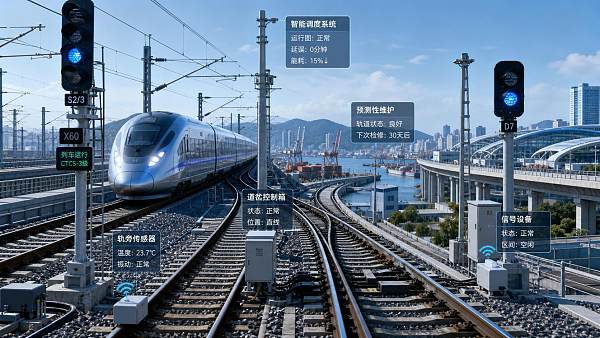
Condition-based maintenance, remote inspection support, and integrated control visibility are becoming baseline expectations. This mirrors what GTOT observes in rail systems, where reliability depends on intelligent monitoring, not periodic checks alone.
For marine assets, that means upgrade projects increasingly favor platforms that can connect engineering data with operational behavior.
Where business value actually appears
The commercial value of a capable cryogenic shipping systems manufacturer shows up in a few specific places. Each one influences vessel earnings and risk exposure.
These gains are especially important in fleets facing mixed charter profiles. Vessels that move between routes, terminals, and fuel strategies need more adaptable cryogenic performance.
How to read the market by vessel type and operating context
Not every upgrade path looks the same. A cryogenic shipping systems manufacturer may be technically strong, yet still misaligned with a vessel’s trading pattern.
For long-haul LNG carriers, containment endurance, boil-off optimization, and propulsion integration tend to dominate. For smaller gas carriers, compactness, maintainability, and port turnaround efficiency can carry more weight.
Retrofit projects also behave differently from newbuild support. Retrofits demand tighter engineering around space limits, downtime windows, and interface risk with older onboard systems.
That is why GTOT’s intelligence perspective matters. Fleet decisions are no longer isolated marine choices. They connect to shipyard schedules, cargo corridor shifts, infrastructure readiness, and broader supply chain strategy.
What to examine before committing capital
A disciplined review of any cryogenic shipping systems manufacturer should move beyond brochures and reference lists. The more useful questions are operational and evidence-based.
- How does the system perform under variable loading, weather, and route profiles?
- What evidence supports membrane durability and insulation stability over time?
- How well does the monitoring layer connect with class, yard, and operator workflows?
- What maintenance burden is added by the upgrade, and where does it shift ashore?
- Can the supplier support both compliance and commercial discussions during tender stages?
In many cases, the strongest manufacturer is the one that reduces technical ambiguity early. That can be more valuable than a lower equipment quote.
Why intelligence-led comparison is becoming essential
The market for cryogenic systems is becoming harder to compare through headline specifications alone. Similar claims may hide major differences in lifecycle support, interface discipline, and failure response.
An intelligence-led approach helps separate mature capability from polished positioning. This is where GTOT’s land-sea viewpoint is useful, because upgrade quality often depends on how well complex systems are integrated and governed.
For example, rail signaling buyers study safety architecture, redundancy logic, and data reliability. A comparable mindset benefits cryogenic vessel programs, especially when containment and control systems are tightly linked.
The next practical step for 2026 planning
The most useful starting point is a structured review of vessel classes, route exposure, emissions targets, and containment risk history. That creates a better filter for evaluating any cryogenic shipping systems manufacturer.
From there, compare suppliers through upgrade scenarios rather than isolated components. Focus on how each option performs across compliance, uptime, digital visibility, and future adaptability.
The 2026 fleet cycle will reward decisions built on system evidence, not only procurement habit. In cryogenic shipping, resilience now begins with how the whole operating logic is designed, monitored, and improved.
Recommended News
 Jul 19, 2026Transportation Infrastructure Trends Shaping Capital Planning in 2026Transportation infrastructure trends in 2026 are reshaping capital planning across rail, ports, and shipping. Discover how resilience, automation, and digital control are driving smarter investment decisions.
 Jul 12, 2026Gas Carrier Technology in the Middle East: 2026 OutlookGas carrier technology Middle East trends for 2026: explore LNG vessel innovation, propulsion, containment, and regional yard upgrades shaping smarter energy trade decisions.
 Jul 10, 2026Commercial Shipbuilding Technology Trends Shaping Newbuild Projects in 2026Commercial shipbuilding technology is reshaping 2026 newbuild projects with smarter vessels, fuel flexibility, digital twins, and earlier compliance planning. Explore the trends driving stronger ROI.
 Jul 08, 2026Rail Transit Systems Upgrade Trends Shaping 2026 Investment PlansRail transit systems in 2026 are shifting from expansion to smarter upgrades. Explore safety, automation, energy, and digital trends shaping resilient, high-value investment plans.
 Jul 06, 2026Cryogenic Shipping Systems Manufacturer Trends Shaping 2026 Fleet UpgradesCryogenic shipping systems manufacturer trends are reshaping 2026 fleet upgrades. Explore how digital monitoring, emissions control, and safer containment can improve vessel performance.
 Jul 05, 2026Smart Shipping Solutions for Fleet Management: 2026 Trends Shaping Vessel OperationsSmart shipping solutions for fleet management are redefining vessel operations in 2026. Explore trends in integration, compliance, fuel efficiency, and resilient fleet performance.
 Jul 04, 2026Digital Marine Decarbonization Technology: What Delivers Measurable GainsDigital marine decarbonization technology helps fleets cut fuel use, improve compliance, and boost vessel efficiency with measurable, data-driven gains. Learn what truly delivers value.
 Jul 03, 2026Global Rail Infrastructure Standards: 2026 Changes to WatchGlobal rail infrastructure standards are reshaping 2026 rail projects. Discover the key compliance, interoperability, cyber, and low-carbon changes that will impact bids and investment.
 Jul 02, 2026Global Trade Logistics North America Trends to Watch in 2026Global trade logistics North America in 2026 will be shaped by rail-ocean integration, smart routing, LNG demand, and measurable resilience. Discover the trends redefining reliability and trade advantage.
 Jun 30, 2026International Shipbuilding Suppliers: 2026 Sourcing Trends and Supply Chain RisksInternational shipbuilding suppliers face new 2026 sourcing risks, from compliance and digital integration to sub-tier bottlenecks. Explore key trends shaping cost, delivery, and resilience.
 Jun 27, 2026Heavy Industry Tech Trends Reshaping Equipment Investment in 2026Heavy industry tech is reshaping 2026 equipment investment across rail and maritime systems. Explore the five trends driving safer, smarter, higher-value capital decisions.
 Jun 25, 2026Decarbonization Trends Reshaping Rail and Marine Investment in 2026Decarbonization is reshaping rail and marine investment in 2026. Discover where capital is moving, which assets gain value, and how smarter transport upgrades improve resilience.
 Jun 23, 2026Global Rail Infrastructure Trends Shaping Capacity, Funding, and Delivery TimelinesGlobal rail infrastructure trends are redefining capacity, funding, and delivery timelines. Explore how data-driven planning and system readiness shape resilient, investable rail projects.
 Jun 22, 2026Maritime Logistics Trends in 2026: Capacity Shifts, Delays, and Margin PressureMaritime logistics in 2026 faces shifting capacity, persistent delays, and rising margin pressure. Explore key risks, lane-level signals, and smarter planning strategies.
 Jun 21, 2026LNG Carriers Technology Advancements: 5 Upgrades Reshaping Fleet PerformanceLNG carriers technology advancements are reshaping fleet performance through smarter containment, dual-fuel propulsion, digital monitoring, boil-off control, and automation—see the 5 upgrades driving safer, cleaner, more profitable LNG shipping.
 Jun 20, 2026Global Supply Chain Challenges in Rail Infrastructure in 2026Global supply chain challenges in rail infrastructure are redefining 2026 project risk. Discover where delays, compliance, and sourcing pressure hit hardest—and how smarter evaluation protects cost, delivery, and performance.
 Jun 20, 2026Full Digitalization in Rail: 7 Risks to Address Before ScalingFull digitalization in rail can boost safety, maintenance, and control—but only if key risks are managed. Explore 7 critical challenges to address before scaling network-wide.
 Jun 18, 2026Maritime Logistics Trends in 2026: Where Shipping Efficiency Is MovingMaritime logistics in 2026 is driven by AI routing, port connectivity, decarbonization, and asset visibility. Discover the trends redefining shipping efficiency and resilience.
 Jun 17, 2026Transportation Infrastructure Development Trends That Matter for Long-Term PlanningTransportation infrastructure development trends are reshaping rail, ports, shipping, and LNG networks. Explore the key signals for smarter long-term planning, resilience, and investment value.
 Jun 17, 2026Railway Automation Trends Shaping Safer, Smarter Networks in 2026Railway automation in 2026 is driving safer, smarter rail networks with predictive maintenance, integrated signaling, and higher capacity. Explore the trends shaping resilient transport.
 Jun 15, 2026Decarbonization in Rail Transportation: What Cuts Emissions First?Decarbonization in rail transportation starts with the fastest wins: traction optimization, regenerative braking, smarter signalling, and retrofit upgrades that cut emissions, costs, and risk.
 Jun 14, 2026Rail Infrastructure Investment: Cost vs Long-Term ReturnRail infrastructure investment is more than upfront cost. Discover how lifecycle planning, smarter systems, and reliable rail design can deliver stronger long-term returns.
 Jun 13, 2026Advanced Ocean-Going Vessels: Key Design Shifts in 2026Advanced ocean-going vessels in 2026 are redefining shipping with AI routing, fuel-flexible propulsion, and smarter port integration. See which design shifts drive resilience, efficiency, and long-term fleet value.
 Jun 12, 2026High-Speed Rail Technology Trends Shaping 2026 ProjectsHigh-speed rail technology is reshaping 2026 projects through smarter signaling, resilient traction, precision braking, and digital monitoring. Explore the trends driving safer, scalable, bankable rail delivery.