



Search News
Industry Portal
Popular Tags
Full Digitalization in Rail: Where Efficiency Gains Are Real

Author
Time
Click Count
Full digitalization in rail is moving from pilot promise to operating discipline
Full digitalization is now shaping rail performance in ways that are visible on balance sheets and control screens.
The strongest gains are no longer theoretical.
They appear in tighter headways, fewer service disruptions, faster fault isolation, and better use of rolling stock.
That shift matters because rail networks are carrying heavier reliability expectations than before.
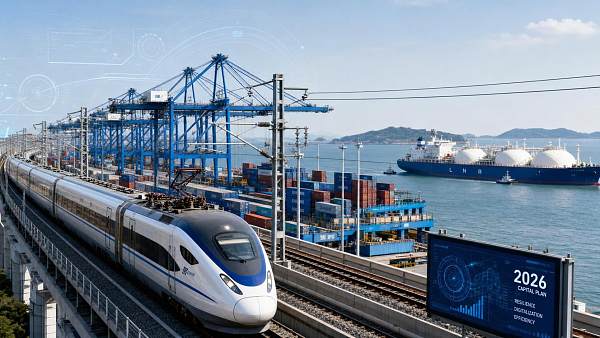
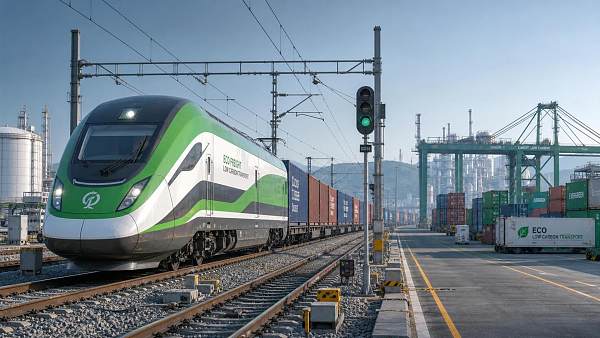
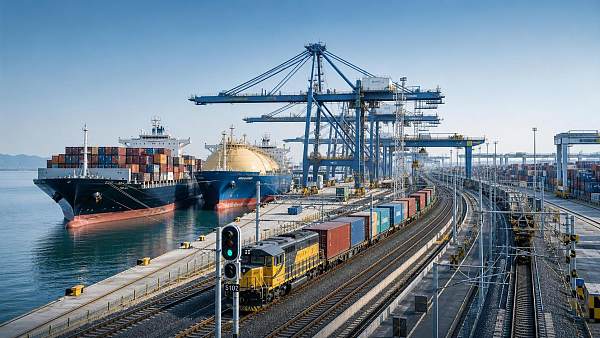
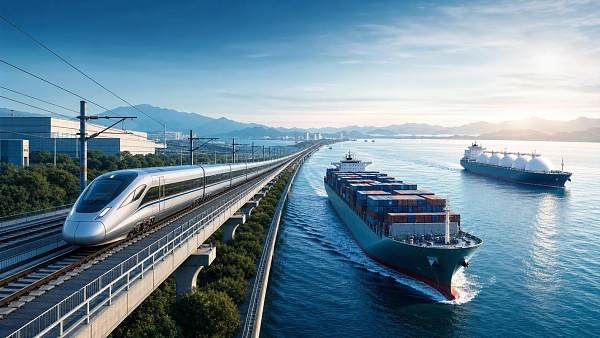
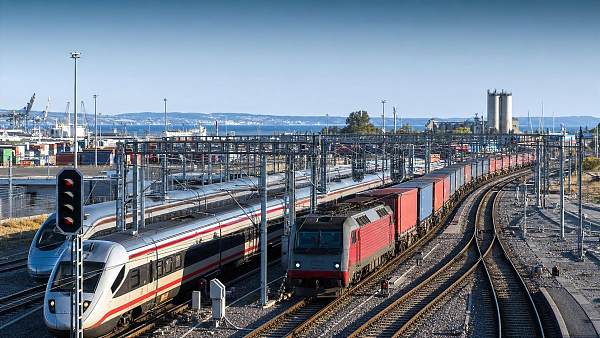
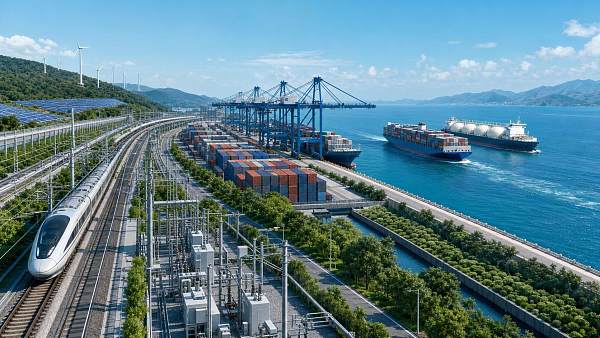
Freight corridors, metro systems, and high-speed lines now sit inside a wider land-sea logistics environment.
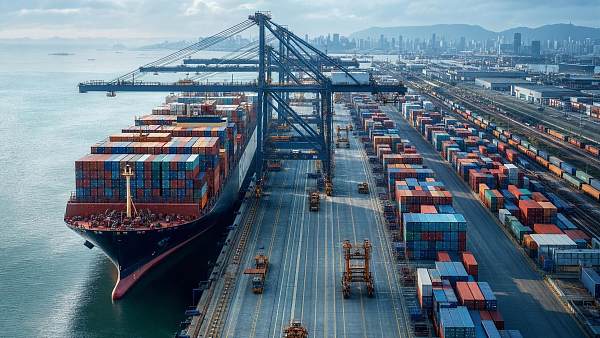
When ports digitize vessel scheduling and terminals automate yard flows, rail cannot remain partially analog.
This is where GTOT’s cross-sector view becomes useful.
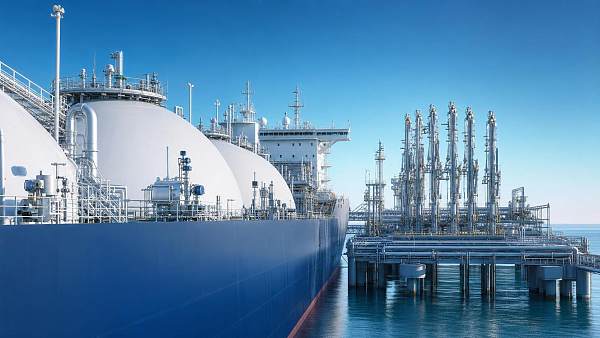
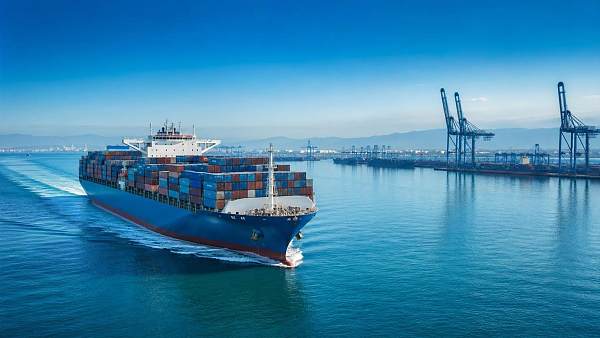
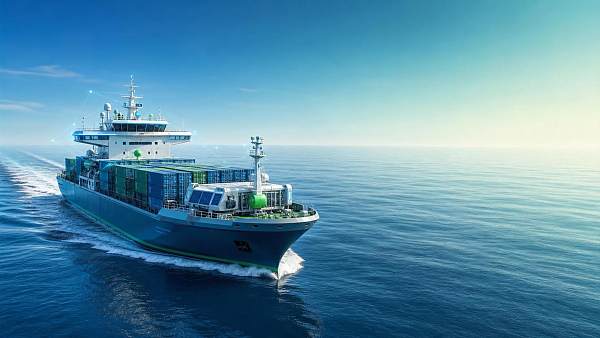
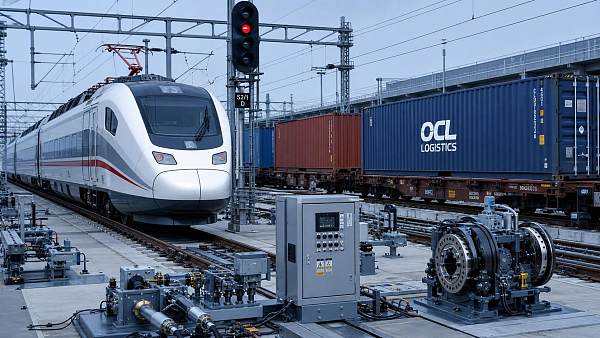
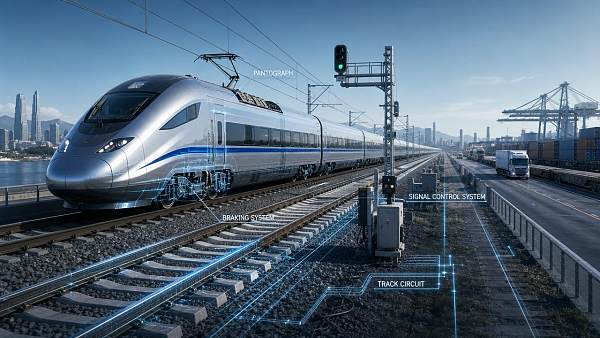
The same intelligence logic connecting railway signal control systems, pantographs, braking systems, smart container ships, and LNG carriers also clarifies where digital investments truly work.
The real issue is not whether full digitalization matters.
The sharper question is where full digitalization delivers measurable efficiency without adding fragile complexity.
The most obvious change is that efficiency gains are becoming more selective
A few years ago, full digitalization was often discussed as a network-wide upgrade story.
Today, operators are more disciplined.
They are asking which layers of the rail system generate the fastest and safest returns.
Recent demand signals point to four areas where gains are consistently real.
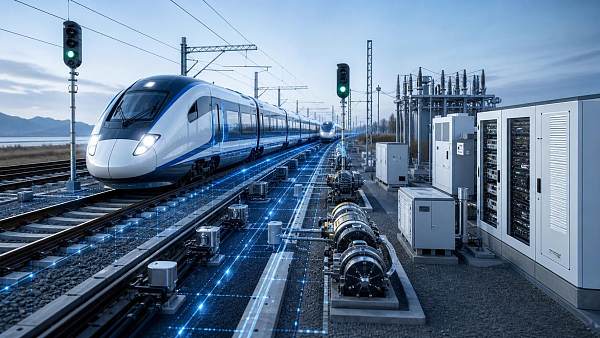
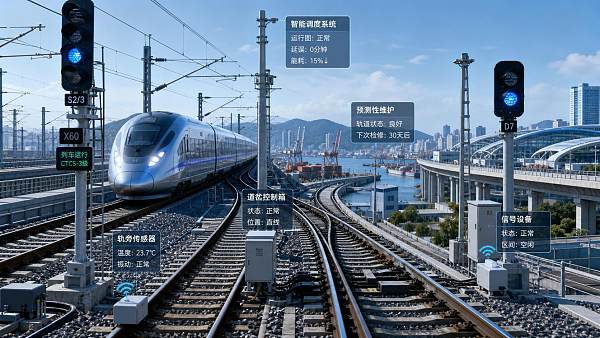
- Digital signaling improves traffic density and reduces recovery time after disruptions.
- Connected traction monitoring stabilizes power collection and avoids avoidable wear events.
- Predictive maintenance lowers workshop uncertainty rather than only reducing parts inventory.
- Fleet coordination platforms improve dispatch quality across mixed passenger and freight operations.
More importantly, these gains interact with each other.
A digitally aware braking system creates cleaner maintenance data.
A better signaling layer improves timetable confidence.
That confidence then makes fleet and crew planning more accurate.
This is why full digitalization increasingly looks less like one project and more like a sequence of linked operating decisions.
Why this shift is accelerating now
The push behind full digitalization is not coming from technology supply alone.
It is being driven by operational pressure from several directions at once.
From a macro-transport perspective, rail is under pressure to behave more like a synchronized network node.
That mirrors what is already happening in smart shipping.
AI route optimization, ship-to-shore coordination, and perceptive interconnection have raised expectations for every upstream and downstream mode.
Full digitalization in rail is partly a response to that wider systems logic.
Where the efficiency gains are proving durable
Not every digital layer creates the same value.
The more durable gains tend to appear where data changes operating behavior in real time.
Signaling is still the clearest example
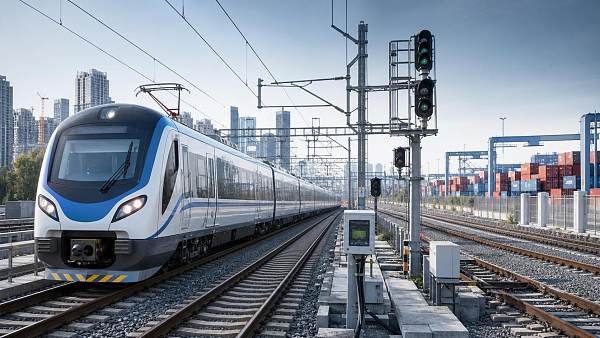
Digital interlocking and traffic management do more than automate old routines.
They make the network more predictable under stress.
That matters in high-density corridors where minutes of delay spread quickly across the timetable.
Traction and current collection are gaining new visibility
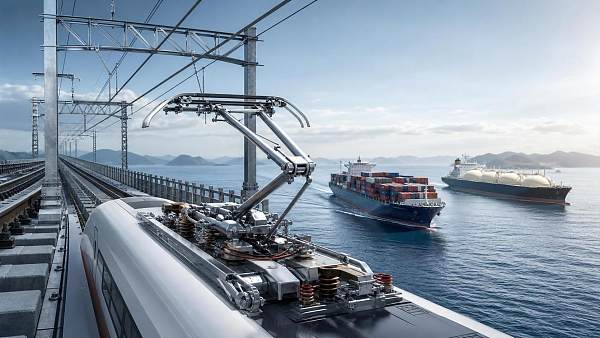
Pantographs operating above 350 km/h face aerodynamic turbulence, vibration, and contact instability.
Full digitalization allows performance data to move from diagnostic archives into active asset management.
Operators can identify contact anomalies earlier and avoid cascading failures.
Braking systems benefit when data is interpreted in context
Braking efficiency is affected by thermal behavior, load, speed, and control response.
Digital monitoring becomes valuable when it links those variables to route conditions and maintenance cycles.
That is more useful than collecting alarms without operational meaning.
Maintenance gains are strongest when they reduce uncertainty
In practice, workshops do not benefit most from more data.
They benefit from fewer ambiguous interventions.
Full digitalization is effective when it narrows inspection scope, improves parts planning, and cuts unnecessary downtime.
The impact does not stop at the rail asset itself
One underappreciated effect of full digitalization is its influence beyond a single trainset or control room.
It changes how rail fits into intercontinental transport timing.
GTOT’s land-sea perspective is relevant here.
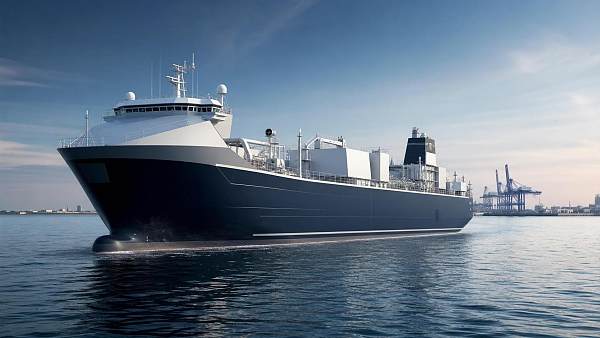
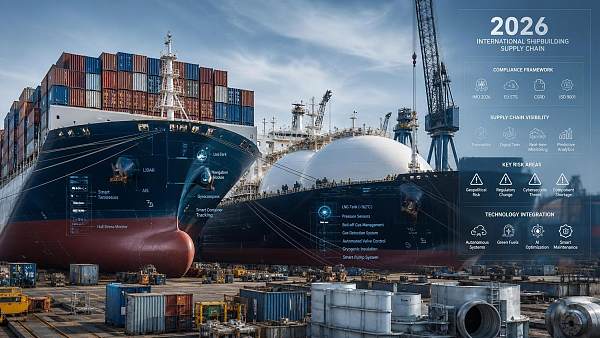
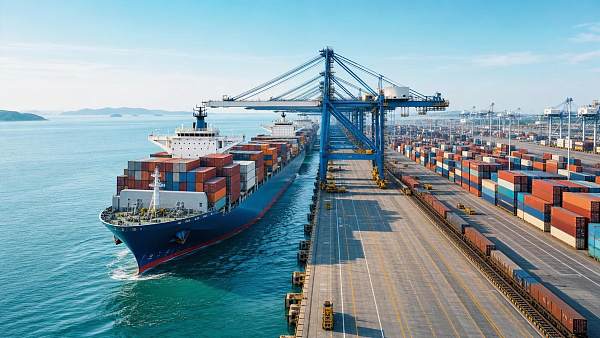
Smart container ships are already redefining arrival precision, fuel strategy, and berth coordination.
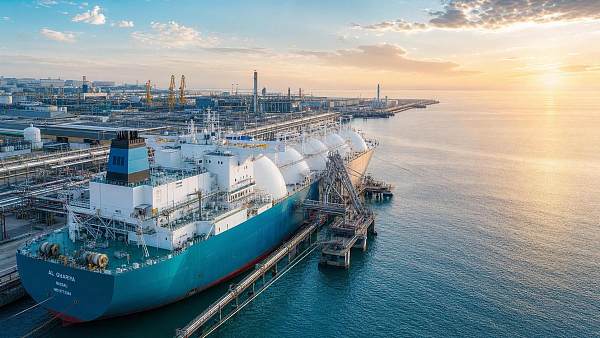
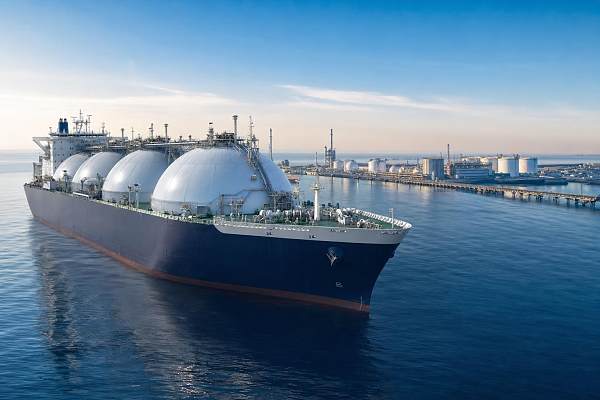
LNG carriers are pushing digital discipline around containment integrity and dual-fuel operations.
Rail networks linked to ports and industrial corridors must respond with matching transparency.
- More accurate rail ETAs improve terminal planning and inland slot allocation.
- Shared condition data supports better decisions during disruption recovery.
- Digital traceability strengthens technical credibility in restricted tenders and compliance-heavy bids.
That last point deserves attention.
In many infrastructure and maritime-linked projects, technical credibility now depends on evidence quality, not only engineering claims.
Full digitalization supports that evidence base.
What deserves closer scrutiny before scaling investment
The market has matured enough to show where digital projects disappoint.
Failure usually comes from integration gaps rather than weak ambition.
Three questions now matter more than broad transformation slogans.
- Can data from signaling, traction, braking, and maintenance be interpreted together?
- Does the digital layer improve decision timing, not just dashboard visibility?
- Will cybersecurity, safety validation, and legacy compatibility limit operational gains?
This is especially important in safety-critical environments.
A digitally rich system that adds validation burden without clear operational improvement will struggle to justify itself.
More mature programs are therefore prioritizing architecture quality, data governance, and scenario-specific returns.
That is a healthier sign than headline-driven digitization.
The next phase of full digitalization will reward sharper sequencing
The next winners will not necessarily be those with the biggest digital budgets.
They will be the ones that connect investment timing to operational bottlenecks.
In many cases, the best sequence starts with control and asset layers that already affect punctuality, energy stability, and maintenance confidence.
From there, full digitalization can expand into corridor-level coordination and land-sea intelligence sharing.
That approach fits the wider GTOT view of transportation.
Rail is not digitizing in isolation.
It is becoming part of a more synchronized mobility and freight fabric, where signaling logic, equipment health, maritime timing, and supply chain resilience increasingly depend on one another.
A practical next step is to map where current delays, failures, or safety buffers are still being managed manually.
Then compare those points against digital layers that can change decisions in real time.
That is where full digitalization is most likely to create durable value, not just impressive architecture.
Recommended News
 Jul 19, 2026Transportation Infrastructure Trends Shaping Capital Planning in 2026Transportation infrastructure trends in 2026 are reshaping capital planning across rail, ports, and shipping. Discover how resilience, automation, and digital control are driving smarter investment decisions.
 Jul 12, 2026Gas Carrier Technology in the Middle East: 2026 OutlookGas carrier technology Middle East trends for 2026: explore LNG vessel innovation, propulsion, containment, and regional yard upgrades shaping smarter energy trade decisions.
 Jul 10, 2026Commercial Shipbuilding Technology Trends Shaping Newbuild Projects in 2026Commercial shipbuilding technology is reshaping 2026 newbuild projects with smarter vessels, fuel flexibility, digital twins, and earlier compliance planning. Explore the trends driving stronger ROI.
 Jul 08, 2026Rail Transit Systems Upgrade Trends Shaping 2026 Investment PlansRail transit systems in 2026 are shifting from expansion to smarter upgrades. Explore safety, automation, energy, and digital trends shaping resilient, high-value investment plans.
 Jul 06, 2026Cryogenic Shipping Systems Manufacturer Trends Shaping 2026 Fleet UpgradesCryogenic shipping systems manufacturer trends are reshaping 2026 fleet upgrades. Explore how digital monitoring, emissions control, and safer containment can improve vessel performance.
 Jul 05, 2026Smart Shipping Solutions for Fleet Management: 2026 Trends Shaping Vessel OperationsSmart shipping solutions for fleet management are redefining vessel operations in 2026. Explore trends in integration, compliance, fuel efficiency, and resilient fleet performance.
 Jul 04, 2026Digital Marine Decarbonization Technology: What Delivers Measurable GainsDigital marine decarbonization technology helps fleets cut fuel use, improve compliance, and boost vessel efficiency with measurable, data-driven gains. Learn what truly delivers value.
 Jul 03, 2026Global Rail Infrastructure Standards: 2026 Changes to WatchGlobal rail infrastructure standards are reshaping 2026 rail projects. Discover the key compliance, interoperability, cyber, and low-carbon changes that will impact bids and investment.
 Jul 02, 2026Global Trade Logistics North America Trends to Watch in 2026Global trade logistics North America in 2026 will be shaped by rail-ocean integration, smart routing, LNG demand, and measurable resilience. Discover the trends redefining reliability and trade advantage.
 Jun 30, 2026International Shipbuilding Suppliers: 2026 Sourcing Trends and Supply Chain RisksInternational shipbuilding suppliers face new 2026 sourcing risks, from compliance and digital integration to sub-tier bottlenecks. Explore key trends shaping cost, delivery, and resilience.
 Jun 27, 2026Heavy Industry Tech Trends Reshaping Equipment Investment in 2026Heavy industry tech is reshaping 2026 equipment investment across rail and maritime systems. Explore the five trends driving safer, smarter, higher-value capital decisions.
 Jun 25, 2026Decarbonization Trends Reshaping Rail and Marine Investment in 2026Decarbonization is reshaping rail and marine investment in 2026. Discover where capital is moving, which assets gain value, and how smarter transport upgrades improve resilience.
 Jun 23, 2026Global Rail Infrastructure Trends Shaping Capacity, Funding, and Delivery TimelinesGlobal rail infrastructure trends are redefining capacity, funding, and delivery timelines. Explore how data-driven planning and system readiness shape resilient, investable rail projects.
 Jun 22, 2026Maritime Logistics Trends in 2026: Capacity Shifts, Delays, and Margin PressureMaritime logistics in 2026 faces shifting capacity, persistent delays, and rising margin pressure. Explore key risks, lane-level signals, and smarter planning strategies.
 Jun 21, 2026LNG Carriers Technology Advancements: 5 Upgrades Reshaping Fleet PerformanceLNG carriers technology advancements are reshaping fleet performance through smarter containment, dual-fuel propulsion, digital monitoring, boil-off control, and automation—see the 5 upgrades driving safer, cleaner, more profitable LNG shipping.
 Jun 20, 2026Global Supply Chain Challenges in Rail Infrastructure in 2026Global supply chain challenges in rail infrastructure are redefining 2026 project risk. Discover where delays, compliance, and sourcing pressure hit hardest—and how smarter evaluation protects cost, delivery, and performance.
 Jun 20, 2026Full Digitalization in Rail: 7 Risks to Address Before ScalingFull digitalization in rail can boost safety, maintenance, and control—but only if key risks are managed. Explore 7 critical challenges to address before scaling network-wide.
 Jun 18, 2026Maritime Logistics Trends in 2026: Where Shipping Efficiency Is MovingMaritime logistics in 2026 is driven by AI routing, port connectivity, decarbonization, and asset visibility. Discover the trends redefining shipping efficiency and resilience.
 Jun 17, 2026Transportation Infrastructure Development Trends That Matter for Long-Term PlanningTransportation infrastructure development trends are reshaping rail, ports, shipping, and LNG networks. Explore the key signals for smarter long-term planning, resilience, and investment value.
 Jun 17, 2026Railway Automation Trends Shaping Safer, Smarter Networks in 2026Railway automation in 2026 is driving safer, smarter rail networks with predictive maintenance, integrated signaling, and higher capacity. Explore the trends shaping resilient transport.
 Jun 15, 2026Decarbonization in Rail Transportation: What Cuts Emissions First?Decarbonization in rail transportation starts with the fastest wins: traction optimization, regenerative braking, smarter signalling, and retrofit upgrades that cut emissions, costs, and risk.
 Jun 14, 2026Rail Infrastructure Investment: Cost vs Long-Term ReturnRail infrastructure investment is more than upfront cost. Discover how lifecycle planning, smarter systems, and reliable rail design can deliver stronger long-term returns.
 Jun 13, 2026Advanced Ocean-Going Vessels: Key Design Shifts in 2026Advanced ocean-going vessels in 2026 are redefining shipping with AI routing, fuel-flexible propulsion, and smarter port integration. See which design shifts drive resilience, efficiency, and long-term fleet value.
 Jun 12, 2026High-Speed Rail Technology Trends Shaping 2026 ProjectsHigh-speed rail technology is reshaping 2026 projects through smarter signaling, resilient traction, precision braking, and digital monitoring. Explore the trends driving safer, scalable, bankable rail delivery.