



Search News
Industry Portal
Popular Tags
LNG Carriers for Global Energy Transport: Cost and Capacity Trends
Author
Time
Click Count
LNG carriers for global energy transport are moving from logistics assets to strategic infrastructure
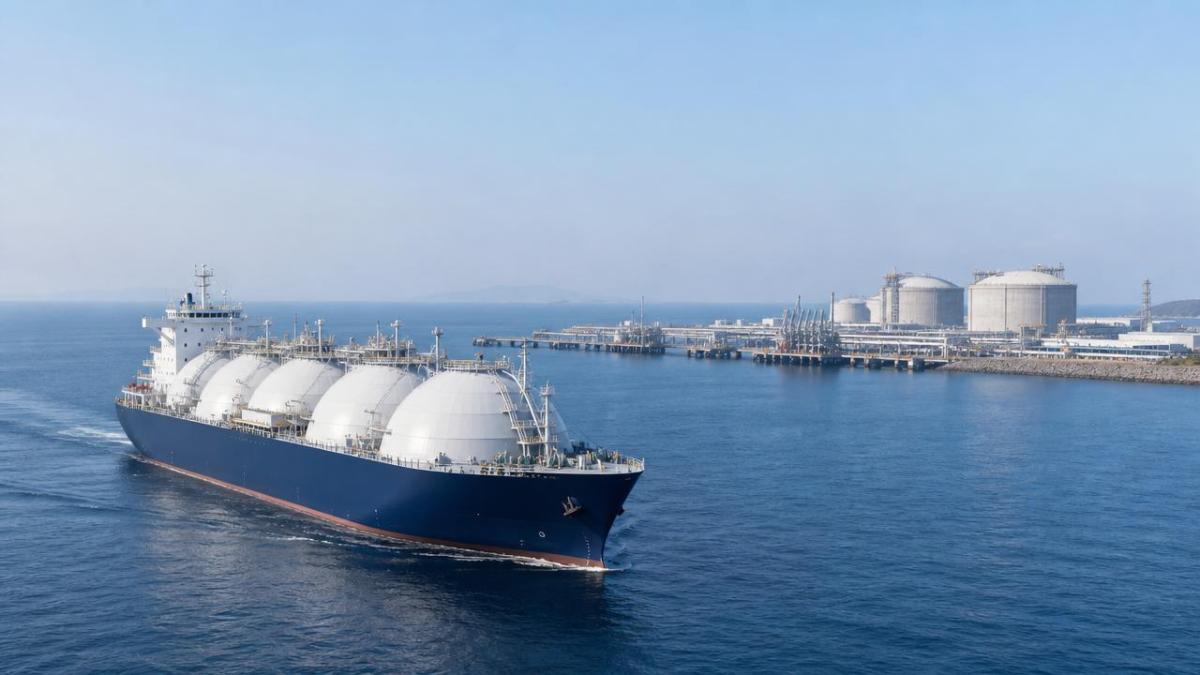
Energy trade is being reorganized in real time, and shipping is no longer a passive link in that process.
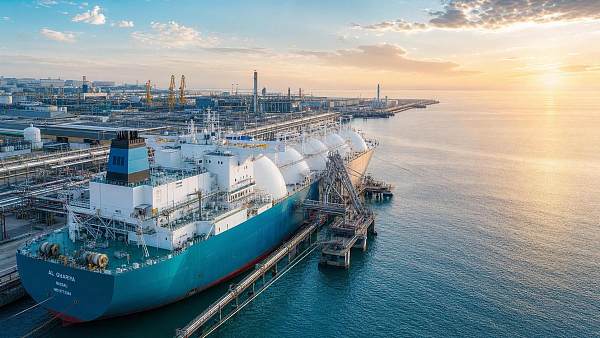
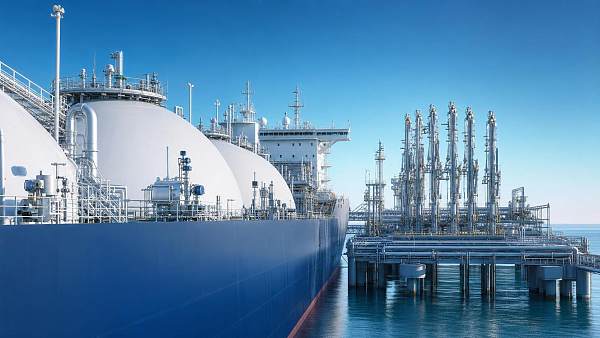
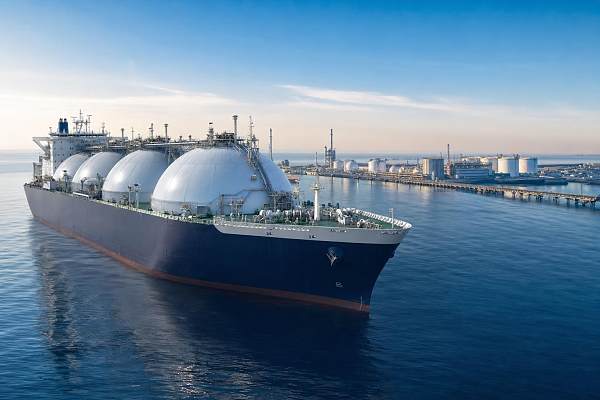
LNG carriers for global energy transport now sit at the center of supply flexibility, pricing discipline, and long-horizon project planning.
That shift matters because vessel economics are tightening just as import patterns become less predictable.
A few years ago, attention often stayed on cargo demand and terminal capacity.
Now, fleet age, slot availability at shipyards, boil-off performance, and charter exposure carry equal weight.
For a platform like GTOT, this is a familiar industrial pattern.
Whether in railway signalling, traction systems, smart container ships, or LNG carriers, asset value increasingly depends on technical control and system intelligence.
In LNG shipping, the same principle appears through containment design, propulsion choice, route efficiency, and lifecycle risk management.
What changed recently is not only demand, but the shape of demand
The market is not simply asking for more tonnage.
It is asking for more adaptable tonnage.
Importers want optionality across contract terms, delivery windows, and discharge destinations.
That requirement favors LNG carriers for global energy transport with stronger fuel efficiency and route flexibility.
Atlantic and Pacific arbitrage remains volatile, so cargo movement is increasingly shaped by netback logic rather than fixed corridors.
At the same time, seasonal shocks have become more expensive.
When weather, canal constraints, or regional outages compress vessel availability, charter rates react faster than many project models assume.
This is why business evaluation now extends beyond headline freight costs.
It must consider whether fleet access remains resilient under stress.
Several market signals are becoming harder to ignore
- Newbuild prices remain elevated because shipyard capacity is shared with other high-value vessel segments.
- Modern two-stroke dual-fuel ships keep commanding a premium in long-term employment discussions.
- Older steam turbine vessels face widening efficiency penalties on longer voyages.
- Canal disruptions and rerouting increase the value of reliable cargo containment and fuel planning.
- Portfolio buyers are comparing ton-mile exposure alongside traditional volume assumptions.
Capacity trends now reflect engineering choices as much as commercial appetite
Capacity growth in LNG carriers for global energy transport is often described in cubic meters alone.
That view is too narrow for current decisions.
The practical value of capacity depends on how effectively it travels, stores, and delivers gas under operational constraints.
Vessels in the 174,000 to 200,000 cubic meter range remain commercially attractive, but scale does not automatically translate into superior economics.
Port limitations, berth compatibility, transit restrictions, and cargo portfolio mix still define usable scale.
This is where containment technology matters more than it did in earlier fleet cycles.
Membrane systems continue to dominate many orders because they maximize volumetric efficiency.
Yet the decision is not just about volume.
It also touches boil-off rates, cargo handling strategy, maintenance expectations, and insulation performance over time.
GTOT’s emphasis on deep technical intelligence is especially relevant here.
In the same way rail braking performance cannot be judged by stopping force alone, LNG vessel capacity should not be judged by tank size alone.
Cost pressure is becoming more layered than freight rates alone suggest
Headline charter rates still attract the most attention, but they can hide deeper structural shifts.
The delivered cost of LNG carriers for global energy transport increasingly depends on capital timing, technical specification, and voyage disruption risk.
Newbuilding cost inflation is tied to labor, steel, specialist equipment, and shipyard bargaining power.
That alone changes project thresholds.
More importantly, a high-cost vessel can still be economically rational if it protects availability over a volatile contract life.
This is one reason long-term evaluations are separating efficient ships from merely expensive ships.
Another pressure point is operational complexity.
Crewing standards, digital maintenance, emissions compliance, and drydock planning all influence real asset performance.
In practice, cost leadership now comes from integrated control, not from one low-price decision.
Where the cost conversation is shifting
- From daily rate focus to full voyage economics.
- From cargo capacity claims to boil-off-adjusted delivered volume.
- From emissions compliance as a side issue to a financing variable.
- From isolated vessel review to network-level fleet optionality.
The impact is spreading across terminals, contracts, and adjacent transport systems
The effects of LNG carriers for global energy transport do not stop at sea.
They shape upstream scheduling, downstream regasification planning, and inland energy distribution confidence.
More flexible marine transport increases the value of terminals that can handle varied cargo programs.
It also rewards digital coordination between shipping, storage, and land-side infrastructure.
That broader systems view aligns closely with GTOT’s cross-domain perspective.
The same logic used to connect smart vessels with supply chain intelligence can be applied to LNG movement.
An efficient ship matters, but an efficiently connected transport chain matters more.
This also changes how risk should be read.
A vessel delay may translate into power market stress, industrial fuel switching, or storage drawdown decisions elsewhere.
The commercial implication is simple.
Marine transport assumptions must be tested against wider infrastructure behavior.
The next wave of decisions will favor operators who read technical and market signals together
A recurring mistake is to separate technical screening from commercial screening.
That approach is becoming less useful.
For LNG carriers for global energy transport, propulsion efficiency, containment reliability, digital monitoring, and route exposure now influence value at the same time.
More attention should also be paid to replacement cycles.
As older tonnage loses competitiveness, the gap between compliant capacity and nominal capacity will widen.
That may create a misleading sense of fleet abundance.
Another signal worth tracking is financing selectivity.
Lenders and partners increasingly prefer assets with clearer efficiency narratives and stronger operational data.
In other words, technical credibility is becoming commercial credibility.
What deserves close monitoring now
- Shipyard delivery queues and the risk of delayed fleet entry.
- Changes in canal routing, insurance exposure, and voyage distance assumptions.
- Performance gaps between modern dual-fuel ships and legacy steam turbine vessels.
- Terminal compatibility with larger LNG carriers for global energy transport.
- Data quality around boil-off, maintenance, and actual fuel consumption.
A practical reading of the market starts with better comparison, not louder forecasts
The most useful next step is not to chase a single market prediction.
It is to compare vessel options and project assumptions under several operating conditions.
That means testing charter sensitivity, route detours, berth limits, and fuel cost variation together.
It also means checking whether current capacity plans rely too heavily on nominal fleet numbers.
For organizations following GTOT’s land-sea intelligence approach, the advantage comes from connecting engineering detail with market timing.
LNG carriers for global energy transport will remain essential, but the strongest positions will belong to those reading cost, capacity, and control as one system.
A disciplined review should now compare fleet efficiency, containment quality, terminal fit, and route resilience in one decision frame.
That is where clearer investment judgment usually begins.
Recommended News
 Jul 19, 2026Transportation Infrastructure Trends Shaping Capital Planning in 2026Transportation infrastructure trends in 2026 are reshaping capital planning across rail, ports, and shipping. Discover how resilience, automation, and digital control are driving smarter investment decisions.
 Jul 12, 2026Gas Carrier Technology in the Middle East: 2026 OutlookGas carrier technology Middle East trends for 2026: explore LNG vessel innovation, propulsion, containment, and regional yard upgrades shaping smarter energy trade decisions.
 Jul 10, 2026Commercial Shipbuilding Technology Trends Shaping Newbuild Projects in 2026Commercial shipbuilding technology is reshaping 2026 newbuild projects with smarter vessels, fuel flexibility, digital twins, and earlier compliance planning. Explore the trends driving stronger ROI.
 Jul 08, 2026Rail Transit Systems Upgrade Trends Shaping 2026 Investment PlansRail transit systems in 2026 are shifting from expansion to smarter upgrades. Explore safety, automation, energy, and digital trends shaping resilient, high-value investment plans.
 Jul 06, 2026Cryogenic Shipping Systems Manufacturer Trends Shaping 2026 Fleet UpgradesCryogenic shipping systems manufacturer trends are reshaping 2026 fleet upgrades. Explore how digital monitoring, emissions control, and safer containment can improve vessel performance.
 Jul 05, 2026Smart Shipping Solutions for Fleet Management: 2026 Trends Shaping Vessel OperationsSmart shipping solutions for fleet management are redefining vessel operations in 2026. Explore trends in integration, compliance, fuel efficiency, and resilient fleet performance.
 Jul 04, 2026Digital Marine Decarbonization Technology: What Delivers Measurable GainsDigital marine decarbonization technology helps fleets cut fuel use, improve compliance, and boost vessel efficiency with measurable, data-driven gains. Learn what truly delivers value.
 Jul 03, 2026Global Rail Infrastructure Standards: 2026 Changes to WatchGlobal rail infrastructure standards are reshaping 2026 rail projects. Discover the key compliance, interoperability, cyber, and low-carbon changes that will impact bids and investment.
 Jul 02, 2026Global Trade Logistics North America Trends to Watch in 2026Global trade logistics North America in 2026 will be shaped by rail-ocean integration, smart routing, LNG demand, and measurable resilience. Discover the trends redefining reliability and trade advantage.
 Jun 30, 2026International Shipbuilding Suppliers: 2026 Sourcing Trends and Supply Chain RisksInternational shipbuilding suppliers face new 2026 sourcing risks, from compliance and digital integration to sub-tier bottlenecks. Explore key trends shaping cost, delivery, and resilience.
 Jun 27, 2026Heavy Industry Tech Trends Reshaping Equipment Investment in 2026Heavy industry tech is reshaping 2026 equipment investment across rail and maritime systems. Explore the five trends driving safer, smarter, higher-value capital decisions.
 Jun 25, 2026Decarbonization Trends Reshaping Rail and Marine Investment in 2026Decarbonization is reshaping rail and marine investment in 2026. Discover where capital is moving, which assets gain value, and how smarter transport upgrades improve resilience.
 Jun 23, 2026Global Rail Infrastructure Trends Shaping Capacity, Funding, and Delivery TimelinesGlobal rail infrastructure trends are redefining capacity, funding, and delivery timelines. Explore how data-driven planning and system readiness shape resilient, investable rail projects.
 Jun 22, 2026Maritime Logistics Trends in 2026: Capacity Shifts, Delays, and Margin PressureMaritime logistics in 2026 faces shifting capacity, persistent delays, and rising margin pressure. Explore key risks, lane-level signals, and smarter planning strategies.
 Jun 21, 2026LNG Carriers Technology Advancements: 5 Upgrades Reshaping Fleet PerformanceLNG carriers technology advancements are reshaping fleet performance through smarter containment, dual-fuel propulsion, digital monitoring, boil-off control, and automation—see the 5 upgrades driving safer, cleaner, more profitable LNG shipping.
 Jun 20, 2026Global Supply Chain Challenges in Rail Infrastructure in 2026Global supply chain challenges in rail infrastructure are redefining 2026 project risk. Discover where delays, compliance, and sourcing pressure hit hardest—and how smarter evaluation protects cost, delivery, and performance.
 Jun 20, 2026Full Digitalization in Rail: 7 Risks to Address Before ScalingFull digitalization in rail can boost safety, maintenance, and control—but only if key risks are managed. Explore 7 critical challenges to address before scaling network-wide.
 Jun 18, 2026Maritime Logistics Trends in 2026: Where Shipping Efficiency Is MovingMaritime logistics in 2026 is driven by AI routing, port connectivity, decarbonization, and asset visibility. Discover the trends redefining shipping efficiency and resilience.
 Jun 17, 2026Transportation Infrastructure Development Trends That Matter for Long-Term PlanningTransportation infrastructure development trends are reshaping rail, ports, shipping, and LNG networks. Explore the key signals for smarter long-term planning, resilience, and investment value.
 Jun 17, 2026Railway Automation Trends Shaping Safer, Smarter Networks in 2026Railway automation in 2026 is driving safer, smarter rail networks with predictive maintenance, integrated signaling, and higher capacity. Explore the trends shaping resilient transport.
 Jun 15, 2026Decarbonization in Rail Transportation: What Cuts Emissions First?Decarbonization in rail transportation starts with the fastest wins: traction optimization, regenerative braking, smarter signalling, and retrofit upgrades that cut emissions, costs, and risk.
 Jun 14, 2026Rail Infrastructure Investment: Cost vs Long-Term ReturnRail infrastructure investment is more than upfront cost. Discover how lifecycle planning, smarter systems, and reliable rail design can deliver stronger long-term returns.
 Jun 13, 2026Advanced Ocean-Going Vessels: Key Design Shifts in 2026Advanced ocean-going vessels in 2026 are redefining shipping with AI routing, fuel-flexible propulsion, and smarter port integration. See which design shifts drive resilience, efficiency, and long-term fleet value.
 Jun 12, 2026High-Speed Rail Technology Trends Shaping 2026 ProjectsHigh-speed rail technology is reshaping 2026 projects through smarter signaling, resilient traction, precision braking, and digital monitoring. Explore the trends driving safer, scalable, bankable rail delivery.