



Search News
Industry Portal
Popular Tags
International Shipbuilding Trends Shaping LNG and Smart Vessels in 2026
Author
Time
Click Count
International shipbuilding enters 2026 with a different center of gravity
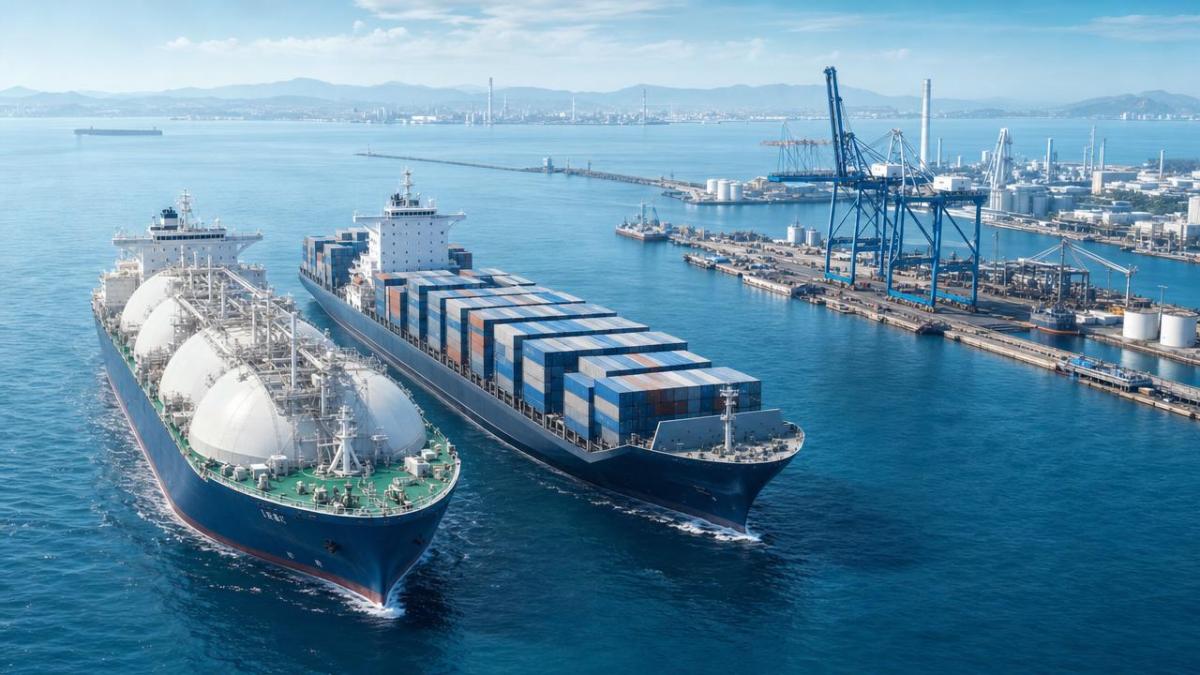
International shipbuilding is no longer shaped by volume alone. In 2026, the market is being reordered by energy security, digital operations, and stricter emissions accountability.
The most visible shift is the parallel rise of LNG carriers and smart vessels. One answers fuel and gas transport pressure. The other answers efficiency, visibility, and route volatility.
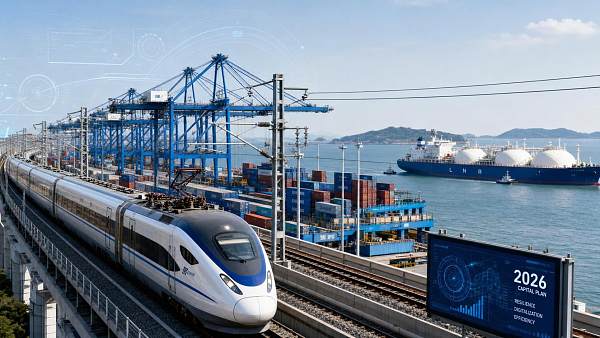
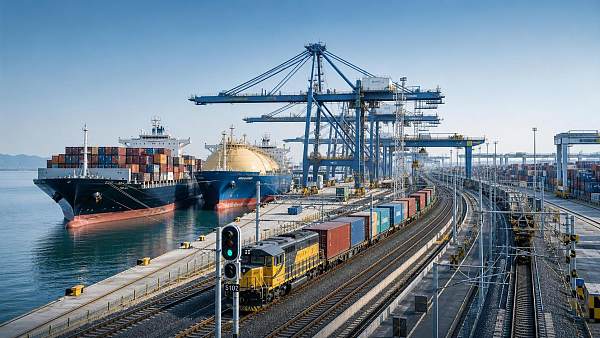
That combination matters beyond shipyards. It influences equipment sourcing, control architecture, onboard software, cryogenic systems, and how global transport corridors are planned across sea and land.
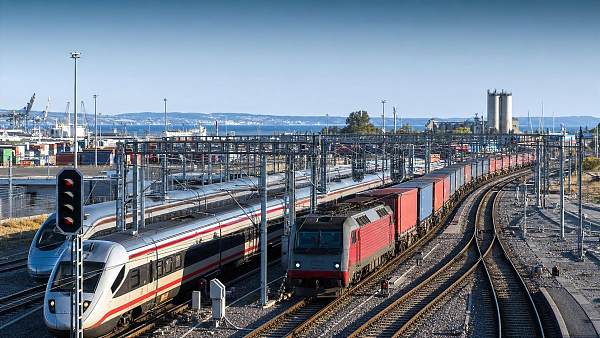
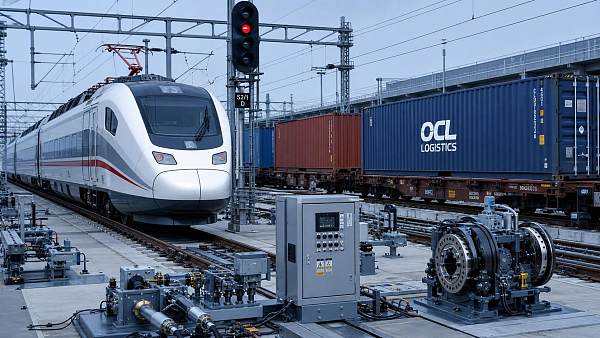
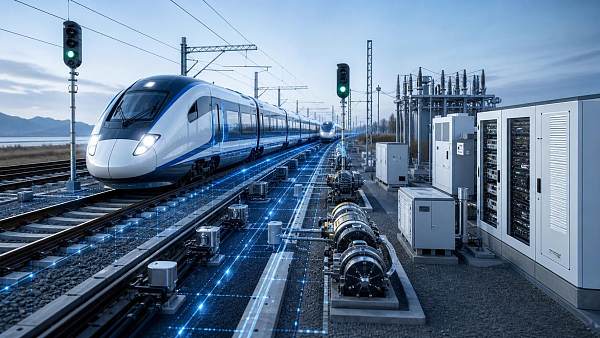
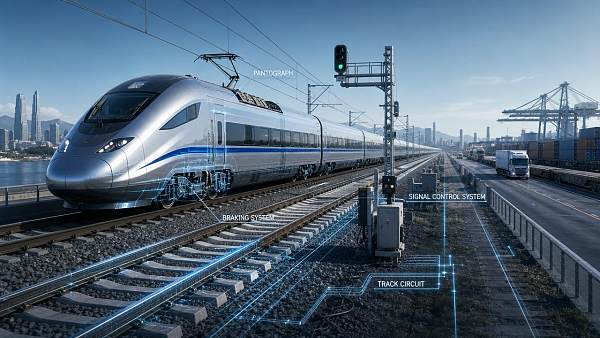
From GTOT’s cross-sector perspective, this is where international shipbuilding becomes especially important. Vessel intelligence now connects with rail signaling discipline, traction reliability thinking, and system-level safety engineering.
The result is a market where design choices have longer strategic consequences. A ship ordered in 2026 must stay competitive through regulatory change, fuel uncertainty, and digital integration cycles.
Why the new signals are becoming harder to ignore
Recent demand patterns show that international shipbuilding is responding to less predictable trade geography. Cargo flows are being redirected by geopolitics, canal constraints, regional manufacturing shifts, and energy realignment.
At the same time, regulators are narrowing the room for incremental compliance. Shipowners can no longer rely on minor retrofits if newbuildings are expected to perform under future carbon intensity rules.
This is why LNG remains central, even as alternative fuels advance. LNG infrastructure is imperfect, yet mature enough to support near-term deployment at scale.
More telling is the digital layer. Smart vessel capability is moving from optional differentiation to operational necessity, especially where fleets need route optimization, predictive maintenance, and tighter port coordination.
In practical terms, international shipbuilding now reflects a broader industrial logic. Platforms are expected to be cleaner, more connected, and easier to adapt over a long asset life.
The forces behind the shift
- Gas demand remains structurally important, supporting fresh LNG carrier orders and containment technology upgrades.
- IMO-related pressure increases the value of efficient hull design, dual-fuel propulsion, and emissions monitoring systems.
- Port congestion and route disruption make real-time voyage planning more valuable than static scheduling models.
- Cybersecurity and data assurance are becoming board-level concerns as ship systems gain deeper automation.
- Supply chain fragility pushes buyers toward trusted subsystem partners with stronger engineering traceability.
LNG carriers are no longer a niche story inside international shipbuilding
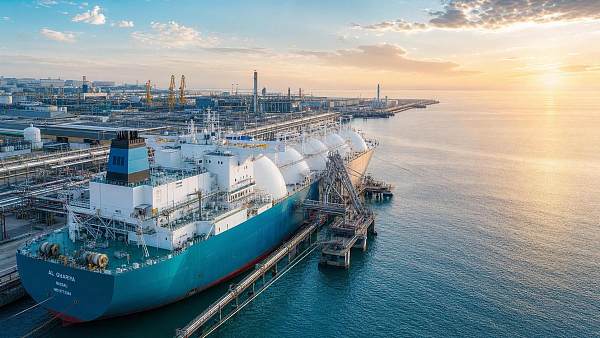
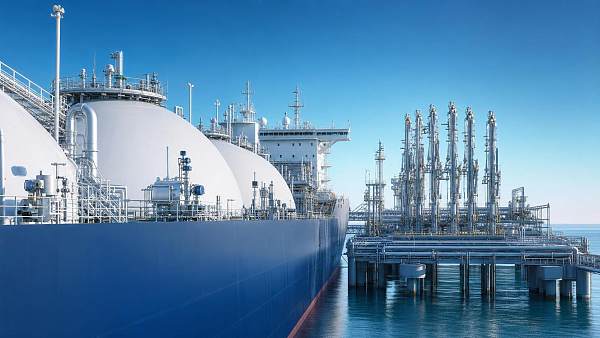
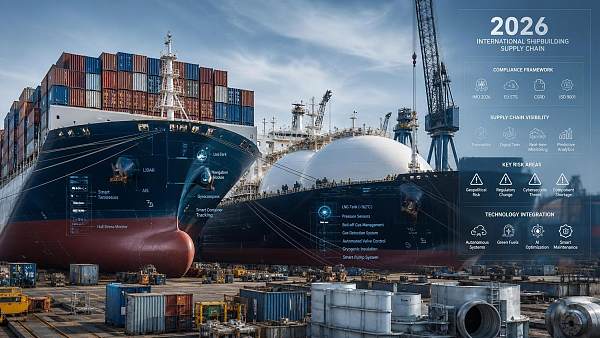
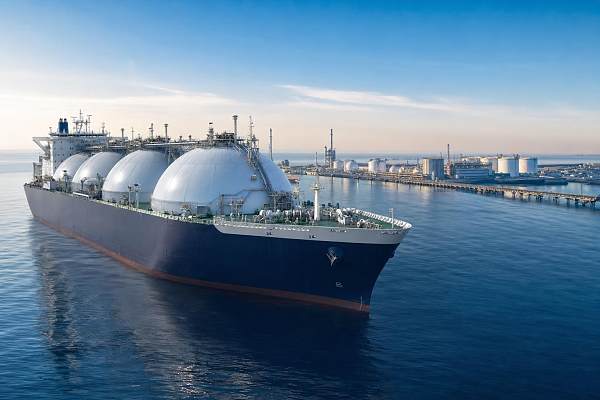
LNG carriers have moved from a specialized shipping segment to a strategic reference point for international shipbuilding. They combine energy logistics, thermal engineering, safety management, and propulsion innovation in one asset class.
The engineering challenge remains demanding. Cargo containment at minus 163 degrees requires precision in membrane integrity, insulation performance, boil-off gas handling, and structural stress control.
What changed is the business context around those technical demands. LNG vessels are now assessed not only for transport capacity, but also for lifecycle fuel efficiency, charter flexibility, and resilience under changing trade routes.
This is where GTOT’s intelligence approach is useful. The same discipline used to understand SIL4 rail control or braking reliability also helps interpret safety-critical vessel systems with long service exposure.
For international shipbuilding, LNG carriers are setting a benchmark. They show how future-ready vessels must merge difficult hardware with measurable operational intelligence.
Where evaluation standards are getting stricter
Smart vessels are changing what competitiveness means
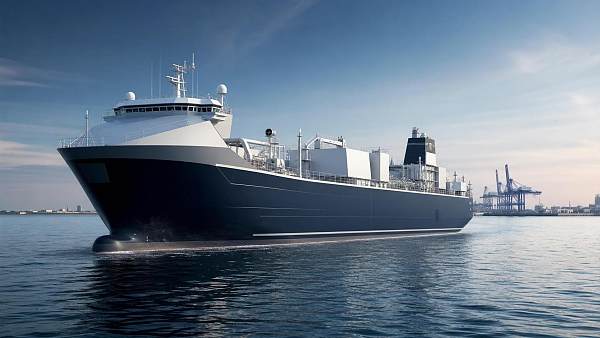
If LNG carriers represent energy logic, smart vessels represent operating logic. International shipbuilding is increasingly shaped by software-enabled performance, not only steel, tonnage, or engine rating.
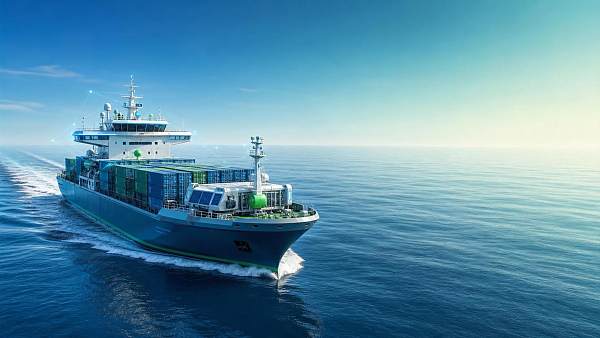
The smarter ship is not defined by one device. It is defined by connected navigation, machine condition awareness, ship-to-shore data exchange, and better decisions under uncertain weather, fuel, and port windows.
This matters because margin pressure has moved upstream. Many operators cannot offset inefficiency later if the vessel was not built with scalable data architecture.
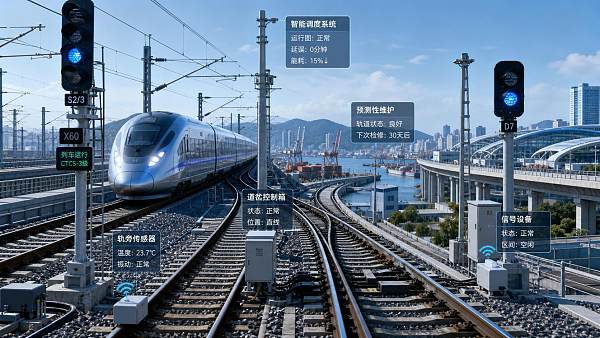
A similar pattern has long existed in rail. Reliable control depends on robust integration between hardware, communication, and safety logic. International shipbuilding is moving toward that same systems mindset.
The stronger signal in 2026 is that digital capability is influencing vessel valuation, financing confidence, and technical partnership choices earlier in the ordering process.
The most practical smart vessel upgrades
- AI-assisted route planning linked to fuel burn, congestion, and weather exposure.
- Integrated maintenance diagnostics for engines, pumps, valves, and cargo systems.
- Remote performance dashboards for shore-side decision support.
- Cyber-hardened communication layers for operational continuity and compliance integrity.
The impact is spreading beyond shipyards
One reason international shipbuilding deserves wider strategic attention is that its effects do not stop at vessel delivery. They spread into financing models, port systems, component qualification, and inland transport coordination.
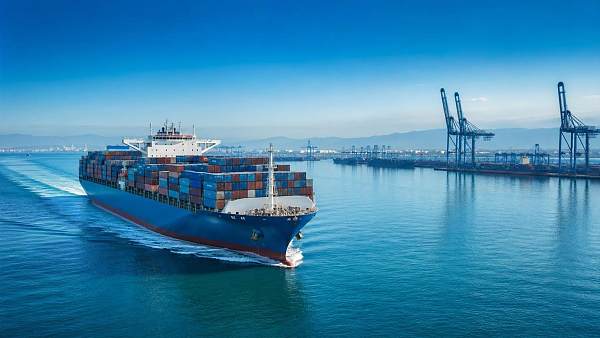
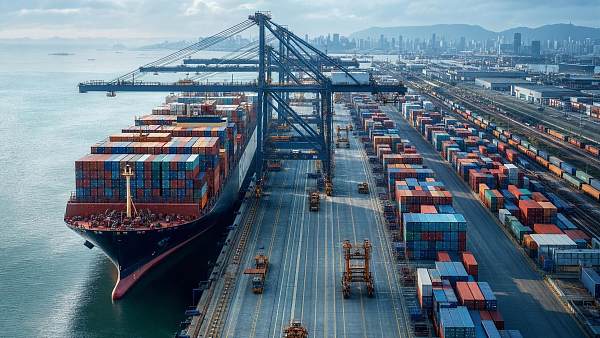
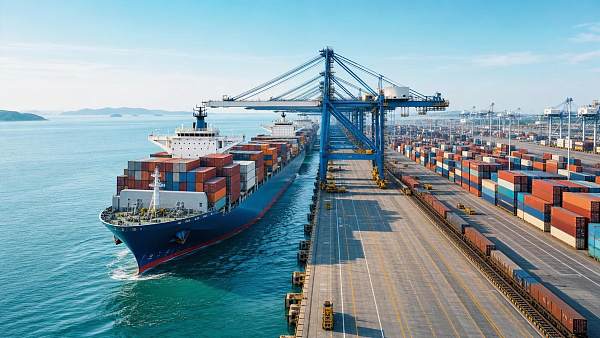
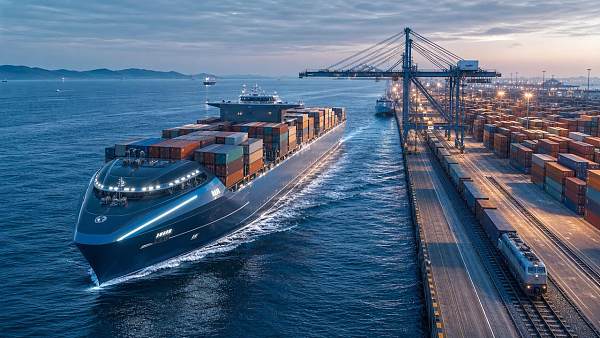
A smarter container ship changes how terminals allocate slots. A more efficient LNG carrier changes how supply contracts are timed. Better vessel reliability changes buffer inventory assumptions across industrial chains.
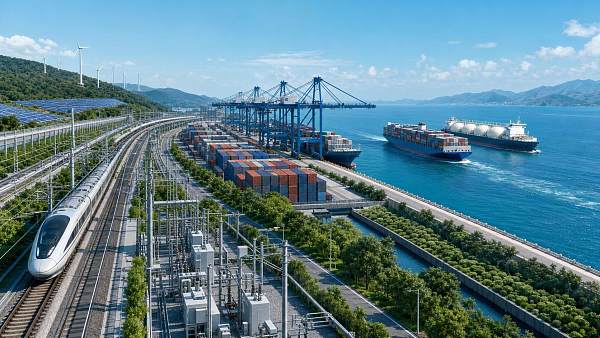
This is especially relevant for organizations navigating both land and sea infrastructure. GTOT’s land-sea viewpoint reflects a real market need: transport performance is increasingly interdependent.
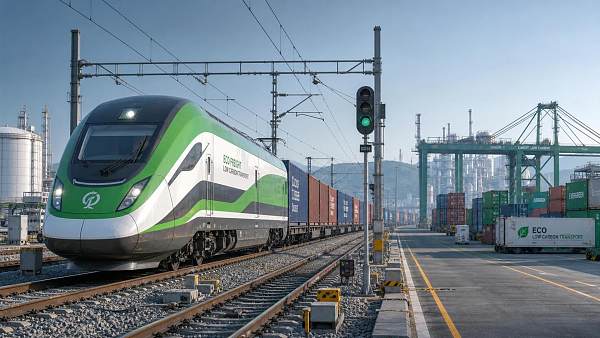
When ocean assets become more digitized, adjacent systems must also become more synchronized. Port access, rail transfer, power equipment reliability, and control visibility start to matter as part of one operating equation.
That is why international shipbuilding should be read as a systems trend, not simply a maritime orderbook story.
What deserves closer attention through the rest of 2026
Not every headline in international shipbuilding has equal decision value. Some indicators are more revealing than order totals or short-term freight sentiment.
A useful reading framework starts with technical adaptability. Vessels that can absorb software upgrades, fuel strategy shifts, and tighter compliance reporting are likely to hold value better.
The second area is subsystem credibility. In a more complex build environment, engineering traceability matters as much as unit price, especially for safety-critical or cryogenic equipment.
The third area is corridor logic. Watching how trade routes interact with rail hubs, ports, and energy terminals often reveals future demand faster than generic market commentary.
- Track LNG containment and dual-fuel standards, not only vessel counts.
- Compare smart vessel architectures by interoperability, not feature volume.
- Assess whether shipping data can connect with broader logistics control systems.
- Review supplier resilience under restricted components and long certification cycles.
A grounded way to respond to international shipbuilding in 2026
The clearest takeaway is that international shipbuilding is becoming more selective. Capital is moving toward vessels that combine fuel realism, digital readiness, and engineering resilience.
That makes reactive decisions more expensive. Waiting for certainty may leave fewer options once yard capacity, critical components, or compliance windows tighten.
A better approach is to build a staged view. Start with route exposure, fuel assumptions, technical risk points, and data requirements. Then compare vessel pathways against those realities.
For organizations following GTOT, the broader lesson is familiar. Whether in rail control or advanced shipping, durable advantage comes from understanding how systems behave under pressure, not only how markets look in presentation charts.
In the next phase of international shipbuilding, the strongest position will come from tracking signal changes early, testing assumptions against real operating conditions, and aligning technology choices with long-cycle transport strategy.
Recommended News
 Jul 19, 2026Transportation Infrastructure Trends Shaping Capital Planning in 2026Transportation infrastructure trends in 2026 are reshaping capital planning across rail, ports, and shipping. Discover how resilience, automation, and digital control are driving smarter investment decisions.
 Jul 12, 2026Gas Carrier Technology in the Middle East: 2026 OutlookGas carrier technology Middle East trends for 2026: explore LNG vessel innovation, propulsion, containment, and regional yard upgrades shaping smarter energy trade decisions.
 Jul 10, 2026Commercial Shipbuilding Technology Trends Shaping Newbuild Projects in 2026Commercial shipbuilding technology is reshaping 2026 newbuild projects with smarter vessels, fuel flexibility, digital twins, and earlier compliance planning. Explore the trends driving stronger ROI.
 Jul 08, 2026Rail Transit Systems Upgrade Trends Shaping 2026 Investment PlansRail transit systems in 2026 are shifting from expansion to smarter upgrades. Explore safety, automation, energy, and digital trends shaping resilient, high-value investment plans.
 Jul 06, 2026Cryogenic Shipping Systems Manufacturer Trends Shaping 2026 Fleet UpgradesCryogenic shipping systems manufacturer trends are reshaping 2026 fleet upgrades. Explore how digital monitoring, emissions control, and safer containment can improve vessel performance.
 Jul 05, 2026Smart Shipping Solutions for Fleet Management: 2026 Trends Shaping Vessel OperationsSmart shipping solutions for fleet management are redefining vessel operations in 2026. Explore trends in integration, compliance, fuel efficiency, and resilient fleet performance.
 Jul 04, 2026Digital Marine Decarbonization Technology: What Delivers Measurable GainsDigital marine decarbonization technology helps fleets cut fuel use, improve compliance, and boost vessel efficiency with measurable, data-driven gains. Learn what truly delivers value.
 Jul 03, 2026Global Rail Infrastructure Standards: 2026 Changes to WatchGlobal rail infrastructure standards are reshaping 2026 rail projects. Discover the key compliance, interoperability, cyber, and low-carbon changes that will impact bids and investment.
 Jul 02, 2026Global Trade Logistics North America Trends to Watch in 2026Global trade logistics North America in 2026 will be shaped by rail-ocean integration, smart routing, LNG demand, and measurable resilience. Discover the trends redefining reliability and trade advantage.
 Jun 30, 2026International Shipbuilding Suppliers: 2026 Sourcing Trends and Supply Chain RisksInternational shipbuilding suppliers face new 2026 sourcing risks, from compliance and digital integration to sub-tier bottlenecks. Explore key trends shaping cost, delivery, and resilience.
 Jun 27, 2026Heavy Industry Tech Trends Reshaping Equipment Investment in 2026Heavy industry tech is reshaping 2026 equipment investment across rail and maritime systems. Explore the five trends driving safer, smarter, higher-value capital decisions.
 Jun 25, 2026Decarbonization Trends Reshaping Rail and Marine Investment in 2026Decarbonization is reshaping rail and marine investment in 2026. Discover where capital is moving, which assets gain value, and how smarter transport upgrades improve resilience.
 Jun 23, 2026Global Rail Infrastructure Trends Shaping Capacity, Funding, and Delivery TimelinesGlobal rail infrastructure trends are redefining capacity, funding, and delivery timelines. Explore how data-driven planning and system readiness shape resilient, investable rail projects.
 Jun 22, 2026Maritime Logistics Trends in 2026: Capacity Shifts, Delays, and Margin PressureMaritime logistics in 2026 faces shifting capacity, persistent delays, and rising margin pressure. Explore key risks, lane-level signals, and smarter planning strategies.
 Jun 21, 2026LNG Carriers Technology Advancements: 5 Upgrades Reshaping Fleet PerformanceLNG carriers technology advancements are reshaping fleet performance through smarter containment, dual-fuel propulsion, digital monitoring, boil-off control, and automation—see the 5 upgrades driving safer, cleaner, more profitable LNG shipping.
 Jun 20, 2026Global Supply Chain Challenges in Rail Infrastructure in 2026Global supply chain challenges in rail infrastructure are redefining 2026 project risk. Discover where delays, compliance, and sourcing pressure hit hardest—and how smarter evaluation protects cost, delivery, and performance.
 Jun 20, 2026Full Digitalization in Rail: 7 Risks to Address Before ScalingFull digitalization in rail can boost safety, maintenance, and control—but only if key risks are managed. Explore 7 critical challenges to address before scaling network-wide.
 Jun 18, 2026Maritime Logistics Trends in 2026: Where Shipping Efficiency Is MovingMaritime logistics in 2026 is driven by AI routing, port connectivity, decarbonization, and asset visibility. Discover the trends redefining shipping efficiency and resilience.
 Jun 17, 2026Transportation Infrastructure Development Trends That Matter for Long-Term PlanningTransportation infrastructure development trends are reshaping rail, ports, shipping, and LNG networks. Explore the key signals for smarter long-term planning, resilience, and investment value.
 Jun 17, 2026Railway Automation Trends Shaping Safer, Smarter Networks in 2026Railway automation in 2026 is driving safer, smarter rail networks with predictive maintenance, integrated signaling, and higher capacity. Explore the trends shaping resilient transport.
 Jun 15, 2026Decarbonization in Rail Transportation: What Cuts Emissions First?Decarbonization in rail transportation starts with the fastest wins: traction optimization, regenerative braking, smarter signalling, and retrofit upgrades that cut emissions, costs, and risk.
 Jun 14, 2026Rail Infrastructure Investment: Cost vs Long-Term ReturnRail infrastructure investment is more than upfront cost. Discover how lifecycle planning, smarter systems, and reliable rail design can deliver stronger long-term returns.
 Jun 13, 2026Advanced Ocean-Going Vessels: Key Design Shifts in 2026Advanced ocean-going vessels in 2026 are redefining shipping with AI routing, fuel-flexible propulsion, and smarter port integration. See which design shifts drive resilience, efficiency, and long-term fleet value.
 Jun 12, 2026High-Speed Rail Technology Trends Shaping 2026 ProjectsHigh-speed rail technology is reshaping 2026 projects through smarter signaling, resilient traction, precision braking, and digital monitoring. Explore the trends driving safer, scalable, bankable rail delivery.