



Search News
Industry Portal
Popular Tags
High-Speed Rail Technology Trends Shaping 2026 Projects
Author
Time
Click Count
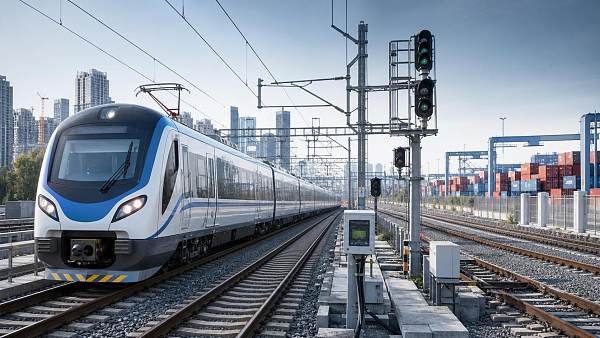
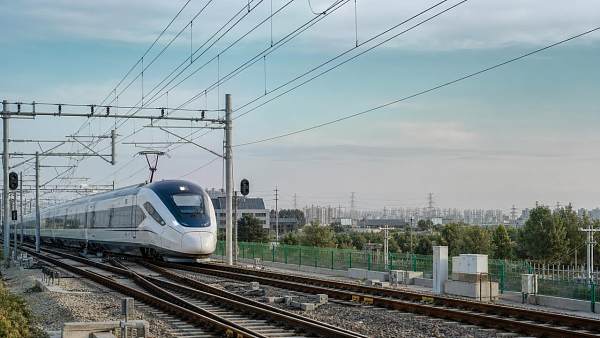
As 2026 rail projects shift from concept studies to contract execution, high-speed rail technology is no longer a background technical topic. It now shapes scheduling logic, safety cases, budget resilience, and long-term operating performance.
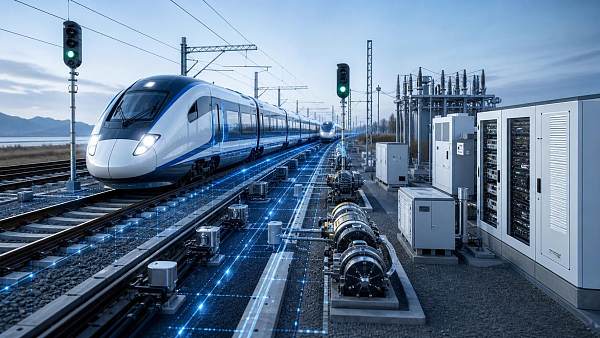
For infrastructure programs under pressure to move more people, cut emissions, and maintain uptime, the technology stack behind the train matters as much as the civil works around it. Signal control, traction, power collection, braking, and digital connectivity increasingly determine whether a project stays bankable and scalable.
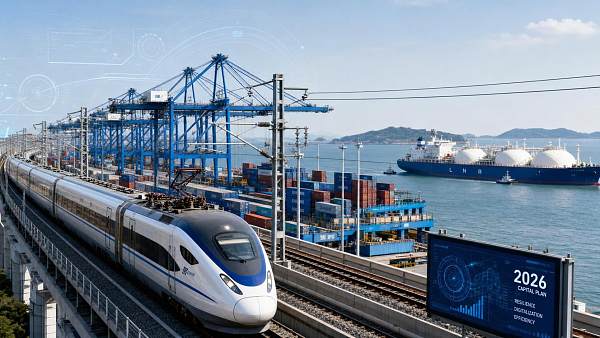
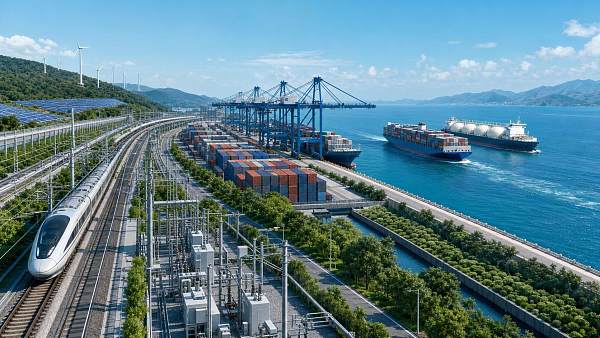
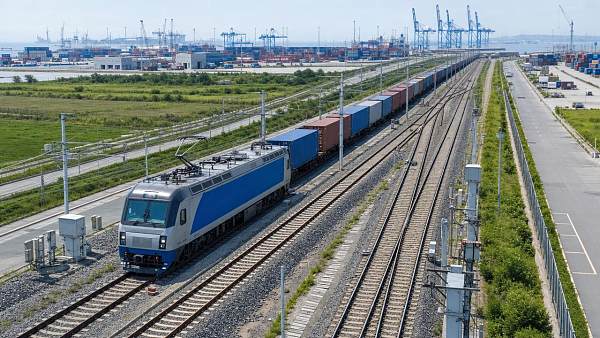
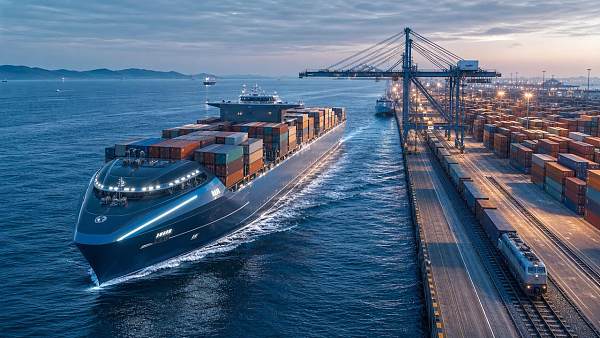
This is also why high-speed rail technology is attracting attention beyond rail alone. In a broader transport economy, the same investment decisions influence ports, logistics corridors, energy flows, and supply chain reliability across land-sea networks.
Why 2026 projects are treating technology as a delivery issue
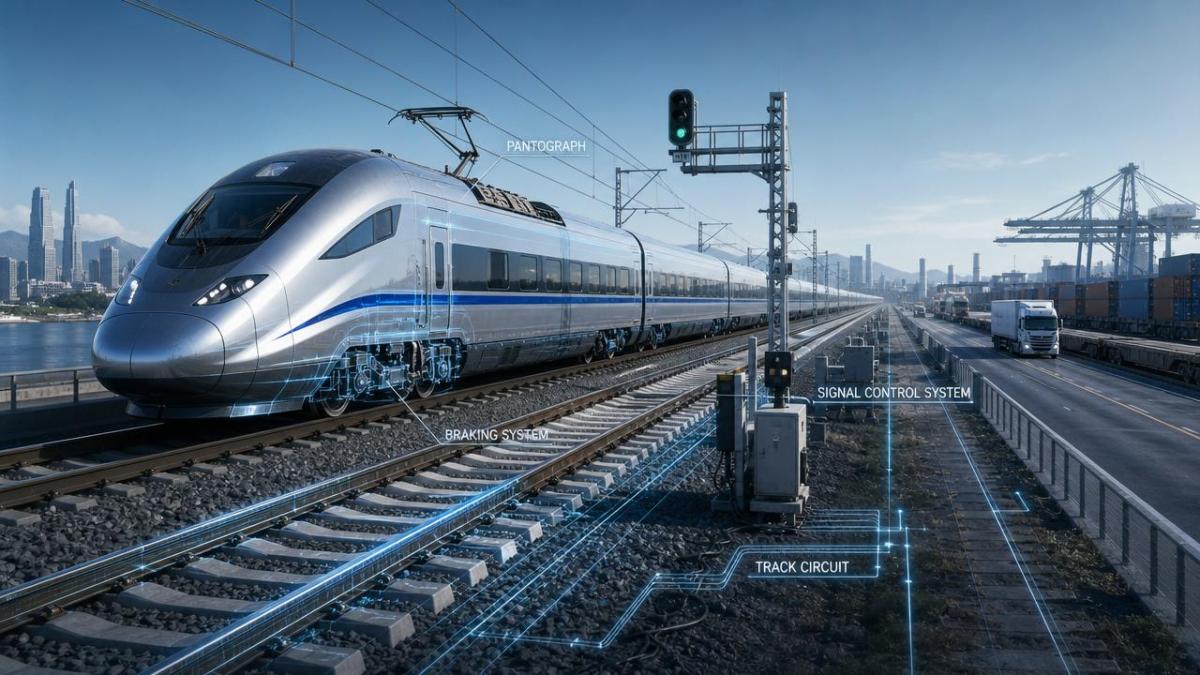
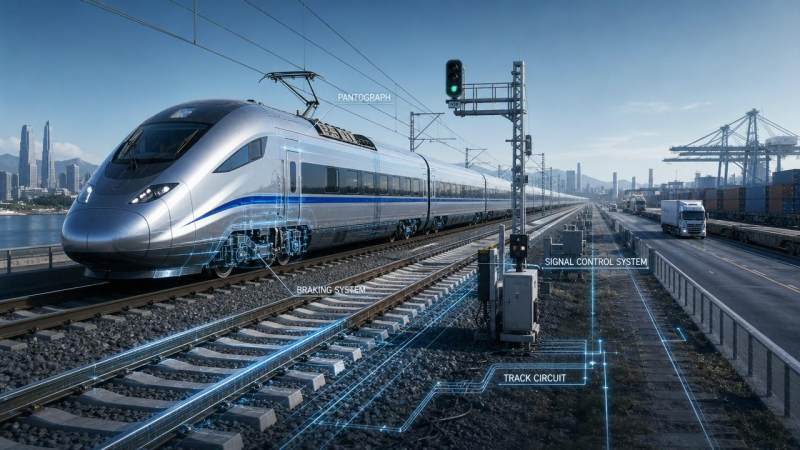
Many projects used to separate infrastructure delivery from onboard systems strategy. That split is becoming less practical. High-speed rail technology now affects interface management from the earliest design packages.
A line designed for higher frequency service needs more than fast trains. It needs signaling that supports tighter headways, traction systems that remain efficient under demanding duty cycles, and braking performance that stays predictable in mixed operating conditions.
In commercial terms, this changes procurement logic. Owners are comparing not only capital cost, but also maintenance windows, software upgrade paths, energy consumption, parts localization, and certification risk.
The result is simple: technology selection is now tied directly to project certainty. A technically advanced system that cannot integrate cleanly may delay commissioning. A cheaper system with weak lifecycle data may create larger cost exposure later.
What high-speed rail technology includes in practice
The phrase covers more than train speed. In practical project terms, it refers to the interconnected systems that allow safe, efficient, and repeatable operation at high velocity and high density.
Core layers that matter most
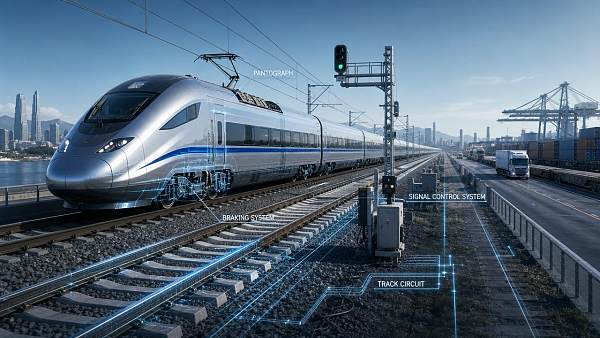
- Railway signal control systems that govern train separation, routing logic, and automation integrity.
- Traction systems that convert electrical energy into stable acceleration and cruising performance.
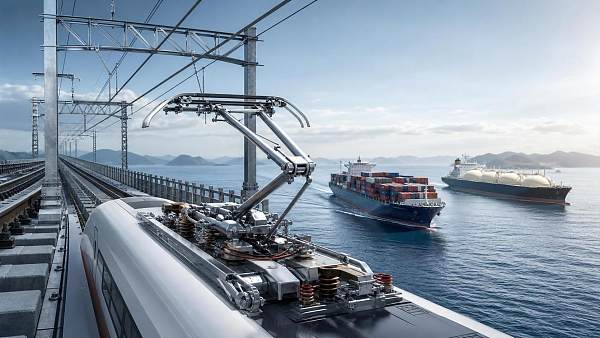
- Pantographs and power collection assemblies that sustain reliable contact at very high speed.
- Rail transit braking systems that combine mechanical, aerodynamic, and electronic control functions.
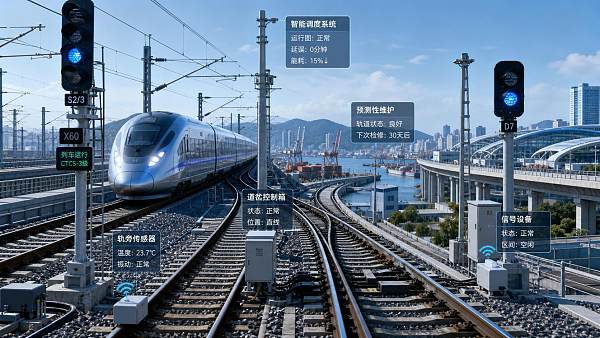
- Digital communications and monitoring tools that support diagnostics, condition awareness, and operational decision-making.
These layers are not isolated procurement lots. They behave like one performance ecosystem. A stronger signaling architecture can unlock capacity, but only if rolling stock response, braking curves, and power stability align with the same operating assumptions.
That systems view is increasingly visible in intelligence platforms such as GTOT, which tracks railway control components alongside wider transport technologies. The logic is practical rather than promotional: strategic infrastructure decisions now sit inside larger intercontinental mobility and logistics patterns.
The trends shaping 2026 procurement and design choices
Several trends are moving from discussion into implementation. Together, they are redefining what counts as robust high-speed rail technology for upcoming programs.
1. Higher-grade automation with stricter safety proof
Operators want more capacity without expanding every corridor physically. That pushes investment toward advanced control systems, automatic train operation layers, and SIL4-oriented safety architectures.
The challenge is not only technical performance. It is proving reliable behavior across degraded modes, maintenance scenarios, and cross-vendor interfaces.
2. More resilient traction and power collection
At speeds above 350 km/h, current collection quality becomes a project-level concern. Pantograph stability, contact strip wear, vibration control, and wind resistance all affect operating consistency.
This is why component intelligence matters. Power collection failures do not remain component issues for long. They quickly become availability, timetable, and reputational issues.
3. Precision braking as a capacity enabler
Braking is often viewed through a safety lens alone. In 2026 projects, it is also a capacity and scheduling tool. Precise deceleration profiles allow tighter operational planning and more reliable platform management.
Attention is moving toward thermal fade behavior, microelectronic control response, and the integration of aerodynamic and mechanical braking under variable loads.
4. Digital connectivity for lifecycle decisions
Connectivity standards such as LTE-M and adjacent wireless architectures are gaining importance because they improve asset visibility. Better data does not automatically create better operations, but it does support better decisions.
For project planning, this means choosing systems that can deliver usable diagnostics, not just raw alerts. The value lies in maintenance forecasting, fault isolation, and software-supported upgrades.
Where the business value becomes visible
High-speed rail technology creates value when it improves measurable project outcomes. The table below shows where decision-makers usually see the difference.
In short, the strongest technology choices are usually the ones that reduce hidden volatility. They improve service reliability, simplify maintenance planning, and make long-term expansion less disruptive.
How to read these trends in real project settings
Not every corridor needs the same solution depth. A greenfield cross-border line, a busy national trunk route, and an airport-connector service may all use high-speed rail technology, but their priorities differ.
Common evaluation angles
- Interface complexity between civil works, rolling stock, signaling, and power systems.
- Local operating environment, including heat, crosswinds, salt exposure, and network congestion.
- Evidence quality behind reliability claims, especially for braking and control components.
- Upgrade flexibility for future automation, data integration, and energy optimization.
- Supply chain credibility, including spare parts continuity and certification support.
This broader reading also explains why GTOT’s land-sea perspective is useful. Rail investment does not happen in isolation. It increasingly connects with port development, energy transport, and global cargo patterns.
A corridor serving industrial exports may need different resilience assumptions from one focused on domestic passenger density. Technology choices should follow the operational mission, not only headline speed targets.
Practical signals worth tracking before final commitments
Before locking specifications, it helps to test high-speed rail technology against a few grounded questions rather than broad promises.
- Does the signaling concept support both opening-day service and expansion-stage service?
- Are pantograph and overhead line assumptions validated for the expected wind and wear profile?
- Has braking performance been assessed under repeated thermal stress, not only nominal conditions?
- Can diagnostic data feed maintenance workflows without creating another integration burden?
- Do suppliers provide credible evidence for localization, compliance, and long-term technical support?
These questions may look detailed, yet they often reveal whether a system is ready for execution or still framed mainly for tender-stage appearance.
For 2026 projects, the most useful next step is usually not chasing every new feature. It is building a decision map that connects route conditions, automation goals, power quality, braking precision, and lifecycle accountability.
That approach makes high-speed rail technology easier to judge in context. It also creates a stronger basis for comparing vendors, refining specifications, and following sector intelligence as project risk shifts from planning to delivery.
Recommended News
 Jul 19, 2026Transportation Infrastructure Trends Shaping Capital Planning in 2026Transportation infrastructure trends in 2026 are reshaping capital planning across rail, ports, and shipping. Discover how resilience, automation, and digital control are driving smarter investment decisions.
 Jul 12, 2026Gas Carrier Technology in the Middle East: 2026 OutlookGas carrier technology Middle East trends for 2026: explore LNG vessel innovation, propulsion, containment, and regional yard upgrades shaping smarter energy trade decisions.
 Jul 10, 2026Commercial Shipbuilding Technology Trends Shaping Newbuild Projects in 2026Commercial shipbuilding technology is reshaping 2026 newbuild projects with smarter vessels, fuel flexibility, digital twins, and earlier compliance planning. Explore the trends driving stronger ROI.
 Jul 08, 2026Rail Transit Systems Upgrade Trends Shaping 2026 Investment PlansRail transit systems in 2026 are shifting from expansion to smarter upgrades. Explore safety, automation, energy, and digital trends shaping resilient, high-value investment plans.
 Jul 06, 2026Cryogenic Shipping Systems Manufacturer Trends Shaping 2026 Fleet UpgradesCryogenic shipping systems manufacturer trends are reshaping 2026 fleet upgrades. Explore how digital monitoring, emissions control, and safer containment can improve vessel performance.
 Jul 05, 2026Smart Shipping Solutions for Fleet Management: 2026 Trends Shaping Vessel OperationsSmart shipping solutions for fleet management are redefining vessel operations in 2026. Explore trends in integration, compliance, fuel efficiency, and resilient fleet performance.
 Jul 04, 2026Digital Marine Decarbonization Technology: What Delivers Measurable GainsDigital marine decarbonization technology helps fleets cut fuel use, improve compliance, and boost vessel efficiency with measurable, data-driven gains. Learn what truly delivers value.
 Jul 03, 2026Global Rail Infrastructure Standards: 2026 Changes to WatchGlobal rail infrastructure standards are reshaping 2026 rail projects. Discover the key compliance, interoperability, cyber, and low-carbon changes that will impact bids and investment.
 Jul 02, 2026Global Trade Logistics North America Trends to Watch in 2026Global trade logistics North America in 2026 will be shaped by rail-ocean integration, smart routing, LNG demand, and measurable resilience. Discover the trends redefining reliability and trade advantage.
 Jun 30, 2026International Shipbuilding Suppliers: 2026 Sourcing Trends and Supply Chain RisksInternational shipbuilding suppliers face new 2026 sourcing risks, from compliance and digital integration to sub-tier bottlenecks. Explore key trends shaping cost, delivery, and resilience.
 Jun 27, 2026Heavy Industry Tech Trends Reshaping Equipment Investment in 2026Heavy industry tech is reshaping 2026 equipment investment across rail and maritime systems. Explore the five trends driving safer, smarter, higher-value capital decisions.
 Jun 25, 2026Decarbonization Trends Reshaping Rail and Marine Investment in 2026Decarbonization is reshaping rail and marine investment in 2026. Discover where capital is moving, which assets gain value, and how smarter transport upgrades improve resilience.
 Jun 23, 2026Global Rail Infrastructure Trends Shaping Capacity, Funding, and Delivery TimelinesGlobal rail infrastructure trends are redefining capacity, funding, and delivery timelines. Explore how data-driven planning and system readiness shape resilient, investable rail projects.
 Jun 22, 2026Maritime Logistics Trends in 2026: Capacity Shifts, Delays, and Margin PressureMaritime logistics in 2026 faces shifting capacity, persistent delays, and rising margin pressure. Explore key risks, lane-level signals, and smarter planning strategies.
 Jun 21, 2026LNG Carriers Technology Advancements: 5 Upgrades Reshaping Fleet PerformanceLNG carriers technology advancements are reshaping fleet performance through smarter containment, dual-fuel propulsion, digital monitoring, boil-off control, and automation—see the 5 upgrades driving safer, cleaner, more profitable LNG shipping.
 Jun 20, 2026Global Supply Chain Challenges in Rail Infrastructure in 2026Global supply chain challenges in rail infrastructure are redefining 2026 project risk. Discover where delays, compliance, and sourcing pressure hit hardest—and how smarter evaluation protects cost, delivery, and performance.
 Jun 20, 2026Full Digitalization in Rail: 7 Risks to Address Before ScalingFull digitalization in rail can boost safety, maintenance, and control—but only if key risks are managed. Explore 7 critical challenges to address before scaling network-wide.
 Jun 18, 2026Maritime Logistics Trends in 2026: Where Shipping Efficiency Is MovingMaritime logistics in 2026 is driven by AI routing, port connectivity, decarbonization, and asset visibility. Discover the trends redefining shipping efficiency and resilience.
 Jun 17, 2026Transportation Infrastructure Development Trends That Matter for Long-Term PlanningTransportation infrastructure development trends are reshaping rail, ports, shipping, and LNG networks. Explore the key signals for smarter long-term planning, resilience, and investment value.
 Jun 17, 2026Railway Automation Trends Shaping Safer, Smarter Networks in 2026Railway automation in 2026 is driving safer, smarter rail networks with predictive maintenance, integrated signaling, and higher capacity. Explore the trends shaping resilient transport.
 Jun 15, 2026Decarbonization in Rail Transportation: What Cuts Emissions First?Decarbonization in rail transportation starts with the fastest wins: traction optimization, regenerative braking, smarter signalling, and retrofit upgrades that cut emissions, costs, and risk.
 Jun 14, 2026Rail Infrastructure Investment: Cost vs Long-Term ReturnRail infrastructure investment is more than upfront cost. Discover how lifecycle planning, smarter systems, and reliable rail design can deliver stronger long-term returns.
 Jun 13, 2026Advanced Ocean-Going Vessels: Key Design Shifts in 2026Advanced ocean-going vessels in 2026 are redefining shipping with AI routing, fuel-flexible propulsion, and smarter port integration. See which design shifts drive resilience, efficiency, and long-term fleet value.
 Jun 12, 2026High-Speed Rail Technology Trends Shaping 2026 ProjectsHigh-speed rail technology is reshaping 2026 projects through smarter signaling, resilient traction, precision braking, and digital monitoring. Explore the trends driving safer, scalable, bankable rail delivery.