



Search News
Industry Portal
Popular Tags
Gas Carrier Technology in the Middle East: 2026 Outlook
Author
Time
Click Count
The 2026 outlook for gas carrier technology Middle East markets is no longer shaped by fleet size alone. Commercial value now depends on how vessels, terminals, shipyards, and digital control systems work together across a faster, less predictable energy trade map.
That shift matters because the region sits at the intersection of LNG expansion, petrochemical exports, transshipment growth, and tighter emissions expectations. For asset evaluation, technical choices are increasingly linked to charter flexibility, financing quality, and residual value.
In that context, gas carrier technology Middle East decisions deserve a wider transport lens. GTOT follows this market from the same intelligence perspective it applies to advanced vessels, cryogenic systems, and the infrastructure logic that keeps global supply chains moving.
Why 2026 Looks Different
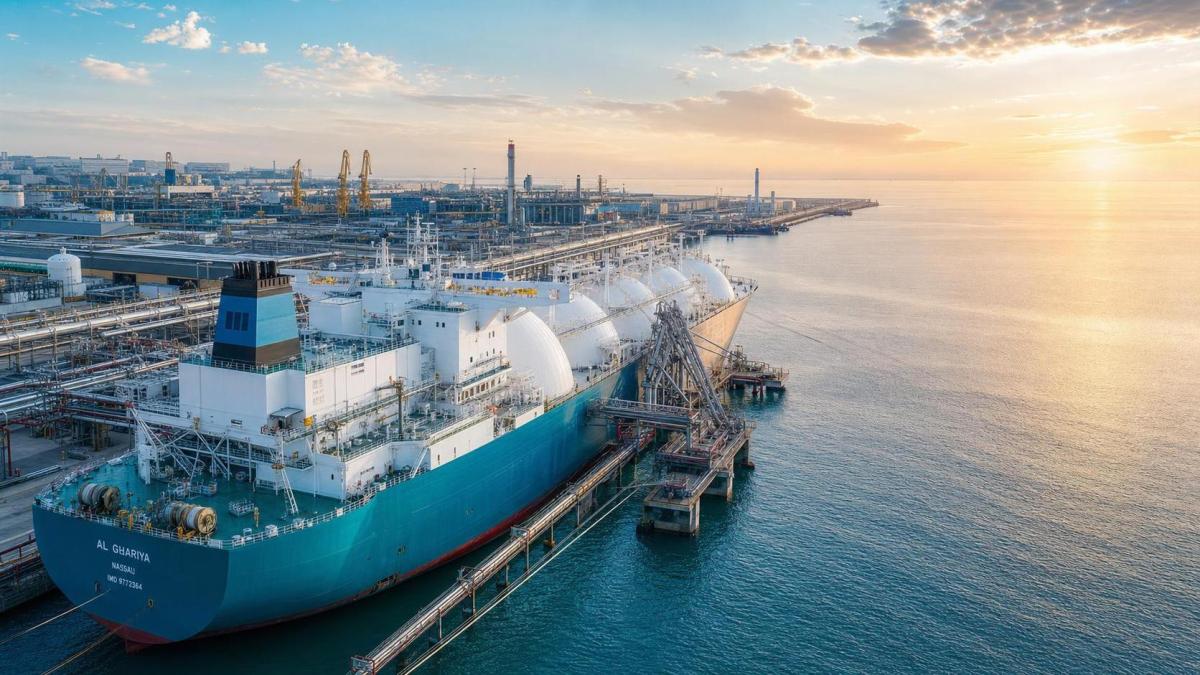
Middle Eastern gas export strategies are becoming more technology-sensitive. Capacity additions are important, but execution risk now sits inside containment integrity, propulsion efficiency, boil-off management, and turnaround reliability.
Several forces are converging. New LNG trains are changing export flows. European and Asian buyers want supply security. Shipowners face fuel transition pressure. Regional yards also want a larger role in repair, retrofits, and future construction support.
As a result, gas carrier technology Middle East planning is moving from procurement logic to platform logic. A vessel is being judged less as a standalone hull and more as a long-life node in an integrated trade corridor.
What the Technology Actually Covers
The phrase often sounds broader than it is. In practical terms, gas carrier technology Middle East assessments usually focus on the systems that preserve cargo condition, maintain voyage economics, and protect schedule reliability.
Core technical layers
- Cryogenic containment, including membrane and Moss-type storage approaches.
- Boil-off gas handling, reliquefaction, and fuel gas supply systems.
- Dual-fuel propulsion and machinery integration.
- Cargo handling automation, sensors, and safety shutdown logic.
- Digital voyage optimization, condition monitoring, and emissions reporting.
Each layer influences both technical and commercial outcomes. A stronger containment system may reduce cargo losses. Better machinery integration may widen charter options. More mature monitoring systems may lower unplanned downtime and insurance friction.
Containment and Cargo Reliability Remain Central
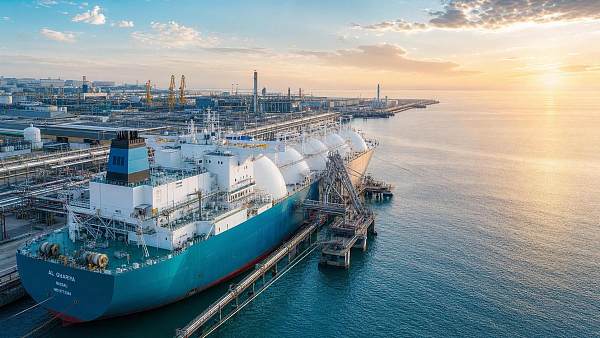
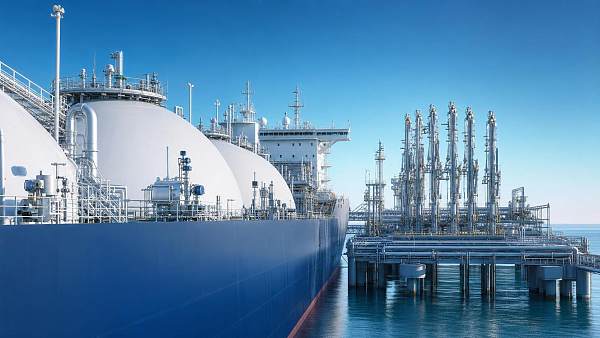
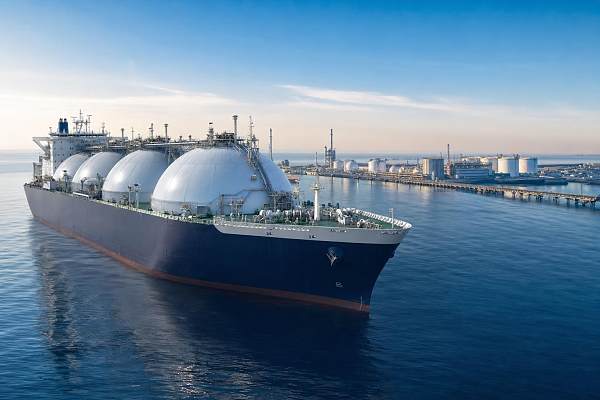
For LNG carriers, cargo containment still defines the heart of asset quality. The region’s climate, voyage patterns, and loading frequency make thermal performance and structural endurance especially important.
Membrane systems continue to attract attention because they support high cargo efficiency and fleet standardization. Yet their value depends on construction quality, maintenance discipline, and stress behavior over time.
Moss-type designs remain relevant where durability, operational familiarity, or specific route requirements matter more than maximum cargo volume. The right answer is rarely universal. It depends on route profile, owner strategy, and lifecycle assumptions.
For gas carrier technology Middle East reviews, a useful question is not which design is fashionable. It is which design maintains thermal efficiency, inspection confidence, and repair practicality under the actual trade pattern being modeled.
Propulsion Choices Now Carry Strategic Weight
Dual-fuel propulsion is no longer just a compliance story. It is now tied to voyage economics, emissions exposure, and long-term charter competitiveness.
Modern ME-GI and X-DF configurations each bring different tradeoffs. One may offer stronger methane slip performance. Another may simplify operating profiles or capital planning. Evaluation has to connect machinery data with fuel price assumptions and route behavior.
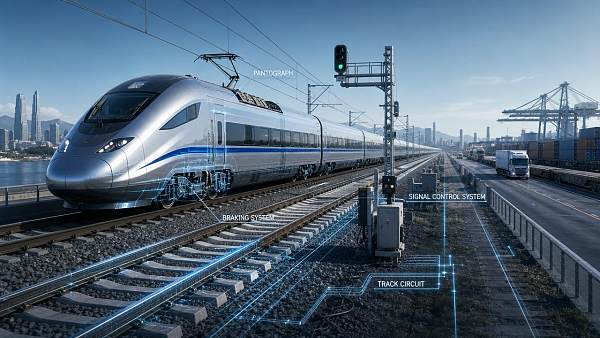
This is where the broader GTOT perspective matters. Just as rail traction and braking systems are judged by full operating logic rather than isolated components, LNG propulsion should be assessed as part of a control ecosystem, not a single equipment choice.
In the Middle East, where large export programs depend on schedule certainty, propulsion resilience matters almost as much as headline efficiency. Recovery from faults, spare parts access, and crew familiarity can materially affect commercial performance.
Regional Shipyards Are Becoming More Relevant
Another important 2026 signal is the rising operational role of Middle Eastern shipyards. Full LNG carrier construction leadership still sits elsewhere, but regional capability in maintenance, conversion support, and specialized marine services is improving.
That matters for gas carrier technology Middle East investment because technical support location affects downtime, retrofit feasibility, and service responsiveness. The closer high-skill support moves to export hubs, the more controllable lifecycle risk becomes.
The most valuable yard development is not always headline capacity. Often it is the quieter build-out of cryogenic handling competence, inspection routines, digital diagnostics, and partner networks linked to global OEMs.
Where Commercial Evaluation Should Focus
A useful assessment framework balances engineering depth with commercial realism. The table below highlights the dimensions that usually deserve closer review.
This is where gas carrier technology Middle East analysis becomes practical. The best asset is not the one with the longest feature list. It is the one that remains technically credible under the commercial use case.
Typical Scenarios Behind Investment Decisions
Not every project in the region is solving the same problem. Different vessel and infrastructure choices reflect different business priorities.
Common scenarios in 2026
- Fleet renewal tied to long-term LNG export expansion.
- Retrofits that improve emissions performance without replacing young tonnage.
- Regional repair partnerships designed to shorten service interruptions.
- Digital upgrades that support route optimization and cargo condition visibility.
- Portfolio diversification into LPG, ethylene, or small-scale gas transport niches.
These scenarios show why gas carrier technology Middle East discussions cannot be reduced to LNG vessel counts. The real differentiator is how well the technical stack supports a specific trade, financing, and operating model.
Signals Worth Tracking Over the Next 12 Months
The next phase of the market will be shaped by a few measurable indicators. They offer a clearer read than broad demand headlines.
- Orderbook composition by propulsion type, not just total vessel count.
- Terminal expansion timelines and berth compatibility constraints.
- Regional yard certifications for cryogenic work and related inspections.
- OEM service footprint growth across Gulf operating hubs.
- Rules affecting methane emissions, carbon intensity, and reporting obligations.
Taken together, these signals help separate durable opportunities from temporary enthusiasm. They also show whether a gas carrier technology Middle East strategy is scaling on paper or in operating reality.
A Practical Next Step for 2026 Reviews
A disciplined review starts by mapping vessel technology against route, terminal, service support, and compliance exposure. That removes much of the noise around flagship announcements and focuses attention on real execution quality.
From there, it helps to compare containment, propulsion, and digital monitoring choices as one integrated value case. That approach is consistent with GTOT’s broader view of transport systems, where long-term performance comes from coordination across equipment layers.
For anyone tracking gas carrier technology Middle East opportunities in 2026, the most useful move is to build a short list of technical thresholds before comparing suppliers, yards, or fleet options. Clear thresholds make later commercial decisions faster, more defensible, and easier to revisit as the market changes.
Recommended News
 Jul 19, 2026Transportation Infrastructure Trends Shaping Capital Planning in 2026Transportation infrastructure trends in 2026 are reshaping capital planning across rail, ports, and shipping. Discover how resilience, automation, and digital control are driving smarter investment decisions.
 Jul 12, 2026Gas Carrier Technology in the Middle East: 2026 OutlookGas carrier technology Middle East trends for 2026: explore LNG vessel innovation, propulsion, containment, and regional yard upgrades shaping smarter energy trade decisions.
 Jul 10, 2026Commercial Shipbuilding Technology Trends Shaping Newbuild Projects in 2026Commercial shipbuilding technology is reshaping 2026 newbuild projects with smarter vessels, fuel flexibility, digital twins, and earlier compliance planning. Explore the trends driving stronger ROI.
 Jul 08, 2026Rail Transit Systems Upgrade Trends Shaping 2026 Investment PlansRail transit systems in 2026 are shifting from expansion to smarter upgrades. Explore safety, automation, energy, and digital trends shaping resilient, high-value investment plans.
 Jul 06, 2026Cryogenic Shipping Systems Manufacturer Trends Shaping 2026 Fleet UpgradesCryogenic shipping systems manufacturer trends are reshaping 2026 fleet upgrades. Explore how digital monitoring, emissions control, and safer containment can improve vessel performance.
 Jul 05, 2026Smart Shipping Solutions for Fleet Management: 2026 Trends Shaping Vessel OperationsSmart shipping solutions for fleet management are redefining vessel operations in 2026. Explore trends in integration, compliance, fuel efficiency, and resilient fleet performance.
 Jul 04, 2026Digital Marine Decarbonization Technology: What Delivers Measurable GainsDigital marine decarbonization technology helps fleets cut fuel use, improve compliance, and boost vessel efficiency with measurable, data-driven gains. Learn what truly delivers value.
 Jul 03, 2026Global Rail Infrastructure Standards: 2026 Changes to WatchGlobal rail infrastructure standards are reshaping 2026 rail projects. Discover the key compliance, interoperability, cyber, and low-carbon changes that will impact bids and investment.
 Jul 02, 2026Global Trade Logistics North America Trends to Watch in 2026Global trade logistics North America in 2026 will be shaped by rail-ocean integration, smart routing, LNG demand, and measurable resilience. Discover the trends redefining reliability and trade advantage.
 Jun 30, 2026International Shipbuilding Suppliers: 2026 Sourcing Trends and Supply Chain RisksInternational shipbuilding suppliers face new 2026 sourcing risks, from compliance and digital integration to sub-tier bottlenecks. Explore key trends shaping cost, delivery, and resilience.
 Jun 27, 2026Heavy Industry Tech Trends Reshaping Equipment Investment in 2026Heavy industry tech is reshaping 2026 equipment investment across rail and maritime systems. Explore the five trends driving safer, smarter, higher-value capital decisions.
 Jun 25, 2026Decarbonization Trends Reshaping Rail and Marine Investment in 2026Decarbonization is reshaping rail and marine investment in 2026. Discover where capital is moving, which assets gain value, and how smarter transport upgrades improve resilience.
 Jun 23, 2026Global Rail Infrastructure Trends Shaping Capacity, Funding, and Delivery TimelinesGlobal rail infrastructure trends are redefining capacity, funding, and delivery timelines. Explore how data-driven planning and system readiness shape resilient, investable rail projects.
 Jun 22, 2026Maritime Logistics Trends in 2026: Capacity Shifts, Delays, and Margin PressureMaritime logistics in 2026 faces shifting capacity, persistent delays, and rising margin pressure. Explore key risks, lane-level signals, and smarter planning strategies.
 Jun 21, 2026LNG Carriers Technology Advancements: 5 Upgrades Reshaping Fleet PerformanceLNG carriers technology advancements are reshaping fleet performance through smarter containment, dual-fuel propulsion, digital monitoring, boil-off control, and automation—see the 5 upgrades driving safer, cleaner, more profitable LNG shipping.
 Jun 20, 2026Global Supply Chain Challenges in Rail Infrastructure in 2026Global supply chain challenges in rail infrastructure are redefining 2026 project risk. Discover where delays, compliance, and sourcing pressure hit hardest—and how smarter evaluation protects cost, delivery, and performance.
 Jun 20, 2026Full Digitalization in Rail: 7 Risks to Address Before ScalingFull digitalization in rail can boost safety, maintenance, and control—but only if key risks are managed. Explore 7 critical challenges to address before scaling network-wide.
 Jun 18, 2026Maritime Logistics Trends in 2026: Where Shipping Efficiency Is MovingMaritime logistics in 2026 is driven by AI routing, port connectivity, decarbonization, and asset visibility. Discover the trends redefining shipping efficiency and resilience.
 Jun 17, 2026Transportation Infrastructure Development Trends That Matter for Long-Term PlanningTransportation infrastructure development trends are reshaping rail, ports, shipping, and LNG networks. Explore the key signals for smarter long-term planning, resilience, and investment value.
 Jun 17, 2026Railway Automation Trends Shaping Safer, Smarter Networks in 2026Railway automation in 2026 is driving safer, smarter rail networks with predictive maintenance, integrated signaling, and higher capacity. Explore the trends shaping resilient transport.
 Jun 15, 2026Decarbonization in Rail Transportation: What Cuts Emissions First?Decarbonization in rail transportation starts with the fastest wins: traction optimization, regenerative braking, smarter signalling, and retrofit upgrades that cut emissions, costs, and risk.
 Jun 14, 2026Rail Infrastructure Investment: Cost vs Long-Term ReturnRail infrastructure investment is more than upfront cost. Discover how lifecycle planning, smarter systems, and reliable rail design can deliver stronger long-term returns.
 Jun 13, 2026Advanced Ocean-Going Vessels: Key Design Shifts in 2026Advanced ocean-going vessels in 2026 are redefining shipping with AI routing, fuel-flexible propulsion, and smarter port integration. See which design shifts drive resilience, efficiency, and long-term fleet value.
 Jun 12, 2026High-Speed Rail Technology Trends Shaping 2026 ProjectsHigh-speed rail technology is reshaping 2026 projects through smarter signaling, resilient traction, precision braking, and digital monitoring. Explore the trends driving safer, scalable, bankable rail delivery.