



Search News
Industry Portal
Popular Tags
Smart Shipping Solutions for Fleet Management: 2026 Trends Shaping Vessel Operations
Author
Time
Click Count
Smart shipping solutions are moving from pilot projects to operating discipline
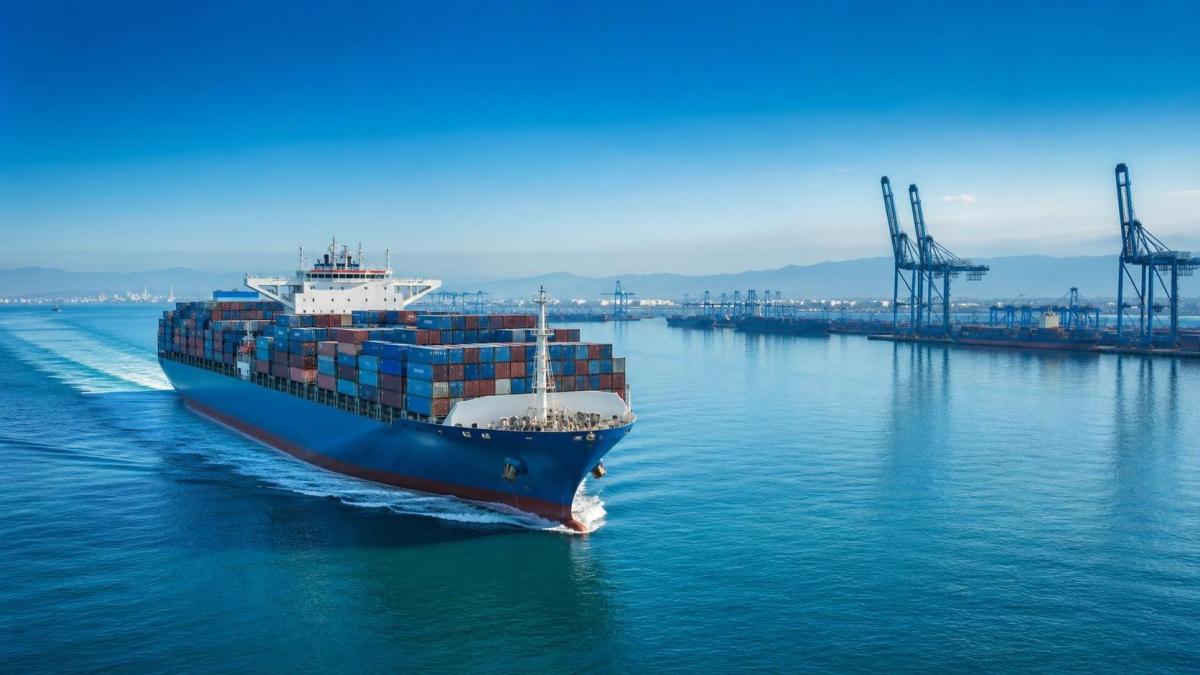
Smart shipping solutions for fleet management are entering a different phase in 2026. The conversation is no longer about digital ambition alone.
Operators now face a tighter equation. Fuel remains volatile, emissions rules are firmer, and schedule reliability has become a commercial promise.
That pressure is pushing vessel operations toward connected decision-making. Data from engines, weather, ports, cargo systems, and shore teams now has to work together.
This is where smart shipping solutions for fleet management gain strategic weight. They are becoming part of how fleets protect margins, compliance, and service stability.
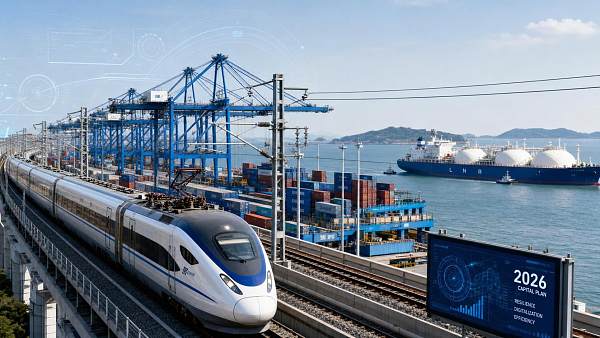
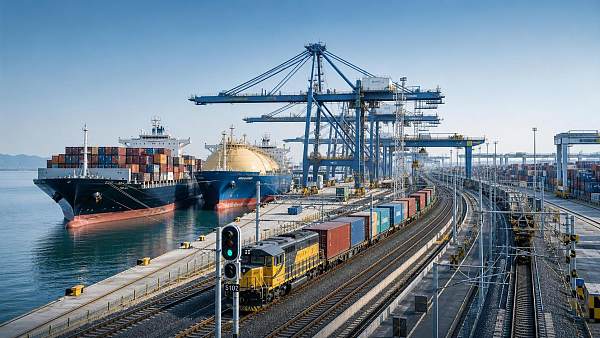
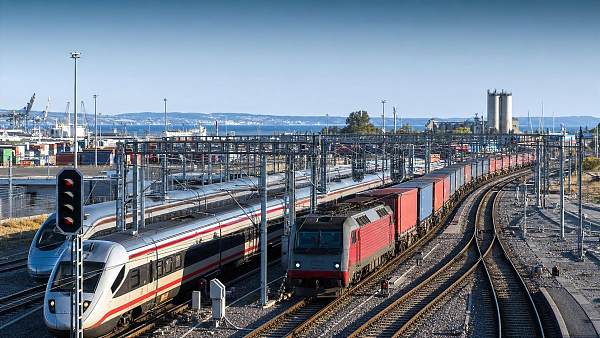
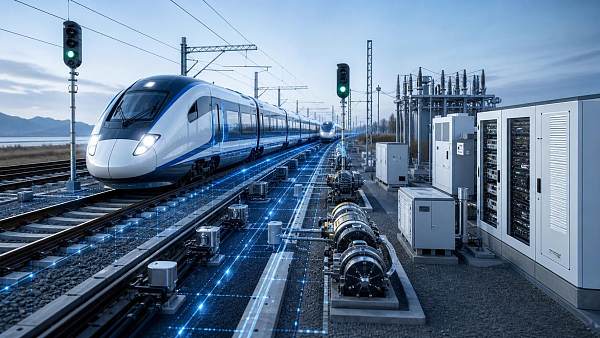
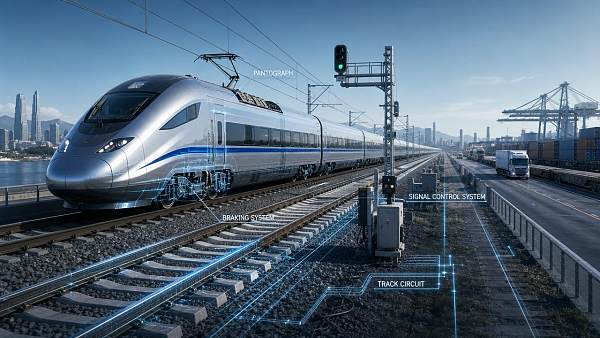
From GTOT’s broader land-sea view, this shift also fits a larger pattern. Rail control, traction systems, braking logic, and smart vessels are all moving toward synchronized intelligence.
In other words, the transport network is being judged less by standalone equipment performance and more by how reliably systems exchange signals and act on them.
Why the change has become more visible now
Several forces are converging at once, and that matters more than any single technology release. The market is rewarding operators that can respond faster, not just invest more.
A useful way to read 2026 is to look at what has changed in the operating environment.
More importantly, shipping is no longer isolated from the rest of industrial transport logic. GTOT tracks similar changes in rail signaling and control systems.
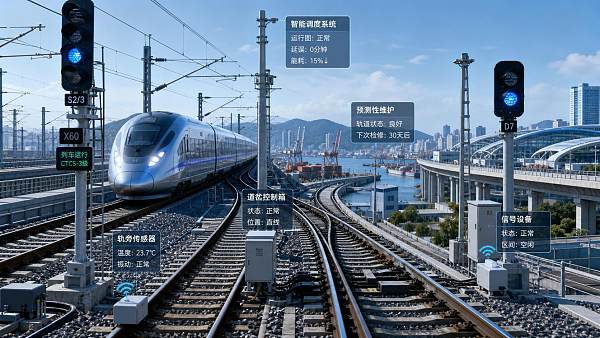
That parallel matters because both sectors are being pushed toward predictive supervision, tighter safety envelopes, and better orchestration between field assets and control centers.
The strongest 2026 trend is integration, not just automation
A few years ago, many digital vessel programs focused on adding dashboards. In 2026, value is shifting toward coordinated action across the voyage lifecycle.
That means smart shipping solutions for fleet management are being judged by how well they link planning, execution, maintenance, and shore visibility.
This shows up in several operating priorities.
- AI-assisted voyage optimization is becoming continuous, with weather, currents, emissions targets, and berth updates recalculated during transit.
- Condition-based maintenance is expanding beyond engines into auxiliary systems, cargo handling equipment, and power management layers.
- Ship-to-shore collaboration platforms are reducing manual status chasing and improving exception handling when schedules shift.
- Performance monitoring is moving from retrospective reporting to near-live operational coaching.
The practical implication is clear. Smart shipping solutions for fleet management now need to support operational judgment, not just produce data exhaust.
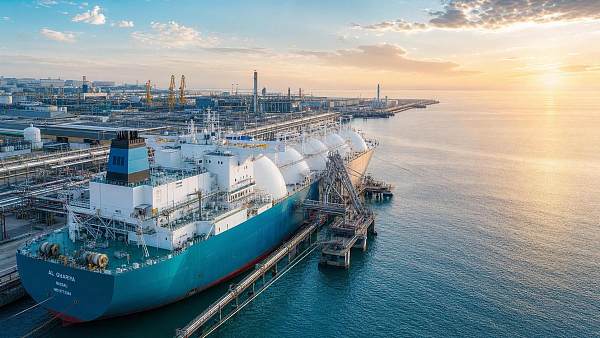
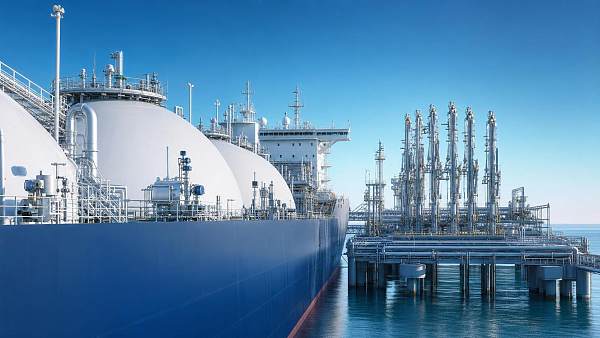
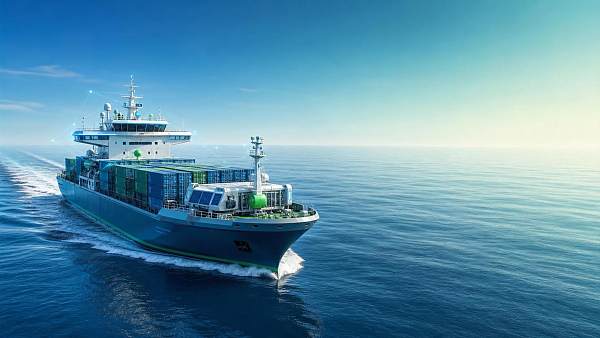
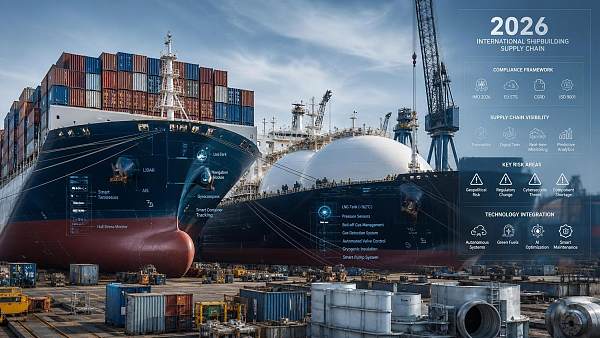
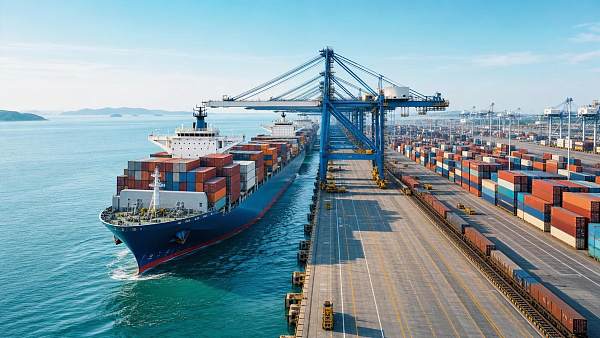
This is especially relevant for smart container ships and LNG carriers. Their technical complexity leaves less room for fragmented systems and delayed decisions.
Demand is shifting toward scenario-based control
One notable change in buying and deployment logic is the move away from generic digitalization claims. Teams want solutions mapped to actual operating scenarios.
The question is no longer whether a platform is smart. The question is whether it improves performance under specific constraints.
Where that shift is most visible
For deep-sea routes, the focus is fuel-efficient routing under changing sea states and timetable commitments. Minor route adjustments can create material savings.
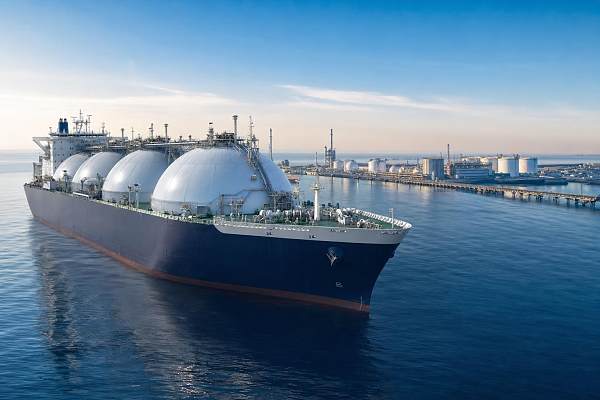
For LNG carriers, attention is extending to boil-off gas management, dual-fuel optimization, and containment monitoring under demanding thermal conditions.
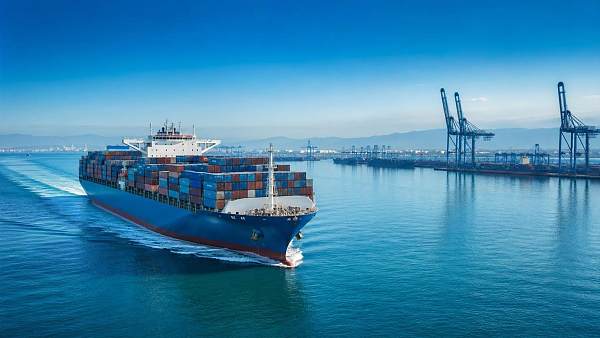
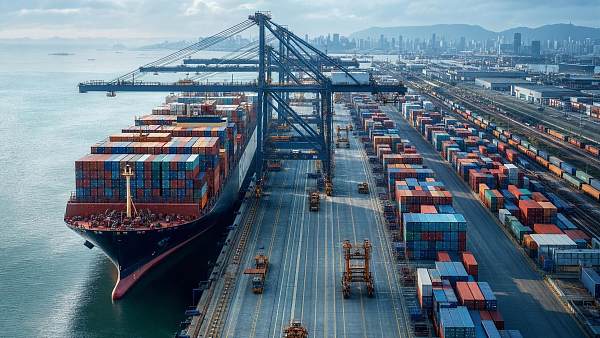
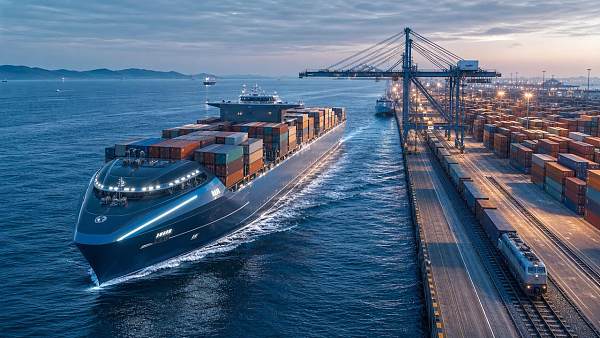
For container fleets, the stronger signal is network responsiveness. Smart shipping solutions for fleet management must align port windows, cargo flows, and inland links.
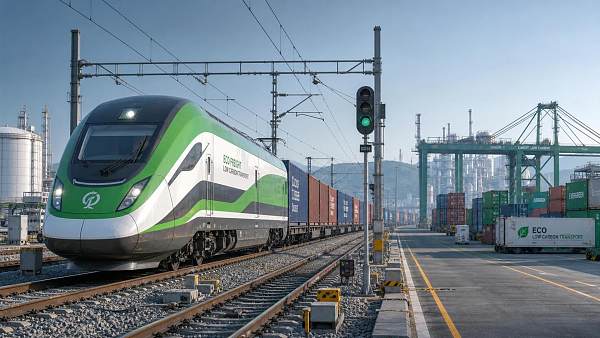
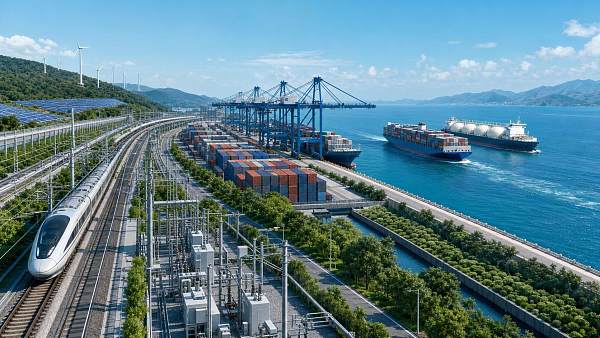
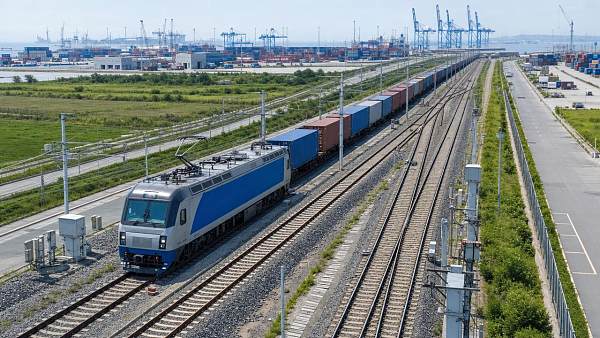
That last point connects closely with GTOT’s cross-modal perspective. Sea efficiency increasingly depends on what happens beyond the vessel, including rail interfaces and terminal timing.
The impact is spreading well beyond the bridge
It would be a mistake to view smart shipping solutions for fleet management as a bridge-only or fleet-center issue. Their effects are broader and more structural.
When these systems work well, they change how maintenance windows are planned, how charter commitments are protected, and how emissions exposure is managed.
They also change the rhythm of collaboration between technical teams, operations, and commercial planning. That organizational effect is becoming more visible in 2026.
That widening impact explains why smart shipping solutions for fleet management are increasingly discussed alongside enterprise resilience, not only vessel efficiency.
What deserves closer attention before the market gets noisier
The market is filling with digital claims, but the useful distinctions are still technical and operational. A few checkpoints help separate durable value from surface-level functionality.
Data quality matters more than interface polish
A clean dashboard means little if sensor inputs are inconsistent, delayed, or impossible to compare across vessel classes. Integration depth remains a decisive issue.
Interoperability is becoming a commercial requirement
Smart shipping solutions for fleet management increasingly need to exchange data with port systems, chartering tools, maintenance platforms, and regulatory reporting environments.
Cyber readiness can no longer sit outside operations
As more onboard systems become connected, operational continuity depends on security architecture, access control, update discipline, and recovery planning.
Engineering context still decides adoption success
GTOT’s work across rail control, braking systems, and advanced vessels reinforces a simple lesson. Intelligence performs best when it respects equipment physics and operational constraints.
That is why the strongest systems in 2026 will likely be those built around technical credibility, not just software messaging.
A practical response starts with staged decisions
The next step is not necessarily a fleet-wide rollout. In many cases, a staged approach produces better operational learning and lower integration risk.
A useful starting framework can include the following priorities.
- Map the highest-cost voyage disruptions, then connect digital investment to those specific pain points.
- Audit existing onboard and shore-side data sources before adding another software layer.
- Compare smart shipping solutions for fleet management by interoperability, not presentation alone.
- Track emissions, fuel, maintenance, and schedule metrics together so trade-offs become visible earlier.
- Build a review cycle that includes technical, operational, and logistics signals rather than treating them separately.
Looking ahead, the stronger operators will likely be those that treat smart shipping solutions for fleet management as an operating architecture.
That architecture should connect vessel intelligence, shore execution, and wider transport coordination. In 2026, that is where resilience, efficiency, and credibility begin to converge.
Recommended News
 Jul 19, 2026Transportation Infrastructure Trends Shaping Capital Planning in 2026Transportation infrastructure trends in 2026 are reshaping capital planning across rail, ports, and shipping. Discover how resilience, automation, and digital control are driving smarter investment decisions.
 Jul 12, 2026Gas Carrier Technology in the Middle East: 2026 OutlookGas carrier technology Middle East trends for 2026: explore LNG vessel innovation, propulsion, containment, and regional yard upgrades shaping smarter energy trade decisions.
 Jul 10, 2026Commercial Shipbuilding Technology Trends Shaping Newbuild Projects in 2026Commercial shipbuilding technology is reshaping 2026 newbuild projects with smarter vessels, fuel flexibility, digital twins, and earlier compliance planning. Explore the trends driving stronger ROI.
 Jul 08, 2026Rail Transit Systems Upgrade Trends Shaping 2026 Investment PlansRail transit systems in 2026 are shifting from expansion to smarter upgrades. Explore safety, automation, energy, and digital trends shaping resilient, high-value investment plans.
 Jul 06, 2026Cryogenic Shipping Systems Manufacturer Trends Shaping 2026 Fleet UpgradesCryogenic shipping systems manufacturer trends are reshaping 2026 fleet upgrades. Explore how digital monitoring, emissions control, and safer containment can improve vessel performance.
 Jul 05, 2026Smart Shipping Solutions for Fleet Management: 2026 Trends Shaping Vessel OperationsSmart shipping solutions for fleet management are redefining vessel operations in 2026. Explore trends in integration, compliance, fuel efficiency, and resilient fleet performance.
 Jul 04, 2026Digital Marine Decarbonization Technology: What Delivers Measurable GainsDigital marine decarbonization technology helps fleets cut fuel use, improve compliance, and boost vessel efficiency with measurable, data-driven gains. Learn what truly delivers value.
 Jul 03, 2026Global Rail Infrastructure Standards: 2026 Changes to WatchGlobal rail infrastructure standards are reshaping 2026 rail projects. Discover the key compliance, interoperability, cyber, and low-carbon changes that will impact bids and investment.
 Jul 02, 2026Global Trade Logistics North America Trends to Watch in 2026Global trade logistics North America in 2026 will be shaped by rail-ocean integration, smart routing, LNG demand, and measurable resilience. Discover the trends redefining reliability and trade advantage.
 Jun 30, 2026International Shipbuilding Suppliers: 2026 Sourcing Trends and Supply Chain RisksInternational shipbuilding suppliers face new 2026 sourcing risks, from compliance and digital integration to sub-tier bottlenecks. Explore key trends shaping cost, delivery, and resilience.
 Jun 27, 2026Heavy Industry Tech Trends Reshaping Equipment Investment in 2026Heavy industry tech is reshaping 2026 equipment investment across rail and maritime systems. Explore the five trends driving safer, smarter, higher-value capital decisions.
 Jun 25, 2026Decarbonization Trends Reshaping Rail and Marine Investment in 2026Decarbonization is reshaping rail and marine investment in 2026. Discover where capital is moving, which assets gain value, and how smarter transport upgrades improve resilience.
 Jun 23, 2026Global Rail Infrastructure Trends Shaping Capacity, Funding, and Delivery TimelinesGlobal rail infrastructure trends are redefining capacity, funding, and delivery timelines. Explore how data-driven planning and system readiness shape resilient, investable rail projects.
 Jun 22, 2026Maritime Logistics Trends in 2026: Capacity Shifts, Delays, and Margin PressureMaritime logistics in 2026 faces shifting capacity, persistent delays, and rising margin pressure. Explore key risks, lane-level signals, and smarter planning strategies.
 Jun 21, 2026LNG Carriers Technology Advancements: 5 Upgrades Reshaping Fleet PerformanceLNG carriers technology advancements are reshaping fleet performance through smarter containment, dual-fuel propulsion, digital monitoring, boil-off control, and automation—see the 5 upgrades driving safer, cleaner, more profitable LNG shipping.
 Jun 20, 2026Global Supply Chain Challenges in Rail Infrastructure in 2026Global supply chain challenges in rail infrastructure are redefining 2026 project risk. Discover where delays, compliance, and sourcing pressure hit hardest—and how smarter evaluation protects cost, delivery, and performance.
 Jun 20, 2026Full Digitalization in Rail: 7 Risks to Address Before ScalingFull digitalization in rail can boost safety, maintenance, and control—but only if key risks are managed. Explore 7 critical challenges to address before scaling network-wide.
 Jun 18, 2026Maritime Logistics Trends in 2026: Where Shipping Efficiency Is MovingMaritime logistics in 2026 is driven by AI routing, port connectivity, decarbonization, and asset visibility. Discover the trends redefining shipping efficiency and resilience.
 Jun 17, 2026Transportation Infrastructure Development Trends That Matter for Long-Term PlanningTransportation infrastructure development trends are reshaping rail, ports, shipping, and LNG networks. Explore the key signals for smarter long-term planning, resilience, and investment value.
 Jun 17, 2026Railway Automation Trends Shaping Safer, Smarter Networks in 2026Railway automation in 2026 is driving safer, smarter rail networks with predictive maintenance, integrated signaling, and higher capacity. Explore the trends shaping resilient transport.
 Jun 15, 2026Decarbonization in Rail Transportation: What Cuts Emissions First?Decarbonization in rail transportation starts with the fastest wins: traction optimization, regenerative braking, smarter signalling, and retrofit upgrades that cut emissions, costs, and risk.
 Jun 14, 2026Rail Infrastructure Investment: Cost vs Long-Term ReturnRail infrastructure investment is more than upfront cost. Discover how lifecycle planning, smarter systems, and reliable rail design can deliver stronger long-term returns.
 Jun 13, 2026Advanced Ocean-Going Vessels: Key Design Shifts in 2026Advanced ocean-going vessels in 2026 are redefining shipping with AI routing, fuel-flexible propulsion, and smarter port integration. See which design shifts drive resilience, efficiency, and long-term fleet value.
 Jun 12, 2026High-Speed Rail Technology Trends Shaping 2026 ProjectsHigh-speed rail technology is reshaping 2026 projects through smarter signaling, resilient traction, precision braking, and digital monitoring. Explore the trends driving safer, scalable, bankable rail delivery.