



Search News
Industry Portal
Popular Tags
International Shipbuilding Trends Shaping Orders in 2026
Author
Time
Click Count
International shipbuilding is moving into 2026 with unusual intensity. Order decisions are no longer shaped by freight demand alone. They now sit at the intersection of emissions regulation, fuel strategy, shipyard availability, digital operating models, and regional security risk.
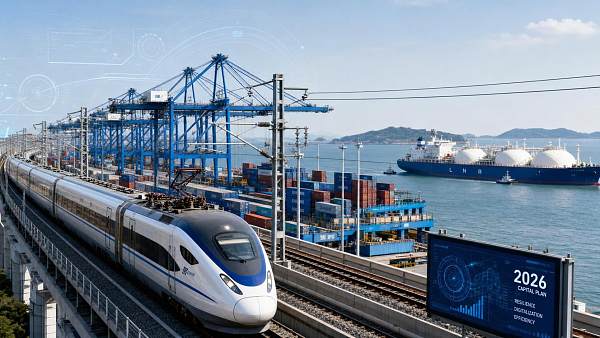
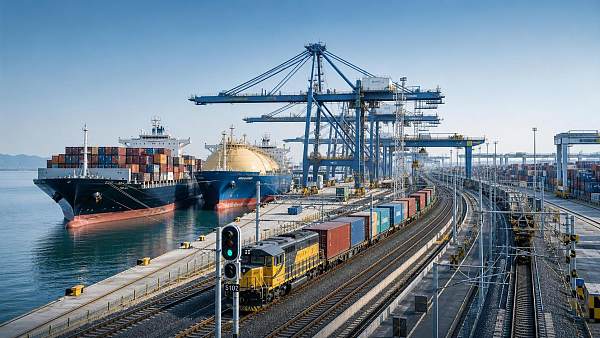
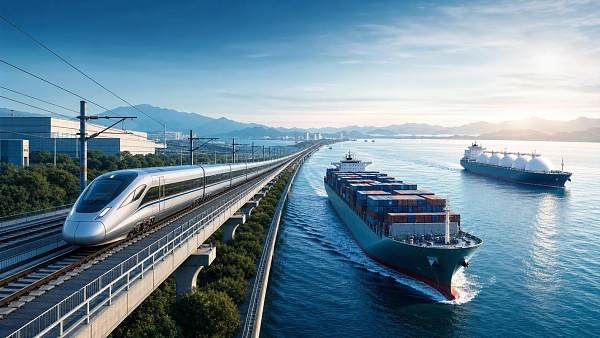
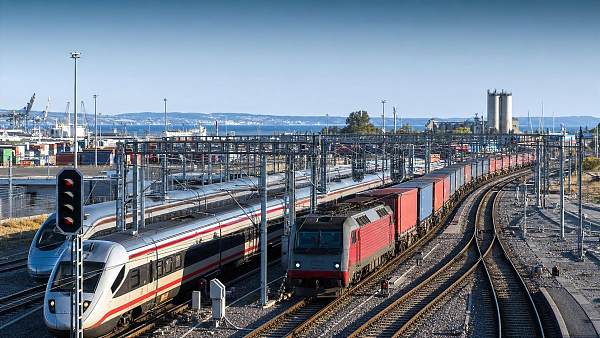
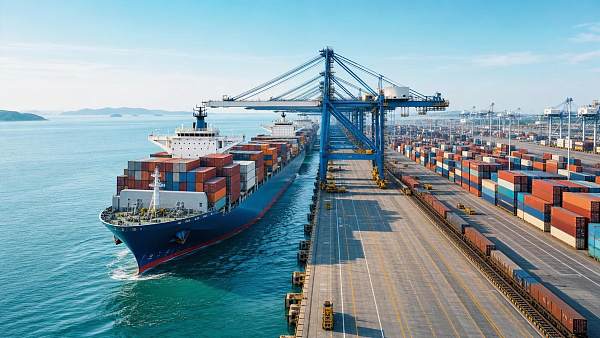
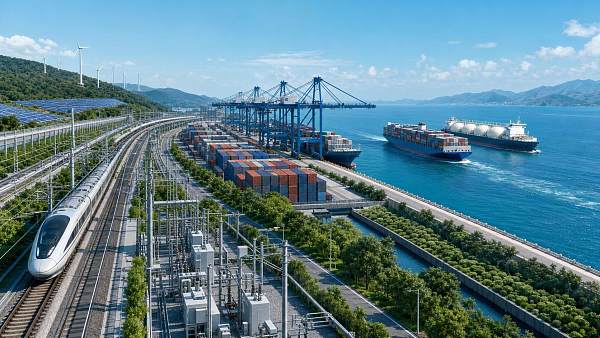
That shift matters across the wider transport economy. Vessel investment affects port planning, inland connections, rail-linked logistics corridors, and energy distribution. For companies tracking land-sea infrastructure together, the next order cycle is less about volume and more about timing, specification, and long-term asset fit.
Why 2026 orders are becoming a strategic decision point
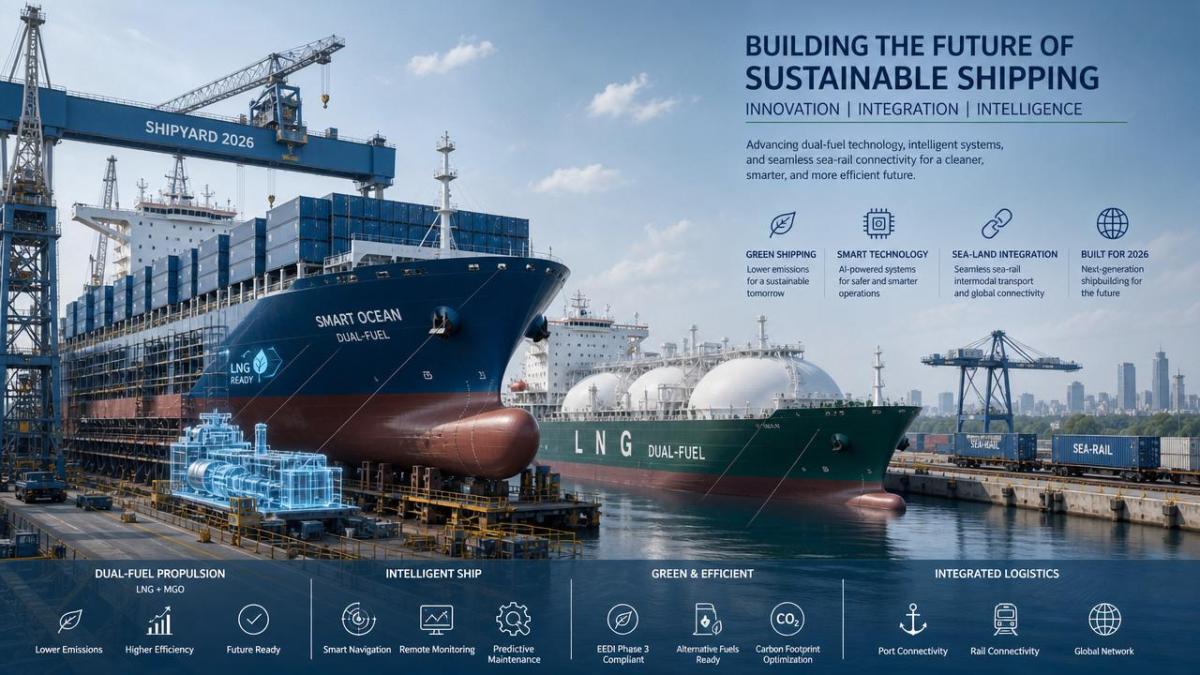
The current international shipbuilding cycle is being driven by replacement pressure and new compliance realities. Aging fleets still operate in many segments, yet owners now face stricter carbon reporting, efficiency benchmarks, and rising expectations for digital visibility.
In practical terms, 2026 orders reflect a forward bet on how trade will move over the next decade. A newbuild placed today must remain commercially relevant through fuel transitions, route changes, and tighter port-state oversight.
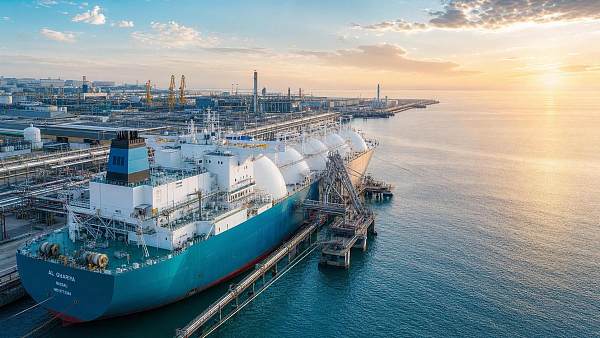
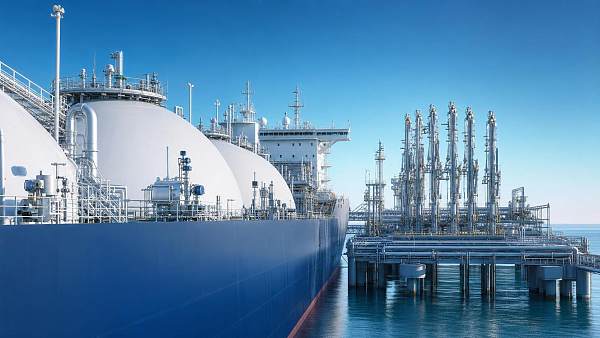
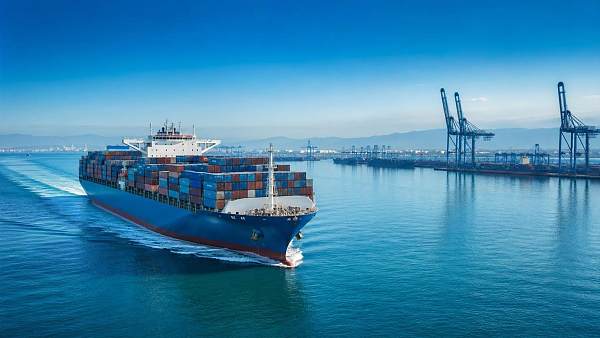
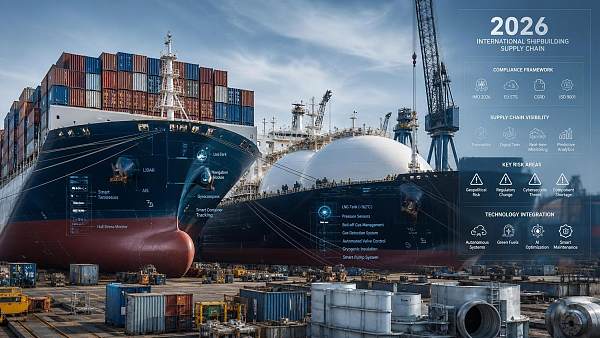
The market is also more selective than previous peaks. Not every vessel class is expanding at the same speed. LNG carriers, smart container ships, and specialized energy-support vessels continue to attract attention, while standard tonnage faces more cautious scrutiny.
This is where international shipbuilding becomes a strategic filter rather than a procurement event. The key question is not simply whether to order, but what kind of asset remains resilient under changing operating assumptions.
What international shipbuilding means in the current market
At a basic level, international shipbuilding refers to the global network of shipowners, designers, yards, equipment suppliers, classification bodies, financiers, and regulators shaping vessel construction across borders.
Today, however, the term carries a broader meaning. It includes digital integration, lifecycle efficiency, alternative fuel readiness, supply chain resilience, and the intelligence layer needed to compare technical choices across regions.
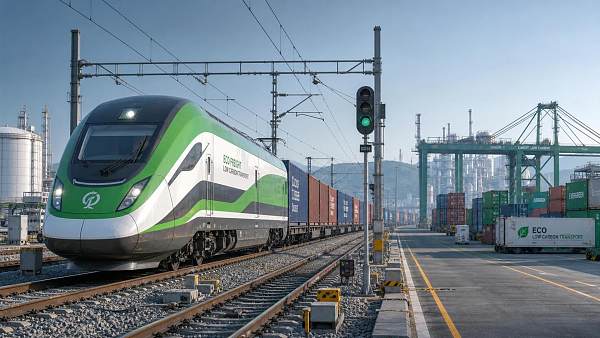
That broader view fits a transport system where maritime decisions increasingly connect with rail terminals, inland freight nodes, and energy infrastructure. GTOT’s land-sea perspective is relevant here because vessel competitiveness now depends on how ships perform within an end-to-end logistics architecture.
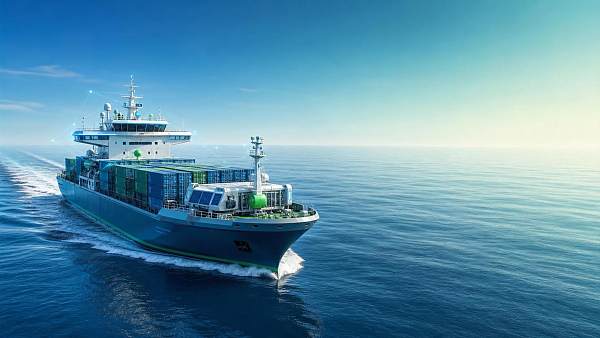
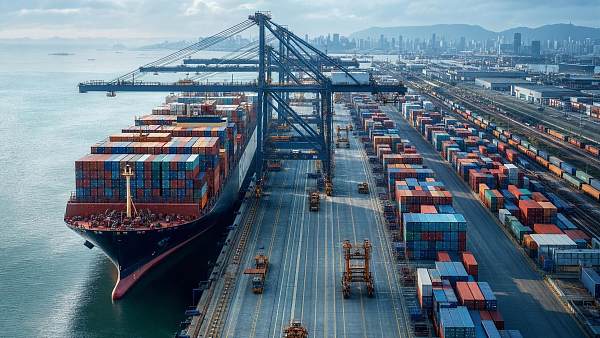
A smart container ship, for example, is not valuable only because of onboard automation. Its value grows when route optimization, berth coordination, and cargo flow visibility reduce delay across the whole corridor.
The strongest forces shaping international shipbuilding demand
Decarbonization is changing technical specifications
Environmental compliance is now embedded in newbuild discussions from the start. Energy efficiency, dual-fuel options, methane management, and future retrofit flexibility all influence order attractiveness.
This does not mean one fuel path has won. It means international shipbuilding increasingly rewards designs that preserve optionality while avoiding stranded technology choices.
Yard capacity is tight in high-value segments
Top yards remain heavily booked in advanced vessel categories. LNG carriers, complex containerships, and technically demanding offshore support platforms require specialized engineering depth, not just dry dock space.
That creates a timing premium. A delayed decision can lead to later delivery slots, higher build costs, or compromises on specification and supplier selection.
Trade geography is shifting order logic
Supply chains are being redrawn by regionalization, energy security concerns, and the search for more reliable corridors. As routes evolve, so do preferences for vessel size, endurance, fuel consumption profile, and cargo handling capability.
International shipbuilding is therefore responding to network redesign, not only to headline trade volumes.
Digital performance is becoming part of asset value
Owners increasingly expect ships to support predictive maintenance, remote diagnostics, voyage analytics, and better ship-to-shore coordination. These functions influence operating margins and charter appeal.
In this environment, international shipbuilding is not just about steel and engines. It is also about data architecture, sensor reliability, and integration with broader logistics intelligence.
Where orders are concentrating in 2026
Not all demand is equal. The most active ordering areas are generally linked to energy transition, supply chain visibility, and cargo systems that support higher utilization.
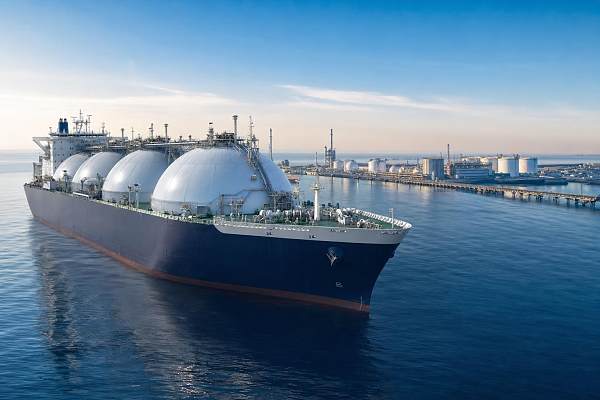
For LNG carriers in particular, technical credibility matters as much as market timing. Membrane containment stress behavior, cryogenic reliability, and dual-fuel propulsion efficiency all shape long-term competitiveness.
That explains why intelligence platforms with both commercial and engineering depth are gaining value. GTOT’s focus on advanced vessels and deep technical analysis reflects the way buying decisions are now made.
How to read opportunity and risk in international shipbuilding
A healthy orderbook does not automatically mean a healthy investment case. What matters is whether a vessel’s configuration aligns with route economics, regulatory exposure, and expected utilization patterns.
- Check whether the design supports future compliance without major structural penalty.
- Compare delivery slots against likely freight cycle timing, not current sentiment.
- Assess supplier concentration risk for critical propulsion, containment, and control systems.
- Review digital interoperability with ports, terminals, and inland transport systems.
- Model lifecycle cost under multiple fuel and charter scenarios.
This approach is especially useful in international shipbuilding because headline demand often hides segment-level imbalance. Some yards are full for advanced ships, while less sophisticated capacity may remain available without meeting performance needs.
Another practical point is to separate cyclical noise from structural change. Freight markets fluctuate quickly. Digitalization, decarbonization, and safety expectations move more slowly, but they reshape asset value more deeply.
Why cross-sector intelligence matters more now
International shipbuilding no longer operates in isolation. Port congestion, rail corridor upgrades, terminal automation, and inland equipment reliability all influence whether a vessel delivers its expected return.
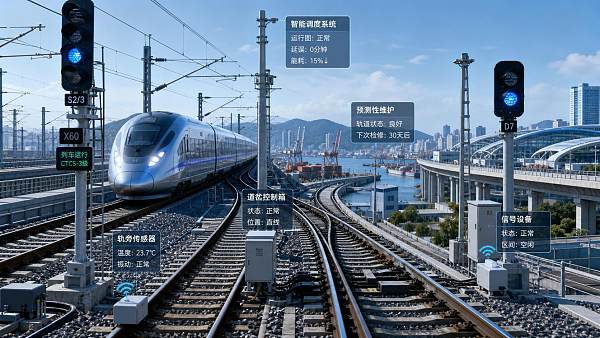
That is why the broader GTOT framework matters. A platform that follows railway signal systems, traction interfaces, braking technologies, smart ships, and LNG transport can detect operational links that single-sector analysis may miss.
For example, an efficient maritime asset may still underperform if hinterland connections remain weak or terminal timing is unstable. Likewise, advanced ships become more valuable when paired with synchronized land-sea logistics planning.
In other words, international shipbuilding decisions benefit from a systems view. The best orders are often those matched to infrastructure readiness, data visibility, and route resilience, not just yard reputation.
What to monitor before committing to 2026 orders
The next phase is less about chasing every market signal and more about creating a disciplined comparison framework. A few indicators deserve continuous attention.
- Orderbook concentration by vessel type and by shipyard tier.
- Regional policy shifts affecting fuel pathways, port access, and emissions reporting.
- Critical equipment lead times for propulsion, automation, and cargo handling systems.
- Trade corridor durability, especially where geopolitical risk changes route economics.
- The operational value of onboard intelligence rather than basic feature count.
For many organizations, the sensible next move is to review fleet plans against three filters: compliance resilience, corridor fit, and data integration capability. That creates a clearer basis for discussing timing, vessel type, and technical specification.
International shipbuilding in 2026 will reward informed selectivity. The most durable decisions are likely to come from combining market timing with engineering scrutiny and a realistic view of how global transport networks are being rewired.
Recommended News
 Jul 19, 2026Transportation Infrastructure Trends Shaping Capital Planning in 2026Transportation infrastructure trends in 2026 are reshaping capital planning across rail, ports, and shipping. Discover how resilience, automation, and digital control are driving smarter investment decisions.
 Jul 12, 2026Gas Carrier Technology in the Middle East: 2026 OutlookGas carrier technology Middle East trends for 2026: explore LNG vessel innovation, propulsion, containment, and regional yard upgrades shaping smarter energy trade decisions.
 Jul 10, 2026Commercial Shipbuilding Technology Trends Shaping Newbuild Projects in 2026Commercial shipbuilding technology is reshaping 2026 newbuild projects with smarter vessels, fuel flexibility, digital twins, and earlier compliance planning. Explore the trends driving stronger ROI.
 Jul 08, 2026Rail Transit Systems Upgrade Trends Shaping 2026 Investment PlansRail transit systems in 2026 are shifting from expansion to smarter upgrades. Explore safety, automation, energy, and digital trends shaping resilient, high-value investment plans.
 Jul 06, 2026Cryogenic Shipping Systems Manufacturer Trends Shaping 2026 Fleet UpgradesCryogenic shipping systems manufacturer trends are reshaping 2026 fleet upgrades. Explore how digital monitoring, emissions control, and safer containment can improve vessel performance.
 Jul 05, 2026Smart Shipping Solutions for Fleet Management: 2026 Trends Shaping Vessel OperationsSmart shipping solutions for fleet management are redefining vessel operations in 2026. Explore trends in integration, compliance, fuel efficiency, and resilient fleet performance.
 Jul 04, 2026Digital Marine Decarbonization Technology: What Delivers Measurable GainsDigital marine decarbonization technology helps fleets cut fuel use, improve compliance, and boost vessel efficiency with measurable, data-driven gains. Learn what truly delivers value.
 Jul 03, 2026Global Rail Infrastructure Standards: 2026 Changes to WatchGlobal rail infrastructure standards are reshaping 2026 rail projects. Discover the key compliance, interoperability, cyber, and low-carbon changes that will impact bids and investment.
 Jul 02, 2026Global Trade Logistics North America Trends to Watch in 2026Global trade logistics North America in 2026 will be shaped by rail-ocean integration, smart routing, LNG demand, and measurable resilience. Discover the trends redefining reliability and trade advantage.
 Jun 30, 2026International Shipbuilding Suppliers: 2026 Sourcing Trends and Supply Chain RisksInternational shipbuilding suppliers face new 2026 sourcing risks, from compliance and digital integration to sub-tier bottlenecks. Explore key trends shaping cost, delivery, and resilience.
 Jun 27, 2026Heavy Industry Tech Trends Reshaping Equipment Investment in 2026Heavy industry tech is reshaping 2026 equipment investment across rail and maritime systems. Explore the five trends driving safer, smarter, higher-value capital decisions.
 Jun 25, 2026Decarbonization Trends Reshaping Rail and Marine Investment in 2026Decarbonization is reshaping rail and marine investment in 2026. Discover where capital is moving, which assets gain value, and how smarter transport upgrades improve resilience.
 Jun 23, 2026Global Rail Infrastructure Trends Shaping Capacity, Funding, and Delivery TimelinesGlobal rail infrastructure trends are redefining capacity, funding, and delivery timelines. Explore how data-driven planning and system readiness shape resilient, investable rail projects.
 Jun 22, 2026Maritime Logistics Trends in 2026: Capacity Shifts, Delays, and Margin PressureMaritime logistics in 2026 faces shifting capacity, persistent delays, and rising margin pressure. Explore key risks, lane-level signals, and smarter planning strategies.
 Jun 21, 2026LNG Carriers Technology Advancements: 5 Upgrades Reshaping Fleet PerformanceLNG carriers technology advancements are reshaping fleet performance through smarter containment, dual-fuel propulsion, digital monitoring, boil-off control, and automation—see the 5 upgrades driving safer, cleaner, more profitable LNG shipping.
 Jun 20, 2026Global Supply Chain Challenges in Rail Infrastructure in 2026Global supply chain challenges in rail infrastructure are redefining 2026 project risk. Discover where delays, compliance, and sourcing pressure hit hardest—and how smarter evaluation protects cost, delivery, and performance.
 Jun 20, 2026Full Digitalization in Rail: 7 Risks to Address Before ScalingFull digitalization in rail can boost safety, maintenance, and control—but only if key risks are managed. Explore 7 critical challenges to address before scaling network-wide.
 Jun 18, 2026Maritime Logistics Trends in 2026: Where Shipping Efficiency Is MovingMaritime logistics in 2026 is driven by AI routing, port connectivity, decarbonization, and asset visibility. Discover the trends redefining shipping efficiency and resilience.
 Jun 17, 2026Transportation Infrastructure Development Trends That Matter for Long-Term PlanningTransportation infrastructure development trends are reshaping rail, ports, shipping, and LNG networks. Explore the key signals for smarter long-term planning, resilience, and investment value.
 Jun 17, 2026Railway Automation Trends Shaping Safer, Smarter Networks in 2026Railway automation in 2026 is driving safer, smarter rail networks with predictive maintenance, integrated signaling, and higher capacity. Explore the trends shaping resilient transport.
 Jun 15, 2026Decarbonization in Rail Transportation: What Cuts Emissions First?Decarbonization in rail transportation starts with the fastest wins: traction optimization, regenerative braking, smarter signalling, and retrofit upgrades that cut emissions, costs, and risk.
 Jun 14, 2026Rail Infrastructure Investment: Cost vs Long-Term ReturnRail infrastructure investment is more than upfront cost. Discover how lifecycle planning, smarter systems, and reliable rail design can deliver stronger long-term returns.
 Jun 13, 2026Advanced Ocean-Going Vessels: Key Design Shifts in 2026Advanced ocean-going vessels in 2026 are redefining shipping with AI routing, fuel-flexible propulsion, and smarter port integration. See which design shifts drive resilience, efficiency, and long-term fleet value.
 Jun 12, 2026High-Speed Rail Technology Trends Shaping 2026 ProjectsHigh-speed rail technology is reshaping 2026 projects through smarter signaling, resilient traction, precision braking, and digital monitoring. Explore the trends driving safer, scalable, bankable rail delivery.