



Search News
Industry Portal
Popular Tags
Full Digitalization in Rail: 7 Risks to Address Before Scaling
Author
Time
Click Count
Full Digitalization in Rail Starts With Risk Visibility
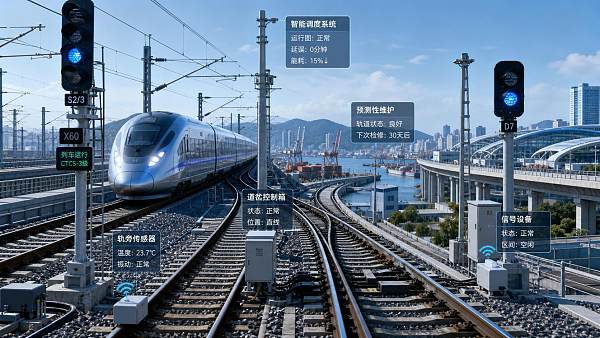
Full digitalization in rail looks compelling on paper. It promises safer operations, faster maintenance decisions, and clearer control across assets, teams, and routes.
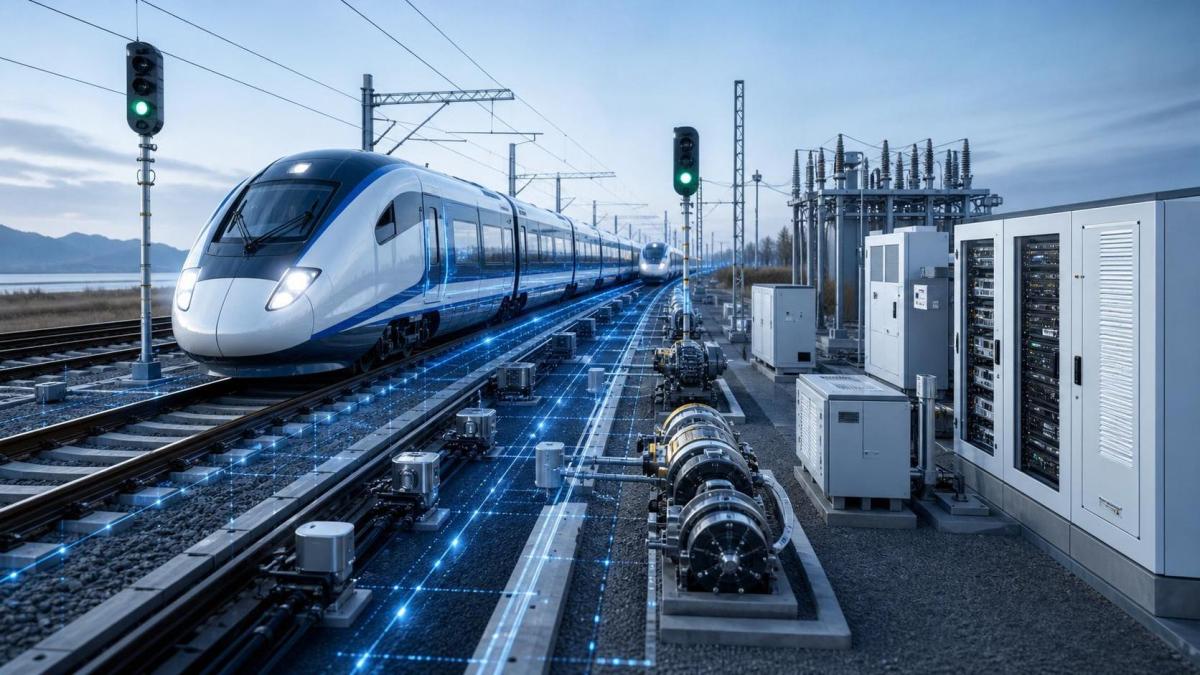
But scale changes everything. A pilot can hide issues that become expensive once digital systems stretch across fleets, depots, signaling layers, and external suppliers.
That is why full digitalization should never be treated as a simple technology rollout. It is an operating model change with safety, compliance, and lifecycle consequences.
For rail organizations, the real question is not whether to digitize. The real question is how to scale without weakening resilience.
From GTOT’s perspective, the strongest programs balance railway signal control, traction reliability, braking safety, and data governance from the beginning.
Below are seven risks that deserve attention before full digitalization moves from ambition to network-wide execution.
1. Fragmented Legacy Systems Slow Full Digitalization
Many rail networks still run on mixed generations of infrastructure. Signaling, rolling stock, depot systems, and maintenance platforms often speak different digital languages.
In early pilots, custom interfaces may look manageable. At scale, those interfaces become fragile, expensive, and difficult to secure.
This creates a common trap. Leaders invest in dashboards before fixing the data pathways underneath them.
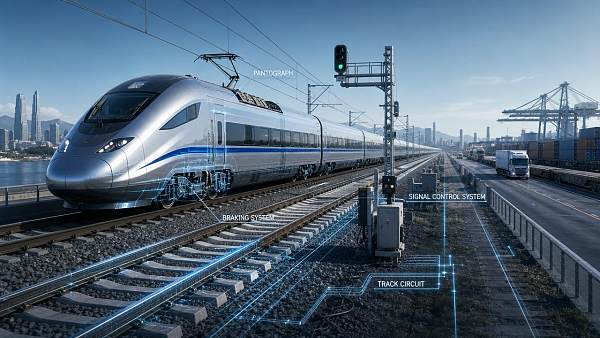
A stronger approach is to map every critical dependency first. That includes interlocking systems, onboard units, pantograph monitoring, and braking diagnostics.
- Identify systems with proprietary interfaces.
- Define common data standards before expansion.
- Prioritize integration around safety-critical assets.
2. Cybersecurity Risk Expands Faster Than Expected
Full digitalization increases the number of connected endpoints. Sensors, remote access tools, maintenance tablets, cloud gateways, and third-party links all widen exposure.
In rail, this is not only an IT problem. It touches operational continuity, dispatch reliability, and public safety.
A mature rail cybersecurity plan separates critical control domains from less sensitive business systems. It also limits lateral movement during an incident.
The more obvious signal today is that attackers increasingly target supply chains, not only operators. That makes vendor assurance just as important as firewall strength.
- Segment signaling and operational technology networks.
- Audit remote access rights by role and supplier.
- Test response plans with realistic outage scenarios.
3. Poor Data Quality Undermines Decision Confidence
Full digitalization depends on trust in data. If timestamps drift, asset identifiers differ, or condition data lacks context, analytics can mislead rather than guide.
This happens often during expansion. Teams connect more devices, but governance stays informal.
For example, braking performance data may be useful in one maintenance system, yet impossible to compare across fleets because naming conventions changed over time.
In practice, full digitalization needs a clear data ownership model. Someone must own standards, validation rules, retention logic, and escalation paths.
- Create a master asset dictionary.
- Define minimum data quality thresholds.
- Flag inconsistent inputs before analytics use.
4. Safety Validation Becomes Harder Across Digital Layers
Rail is different from many industries because safety assurance cannot be an afterthought. Digital change must coexist with strict operational validation.
When software, sensors, communications, and human interfaces change together, proving safe behavior becomes more complex. SIL4 expectations raise that bar even further.
This is especially important in railway signal control systems. A minor integration error can create major downstream consequences.
The practical answer is staged validation. Test digital functions in isolated environments, then controlled corridors, then progressively broader operating conditions.
That also means change control must stay disciplined. Fast deployment is useful only when traceability remains intact.
5. Vendor Lock-In Limits Long-Term Flexibility
Full digitalization can quietly create dependence on one integrator, one platform, or one data architecture. That may speed up the first phase, but it can constrain future choices.
Over time, locked systems raise upgrade costs and reduce bargaining power. They may also make mergers, route extensions, or cross-border projects harder.
This risk matters more as networks adopt predictive maintenance, digital twins, and AI-based dispatch support. Each added layer increases switching difficulty.
A better procurement model asks a simple question early: can critical data move cleanly if strategy changes in five years?
- Require exportable data formats.
- Review interface openness in contracts.
- Tie milestones to interoperability evidence.
6. Workforce Readiness Often Lags the Technology
Even the best full digitalization strategy fails if frontline teams do not trust or use it. This challenge appears more often than many plans admit.
Maintenance engineers, dispatch staff, and safety managers need tools that fit real workflows. If digital processes add friction, users will bypass them.
From recent market shifts, the clearer signal is that successful programs treat training as a design input, not a final rollout task.
That means building interfaces around operational decisions. It also means teaching teams how to interpret alerts, not just where to click.
In actual operations, adoption improves when field feedback changes the platform quickly and visibly.
7. Business Cases Ignore Lifecycle Complexity
A common mistake in full digitalization is focusing too much on launch benefits. The larger cost sits in maintenance, upgrades, recertification, and long-term support.
This is where many scaled programs lose momentum. The savings model looks strong, but lifecycle demands erode the return.
For rail leaders, the smarter view is whole-life value. That includes spare parts visibility, software patch cycles, compliance burdens, and asset downtime risk.
GTOT sees the same pattern across land and sea systems. Digital gains become durable only when architecture and service models are designed for decades, not quarters.
How to Scale Full Digitalization Without Losing Control
A practical scaling model is not overly complicated. It simply puts sequence ahead of speed.
Start with the assets and interfaces that matter most to safe, reliable movement. Then expand around proven governance and measurable outcomes.
This also means setting a clear scaling gate. No expansion should happen until integration, cyber hygiene, safety evidence, and user readiness meet defined thresholds.
A Better Full Digitalization Strategy Is Measured, Not Rushed
Full digitalization remains a strong direction for rail. It can unlock better reliability, smarter maintenance, and stronger network intelligence when built on disciplined foundations.
Still, scale should be earned. The most resilient programs face operational reality early, rather than discovering hidden weakness after broad deployment.
The immediate opportunity is to review the seven risks against current roadmaps. That simple exercise can reveal where full digitalization is strong, and where it remains exposed.
When digital rail strategy aligns integration, safety, cyber resilience, and lifecycle planning, scaling becomes far less risky and far more valuable.
Recommended News
 Jul 19, 2026Transportation Infrastructure Trends Shaping Capital Planning in 2026Transportation infrastructure trends in 2026 are reshaping capital planning across rail, ports, and shipping. Discover how resilience, automation, and digital control are driving smarter investment decisions.
 Jul 12, 2026Gas Carrier Technology in the Middle East: 2026 OutlookGas carrier technology Middle East trends for 2026: explore LNG vessel innovation, propulsion, containment, and regional yard upgrades shaping smarter energy trade decisions.
 Jul 10, 2026Commercial Shipbuilding Technology Trends Shaping Newbuild Projects in 2026Commercial shipbuilding technology is reshaping 2026 newbuild projects with smarter vessels, fuel flexibility, digital twins, and earlier compliance planning. Explore the trends driving stronger ROI.
 Jul 08, 2026Rail Transit Systems Upgrade Trends Shaping 2026 Investment PlansRail transit systems in 2026 are shifting from expansion to smarter upgrades. Explore safety, automation, energy, and digital trends shaping resilient, high-value investment plans.
 Jul 06, 2026Cryogenic Shipping Systems Manufacturer Trends Shaping 2026 Fleet UpgradesCryogenic shipping systems manufacturer trends are reshaping 2026 fleet upgrades. Explore how digital monitoring, emissions control, and safer containment can improve vessel performance.
 Jul 05, 2026Smart Shipping Solutions for Fleet Management: 2026 Trends Shaping Vessel OperationsSmart shipping solutions for fleet management are redefining vessel operations in 2026. Explore trends in integration, compliance, fuel efficiency, and resilient fleet performance.
 Jul 04, 2026Digital Marine Decarbonization Technology: What Delivers Measurable GainsDigital marine decarbonization technology helps fleets cut fuel use, improve compliance, and boost vessel efficiency with measurable, data-driven gains. Learn what truly delivers value.
 Jul 03, 2026Global Rail Infrastructure Standards: 2026 Changes to WatchGlobal rail infrastructure standards are reshaping 2026 rail projects. Discover the key compliance, interoperability, cyber, and low-carbon changes that will impact bids and investment.
 Jul 02, 2026Global Trade Logistics North America Trends to Watch in 2026Global trade logistics North America in 2026 will be shaped by rail-ocean integration, smart routing, LNG demand, and measurable resilience. Discover the trends redefining reliability and trade advantage.
 Jun 30, 2026International Shipbuilding Suppliers: 2026 Sourcing Trends and Supply Chain RisksInternational shipbuilding suppliers face new 2026 sourcing risks, from compliance and digital integration to sub-tier bottlenecks. Explore key trends shaping cost, delivery, and resilience.
 Jun 27, 2026Heavy Industry Tech Trends Reshaping Equipment Investment in 2026Heavy industry tech is reshaping 2026 equipment investment across rail and maritime systems. Explore the five trends driving safer, smarter, higher-value capital decisions.
 Jun 25, 2026Decarbonization Trends Reshaping Rail and Marine Investment in 2026Decarbonization is reshaping rail and marine investment in 2026. Discover where capital is moving, which assets gain value, and how smarter transport upgrades improve resilience.
 Jun 23, 2026Global Rail Infrastructure Trends Shaping Capacity, Funding, and Delivery TimelinesGlobal rail infrastructure trends are redefining capacity, funding, and delivery timelines. Explore how data-driven planning and system readiness shape resilient, investable rail projects.
 Jun 22, 2026Maritime Logistics Trends in 2026: Capacity Shifts, Delays, and Margin PressureMaritime logistics in 2026 faces shifting capacity, persistent delays, and rising margin pressure. Explore key risks, lane-level signals, and smarter planning strategies.
 Jun 21, 2026LNG Carriers Technology Advancements: 5 Upgrades Reshaping Fleet PerformanceLNG carriers technology advancements are reshaping fleet performance through smarter containment, dual-fuel propulsion, digital monitoring, boil-off control, and automation—see the 5 upgrades driving safer, cleaner, more profitable LNG shipping.
 Jun 20, 2026Global Supply Chain Challenges in Rail Infrastructure in 2026Global supply chain challenges in rail infrastructure are redefining 2026 project risk. Discover where delays, compliance, and sourcing pressure hit hardest—and how smarter evaluation protects cost, delivery, and performance.
 Jun 20, 2026Full Digitalization in Rail: 7 Risks to Address Before ScalingFull digitalization in rail can boost safety, maintenance, and control—but only if key risks are managed. Explore 7 critical challenges to address before scaling network-wide.
 Jun 18, 2026Maritime Logistics Trends in 2026: Where Shipping Efficiency Is MovingMaritime logistics in 2026 is driven by AI routing, port connectivity, decarbonization, and asset visibility. Discover the trends redefining shipping efficiency and resilience.
 Jun 17, 2026Transportation Infrastructure Development Trends That Matter for Long-Term PlanningTransportation infrastructure development trends are reshaping rail, ports, shipping, and LNG networks. Explore the key signals for smarter long-term planning, resilience, and investment value.
 Jun 17, 2026Railway Automation Trends Shaping Safer, Smarter Networks in 2026Railway automation in 2026 is driving safer, smarter rail networks with predictive maintenance, integrated signaling, and higher capacity. Explore the trends shaping resilient transport.
 Jun 15, 2026Decarbonization in Rail Transportation: What Cuts Emissions First?Decarbonization in rail transportation starts with the fastest wins: traction optimization, regenerative braking, smarter signalling, and retrofit upgrades that cut emissions, costs, and risk.
 Jun 14, 2026Rail Infrastructure Investment: Cost vs Long-Term ReturnRail infrastructure investment is more than upfront cost. Discover how lifecycle planning, smarter systems, and reliable rail design can deliver stronger long-term returns.
 Jun 13, 2026Advanced Ocean-Going Vessels: Key Design Shifts in 2026Advanced ocean-going vessels in 2026 are redefining shipping with AI routing, fuel-flexible propulsion, and smarter port integration. See which design shifts drive resilience, efficiency, and long-term fleet value.
 Jun 12, 2026High-Speed Rail Technology Trends Shaping 2026 ProjectsHigh-speed rail technology is reshaping 2026 projects through smarter signaling, resilient traction, precision braking, and digital monitoring. Explore the trends driving safer, scalable, bankable rail delivery.