



Search News
Industry Portal
Popular Tags
LNG Carriers Technology Advancements: 5 Upgrades Reshaping Fleet Performance
Author
Time
Click Count
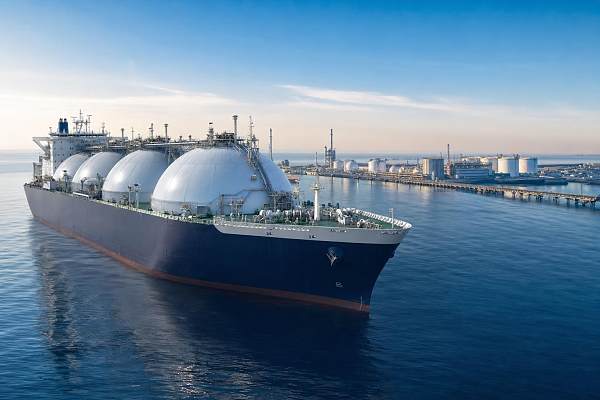
LNG carriers technology advancements are moving from engineering headlines to boardroom priorities. They now shape how fleets protect cargo value, control fuel burn, meet emissions rules, and stay reliable across volatile trade cycles.
That shift matters beyond shipping alone. For a platform such as GTOT, which tracks critical systems across rail and ocean transport, LNG carriers reveal how digitalization, safety logic, and asset intelligence converge in global infrastructure.
In practical terms, the most important changes are not isolated inventions. They are connected upgrades in containment, propulsion, monitoring, boil-off gas control, and automation that together redefine fleet performance.
Why LNG carrier upgrades now carry more strategic weight
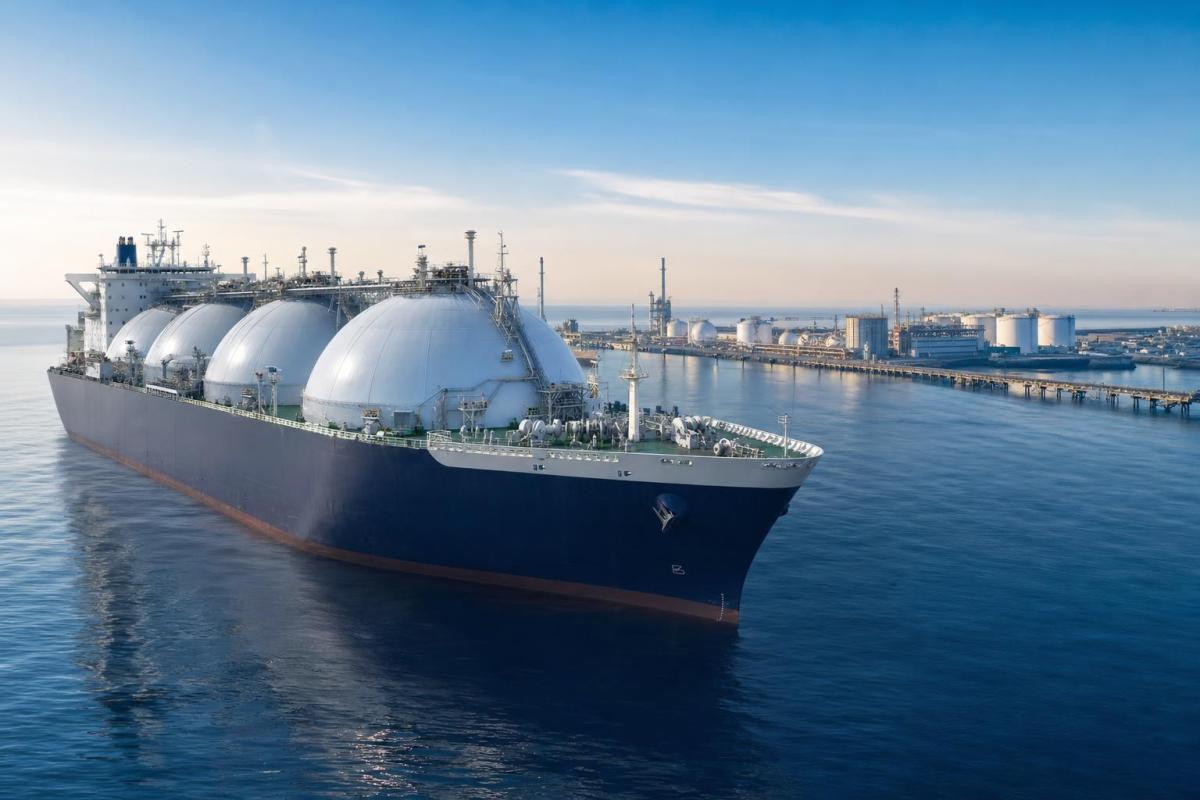
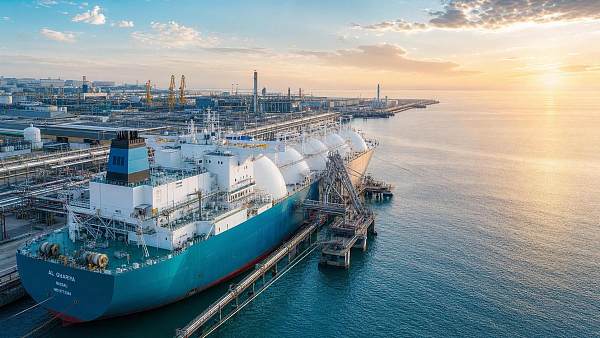
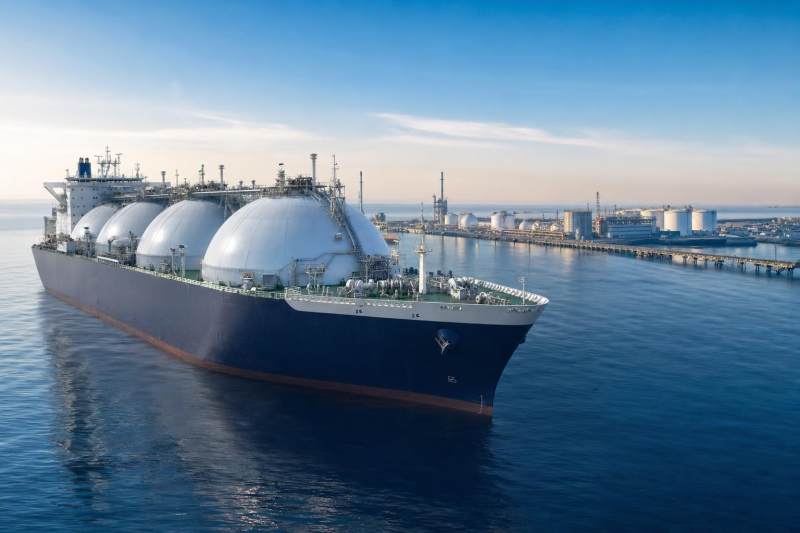
LNG shipping sits at the center of energy security, decarbonization pressure, and long-distance supply chain resilience. These vessels are not ordinary tankers. They are mobile cryogenic systems operating under narrow technical tolerances.
A small efficiency gain can translate into large commercial impact over multi-year charters. A small design weakness can also magnify into cargo loss, off-hire risk, or expensive retrofits.
Current market conditions intensify those trade-offs. Operators face tighter methane scrutiny, higher expectations on voyage transparency, and stronger pressure to stretch asset life without compromising safety.
This is why LNG carriers technology advancements deserve close attention. They influence not only vessel efficiency, but also financing confidence, insurance positioning, compliance readiness, and shipyard specification choices.
What these advancements really mean in operational terms
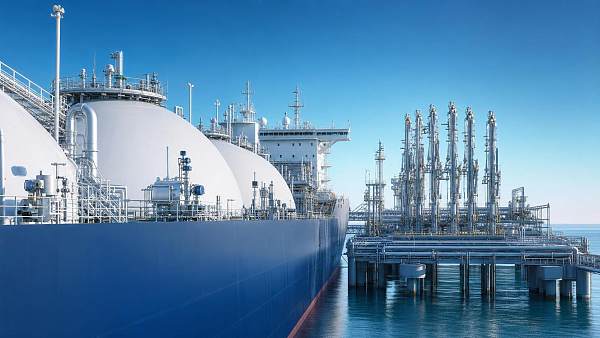
At a basic level, LNG carriers technology advancements improve the vessel’s ability to store liquefied gas at about minus 163 degrees Celsius while converting operational complexity into controllable performance.
The real value appears when technical systems stop being treated separately. Hull design, insulation, engines, cargo handling, sensors, and software now function as one performance architecture.
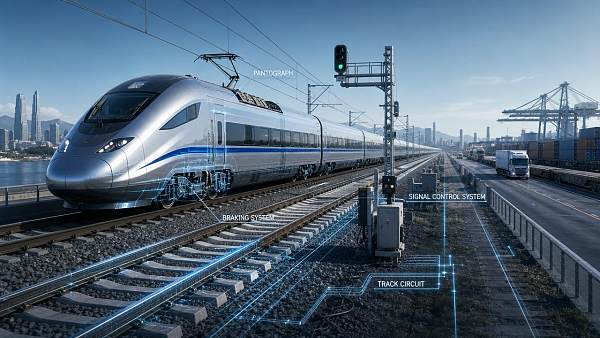
That integrated view is familiar across GTOT’s broader coverage. In railway signalling, braking, and traction power, performance also depends on system coordination rather than a single premium component.
LNG shipping follows the same logic. The best-performing fleets combine strong hardware with high-quality control data, disciplined operating procedures, and a clear retrofit pathway.
The five upgrades reshaping fleet performance
1. More resilient containment and insulation systems
Containment remains the technical heart of LNG transport. Improvements in membrane systems, insulation materials, and structural stress management help reduce boil-off, protect cargo integrity, and stabilize long-haul economics.
More advanced designs also improve durability under repeated thermal cycling. That matters for vessels facing changing loading patterns, variable routes, and growing pressure to maintain predictable performance over decades.
2. Dual-fuel propulsion with better efficiency control
Dual-fuel engines are no longer just a compliance feature. They have become a commercial decision point, balancing fuel flexibility, methane slip management, maintenance intervals, and voyage economics.
Newer propulsion packages improve combustion control and load response. They also support more intelligent switching between fuels, which can protect margins when fuel pricing and availability change quickly.
3. Digital monitoring and condition-based decision support
One of the most valuable LNG carriers technology advancements is deeper equipment visibility. Sensor networks and analytics platforms now track tank conditions, pressure trends, energy efficiency, and machinery health in near real time.
This changes maintenance planning. Instead of reacting after alarms or scheduled intervals, operators can detect drift earlier, reduce unnecessary interventions, and document technical performance more credibly.
4. Smarter boil-off gas management
Boil-off gas has always been central to LNG carrier economics. What is changing is the precision of how it is captured, routed, reliquefied, consumed, or minimized during different operating profiles.
Advanced boil-off strategies reduce cargo loss and support cleaner engine operation. They also improve flexibility for vessels serving diverse terminals, charter structures, and voyage durations.
5. Higher automation across cargo and navigation workflows
Automation is extending from engine rooms into cargo handling, route optimization, safety alerts, and shore-vessel coordination. This does not remove human oversight. It raises the quality and speed of operational judgment.
For LNG carriers, that means fewer process deviations, more stable voyage execution, and better traceability during inspections, audits, and commercial performance reviews.
How the upgrades connect to business outcomes
It is useful to assess LNG carriers technology advancements through business consequences rather than technical labels alone. The table below frames that connection more clearly.
Seen this way, LNG carriers technology advancements are not only technical upgrades. They are decision tools for improving charter competitiveness and protecting long-term asset value.
Where these changes matter most in practice
The importance of each upgrade varies by operating model. A newbuild program will prioritize different features than an aging fleet seeking selective modernization.
- Long-haul export routes benefit strongly from lower boil-off, efficient propulsion, and stable containment performance.
- Flexible trading patterns need stronger digital monitoring because changing voyage conditions expose hidden system inefficiencies.
- Projects facing strict environmental scrutiny gain more from low-emission engine control and auditable operational data.
- Retrofit candidates need a careful balance between immediate efficiency gains and downtime, integration complexity, and remaining vessel life.
This is also where cross-sector intelligence becomes useful. GTOT’s perspective across smart vessels, control systems, and high-reliability transport equipment highlights a shared principle: data quality and system integration often determine whether capital upgrades actually deliver.
What to evaluate before committing capital
Not every technology package creates equal value. The strongest decisions usually come from comparing technical promise against route profile, compliance exposure, fuel strategy, and maintenance capability.
A useful evaluation lens includes the following points.
- Check whether the upgrade improves total vessel economics, not only nameplate efficiency.
- Review integration risk between cargo systems, engines, automation layers, and shore support tools.
- Test the quality of performance data available for verification, class review, and internal benchmarking.
- Consider retrofit practicality, including drydock timing, crew adaptation, and spare parts support.
- Assess how the technology helps under future methane, carbon, and reporting rules rather than current rules alone.
In many cases, the winning choice is not the most complex specification. It is the option that offers measurable gains with manageable operational friction.
A practical way to move forward
LNG carriers technology advancements should be viewed as a staged capability roadmap. Start by identifying where fleet performance is leaking value today, whether through boil-off losses, fuel inefficiency, weak monitoring, or compliance uncertainty.
Then compare upgrade options against actual operating scenarios, not generic vendor claims. Route structure, charter exposure, age profile, and digital maturity all influence which improvements pay back fastest.
For teams tracking transport infrastructure more broadly, this topic also signals a wider industry pattern. The future belongs to assets that combine mechanical excellence with decision-grade intelligence.
That makes the next step clear: build a sharper evaluation framework, monitor the newest LNG carriers technology advancements closely, and judge each upgrade by how well it improves safety, resilience, and long-term fleet competitiveness.
Recommended News
 Jul 19, 2026Transportation Infrastructure Trends Shaping Capital Planning in 2026Transportation infrastructure trends in 2026 are reshaping capital planning across rail, ports, and shipping. Discover how resilience, automation, and digital control are driving smarter investment decisions.
 Jul 12, 2026Gas Carrier Technology in the Middle East: 2026 OutlookGas carrier technology Middle East trends for 2026: explore LNG vessel innovation, propulsion, containment, and regional yard upgrades shaping smarter energy trade decisions.
 Jul 10, 2026Commercial Shipbuilding Technology Trends Shaping Newbuild Projects in 2026Commercial shipbuilding technology is reshaping 2026 newbuild projects with smarter vessels, fuel flexibility, digital twins, and earlier compliance planning. Explore the trends driving stronger ROI.
 Jul 08, 2026Rail Transit Systems Upgrade Trends Shaping 2026 Investment PlansRail transit systems in 2026 are shifting from expansion to smarter upgrades. Explore safety, automation, energy, and digital trends shaping resilient, high-value investment plans.
 Jul 06, 2026Cryogenic Shipping Systems Manufacturer Trends Shaping 2026 Fleet UpgradesCryogenic shipping systems manufacturer trends are reshaping 2026 fleet upgrades. Explore how digital monitoring, emissions control, and safer containment can improve vessel performance.
 Jul 05, 2026Smart Shipping Solutions for Fleet Management: 2026 Trends Shaping Vessel OperationsSmart shipping solutions for fleet management are redefining vessel operations in 2026. Explore trends in integration, compliance, fuel efficiency, and resilient fleet performance.
 Jul 04, 2026Digital Marine Decarbonization Technology: What Delivers Measurable GainsDigital marine decarbonization technology helps fleets cut fuel use, improve compliance, and boost vessel efficiency with measurable, data-driven gains. Learn what truly delivers value.
 Jul 03, 2026Global Rail Infrastructure Standards: 2026 Changes to WatchGlobal rail infrastructure standards are reshaping 2026 rail projects. Discover the key compliance, interoperability, cyber, and low-carbon changes that will impact bids and investment.
 Jul 02, 2026Global Trade Logistics North America Trends to Watch in 2026Global trade logistics North America in 2026 will be shaped by rail-ocean integration, smart routing, LNG demand, and measurable resilience. Discover the trends redefining reliability and trade advantage.
 Jun 30, 2026International Shipbuilding Suppliers: 2026 Sourcing Trends and Supply Chain RisksInternational shipbuilding suppliers face new 2026 sourcing risks, from compliance and digital integration to sub-tier bottlenecks. Explore key trends shaping cost, delivery, and resilience.
 Jun 27, 2026Heavy Industry Tech Trends Reshaping Equipment Investment in 2026Heavy industry tech is reshaping 2026 equipment investment across rail and maritime systems. Explore the five trends driving safer, smarter, higher-value capital decisions.
 Jun 25, 2026Decarbonization Trends Reshaping Rail and Marine Investment in 2026Decarbonization is reshaping rail and marine investment in 2026. Discover where capital is moving, which assets gain value, and how smarter transport upgrades improve resilience.
 Jun 23, 2026Global Rail Infrastructure Trends Shaping Capacity, Funding, and Delivery TimelinesGlobal rail infrastructure trends are redefining capacity, funding, and delivery timelines. Explore how data-driven planning and system readiness shape resilient, investable rail projects.
 Jun 22, 2026Maritime Logistics Trends in 2026: Capacity Shifts, Delays, and Margin PressureMaritime logistics in 2026 faces shifting capacity, persistent delays, and rising margin pressure. Explore key risks, lane-level signals, and smarter planning strategies.
 Jun 21, 2026LNG Carriers Technology Advancements: 5 Upgrades Reshaping Fleet PerformanceLNG carriers technology advancements are reshaping fleet performance through smarter containment, dual-fuel propulsion, digital monitoring, boil-off control, and automation—see the 5 upgrades driving safer, cleaner, more profitable LNG shipping.
 Jun 20, 2026Global Supply Chain Challenges in Rail Infrastructure in 2026Global supply chain challenges in rail infrastructure are redefining 2026 project risk. Discover where delays, compliance, and sourcing pressure hit hardest—and how smarter evaluation protects cost, delivery, and performance.
 Jun 20, 2026Full Digitalization in Rail: 7 Risks to Address Before ScalingFull digitalization in rail can boost safety, maintenance, and control—but only if key risks are managed. Explore 7 critical challenges to address before scaling network-wide.
 Jun 18, 2026Maritime Logistics Trends in 2026: Where Shipping Efficiency Is MovingMaritime logistics in 2026 is driven by AI routing, port connectivity, decarbonization, and asset visibility. Discover the trends redefining shipping efficiency and resilience.
 Jun 17, 2026Transportation Infrastructure Development Trends That Matter for Long-Term PlanningTransportation infrastructure development trends are reshaping rail, ports, shipping, and LNG networks. Explore the key signals for smarter long-term planning, resilience, and investment value.
 Jun 17, 2026Railway Automation Trends Shaping Safer, Smarter Networks in 2026Railway automation in 2026 is driving safer, smarter rail networks with predictive maintenance, integrated signaling, and higher capacity. Explore the trends shaping resilient transport.
 Jun 15, 2026Decarbonization in Rail Transportation: What Cuts Emissions First?Decarbonization in rail transportation starts with the fastest wins: traction optimization, regenerative braking, smarter signalling, and retrofit upgrades that cut emissions, costs, and risk.
 Jun 14, 2026Rail Infrastructure Investment: Cost vs Long-Term ReturnRail infrastructure investment is more than upfront cost. Discover how lifecycle planning, smarter systems, and reliable rail design can deliver stronger long-term returns.
 Jun 13, 2026Advanced Ocean-Going Vessels: Key Design Shifts in 2026Advanced ocean-going vessels in 2026 are redefining shipping with AI routing, fuel-flexible propulsion, and smarter port integration. See which design shifts drive resilience, efficiency, and long-term fleet value.
 Jun 12, 2026High-Speed Rail Technology Trends Shaping 2026 ProjectsHigh-speed rail technology is reshaping 2026 projects through smarter signaling, resilient traction, precision braking, and digital monitoring. Explore the trends driving safer, scalable, bankable rail delivery.