



Search News
Industry Portal
Popular Tags
Rail Transit Systems Upgrade Trends Shaping 2026 Investment Plans
Author
Time
Click Count
Rail Transit Systems Are Moving From Capacity Projects to Strategic Upgrades
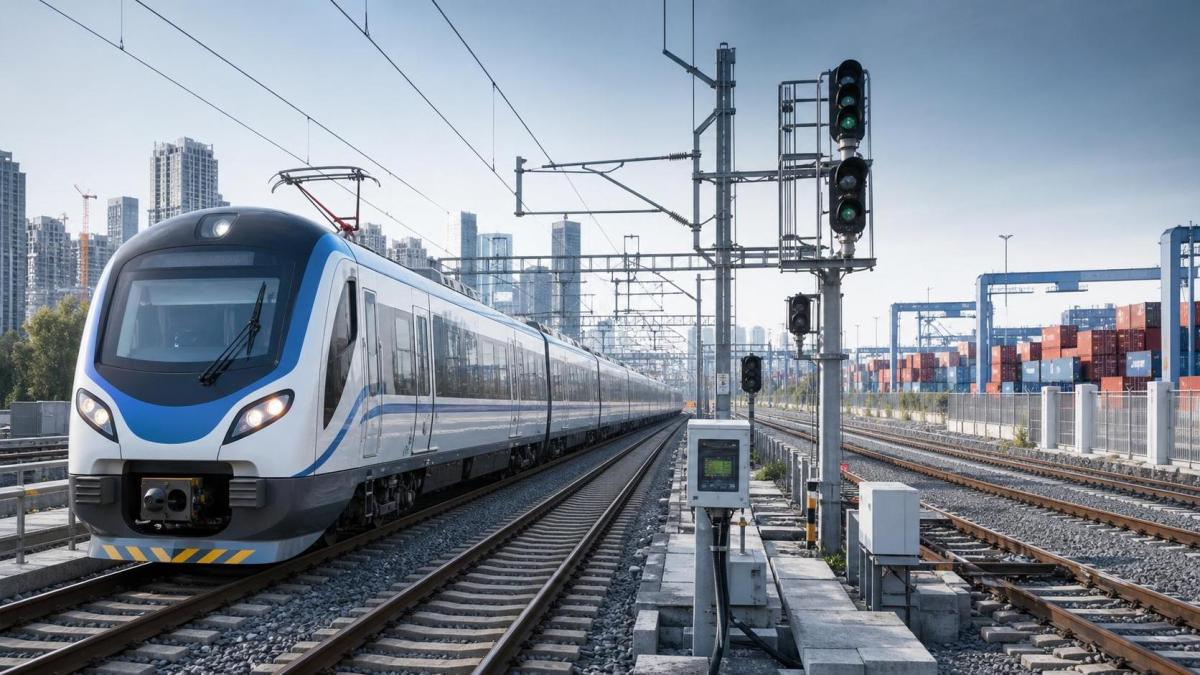
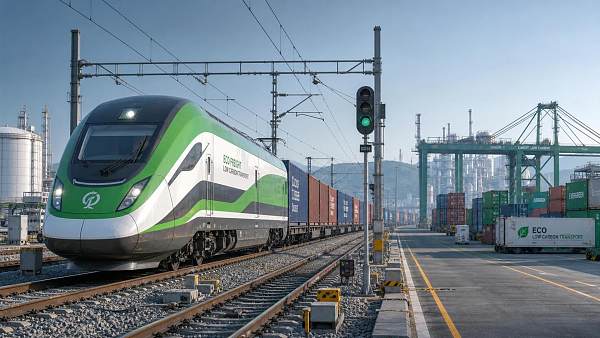
Rail transit systems are entering 2026 with a different investment logic.
Expansion still matters, yet upgrade decisions now carry more weight than simple network growth.
Boards are no longer asking only how to add lines or vehicles.
They are asking how rail transit systems can remain safe, efficient, digital, and resilient under tighter budgets and heavier demand.
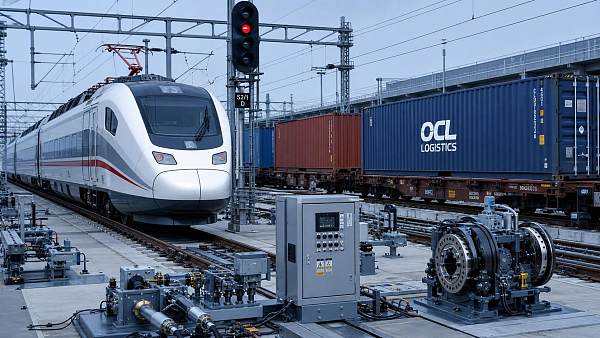
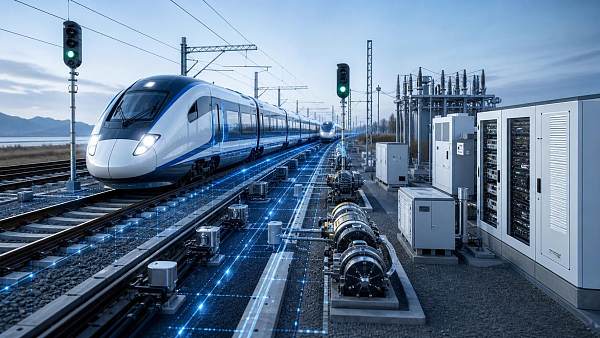
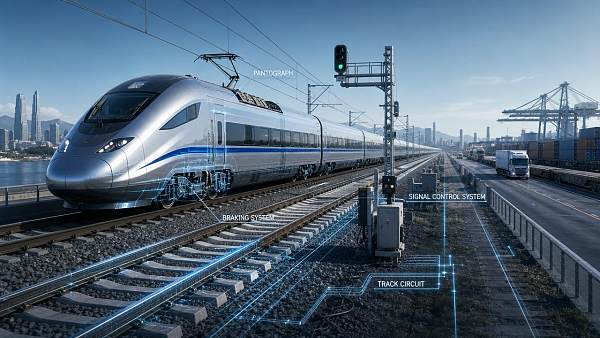
That shift is visible across signalling, pantographs, braking systems, onboard control, and energy management.
It also reflects a broader transport reality.
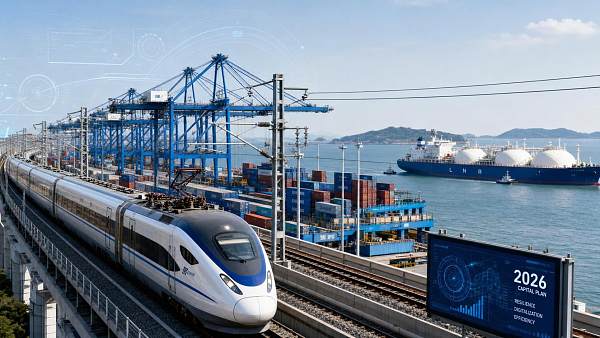
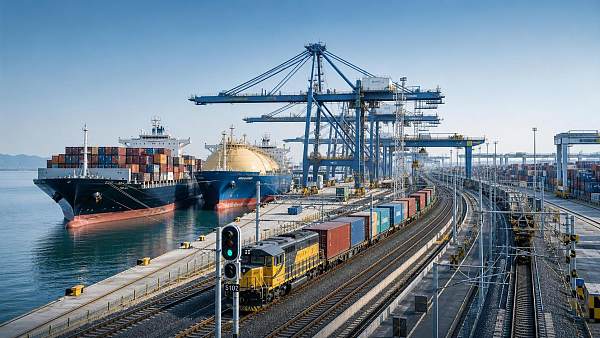
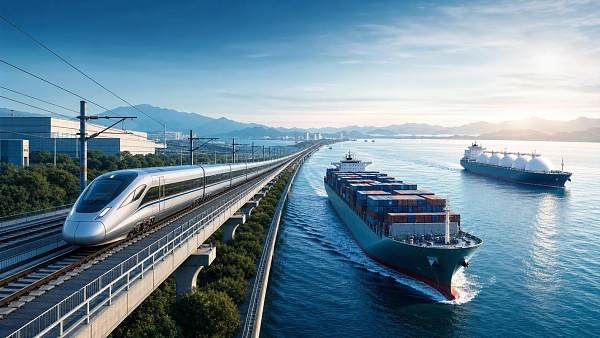
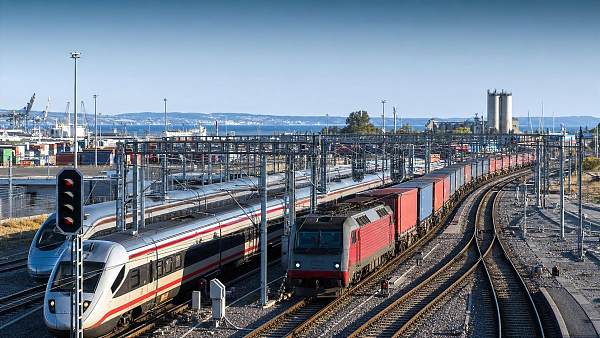
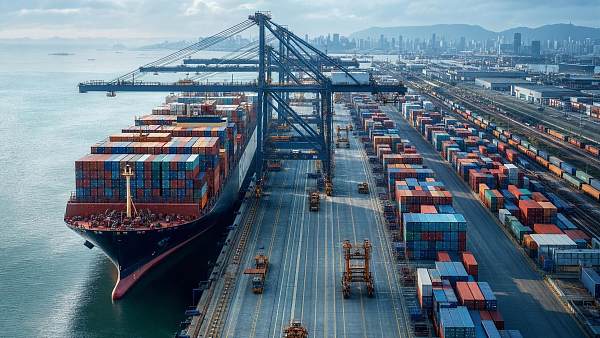
Land and sea logistics are being assessed together, not as isolated infrastructure categories.
This is where GTOT’s perspective has become useful.
Its observation of railway control components and advanced vessel systems shows a common pattern.
Critical transport assets are now judged by intelligence density, failure tolerance, and lifecycle adaptability.
For rail transit systems, that means 2026 investment plans will favor upgrades that strengthen operational continuity, data visibility, and long-term asset value.
The Clearest Signals Are Coming From Safety, Automation, and Energy Pressure
Several market signals are becoming harder to ignore.
First, urban and intercity networks are carrying more traffic through aging infrastructure.
That raises the cost of deferred modernization.
Second, safety compliance is becoming more technical, not merely procedural.
SIL4 expectations, predictive monitoring, and cyber-secure control logic are moving into mainstream planning.
Third, energy prices and decarbonization targets are reshaping component priorities.
A pantograph, converter, or braking subsystem is no longer assessed only by function.
It is assessed by its effect on power stability, thermal stress, maintenance intervals, and total consumption.
More notably, automation is changing what counts as an attractive upgrade.
Operators increasingly prefer rail transit systems that can support dense schedules, remote diagnostics, and software-led optimization without disruptive rebuilds.
That preference is pushing investment away from isolated component replacement toward interoperable modernization packages.
Why this momentum is building now
- Aging fleets and legacy signalling are creating hidden performance losses.
- Higher service frequency leaves less room for failure or recovery delays.
- Electrification targets make traction efficiency and regenerative performance more visible.
- Digital maintenance tools are proving their value in uptime and spare parts planning.
- Global supply chains reward transport corridors that can operate with predictable reliability.
The Upgrade Story Is No Longer About One Component at a Time
One important change in rail transit systems is the decline of isolated decision-making.
A signalling upgrade now affects braking response, dispatch logic, maintenance data, and energy scheduling.
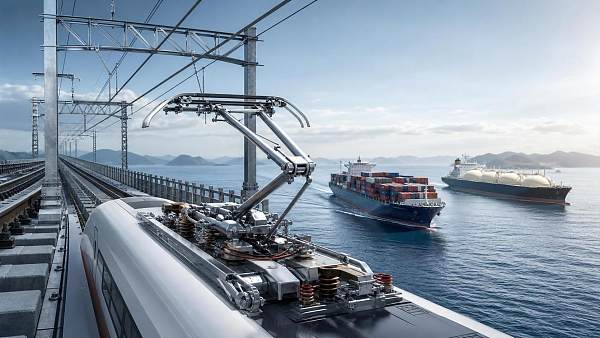
A pantograph decision influences contact stability, wear rates, and service quality at higher speeds.
This interconnected view is why system architecture matters more in 2026 planning.
GTOT has long framed railway signal control systems as the central nervous system of the network.
That description now feels less metaphorical and more financial.
When the control layer becomes more intelligent, downstream performance gains multiply.
The same is true for braking systems.
Composite materials, thermal fade resistance, and microelectronic control are not niche engineering issues anymore.
They directly influence headway confidence, rolling stock availability, and regulatory acceptance.
In practical terms, rail transit systems are being upgraded as performance ecosystems.
That is a major reason why some 2026 budgets will be concentrated into fewer, deeper projects rather than many scattered retrofits.
Where the strongest upgrade attention is landing
The Broader Transport Economy Is Also Reshaping Rail Transit Systems
Rail investment is not responding only to rail demand.
It is increasingly tied to port efficiency, inland logistics, energy security, and industrial corridor strategy.
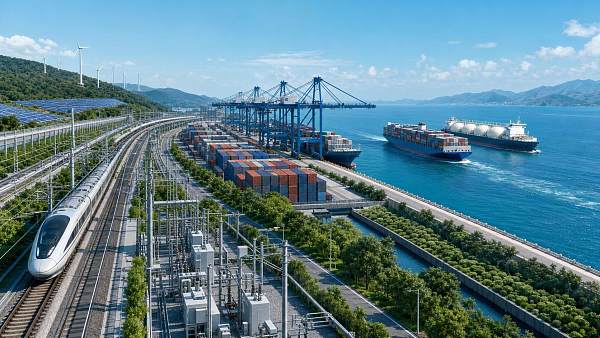
That is why GTOT’s land-sea lens matters.
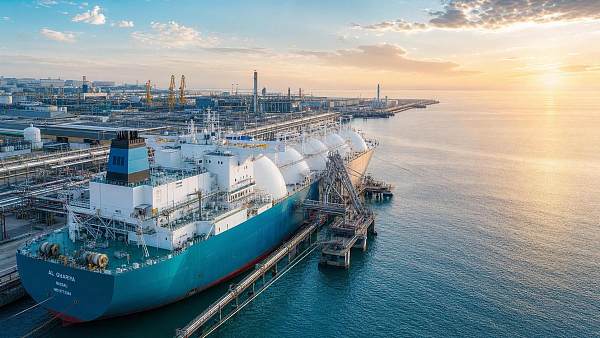
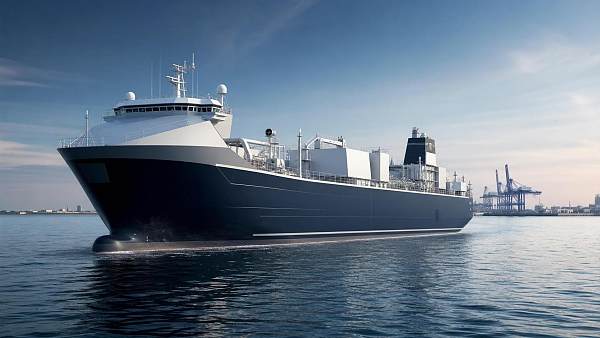
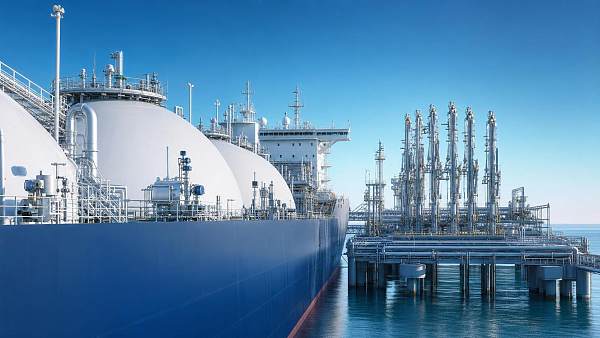
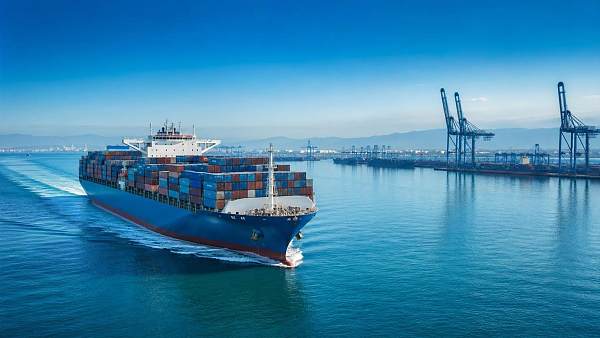
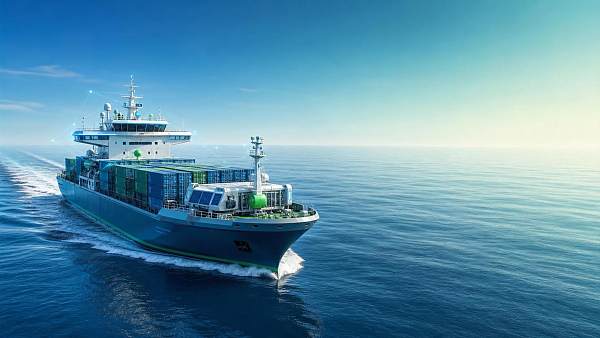
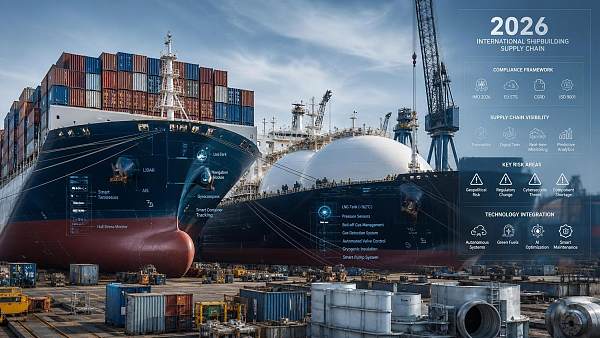
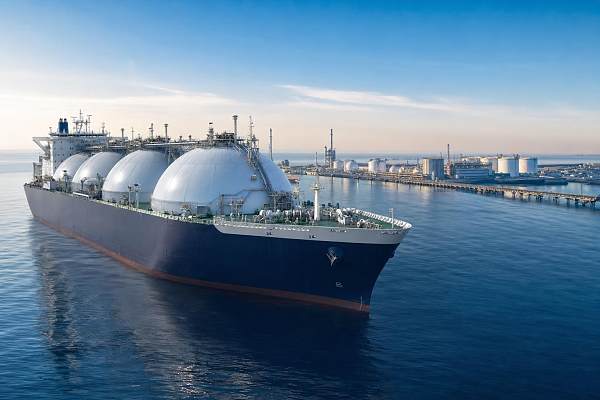
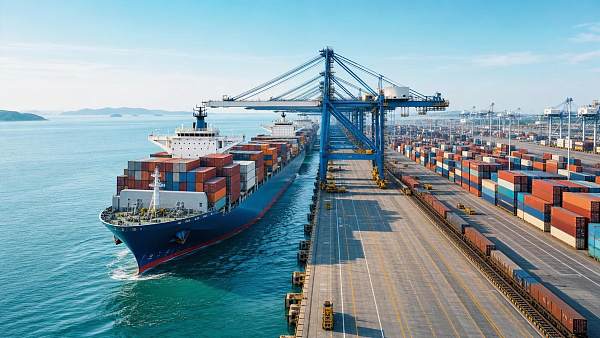
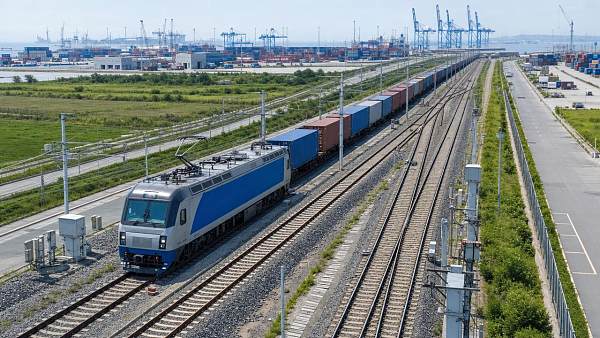
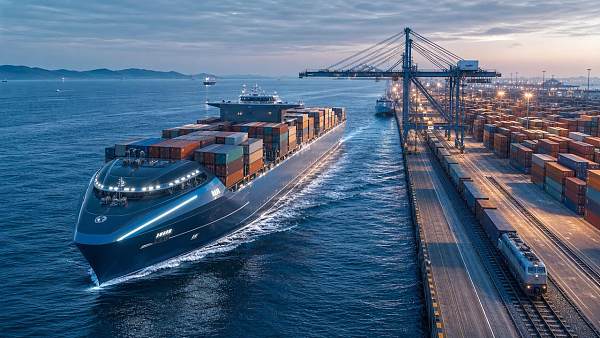
The same supply chains that depend on smart container ships and LNG carriers also depend on stable inland movement.
When maritime schedules become more digitally optimized, rail transit systems face greater pressure to match that precision.
A missed rail slot can now undermine wider network economics.
This has two effects on 2026 planning.
First, interoperability and decision intelligence gain value beyond the rail boundary.
Second, asset upgrades are being justified through corridor performance, not only internal operating metrics.
That changes how projects are prioritized.
A signalling refresh linked to terminal throughput may advance faster than a less connected fleet enhancement.
In other words, rail transit systems are becoming central infrastructure for synchronized trade movement, not just passenger or freight delivery on tracks.
The Real Impact Will Show Up in Risk Allocation and Asset Value
The next phase of upgrades will change financial exposure as much as operational capability.
Legacy rail transit systems often carry invisible risk.
That includes spare parts uncertainty, software obsolescence, inconsistent fault detection, and rising maintenance labor intensity.
Modernized systems shift those risks into more measurable domains.
Performance can be tracked earlier, interventions can be timed better, and compliance gaps become easier to identify.
This is especially relevant where network owners must defend capex decisions over long horizons.
A cheaper short-term repair may look weaker once lifecycle instability is priced in.
More decision frameworks are now comparing upgrade options through four lenses.
- Can the rail transit systems support higher utilization without safety compromise?
- Will the upgrade reduce dependency on reactive maintenance?
- Does the architecture allow later digital expansion?
- Can the investment improve corridor resilience, not just local performance?
Where the answer is yes, funding tends to move faster.
What Deserves Closer Attention Before 2026 Budgets Are Locked
It is tempting to read the market as a simple race toward automation.
The reality is more selective.
The most effective rail transit systems investments will likely be those that connect technical depth with phased execution.
Three priorities stand out.
Start with the control layer
If signalling logic, interlocking resilience, or communication reliability are weak, later digital layers will underperform.
Check energy-contact and braking performance together
Pantograph behavior, traction consistency, and braking precision increasingly shape service confidence as one operational chain.
Treat data as an engineering asset
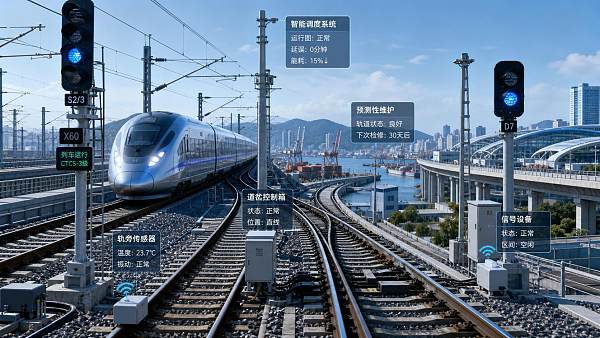
LTE-M, condition monitoring, and fault analytics matter when they improve decisions around uptime, safety, and replacement timing.
This is also where sector intelligence becomes more than a news function.
A platform such as GTOT is useful because it connects rail component evolution with wider transport investment cycles.
That helps separate durable upgrade signals from temporary market noise.
The Next Move Is to Build an Upgrade View That Matches Network Reality
Rail transit systems are no longer evaluated only by today’s operating needs.
They are being judged by how well they can absorb future density, stricter standards, digital integration, and cross-corridor coordination.
That is the deeper message behind 2026 investment planning.
The strongest projects will not be the loudest or the broadest.
They will be the ones that understand where operational fragility begins and where system intelligence can create measurable resilience.
A practical next step is to map current weak points against four variables: safety margin, automation readiness, energy performance, and lifecycle cost exposure.
Then compare those findings with corridor demand, technical standards, and component maturity.
That approach gives rail transit systems planning a firmer basis than trend following alone.
It also aligns investment decisions with the wider transport landscape now linking land efficiency with maritime intelligence.
In 2026, that alignment may be the difference between an upgrade program that simply spends capital and one that truly compounds asset value.
Recommended News
 Jul 19, 2026Transportation Infrastructure Trends Shaping Capital Planning in 2026Transportation infrastructure trends in 2026 are reshaping capital planning across rail, ports, and shipping. Discover how resilience, automation, and digital control are driving smarter investment decisions.
 Jul 12, 2026Gas Carrier Technology in the Middle East: 2026 OutlookGas carrier technology Middle East trends for 2026: explore LNG vessel innovation, propulsion, containment, and regional yard upgrades shaping smarter energy trade decisions.
 Jul 10, 2026Commercial Shipbuilding Technology Trends Shaping Newbuild Projects in 2026Commercial shipbuilding technology is reshaping 2026 newbuild projects with smarter vessels, fuel flexibility, digital twins, and earlier compliance planning. Explore the trends driving stronger ROI.
 Jul 08, 2026Rail Transit Systems Upgrade Trends Shaping 2026 Investment PlansRail transit systems in 2026 are shifting from expansion to smarter upgrades. Explore safety, automation, energy, and digital trends shaping resilient, high-value investment plans.
 Jul 06, 2026Cryogenic Shipping Systems Manufacturer Trends Shaping 2026 Fleet UpgradesCryogenic shipping systems manufacturer trends are reshaping 2026 fleet upgrades. Explore how digital monitoring, emissions control, and safer containment can improve vessel performance.
 Jul 05, 2026Smart Shipping Solutions for Fleet Management: 2026 Trends Shaping Vessel OperationsSmart shipping solutions for fleet management are redefining vessel operations in 2026. Explore trends in integration, compliance, fuel efficiency, and resilient fleet performance.
 Jul 04, 2026Digital Marine Decarbonization Technology: What Delivers Measurable GainsDigital marine decarbonization technology helps fleets cut fuel use, improve compliance, and boost vessel efficiency with measurable, data-driven gains. Learn what truly delivers value.
 Jul 03, 2026Global Rail Infrastructure Standards: 2026 Changes to WatchGlobal rail infrastructure standards are reshaping 2026 rail projects. Discover the key compliance, interoperability, cyber, and low-carbon changes that will impact bids and investment.
 Jul 02, 2026Global Trade Logistics North America Trends to Watch in 2026Global trade logistics North America in 2026 will be shaped by rail-ocean integration, smart routing, LNG demand, and measurable resilience. Discover the trends redefining reliability and trade advantage.
 Jun 30, 2026International Shipbuilding Suppliers: 2026 Sourcing Trends and Supply Chain RisksInternational shipbuilding suppliers face new 2026 sourcing risks, from compliance and digital integration to sub-tier bottlenecks. Explore key trends shaping cost, delivery, and resilience.
 Jun 27, 2026Heavy Industry Tech Trends Reshaping Equipment Investment in 2026Heavy industry tech is reshaping 2026 equipment investment across rail and maritime systems. Explore the five trends driving safer, smarter, higher-value capital decisions.
 Jun 25, 2026Decarbonization Trends Reshaping Rail and Marine Investment in 2026Decarbonization is reshaping rail and marine investment in 2026. Discover where capital is moving, which assets gain value, and how smarter transport upgrades improve resilience.
 Jun 23, 2026Global Rail Infrastructure Trends Shaping Capacity, Funding, and Delivery TimelinesGlobal rail infrastructure trends are redefining capacity, funding, and delivery timelines. Explore how data-driven planning and system readiness shape resilient, investable rail projects.
 Jun 22, 2026Maritime Logistics Trends in 2026: Capacity Shifts, Delays, and Margin PressureMaritime logistics in 2026 faces shifting capacity, persistent delays, and rising margin pressure. Explore key risks, lane-level signals, and smarter planning strategies.
 Jun 21, 2026LNG Carriers Technology Advancements: 5 Upgrades Reshaping Fleet PerformanceLNG carriers technology advancements are reshaping fleet performance through smarter containment, dual-fuel propulsion, digital monitoring, boil-off control, and automation—see the 5 upgrades driving safer, cleaner, more profitable LNG shipping.
 Jun 20, 2026Global Supply Chain Challenges in Rail Infrastructure in 2026Global supply chain challenges in rail infrastructure are redefining 2026 project risk. Discover where delays, compliance, and sourcing pressure hit hardest—and how smarter evaluation protects cost, delivery, and performance.
 Jun 20, 2026Full Digitalization in Rail: 7 Risks to Address Before ScalingFull digitalization in rail can boost safety, maintenance, and control—but only if key risks are managed. Explore 7 critical challenges to address before scaling network-wide.
 Jun 18, 2026Maritime Logistics Trends in 2026: Where Shipping Efficiency Is MovingMaritime logistics in 2026 is driven by AI routing, port connectivity, decarbonization, and asset visibility. Discover the trends redefining shipping efficiency and resilience.
 Jun 17, 2026Transportation Infrastructure Development Trends That Matter for Long-Term PlanningTransportation infrastructure development trends are reshaping rail, ports, shipping, and LNG networks. Explore the key signals for smarter long-term planning, resilience, and investment value.
 Jun 17, 2026Railway Automation Trends Shaping Safer, Smarter Networks in 2026Railway automation in 2026 is driving safer, smarter rail networks with predictive maintenance, integrated signaling, and higher capacity. Explore the trends shaping resilient transport.
 Jun 15, 2026Decarbonization in Rail Transportation: What Cuts Emissions First?Decarbonization in rail transportation starts with the fastest wins: traction optimization, regenerative braking, smarter signalling, and retrofit upgrades that cut emissions, costs, and risk.
 Jun 14, 2026Rail Infrastructure Investment: Cost vs Long-Term ReturnRail infrastructure investment is more than upfront cost. Discover how lifecycle planning, smarter systems, and reliable rail design can deliver stronger long-term returns.
 Jun 13, 2026Advanced Ocean-Going Vessels: Key Design Shifts in 2026Advanced ocean-going vessels in 2026 are redefining shipping with AI routing, fuel-flexible propulsion, and smarter port integration. See which design shifts drive resilience, efficiency, and long-term fleet value.
 Jun 12, 2026High-Speed Rail Technology Trends Shaping 2026 ProjectsHigh-speed rail technology is reshaping 2026 projects through smarter signaling, resilient traction, precision braking, and digital monitoring. Explore the trends driving safer, scalable, bankable rail delivery.