



Search News
Industry Portal
Popular Tags
Rail Infrastructure Investment: Cost vs Long-Term Return
Author
Time
Click Count
Rail Infrastructure Investment: is the upfront cost really the hard part?
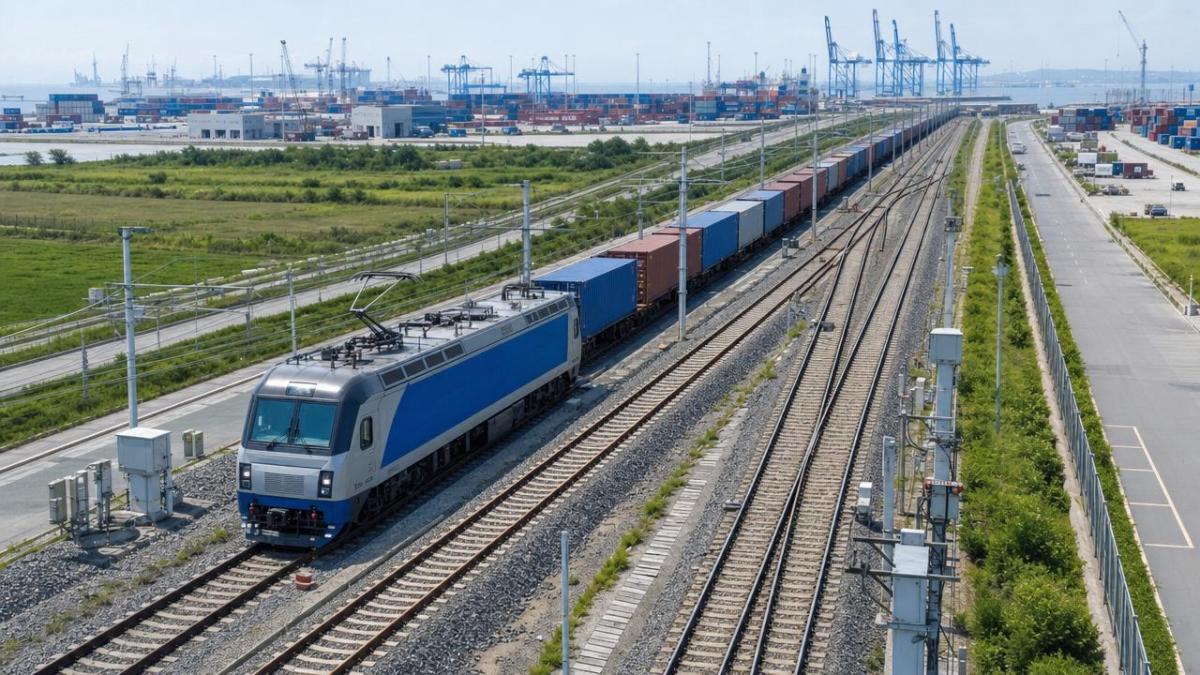
Rail infrastructure investment often looks expensive at approval stage, but the first number rarely tells the full story.
What matters more is how that spending performs over decades of traffic, maintenance cycles, compliance pressure, and network expansion.
In practice, cost versus return is not a simple build-versus-budget debate.
It is a judgment about asset life, operating stability, safety exposure, and future transport value.
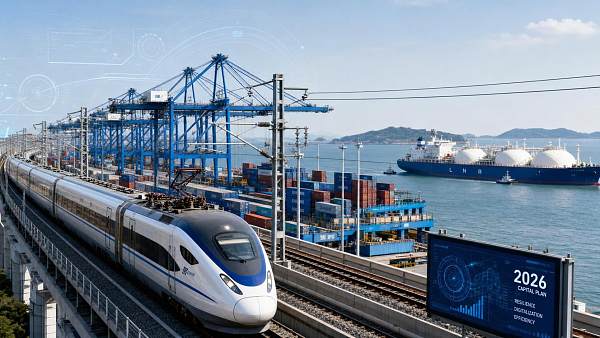
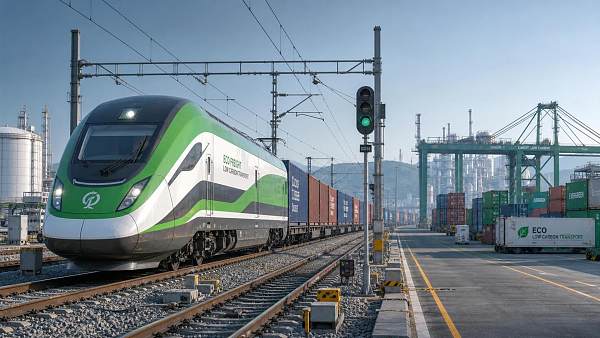
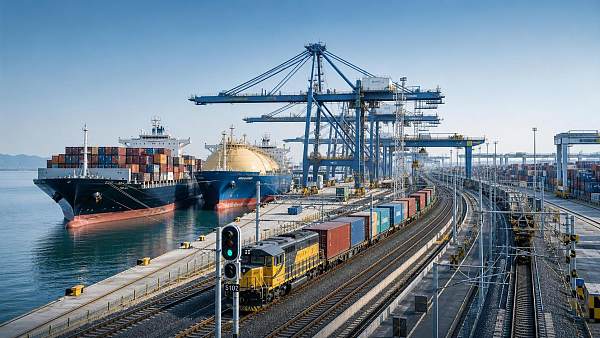
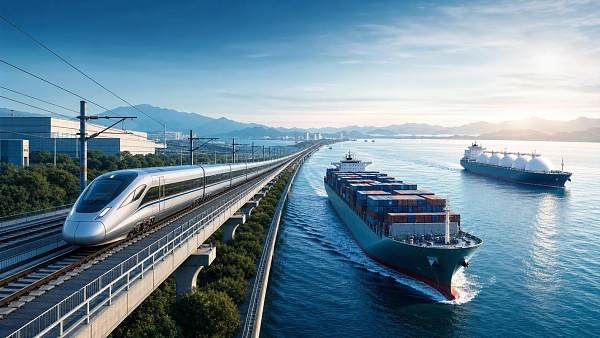
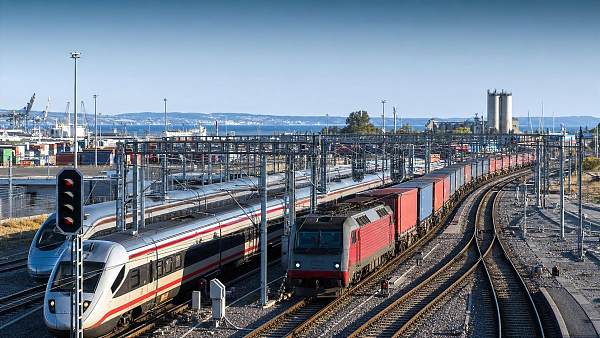
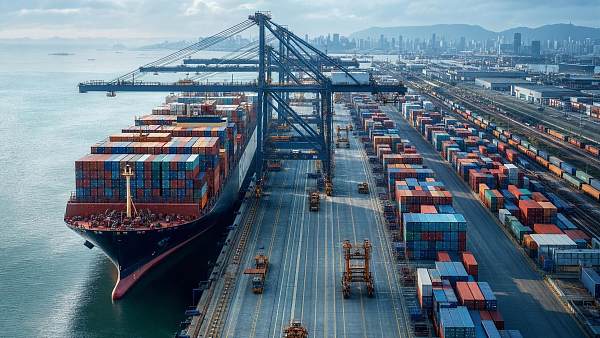
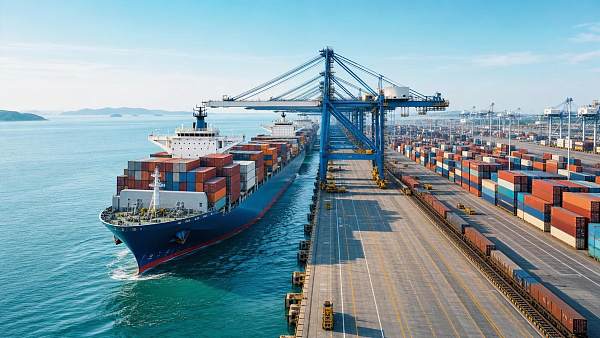
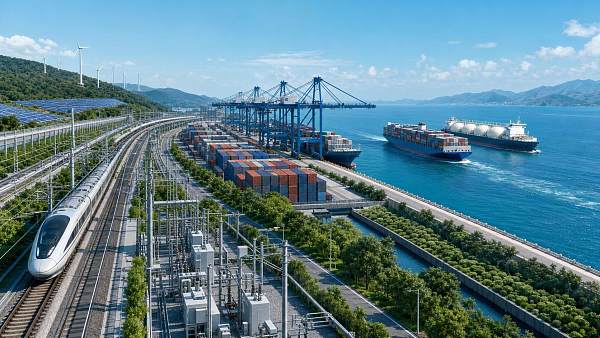
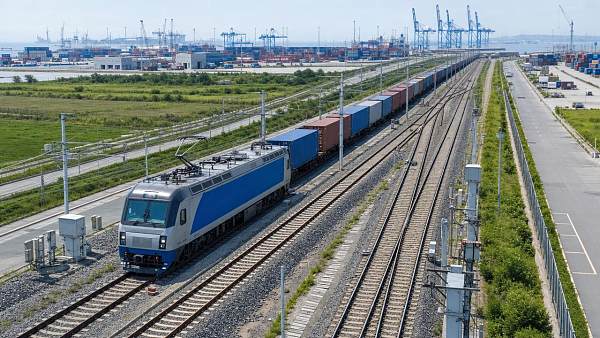
That is why rail infrastructure investment now sits beside wider transport strategy, especially where ports, freight corridors, and inland terminals must work as one system.
Across the GTOT intelligence landscape, this land-sea linkage matters more each year.
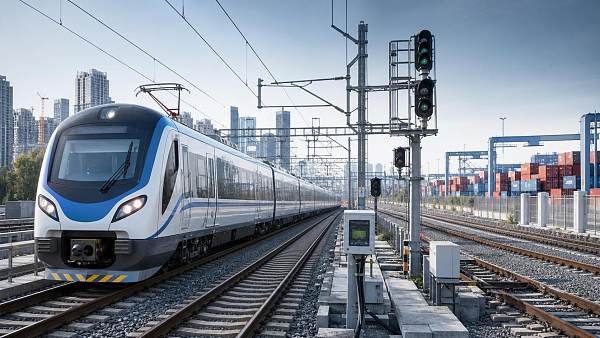
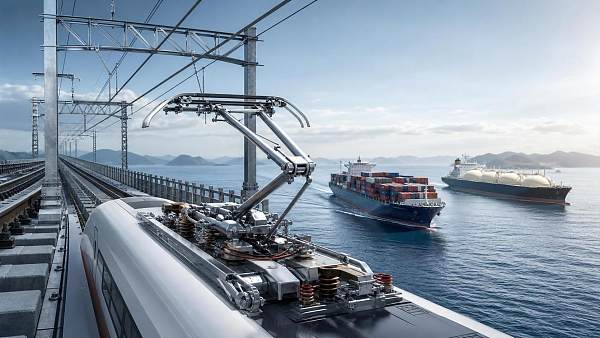
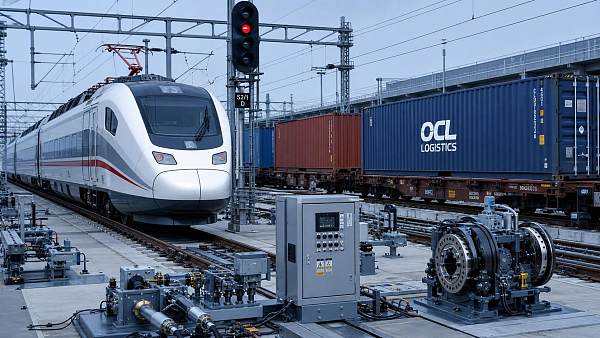
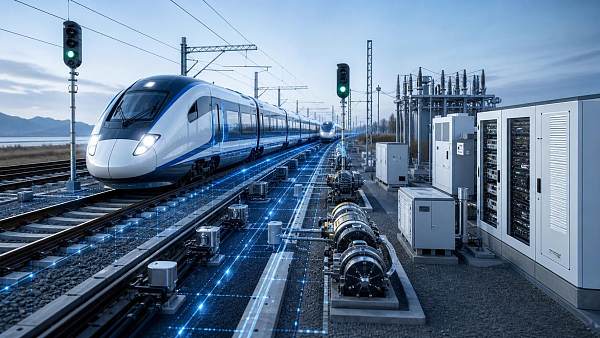
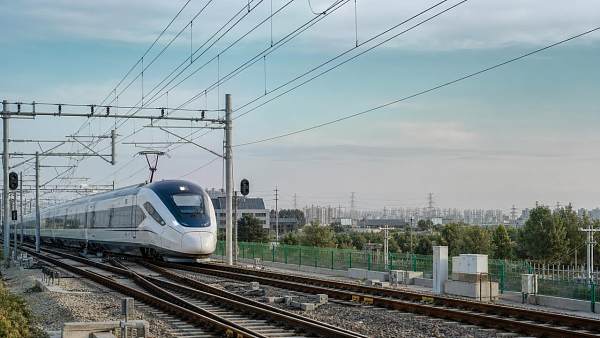
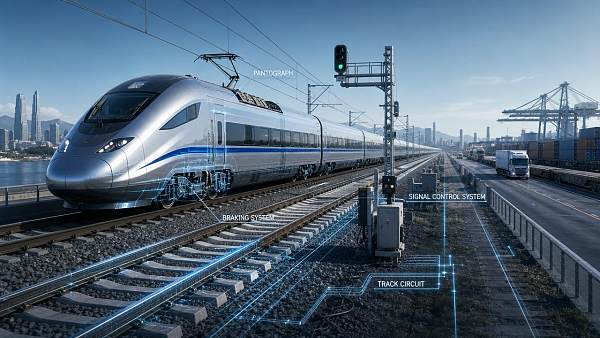
Signal control, pantographs, braking systems, and connected maritime logistics all influence whether transport assets generate durable returns or hidden costs.
When does rail infrastructure investment produce long-term return instead of long-term burden?
The short answer is simple: when the asset is designed for reliable throughput, not just low procurement price.
A rail project creates long-term return when it reduces service disruption, supports higher traffic density, and avoids costly retrofits within the first operating decade.
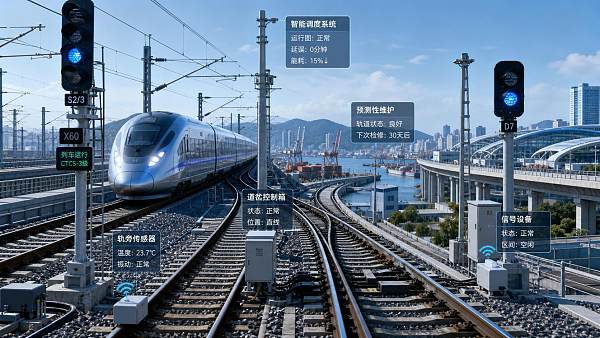
This is especially true for railway signal control systems.
If signalling is built to SIL4 safety expectations and automation readiness, capacity gains can continue without repeated civil reconstruction.
The same logic applies to traction and braking.
A lower-cost pantograph or braking package may save money on day one, but poor wear performance can quickly erode return through downtime, component replacement, and speed restrictions.
More common failures in rail infrastructure investment reviews come from underestimating three things:
- Lifecycle maintenance intensity rather than purchase value alone.
- Capacity loss caused by unreliable control or power collection.
- Compliance upgrades driven by decarbonization and digitalization rules.
If these are modeled early, the return profile becomes much clearer.
Which cost items are usually missed in early rail infrastructure investment planning?
The obvious items are land, civil works, track, power, and control systems.
The less obvious items are usually the ones that weaken approval quality.
In actual projects, hidden cost often appears in integration, commissioning, spares strategy, training, and interface management.
For example, a signalling upgrade that appears efficient on paper may require unexpected telecom redesign if LTE-M or other digital layers are not considered early.
Likewise, braking systems can trigger secondary cost if thermal fade performance is not matched to route profile, train weight, and stopping frequency.
A useful way to test rail infrastructure investment assumptions is to separate direct cost from operating consequence.
This kind of breakdown helps decision-making move beyond headline CAPEX.
How should rail infrastructure investment be judged when comparing cheaper and smarter systems?
A cheaper system is not always the lower-cost option over asset life.
Smarter systems usually demand more disciplined approval because they carry higher initial pricing, but they can change the economics of operation.
That difference is easiest to see in high-density corridors and intermodal routes.
If a system improves dispatch precision, reduces braking wear, or stabilizes power collection at high speed, it supports more trains with fewer interruptions.
Return then comes from throughput, reliability, and lower incident risk.
GTOT often frames this through intelligence rather than equipment price alone.
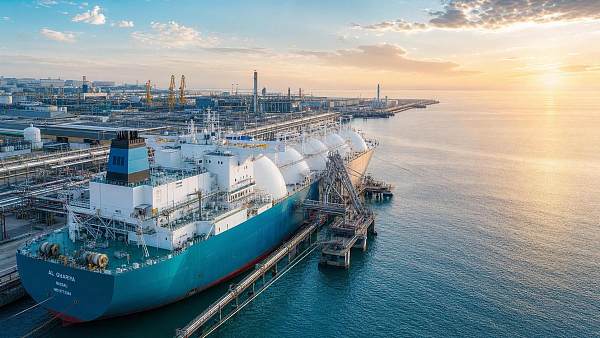
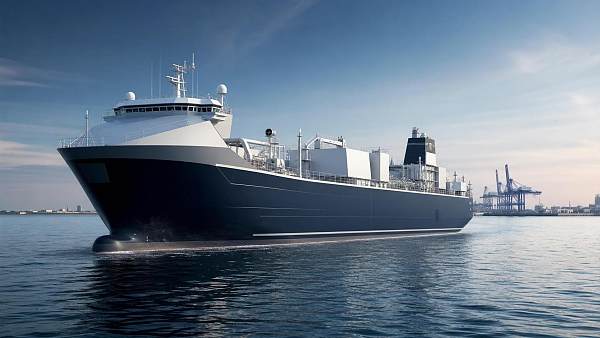
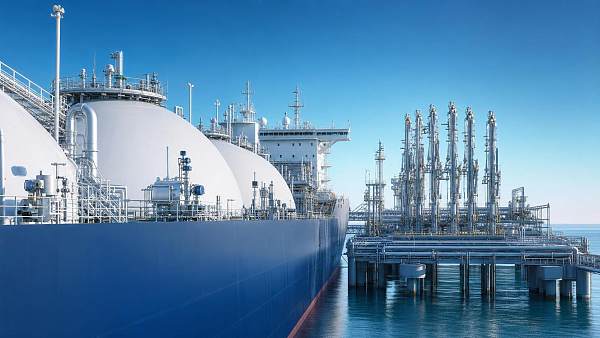
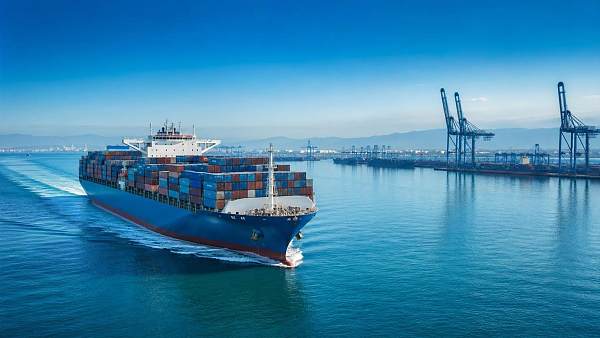
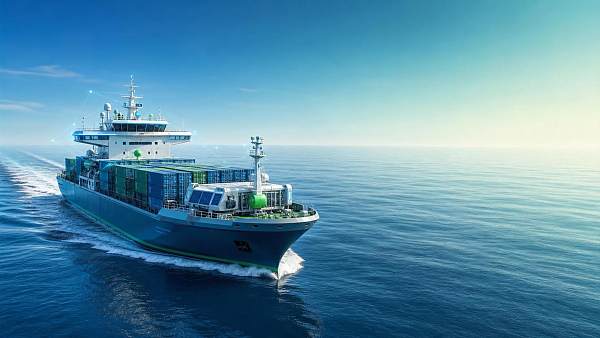
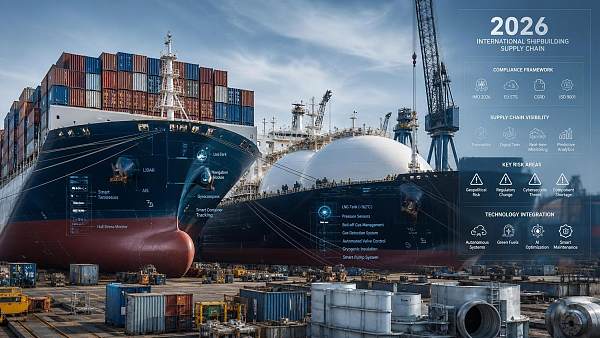
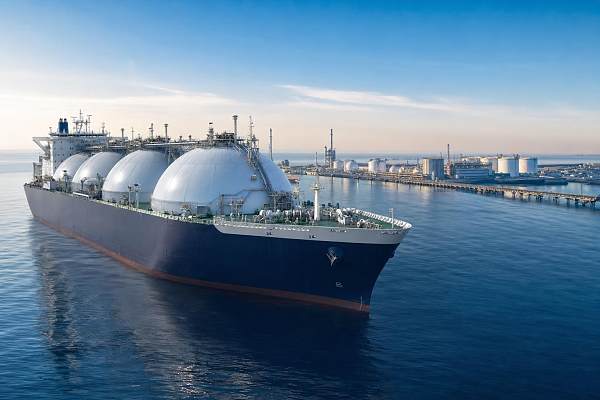
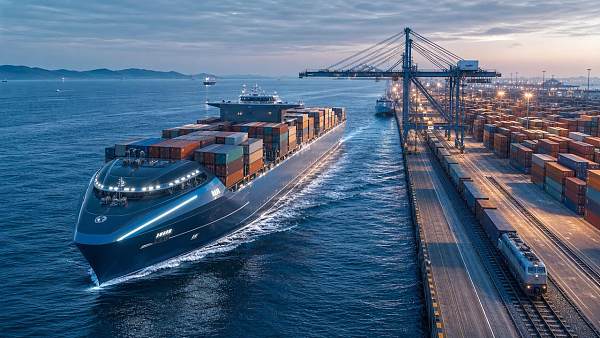
The same supply chains that depend on smart container ships and LNG carriers also depend on rail corridors that can move predictably inland.
When rail infrastructure investment supports port connectivity, inland dry ports, or energy logistics, smarter systems may protect value far beyond the railway boundary.
A practical comparison usually includes:
- Expected annual downtime per subsystem.
- Remaining upgrade path for automation and data integration.
- Spare parts exposure over ten to fifteen years.
- Impact on timetable resilience and network capacity.
If the smarter option performs better on these points, higher CAPEX may still produce the stronger return.
What mistakes make rail infrastructure investment look profitable on paper but weak in reality?
The most common mistake is treating all rail assets as if they age in the same way.
Track, signalling, traction interfaces, and braking components carry very different failure patterns and replacement rhythms.
Another mistake is using optimistic traffic assumptions without testing disruption scenarios.
If one critical subsystem fails, the revenue effect can be larger than the maintenance bill.
This is why rail infrastructure investment should be reviewed with operational stress cases, not only average demand forecasts.
Needless overspecification creates problems too.
A network may not need the highest technical grade everywhere.
The better approach is to identify where premium systems genuinely protect capacity, safety, or strategic cargo movement.
Warning signs usually include:
- ROI models built without maintenance escalation.
- Weak assumptions about spare availability.
- No budget for digital monitoring or diagnostics.
- No interface review between rail and port logistics.
These gaps are small during approval, but expensive during operation.
What is a sensible way to evaluate rail infrastructure investment before approval?
A sensible review combines finance, engineering, and network strategy in one framework.
Instead of asking whether the project is affordable, ask whether the asset remains efficient under future demand, tighter safety standards, and lower-emission expectations.
That question usually leads to better approval discipline.
In real-world screening, the following checks are especially useful:
This approach gives rail infrastructure investment a clearer business case, especially where global trade routes and inland transport must stay synchronized.
So, how should the next rail infrastructure investment decision be approached?
The better decisions usually come from narrowing the question.
Do not ask only how much the railway will cost.
Ask what service reliability, safety resilience, and network flexibility that cost is buying over twenty or thirty years.
Rail infrastructure investment is strongest when core subsystems are evaluated as long-life strategic assets, not isolated procurement lines.
That is why intelligence-led review matters.
Insights from rail control, traction power, braking behavior, and intermodal logistics can reveal where a lower quote hides a higher future burden.
A practical next step is to map each planned cost against four filters: capacity value, maintenance exposure, compliance durability, and logistics relevance.
Once those filters are visible, cost versus long-term return becomes less abstract and much easier to defend.
Recommended News
 Jul 19, 2026Transportation Infrastructure Trends Shaping Capital Planning in 2026Transportation infrastructure trends in 2026 are reshaping capital planning across rail, ports, and shipping. Discover how resilience, automation, and digital control are driving smarter investment decisions.
 Jul 12, 2026Gas Carrier Technology in the Middle East: 2026 OutlookGas carrier technology Middle East trends for 2026: explore LNG vessel innovation, propulsion, containment, and regional yard upgrades shaping smarter energy trade decisions.
 Jul 10, 2026Commercial Shipbuilding Technology Trends Shaping Newbuild Projects in 2026Commercial shipbuilding technology is reshaping 2026 newbuild projects with smarter vessels, fuel flexibility, digital twins, and earlier compliance planning. Explore the trends driving stronger ROI.
 Jul 08, 2026Rail Transit Systems Upgrade Trends Shaping 2026 Investment PlansRail transit systems in 2026 are shifting from expansion to smarter upgrades. Explore safety, automation, energy, and digital trends shaping resilient, high-value investment plans.
 Jul 06, 2026Cryogenic Shipping Systems Manufacturer Trends Shaping 2026 Fleet UpgradesCryogenic shipping systems manufacturer trends are reshaping 2026 fleet upgrades. Explore how digital monitoring, emissions control, and safer containment can improve vessel performance.
 Jul 05, 2026Smart Shipping Solutions for Fleet Management: 2026 Trends Shaping Vessel OperationsSmart shipping solutions for fleet management are redefining vessel operations in 2026. Explore trends in integration, compliance, fuel efficiency, and resilient fleet performance.
 Jul 04, 2026Digital Marine Decarbonization Technology: What Delivers Measurable GainsDigital marine decarbonization technology helps fleets cut fuel use, improve compliance, and boost vessel efficiency with measurable, data-driven gains. Learn what truly delivers value.
 Jul 03, 2026Global Rail Infrastructure Standards: 2026 Changes to WatchGlobal rail infrastructure standards are reshaping 2026 rail projects. Discover the key compliance, interoperability, cyber, and low-carbon changes that will impact bids and investment.
 Jul 02, 2026Global Trade Logistics North America Trends to Watch in 2026Global trade logistics North America in 2026 will be shaped by rail-ocean integration, smart routing, LNG demand, and measurable resilience. Discover the trends redefining reliability and trade advantage.
 Jun 30, 2026International Shipbuilding Suppliers: 2026 Sourcing Trends and Supply Chain RisksInternational shipbuilding suppliers face new 2026 sourcing risks, from compliance and digital integration to sub-tier bottlenecks. Explore key trends shaping cost, delivery, and resilience.
 Jun 27, 2026Heavy Industry Tech Trends Reshaping Equipment Investment in 2026Heavy industry tech is reshaping 2026 equipment investment across rail and maritime systems. Explore the five trends driving safer, smarter, higher-value capital decisions.
 Jun 25, 2026Decarbonization Trends Reshaping Rail and Marine Investment in 2026Decarbonization is reshaping rail and marine investment in 2026. Discover where capital is moving, which assets gain value, and how smarter transport upgrades improve resilience.
 Jun 23, 2026Global Rail Infrastructure Trends Shaping Capacity, Funding, and Delivery TimelinesGlobal rail infrastructure trends are redefining capacity, funding, and delivery timelines. Explore how data-driven planning and system readiness shape resilient, investable rail projects.
 Jun 22, 2026Maritime Logistics Trends in 2026: Capacity Shifts, Delays, and Margin PressureMaritime logistics in 2026 faces shifting capacity, persistent delays, and rising margin pressure. Explore key risks, lane-level signals, and smarter planning strategies.
 Jun 21, 2026LNG Carriers Technology Advancements: 5 Upgrades Reshaping Fleet PerformanceLNG carriers technology advancements are reshaping fleet performance through smarter containment, dual-fuel propulsion, digital monitoring, boil-off control, and automation—see the 5 upgrades driving safer, cleaner, more profitable LNG shipping.
 Jun 20, 2026Global Supply Chain Challenges in Rail Infrastructure in 2026Global supply chain challenges in rail infrastructure are redefining 2026 project risk. Discover where delays, compliance, and sourcing pressure hit hardest—and how smarter evaluation protects cost, delivery, and performance.
 Jun 20, 2026Full Digitalization in Rail: 7 Risks to Address Before ScalingFull digitalization in rail can boost safety, maintenance, and control—but only if key risks are managed. Explore 7 critical challenges to address before scaling network-wide.
 Jun 18, 2026Maritime Logistics Trends in 2026: Where Shipping Efficiency Is MovingMaritime logistics in 2026 is driven by AI routing, port connectivity, decarbonization, and asset visibility. Discover the trends redefining shipping efficiency and resilience.
 Jun 17, 2026Transportation Infrastructure Development Trends That Matter for Long-Term PlanningTransportation infrastructure development trends are reshaping rail, ports, shipping, and LNG networks. Explore the key signals for smarter long-term planning, resilience, and investment value.
 Jun 17, 2026Railway Automation Trends Shaping Safer, Smarter Networks in 2026Railway automation in 2026 is driving safer, smarter rail networks with predictive maintenance, integrated signaling, and higher capacity. Explore the trends shaping resilient transport.
 Jun 15, 2026Decarbonization in Rail Transportation: What Cuts Emissions First?Decarbonization in rail transportation starts with the fastest wins: traction optimization, regenerative braking, smarter signalling, and retrofit upgrades that cut emissions, costs, and risk.
 Jun 14, 2026Rail Infrastructure Investment: Cost vs Long-Term ReturnRail infrastructure investment is more than upfront cost. Discover how lifecycle planning, smarter systems, and reliable rail design can deliver stronger long-term returns.
 Jun 13, 2026Advanced Ocean-Going Vessels: Key Design Shifts in 2026Advanced ocean-going vessels in 2026 are redefining shipping with AI routing, fuel-flexible propulsion, and smarter port integration. See which design shifts drive resilience, efficiency, and long-term fleet value.
 Jun 12, 2026High-Speed Rail Technology Trends Shaping 2026 ProjectsHigh-speed rail technology is reshaping 2026 projects through smarter signaling, resilient traction, precision braking, and digital monitoring. Explore the trends driving safer, scalable, bankable rail delivery.