



Search News
Industry Portal
Popular Tags
Global Rail Infrastructure Trends Shaping Capacity, Funding, and Delivery Timelines
Author
Time
Click Count
Global rail infrastructure is shifting from expansion alone to disciplined delivery
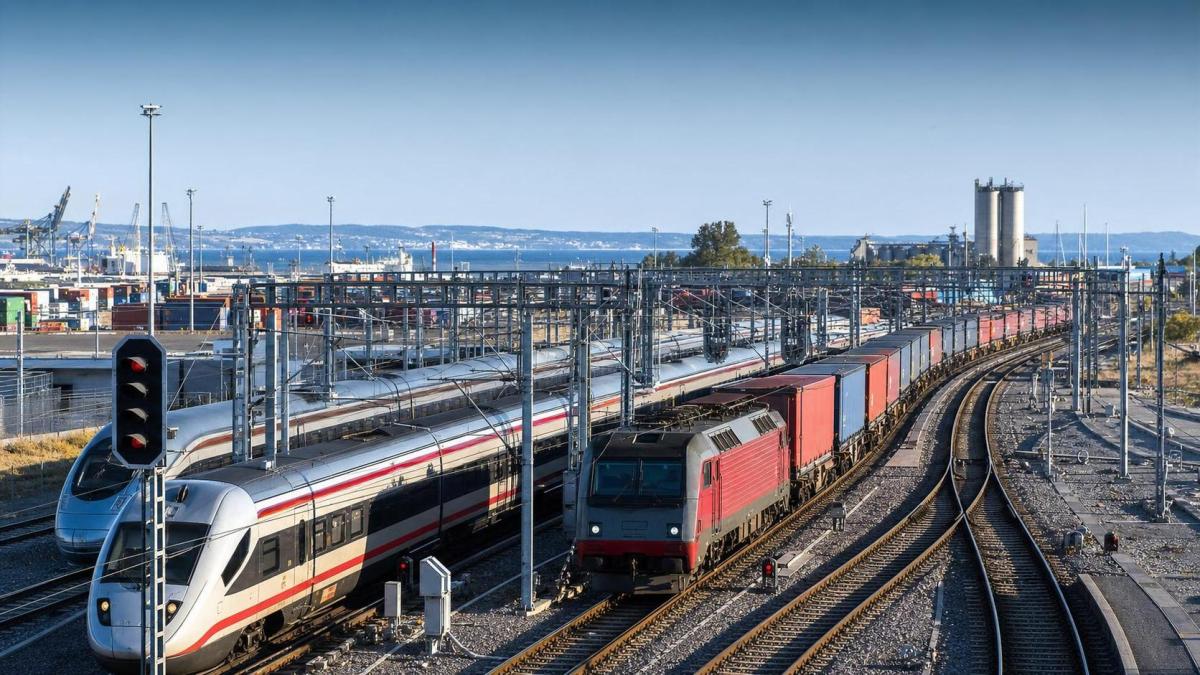
Global rail infrastructure is no longer defined only by headline spending.
The sharper story is how capacity pressure, funding conditions, and delivery expectations now collide inside live projects.
Across passenger, freight, and intermodal corridors, networks are being asked to carry more traffic with less tolerance for disruption.
That changes how programs are planned, packaged, and sequenced.
In many regions, backlog remains strong.
Yet the winning projects are not always the biggest ones.
They are often the schemes that prove capacity gains, resilience value, and realistic commissioning schedules early.
This is why global rail infrastructure now looks more selective, more data-driven, and more interconnected with broader logistics strategy.
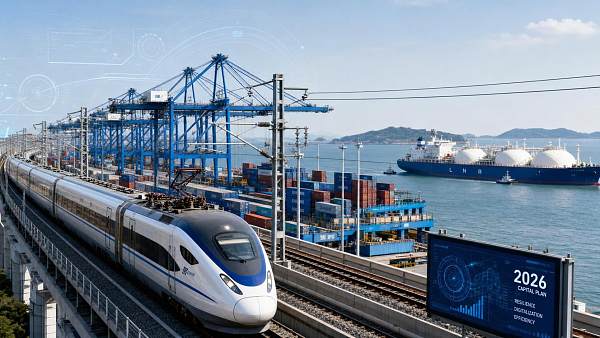
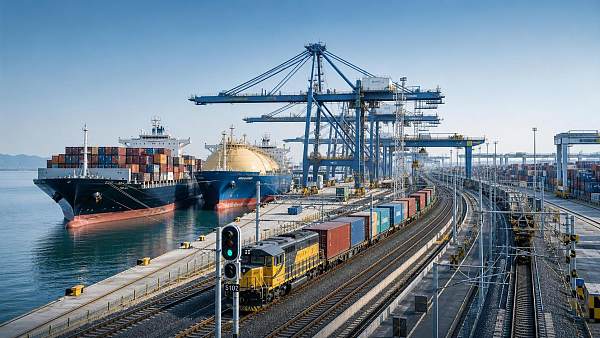
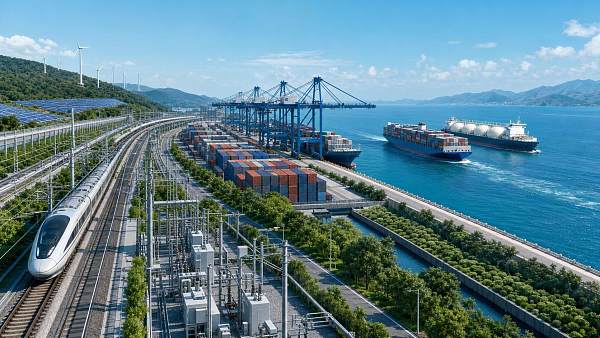
From GTOT’s land-sea perspective, rail decisions increasingly sit beside port expansion, smart vessel deployment, and energy corridor planning.
That wider frame matters because rail bottlenecks no longer stay inside rail.
They spill into terminals, shipping schedules, industrial zones, and trade reliability.
Why the pressure around global rail infrastructure has become more visible
Several signals have become harder to ignore over the past two years.
Urban systems need higher frequency without compromising safety margins.
Freight corridors need more dependable paths as supply chains move away from single-route dependency.
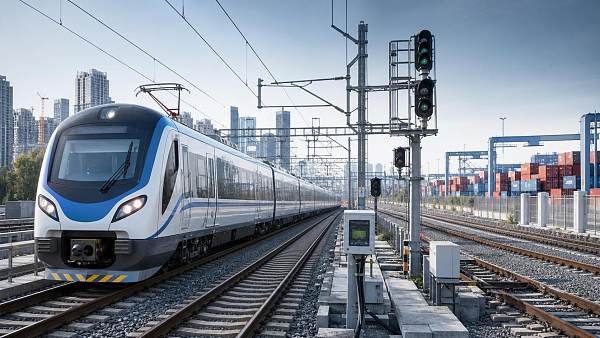
High-speed lines face stronger expectations on energy efficiency, asset uptime, and digital monitoring.
At the same time, many legacy networks still depend on aging control logic and fragmented maintenance records.
That gap between demand growth and operational readiness is shaping the next cycle of global rail infrastructure investment.
More importantly, the pressure is not only technical.
It is financial, contractual, and organizational.
This explains why global rail infrastructure programs now spend more time validating interfaces, possessions, and system readiness before civil work peaks.
Funding is still available, but it is moving toward proof of performance
A visible change in global rail infrastructure is the shift from broad capital enthusiasm to conditional capital discipline.
Public funding remains essential, especially for strategic corridors and metropolitan capacity upgrades.
But private participation, export credit logic, and blended finance are becoming more selective.
Investors and public sponsors want clearer evidence that an asset will move traffic, reduce emissions, and stay operable within realistic lifecycle costs.
This is pushing projects to connect engineering choices with financial credibility earlier.
For example, signalling architecture is no longer a late-stage systems topic.
It can influence capacity models, automation potential, cybersecurity obligations, and whole-life maintenance exposure.
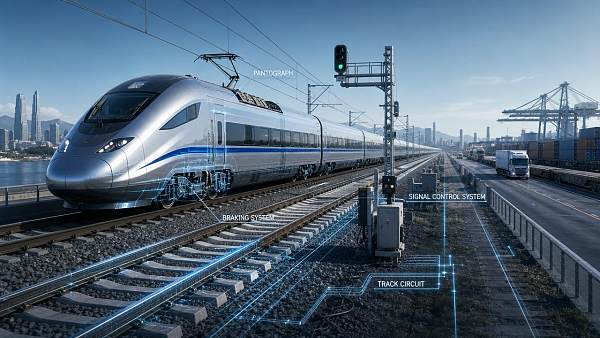
The same is true for pantographs, braking systems, and traction interfaces.
Seemingly component-level decisions increasingly affect financial confidence.
GTOT’s intelligence model is useful here because it reads these components in system context, not as isolated hardware categories.
That matters when global rail infrastructure funding decisions depend on whether performance claims can survive operating reality.
Delivery timelines are tightening even when project scopes are not getting smaller
One of the more difficult contradictions in global rail infrastructure is that programs remain technically ambitious while delivery windows keep shrinking.
Governments want visible progress inside electoral and budget cycles.
Operators want fewer service interruptions.
Communities expect lower construction impact.
Suppliers face long lead times in electronics, power equipment, and specialist materials.
This combination makes schedule risk more structural than incidental.
In practical terms, rail delivery is moving toward three habits.
- Earlier interface mapping between civil, signalling, power, and rolling stock teams.
- More off-site fabrication and modular system assembly before track access begins.
- Stronger use of digital verification to reduce late commissioning surprises.
These are not cosmetic improvements.
They are becoming baseline requirements in global rail infrastructure where access time is scarce and public tolerance for delay is low.
The biggest effects are showing up in control systems, power collection, and braking
The market conversation often starts with megaproject budgets.
Yet the operational consequences of global rail infrastructure trends are often concentrated in core subsystems.
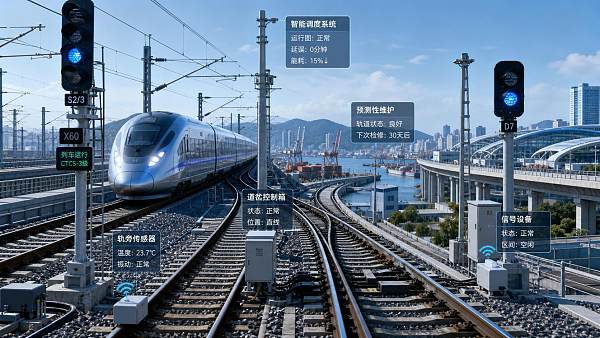
Railway signal control systems sit at the center of this shift.
Higher network density and automation goals require SIL4-grade reliability, faster diagnostics, and cleaner interoperability paths.
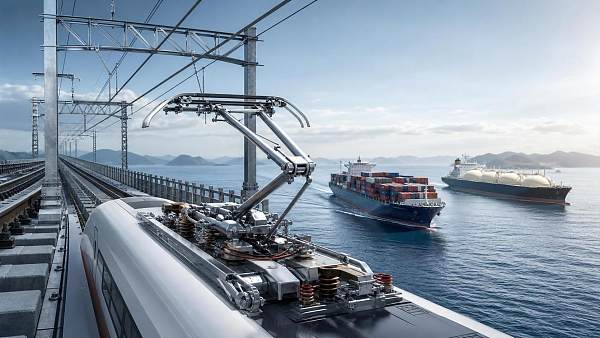
Pantographs are also moving into a stricter performance environment.
As speeds rise and weather volatility increases, contact stability, wear behavior, and maintenance predictability matter more than catalog ratings alone.
Braking systems face a similar shift.
Stopping precision, thermal fade performance, and integrated electronic control are now tied directly to service recovery and timetable confidence.
This is where GTOT’s cross-domain view stands out.
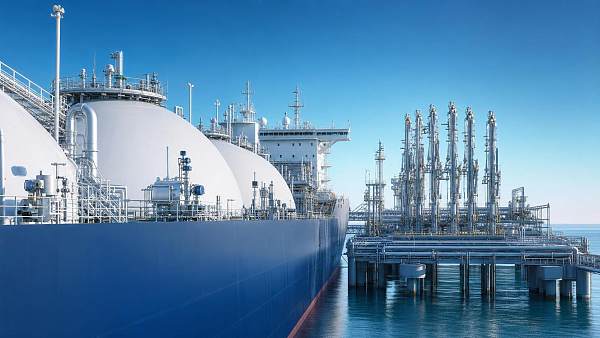
The same discipline used to examine LNG containment stress or smart vessel route optimization also sharpens analysis of rail system reliability under operational extremes.
For global rail infrastructure, that kind of technical stitching is becoming more relevant than broad market commentary.
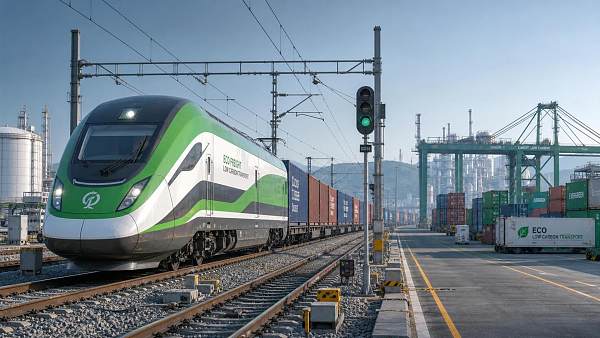
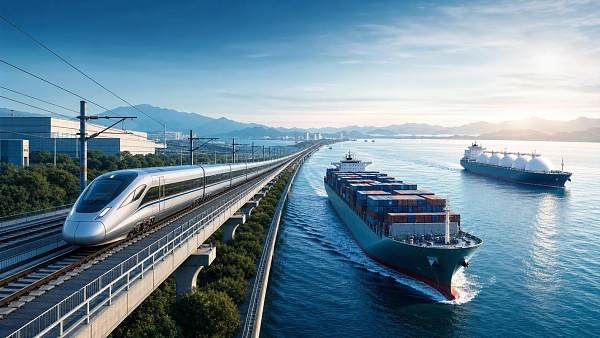
Rail is being judged more often as part of a land-sea logistics chain
A more subtle trend is the growing connection between global rail infrastructure and maritime logistics planning.
Port congestion, shipping route reconfiguration, and energy cargo movement are changing rail priorities inland.
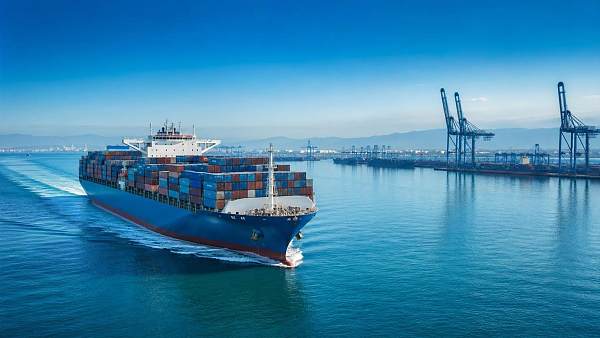
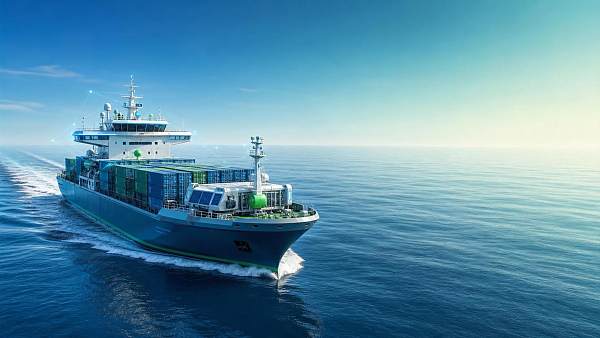
When smart container ships improve schedule precision, rail terminals must absorb that precision instead of becoming the new bottleneck.
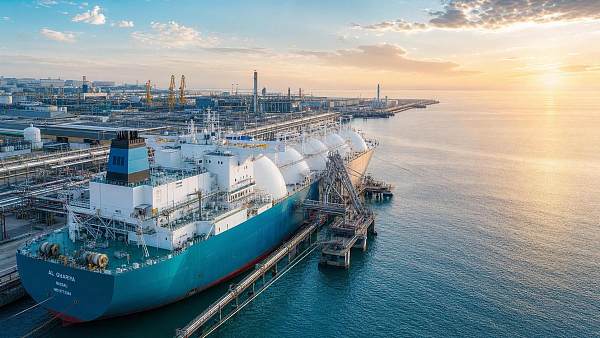
When LNG flows reshape industrial demand centers, freight rail capacity and electrification assumptions may shift as well.
This means corridor planning is becoming less siloed.
The projects with stronger long-term value are often those aligned with intermodal throughput, energy security, and digital coordination across modes.
In that sense, global rail infrastructure is increasingly judged by its role in trade resilience, not only passenger convenience or isolated line speed.
What deserves closer attention before the next commitment cycle
From recent project behavior, a few checkpoints deserve more weight than they once did.
- Check whether capacity claims depend on unproven interface assumptions.
- Review whether procurement packages reflect actual commissioning logic.
- Test if component lead times have been built into access planning, not only purchasing schedules.
- Compare digital monitoring ambitions with the maturity of field data and maintenance teams.
- Assess whether resilience targets cover weather, energy volatility, and cross-border operational variation.
These questions help separate durable global rail infrastructure from programs that look complete on paper but remain exposed during execution.
More noticeably now, the market rewards readiness over rhetoric.
The next phase favors selective ambition and better technical intelligence
Global rail infrastructure is still expanding, but the terms of success are changing.
Capacity remains important, yet capacity without delivery realism has become harder to defend.
Funding is still active, yet it increasingly follows operational proof.
Timelines remain aggressive, yet the room for avoidable interface failure keeps shrinking.
That is why the strongest next move is often not a bigger promise.
It is a clearer evidence chain linking design choices, subsystem reliability, logistics context, and staged delivery readiness.
For anyone tracking global rail infrastructure, the useful next step is to monitor where control systems, power collection, braking performance, and intermodal demand start converging.
That convergence is where the next round of schedule confidence and asset value will be decided.
A practical response is to build a phased review around standards, critical parameters, and delivery dependencies before the next major commitment point.
In this cycle, better judgment may be the most valuable infrastructure capability of all.
Recommended News
 Jul 19, 2026Transportation Infrastructure Trends Shaping Capital Planning in 2026Transportation infrastructure trends in 2026 are reshaping capital planning across rail, ports, and shipping. Discover how resilience, automation, and digital control are driving smarter investment decisions.
 Jul 12, 2026Gas Carrier Technology in the Middle East: 2026 OutlookGas carrier technology Middle East trends for 2026: explore LNG vessel innovation, propulsion, containment, and regional yard upgrades shaping smarter energy trade decisions.
 Jul 10, 2026Commercial Shipbuilding Technology Trends Shaping Newbuild Projects in 2026Commercial shipbuilding technology is reshaping 2026 newbuild projects with smarter vessels, fuel flexibility, digital twins, and earlier compliance planning. Explore the trends driving stronger ROI.
 Jul 08, 2026Rail Transit Systems Upgrade Trends Shaping 2026 Investment PlansRail transit systems in 2026 are shifting from expansion to smarter upgrades. Explore safety, automation, energy, and digital trends shaping resilient, high-value investment plans.
 Jul 06, 2026Cryogenic Shipping Systems Manufacturer Trends Shaping 2026 Fleet UpgradesCryogenic shipping systems manufacturer trends are reshaping 2026 fleet upgrades. Explore how digital monitoring, emissions control, and safer containment can improve vessel performance.
 Jul 05, 2026Smart Shipping Solutions for Fleet Management: 2026 Trends Shaping Vessel OperationsSmart shipping solutions for fleet management are redefining vessel operations in 2026. Explore trends in integration, compliance, fuel efficiency, and resilient fleet performance.
 Jul 04, 2026Digital Marine Decarbonization Technology: What Delivers Measurable GainsDigital marine decarbonization technology helps fleets cut fuel use, improve compliance, and boost vessel efficiency with measurable, data-driven gains. Learn what truly delivers value.
 Jul 03, 2026Global Rail Infrastructure Standards: 2026 Changes to WatchGlobal rail infrastructure standards are reshaping 2026 rail projects. Discover the key compliance, interoperability, cyber, and low-carbon changes that will impact bids and investment.
 Jul 02, 2026Global Trade Logistics North America Trends to Watch in 2026Global trade logistics North America in 2026 will be shaped by rail-ocean integration, smart routing, LNG demand, and measurable resilience. Discover the trends redefining reliability and trade advantage.
 Jun 30, 2026International Shipbuilding Suppliers: 2026 Sourcing Trends and Supply Chain RisksInternational shipbuilding suppliers face new 2026 sourcing risks, from compliance and digital integration to sub-tier bottlenecks. Explore key trends shaping cost, delivery, and resilience.
 Jun 27, 2026Heavy Industry Tech Trends Reshaping Equipment Investment in 2026Heavy industry tech is reshaping 2026 equipment investment across rail and maritime systems. Explore the five trends driving safer, smarter, higher-value capital decisions.
 Jun 25, 2026Decarbonization Trends Reshaping Rail and Marine Investment in 2026Decarbonization is reshaping rail and marine investment in 2026. Discover where capital is moving, which assets gain value, and how smarter transport upgrades improve resilience.
 Jun 23, 2026Global Rail Infrastructure Trends Shaping Capacity, Funding, and Delivery TimelinesGlobal rail infrastructure trends are redefining capacity, funding, and delivery timelines. Explore how data-driven planning and system readiness shape resilient, investable rail projects.
 Jun 22, 2026Maritime Logistics Trends in 2026: Capacity Shifts, Delays, and Margin PressureMaritime logistics in 2026 faces shifting capacity, persistent delays, and rising margin pressure. Explore key risks, lane-level signals, and smarter planning strategies.
 Jun 21, 2026LNG Carriers Technology Advancements: 5 Upgrades Reshaping Fleet PerformanceLNG carriers technology advancements are reshaping fleet performance through smarter containment, dual-fuel propulsion, digital monitoring, boil-off control, and automation—see the 5 upgrades driving safer, cleaner, more profitable LNG shipping.
 Jun 20, 2026Global Supply Chain Challenges in Rail Infrastructure in 2026Global supply chain challenges in rail infrastructure are redefining 2026 project risk. Discover where delays, compliance, and sourcing pressure hit hardest—and how smarter evaluation protects cost, delivery, and performance.
 Jun 20, 2026Full Digitalization in Rail: 7 Risks to Address Before ScalingFull digitalization in rail can boost safety, maintenance, and control—but only if key risks are managed. Explore 7 critical challenges to address before scaling network-wide.
 Jun 18, 2026Maritime Logistics Trends in 2026: Where Shipping Efficiency Is MovingMaritime logistics in 2026 is driven by AI routing, port connectivity, decarbonization, and asset visibility. Discover the trends redefining shipping efficiency and resilience.
 Jun 17, 2026Transportation Infrastructure Development Trends That Matter for Long-Term PlanningTransportation infrastructure development trends are reshaping rail, ports, shipping, and LNG networks. Explore the key signals for smarter long-term planning, resilience, and investment value.
 Jun 17, 2026Railway Automation Trends Shaping Safer, Smarter Networks in 2026Railway automation in 2026 is driving safer, smarter rail networks with predictive maintenance, integrated signaling, and higher capacity. Explore the trends shaping resilient transport.
 Jun 15, 2026Decarbonization in Rail Transportation: What Cuts Emissions First?Decarbonization in rail transportation starts with the fastest wins: traction optimization, regenerative braking, smarter signalling, and retrofit upgrades that cut emissions, costs, and risk.
 Jun 14, 2026Rail Infrastructure Investment: Cost vs Long-Term ReturnRail infrastructure investment is more than upfront cost. Discover how lifecycle planning, smarter systems, and reliable rail design can deliver stronger long-term returns.
 Jun 13, 2026Advanced Ocean-Going Vessels: Key Design Shifts in 2026Advanced ocean-going vessels in 2026 are redefining shipping with AI routing, fuel-flexible propulsion, and smarter port integration. See which design shifts drive resilience, efficiency, and long-term fleet value.
 Jun 12, 2026High-Speed Rail Technology Trends Shaping 2026 ProjectsHigh-speed rail technology is reshaping 2026 projects through smarter signaling, resilient traction, precision braking, and digital monitoring. Explore the trends driving safer, scalable, bankable rail delivery.