



Search News
Industry Portal
Popular Tags
Global Rail Infrastructure Trends Reshaping 2026 Project Risk

Author
Time
Click Count
As global rail infrastructure enters a new investment and modernization cycle, project risk in 2026 is being reshaped by stricter safety demands, digital control upgrades, supply chain volatility, and cross-border funding pressures. For enterprise decision-makers, understanding these shifts is essential to protecting asset value, improving delivery certainty, and building resilient transport strategies in an increasingly interconnected rail and logistics landscape.
For boards, EPC leaders, rolling stock suppliers, and infrastructure investors, the issue is no longer whether capital will continue flowing into rail. The real question is how global rail infrastructure programs can stay bankable, interoperable, and deliverable when safety compliance, software complexity, and logistics exposure are all rising at the same time.
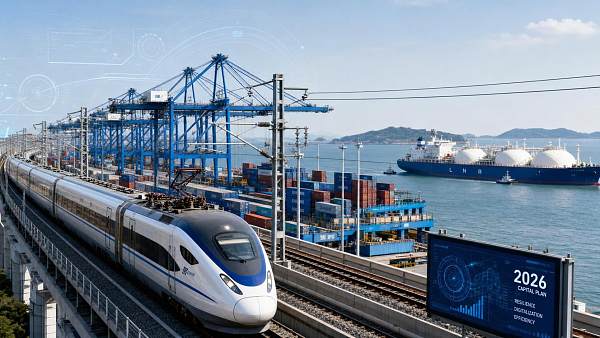
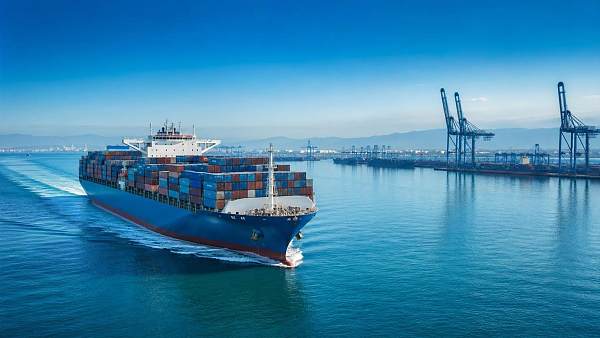
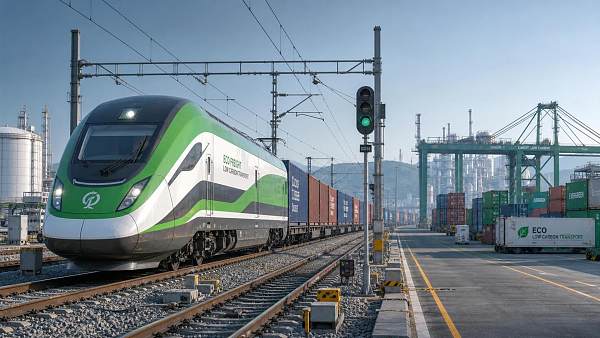
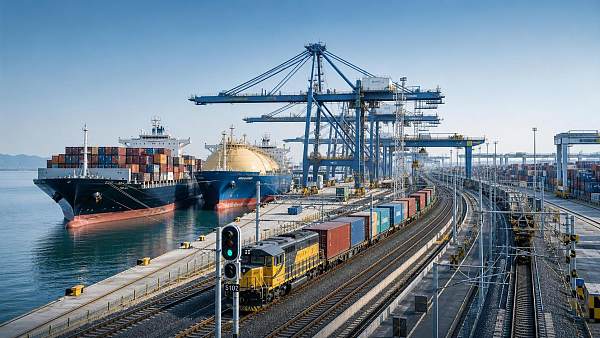
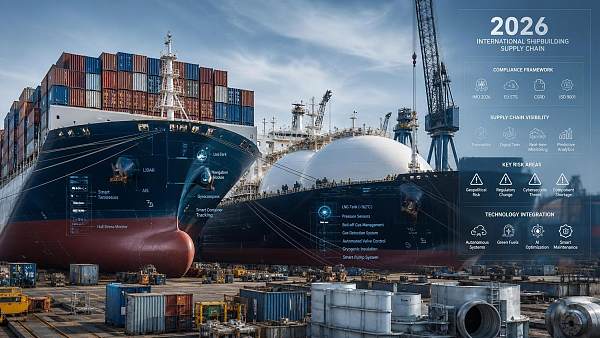
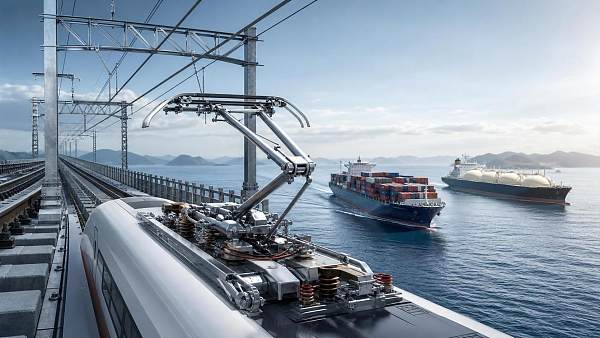
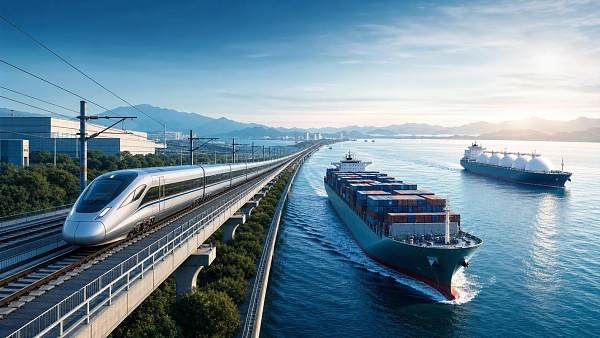
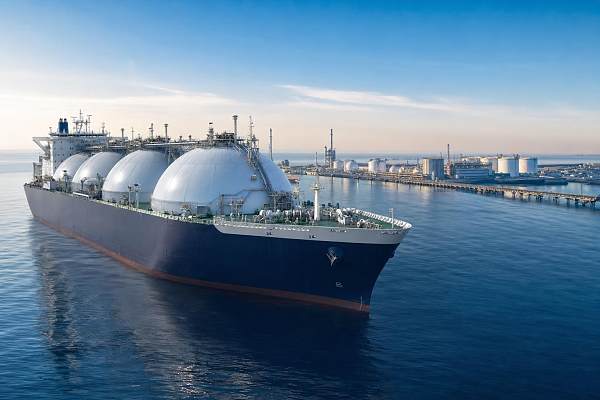
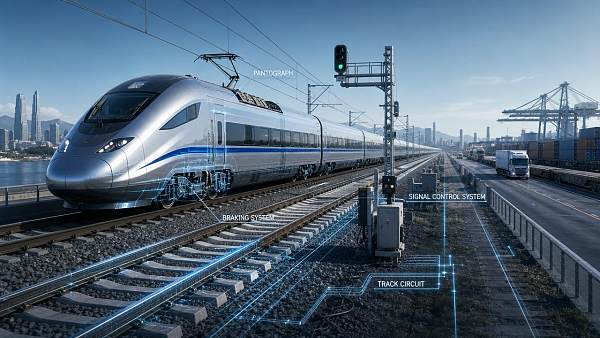
This matters especially in projects linked to wider freight corridors, ports, and energy routes. GTOT closely tracks this land-sea interconnection because railway signal control systems, pantographs, braking systems, smart shipping, and LNG logistics increasingly shape one another’s risk profile across procurement, installation, commissioning, and lifecycle support.
Why 2026 Will Be a Turning Point for Global Rail Infrastructure Risk
In 2026, many projects in global rail infrastructure will move from feasibility and financing into delivery-heavy phases. That shift typically exposes hidden weaknesses in interface management, supplier qualification, and acceptance testing. A line that looked viable at concept stage can face a 6- to 18-month disruption once signaling, traction power, platform systems, and civil work schedules start colliding.
The first pressure point is safety. High-density corridors and urban automation programs increasingly require SIL4-oriented architectures, rigorous redundancy logic, and fail-safe validation. These are not simple add-ons. They affect design freeze timing, test procedures, and approval pathways, often adding 3 to 5 major verification gates before commissioning.
1. Safety and control systems are becoming schedule drivers
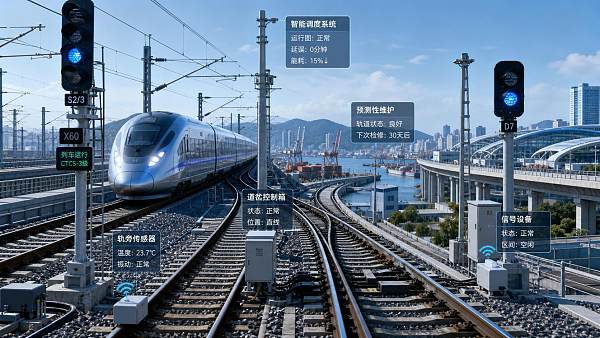
In legacy projects, civil completion often dictated the project clock. In modern global rail infrastructure, digital interlocking, onboard communications, control centers, and cybersecurity hardening can become the true critical path. A late software revision or interface mismatch may delay handover more than a tunnel or viaduct package.
For enterprise buyers, this means early procurement should prioritize interface maturity over headline equipment price. A control component with a lower bid value may create higher lifecycle cost if it needs repeated integration rework, extended site testing, or country-specific recertification.
2. Supply chain volatility is moving upstream into design decisions
Lead times for rail control electronics, composite braking materials, power collection assemblies, and specialized semiconductors remain uneven. Depending on the component type, common procurement windows can range from 12 weeks to more than 40 weeks. That variability now changes engineering choices at the front end.
When one approved subsystem depends on a single-source processor, insulation material, or actuator supplier, project teams face a concentrated risk. In global rail infrastructure, resilience increasingly depends on approved alternatives, modular architecture, and documentation depth that allows substitution without full design restart.
Key risk signals decision-makers should watch
- More than 2 critical components with single-region sourcing
- Software acceptance dependent on 1 integrator or 1 local certifier
- Factory acceptance tests scheduled less than 8 weeks before site delivery
- Interface control documents revised 3 times or more after design freeze
- Spare parts strategy covering less than 24 months of operation
The table below summarizes how the main risk categories in global rail infrastructure are changing and what that means for executive oversight in 2026.
The practical takeaway is clear: project risk in global rail infrastructure is no longer limited to civil overruns. It now sits heavily in controls, components, compliance, and international delivery dependencies that can quietly erode asset value if not managed from the earliest procurement stage.
The Four Trends Reshaping Rail Project Exposure
While each market has its own policy and funding structure, four common trends are redefining how global rail infrastructure risk should be assessed in 2026. Each of them changes bid strategy, supplier selection, and post-award governance.
Trend 1: Digitalization is expanding the number of critical interfaces
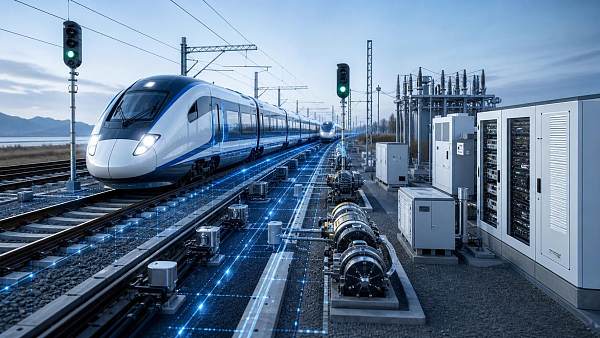
Rail is becoming software-defined. LTE-M, condition monitoring, remote diagnostics, predictive maintenance, and increasingly automated traffic control all add efficiency, but they also multiply interface points. A project that once needed 20 to 30 core hardware interfaces may now need 50 or more digital and data interfaces across trains, wayside assets, depots, and control rooms.
For enterprise decision-makers, interface governance should be treated as a board-level delivery issue. Every additional protocol, gateway, and analytics layer introduces testing burden. The commercial risk appears when contract packages are fragmented but no single party owns end-to-end functional performance.
Trend 2: Decarbonization is changing equipment specifications
Low-carbon goals are influencing power systems, braking materials, lightweighting, and fleet efficiency targets. In global rail infrastructure, decarbonization is not just an environmental KPI. It can alter pantograph design, regenerative braking compatibility, auxiliary power architecture, and maintenance intervals.
A specification written 24 months earlier may become commercially outdated if it ignores energy efficiency thresholds or future digital monitoring requirements. Buyers should therefore evaluate whether each subsystem remains compliant not only at tender award, but also at the expected in-service date.
Trend 3: Supply chains are being regionalized, not simplified
Many procurement teams assume regionalization reduces risk. In practice, it often redistributes risk. Alternative manufacturing bases can improve continuity, but qualification, tooling transfer, local content rules, and training readiness may still add 4 to 9 months before a second source becomes truly deployable.
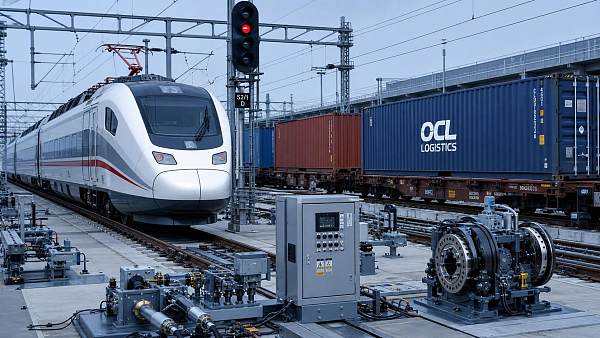
This is especially relevant for railway signal control systems, high-speed pantographs, and braking components where field performance depends on narrow tolerance bands, validated firmware, and specialized test benches. A backup source is only useful if it is already approved within the system architecture.
Trend 4: Land-sea interconnection now affects rail delivery economics
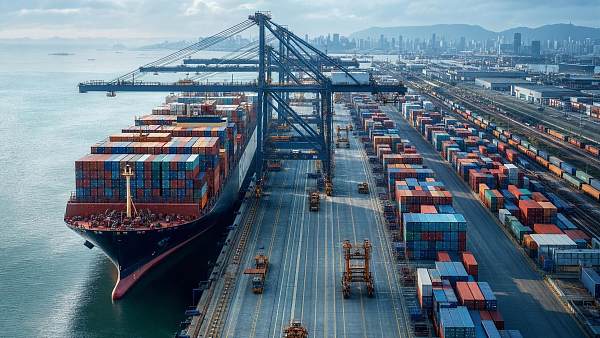
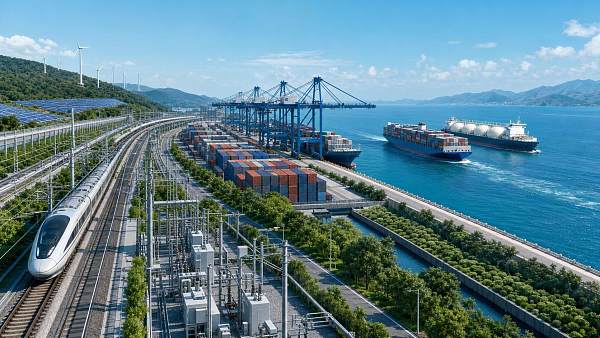
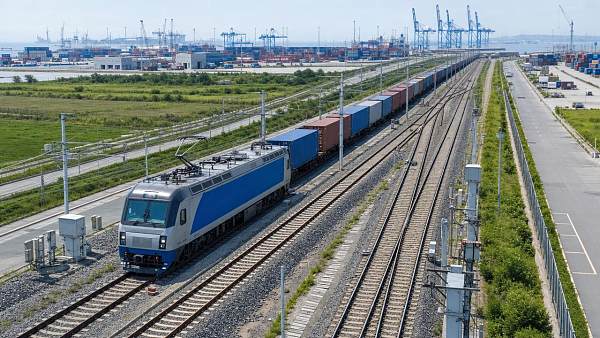
GTOT’s view is that global rail infrastructure cannot be analyzed in isolation from maritime capacity, smart container flows, and energy logistics. Port congestion, LNG shipping constraints, and route disruptions can delay equipment imports, shift freight rates, and alter warehouse strategy for rail megaprojects.
A rail contractor sourcing control cabinets from one region, brake materials from another, and cable assemblies through a congested shipping corridor can experience compounded delay even if each vendor performs reasonably well on paper. That is why transport intelligence should now be integrated into infrastructure risk review.
How Decision-Makers Should Evaluate Suppliers and Project Readiness
For procurement leaders and project sponsors, the most effective response is a structured selection model. In global rail infrastructure, the objective is not simply to choose technically compliant equipment. It is to select suppliers and integration pathways that can absorb volatility without breaking schedule, safety, or financing assumptions.
A practical 5-point evaluation framework
- Check system compatibility across signaling, traction, braking, and communications.
- Review lead-time realism for 3 phases: factory build, logistics, and site acceptance.
- Validate lifecycle support, including spare parts coverage for 24–36 months.
- Confirm documentation quality, test protocols, and change-control discipline.
- Assess cross-border resilience, including customs, export review, and local service capacity.
The matrix below can be used to compare supplier readiness in a more operational way than price-only tender scoring.
This framework helps distinguish between a compliant bid and a deliverable bid. In global rail infrastructure, that difference often determines whether the project protects revenue start dates or enters costly renegotiation.
Where GTOT intelligence adds value
GTOT is positioned at the intersection of rail systems and maritime logistics, which is increasingly where risk decisions are made. A signaling package may look sound technically, but if its electronics route through constrained shipping lanes, or if its maintenance strategy depends on unstable energy logistics, the procurement picture changes materially.
For decision-makers evaluating global rail infrastructure, GTOT’s coverage of signal control, pantographs, braking systems, smart container shipping, and LNG vessel dynamics supports better timing decisions, stronger tender preparation, and more realistic delivery risk mapping.
Implementation Priorities for 2026 Programs
A workable strategy for 2026 should combine technical rigor with commercial discipline. The most resilient global rail infrastructure programs are not always the fastest to award. They are the ones that lock interfaces early, stress-test supply chains, and keep operational readiness visible from day 1.
Priority actions in the next 90 to 180 days
- Map the top 10 critical interfaces across civil, control, traction, and rolling stock packages.
- Run a 3-scenario lead-time review for electronics, braking materials, and power components.
- Reassess contract clauses for software updates, test delays, and component substitution.
- Build minimum 2-layer contingency plans for logistics and regional warehousing.
- Align technical acceptance milestones with lender and revenue-service deadlines.
Common mistakes to avoid
One frequent error is treating digital systems as secondary to physical construction. Another is qualifying backup suppliers too late, when documentation gaps make substitution impractical. A third is underestimating the impact of land-sea logistics on rail delivery, especially for projects spanning multiple customs jurisdictions and long shipping legs.
In 2026, resilient global rail infrastructure programs will be defined less by optimistic planning and more by evidence-based readiness. That means traceable interfaces, realistic lead times, tested fallback options, and stronger linkage between engineering decisions and transport corridor conditions.
Global rail infrastructure is entering a more complex but also more strategic era. Safety-centered control systems, high-performance traction components, advanced braking technologies, and supply-chain-aware procurement will shape which projects achieve reliable commissioning and which drift into cost and schedule stress. For enterprise decision-makers, the priority is clear: move beyond price-led sourcing and build a risk framework that connects technical detail with global delivery realities.
GTOT supports that transition by connecting rail intelligence with maritime and logistics insight, helping businesses evaluate components, monitor trend shifts, and improve tender credibility across demanding international projects. To reduce 2026 project exposure and strengthen delivery certainty, contact GTOT to discuss your sourcing priorities, request a customized intelligence plan, or explore more solutions for global rail infrastructure strategy.
Recommended News
 Jul 19, 2026Transportation Infrastructure Trends Shaping Capital Planning in 2026Transportation infrastructure trends in 2026 are reshaping capital planning across rail, ports, and shipping. Discover how resilience, automation, and digital control are driving smarter investment decisions.
 Jul 12, 2026Gas Carrier Technology in the Middle East: 2026 OutlookGas carrier technology Middle East trends for 2026: explore LNG vessel innovation, propulsion, containment, and regional yard upgrades shaping smarter energy trade decisions.
 Jul 10, 2026Commercial Shipbuilding Technology Trends Shaping Newbuild Projects in 2026Commercial shipbuilding technology is reshaping 2026 newbuild projects with smarter vessels, fuel flexibility, digital twins, and earlier compliance planning. Explore the trends driving stronger ROI.
 Jul 08, 2026Rail Transit Systems Upgrade Trends Shaping 2026 Investment PlansRail transit systems in 2026 are shifting from expansion to smarter upgrades. Explore safety, automation, energy, and digital trends shaping resilient, high-value investment plans.
 Jul 06, 2026Cryogenic Shipping Systems Manufacturer Trends Shaping 2026 Fleet UpgradesCryogenic shipping systems manufacturer trends are reshaping 2026 fleet upgrades. Explore how digital monitoring, emissions control, and safer containment can improve vessel performance.
 Jul 05, 2026Smart Shipping Solutions for Fleet Management: 2026 Trends Shaping Vessel OperationsSmart shipping solutions for fleet management are redefining vessel operations in 2026. Explore trends in integration, compliance, fuel efficiency, and resilient fleet performance.
 Jul 04, 2026Digital Marine Decarbonization Technology: What Delivers Measurable GainsDigital marine decarbonization technology helps fleets cut fuel use, improve compliance, and boost vessel efficiency with measurable, data-driven gains. Learn what truly delivers value.
 Jul 03, 2026Global Rail Infrastructure Standards: 2026 Changes to WatchGlobal rail infrastructure standards are reshaping 2026 rail projects. Discover the key compliance, interoperability, cyber, and low-carbon changes that will impact bids and investment.
 Jul 02, 2026Global Trade Logistics North America Trends to Watch in 2026Global trade logistics North America in 2026 will be shaped by rail-ocean integration, smart routing, LNG demand, and measurable resilience. Discover the trends redefining reliability and trade advantage.
 Jun 30, 2026International Shipbuilding Suppliers: 2026 Sourcing Trends and Supply Chain RisksInternational shipbuilding suppliers face new 2026 sourcing risks, from compliance and digital integration to sub-tier bottlenecks. Explore key trends shaping cost, delivery, and resilience.
 Jun 27, 2026Heavy Industry Tech Trends Reshaping Equipment Investment in 2026Heavy industry tech is reshaping 2026 equipment investment across rail and maritime systems. Explore the five trends driving safer, smarter, higher-value capital decisions.
 Jun 25, 2026Decarbonization Trends Reshaping Rail and Marine Investment in 2026Decarbonization is reshaping rail and marine investment in 2026. Discover where capital is moving, which assets gain value, and how smarter transport upgrades improve resilience.
 Jun 23, 2026Global Rail Infrastructure Trends Shaping Capacity, Funding, and Delivery TimelinesGlobal rail infrastructure trends are redefining capacity, funding, and delivery timelines. Explore how data-driven planning and system readiness shape resilient, investable rail projects.
 Jun 22, 2026Maritime Logistics Trends in 2026: Capacity Shifts, Delays, and Margin PressureMaritime logistics in 2026 faces shifting capacity, persistent delays, and rising margin pressure. Explore key risks, lane-level signals, and smarter planning strategies.
 Jun 21, 2026LNG Carriers Technology Advancements: 5 Upgrades Reshaping Fleet PerformanceLNG carriers technology advancements are reshaping fleet performance through smarter containment, dual-fuel propulsion, digital monitoring, boil-off control, and automation—see the 5 upgrades driving safer, cleaner, more profitable LNG shipping.
 Jun 20, 2026Global Supply Chain Challenges in Rail Infrastructure in 2026Global supply chain challenges in rail infrastructure are redefining 2026 project risk. Discover where delays, compliance, and sourcing pressure hit hardest—and how smarter evaluation protects cost, delivery, and performance.
 Jun 20, 2026Full Digitalization in Rail: 7 Risks to Address Before ScalingFull digitalization in rail can boost safety, maintenance, and control—but only if key risks are managed. Explore 7 critical challenges to address before scaling network-wide.
 Jun 18, 2026Maritime Logistics Trends in 2026: Where Shipping Efficiency Is MovingMaritime logistics in 2026 is driven by AI routing, port connectivity, decarbonization, and asset visibility. Discover the trends redefining shipping efficiency and resilience.
 Jun 17, 2026Transportation Infrastructure Development Trends That Matter for Long-Term PlanningTransportation infrastructure development trends are reshaping rail, ports, shipping, and LNG networks. Explore the key signals for smarter long-term planning, resilience, and investment value.
 Jun 17, 2026Railway Automation Trends Shaping Safer, Smarter Networks in 2026Railway automation in 2026 is driving safer, smarter rail networks with predictive maintenance, integrated signaling, and higher capacity. Explore the trends shaping resilient transport.
 Jun 15, 2026Decarbonization in Rail Transportation: What Cuts Emissions First?Decarbonization in rail transportation starts with the fastest wins: traction optimization, regenerative braking, smarter signalling, and retrofit upgrades that cut emissions, costs, and risk.
 Jun 14, 2026Rail Infrastructure Investment: Cost vs Long-Term ReturnRail infrastructure investment is more than upfront cost. Discover how lifecycle planning, smarter systems, and reliable rail design can deliver stronger long-term returns.
 Jun 13, 2026Advanced Ocean-Going Vessels: Key Design Shifts in 2026Advanced ocean-going vessels in 2026 are redefining shipping with AI routing, fuel-flexible propulsion, and smarter port integration. See which design shifts drive resilience, efficiency, and long-term fleet value.
 Jun 12, 2026High-Speed Rail Technology Trends Shaping 2026 ProjectsHigh-speed rail technology is reshaping 2026 projects through smarter signaling, resilient traction, precision braking, and digital monitoring. Explore the trends driving safer, scalable, bankable rail delivery.