



Search News
Industry Portal
Popular Tags
High-Speed Traction Systems: Performance Metrics That Matter in Route Upgrades
Author
Time
Click Count
Route upgrades succeed only when speed gains are matched by measurable reliability, energy efficiency, safety, and lifecycle value.
For technical validation, high-speed traction systems must be judged beyond headline power ratings or maximum operating speed.
The real evidence sits in acceleration curves, thermal stability, adhesion control, regenerative braking, fault tolerance, and network interoperability.
What Performance Metrics Define High-Speed Traction Systems in Route Upgrades?
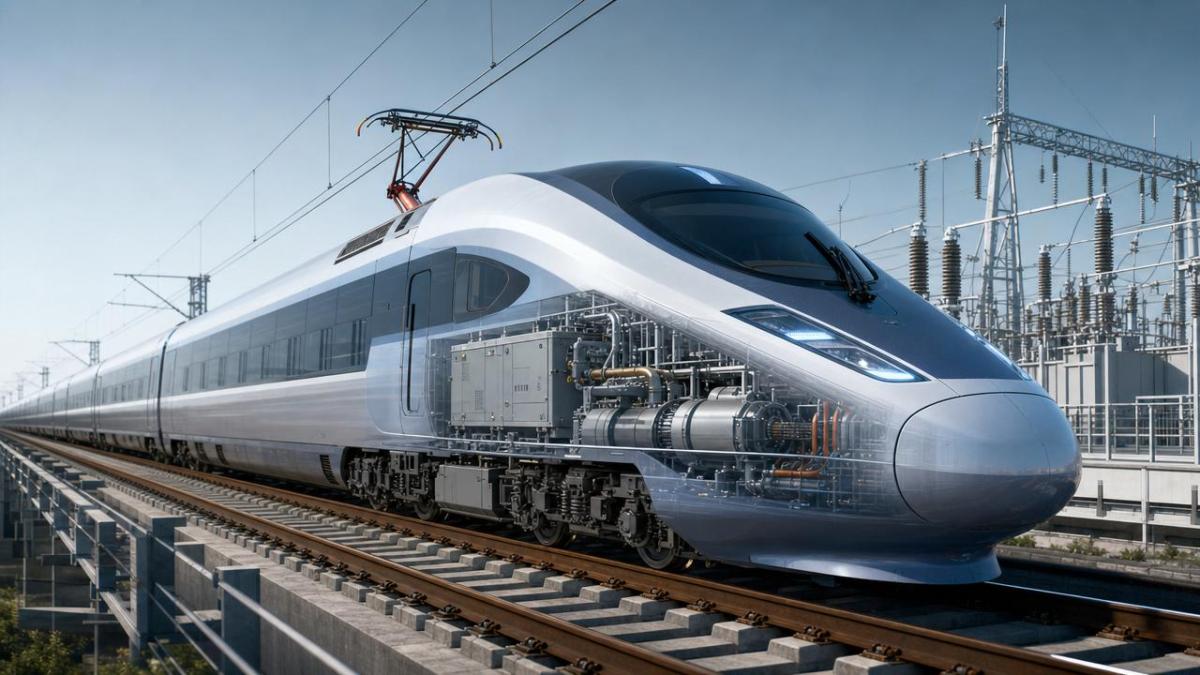
High-speed traction systems convert electrical energy into controlled train movement across demanding route profiles.
In an upgrade program, the first question is not only how fast trains can run.
The stronger question is whether higher speed remains repeatable under real timetable, weather, load, and power conditions.
Core metrics should connect vehicle behavior with corridor performance.
- Tractive effort across the full speed range.
- Acceleration time between operational speed bands.
- Continuous power under thermal limits.
- Regenerative braking recovery and receptivity.
- Adhesion stability during rain, frost, dust, or leaf contamination.
- Compatibility with signaling, power supply, and onboard diagnostics.
These indicators turn high-speed traction systems from equipment specifications into verifiable route assets.
They also help compare inverter platforms, motor designs, cooling concepts, and control software with engineering discipline.
Why Is Acceleration More Important Than Maximum Power Alone?
Maximum power is useful, but it can hide weak operational performance.
A route upgrade often depends on shorter headways, faster recovery after stops, and stable running through gradients.
Acceleration curves reveal how high-speed traction systems behave where timetable value is created.
The most useful curve shows tractive effort from launch to cruise speed.
It should identify transition points between constant torque, constant power, and field-weakening regions.
For high-density routes, acceleration consistency matters more than a single laboratory peak.
If traction output drops under heat, voltage sag, or wheel slip, timetable resilience weakens.
Practical validation points
- Measure time from station departure to target line speed.
- Compare loaded and empty train acceleration.
- Test uphill launch on critical gradients.
- Record inverter response during voltage fluctuation.
- Assess acceleration recovery after temporary speed restrictions.
High-speed traction systems should support both peak express runs and congested mixed-traffic operations.
That balance is essential when route upgrades must protect capacity, punctuality, and energy performance together.
How Should Thermal Stability Be Evaluated During Long High-Speed Runs?
Thermal stability is a decisive metric for high-speed traction systems on upgraded corridors.
Power electronics, traction motors, transformers, gearboxes, and cooling circuits all face continuous stress.
A route with tunnels, steep gradients, hot climates, or frequent acceleration cycles intensifies thermal loading.
Derating behavior deserves close attention.
A system may meet nominal performance, then reduce output after sustained high-speed operation.
This can lengthen journey times, disrupt headways, and increase component fatigue.
Key thermal indicators
- Continuous rating versus short-time rating.
- Temperature rise under repeated acceleration.
- Cooling efficiency at low and high ambient temperatures.
- Inverter junction temperature margins.
- Motor winding insulation class and life expectancy.
Digital monitoring improves validation quality.
Temperature sensors, condition algorithms, and event logs reveal whether high-speed traction systems maintain performance without hidden thermal penalties.
For asset planning, thermal stability also affects maintenance intervals, spare part strategy, and lifecycle cost.
What Role Does Adhesion Control Play in Safety and Punctuality?
Adhesion control determines how effectively torque becomes usable wheel-rail force.
Even powerful high-speed traction systems underperform when wheel slip or slide is poorly managed.
Route upgrades often raise expectations for acceleration, braking, and timetable recovery.
Those goals depend on stable contact between steel wheel and steel rail.
Modern traction control should detect micro-slip rapidly and adjust torque without excessive oscillation.
The best systems preserve adhesion while avoiding unnecessary power reduction.
Relevant operating scenarios
- Wet rail during morning departures.
- Leaf contamination in suburban approaches.
- Crosswinds on exposed viaducts.
- Dust or sand near dry freight corridors.
- Emergency braking combined with regenerative demand.
Adhesion data should be compared with braking system behavior and wheel wear patterns.
When high-speed traction systems coordinate with braking control, stopping precision and passenger comfort improve together.
This is especially important where automatic train operation and dense signaling rules require repeatable response.
How Do Regenerative Braking and Energy Metrics Affect Upgrade Value?
Energy efficiency is no longer a secondary metric in route upgrades.
High-speed traction systems must support decarbonization, lower operating cost, and grid-aware train operations.
Regenerative braking performance should be measured in real conditions, not only through theoretical recovery percentages.
The corridor must be receptive to returned energy.
If nearby trains, substations, or storage assets cannot absorb regeneration, energy is wasted as heat.
Therefore, traction evaluation must include power network behavior.
Energy metrics to compare
- Kilowatt-hours per train-kilometer.
- Regenerative energy captured versus produced.
- Peak current demand during acceleration.
- Substation voltage stability during service peaks.
- Auxiliary load impact on total consumption.
Smart energy management can improve the value of high-speed traction systems.
Timetable design, coasting strategy, storage integration, and train-to-network coordination all influence results.
A strong evaluation links traction efficiency with corridor-level carbon and cost targets.
What Interoperability Risks Should Be Checked Before Deployment?
Interoperability is where many technically strong projects face hidden delays.
High-speed traction systems must work with signaling, train control, overhead contact lines, substations, and onboard networks.
Electromagnetic compatibility is a frequent concern.
Traction converters can create harmonics that affect track circuits, communication channels, or protection equipment.
Software interfaces also require disciplined validation.
Diagnostic messages, event timestamps, train control commands, and safety states must remain consistent.
Pre-deployment checklist
- Confirm voltage, frequency, and current limits.
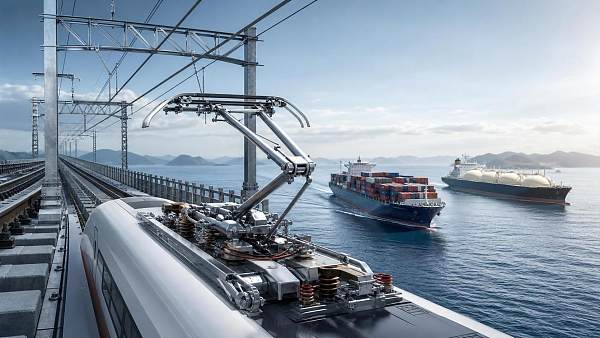
- Validate pantograph-current collection behavior at target speed.
- Test electromagnetic compatibility with signaling assets.
- Review cybersecurity controls for traction diagnostics.
- Simulate degraded modes and rescue operation.
Fault tolerance is equally important.
If one converter, motor group, or cooling subsystem fails, service should degrade safely and predictably.
Reliable high-speed traction systems protect timetable integrity by limiting cascading operational disruption.
FAQ Comparison Table: Which Metrics Matter Most?
How Should Lifecycle Cost and Maintenance Be Built Into the Decision?
Initial equipment cost gives an incomplete view of upgrade value.
High-speed traction systems influence energy bills, spare parts, workshop capacity, software support, and fleet availability.
Maintenance planning should examine components with high stress or long replacement lead times.
These include power modules, cooling pumps, motor bearings, sensors, filters, and control boards.
Condition-based maintenance can reduce unnecessary inspection while identifying early degradation.
However, predictive analytics require clean data, consistent tagging, and access to diagnostic histories.
Cost questions worth asking
- What is the expected module replacement interval?
- How quickly can critical spares be supplied?
- Does software licensing affect long-term diagnostics?
- Can technicians service components without excessive dismantling?
- How does energy saving offset upgrade investment?
The best business case combines performance evidence with maintainability evidence.
High-speed traction systems should improve service quality without creating fragile operational dependencies.
Final Takeaway: Turning Traction Data Into Upgrade Confidence
Route modernization needs more than faster trains and higher installed power.
It needs high-speed traction systems validated through measurable performance under realistic operating conditions.
Acceleration, thermal stability, adhesion, regenerative braking, interoperability, and lifecycle cost should be reviewed together.
This integrated view supports safer decisions, stronger tenders, and more resilient corridor upgrades.
For the next step, build a metric-based evaluation matrix before selecting or validating any traction platform.
GTOT continues tracking high-speed traction systems, rail control components, pantographs, braking technology, and land-sea infrastructure intelligence.
With rigorous technical comparison, route upgrades can deliver speed, safety, efficiency, and long-term asset value together.
Recommended News
 Jul 19, 2026Transportation Infrastructure Trends Shaping Capital Planning in 2026Transportation infrastructure trends in 2026 are reshaping capital planning across rail, ports, and shipping. Discover how resilience, automation, and digital control are driving smarter investment decisions.
 Jul 12, 2026Gas Carrier Technology in the Middle East: 2026 OutlookGas carrier technology Middle East trends for 2026: explore LNG vessel innovation, propulsion, containment, and regional yard upgrades shaping smarter energy trade decisions.
 Jul 10, 2026Commercial Shipbuilding Technology Trends Shaping Newbuild Projects in 2026Commercial shipbuilding technology is reshaping 2026 newbuild projects with smarter vessels, fuel flexibility, digital twins, and earlier compliance planning. Explore the trends driving stronger ROI.
 Jul 08, 2026Rail Transit Systems Upgrade Trends Shaping 2026 Investment PlansRail transit systems in 2026 are shifting from expansion to smarter upgrades. Explore safety, automation, energy, and digital trends shaping resilient, high-value investment plans.
 Jul 06, 2026Cryogenic Shipping Systems Manufacturer Trends Shaping 2026 Fleet UpgradesCryogenic shipping systems manufacturer trends are reshaping 2026 fleet upgrades. Explore how digital monitoring, emissions control, and safer containment can improve vessel performance.
 Jul 05, 2026Smart Shipping Solutions for Fleet Management: 2026 Trends Shaping Vessel OperationsSmart shipping solutions for fleet management are redefining vessel operations in 2026. Explore trends in integration, compliance, fuel efficiency, and resilient fleet performance.
 Jul 04, 2026Digital Marine Decarbonization Technology: What Delivers Measurable GainsDigital marine decarbonization technology helps fleets cut fuel use, improve compliance, and boost vessel efficiency with measurable, data-driven gains. Learn what truly delivers value.
 Jul 03, 2026Global Rail Infrastructure Standards: 2026 Changes to WatchGlobal rail infrastructure standards are reshaping 2026 rail projects. Discover the key compliance, interoperability, cyber, and low-carbon changes that will impact bids and investment.
 Jul 02, 2026Global Trade Logistics North America Trends to Watch in 2026Global trade logistics North America in 2026 will be shaped by rail-ocean integration, smart routing, LNG demand, and measurable resilience. Discover the trends redefining reliability and trade advantage.
 Jun 30, 2026International Shipbuilding Suppliers: 2026 Sourcing Trends and Supply Chain RisksInternational shipbuilding suppliers face new 2026 sourcing risks, from compliance and digital integration to sub-tier bottlenecks. Explore key trends shaping cost, delivery, and resilience.
 Jun 27, 2026Heavy Industry Tech Trends Reshaping Equipment Investment in 2026Heavy industry tech is reshaping 2026 equipment investment across rail and maritime systems. Explore the five trends driving safer, smarter, higher-value capital decisions.
 Jun 25, 2026Decarbonization Trends Reshaping Rail and Marine Investment in 2026Decarbonization is reshaping rail and marine investment in 2026. Discover where capital is moving, which assets gain value, and how smarter transport upgrades improve resilience.
 Jun 23, 2026Global Rail Infrastructure Trends Shaping Capacity, Funding, and Delivery TimelinesGlobal rail infrastructure trends are redefining capacity, funding, and delivery timelines. Explore how data-driven planning and system readiness shape resilient, investable rail projects.
 Jun 22, 2026Maritime Logistics Trends in 2026: Capacity Shifts, Delays, and Margin PressureMaritime logistics in 2026 faces shifting capacity, persistent delays, and rising margin pressure. Explore key risks, lane-level signals, and smarter planning strategies.
 Jun 21, 2026LNG Carriers Technology Advancements: 5 Upgrades Reshaping Fleet PerformanceLNG carriers technology advancements are reshaping fleet performance through smarter containment, dual-fuel propulsion, digital monitoring, boil-off control, and automation—see the 5 upgrades driving safer, cleaner, more profitable LNG shipping.
 Jun 20, 2026Global Supply Chain Challenges in Rail Infrastructure in 2026Global supply chain challenges in rail infrastructure are redefining 2026 project risk. Discover where delays, compliance, and sourcing pressure hit hardest—and how smarter evaluation protects cost, delivery, and performance.
 Jun 20, 2026Full Digitalization in Rail: 7 Risks to Address Before ScalingFull digitalization in rail can boost safety, maintenance, and control—but only if key risks are managed. Explore 7 critical challenges to address before scaling network-wide.
 Jun 18, 2026Maritime Logistics Trends in 2026: Where Shipping Efficiency Is MovingMaritime logistics in 2026 is driven by AI routing, port connectivity, decarbonization, and asset visibility. Discover the trends redefining shipping efficiency and resilience.
 Jun 17, 2026Transportation Infrastructure Development Trends That Matter for Long-Term PlanningTransportation infrastructure development trends are reshaping rail, ports, shipping, and LNG networks. Explore the key signals for smarter long-term planning, resilience, and investment value.
 Jun 17, 2026Railway Automation Trends Shaping Safer, Smarter Networks in 2026Railway automation in 2026 is driving safer, smarter rail networks with predictive maintenance, integrated signaling, and higher capacity. Explore the trends shaping resilient transport.
 Jun 15, 2026Decarbonization in Rail Transportation: What Cuts Emissions First?Decarbonization in rail transportation starts with the fastest wins: traction optimization, regenerative braking, smarter signalling, and retrofit upgrades that cut emissions, costs, and risk.
 Jun 14, 2026Rail Infrastructure Investment: Cost vs Long-Term ReturnRail infrastructure investment is more than upfront cost. Discover how lifecycle planning, smarter systems, and reliable rail design can deliver stronger long-term returns.
 Jun 13, 2026Advanced Ocean-Going Vessels: Key Design Shifts in 2026Advanced ocean-going vessels in 2026 are redefining shipping with AI routing, fuel-flexible propulsion, and smarter port integration. See which design shifts drive resilience, efficiency, and long-term fleet value.
 Jun 12, 2026High-Speed Rail Technology Trends Shaping 2026 ProjectsHigh-speed rail technology is reshaping 2026 projects through smarter signaling, resilient traction, precision braking, and digital monitoring. Explore the trends driving safer, scalable, bankable rail delivery.