



Search News
Industry Portal
Popular Tags
Rail Infrastructure Maintenance Solutions: Reducing Downtime Without Overbuilding
Author
Time
Click Count
Rail Infrastructure Maintenance Solutions: Reducing Downtime Without Overbuilding
Keeping rail networks available, safe, and cost-controlled is no longer about doing more maintenance. It is about doing the right work at the right time.
Modern rail infrastructure maintenance solutions combine asset intelligence, condition monitoring, signaling reliability data, and lifecycle planning to reduce downtime without unnecessary overbuilding.
For high-density corridors, ports, intercity routes, and urban transit, the real value lies in matching maintenance intensity to operational risk.
When Rail Infrastructure Maintenance Solutions Matter Most
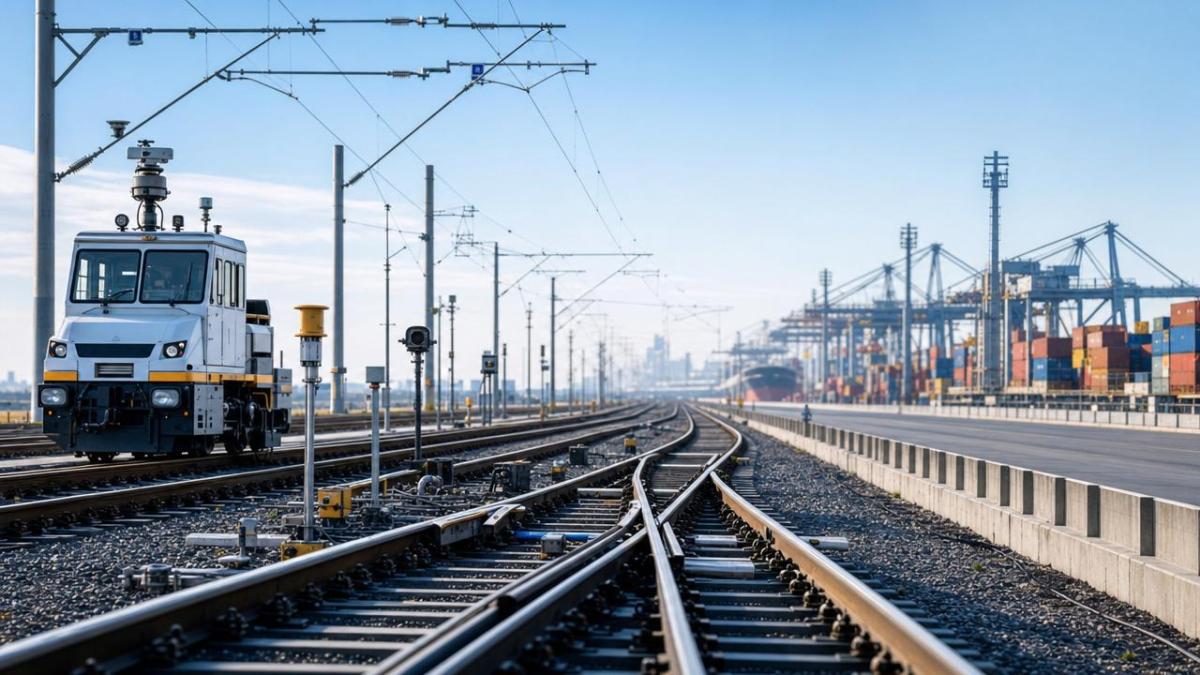
Every rail environment has different failure patterns, access windows, and safety constraints. A single maintenance template rarely fits all operating conditions.
Rail infrastructure maintenance solutions become most valuable where downtime creates network-wide delay, safety exposure, or costly capacity loss.
A signaling relay fault, turnout defect, catenary instability, or track geometry issue may appear local. Its impact can spread across connected corridors.
The core decision is not whether assets need maintenance. The decision is how much intervention each scenario deserves.
Overbuilding may look safe on paper. Yet excessive redundancy, premature replacement, and oversized spare inventories can lock capital into low-risk zones.
Effective rail infrastructure maintenance solutions help separate critical assets from routine assets, then align inspection, repair, and renewal accordingly.
Scenario One: High-Density Passenger Corridors Need Availability First
High-density passenger lines have limited tolerance for unplanned outages. Small faults can quickly affect headway stability, platform crowding, and timetable recovery.
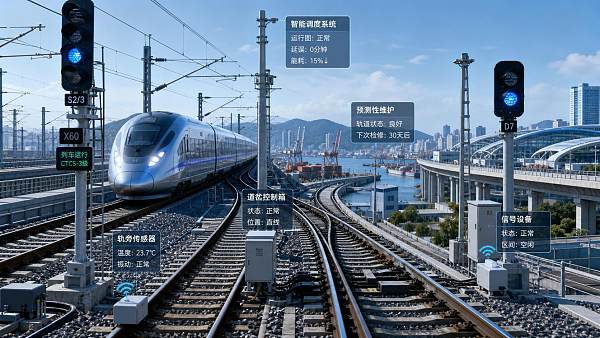
In this scenario, rail infrastructure maintenance solutions should prioritize predictive inspection, fast fault isolation, and real-time asset health visibility.
Signaling systems deserve special attention. Interlocking equipment, axle counters, track circuits, point machines, and communication links directly influence safe train movement.
A practical approach combines SIL4 safety discipline with condition-based maintenance. It reduces surprise failures while avoiding unnecessary replacement of healthy components.
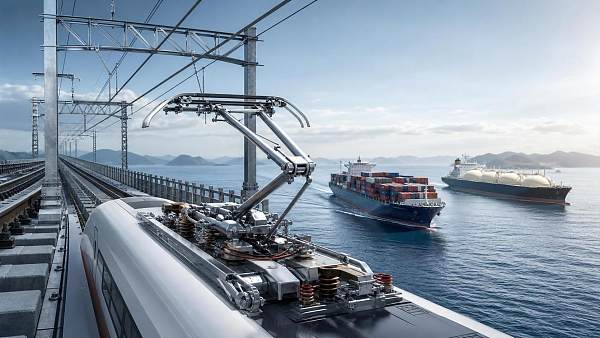
For traction power, pantograph-catenary interaction data can reveal abnormal wear, contact loss, or vibration before service disruption becomes visible.
The best rail infrastructure maintenance solutions in passenger corridors support short work windows, modular repair, and accurate prioritization by operational consequence.
Scenario Two: Freight Arteries Need Reliability Without Excessive Asset Duplication
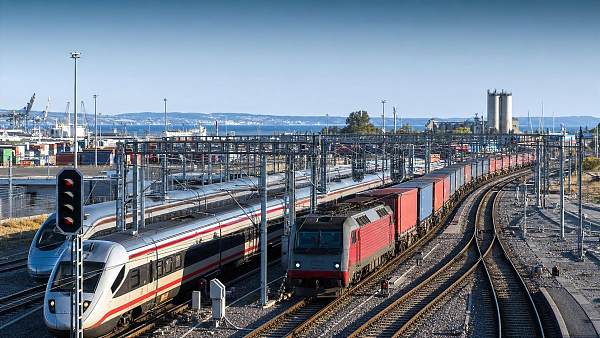
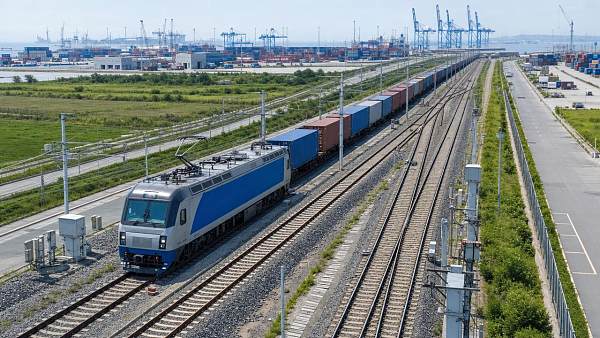
Freight corridors are judged by throughput, axle load performance, and predictable transit time. Downtime can disrupt ports, inland terminals, and industrial supply chains.
Rail infrastructure maintenance solutions for freight routes should focus on heavy-load degradation, turnout fatigue, rail wear, ballast condition, and bridge monitoring.
The maintenance question is often economic. Should a section receive intensive renewal, targeted grinding, improved drainage, or stricter load management?
Overbuilding a freight route with excessive spare tracks or early full replacement may hide weak planning rather than solve the core risk.
A better method connects tonnage data, defect records, weather exposure, and train braking behavior to define intervention timing.
Rail infrastructure maintenance solutions should also integrate terminal constraints. A repaired mainline still underperforms if yard equipment remains unreliable.
Scenario Three: Urban Rail Needs Fast Recovery and Minimal Passenger Disruption
Urban rail systems face tight access windows, dense station spacing, and strong public service expectations. Maintenance must be precise and minimally invasive.
Here, rail infrastructure maintenance solutions should support night-shift execution, compact diagnostic tools, digital work orders, and rapid verification after repair.
Common focus areas include platform screen doors, power supply equipment, communication-based train control, depot systems, and braking-related infrastructure interfaces.
The key judgment is not only technical severity. Passenger impact, interchange importance, and recovery complexity must guide maintenance priority.
For metro and light rail lines, small recurring failures often indicate process gaps. Repeated resets should not replace root-cause analysis.
Rail infrastructure maintenance solutions become stronger when defect trends are linked with station operations, rolling stock feedback, and control center incident logs.
Scenario Four: Coastal and Port-Linked Rail Needs Environmental Resilience
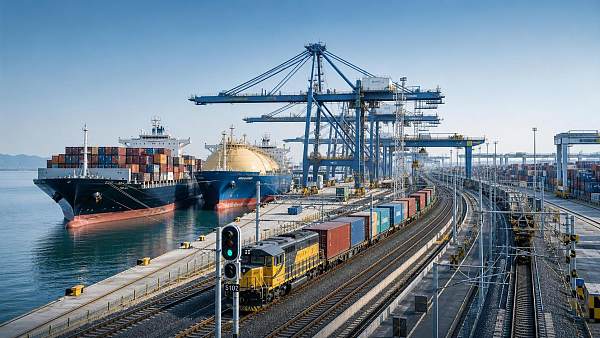
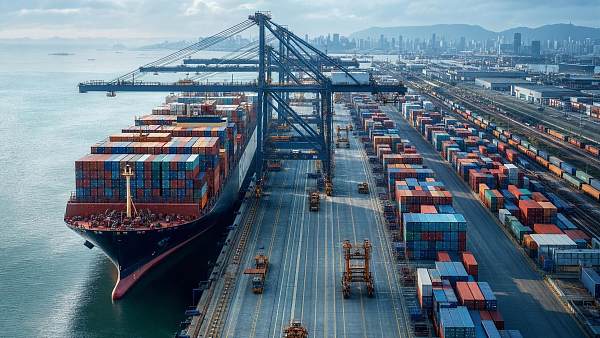
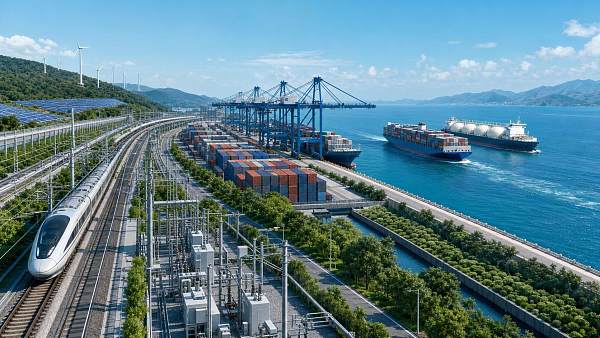
Coastal rail, port approaches, and intermodal yards face corrosion, salt spray, humidity, flooding, and heavy container handling cycles.
In these settings, rail infrastructure maintenance solutions should combine structural inspection, corrosion control, drainage management, and power equipment protection.
GTOT’s land-sea perspective is relevant here. Rail reliability and maritime logistics performance increasingly depend on the same supply chain rhythm.
A delayed rail connection can reduce container terminal efficiency. A port-side turnout failure can interrupt vessel cargo flow and inland distribution.
Maintenance planning should therefore consider port schedules, vessel peaks, customs cycles, and inland train path availability.
Rail infrastructure maintenance solutions in coastal environments should not overbuild blindly. They should harden the exact assets exposed to environmental stress.
Different Scenarios, Different Maintenance Requirements
Scenario-based planning prevents two common mistakes. One is undermaintaining critical assets. The other is overspending on assets with limited operational impact.
This comparison shows why rail infrastructure maintenance solutions must be designed around context, not copied from generic maintenance manuals.
The correct solution balances risk, access, cost, safety requirement, replacement lead time, and network consequence.
How to Adapt Rail Infrastructure Maintenance Solutions Without Overbuilding
A disciplined adaptation process starts with asset criticality. Not every component deserves the same inspection interval or redundancy strategy.
- Map assets by failure consequence, not only by age.
- Separate safety-critical systems from comfort or convenience assets.
- Use condition data before approving full replacement.
- Align maintenance windows with operational demand patterns.
- Track recurring defects across teams and subsystems.
Rail infrastructure maintenance solutions should also define clear trigger points. These include defect growth rate, failure frequency, safety margin, and service recovery time.
Digital records make these trigger points more reliable. Paper-based logs often miss patterns across signaling, power, track, and rolling stock interfaces.
Where data quality is weak, start with targeted monitoring on the most disruptive assets. Broad sensor deployment is not always the first step.
Common Misjudgments That Increase Downtime or Waste Capital
The first misjudgment is treating all failures equally. A minor component on a bottleneck section may create more damage than a larger remote defect.
The second is replacing equipment too early because inspection data is incomplete. This creates overbuilding without improving service resilience.
The third is ignoring interfaces. Track condition, braking behavior, pantograph performance, and signaling stability often influence each other.
The fourth is measuring maintenance only by task completion. Completed work does not always mean reduced risk or improved availability.
The fifth is separating rail planning from wider logistics. Intercontinental supply chains depend on synchronized land and sea performance.
Strong rail infrastructure maintenance solutions avoid these traps by linking technical evidence with operational consequences and lifecycle economics.
Turning Maintenance Intelligence Into Practical Next Steps
The next step is a scenario-based maintenance review. It should identify the assets most likely to cause downtime, safety exposure, or capacity loss.
Then, compare current maintenance effort with actual risk. Gaps will show where to intensify inspection and where to reduce unnecessary work.
Rail infrastructure maintenance solutions should finally be converted into an executable roadmap, including data upgrades, inspection rules, spares strategy, and renewal priorities.
GTOT supports this decision logic through intelligence on signaling systems, traction power, braking technologies, and land-sea infrastructure performance.
By connecting asset evidence with operational context, rail infrastructure maintenance solutions can reduce downtime without excessive capital expansion.
The most resilient networks are not always the most overbuilt. They are the ones maintained with precision, timing, and disciplined technical judgment.
Recommended News
 Jul 19, 2026Transportation Infrastructure Trends Shaping Capital Planning in 2026Transportation infrastructure trends in 2026 are reshaping capital planning across rail, ports, and shipping. Discover how resilience, automation, and digital control are driving smarter investment decisions.
 Jul 12, 2026Gas Carrier Technology in the Middle East: 2026 OutlookGas carrier technology Middle East trends for 2026: explore LNG vessel innovation, propulsion, containment, and regional yard upgrades shaping smarter energy trade decisions.
 Jul 10, 2026Commercial Shipbuilding Technology Trends Shaping Newbuild Projects in 2026Commercial shipbuilding technology is reshaping 2026 newbuild projects with smarter vessels, fuel flexibility, digital twins, and earlier compliance planning. Explore the trends driving stronger ROI.
 Jul 08, 2026Rail Transit Systems Upgrade Trends Shaping 2026 Investment PlansRail transit systems in 2026 are shifting from expansion to smarter upgrades. Explore safety, automation, energy, and digital trends shaping resilient, high-value investment plans.
 Jul 06, 2026Cryogenic Shipping Systems Manufacturer Trends Shaping 2026 Fleet UpgradesCryogenic shipping systems manufacturer trends are reshaping 2026 fleet upgrades. Explore how digital monitoring, emissions control, and safer containment can improve vessel performance.
 Jul 05, 2026Smart Shipping Solutions for Fleet Management: 2026 Trends Shaping Vessel OperationsSmart shipping solutions for fleet management are redefining vessel operations in 2026. Explore trends in integration, compliance, fuel efficiency, and resilient fleet performance.
 Jul 04, 2026Digital Marine Decarbonization Technology: What Delivers Measurable GainsDigital marine decarbonization technology helps fleets cut fuel use, improve compliance, and boost vessel efficiency with measurable, data-driven gains. Learn what truly delivers value.
 Jul 03, 2026Global Rail Infrastructure Standards: 2026 Changes to WatchGlobal rail infrastructure standards are reshaping 2026 rail projects. Discover the key compliance, interoperability, cyber, and low-carbon changes that will impact bids and investment.
 Jul 02, 2026Global Trade Logistics North America Trends to Watch in 2026Global trade logistics North America in 2026 will be shaped by rail-ocean integration, smart routing, LNG demand, and measurable resilience. Discover the trends redefining reliability and trade advantage.
 Jun 30, 2026International Shipbuilding Suppliers: 2026 Sourcing Trends and Supply Chain RisksInternational shipbuilding suppliers face new 2026 sourcing risks, from compliance and digital integration to sub-tier bottlenecks. Explore key trends shaping cost, delivery, and resilience.
 Jun 27, 2026Heavy Industry Tech Trends Reshaping Equipment Investment in 2026Heavy industry tech is reshaping 2026 equipment investment across rail and maritime systems. Explore the five trends driving safer, smarter, higher-value capital decisions.
 Jun 25, 2026Decarbonization Trends Reshaping Rail and Marine Investment in 2026Decarbonization is reshaping rail and marine investment in 2026. Discover where capital is moving, which assets gain value, and how smarter transport upgrades improve resilience.
 Jun 23, 2026Global Rail Infrastructure Trends Shaping Capacity, Funding, and Delivery TimelinesGlobal rail infrastructure trends are redefining capacity, funding, and delivery timelines. Explore how data-driven planning and system readiness shape resilient, investable rail projects.
 Jun 22, 2026Maritime Logistics Trends in 2026: Capacity Shifts, Delays, and Margin PressureMaritime logistics in 2026 faces shifting capacity, persistent delays, and rising margin pressure. Explore key risks, lane-level signals, and smarter planning strategies.
 Jun 21, 2026LNG Carriers Technology Advancements: 5 Upgrades Reshaping Fleet PerformanceLNG carriers technology advancements are reshaping fleet performance through smarter containment, dual-fuel propulsion, digital monitoring, boil-off control, and automation—see the 5 upgrades driving safer, cleaner, more profitable LNG shipping.
 Jun 20, 2026Global Supply Chain Challenges in Rail Infrastructure in 2026Global supply chain challenges in rail infrastructure are redefining 2026 project risk. Discover where delays, compliance, and sourcing pressure hit hardest—and how smarter evaluation protects cost, delivery, and performance.
 Jun 20, 2026Full Digitalization in Rail: 7 Risks to Address Before ScalingFull digitalization in rail can boost safety, maintenance, and control—but only if key risks are managed. Explore 7 critical challenges to address before scaling network-wide.
 Jun 18, 2026Maritime Logistics Trends in 2026: Where Shipping Efficiency Is MovingMaritime logistics in 2026 is driven by AI routing, port connectivity, decarbonization, and asset visibility. Discover the trends redefining shipping efficiency and resilience.
 Jun 17, 2026Transportation Infrastructure Development Trends That Matter for Long-Term PlanningTransportation infrastructure development trends are reshaping rail, ports, shipping, and LNG networks. Explore the key signals for smarter long-term planning, resilience, and investment value.
 Jun 17, 2026Railway Automation Trends Shaping Safer, Smarter Networks in 2026Railway automation in 2026 is driving safer, smarter rail networks with predictive maintenance, integrated signaling, and higher capacity. Explore the trends shaping resilient transport.
 Jun 15, 2026Decarbonization in Rail Transportation: What Cuts Emissions First?Decarbonization in rail transportation starts with the fastest wins: traction optimization, regenerative braking, smarter signalling, and retrofit upgrades that cut emissions, costs, and risk.
 Jun 14, 2026Rail Infrastructure Investment: Cost vs Long-Term ReturnRail infrastructure investment is more than upfront cost. Discover how lifecycle planning, smarter systems, and reliable rail design can deliver stronger long-term returns.
 Jun 13, 2026Advanced Ocean-Going Vessels: Key Design Shifts in 2026Advanced ocean-going vessels in 2026 are redefining shipping with AI routing, fuel-flexible propulsion, and smarter port integration. See which design shifts drive resilience, efficiency, and long-term fleet value.
 Jun 12, 2026High-Speed Rail Technology Trends Shaping 2026 ProjectsHigh-speed rail technology is reshaping 2026 projects through smarter signaling, resilient traction, precision braking, and digital monitoring. Explore the trends driving safer, scalable, bankable rail delivery.