



Search News
Industry Portal
Popular Tags
Decarbonization in Rail Transportation: 2026 Trends
Author
Time
Click Count
As 2026 approaches, decarbonization in rail transportation is moving from policy ambition to engineering execution.
Across high-speed rail, metros, and freight corridors, operators are rethinking traction power, braking efficiency, signaling, lifecycle emissions, and grid integration.
For land-based mobility, decarbonization in rail transportation now depends on electrification, intelligent control, energy storage, green procurement, and asset optimization.
What Does Decarbonization in Rail Transportation Mean in 2026?
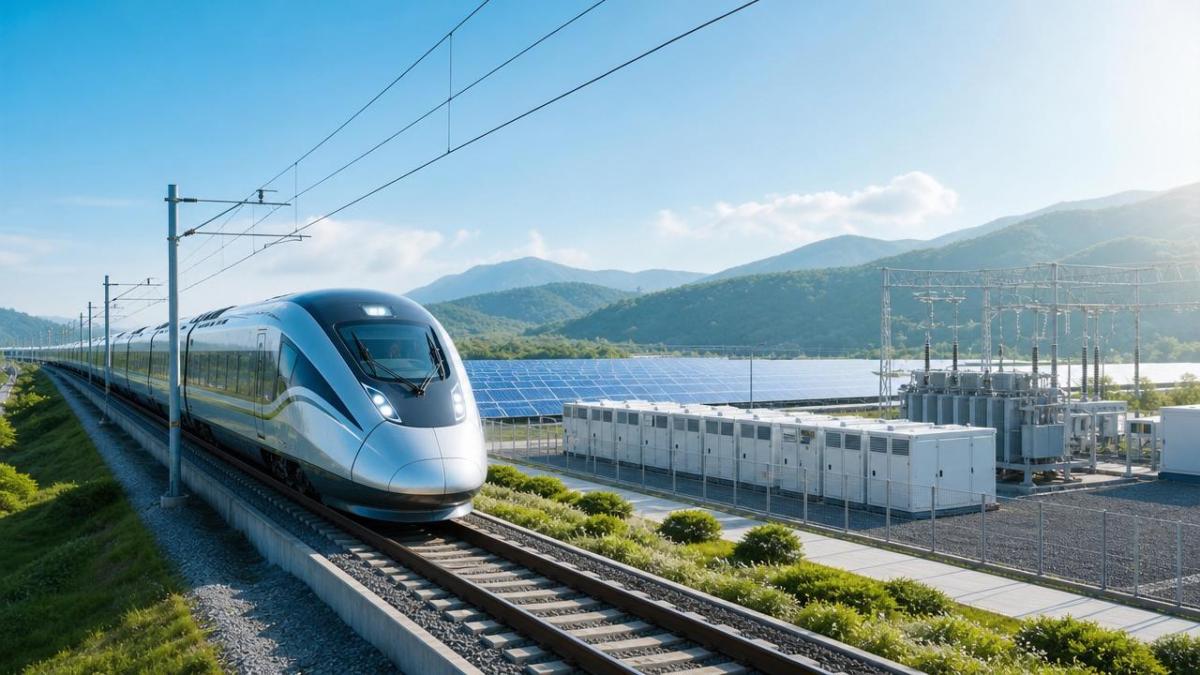
Decarbonization in rail transportation means reducing direct and indirect emissions across train operation, infrastructure, maintenance, and component supply chains.
It is no longer limited to replacing diesel locomotives with electric trains.
The 2026 discussion includes power sourcing, regenerative braking, signaling efficiency, material selection, predictive maintenance, and digital energy governance.
A fully electrified line can still carry hidden carbon if electricity comes from high-emission grids.
Therefore, decarbonization in rail transportation increasingly measures both operational carbon and embedded carbon.
Operational carbon covers traction electricity, auxiliary systems, station energy, depot activity, and emergency power.
Embedded carbon covers rails, signaling equipment, concrete, steel, onboard systems, batteries, and replacement parts.
This wider definition changes investment logic.
A braking upgrade, signaling modernization, or pantograph optimization may deliver measurable carbon savings without building new track.
Why does this definition matter?
It prevents narrow technology choices and supports whole-system decisions.
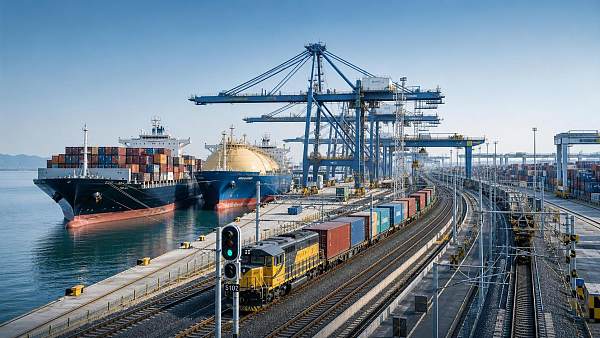
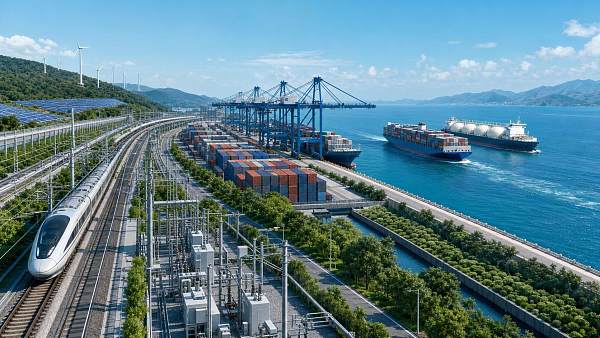
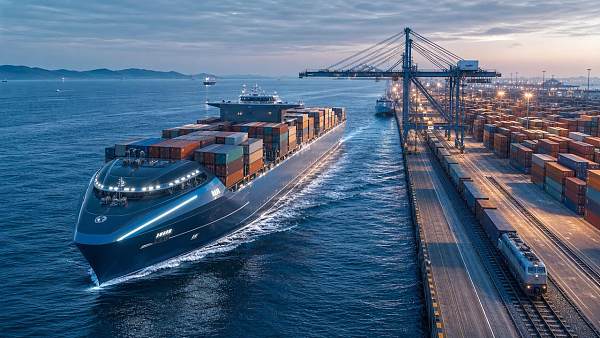
For GTOT’s land-sea intelligence perspective, rail carbon performance connects directly with freight resilience and global supply chain efficiency.
Which 2026 Trends Will Shape Rail Decarbonization Most?
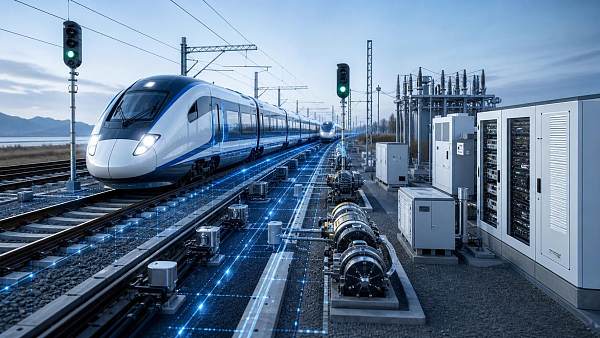
The strongest trend is smarter electrification.
Rail networks are not simply adding overhead lines; they are optimizing substations, power quality, grid exchange, and peak demand.
Decarbonization in rail transportation will also rely on more accurate energy data from trains, depots, and signaling assets.
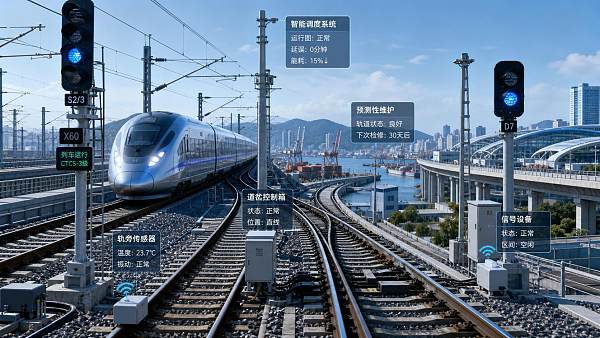
Digital signaling will become a carbon tool, not only a safety tool.
Advanced train control can reduce unnecessary braking, improve headway planning, and smooth acceleration curves.
This is especially important for dense urban corridors and high-speed lines with frequent schedule pressure.
Regenerative braking will gain new value when paired with onboard storage, wayside storage, and timetable coordination.
Without coordination, recovered energy may be wasted as heat.
With intelligent control, it can support nearby trains, station loads, or grid balancing.
- Smarter substations and power converters.
- Energy-aware signaling and automatic train operation.
- Regenerative braking with storage integration.
- Low-carbon procurement for critical components.
- Lifecycle analytics for maintenance and renewal.
Hydrogen and battery trains will remain relevant where full electrification is difficult.
However, their climate value depends on energy origin, duty cycle, charging strategy, and maintenance maturity.
Where Will Decarbonization in Rail Transportation Have the Biggest Impact?
The impact varies by rail segment, operating pattern, and existing infrastructure.
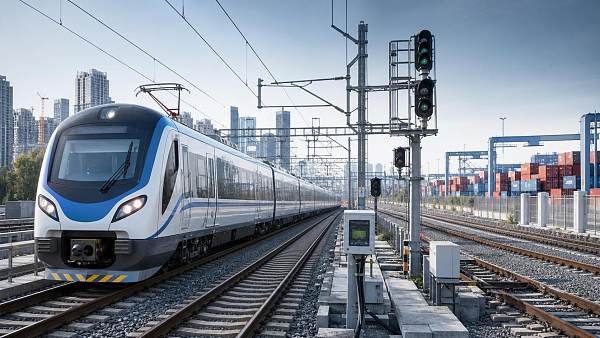
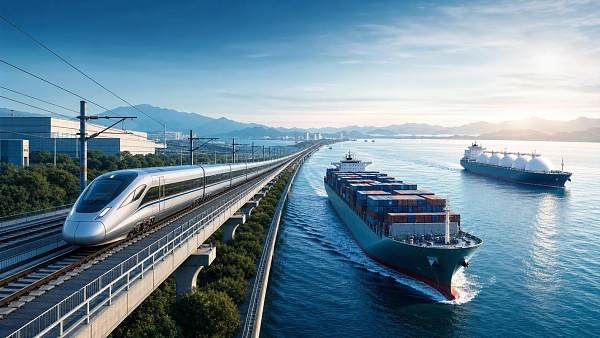
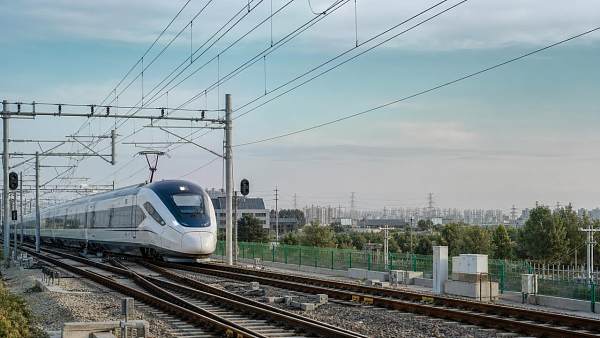
High-speed rail benefits from aerodynamic efficiency, stable pantograph contact, optimized traction, and low-carbon electricity procurement.
At speeds above 300 km/h, small energy losses become large over annual mileage.
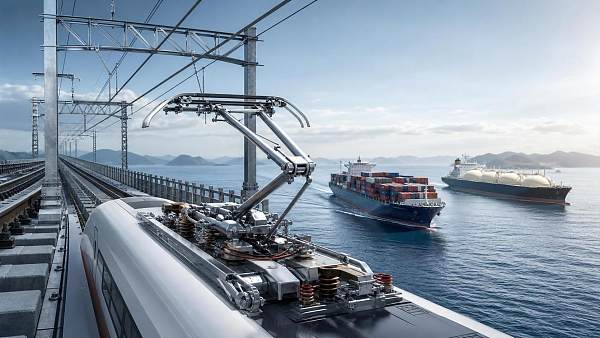
Pantographs, traction converters, and train control parameters therefore matter in decarbonization in rail transportation.
Urban transit systems gain most from regenerative braking, platform energy management, and smoother train spacing.
Metro networks brake frequently, so energy recovery can be a major lever.
Freight corridors face a different challenge.
Heavy axle loads, long distances, gradients, and diesel legacy fleets complicate rail decarbonization roadmaps.
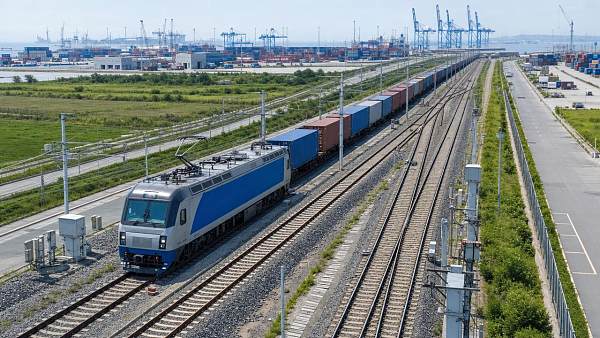
Yet freight rail has significant carbon advantage when shifted from road haulage.
The biggest gains often come from corridor electrification, terminal efficiency, and schedule reliability.
How Should Technology Choices Be Compared?
Technology selection should begin with route reality, not marketing claims.
Decarbonization in rail transportation requires matching equipment performance with gradients, stops, climate, grid access, and maintenance capacity.
Full electrification usually offers strong efficiency and mature reliability on high-use corridors.
Its weakness is upfront infrastructure cost and project complexity.
Battery trains can suit shorter non-electrified branches or last-mile gaps.
They need charging certainty, battery lifecycle planning, and safe thermal management.
Hydrogen trains can serve longer non-electrified routes when green hydrogen supply is credible.
Their challenge is fuel production, storage, refueling infrastructure, and total energy efficiency.
Hybrid approaches may bridge investment cycles.
They can reduce emissions early while waiting for grid upgrades or corridor electrification.
A practical comparison checklist
- Calculate energy use per train-kilometer and ton-kilometer.
- Check grid carbon intensity and future renewable supply.
- Measure compatibility with signaling and braking systems.
- Assess component lifecycle, spare parts, and recycling routes.
- Compare safety standards, certification burden, and depot readiness.
The best choice is usually a portfolio.
Decarbonization in rail transportation rarely depends on one technology alone.
What Risks and Misunderstandings Should Be Avoided?
The first misunderstanding is assuming electrification automatically equals zero carbon.
If grid electricity remains fossil-heavy, reported gains may be weaker than expected.
The second risk is ignoring asset interoperability.
New traction systems must work with signaling, braking, pantographs, depots, maintenance tools, and emergency procedures.
The third mistake is chasing low carbon without protecting safety margins.
Rail systems demand conservative engineering, especially under SIL4 signaling expectations and high-speed operational stress.
A fourth risk is underestimating embedded carbon.
Replacing assets too early can increase total lifecycle emissions, even if new equipment is more efficient.
Procurement language must therefore include durability, repairability, and verified environmental data.
Decarbonization in rail transportation also requires cybersecurity awareness.
Energy optimization increasingly depends on connected control systems, data platforms, and remote diagnostics.
Weak digital protection can create operational and safety exposure.
How Can Implementation Be Planned Without Disrupting Operations?
Implementation should start with a baseline carbon and energy audit.
This audit should separate traction energy, station energy, depot energy, maintenance activity, and embodied emissions.
Next, create route-level decarbonization scenarios.
Each scenario should include capital cost, operating cost, safety approval, installation windows, and expected carbon reduction.
Pilot projects should target measurable, reversible improvements first.
Examples include braking energy recovery, eco-driving algorithms, substation monitoring, and predictive component maintenance.
For deeper changes, phased delivery reduces operational risk.
Major electrification, hydrogen depots, or battery charging systems need timetable protection and contingency planning.
- Build a verified energy and emissions baseline.
- Prioritize routes by carbon impact and technical readiness.
- Select technologies using lifecycle and safety criteria.
- Run controlled pilots with transparent performance data.
- Scale upgrades through maintenance windows and renewal cycles.
This approach makes decarbonization in rail transportation practical rather than disruptive.
FAQ: Key Questions on Decarbonization in Rail Transportation
These answers show why decarbonization in rail transportation must be evidence-led.
Policy targets matter, but reliable engineering data determines execution quality.
What Is the Strategic Outlook for 2026 and Beyond?
By 2026, rail decarbonization will be judged by verified performance, not broad commitments.
Networks that combine safe automation, efficient traction, and renewable power access will move faster.
The strongest strategies will connect control systems with carbon data.
This allows each timetable, braking curve, maintenance plan, and procurement decision to support emissions reduction.
GTOT’s intelligence focus fits this transition.
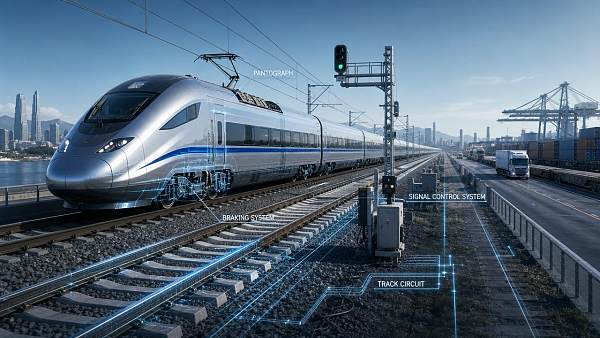
Rail signal control, pantographs, braking systems, and traction technologies are no longer isolated equipment categories.
They are core instruments for decarbonization in rail transportation and resilient land-sea logistics.
The next step is clear.
Build a route-specific emissions baseline, compare technology pathways, and prioritize upgrades that protect safety, reliability, and lifecycle value.
In 2026, decarbonization in rail transportation will reward disciplined systems thinking over isolated technology adoption.
Recommended News
 Jul 19, 2026Transportation Infrastructure Trends Shaping Capital Planning in 2026Transportation infrastructure trends in 2026 are reshaping capital planning across rail, ports, and shipping. Discover how resilience, automation, and digital control are driving smarter investment decisions.
 Jul 12, 2026Gas Carrier Technology in the Middle East: 2026 OutlookGas carrier technology Middle East trends for 2026: explore LNG vessel innovation, propulsion, containment, and regional yard upgrades shaping smarter energy trade decisions.
 Jul 10, 2026Commercial Shipbuilding Technology Trends Shaping Newbuild Projects in 2026Commercial shipbuilding technology is reshaping 2026 newbuild projects with smarter vessels, fuel flexibility, digital twins, and earlier compliance planning. Explore the trends driving stronger ROI.
 Jul 08, 2026Rail Transit Systems Upgrade Trends Shaping 2026 Investment PlansRail transit systems in 2026 are shifting from expansion to smarter upgrades. Explore safety, automation, energy, and digital trends shaping resilient, high-value investment plans.
 Jul 06, 2026Cryogenic Shipping Systems Manufacturer Trends Shaping 2026 Fleet UpgradesCryogenic shipping systems manufacturer trends are reshaping 2026 fleet upgrades. Explore how digital monitoring, emissions control, and safer containment can improve vessel performance.
 Jul 05, 2026Smart Shipping Solutions for Fleet Management: 2026 Trends Shaping Vessel OperationsSmart shipping solutions for fleet management are redefining vessel operations in 2026. Explore trends in integration, compliance, fuel efficiency, and resilient fleet performance.
 Jul 04, 2026Digital Marine Decarbonization Technology: What Delivers Measurable GainsDigital marine decarbonization technology helps fleets cut fuel use, improve compliance, and boost vessel efficiency with measurable, data-driven gains. Learn what truly delivers value.
 Jul 03, 2026Global Rail Infrastructure Standards: 2026 Changes to WatchGlobal rail infrastructure standards are reshaping 2026 rail projects. Discover the key compliance, interoperability, cyber, and low-carbon changes that will impact bids and investment.
 Jul 02, 2026Global Trade Logistics North America Trends to Watch in 2026Global trade logistics North America in 2026 will be shaped by rail-ocean integration, smart routing, LNG demand, and measurable resilience. Discover the trends redefining reliability and trade advantage.
 Jun 30, 2026International Shipbuilding Suppliers: 2026 Sourcing Trends and Supply Chain RisksInternational shipbuilding suppliers face new 2026 sourcing risks, from compliance and digital integration to sub-tier bottlenecks. Explore key trends shaping cost, delivery, and resilience.
 Jun 27, 2026Heavy Industry Tech Trends Reshaping Equipment Investment in 2026Heavy industry tech is reshaping 2026 equipment investment across rail and maritime systems. Explore the five trends driving safer, smarter, higher-value capital decisions.
 Jun 25, 2026Decarbonization Trends Reshaping Rail and Marine Investment in 2026Decarbonization is reshaping rail and marine investment in 2026. Discover where capital is moving, which assets gain value, and how smarter transport upgrades improve resilience.
 Jun 23, 2026Global Rail Infrastructure Trends Shaping Capacity, Funding, and Delivery TimelinesGlobal rail infrastructure trends are redefining capacity, funding, and delivery timelines. Explore how data-driven planning and system readiness shape resilient, investable rail projects.
 Jun 22, 2026Maritime Logistics Trends in 2026: Capacity Shifts, Delays, and Margin PressureMaritime logistics in 2026 faces shifting capacity, persistent delays, and rising margin pressure. Explore key risks, lane-level signals, and smarter planning strategies.
 Jun 21, 2026LNG Carriers Technology Advancements: 5 Upgrades Reshaping Fleet PerformanceLNG carriers technology advancements are reshaping fleet performance through smarter containment, dual-fuel propulsion, digital monitoring, boil-off control, and automation—see the 5 upgrades driving safer, cleaner, more profitable LNG shipping.
 Jun 20, 2026Global Supply Chain Challenges in Rail Infrastructure in 2026Global supply chain challenges in rail infrastructure are redefining 2026 project risk. Discover where delays, compliance, and sourcing pressure hit hardest—and how smarter evaluation protects cost, delivery, and performance.
 Jun 20, 2026Full Digitalization in Rail: 7 Risks to Address Before ScalingFull digitalization in rail can boost safety, maintenance, and control—but only if key risks are managed. Explore 7 critical challenges to address before scaling network-wide.
 Jun 18, 2026Maritime Logistics Trends in 2026: Where Shipping Efficiency Is MovingMaritime logistics in 2026 is driven by AI routing, port connectivity, decarbonization, and asset visibility. Discover the trends redefining shipping efficiency and resilience.
 Jun 17, 2026Transportation Infrastructure Development Trends That Matter for Long-Term PlanningTransportation infrastructure development trends are reshaping rail, ports, shipping, and LNG networks. Explore the key signals for smarter long-term planning, resilience, and investment value.
 Jun 17, 2026Railway Automation Trends Shaping Safer, Smarter Networks in 2026Railway automation in 2026 is driving safer, smarter rail networks with predictive maintenance, integrated signaling, and higher capacity. Explore the trends shaping resilient transport.
 Jun 15, 2026Decarbonization in Rail Transportation: What Cuts Emissions First?Decarbonization in rail transportation starts with the fastest wins: traction optimization, regenerative braking, smarter signalling, and retrofit upgrades that cut emissions, costs, and risk.
 Jun 14, 2026Rail Infrastructure Investment: Cost vs Long-Term ReturnRail infrastructure investment is more than upfront cost. Discover how lifecycle planning, smarter systems, and reliable rail design can deliver stronger long-term returns.
 Jun 13, 2026Advanced Ocean-Going Vessels: Key Design Shifts in 2026Advanced ocean-going vessels in 2026 are redefining shipping with AI routing, fuel-flexible propulsion, and smarter port integration. See which design shifts drive resilience, efficiency, and long-term fleet value.
 Jun 12, 2026High-Speed Rail Technology Trends Shaping 2026 ProjectsHigh-speed rail technology is reshaping 2026 projects through smarter signaling, resilient traction, precision braking, and digital monitoring. Explore the trends driving safer, scalable, bankable rail delivery.