



Search News
Industry Portal
Popular Tags
Global Supply Chain Challenges in Rail Infrastructure in 2026
Author
Time
Click Count
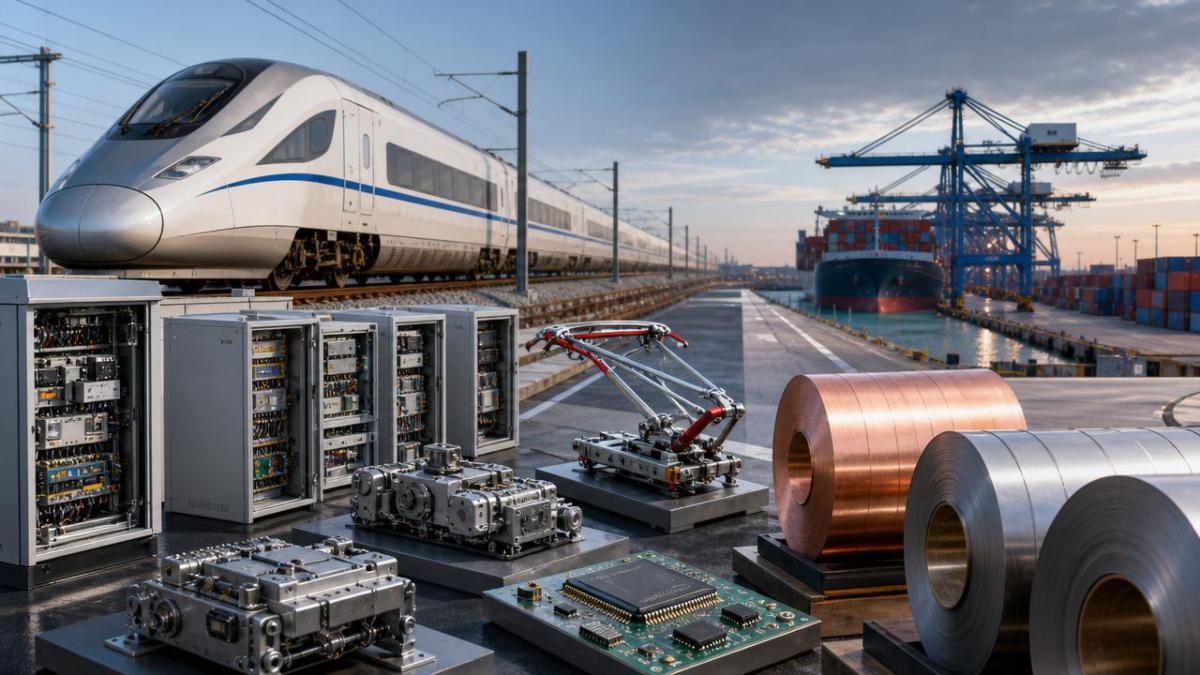
In 2026, global supply chain challenges in rail infrastructure are no longer a background issue. They shape project timing, bid pricing, compliance exposure, and lifecycle reliability. Signalling electronics, pantographs, braking modules, semiconductors, copper, forged parts, and certification documents now move through a more fragile system. For rail programs tied to ports, shipyards, and inland logistics corridors, supply volatility also affects broader intermodal performance.
This matters across the wider transport economy. GTOT tracks how rail control systems, traction equipment, and maritime logistics increasingly depend on the same upstream metals, chips, software, testing capacity, and geopolitical routes. Understanding global supply chain challenges in rail infrastructure helps improve commercial judgment before contracts, not after delays emerge.
Why a Checklist Approach Matters in 2026
Rail supply chains have become too interconnected for one-dimensional assessment. A late relay cabinet may come from a chip shortage. A pantograph delay may start with carbon strip processing, not final assembly. A braking subsystem issue may trace back to testing slots or software validation.
A checklist creates discipline. It forces commercial and technical review to examine lead times, dual-source feasibility, certification pathways, shipping lanes, and interface risk together. That is essential when evaluating global supply chain challenges in rail infrastructure under tighter delivery windows and more fragmented trade conditions.
Core Checklist for Global Supply Chain Challenges in Rail Infrastructure
- Map critical components by failure impact, not just cost, and separate safety-critical items such as interlocking units, onboard controllers, pantograph heads, and brake control electronics.
- Verify true lead times from raw material to site delivery, including foundry queues, machining, testing, software loading, export approval, and inland transport bottlenecks.
- Check single-source exposure at sub-tier level, especially for semiconductors, SIL4-certified modules, insulated gate devices, friction materials, and precision springs.
- Confirm standards alignment early, including EN, IEC, IRIS, fire safety, EMC, and country-specific railway acceptance rules that can block substitution.
- Test logistics resilience across ports, rail corridors, and customs nodes, since oversized cabinets, hazardous materials, and temperature-sensitive parts face uneven handling capacity.
- Review digital dependencies such as firmware release timing, cybersecurity documentation, remote diagnostics access, and software escrow arrangements before contract award.
- Stress-check pricing formulas against copper, aluminum, rare earths, energy, and freight volatility instead of relying on nominal fixed-price assumptions.
- Evaluate supplier localization claims carefully and distinguish final assembly localization from genuine local control over castings, electronics, testing, and spare parts support.
- Plan buffer inventory only for components with long replenishment cycles and difficult certification pathways, rather than building expensive stock across the full bill of materials.
- Audit change-control procedures so alternative materials, revised chipsets, or new software versions do not create hidden interface or recertification delays.
How the Pressure Appears in Different Rail Scenarios
High-Speed Rail Systems
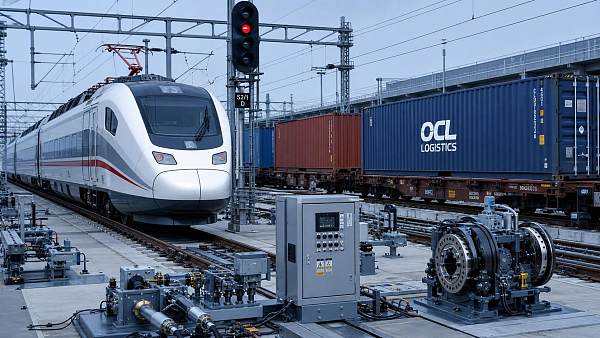
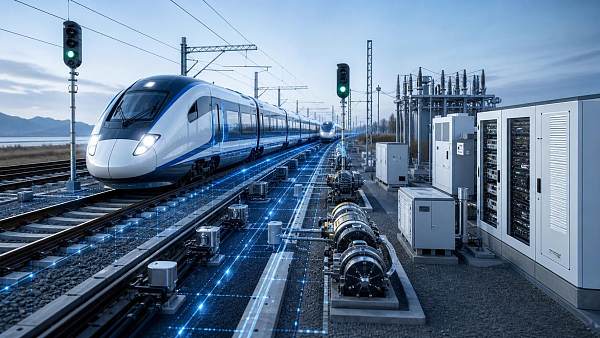
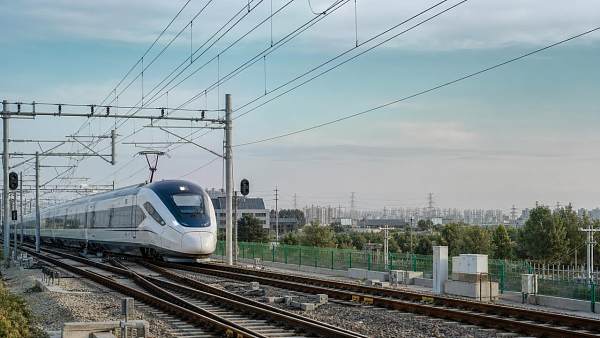
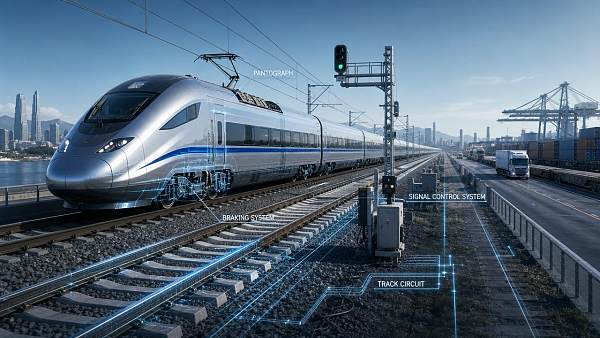
High-speed projects are highly sensitive to global supply chain challenges in rail infrastructure because performance tolerances are narrow. Pantographs, contact strips, braking software, and traction interfaces must behave consistently at very high speeds.
Even small substitutions can trigger new aerodynamic validation, wear testing, or electromagnetic compatibility review. In this segment, supply chain risk is often a technical requalification risk in disguise.
Urban Rail and Metro Expansion
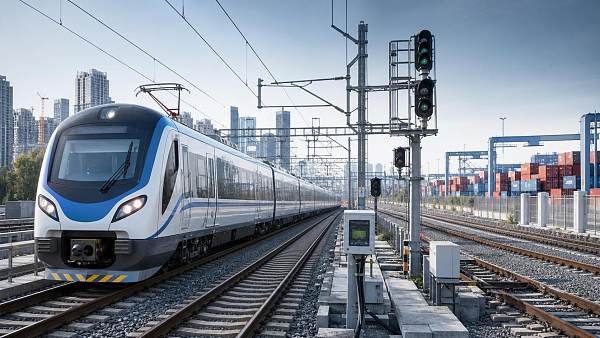
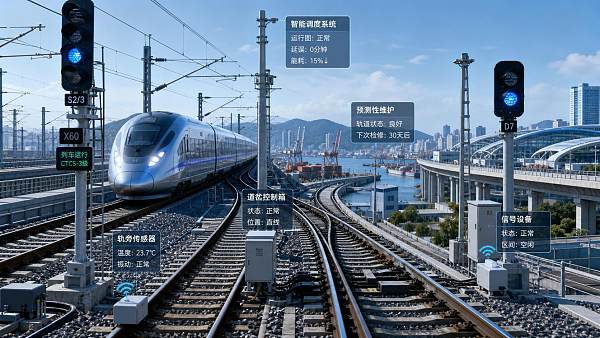
Metro programs often face compressed schedules and phased commissioning. Delays in platform signalling, axle counters, door control interfaces, or braking spares can stall revenue service readiness across multiple stations.
Urban systems also depend heavily on software integration. That makes global supply chain challenges in rail infrastructure partly about engineering bandwidth, testing windows, and document approval cycles, not only hardware delivery.
Cross-Border Freight Corridors
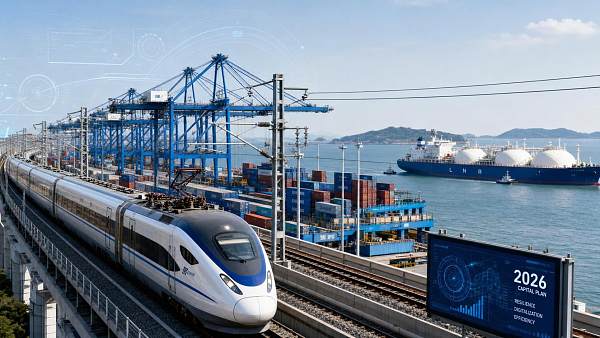
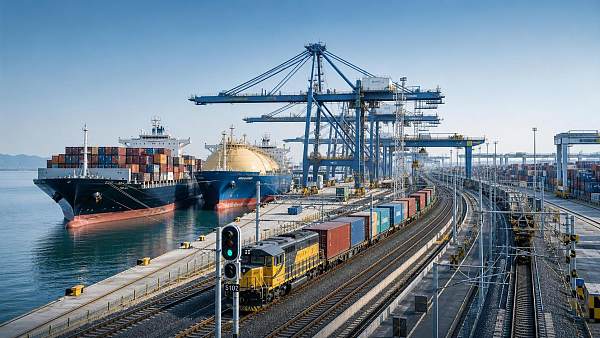
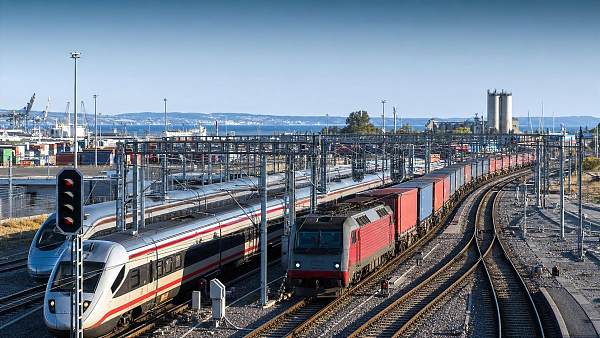
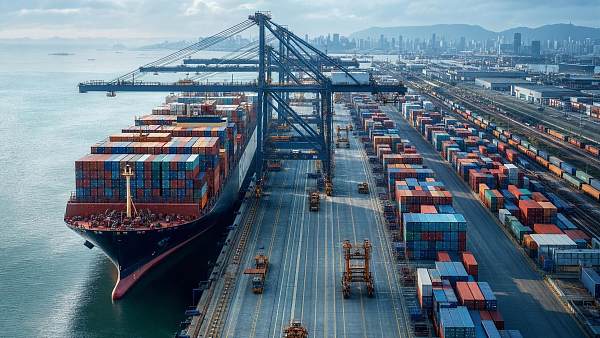
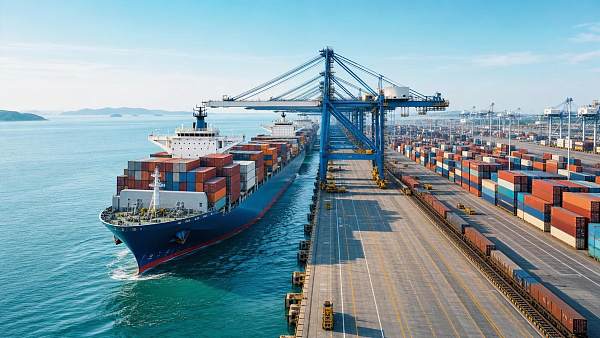
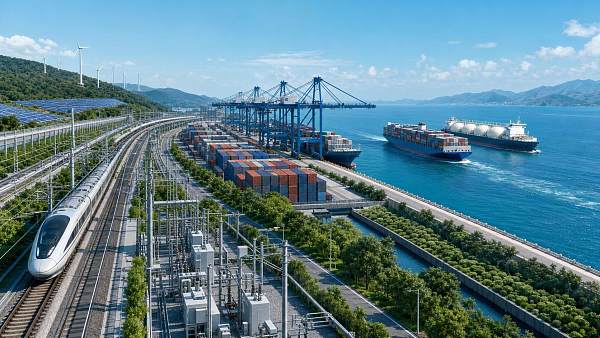
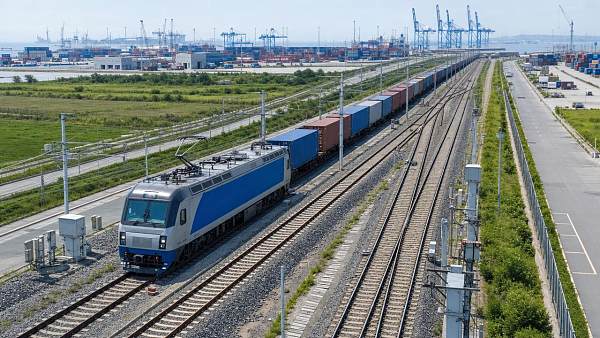
Freight corridors connect rail with ports, terminals, container flows, and energy routes. Here, disruptions in wagon braking components, signalling cabinets, cable systems, or customs-cleared spares can cascade into marine and inland logistics losses.
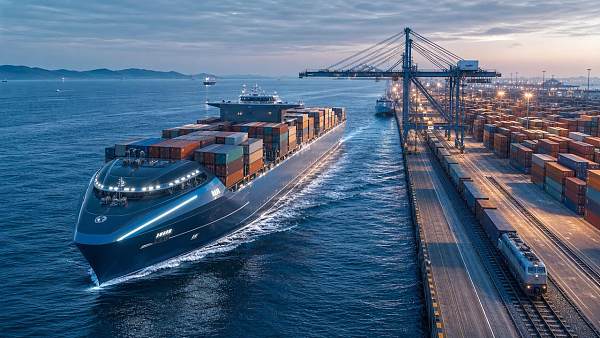
For intercontinental trade lanes, global supply chain challenges in rail infrastructure should be assessed alongside vessel schedules, port congestion, and inland terminal throughput. Land-sea interconnection is now an operational reality, not a policy slogan.
Commonly Overlooked Risks
Sub-tier certification bottlenecks
A replacement source may exist commercially but still fail schedule needs because safety validation, fire testing, or software approval cannot be repeated quickly enough.
Hidden tooling and test capacity constraints
Delivery plans often assume material availability is the main issue. In practice, test benches, climatic chambers, balancing rigs, and EMC labs can become the real gating factor.
Freight mode mismatch
Expediting by air is not always realistic. Oversized assemblies, hazardous goods classifications, and customs data errors can eliminate the assumed recovery path.
Weak spare parts planning
Projects may secure initial delivery while ignoring long-tail spare availability. That creates operational vulnerability just as assets enter service and reliability expectations rise.
Contract language that ignores supply volatility
If escalation formulas, substitution rules, and evidence standards are vague, commercial disputes appear quickly when global supply chain challenges in rail infrastructure intensify mid-project.
Practical Execution Moves
- Build a component risk register that ranks safety criticality, sourcing concentration, certification difficulty, and replenishment time on one decision sheet.
- Separate commercial lead time from engineering readiness, since a delivered component without approved software or interface validation is not truly available.
- Request evidence from sub-suppliers for chips, castings, friction materials, and harnesses instead of accepting top-level declarations at face value.
- Align rail sourcing plans with maritime and port intelligence when international cargo movement is part of the delivery path.
- Use milestone reviews tied to factory acceptance, document release, customs readiness, and spare provisioning rather than relying only on shipment dates.
Conclusion and Next Action
The central lesson of 2026 is clear: global supply chain challenges in rail infrastructure are now strategic, technical, and contractual at the same time. They affect signalling reliability, braking safety, pantograph performance, and the economics of cross-border rail investment.
A disciplined checklist improves visibility before exposure grows. Start by identifying critical components, validating sub-tier realities, checking certification barriers, and linking rail sourcing analysis with wider land-sea logistics intelligence. Better decisions begin with sharper supply chain diagnosis.
Recommended News
 Jul 19, 2026Transportation Infrastructure Trends Shaping Capital Planning in 2026Transportation infrastructure trends in 2026 are reshaping capital planning across rail, ports, and shipping. Discover how resilience, automation, and digital control are driving smarter investment decisions.
 Jul 12, 2026Gas Carrier Technology in the Middle East: 2026 OutlookGas carrier technology Middle East trends for 2026: explore LNG vessel innovation, propulsion, containment, and regional yard upgrades shaping smarter energy trade decisions.
 Jul 10, 2026Commercial Shipbuilding Technology Trends Shaping Newbuild Projects in 2026Commercial shipbuilding technology is reshaping 2026 newbuild projects with smarter vessels, fuel flexibility, digital twins, and earlier compliance planning. Explore the trends driving stronger ROI.
 Jul 08, 2026Rail Transit Systems Upgrade Trends Shaping 2026 Investment PlansRail transit systems in 2026 are shifting from expansion to smarter upgrades. Explore safety, automation, energy, and digital trends shaping resilient, high-value investment plans.
 Jul 06, 2026Cryogenic Shipping Systems Manufacturer Trends Shaping 2026 Fleet UpgradesCryogenic shipping systems manufacturer trends are reshaping 2026 fleet upgrades. Explore how digital monitoring, emissions control, and safer containment can improve vessel performance.
 Jul 05, 2026Smart Shipping Solutions for Fleet Management: 2026 Trends Shaping Vessel OperationsSmart shipping solutions for fleet management are redefining vessel operations in 2026. Explore trends in integration, compliance, fuel efficiency, and resilient fleet performance.
 Jul 04, 2026Digital Marine Decarbonization Technology: What Delivers Measurable GainsDigital marine decarbonization technology helps fleets cut fuel use, improve compliance, and boost vessel efficiency with measurable, data-driven gains. Learn what truly delivers value.
 Jul 03, 2026Global Rail Infrastructure Standards: 2026 Changes to WatchGlobal rail infrastructure standards are reshaping 2026 rail projects. Discover the key compliance, interoperability, cyber, and low-carbon changes that will impact bids and investment.
 Jul 02, 2026Global Trade Logistics North America Trends to Watch in 2026Global trade logistics North America in 2026 will be shaped by rail-ocean integration, smart routing, LNG demand, and measurable resilience. Discover the trends redefining reliability and trade advantage.
 Jun 30, 2026International Shipbuilding Suppliers: 2026 Sourcing Trends and Supply Chain RisksInternational shipbuilding suppliers face new 2026 sourcing risks, from compliance and digital integration to sub-tier bottlenecks. Explore key trends shaping cost, delivery, and resilience.
 Jun 27, 2026Heavy Industry Tech Trends Reshaping Equipment Investment in 2026Heavy industry tech is reshaping 2026 equipment investment across rail and maritime systems. Explore the five trends driving safer, smarter, higher-value capital decisions.
 Jun 25, 2026Decarbonization Trends Reshaping Rail and Marine Investment in 2026Decarbonization is reshaping rail and marine investment in 2026. Discover where capital is moving, which assets gain value, and how smarter transport upgrades improve resilience.
 Jun 23, 2026Global Rail Infrastructure Trends Shaping Capacity, Funding, and Delivery TimelinesGlobal rail infrastructure trends are redefining capacity, funding, and delivery timelines. Explore how data-driven planning and system readiness shape resilient, investable rail projects.
 Jun 22, 2026Maritime Logistics Trends in 2026: Capacity Shifts, Delays, and Margin PressureMaritime logistics in 2026 faces shifting capacity, persistent delays, and rising margin pressure. Explore key risks, lane-level signals, and smarter planning strategies.
 Jun 21, 2026LNG Carriers Technology Advancements: 5 Upgrades Reshaping Fleet PerformanceLNG carriers technology advancements are reshaping fleet performance through smarter containment, dual-fuel propulsion, digital monitoring, boil-off control, and automation—see the 5 upgrades driving safer, cleaner, more profitable LNG shipping.
 Jun 20, 2026Global Supply Chain Challenges in Rail Infrastructure in 2026Global supply chain challenges in rail infrastructure are redefining 2026 project risk. Discover where delays, compliance, and sourcing pressure hit hardest—and how smarter evaluation protects cost, delivery, and performance.
 Jun 20, 2026Full Digitalization in Rail: 7 Risks to Address Before ScalingFull digitalization in rail can boost safety, maintenance, and control—but only if key risks are managed. Explore 7 critical challenges to address before scaling network-wide.
 Jun 18, 2026Maritime Logistics Trends in 2026: Where Shipping Efficiency Is MovingMaritime logistics in 2026 is driven by AI routing, port connectivity, decarbonization, and asset visibility. Discover the trends redefining shipping efficiency and resilience.
 Jun 17, 2026Transportation Infrastructure Development Trends That Matter for Long-Term PlanningTransportation infrastructure development trends are reshaping rail, ports, shipping, and LNG networks. Explore the key signals for smarter long-term planning, resilience, and investment value.
 Jun 17, 2026Railway Automation Trends Shaping Safer, Smarter Networks in 2026Railway automation in 2026 is driving safer, smarter rail networks with predictive maintenance, integrated signaling, and higher capacity. Explore the trends shaping resilient transport.
 Jun 15, 2026Decarbonization in Rail Transportation: What Cuts Emissions First?Decarbonization in rail transportation starts with the fastest wins: traction optimization, regenerative braking, smarter signalling, and retrofit upgrades that cut emissions, costs, and risk.
 Jun 14, 2026Rail Infrastructure Investment: Cost vs Long-Term ReturnRail infrastructure investment is more than upfront cost. Discover how lifecycle planning, smarter systems, and reliable rail design can deliver stronger long-term returns.
 Jun 13, 2026Advanced Ocean-Going Vessels: Key Design Shifts in 2026Advanced ocean-going vessels in 2026 are redefining shipping with AI routing, fuel-flexible propulsion, and smarter port integration. See which design shifts drive resilience, efficiency, and long-term fleet value.
 Jun 12, 2026High-Speed Rail Technology Trends Shaping 2026 ProjectsHigh-speed rail technology is reshaping 2026 projects through smarter signaling, resilient traction, precision braking, and digital monitoring. Explore the trends driving safer, scalable, bankable rail delivery.