



Search News
Industry Portal
Popular Tags
Global Supply Chain Optimization for Intermodal Transportation: Key 2026 Shifts
Author
Time
Click Count
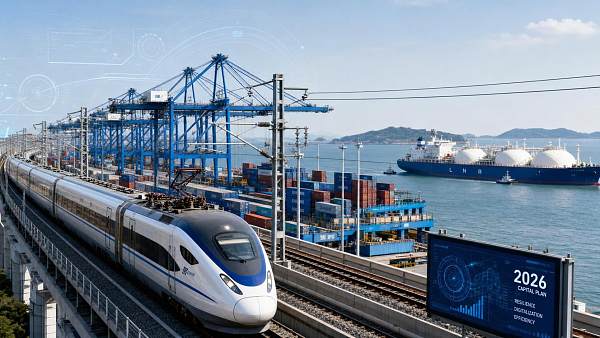
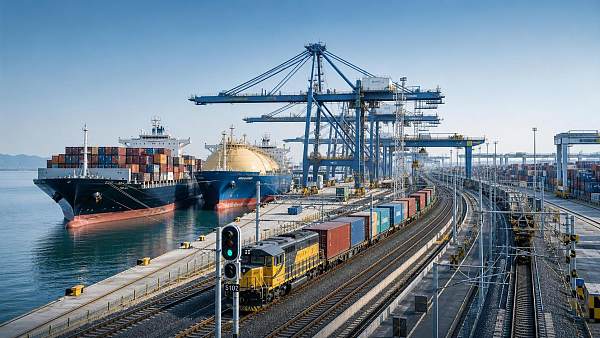
As trade lanes, energy flows, and rail-sea coordination become more complex, global supply chain optimization for intermodal transportation is becoming a defining priority for 2026 planning.
The topic now reaches beyond freight scheduling. It includes control systems, vessel intelligence, traction reliability, braking precision, LNG logistics, and cross-border data alignment.
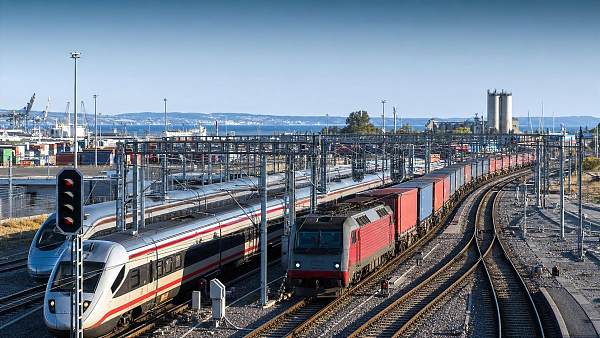
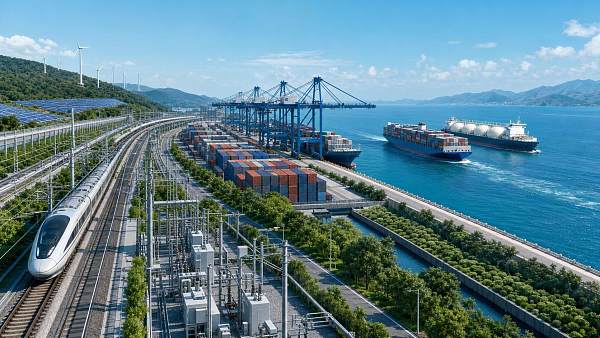
For integrated transport networks, success depends on linking rail corridors, port operations, maritime assets, and strategic intelligence into one visible operating framework.
That is why global supply chain optimization for intermodal transportation matters to both infrastructure decisions and daily operational resilience.
Foundational Meaning of Intermodal Optimization in 2026
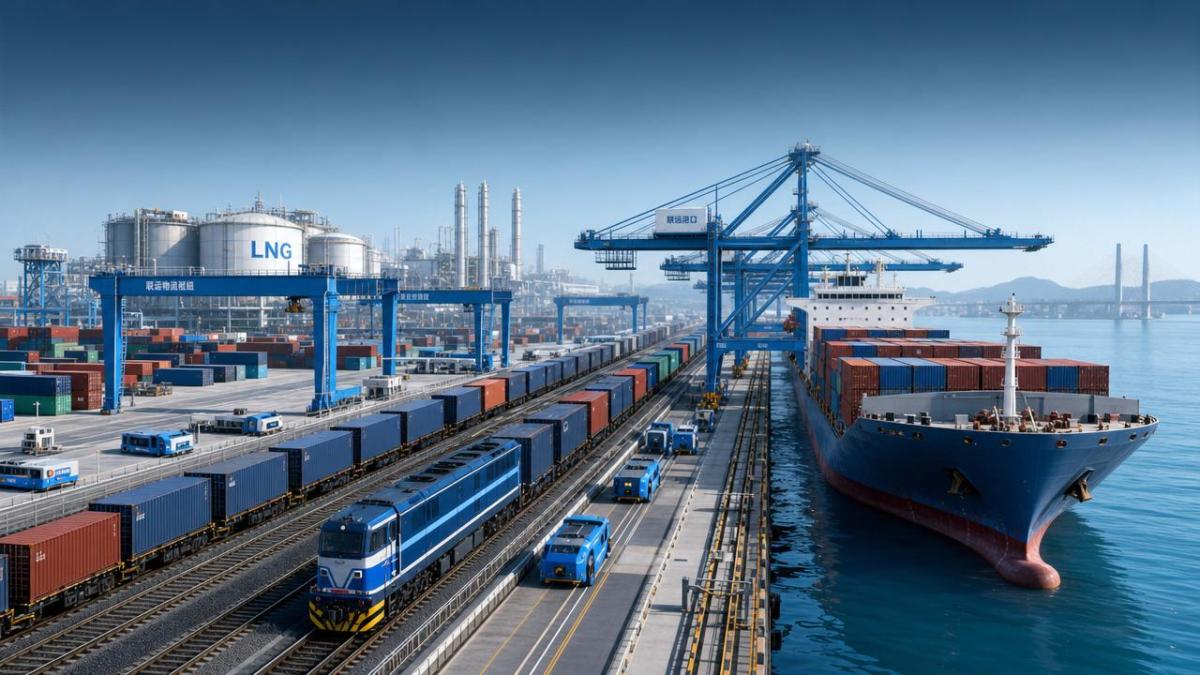
Global supply chain optimization for intermodal transportation refers to improving the full journey of cargo across rail, port, ocean, and inland transfer points.
It is not only about moving faster. It is about reducing friction between systems that were often planned, measured, and upgraded separately.
In 2026, the best frameworks combine physical assets and digital coordination. They connect signalling logic, energy use, fleet routing, safety systems, and customs visibility.
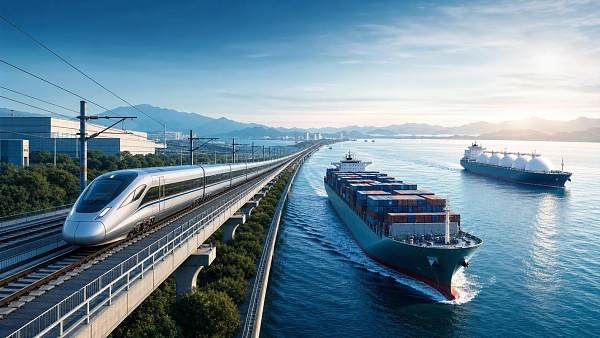
This broader view is especially relevant where high-speed rail assets, smart container ships, and LNG carriers influence trade continuity and energy security together.
Core elements behind the concept
- Network visibility across rail terminals, ports, and sea lanes
- Standardized operational data and event timing
- Reliable traction power and braking performance
- Smart route planning for vessel and rail synchronization
- Safety-led control systems with high integrity standards
When these elements work together, global supply chain optimization for intermodal transportation shifts from theory into measurable performance improvement.
Key 2026 Shifts Reshaping Industry Priorities
Several structural changes are redefining how enterprises evaluate land-sea transport performance. The most important shifts are operational, technological, and geopolitical at the same time.
1. From modal efficiency to corridor efficiency
Rail may perform well alone, and shipping may perform well alone, yet the corridor still fails if transfer timing breaks down.
In 2026, corridor-level optimization is replacing isolated modal benchmarking. This is central to global supply chain optimization for intermodal transportation.
2. Data trust is becoming an infrastructure layer
Event accuracy now matters as much as transport capacity. Poor timestamp quality can distort ETA calculations, berth allocation, and rail dispatch decisions.
Organizations are investing in control-grade data discipline, not just dashboards.
3. Safety systems are moving into commercial strategy
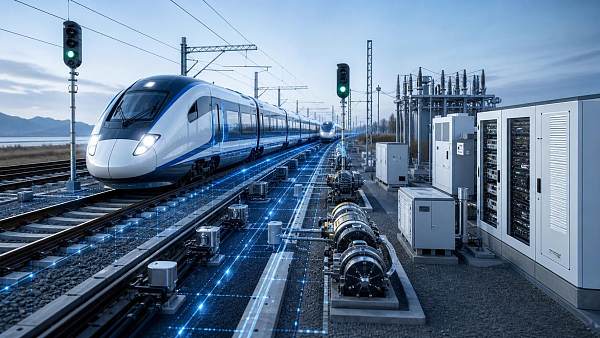
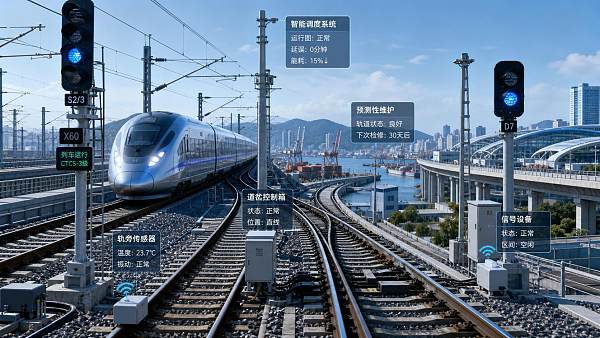
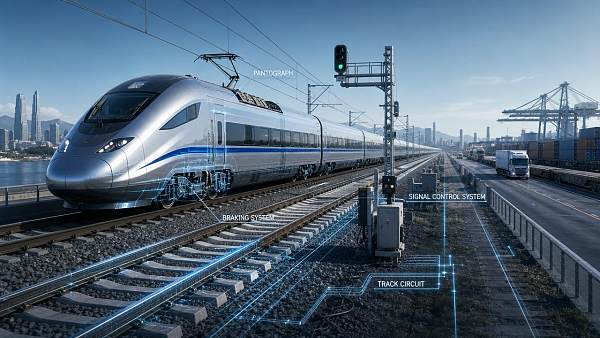
Railway signal control systems, SIL4 logic, stable pantographs, and advanced braking systems now shape service reliability and tender credibility.
For intermodal networks, safety performance increasingly supports asset utilization and insurance confidence.
4. Smart maritime assets are driving inland change
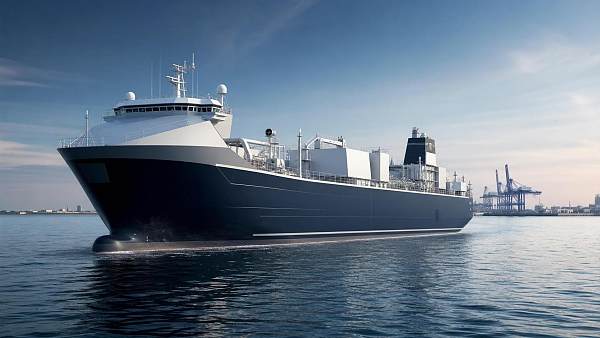
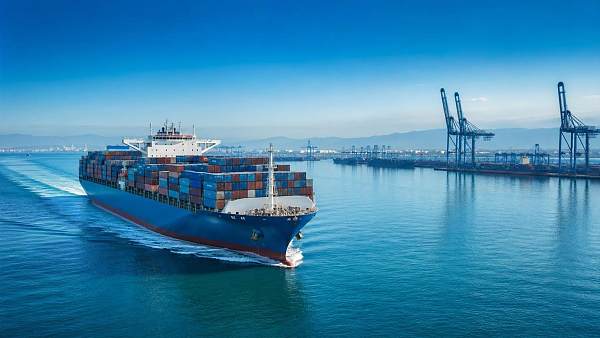
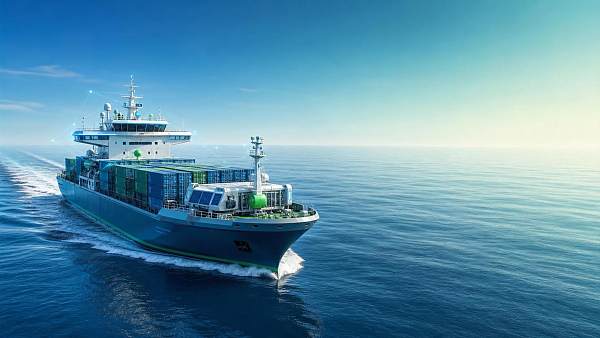
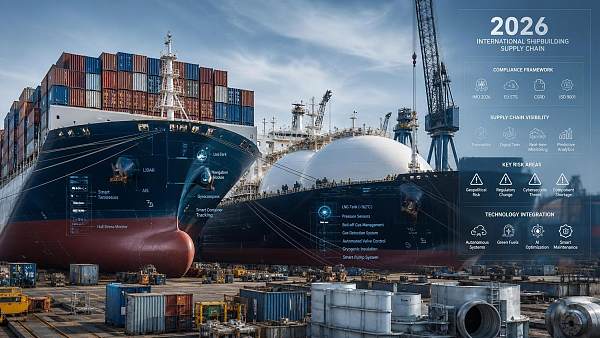
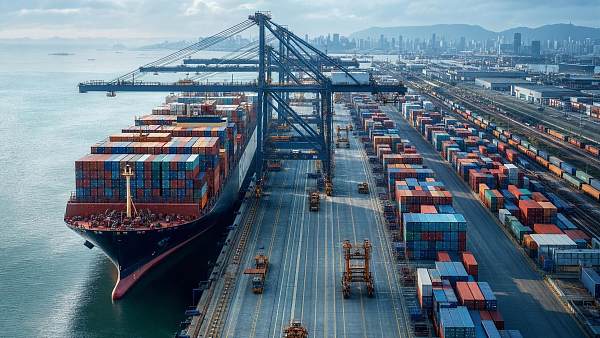
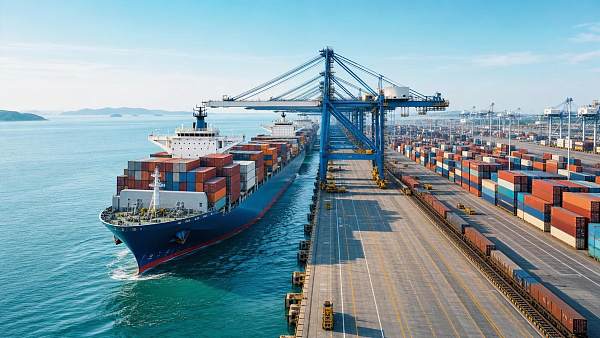
Smart container ships do more than improve voyage planning. Their data streams influence yard sequencing, container release timing, and onward rail slot management.
This directly advances global supply chain optimization for intermodal transportation.
5. Energy security is shaping freight design
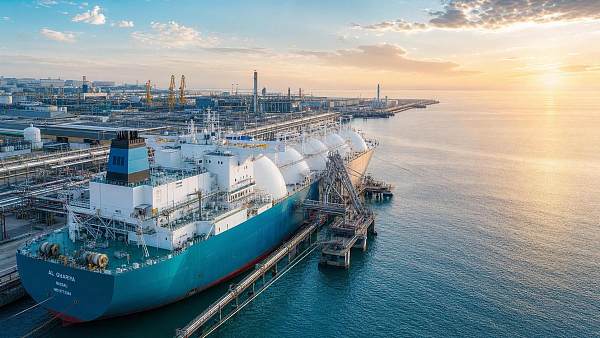
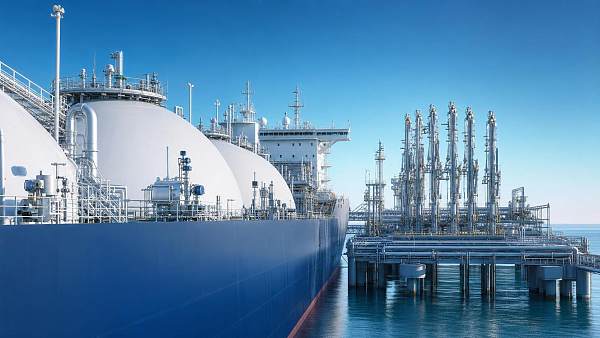
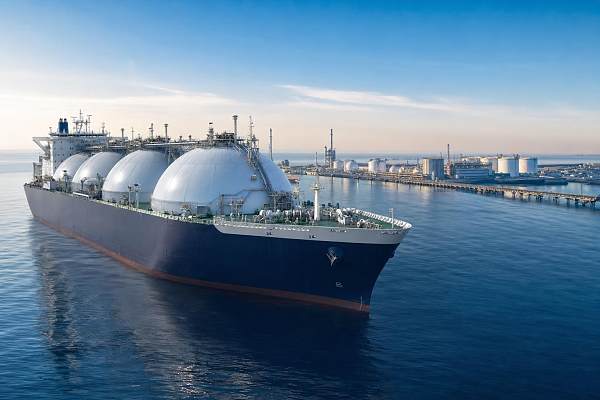
LNG carriers and dual-fuel vessel strategies are affecting port infrastructure priorities, scheduling discipline, and emissions pathways across entire supply chains.
Priority signals for 2026
Business Value Across Rail, Port, and Maritime Networks
The business case for global supply chain optimization for intermodal transportation is strongest where technical reliability and commercial continuity intersect.
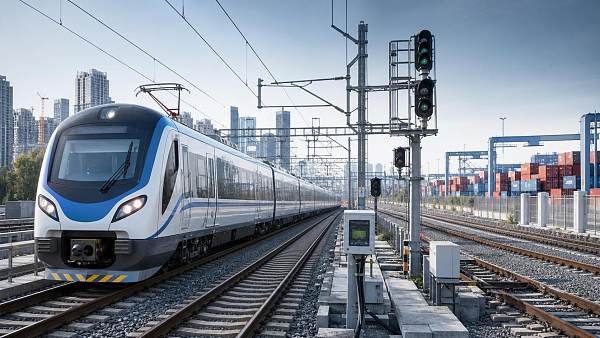
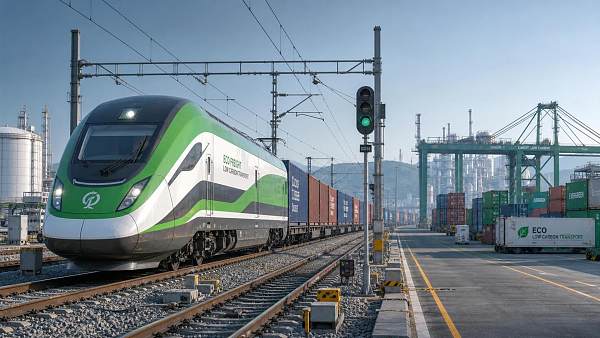
For rail networks, stronger signalling architecture reduces conflict, improves throughput, and supports dense automation under strict safety conditions.
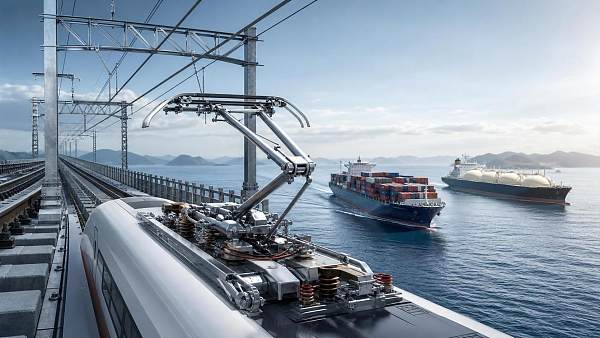
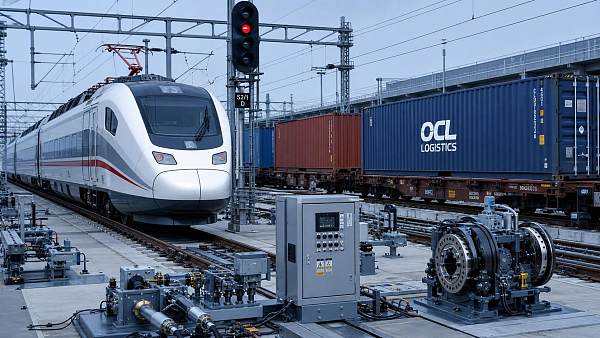
For high-speed and urban traction, pantograph stability protects continuous power collection under vibration, wind resistance, and elevated operational stress.
For braking systems, precision stopping protects timetable accuracy, energy control, and asset safety in mixed-load environments.
For smart container ships, AI-assisted routing and ship-to-shore synchronization reduce idle time and increase cargo flow transparency.
For LNG carriers, containment integrity and cryogenic performance support dependable energy movement across sensitive global corridors.
These advantages matter because intermodal performance is often limited by the weakest technical link, not the strongest individual asset.
Where value becomes visible
- Lower dwell time at transfer nodes
- Better ETA reliability across rail-sea combinations
- Reduced disruption from equipment failure
- Higher tender competitiveness through technical credibility
- Improved emissions performance through smarter routing and energy use
Typical Intermodal Scenarios and Asset Categories
The most useful approach is to map optimization by scenario. Different corridors require different technical priorities and operating logic.
In each scenario, global supply chain optimization for intermodal transportation requires a balance between asset engineering and decision intelligence.
This is where a strategic intelligence center becomes valuable. It connects market shifts with component performance, investment timing, and corridor risk evaluation.
Practical Guidance for Implementation and Risk Control
Execution should begin with operational bottlenecks, not with software procurement alone. Effective global supply chain optimization for intermodal transportation follows a staged path.
- Map transfer delays across rail, port, and sea interfaces.
- Validate data quality from control systems and logistics platforms.
- Prioritize high-impact assets with recurring failure or timing variance.
- Create common performance metrics for corridor visibility.
- Test predictive rules before scaling automated decision workflows.
Important cautions
- Do not separate safety engineering from logistics optimization.
- Do not assume vessel intelligence alone solves inland constraints.
- Do not ignore maintenance data from pantographs and braking systems.
- Do not scale across borders without data governance discipline.
The strongest programs combine technical depth with macro-transport insight. That includes rail signalling trends, cryogenic shipping evolution, and changing shipbuilding cycles.
With that perspective, organizations can make better choices on infrastructure timing, component selection, and corridor expansion.
Strategic Next Steps for 2026 Readiness
Global supply chain optimization for intermodal transportation will define which networks remain resilient under volatility and which ones absorb avoidable cost.
The next step is to assess where land-sea coordination currently loses time, data trust, or technical stability.
Then align those findings with asset intelligence from railway control systems, traction components, braking technologies, smart vessels, and LNG transport engineering.
A disciplined review of corridor performance, equipment reliability, and cross-border visibility can turn global supply chain optimization for intermodal transportation into a practical 2026 advantage.
For enterprises tracking rail-sea interconnection, GTOT offers a focused lens on the technologies and signals shaping that transition.
Recommended News
 Jul 19, 2026Transportation Infrastructure Trends Shaping Capital Planning in 2026Transportation infrastructure trends in 2026 are reshaping capital planning across rail, ports, and shipping. Discover how resilience, automation, and digital control are driving smarter investment decisions.
 Jul 12, 2026Gas Carrier Technology in the Middle East: 2026 OutlookGas carrier technology Middle East trends for 2026: explore LNG vessel innovation, propulsion, containment, and regional yard upgrades shaping smarter energy trade decisions.
 Jul 10, 2026Commercial Shipbuilding Technology Trends Shaping Newbuild Projects in 2026Commercial shipbuilding technology is reshaping 2026 newbuild projects with smarter vessels, fuel flexibility, digital twins, and earlier compliance planning. Explore the trends driving stronger ROI.
 Jul 08, 2026Rail Transit Systems Upgrade Trends Shaping 2026 Investment PlansRail transit systems in 2026 are shifting from expansion to smarter upgrades. Explore safety, automation, energy, and digital trends shaping resilient, high-value investment plans.
 Jul 06, 2026Cryogenic Shipping Systems Manufacturer Trends Shaping 2026 Fleet UpgradesCryogenic shipping systems manufacturer trends are reshaping 2026 fleet upgrades. Explore how digital monitoring, emissions control, and safer containment can improve vessel performance.
 Jul 05, 2026Smart Shipping Solutions for Fleet Management: 2026 Trends Shaping Vessel OperationsSmart shipping solutions for fleet management are redefining vessel operations in 2026. Explore trends in integration, compliance, fuel efficiency, and resilient fleet performance.
 Jul 04, 2026Digital Marine Decarbonization Technology: What Delivers Measurable GainsDigital marine decarbonization technology helps fleets cut fuel use, improve compliance, and boost vessel efficiency with measurable, data-driven gains. Learn what truly delivers value.
 Jul 03, 2026Global Rail Infrastructure Standards: 2026 Changes to WatchGlobal rail infrastructure standards are reshaping 2026 rail projects. Discover the key compliance, interoperability, cyber, and low-carbon changes that will impact bids and investment.
 Jul 02, 2026Global Trade Logistics North America Trends to Watch in 2026Global trade logistics North America in 2026 will be shaped by rail-ocean integration, smart routing, LNG demand, and measurable resilience. Discover the trends redefining reliability and trade advantage.
 Jun 30, 2026International Shipbuilding Suppliers: 2026 Sourcing Trends and Supply Chain RisksInternational shipbuilding suppliers face new 2026 sourcing risks, from compliance and digital integration to sub-tier bottlenecks. Explore key trends shaping cost, delivery, and resilience.
 Jun 27, 2026Heavy Industry Tech Trends Reshaping Equipment Investment in 2026Heavy industry tech is reshaping 2026 equipment investment across rail and maritime systems. Explore the five trends driving safer, smarter, higher-value capital decisions.
 Jun 25, 2026Decarbonization Trends Reshaping Rail and Marine Investment in 2026Decarbonization is reshaping rail and marine investment in 2026. Discover where capital is moving, which assets gain value, and how smarter transport upgrades improve resilience.
 Jun 23, 2026Global Rail Infrastructure Trends Shaping Capacity, Funding, and Delivery TimelinesGlobal rail infrastructure trends are redefining capacity, funding, and delivery timelines. Explore how data-driven planning and system readiness shape resilient, investable rail projects.
 Jun 22, 2026Maritime Logistics Trends in 2026: Capacity Shifts, Delays, and Margin PressureMaritime logistics in 2026 faces shifting capacity, persistent delays, and rising margin pressure. Explore key risks, lane-level signals, and smarter planning strategies.
 Jun 21, 2026LNG Carriers Technology Advancements: 5 Upgrades Reshaping Fleet PerformanceLNG carriers technology advancements are reshaping fleet performance through smarter containment, dual-fuel propulsion, digital monitoring, boil-off control, and automation—see the 5 upgrades driving safer, cleaner, more profitable LNG shipping.
 Jun 20, 2026Global Supply Chain Challenges in Rail Infrastructure in 2026Global supply chain challenges in rail infrastructure are redefining 2026 project risk. Discover where delays, compliance, and sourcing pressure hit hardest—and how smarter evaluation protects cost, delivery, and performance.
 Jun 20, 2026Full Digitalization in Rail: 7 Risks to Address Before ScalingFull digitalization in rail can boost safety, maintenance, and control—but only if key risks are managed. Explore 7 critical challenges to address before scaling network-wide.
 Jun 18, 2026Maritime Logistics Trends in 2026: Where Shipping Efficiency Is MovingMaritime logistics in 2026 is driven by AI routing, port connectivity, decarbonization, and asset visibility. Discover the trends redefining shipping efficiency and resilience.
 Jun 17, 2026Transportation Infrastructure Development Trends That Matter for Long-Term PlanningTransportation infrastructure development trends are reshaping rail, ports, shipping, and LNG networks. Explore the key signals for smarter long-term planning, resilience, and investment value.
 Jun 17, 2026Railway Automation Trends Shaping Safer, Smarter Networks in 2026Railway automation in 2026 is driving safer, smarter rail networks with predictive maintenance, integrated signaling, and higher capacity. Explore the trends shaping resilient transport.
 Jun 15, 2026Decarbonization in Rail Transportation: What Cuts Emissions First?Decarbonization in rail transportation starts with the fastest wins: traction optimization, regenerative braking, smarter signalling, and retrofit upgrades that cut emissions, costs, and risk.
 Jun 14, 2026Rail Infrastructure Investment: Cost vs Long-Term ReturnRail infrastructure investment is more than upfront cost. Discover how lifecycle planning, smarter systems, and reliable rail design can deliver stronger long-term returns.
 Jun 13, 2026Advanced Ocean-Going Vessels: Key Design Shifts in 2026Advanced ocean-going vessels in 2026 are redefining shipping with AI routing, fuel-flexible propulsion, and smarter port integration. See which design shifts drive resilience, efficiency, and long-term fleet value.
 Jun 12, 2026High-Speed Rail Technology Trends Shaping 2026 ProjectsHigh-speed rail technology is reshaping 2026 projects through smarter signaling, resilient traction, precision braking, and digital monitoring. Explore the trends driving safer, scalable, bankable rail delivery.