



Search News
Industry Portal
Popular Tags
Smart Maritime Logistics Trends Reshaping Port Coordination
Author
Time
Click Count
Smart maritime logistics is rapidly redefining how ports coordinate vessels, cargo flows, and inland connections under rising pressure for speed, visibility, and resilience. For engineering-led transport networks, the issue is no longer whether to digitalize, but how to align terminal systems, vessel data, rail links, yard operations, and decision timing into one workable operating model.
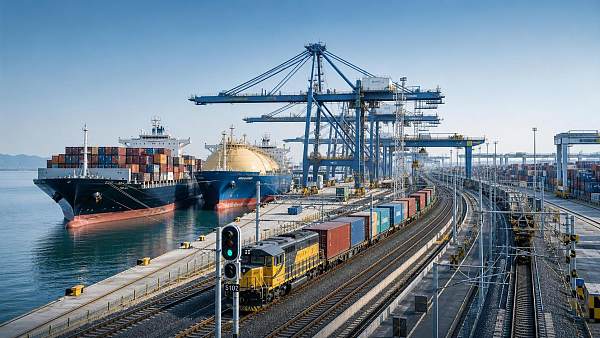
As shipping cycles become less predictable, smart maritime logistics now sits at the center of port coordination strategy. It affects berth planning, crane productivity, energy use, customs flow, and inland dispatch. For platforms such as GTOT, which observe both advanced rail systems and smart vessels, the biggest shift is clear: port efficiency now depends on land-sea data continuity, not isolated equipment performance.
Why Smart Maritime Logistics Needs a Checklist Approach
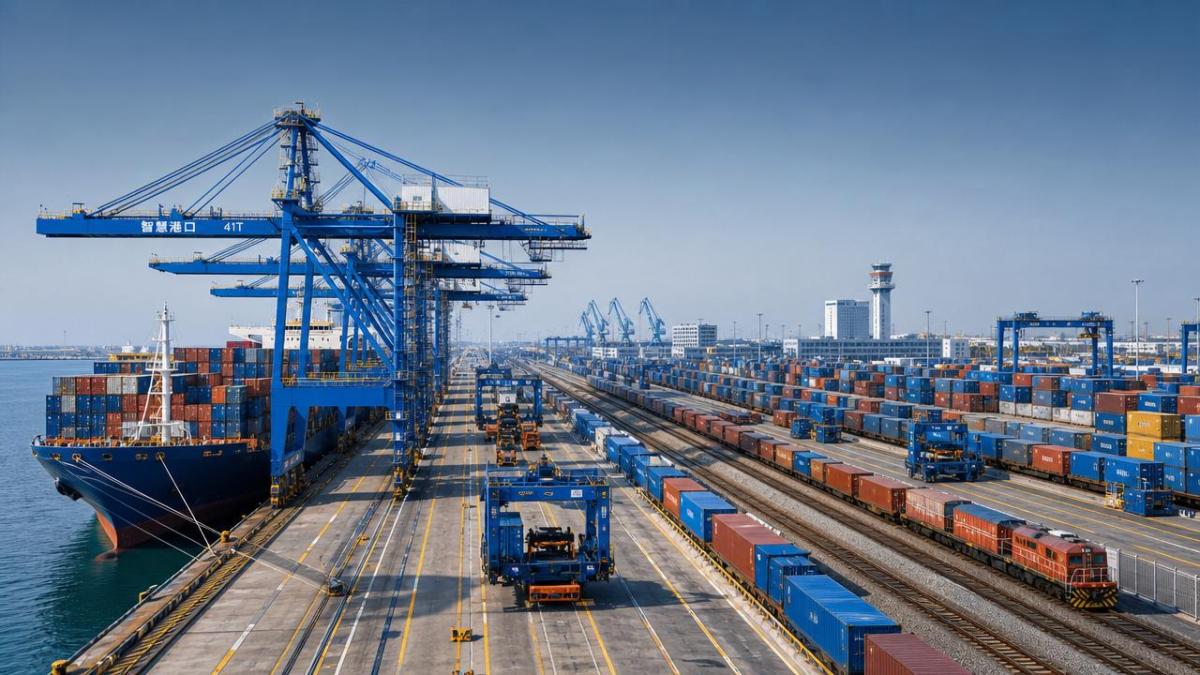
Port coordination involves many moving parts, but delays often come from a few weak links. A checklist approach helps teams verify operational readiness before congestion spreads across berths, yards, gates, and inland transport corridors.
This is especially important in smart maritime logistics, where automation, predictive analytics, vessel connectivity, and cross-network scheduling must work together. Without structured checkpoints, even advanced terminals can lose efficiency through fragmented data, poor exception handling, or misaligned arrival forecasts.
Core Checklist for Smart Maritime Logistics and Port Coordination
- Map berth allocation against live ETA updates, tidal windows, crane availability, and yard density so vessel plans stay realistic under weather, congestion, and late cargo release changes.
- Connect terminal operating systems with vessel, customs, truck, and rail data sources to reduce manual reconciliation and improve end-to-end visibility across the port ecosystem.
- Standardize event timestamps for arrival, pilot boarding, mooring, discharge start, gate-out, and rail departure so performance analysis reflects operational truth rather than inconsistent reporting logic.
- Prioritize predictive yard planning by linking container dwell profiles, transshipment demand, and equipment positioning to expected discharge sequences and inland connection commitments.
- Coordinate ship-to-shore crane schedules with automated guided vehicles, stacking cranes, and labor windows to avoid idle berth time caused by downstream handling bottlenecks.
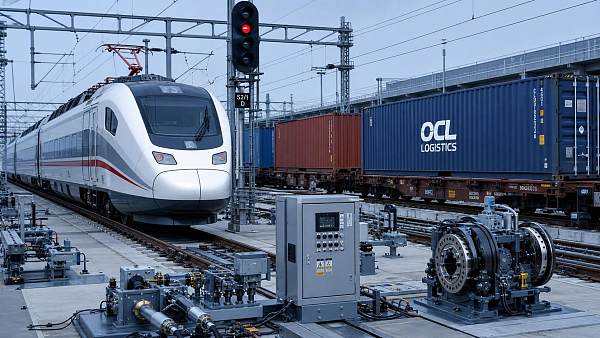
- Verify interoperability between smart maritime logistics platforms and rail dispatch systems when port volumes depend on synchronized inland evacuation and intermodal slot reliability.
- Use AI-supported exception alerts for missed cutoffs, hazardous cargo conflicts, reefer power constraints, and sudden berth conflicts before they become network-wide delays.
- Audit cybersecurity controls on connected marine and terminal systems because expanding digital coordination also expands exposure to operational disruption and data integrity risks.
- Track energy intensity per move, vessel waiting time, and equipment idle patterns to ensure smart maritime logistics also supports decarbonization and not only throughput gains.
- Review governance rules for data ownership, access permissions, and escalation responsibility so cross-company coordination remains actionable during disruptions and peak demand periods.
Key Trends Reshaping Smart Maritime Logistics
1. Predictive Arrival Management Is Replacing Static Scheduling
Traditional berth planning relied on fixed arrival assumptions. Smart maritime logistics replaces this with dynamic ETA models using weather, speed patterns, port queue data, and route deviations. This improves berth confidence and reduces wasted crane positioning.
The practical value is larger than scheduling alone. Better arrival prediction improves tug allocation, pilot sequencing, customs preparation, and rail loading windows. It also supports just-in-time arrival strategies that reduce fuel burn and anchorage congestion.
2. Terminal Automation Now Depends on Data Timing, Not Just Machines
Automated cranes, autonomous yard vehicles, and sensor-rich gates are important, but automation fails when event data arrives late or in incompatible formats. Smart maritime logistics succeeds when machines and operational decisions share a common, trusted timeline.
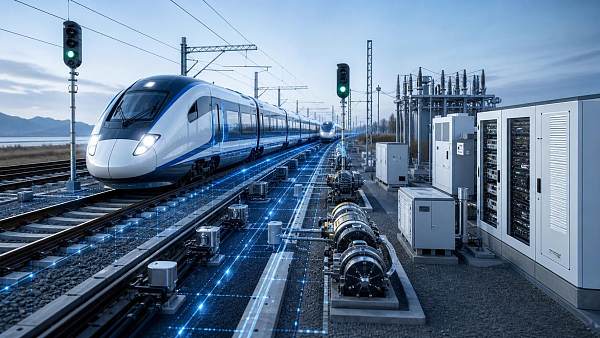
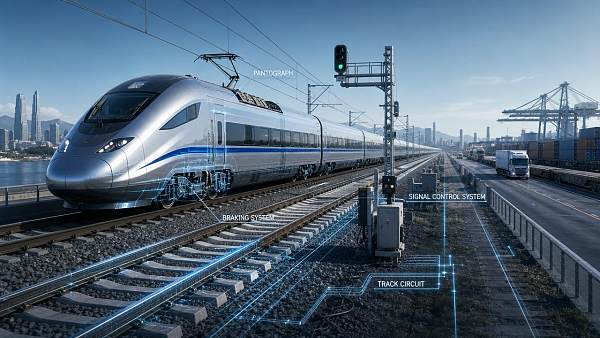
This is where integrated intelligence matters. GTOT’s cross-sector perspective is relevant because rail signal logic and port automation share the same requirement: high-integrity control under dense traffic conditions. Safe throughput grows when decision systems are synchronized.
3. Land-Sea Coordination Is Becoming a Competitive Requirement
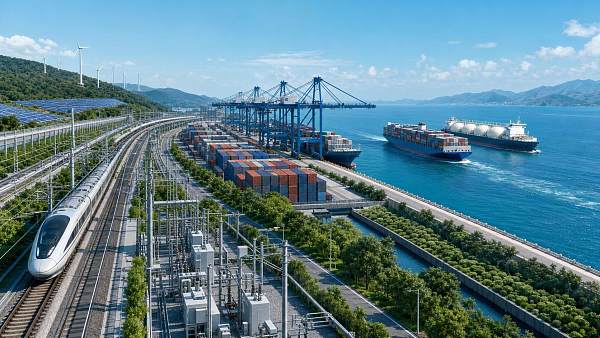
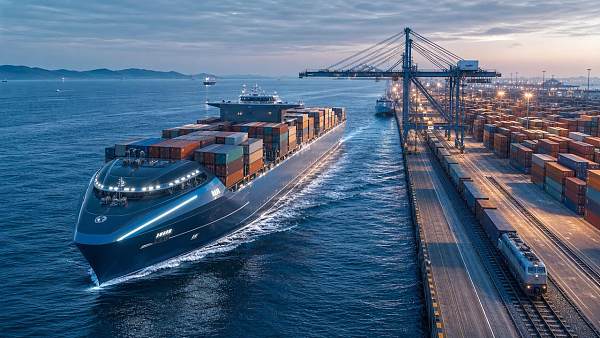
A smart port cannot be judged only by quay efficiency. If containers pile up because rail slots fail or truck gates lack visibility, berth performance loses value. Smart maritime logistics therefore extends beyond marine operations into inland execution.
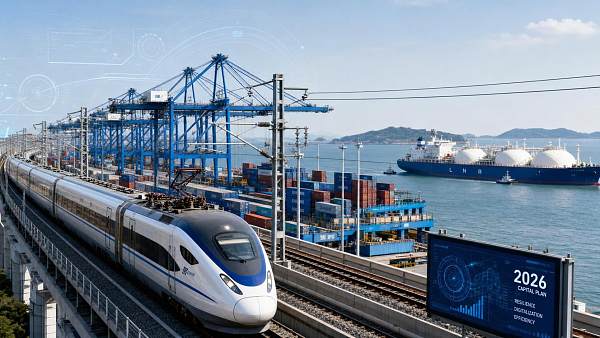
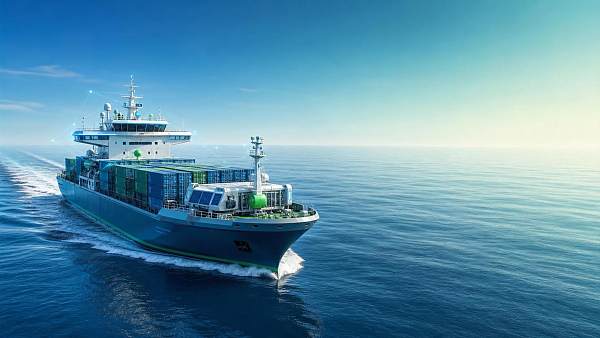
This trend is especially strong in export gateways and energy corridors. Smart container ships, LNG handling schedules, and rail evacuation capacity must be modeled together. Ports that treat inland links as an afterthought will face recurring congestion.
Application Scenarios That Need Different Coordination Logic
Container Hub Ports
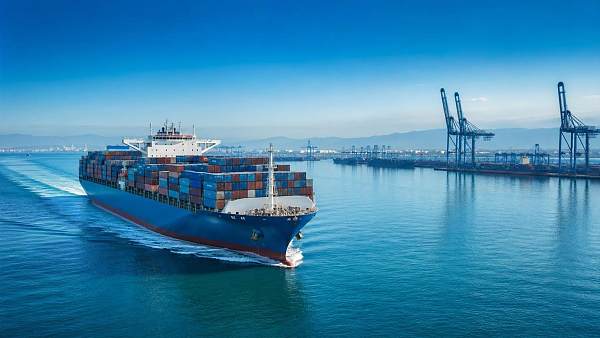
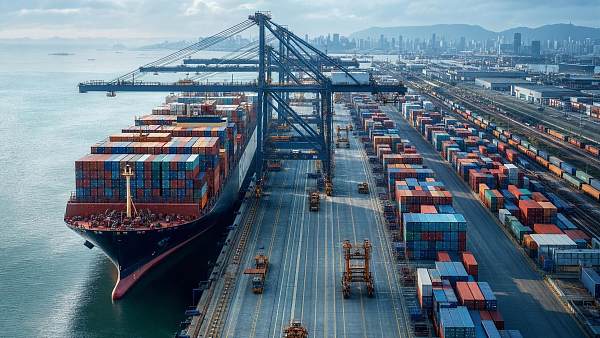
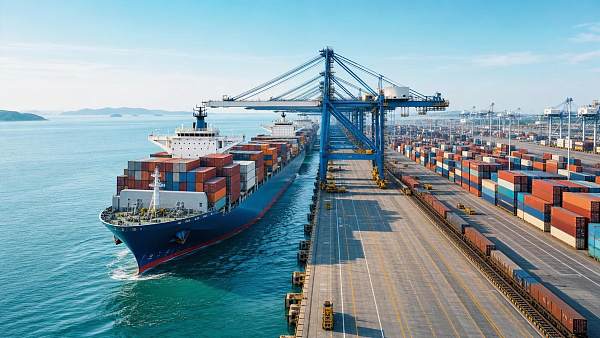
High-volume container hubs benefit most from smart maritime logistics when transshipment timing is volatile. Here, the main objective is balancing berth speed with yard stability. Fast discharge means little if transshipment boxes are buried or rail-bound units miss departure windows.
In this scenario, the best results come from linking stowage plans, crane sequencing, yard zoning, and inland bookings into one live operating view. Decision latency, not equipment count, often becomes the limiting factor.
LNG and Energy Terminals
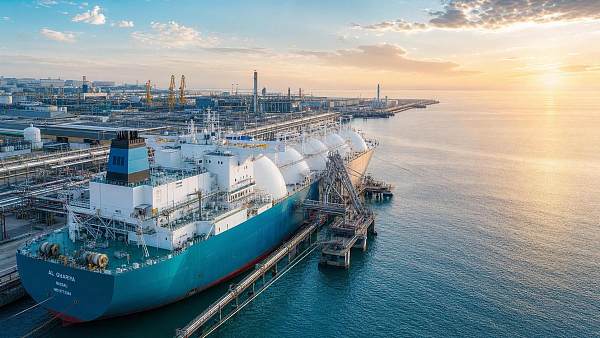
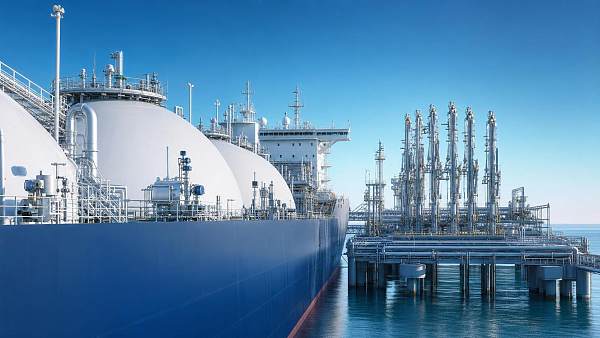
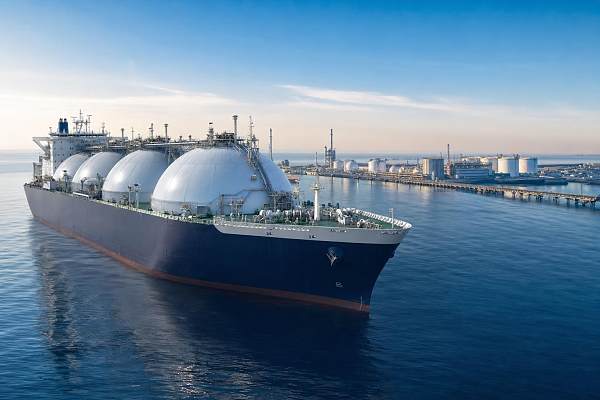
Energy terminals require a stricter version of smart maritime logistics because safety, temperature integrity, and berth availability are tightly coupled. LNG carriers cannot be handled with generic scheduling logic due to narrow procedural and engineering tolerances.
Coordination must include weather thresholds, custody transfer timing, storage tank readiness, and emergency response status. Digital visibility is useful only when it reflects operational constraints with engineering accuracy.
Rail-Connected Inland Gateways
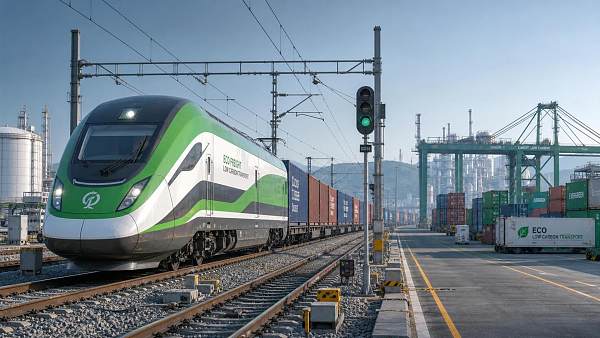
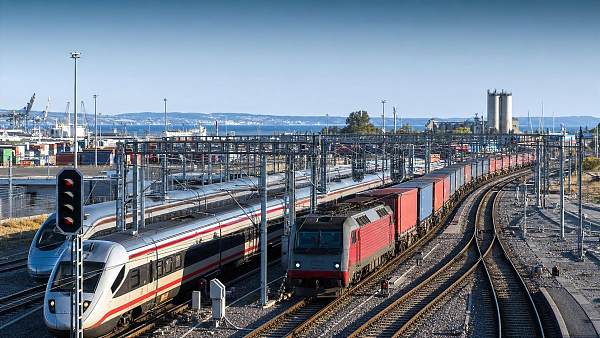
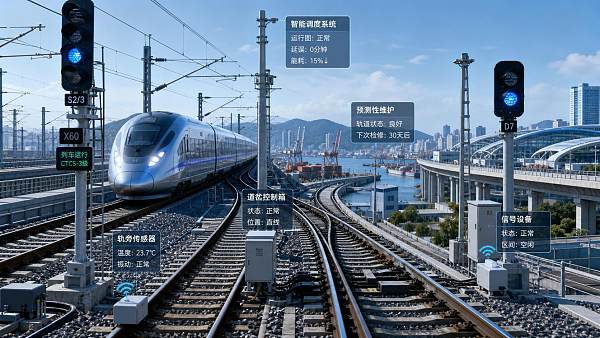
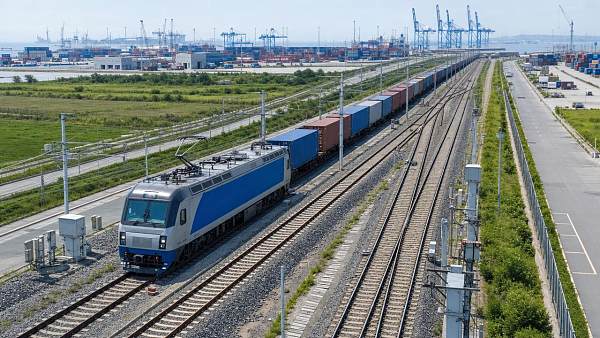
Where ports depend heavily on rail evacuation, smart maritime logistics must align vessel discharge with train path availability. This resembles railway control logic more than traditional terminal planning because slot discipline matters across multiple nodes.
The strongest model uses milestone-based coordination: container release, staging completion, train assembly, brake test timing, and departure confirmation. Small timing errors at the port can cascade into lost corridor capacity inland.
Commonly Overlooked Risks in Smart Maritime Logistics
Ignore data quality at your own cost. Many dashboards look advanced while relying on delayed or manually corrected inputs. If timestamps are inconsistent, optimization recommendations will be misleading.
Overfocus on hardware deployment. New cranes, sensors, and automated vehicles do not create smart maritime logistics unless workflows, exception rules, and escalation ownership are clearly defined.
Underestimate interoperability work. Port communities often operate across shipping lines, terminal operators, rail entities, customs systems, and energy infrastructure. Integration failures usually emerge at handoff points, not within a single platform.
Miss decarbonization linkage. Idle anchorage, repeated rehandles, and poor train synchronization increase emissions. A strong smart maritime logistics program should improve both service reliability and carbon efficiency.
Treat cybersecurity as a secondary layer. Connected ships, smart terminals, and remote operational tools expand attack surfaces. Recovery planning must be part of coordination design, not an afterthought.
Practical Execution Steps
- Start with one corridor, such as berth-to-rail transfer, and measure event accuracy before scaling broader smart maritime logistics integration.
- Define a small set of control metrics, including berth waiting time, crane productivity, container dwell, and inland departure reliability.
- Build exception playbooks for weather delays, missed arrivals, reefer overflow, hazardous segregation, and rail slot loss.
- Validate every automation rule with real operational constraints rather than theoretical throughput assumptions.
- Review data governance monthly so new partners, systems, and reporting layers do not weaken decision trust.
Conclusion and Next Action
Smart maritime logistics is reshaping port coordination by connecting vessel intelligence, terminal automation, inland scheduling, and resilient decision control. The winning model is not simply more digital. It is more synchronized, more interoperable, and more disciplined in execution.
The next step is to assess one real coordination chain from arrival forecast to inland release, then apply the checklist above to identify timing gaps, data breaks, and control failures. For organizations tracking both smart vessels and rail-linked infrastructure, this land-sea perspective will define the next level of operational advantage.
Recommended News
 Jul 19, 2026Transportation Infrastructure Trends Shaping Capital Planning in 2026Transportation infrastructure trends in 2026 are reshaping capital planning across rail, ports, and shipping. Discover how resilience, automation, and digital control are driving smarter investment decisions.
 Jul 12, 2026Gas Carrier Technology in the Middle East: 2026 OutlookGas carrier technology Middle East trends for 2026: explore LNG vessel innovation, propulsion, containment, and regional yard upgrades shaping smarter energy trade decisions.
 Jul 10, 2026Commercial Shipbuilding Technology Trends Shaping Newbuild Projects in 2026Commercial shipbuilding technology is reshaping 2026 newbuild projects with smarter vessels, fuel flexibility, digital twins, and earlier compliance planning. Explore the trends driving stronger ROI.
 Jul 08, 2026Rail Transit Systems Upgrade Trends Shaping 2026 Investment PlansRail transit systems in 2026 are shifting from expansion to smarter upgrades. Explore safety, automation, energy, and digital trends shaping resilient, high-value investment plans.
 Jul 06, 2026Cryogenic Shipping Systems Manufacturer Trends Shaping 2026 Fleet UpgradesCryogenic shipping systems manufacturer trends are reshaping 2026 fleet upgrades. Explore how digital monitoring, emissions control, and safer containment can improve vessel performance.
 Jul 05, 2026Smart Shipping Solutions for Fleet Management: 2026 Trends Shaping Vessel OperationsSmart shipping solutions for fleet management are redefining vessel operations in 2026. Explore trends in integration, compliance, fuel efficiency, and resilient fleet performance.
 Jul 04, 2026Digital Marine Decarbonization Technology: What Delivers Measurable GainsDigital marine decarbonization technology helps fleets cut fuel use, improve compliance, and boost vessel efficiency with measurable, data-driven gains. Learn what truly delivers value.
 Jul 03, 2026Global Rail Infrastructure Standards: 2026 Changes to WatchGlobal rail infrastructure standards are reshaping 2026 rail projects. Discover the key compliance, interoperability, cyber, and low-carbon changes that will impact bids and investment.
 Jul 02, 2026Global Trade Logistics North America Trends to Watch in 2026Global trade logistics North America in 2026 will be shaped by rail-ocean integration, smart routing, LNG demand, and measurable resilience. Discover the trends redefining reliability and trade advantage.
 Jun 30, 2026International Shipbuilding Suppliers: 2026 Sourcing Trends and Supply Chain RisksInternational shipbuilding suppliers face new 2026 sourcing risks, from compliance and digital integration to sub-tier bottlenecks. Explore key trends shaping cost, delivery, and resilience.
 Jun 27, 2026Heavy Industry Tech Trends Reshaping Equipment Investment in 2026Heavy industry tech is reshaping 2026 equipment investment across rail and maritime systems. Explore the five trends driving safer, smarter, higher-value capital decisions.
 Jun 25, 2026Decarbonization Trends Reshaping Rail and Marine Investment in 2026Decarbonization is reshaping rail and marine investment in 2026. Discover where capital is moving, which assets gain value, and how smarter transport upgrades improve resilience.
 Jun 23, 2026Global Rail Infrastructure Trends Shaping Capacity, Funding, and Delivery TimelinesGlobal rail infrastructure trends are redefining capacity, funding, and delivery timelines. Explore how data-driven planning and system readiness shape resilient, investable rail projects.
 Jun 22, 2026Maritime Logistics Trends in 2026: Capacity Shifts, Delays, and Margin PressureMaritime logistics in 2026 faces shifting capacity, persistent delays, and rising margin pressure. Explore key risks, lane-level signals, and smarter planning strategies.
 Jun 21, 2026LNG Carriers Technology Advancements: 5 Upgrades Reshaping Fleet PerformanceLNG carriers technology advancements are reshaping fleet performance through smarter containment, dual-fuel propulsion, digital monitoring, boil-off control, and automation—see the 5 upgrades driving safer, cleaner, more profitable LNG shipping.
 Jun 20, 2026Global Supply Chain Challenges in Rail Infrastructure in 2026Global supply chain challenges in rail infrastructure are redefining 2026 project risk. Discover where delays, compliance, and sourcing pressure hit hardest—and how smarter evaluation protects cost, delivery, and performance.
 Jun 20, 2026Full Digitalization in Rail: 7 Risks to Address Before ScalingFull digitalization in rail can boost safety, maintenance, and control—but only if key risks are managed. Explore 7 critical challenges to address before scaling network-wide.
 Jun 18, 2026Maritime Logistics Trends in 2026: Where Shipping Efficiency Is MovingMaritime logistics in 2026 is driven by AI routing, port connectivity, decarbonization, and asset visibility. Discover the trends redefining shipping efficiency and resilience.
 Jun 17, 2026Transportation Infrastructure Development Trends That Matter for Long-Term PlanningTransportation infrastructure development trends are reshaping rail, ports, shipping, and LNG networks. Explore the key signals for smarter long-term planning, resilience, and investment value.
 Jun 17, 2026Railway Automation Trends Shaping Safer, Smarter Networks in 2026Railway automation in 2026 is driving safer, smarter rail networks with predictive maintenance, integrated signaling, and higher capacity. Explore the trends shaping resilient transport.
 Jun 15, 2026Decarbonization in Rail Transportation: What Cuts Emissions First?Decarbonization in rail transportation starts with the fastest wins: traction optimization, regenerative braking, smarter signalling, and retrofit upgrades that cut emissions, costs, and risk.
 Jun 14, 2026Rail Infrastructure Investment: Cost vs Long-Term ReturnRail infrastructure investment is more than upfront cost. Discover how lifecycle planning, smarter systems, and reliable rail design can deliver stronger long-term returns.
 Jun 13, 2026Advanced Ocean-Going Vessels: Key Design Shifts in 2026Advanced ocean-going vessels in 2026 are redefining shipping with AI routing, fuel-flexible propulsion, and smarter port integration. See which design shifts drive resilience, efficiency, and long-term fleet value.
 Jun 12, 2026High-Speed Rail Technology Trends Shaping 2026 ProjectsHigh-speed rail technology is reshaping 2026 projects through smarter signaling, resilient traction, precision braking, and digital monitoring. Explore the trends driving safer, scalable, bankable rail delivery.