



Search News
Industry Portal
Popular Tags
2026 Heavy Industry Tech Trends Reshaping Plant Upgrades
Author
Time
Click Count
In 2026, heavy industry tech is no longer just supporting plant upgrades—it is redefining how industrial leaders improve safety, automation, energy efficiency, and supply chain resilience. For decision-makers navigating rail, marine, and high-value equipment sectors, understanding these technology shifts is essential to building smarter assets, reducing operational risk, and staying competitive in an increasingly connected global market.
Across integrated industries, plant modernization now depends on choosing the right upgrade path for each operating scene. A rail component line, an LNG vessel yard, and a smart container ship retrofit project face very different constraints.
That is why heavy industry tech must be evaluated through application context. The best investments are not the most advanced on paper. They are the most adaptable to safety thresholds, uptime targets, energy costs, and supply chain complexity.
Why 2026 plant upgrades require scene-based heavy industry tech judgment
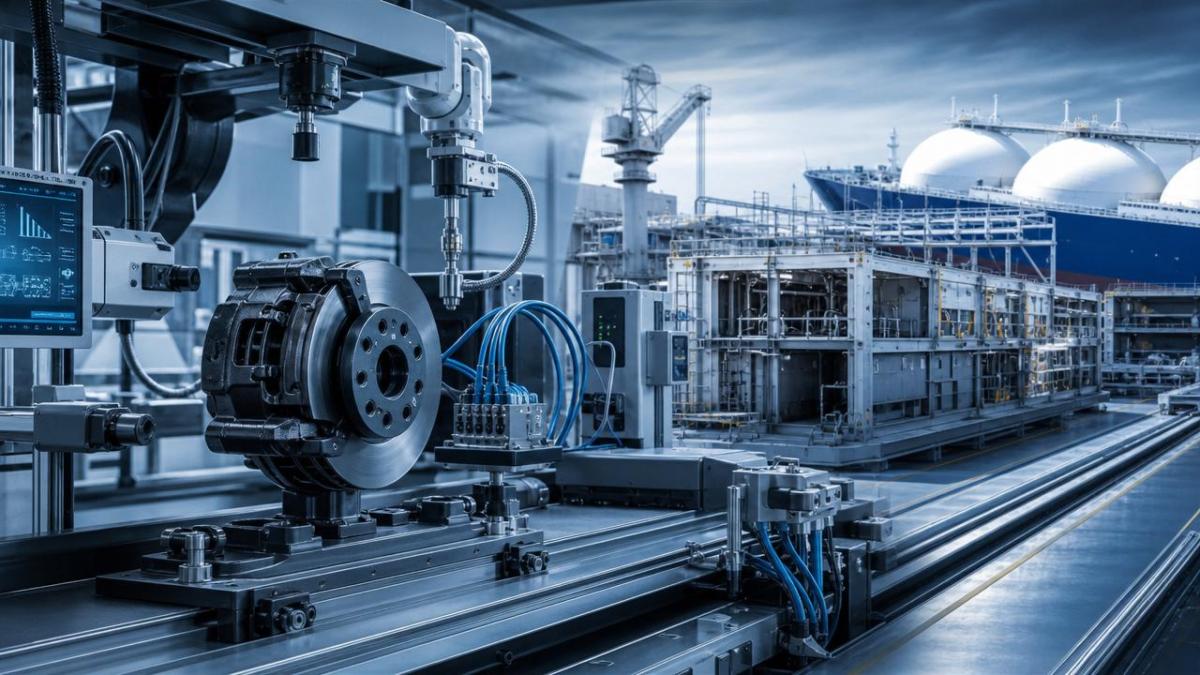
In 2026, heavy industry tech is shaped by three pressures. Plants must decarbonize faster, automate deeper, and respond to global logistics disruptions with less delay and less waste.
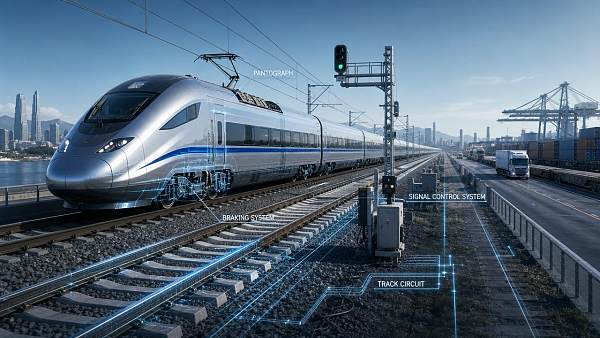
These pressures do not affect every site equally. Signal control production values certification integrity. Braking system plants prioritize precision and traceability. Shipbuilding lines need digital coordination across long and variable workflows.
GTOT tracks this shift closely across railway signal control systems, pantographs, braking systems, smart container ships, and LNG carriers. In each area, heavy industry tech creates new upgrade logic around reliability, diagnostics, and digital integration.
Scenario 1: Rail control and traction plants need safety-led automation
Where SIL4 compliance changes upgrade priorities
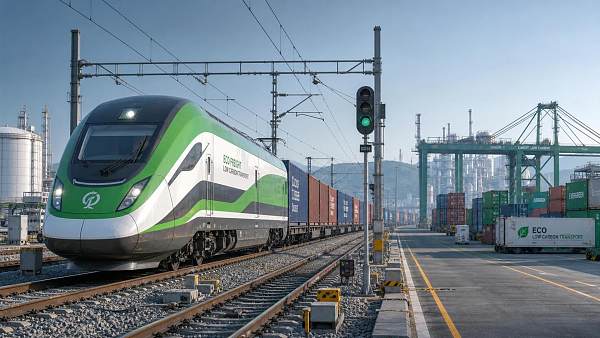
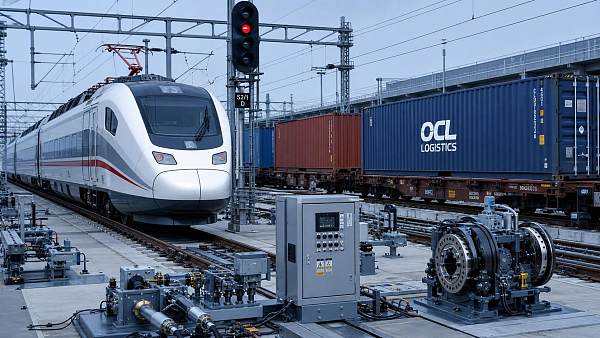
For railway control plants, heavy industry tech must support verifiable safety. Automation is valuable only when every process step remains auditable, repeatable, and aligned with strict validation requirements.
Upgrades often start with digital test benches, vision inspection, and closed-loop quality data. These systems reduce human error while strengthening evidence trails for critical control components.
Where pantograph and traction production demand dynamic precision
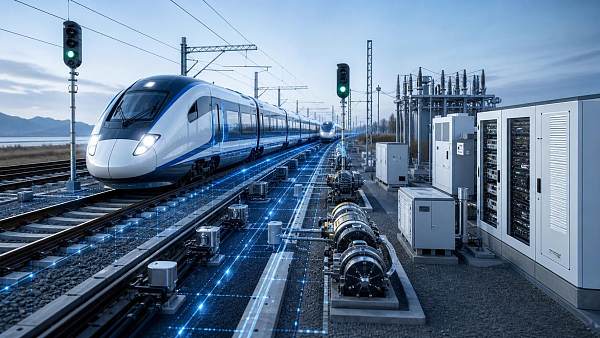
Pantograph production faces another scene. Components must perform under vibration, wind load, and sustained contact stress above 350 km/h operating conditions. That changes how plants define acceptable process variance.
Here, heavy industry tech trends favor digital twins, high-speed sensor fusion, and predictive calibration. These tools help plants simulate wear, validate material behavior, and optimize assembly consistency before field deployment.
Scenario 2: Braking system facilities need precision, traceability, and thermal confidence
Rail transit braking systems sit at the intersection of mechanical force, microelectronic control, and safety logic. Plant upgrades in this scene must manage both physical performance and software-linked response accuracy.
A major 2026 heavy industry tech trend is thermal performance intelligence. Composite materials, fade behavior, and actuator response are increasingly modeled during production rather than only after final testing.
Another shift is granular traceability. Plants are moving toward serialized component histories, process event logging, and integrated nonconformance alerts. This helps reduce rework and shortens root-cause analysis after failures.
- Use in-line thermal monitoring for critical friction materials.
- Connect assembly torque records to digital product passports.
- Link test rig outputs with production scheduling systems.
Scenario 3: Smart shipbuilding and retrofit lines need cross-process intelligence
Why smart container ship projects need synchronized data flow
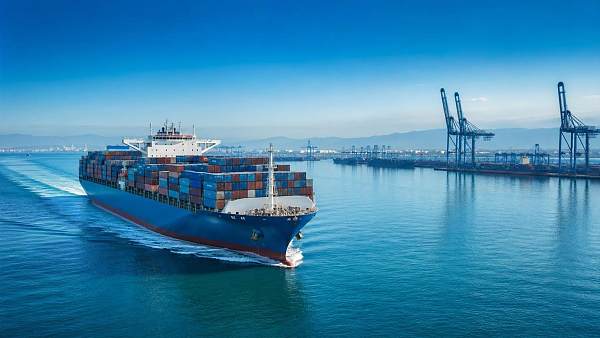
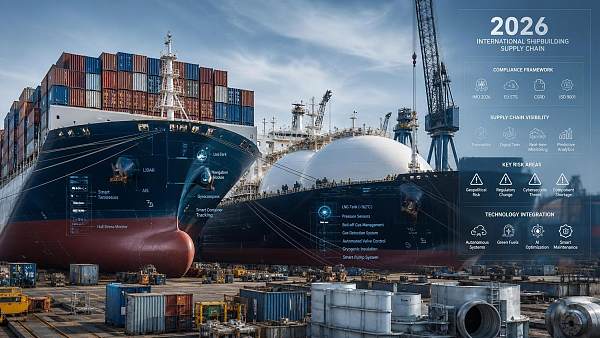
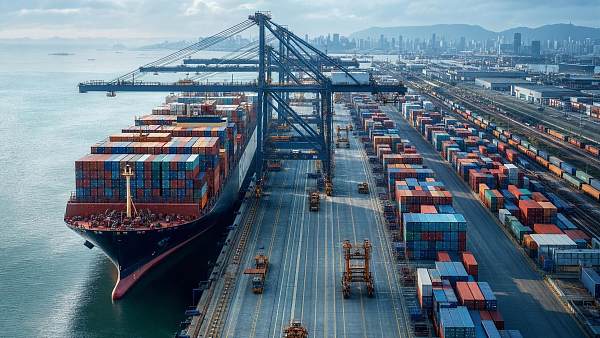
Smart container ship programs involve design, fabrication, outfitting, and software integration over long timelines. In this scene, heavy industry tech must unite fragmented workflows into one visible operating picture.
AI route optimization, ship-to-shore communication, and onboard sensing affect plant work earlier than many expect. Equipment yards now need digital interfaces ready before the vessel enters service.
The most effective upgrades combine production planning, welding quality data, cable installation records, and equipment commissioning logs. This supports faster acceptance and more reliable after-delivery support.
Why LNG carrier construction requires cryogenic process discipline
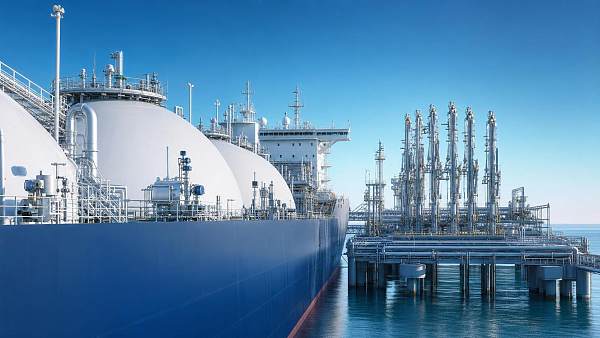
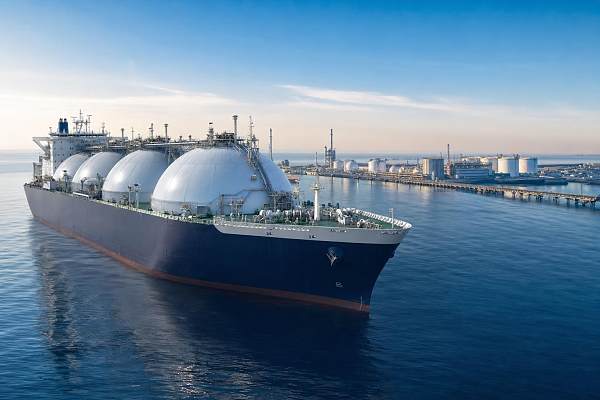
LNG carrier projects add extreme material and containment demands. Membrane systems, insulation integrity, and dual-fuel propulsion interfaces create a highly specialized plant upgrade scene.
For this segment, heavy industry tech centers on stress analysis, leak prevention, and cryogenic quality assurance. Digital inspection records and process simulation are becoming standard, not optional.
How heavy industry tech needs differ across major upgrade scenarios
Practical recommendations for matching upgrades to the right scene
The right heavy industry tech roadmap starts with process criticality, not vendor catalogs. Plants should first identify where a failure creates the highest safety, compliance, or downtime consequences.
- Map operations by risk intensity and data maturity.
- Prioritize one bottleneck scene instead of full-site disruption.
- Require interoperability between machines, testing, and planning layers.
- Measure outcomes through scrap reduction, energy use, and response time.
- Build digital records that support tenders, compliance, and lifecycle service.
For rail-related plants, start where verification pain is highest. For marine projects, start where coordination delays distort delivery schedules. For cryogenic systems, focus first on inspection reliability and material control.
Common misjudgments that weaken heavy industry tech investments
One common mistake is treating all automation as equally valuable. In reality, some lines benefit more from visibility and traceability than from robotic speed alone.
Another mistake is separating engineering data from production data. This creates avoidable blind spots, especially in braking systems, smart vessel outfitting, and LNG containment work.
A third issue is ignoring downstream tender credibility. In restricted rail and maritime projects, proof of controlled processes can be as important as output capacity.
- Do not upgrade equipment without planning data governance.
- Do not copy a shipyard model into a rail safety environment.
- Do not judge ROI only by labor savings.
What to do next as 2026 heavy industry tech trends accelerate
The next step is to review plant upgrades by operating scene, technical risk, and future tender requirements. This creates a more accurate investment sequence than broad modernization plans.
GTOT’s intelligence focus across railway control, traction systems, smart container ships, and LNG carriers shows one clear pattern. Heavy industry tech creates the most value when digital capability is matched to real operating complexity.
In 2026, strong upgrades will not come from chasing every innovation. They will come from selecting heavy industry tech that fits the scene, strengthens proof of performance, and supports resilient land-sea industrial networks.
Use that lens to compare current bottlenecks, audit data gaps, and define the first upgrade block with measurable outcomes. Better decisions begin when technology is judged by context, not by hype.
Recommended News
 Jul 19, 2026Transportation Infrastructure Trends Shaping Capital Planning in 2026Transportation infrastructure trends in 2026 are reshaping capital planning across rail, ports, and shipping. Discover how resilience, automation, and digital control are driving smarter investment decisions.
 Jul 12, 2026Gas Carrier Technology in the Middle East: 2026 OutlookGas carrier technology Middle East trends for 2026: explore LNG vessel innovation, propulsion, containment, and regional yard upgrades shaping smarter energy trade decisions.
 Jul 10, 2026Commercial Shipbuilding Technology Trends Shaping Newbuild Projects in 2026Commercial shipbuilding technology is reshaping 2026 newbuild projects with smarter vessels, fuel flexibility, digital twins, and earlier compliance planning. Explore the trends driving stronger ROI.
 Jul 08, 2026Rail Transit Systems Upgrade Trends Shaping 2026 Investment PlansRail transit systems in 2026 are shifting from expansion to smarter upgrades. Explore safety, automation, energy, and digital trends shaping resilient, high-value investment plans.
 Jul 06, 2026Cryogenic Shipping Systems Manufacturer Trends Shaping 2026 Fleet UpgradesCryogenic shipping systems manufacturer trends are reshaping 2026 fleet upgrades. Explore how digital monitoring, emissions control, and safer containment can improve vessel performance.
 Jul 05, 2026Smart Shipping Solutions for Fleet Management: 2026 Trends Shaping Vessel OperationsSmart shipping solutions for fleet management are redefining vessel operations in 2026. Explore trends in integration, compliance, fuel efficiency, and resilient fleet performance.
 Jul 04, 2026Digital Marine Decarbonization Technology: What Delivers Measurable GainsDigital marine decarbonization technology helps fleets cut fuel use, improve compliance, and boost vessel efficiency with measurable, data-driven gains. Learn what truly delivers value.
 Jul 03, 2026Global Rail Infrastructure Standards: 2026 Changes to WatchGlobal rail infrastructure standards are reshaping 2026 rail projects. Discover the key compliance, interoperability, cyber, and low-carbon changes that will impact bids and investment.
 Jul 02, 2026Global Trade Logistics North America Trends to Watch in 2026Global trade logistics North America in 2026 will be shaped by rail-ocean integration, smart routing, LNG demand, and measurable resilience. Discover the trends redefining reliability and trade advantage.
 Jun 30, 2026International Shipbuilding Suppliers: 2026 Sourcing Trends and Supply Chain RisksInternational shipbuilding suppliers face new 2026 sourcing risks, from compliance and digital integration to sub-tier bottlenecks. Explore key trends shaping cost, delivery, and resilience.
 Jun 27, 2026Heavy Industry Tech Trends Reshaping Equipment Investment in 2026Heavy industry tech is reshaping 2026 equipment investment across rail and maritime systems. Explore the five trends driving safer, smarter, higher-value capital decisions.
 Jun 25, 2026Decarbonization Trends Reshaping Rail and Marine Investment in 2026Decarbonization is reshaping rail and marine investment in 2026. Discover where capital is moving, which assets gain value, and how smarter transport upgrades improve resilience.
 Jun 23, 2026Global Rail Infrastructure Trends Shaping Capacity, Funding, and Delivery TimelinesGlobal rail infrastructure trends are redefining capacity, funding, and delivery timelines. Explore how data-driven planning and system readiness shape resilient, investable rail projects.
 Jun 22, 2026Maritime Logistics Trends in 2026: Capacity Shifts, Delays, and Margin PressureMaritime logistics in 2026 faces shifting capacity, persistent delays, and rising margin pressure. Explore key risks, lane-level signals, and smarter planning strategies.
 Jun 21, 2026LNG Carriers Technology Advancements: 5 Upgrades Reshaping Fleet PerformanceLNG carriers technology advancements are reshaping fleet performance through smarter containment, dual-fuel propulsion, digital monitoring, boil-off control, and automation—see the 5 upgrades driving safer, cleaner, more profitable LNG shipping.
 Jun 20, 2026Global Supply Chain Challenges in Rail Infrastructure in 2026Global supply chain challenges in rail infrastructure are redefining 2026 project risk. Discover where delays, compliance, and sourcing pressure hit hardest—and how smarter evaluation protects cost, delivery, and performance.
 Jun 20, 2026Full Digitalization in Rail: 7 Risks to Address Before ScalingFull digitalization in rail can boost safety, maintenance, and control—but only if key risks are managed. Explore 7 critical challenges to address before scaling network-wide.
 Jun 18, 2026Maritime Logistics Trends in 2026: Where Shipping Efficiency Is MovingMaritime logistics in 2026 is driven by AI routing, port connectivity, decarbonization, and asset visibility. Discover the trends redefining shipping efficiency and resilience.
 Jun 17, 2026Transportation Infrastructure Development Trends That Matter for Long-Term PlanningTransportation infrastructure development trends are reshaping rail, ports, shipping, and LNG networks. Explore the key signals for smarter long-term planning, resilience, and investment value.
 Jun 17, 2026Railway Automation Trends Shaping Safer, Smarter Networks in 2026Railway automation in 2026 is driving safer, smarter rail networks with predictive maintenance, integrated signaling, and higher capacity. Explore the trends shaping resilient transport.
 Jun 15, 2026Decarbonization in Rail Transportation: What Cuts Emissions First?Decarbonization in rail transportation starts with the fastest wins: traction optimization, regenerative braking, smarter signalling, and retrofit upgrades that cut emissions, costs, and risk.
 Jun 14, 2026Rail Infrastructure Investment: Cost vs Long-Term ReturnRail infrastructure investment is more than upfront cost. Discover how lifecycle planning, smarter systems, and reliable rail design can deliver stronger long-term returns.
 Jun 13, 2026Advanced Ocean-Going Vessels: Key Design Shifts in 2026Advanced ocean-going vessels in 2026 are redefining shipping with AI routing, fuel-flexible propulsion, and smarter port integration. See which design shifts drive resilience, efficiency, and long-term fleet value.
 Jun 12, 2026High-Speed Rail Technology Trends Shaping 2026 ProjectsHigh-speed rail technology is reshaping 2026 projects through smarter signaling, resilient traction, precision braking, and digital monitoring. Explore the trends driving safer, scalable, bankable rail delivery.