



Search News
Industry Portal
Popular Tags
Global Macro-Transportation Trends Reshaping Rail

Author
Time
Click Count
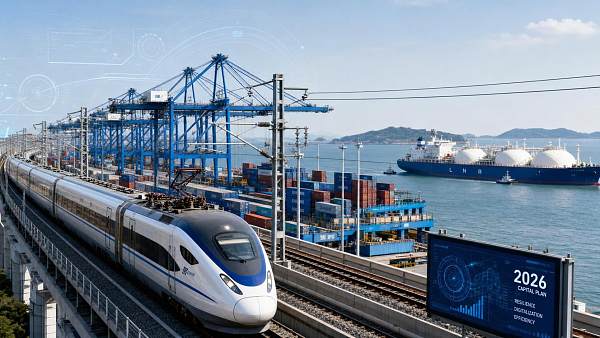
As global macro-transportation enters a new era of digitalization, decarbonization, and supply chain realignment, rail is being reshaped by forces far beyond the track. For business decision-makers, understanding how signaling, traction power, braking systems, and maritime logistics converge is now essential to securing resilience, safety, and competitive advantage across interconnected land-sea transport networks.
The core search intent behind “Global Macro-Transportation Trends Reshaping Rail” is practical, not academic. Decision-makers want to know which large-scale transport shifts matter now, how those shifts affect rail investment and operations, and where risk or opportunity will appear first.
They are most concerned with capital allocation, technology readiness, safety compliance, supply chain exposure, and long-term competitiveness. They do not need broad theory. They need a decision framework connecting macro trends to equipment priorities, operating models, and commercial timing.
The most useful content therefore focuses on actionable implications: why signaling systems are becoming strategic digital assets, how pantographs and braking systems support faster and safer operations, and why maritime logistics increasingly shapes rail performance, procurement, and resilience.
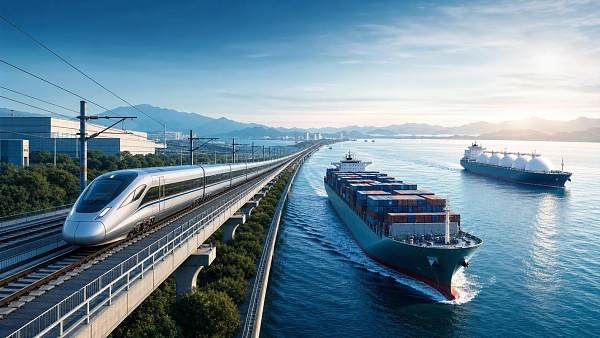
In short, the answer is clear: rail is no longer being reshaped only by passenger demand or infrastructure spending. It is being redefined by the wider logic of global macro-transportation, where land and sea networks, energy transition, automation, and geopolitical supply chain redesign now move together.
Why business leaders should treat rail as part of a wider global macro-transportation system
For many years, rail strategy was often evaluated within a relatively closed frame: ridership, track capacity, rolling stock renewal, and national policy. That frame is now too narrow for serious corporate planning.
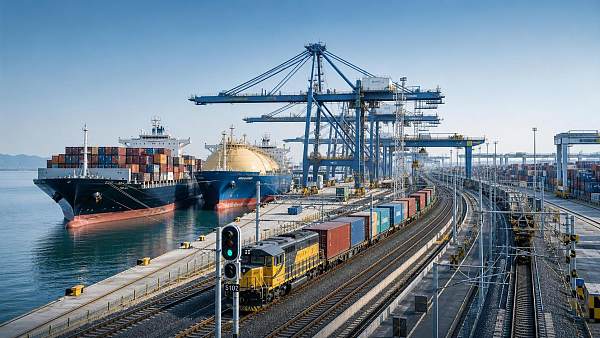
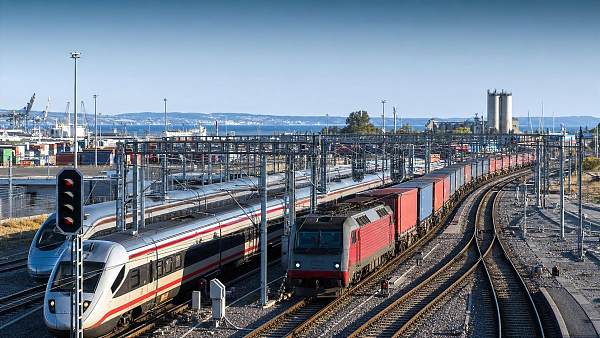
Today, rail sits inside a deeply interconnected transport architecture. Port congestion changes inland rail schedules. Energy price shifts alter traction economics. Digital regulations affect signaling upgrades. Maritime route changes reshape container rail demand across major corridors.
This means business leaders must stop asking whether rail is changing and start asking which external forces are accelerating that change. The companies that answer early will gain procurement leverage, stronger delivery reliability, and better timing on strategic investment.
For GTOT’s audience, this is especially relevant because core railway control components and maritime technologies are no longer separate intelligence domains. They are linked by the same pressures: efficiency, safety, decarbonization, automation, and resilience.
Which global trends are having the strongest impact on rail right now
Among all global macro-transportation shifts, five trends stand out. They are digital control, decarbonization, supply chain regionalization, asset intelligence, and integrated land-sea logistics planning. Together, they are changing both infrastructure priorities and equipment selection.
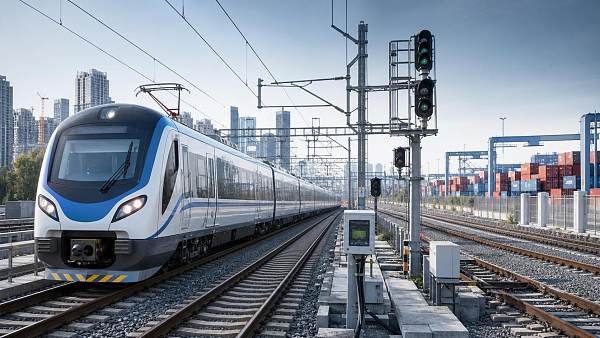
First, digital control is moving from an upgrade option to an operating requirement. Rail operators under pressure to increase frequency and reliability need signaling systems capable of higher automation, richer diagnostics, and safer high-density performance.
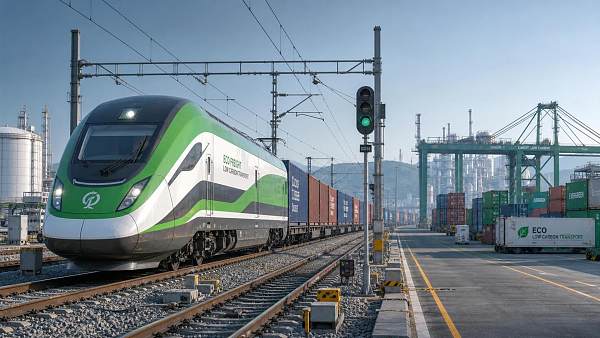
Second, decarbonization is changing the economics of traction, vessel operations, and intermodal routing. As regulators and customers demand lower emissions, rail gains a comparative advantage, but only if supporting systems deliver consistent energy-efficient performance.
Third, supply chain regionalization is creating new freight patterns. As manufacturers diversify production and reduce concentration risk, inland rail corridors, dry ports, and cross-border links gain strategic value in ways that were less visible a decade ago.
Fourth, asset intelligence is becoming central to lifecycle value. Buyers increasingly want condition monitoring, predictive maintenance capability, and real-time performance visibility, not just hardware procurement. This applies equally to rail components and advanced shipping assets.
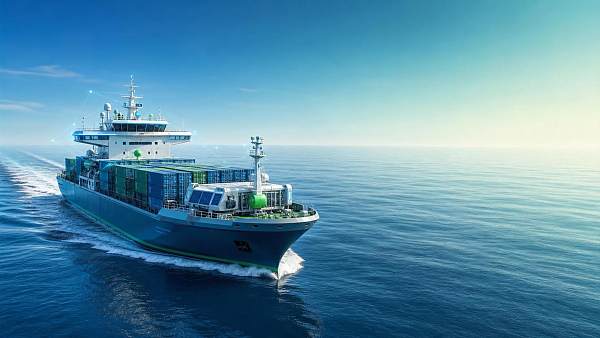
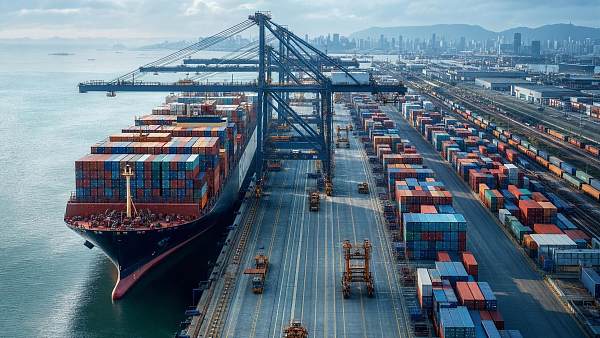
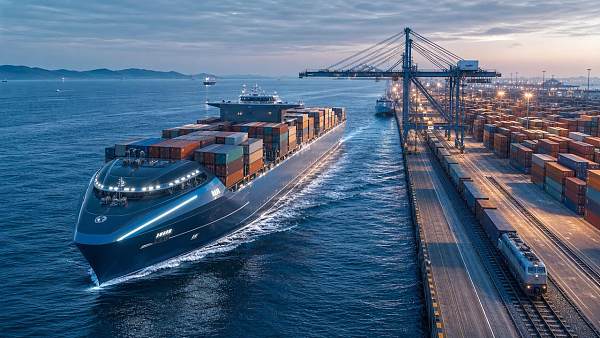
Fifth, integrated land-sea planning is redefining throughput. Smart container ships, port digitalization, and rail network coordination now determine how quickly cargo moves from factory to final market. Rail competitiveness increasingly depends on that broader systems orchestration.
How signaling systems become a strategic lever, not just a technical subsystem
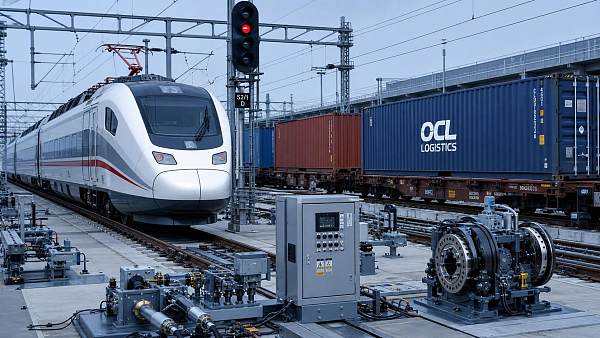
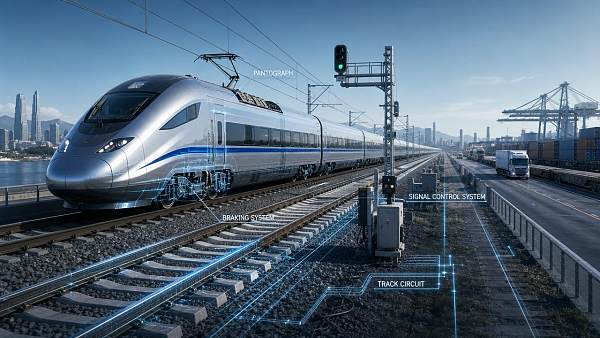
For executives evaluating rail exposure, signaling deserves board-level attention. It is the operational logic layer that determines network capacity, automation readiness, safety integrity, and incident recovery speed. In modern rail, signaling is a strategic productivity engine.
When global macro-transportation becomes more volatile, network operators need more than safe train separation. They need flexible traffic management, interoperable data exchange, and systems that support higher throughput without compromising SIL4-level safety expectations.
Advanced signaling also matters commercially. In dense urban networks and high-speed corridors, better control systems can defer expensive physical expansion by extracting more performance from existing infrastructure. That makes signaling one of the most capital-efficient upgrade paths available.
For suppliers and contractors, the implication is straightforward. Technical credibility in signaling is no longer built only on product specifications. It is built on cybersecurity readiness, integration ability, lifecycle service support, and the capacity to fit into digital transport ecosystems.
Why pantographs and braking systems matter more in a high-speed, low-margin environment
Executives sometimes underweight component-level strategy because major infrastructure headlines dominate attention. Yet in practice, core components such as pantographs and braking systems often determine reliability, maintenance burden, and service consistency under real operating stress.
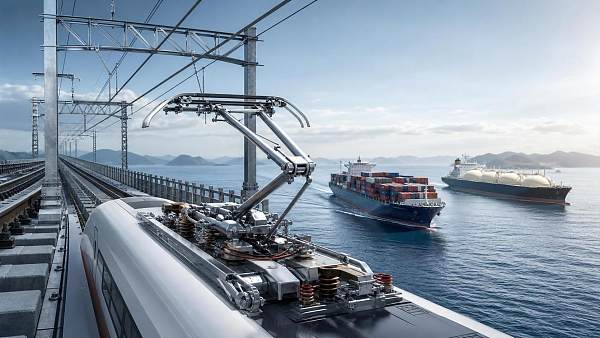
Pantographs are increasingly important because power collection stability directly affects train availability, energy efficiency, and performance at higher speeds. As operators push beyond traditional thresholds, wind resistance, vibration control, and contact quality become commercial issues, not just engineering details.
Braking systems are equally strategic. They sit at the intersection of safety, speed, passenger comfort, and operating confidence. In heavy and high-speed rail applications, precise braking performance reduces risk, protects schedules, and supports tighter headways across the network.
From an investment perspective, these systems should be evaluated by lifecycle economics rather than initial unit cost alone. Failures, thermal fade, maintenance downtime, and inconsistent performance can erase procurement savings very quickly in high-utilization environments.
For decision-makers, the takeaway is that component intelligence must align with macro strategy. If the transport environment demands faster service, lower emissions, and more reliable intermodal flow, then traction and braking technologies become central to delivery, not secondary considerations.
How maritime logistics is now directly reshaping rail opportunities and risks
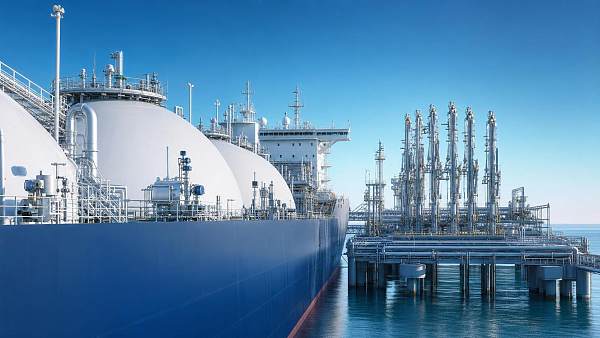
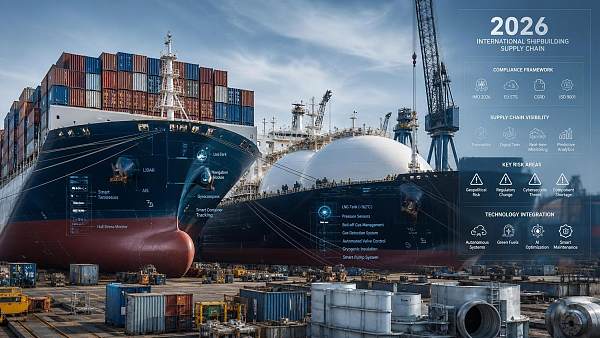
One of the most important shifts in global macro-transportation is that maritime developments now have immediate downstream effects on rail planning. Smart vessels, LNG carriers, port automation, and route optimization all influence inland rail demand patterns and timing.
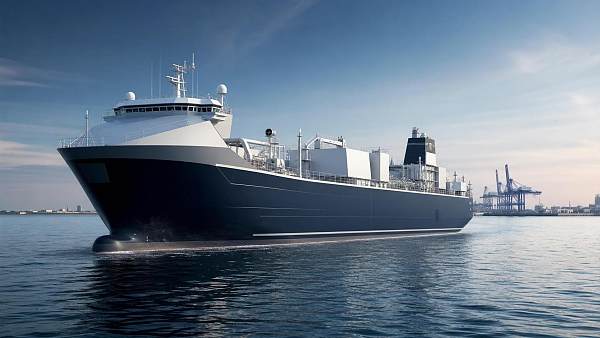
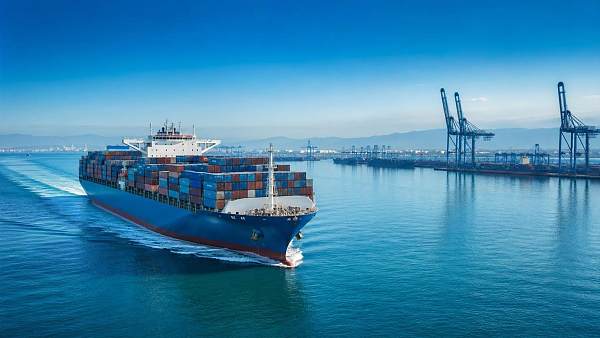
When smart container ships improve schedule visibility and cargo coordination, rail operators can plan connections with greater precision. When port congestion rises or trade lanes shift, rail networks must absorb volatility, reroute capacity, or adapt terminal operations quickly.
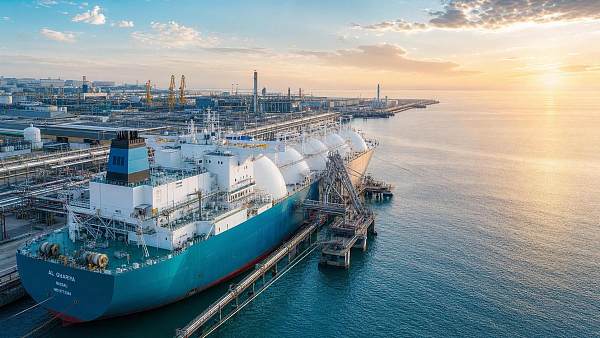
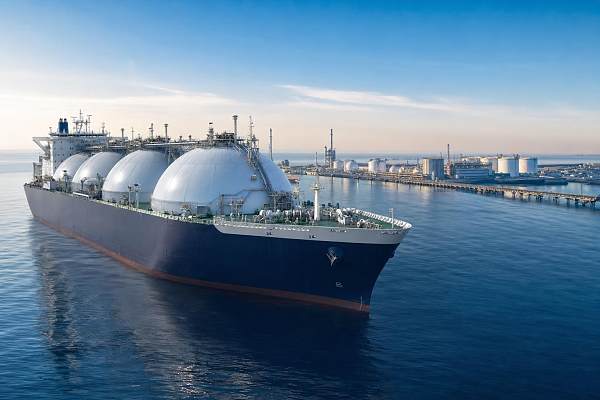
LNG carriers also matter beyond energy markets. Changes in fuel supply, shipping capacity, and energy security can affect rail electrification economics, industrial demand, and national infrastructure priorities. Energy transport and rail transport are increasingly tied through policy and cost structures.
This is why GTOT’s land-sea intelligence model is valuable for enterprise planning. A company tracking only rail data may miss the maritime trigger behind a future freight surge, procurement bottleneck, or regional investment cycle.
What enterprise decision-makers should evaluate before committing capital
For business leaders, the right response is not simply to spend more on technology. It is to make better decisions about where technology creates measurable strategic advantage. That requires a structured evaluation model across five questions.
First, ask whether the proposed rail investment solves a current bottleneck or prepares for an expected macro shift. A good project should do both. It should improve present performance while creating resilience against future transport volatility.
Second, assess interoperability. Can the system connect with digital control layers, fleet diagnostics, port platforms, and wider supply chain data environments? In the age of global macro-transportation, isolated assets lose value quickly.
Third, compare total lifecycle impact, not acquisition cost. Reliable signaling, resilient pantographs, and precise braking systems can improve uptime, reduce maintenance exposure, and support stronger service quality over many years.
Fourth, test supplier credibility under restricted tender conditions. In highly regulated railway and maritime projects, technical trust matters as much as pricing. Safety certification, engineering documentation, and proven operating performance often determine who wins serious contracts.
Fifth, consider strategic timing. Some markets reward early modernization. Others reward selective patience until standards, incentives, or demand signals become clearer. The best decisions come from matching technology maturity with corridor economics and policy direction.
Where the strongest value will be created over the next decade
The next decade’s value will likely come from convergence rather than isolated breakthroughs. Companies that combine transport intelligence, operational data, safety engineering, and cross-modal planning will outperform those that treat rail, shipping, and energy as separate domains.
In rail specifically, growth will favor solutions that raise network intelligence, increase operational precision, and strengthen resilience under uncertainty. Signaling modernization, advanced traction interfaces, high-performance braking, and digital maintenance ecosystems fit that profile.
At the same time, freight rail opportunity will expand where ports, inland logistics hubs, and manufacturing corridors become more tightly synchronized. The winners will be organizations able to read both maritime and rail indicators before demand visibly peaks.
For suppliers, EPC contractors, and infrastructure investors, this creates a clear mandate. Build technical authority around real operating outcomes. Show how equipment supports safety, efficiency, interoperability, and decarbonization within a full land-sea transport chain.
Conclusion: rail strategy now depends on understanding the whole transport equation
Global macro-transportation is reshaping rail by linking it more tightly to digital systems, energy transitions, maritime logistics, and supply chain restructuring. The implication for enterprise decision-makers is immediate: rail can no longer be planned or purchased in isolation.
The strongest organizations will be those that interpret transport signals early, invest in high-value control and performance systems, and align component choices with broader commercial and geopolitical realities. In this environment, precision matters more than scale alone.
For leaders navigating this shift, the priority is not simply modernization. It is intelligent modernization: choosing the signaling, pantograph, braking, and land-sea coordination capabilities that deliver measurable resilience, safer growth, and durable competitive advantage.
That is the real business meaning of today’s global macro-transportation transition. Rail is not just evolving. It is being repositioned as a strategic node in a much larger, smarter, and more demanding global mobility network.
Recommended News
 Jul 19, 2026Transportation Infrastructure Trends Shaping Capital Planning in 2026Transportation infrastructure trends in 2026 are reshaping capital planning across rail, ports, and shipping. Discover how resilience, automation, and digital control are driving smarter investment decisions.
 Jul 12, 2026Gas Carrier Technology in the Middle East: 2026 OutlookGas carrier technology Middle East trends for 2026: explore LNG vessel innovation, propulsion, containment, and regional yard upgrades shaping smarter energy trade decisions.
 Jul 10, 2026Commercial Shipbuilding Technology Trends Shaping Newbuild Projects in 2026Commercial shipbuilding technology is reshaping 2026 newbuild projects with smarter vessels, fuel flexibility, digital twins, and earlier compliance planning. Explore the trends driving stronger ROI.
 Jul 08, 2026Rail Transit Systems Upgrade Trends Shaping 2026 Investment PlansRail transit systems in 2026 are shifting from expansion to smarter upgrades. Explore safety, automation, energy, and digital trends shaping resilient, high-value investment plans.
 Jul 06, 2026Cryogenic Shipping Systems Manufacturer Trends Shaping 2026 Fleet UpgradesCryogenic shipping systems manufacturer trends are reshaping 2026 fleet upgrades. Explore how digital monitoring, emissions control, and safer containment can improve vessel performance.
 Jul 05, 2026Smart Shipping Solutions for Fleet Management: 2026 Trends Shaping Vessel OperationsSmart shipping solutions for fleet management are redefining vessel operations in 2026. Explore trends in integration, compliance, fuel efficiency, and resilient fleet performance.
 Jul 04, 2026Digital Marine Decarbonization Technology: What Delivers Measurable GainsDigital marine decarbonization technology helps fleets cut fuel use, improve compliance, and boost vessel efficiency with measurable, data-driven gains. Learn what truly delivers value.
 Jul 03, 2026Global Rail Infrastructure Standards: 2026 Changes to WatchGlobal rail infrastructure standards are reshaping 2026 rail projects. Discover the key compliance, interoperability, cyber, and low-carbon changes that will impact bids and investment.
 Jul 02, 2026Global Trade Logistics North America Trends to Watch in 2026Global trade logistics North America in 2026 will be shaped by rail-ocean integration, smart routing, LNG demand, and measurable resilience. Discover the trends redefining reliability and trade advantage.
 Jun 30, 2026International Shipbuilding Suppliers: 2026 Sourcing Trends and Supply Chain RisksInternational shipbuilding suppliers face new 2026 sourcing risks, from compliance and digital integration to sub-tier bottlenecks. Explore key trends shaping cost, delivery, and resilience.
 Jun 27, 2026Heavy Industry Tech Trends Reshaping Equipment Investment in 2026Heavy industry tech is reshaping 2026 equipment investment across rail and maritime systems. Explore the five trends driving safer, smarter, higher-value capital decisions.
 Jun 25, 2026Decarbonization Trends Reshaping Rail and Marine Investment in 2026Decarbonization is reshaping rail and marine investment in 2026. Discover where capital is moving, which assets gain value, and how smarter transport upgrades improve resilience.
 Jun 23, 2026Global Rail Infrastructure Trends Shaping Capacity, Funding, and Delivery TimelinesGlobal rail infrastructure trends are redefining capacity, funding, and delivery timelines. Explore how data-driven planning and system readiness shape resilient, investable rail projects.
 Jun 22, 2026Maritime Logistics Trends in 2026: Capacity Shifts, Delays, and Margin PressureMaritime logistics in 2026 faces shifting capacity, persistent delays, and rising margin pressure. Explore key risks, lane-level signals, and smarter planning strategies.
 Jun 21, 2026LNG Carriers Technology Advancements: 5 Upgrades Reshaping Fleet PerformanceLNG carriers technology advancements are reshaping fleet performance through smarter containment, dual-fuel propulsion, digital monitoring, boil-off control, and automation—see the 5 upgrades driving safer, cleaner, more profitable LNG shipping.
 Jun 20, 2026Global Supply Chain Challenges in Rail Infrastructure in 2026Global supply chain challenges in rail infrastructure are redefining 2026 project risk. Discover where delays, compliance, and sourcing pressure hit hardest—and how smarter evaluation protects cost, delivery, and performance.
 Jun 20, 2026Full Digitalization in Rail: 7 Risks to Address Before ScalingFull digitalization in rail can boost safety, maintenance, and control—but only if key risks are managed. Explore 7 critical challenges to address before scaling network-wide.
 Jun 18, 2026Maritime Logistics Trends in 2026: Where Shipping Efficiency Is MovingMaritime logistics in 2026 is driven by AI routing, port connectivity, decarbonization, and asset visibility. Discover the trends redefining shipping efficiency and resilience.
 Jun 17, 2026Transportation Infrastructure Development Trends That Matter for Long-Term PlanningTransportation infrastructure development trends are reshaping rail, ports, shipping, and LNG networks. Explore the key signals for smarter long-term planning, resilience, and investment value.
 Jun 17, 2026Railway Automation Trends Shaping Safer, Smarter Networks in 2026Railway automation in 2026 is driving safer, smarter rail networks with predictive maintenance, integrated signaling, and higher capacity. Explore the trends shaping resilient transport.
 Jun 15, 2026Decarbonization in Rail Transportation: What Cuts Emissions First?Decarbonization in rail transportation starts with the fastest wins: traction optimization, regenerative braking, smarter signalling, and retrofit upgrades that cut emissions, costs, and risk.
 Jun 14, 2026Rail Infrastructure Investment: Cost vs Long-Term ReturnRail infrastructure investment is more than upfront cost. Discover how lifecycle planning, smarter systems, and reliable rail design can deliver stronger long-term returns.
 Jun 13, 2026Advanced Ocean-Going Vessels: Key Design Shifts in 2026Advanced ocean-going vessels in 2026 are redefining shipping with AI routing, fuel-flexible propulsion, and smarter port integration. See which design shifts drive resilience, efficiency, and long-term fleet value.
 Jun 12, 2026High-Speed Rail Technology Trends Shaping 2026 ProjectsHigh-speed rail technology is reshaping 2026 projects through smarter signaling, resilient traction, precision braking, and digital monitoring. Explore the trends driving safer, scalable, bankable rail delivery.