



Search News
Industry Portal
Popular Tags
Smart Maritime Logistics Trends Reshaping Port Efficiency
Author
Time
Click Count
As global trade routes face rising pressure for speed, visibility, and resilience, smart maritime logistics is becoming a decisive force behind port efficiency and supply chain performance. For business decisions tied to shipping, infrastructure, and industrial coordination, the shift is no longer theoretical.
Modern ports now depend on synchronized vessel arrivals, real-time cargo data, terminal automation, and cleaner energy planning. In this environment, smart maritime logistics creates measurable gains in berth utilization, turnaround time, yard flow, and disruption response.
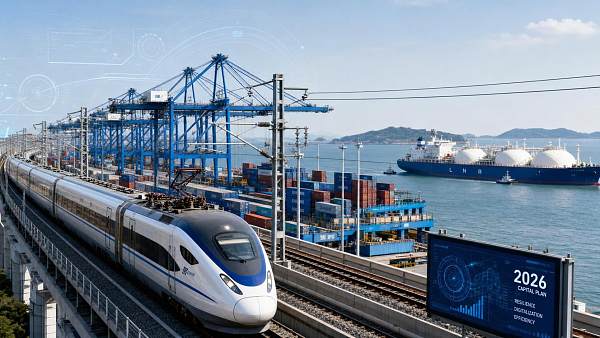
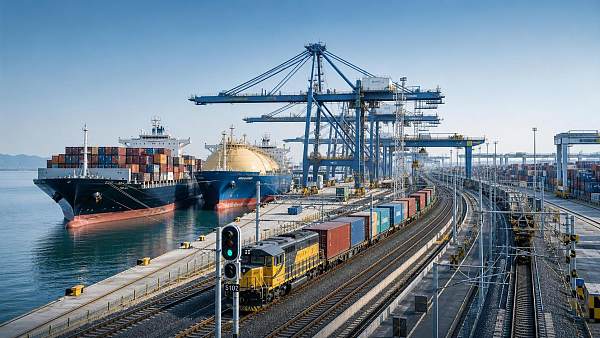
For an intelligence platform such as GTOT, this topic connects directly with smart container ships, advanced ocean-going vessels, and the broader land-sea transport network. Port efficiency now depends on how well maritime systems interact with inland rail, energy infrastructure, and digital control layers.
Why port efficiency now depends on scenario-based smart maritime logistics
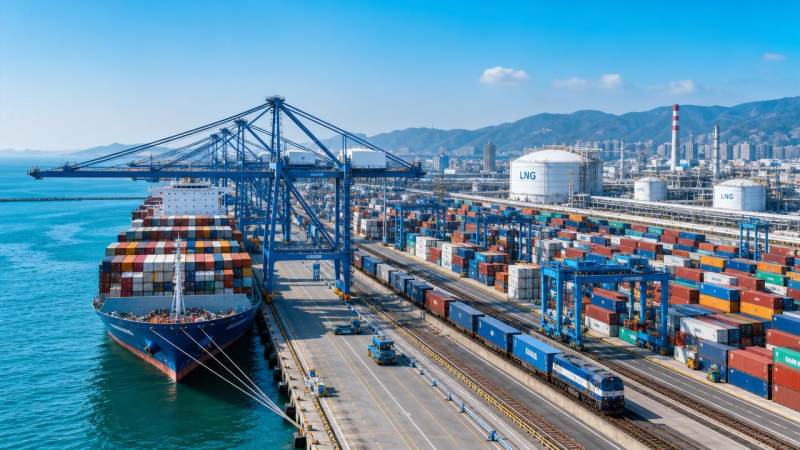
Not every port faces the same pressure. A transshipment hub, an LNG export terminal, and an intermodal gateway require different forms of smart maritime logistics. The correct investment path depends on traffic patterns, cargo complexity, and inland connectivity.
This is why trend analysis must move beyond broad digitalization claims. The real value comes from judging where vessel coordination matters most, where terminal data silos slow decisions, and where port-rail or port-energy integration limits throughput.
In practical terms, ports improve faster when they identify operational scenarios first. Then they match technology to those scenarios. That approach reduces wasted spending and supports targeted gains in reliability, safety, and capacity.
Scenario 1: Congested container hubs need predictive coordination, not just more equipment
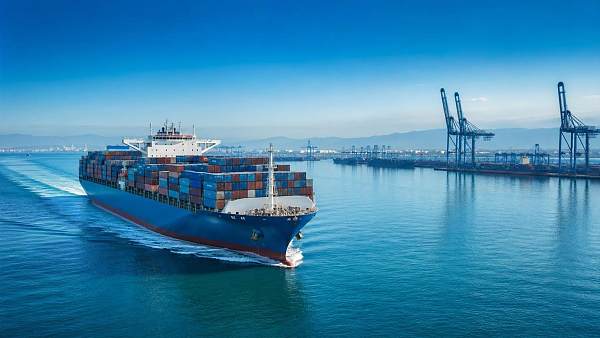
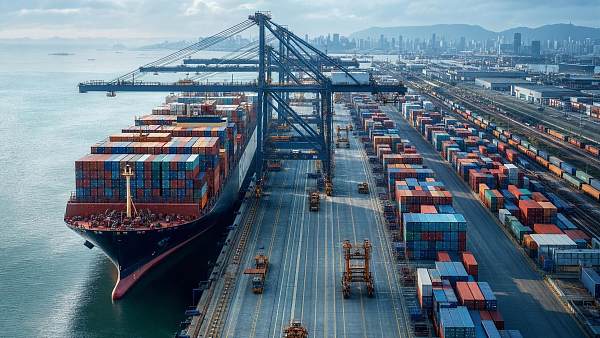
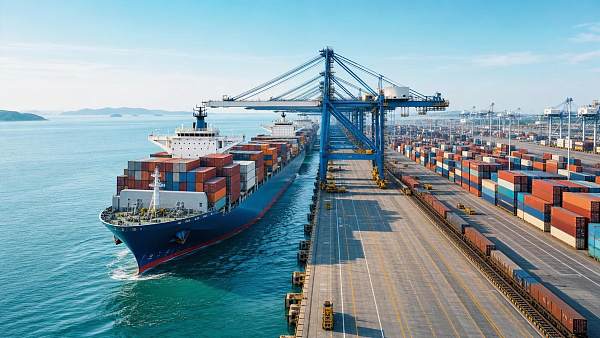
Large container ports often assume congestion is mainly a capacity problem. In reality, delays often begin with poor arrival sequencing, inaccurate ETAs, and fragmented communication between shipping lines, pilots, terminals, and inland carriers.
Here, smart maritime logistics improves performance through AI-based arrival forecasting, digital berth windows, and integrated yard planning. These tools reduce idle anchorage time and help terminals allocate cranes, labor, and gate slots with greater precision.
Core judgment points for container hub operations
- Frequent berth conflicts indicate weak vessel scheduling logic.
- Yard congestion often signals poor cargo visibility rather than low space.
- Truck queues reveal missing gate synchronization and inland data linkage.
- Crane productivity declines when stowage and discharge plans update too slowly.
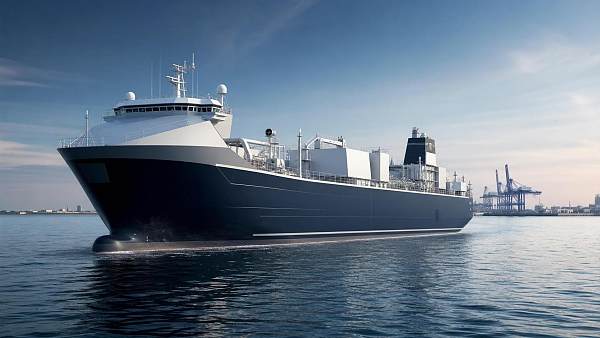
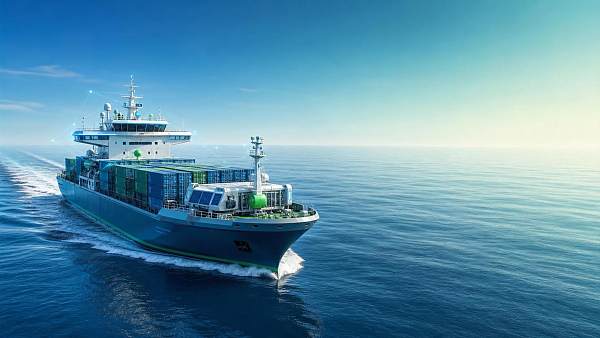
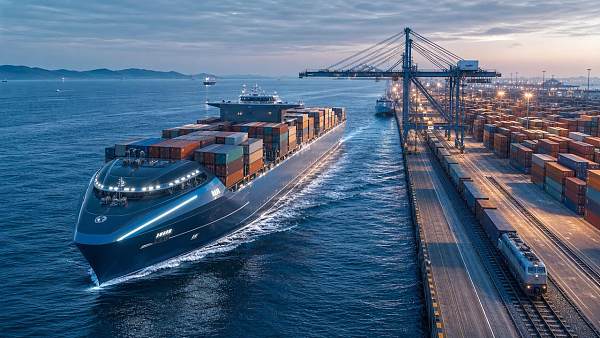
For smart container ships, the port is no longer an isolated destination. It is an active node in a digital voyage chain. Vessel data, route updates, and terminal readiness must be aligned before arrival, not after delays begin.
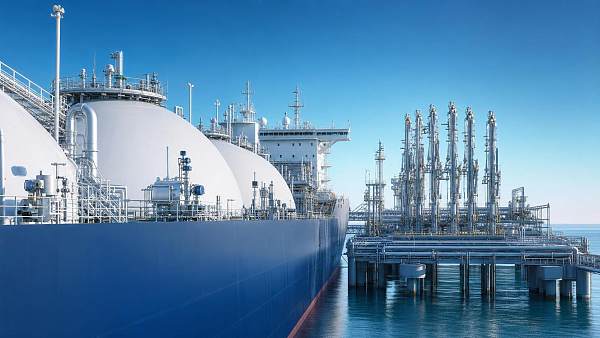
Scenario 2: Energy and LNG terminals require safety-led smart maritime logistics
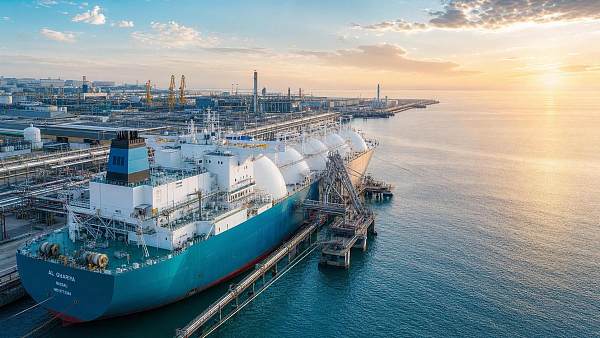
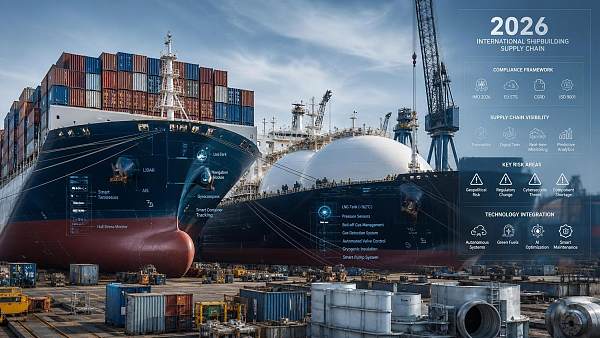
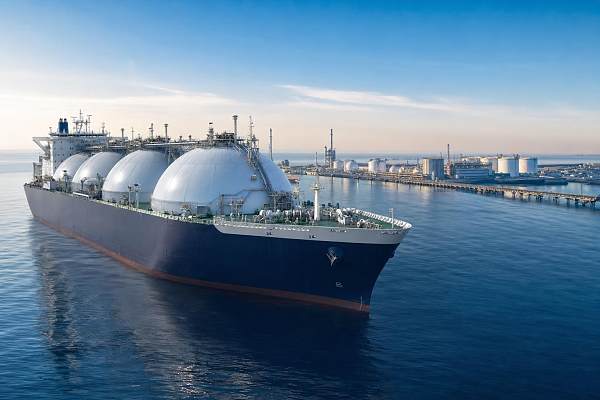
At LNG and energy ports, speed matters, but safety and process stability matter more. These terminals handle highly specialized cargo, cryogenic systems, strict compliance demands, and narrow operational windows shaped by weather and berth conditions.
In this scenario, smart maritime logistics supports decision-making through condition monitoring, weather-linked routing, digital twin berth assessment, and integrated custody data. The goal is not only faster flow, but lower risk and stronger operational continuity.
Core judgment points for LNG and energy port operations
- Marine traffic planning must reflect weather, draft, and berth safety constraints.
- Cargo handling data needs secure sharing across ship, terminal, and inspection systems.
- Predictive maintenance is critical for pumps, valves, loading arms, and containment interfaces.
- Energy efficiency metrics must be tracked alongside turnaround performance.
This is where GTOT’s perspective on LNG carriers and advanced vessel systems becomes relevant. Port efficiency in energy shipping depends on integrating marine intelligence with engineering discipline, not simply accelerating cargo movement.
Scenario 3: Intermodal gateways gain most when sea-port-rail data becomes one workflow
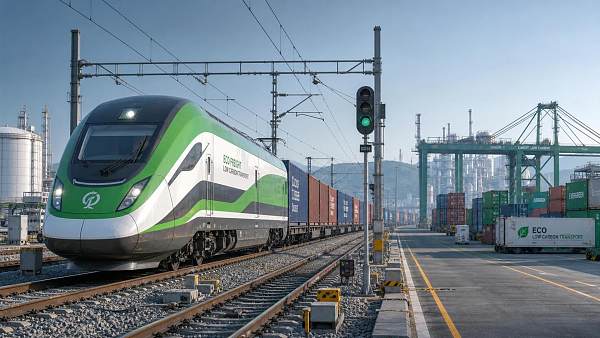
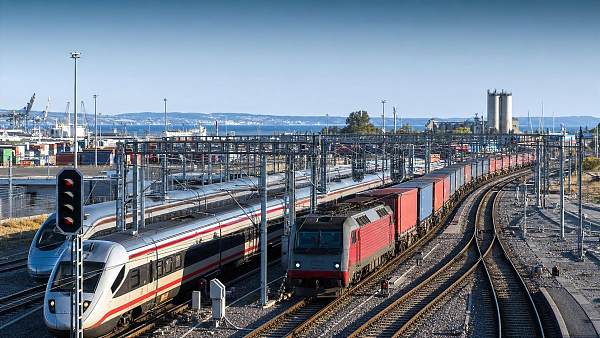
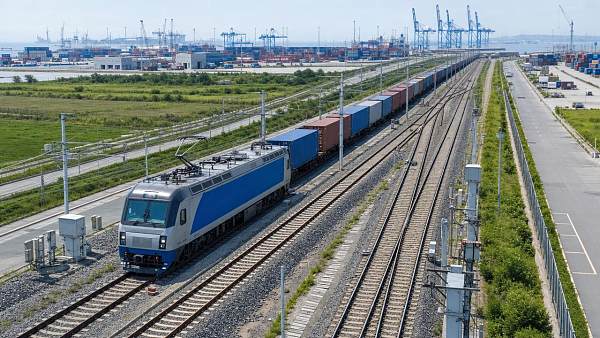
Some ports perform well at the quay but lose efficiency inland. Containers leave the vessel on time, yet dwell time rises because rail slots, truck availability, and customs data are disconnected. This scenario is common in high-volume intercontinental trade corridors.
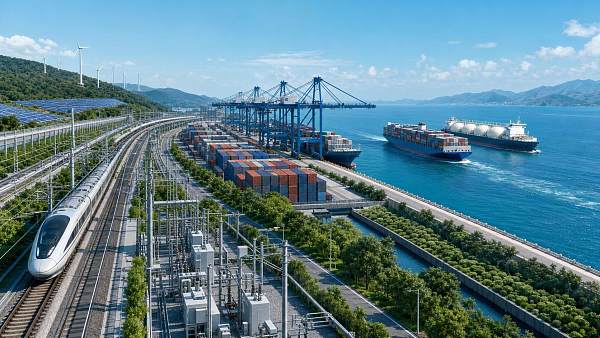
In these gateways, smart maritime logistics must extend beyond the waterfront. It should connect vessel schedules with rail dispatch, terminal operating systems, customs clearance, and inland depot planning. Otherwise, sea efficiency becomes inland congestion.
Core judgment points for intermodal ports
- Rail departure planning should begin before vessel berthing is finalized.
- Cargo prioritization needs visibility across customs, yard, and inland schedules.
- Digital handoffs reduce dwell time more effectively than adding storage area.
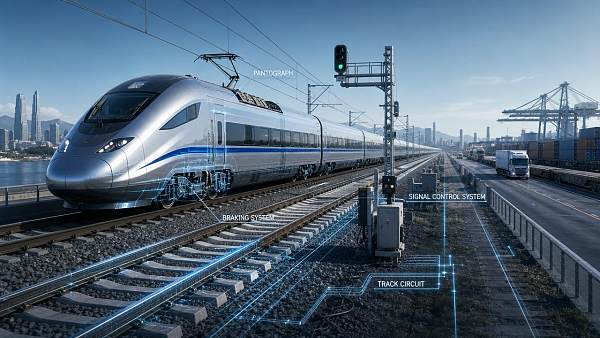
- Signal, control, and dispatch reliability influence end-to-end maritime value.
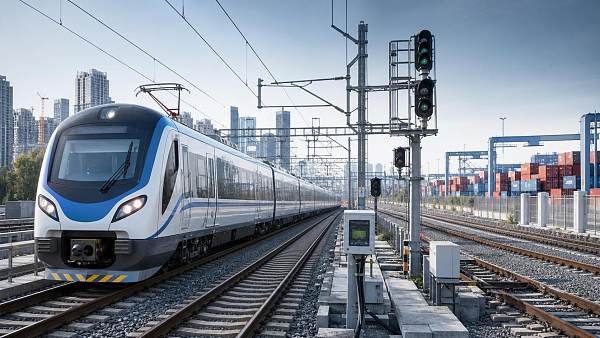
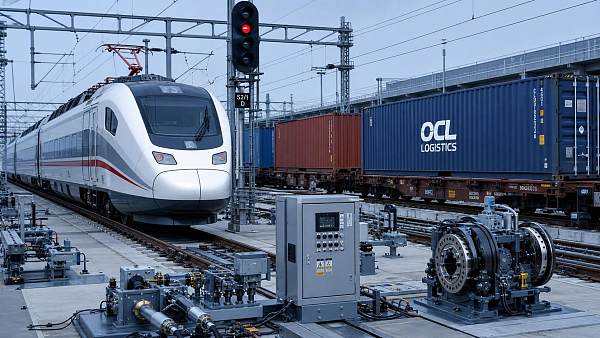
This scenario reflects GTOT’s land-sea intelligence logic. Railway signaling, braking systems, traction stability, and port vessel flow are part of the same supply chain outcome when intermodal performance becomes the strategic target.
How scenario needs differ across smart maritime logistics environments
The best smart maritime logistics strategy depends on where constraints appear first. Some operations are vessel-led. Others are terminal-led or inland-led. The table below clarifies the difference.
Practical adaptation steps for building smart maritime logistics capabilities
A strong roadmap should prioritize operational fit over technology hype. Ports and shipping ecosystems usually progress faster when upgrades are phased around clear scenarios and measurable constraints.
- Map where delay begins: vessel approach, berth, yard, gate, rail, or compliance.
- Unify timing data across ship, terminal, and inland partners.
- Deploy predictive analytics where timing variability is highest.
- Use digital twins or simulation for berth, yard, and route planning.
- Link sustainability metrics to operational dashboards.
- Review cyber resilience before expanding connected systems.
In the broader transport landscape, this approach aligns well with GTOT’s focus on rigorous intelligence stitching. Maritime efficiency becomes more durable when vessel systems, port control, and inland transport logic are evaluated as one coordinated network.
Common misjudgments that weaken smart maritime logistics results
The first mistake is treating automation as a complete strategy. Automated cranes or smart ships can help, but they do not solve timing conflicts created by poor data sharing or fragmented decisions.
The second mistake is optimizing only terminal KPIs. True smart maritime logistics performance should track total corridor outcomes, including anchorage time, cargo dwell, rail release, and emissions per movement.
Another common error is ignoring specialized vessel scenarios. LNG carriers, deep-sea smart container ships, and mixed cargo operations require different control logic, safety thresholds, and infrastructure coordination.
A final risk is underestimating data governance. Interconnected ports depend on trusted information flows. Without standardization, cybersecurity discipline, and process ownership, digital platforms can increase noise instead of clarity.
What to do next as smart maritime logistics reshapes port efficiency
The next step is to assess which operational scenario defines current performance limits. Start with a narrow diagnosis: container congestion, energy terminal risk exposure, or intermodal disconnection. Then match digital tools to that exact pressure point.
As smart maritime logistics continues reshaping port efficiency, competitive advantage will come from better coordination, not just larger assets. Ports, vessels, and inland systems that learn to share reliable intelligence will move cargo faster, safer, and with greater resilience.
For organizations tracking advanced shipping, rail-linked logistics, and strategic infrastructure trends, this is the moment to align maritime digitalization with end-to-end transport performance. That is where long-term efficiency gains become real business value.
Recommended News
 Jul 19, 2026Transportation Infrastructure Trends Shaping Capital Planning in 2026Transportation infrastructure trends in 2026 are reshaping capital planning across rail, ports, and shipping. Discover how resilience, automation, and digital control are driving smarter investment decisions.
 Jul 12, 2026Gas Carrier Technology in the Middle East: 2026 OutlookGas carrier technology Middle East trends for 2026: explore LNG vessel innovation, propulsion, containment, and regional yard upgrades shaping smarter energy trade decisions.
 Jul 10, 2026Commercial Shipbuilding Technology Trends Shaping Newbuild Projects in 2026Commercial shipbuilding technology is reshaping 2026 newbuild projects with smarter vessels, fuel flexibility, digital twins, and earlier compliance planning. Explore the trends driving stronger ROI.
 Jul 08, 2026Rail Transit Systems Upgrade Trends Shaping 2026 Investment PlansRail transit systems in 2026 are shifting from expansion to smarter upgrades. Explore safety, automation, energy, and digital trends shaping resilient, high-value investment plans.
 Jul 06, 2026Cryogenic Shipping Systems Manufacturer Trends Shaping 2026 Fleet UpgradesCryogenic shipping systems manufacturer trends are reshaping 2026 fleet upgrades. Explore how digital monitoring, emissions control, and safer containment can improve vessel performance.
 Jul 05, 2026Smart Shipping Solutions for Fleet Management: 2026 Trends Shaping Vessel OperationsSmart shipping solutions for fleet management are redefining vessel operations in 2026. Explore trends in integration, compliance, fuel efficiency, and resilient fleet performance.
 Jul 04, 2026Digital Marine Decarbonization Technology: What Delivers Measurable GainsDigital marine decarbonization technology helps fleets cut fuel use, improve compliance, and boost vessel efficiency with measurable, data-driven gains. Learn what truly delivers value.
 Jul 03, 2026Global Rail Infrastructure Standards: 2026 Changes to WatchGlobal rail infrastructure standards are reshaping 2026 rail projects. Discover the key compliance, interoperability, cyber, and low-carbon changes that will impact bids and investment.
 Jul 02, 2026Global Trade Logistics North America Trends to Watch in 2026Global trade logistics North America in 2026 will be shaped by rail-ocean integration, smart routing, LNG demand, and measurable resilience. Discover the trends redefining reliability and trade advantage.
 Jun 30, 2026International Shipbuilding Suppliers: 2026 Sourcing Trends and Supply Chain RisksInternational shipbuilding suppliers face new 2026 sourcing risks, from compliance and digital integration to sub-tier bottlenecks. Explore key trends shaping cost, delivery, and resilience.
 Jun 27, 2026Heavy Industry Tech Trends Reshaping Equipment Investment in 2026Heavy industry tech is reshaping 2026 equipment investment across rail and maritime systems. Explore the five trends driving safer, smarter, higher-value capital decisions.
 Jun 25, 2026Decarbonization Trends Reshaping Rail and Marine Investment in 2026Decarbonization is reshaping rail and marine investment in 2026. Discover where capital is moving, which assets gain value, and how smarter transport upgrades improve resilience.
 Jun 23, 2026Global Rail Infrastructure Trends Shaping Capacity, Funding, and Delivery TimelinesGlobal rail infrastructure trends are redefining capacity, funding, and delivery timelines. Explore how data-driven planning and system readiness shape resilient, investable rail projects.
 Jun 22, 2026Maritime Logistics Trends in 2026: Capacity Shifts, Delays, and Margin PressureMaritime logistics in 2026 faces shifting capacity, persistent delays, and rising margin pressure. Explore key risks, lane-level signals, and smarter planning strategies.
 Jun 21, 2026LNG Carriers Technology Advancements: 5 Upgrades Reshaping Fleet PerformanceLNG carriers technology advancements are reshaping fleet performance through smarter containment, dual-fuel propulsion, digital monitoring, boil-off control, and automation—see the 5 upgrades driving safer, cleaner, more profitable LNG shipping.
 Jun 20, 2026Global Supply Chain Challenges in Rail Infrastructure in 2026Global supply chain challenges in rail infrastructure are redefining 2026 project risk. Discover where delays, compliance, and sourcing pressure hit hardest—and how smarter evaluation protects cost, delivery, and performance.
 Jun 20, 2026Full Digitalization in Rail: 7 Risks to Address Before ScalingFull digitalization in rail can boost safety, maintenance, and control—but only if key risks are managed. Explore 7 critical challenges to address before scaling network-wide.
 Jun 18, 2026Maritime Logistics Trends in 2026: Where Shipping Efficiency Is MovingMaritime logistics in 2026 is driven by AI routing, port connectivity, decarbonization, and asset visibility. Discover the trends redefining shipping efficiency and resilience.
 Jun 17, 2026Transportation Infrastructure Development Trends That Matter for Long-Term PlanningTransportation infrastructure development trends are reshaping rail, ports, shipping, and LNG networks. Explore the key signals for smarter long-term planning, resilience, and investment value.
 Jun 17, 2026Railway Automation Trends Shaping Safer, Smarter Networks in 2026Railway automation in 2026 is driving safer, smarter rail networks with predictive maintenance, integrated signaling, and higher capacity. Explore the trends shaping resilient transport.
 Jun 15, 2026Decarbonization in Rail Transportation: What Cuts Emissions First?Decarbonization in rail transportation starts with the fastest wins: traction optimization, regenerative braking, smarter signalling, and retrofit upgrades that cut emissions, costs, and risk.
 Jun 14, 2026Rail Infrastructure Investment: Cost vs Long-Term ReturnRail infrastructure investment is more than upfront cost. Discover how lifecycle planning, smarter systems, and reliable rail design can deliver stronger long-term returns.
 Jun 13, 2026Advanced Ocean-Going Vessels: Key Design Shifts in 2026Advanced ocean-going vessels in 2026 are redefining shipping with AI routing, fuel-flexible propulsion, and smarter port integration. See which design shifts drive resilience, efficiency, and long-term fleet value.
 Jun 12, 2026High-Speed Rail Technology Trends Shaping 2026 ProjectsHigh-speed rail technology is reshaping 2026 projects through smarter signaling, resilient traction, precision braking, and digital monitoring. Explore the trends driving safer, scalable, bankable rail delivery.