



Search News
Industry Portal
Popular Tags
Railway Safety Technology Trends Reshaping Network Reliability in 2026
Author
Time
Click Count
In 2026, railway safety technology is no longer just a compliance issue—it is a strategic lever for network reliability, asset efficiency, and operational resilience. For business decision-makers, understanding how AI-driven signalling, predictive maintenance, intelligent braking, and SIL4-grade control systems are reshaping rail performance is essential to building safer, smarter, and more competitive transport networks.
Why railway safety technology is now a board-level reliability issue
For operators, EPC contractors, rolling stock integrators, and infrastructure investors, railway safety technology now directly affects punctuality, lifecycle cost, insurance exposure, and tender competitiveness. The question is no longer whether to modernize, but where safety investment creates the strongest operational return.
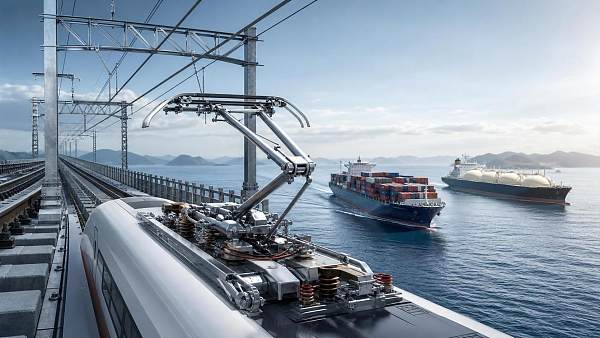
This shift is especially visible in mixed transport ecosystems, where rail corridors connect ports, logistics hubs, energy routes, and industrial clusters. A signalling failure, unstable power collection event, or degraded braking response can ripple through the wider supply chain.
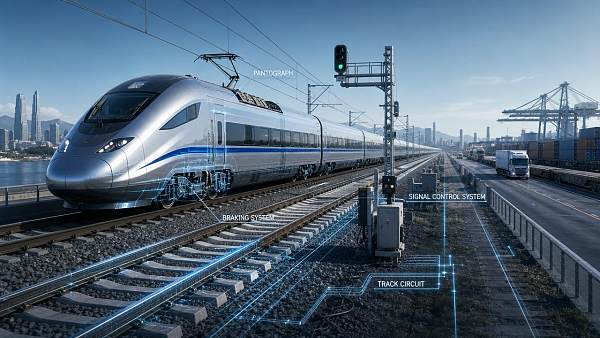
GTOT tracks this convergence closely. Its land-sea intelligence perspective helps decision-makers assess railway signal control systems, pantographs, braking systems, and broader transport reliability with the same discipline used in mission-critical marine operations.
- Higher traffic density leaves less tolerance for manual intervention and longer fault recovery windows.
- Decarbonization policies increase pressure to run electrified networks with greater consistency and lower energy waste.
- Cross-border procurement demands clearer evidence of safety architecture, maintainability, and standards alignment.
Which technology trends are reshaping railway safety technology in 2026?
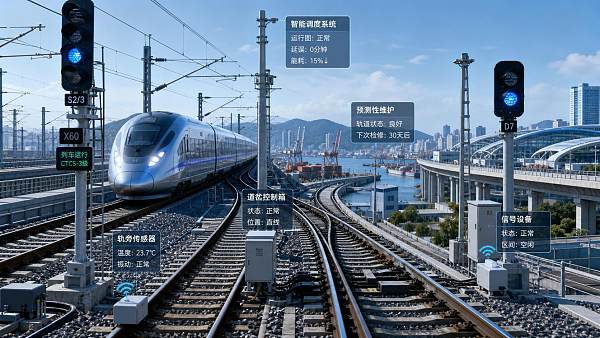
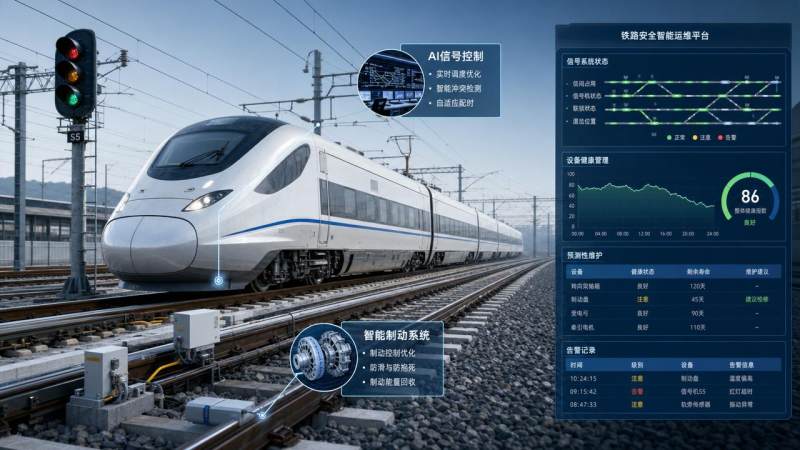
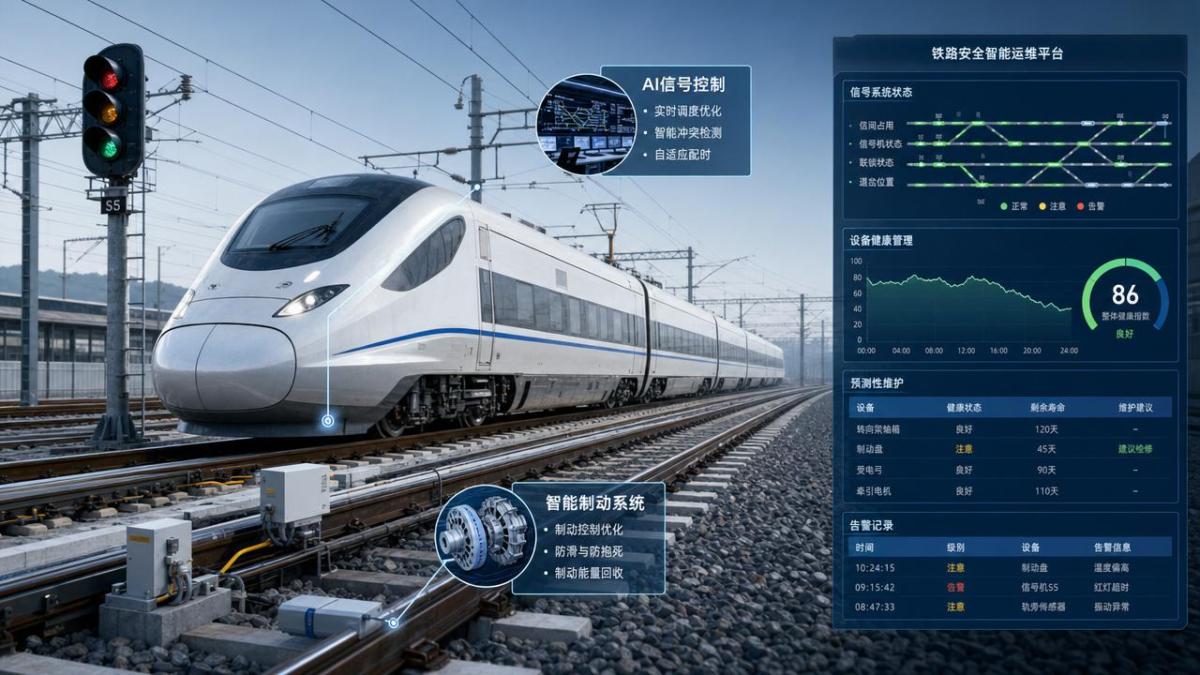
Railway safety technology in 2026 is defined by integration, not isolated devices. The strongest improvements come from linking signalling intelligence, condition monitoring, braking control, communications resilience, and maintenance analytics into one operational decision loop.
AI-assisted signalling and interlocking supervision
Advanced signalling platforms increasingly use AI-assisted diagnostics to identify route conflicts, irregular equipment states, and early degradation patterns. In practice, this supports faster incident recognition while preserving the deterministic logic required in safety-critical control environments.
Predictive maintenance for failure prevention
Instead of waiting for component thresholds to be breached, operators are monitoring switch machines, brake subsystems, current collection interfaces, and onboard electronics continuously. Predictive maintenance does not replace engineering judgment, but it improves maintenance timing and reduces surprise downtime.
Intelligent braking and train stopping precision
Braking systems are now evaluated not only for emergency stopping ability, but also for consistency under heat, load variation, and repeated duty cycles. For high-speed and metro networks, stable braking performance influences headway management, platform accuracy, and wear planning.
Resilient communications and edge data processing
Railway safety technology increasingly depends on reliable data movement between wayside assets, trains, and control centers. LTE-M, private wireless frameworks, and edge computing are being considered where fast status visibility matters and network interruptions must not translate into unsafe operations.
The table below summarizes how key railway safety technology trends affect business outcomes, procurement priorities, and operational risk.
A useful takeaway is that railway safety technology decisions should be evaluated through both engineering performance and business continuity. The most attractive option on paper may not be the best one if support depth, interoperability, or maintenance readiness are weak.
Where do failures usually start in real rail operating scenarios?
Many executives focus on major accidents, but everyday reliability losses usually begin with small technical inconsistencies. Railway safety technology creates value when it prevents minor degradation from becoming service disruption or regulatory exposure.
High-density metro and commuter corridors
In these networks, the risk is often cumulative. A slightly delayed point machine, a brake response deviation, or unstable power collection can quickly damage timetable adherence. Safety and punctuality are tightly linked because margins are narrow.
High-speed rail operations
At higher speeds, pantograph stability, aerodynamic effects, and communication reliability become more sensitive. Railway safety technology must perform under vibration, weather, and rapid state changes without creating unnecessary maintenance burden.
Freight corridors serving ports and industrial zones
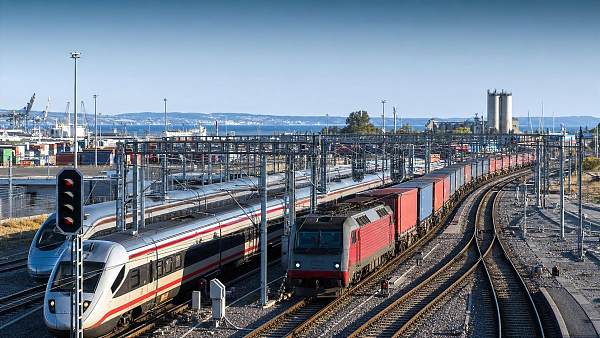
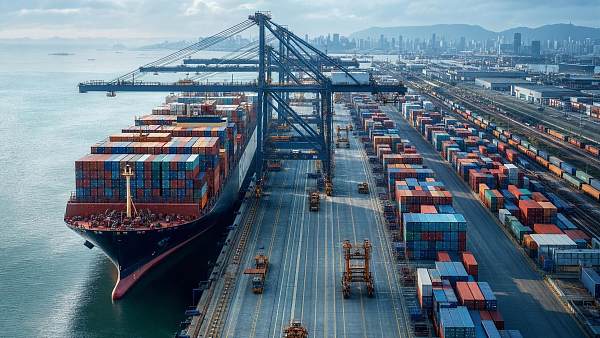
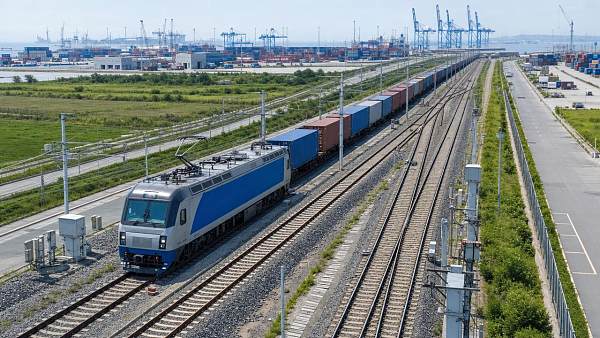
Mixed freight conditions introduce heavy loads, variable braking profiles, and tighter coordination with intermodal terminals. Here, a safety technology upgrade can also improve asset turnaround and reduce downstream logistics volatility.
- Trackside signalling assets may fail gradually and invisibly before a clear alarm appears.
- Braking performance can degrade through heat, friction material wear, and control inconsistencies.
- Current collection instability can create both power quality issues and component fatigue.
How should enterprises compare railway safety technology options?
A common procurement mistake is comparing solutions only by initial price or isolated technical specifications. Enterprise buyers need a structured method that connects safety integrity, maintainability, retrofit difficulty, and operational impact.
The following comparison table is designed for decision-makers evaluating railway safety technology across new-build and modernization programs.
This comparison shows why railway safety technology should be scored as a program capability, not a component purchase. GTOT’s intelligence approach is valuable here because it connects subsystem technical detail with market realities, tender expectations, and long-term support logic.
What should buyers check before selecting signalling, braking, and control solutions?
Decision-makers need a shortlist that goes beyond marketing claims. The practical goal is to verify whether a supplier or solution can sustain safety performance under real operating complexity.
Procurement checklist for railway safety technology
- Confirm the safety architecture and intended integrity level, especially for signalling and interlocking functions where fail-safe behavior is essential.
- Review environmental suitability, including vibration, temperature, humidity, electromagnetic compatibility, and high-speed airflow conditions where relevant.
- Check data access and diagnostic transparency. If condition monitoring is offered, understand what the operator can actually see, store, and act on.
- Assess retrofit complexity. Interface risk often determines whether a project finishes on time and within budget.
- Verify service support assumptions, including spare availability, engineering response time, testing procedures, and training requirements.
For multinational buyers, standards interpretation matters almost as much as raw technology quality. A technically strong railway safety technology package can still fail a bid if documentation, validation logic, or compliance mapping is weak.
How do standards and compliance affect investment decisions?
Safety investment must align with recognized engineering frameworks. While project requirements vary by country and system type, decision-makers commonly review safety lifecycle discipline, functional safety evidence, testing traceability, and operational maintainability.
The table below highlights common compliance areas that influence railway safety technology evaluation and bid readiness.
For enterprise buyers, compliance should not be treated as a late-stage paperwork task. It should shape supplier screening, interface design, and risk budgeting from the start. That is where intelligence-led advisory support can save both time and tender friction.
Common mistakes that weaken railway safety technology projects
Even well-funded programs can underperform when assumptions are too narrow. The biggest failures often come from implementation logic rather than from headline technology choices.
- Treating signalling, braking, and current collection as separate procurement silos instead of reliability-linked systems.
- Underestimating retrofit constraints, especially in brownfield networks with mixed legacy architectures.
- Buying condition monitoring tools without a clear maintenance response workflow or spare strategy.
- Focusing on nominal technical data while ignoring validation quality, environmental assumptions, and support depth.
A mature railway safety technology plan defines who interprets the data, how interventions are triggered, and which reliability indicators matter to operations, finance, and compliance teams alike.
FAQ: what enterprise buyers ask most about railway safety technology
How should we prioritize upgrades if budget is limited?
Start with assets that create the largest network consequence when they fail. In many rail systems, this means signalling control points, braking-critical components, and high-stress current collection interfaces. A risk-ranked asset map is usually more useful than a blanket replacement plan.
Is predictive maintenance enough to improve safety?
No. Predictive maintenance strengthens railway safety technology, but only when data quality, alarm thresholds, field inspection routines, and intervention authority are all defined. Sensors without workflow discipline rarely deliver consistent value.
What matters most in a signalling technology review?
Look at safety logic integrity, fault tolerance, diagnostic depth, integration complexity, and long-term maintainability. For many buyers, the strongest indicator is not the interface design alone, but how clearly the system handles degraded modes and recovers from faults.
How long does a typical modernization decision cycle take?
That depends on system size, regulatory process, and retrofit complexity. In practice, evaluation often takes longer than hardware production because technical mapping, compliance review, and interface risk analysis require cross-functional alignment.
Why GTOT is a practical intelligence partner for 2026 safety decisions
GTOT is positioned for decision-makers who need more than product headlines. Its strength lies in connecting core railway control components, high-speed traction realities, and broader macro-transport dynamics with the rigor required in restricted tenders and complex infrastructure programs.
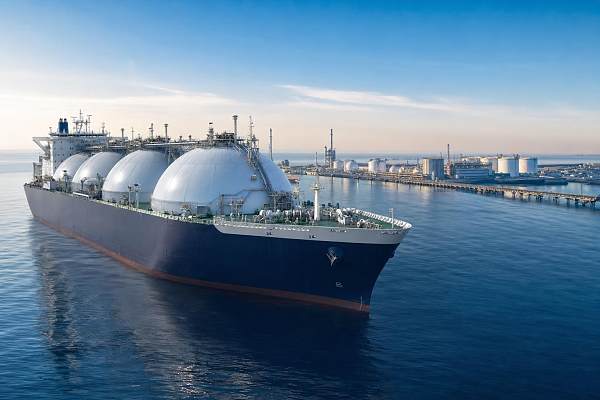
Because GTOT also tracks smart vessels, LNG carriers, and cross-border logistics patterns, it brings a wider reliability lens to rail investment. That perspective is useful when railway safety technology must support port access, industrial supply chains, and intercontinental freight resilience.
Why choose us
If you are evaluating railway safety technology for signalling systems, braking solutions, pantograph-related reliability, or integrated modernization strategy, GTOT can support targeted decision work rather than generic consultation.
- Parameter confirmation for key control, braking, and power collection requirements in demanding operating conditions.
- Solution selection support for new-build, retrofit, or mixed-asset railway networks.
- Discussion of delivery cycle expectations, technical documentation readiness, and tender response priorities.
- Guidance on certification logic, standards mapping, and project risk areas that often delay approval.
- Commercial insight support for distributors, EPC contractors, and industrial buyers preparing quotations or prequalification packages.
For teams planning 2026 investment, the most productive next step is a focused discussion on operating scenario, asset pain points, upgrade scope, and compliance constraints. That makes product selection, budget planning, and supplier engagement far more precise from the outset.
Recommended News
 Jul 19, 2026Transportation Infrastructure Trends Shaping Capital Planning in 2026Transportation infrastructure trends in 2026 are reshaping capital planning across rail, ports, and shipping. Discover how resilience, automation, and digital control are driving smarter investment decisions.
 Jul 12, 2026Gas Carrier Technology in the Middle East: 2026 OutlookGas carrier technology Middle East trends for 2026: explore LNG vessel innovation, propulsion, containment, and regional yard upgrades shaping smarter energy trade decisions.
 Jul 10, 2026Commercial Shipbuilding Technology Trends Shaping Newbuild Projects in 2026Commercial shipbuilding technology is reshaping 2026 newbuild projects with smarter vessels, fuel flexibility, digital twins, and earlier compliance planning. Explore the trends driving stronger ROI.
 Jul 08, 2026Rail Transit Systems Upgrade Trends Shaping 2026 Investment PlansRail transit systems in 2026 are shifting from expansion to smarter upgrades. Explore safety, automation, energy, and digital trends shaping resilient, high-value investment plans.
 Jul 06, 2026Cryogenic Shipping Systems Manufacturer Trends Shaping 2026 Fleet UpgradesCryogenic shipping systems manufacturer trends are reshaping 2026 fleet upgrades. Explore how digital monitoring, emissions control, and safer containment can improve vessel performance.
 Jul 05, 2026Smart Shipping Solutions for Fleet Management: 2026 Trends Shaping Vessel OperationsSmart shipping solutions for fleet management are redefining vessel operations in 2026. Explore trends in integration, compliance, fuel efficiency, and resilient fleet performance.
 Jul 04, 2026Digital Marine Decarbonization Technology: What Delivers Measurable GainsDigital marine decarbonization technology helps fleets cut fuel use, improve compliance, and boost vessel efficiency with measurable, data-driven gains. Learn what truly delivers value.
 Jul 03, 2026Global Rail Infrastructure Standards: 2026 Changes to WatchGlobal rail infrastructure standards are reshaping 2026 rail projects. Discover the key compliance, interoperability, cyber, and low-carbon changes that will impact bids and investment.
 Jul 02, 2026Global Trade Logistics North America Trends to Watch in 2026Global trade logistics North America in 2026 will be shaped by rail-ocean integration, smart routing, LNG demand, and measurable resilience. Discover the trends redefining reliability and trade advantage.
 Jun 30, 2026International Shipbuilding Suppliers: 2026 Sourcing Trends and Supply Chain RisksInternational shipbuilding suppliers face new 2026 sourcing risks, from compliance and digital integration to sub-tier bottlenecks. Explore key trends shaping cost, delivery, and resilience.
 Jun 27, 2026Heavy Industry Tech Trends Reshaping Equipment Investment in 2026Heavy industry tech is reshaping 2026 equipment investment across rail and maritime systems. Explore the five trends driving safer, smarter, higher-value capital decisions.
 Jun 25, 2026Decarbonization Trends Reshaping Rail and Marine Investment in 2026Decarbonization is reshaping rail and marine investment in 2026. Discover where capital is moving, which assets gain value, and how smarter transport upgrades improve resilience.
 Jun 23, 2026Global Rail Infrastructure Trends Shaping Capacity, Funding, and Delivery TimelinesGlobal rail infrastructure trends are redefining capacity, funding, and delivery timelines. Explore how data-driven planning and system readiness shape resilient, investable rail projects.
 Jun 22, 2026Maritime Logistics Trends in 2026: Capacity Shifts, Delays, and Margin PressureMaritime logistics in 2026 faces shifting capacity, persistent delays, and rising margin pressure. Explore key risks, lane-level signals, and smarter planning strategies.
 Jun 21, 2026LNG Carriers Technology Advancements: 5 Upgrades Reshaping Fleet PerformanceLNG carriers technology advancements are reshaping fleet performance through smarter containment, dual-fuel propulsion, digital monitoring, boil-off control, and automation—see the 5 upgrades driving safer, cleaner, more profitable LNG shipping.
 Jun 20, 2026Global Supply Chain Challenges in Rail Infrastructure in 2026Global supply chain challenges in rail infrastructure are redefining 2026 project risk. Discover where delays, compliance, and sourcing pressure hit hardest—and how smarter evaluation protects cost, delivery, and performance.
 Jun 20, 2026Full Digitalization in Rail: 7 Risks to Address Before ScalingFull digitalization in rail can boost safety, maintenance, and control—but only if key risks are managed. Explore 7 critical challenges to address before scaling network-wide.
 Jun 18, 2026Maritime Logistics Trends in 2026: Where Shipping Efficiency Is MovingMaritime logistics in 2026 is driven by AI routing, port connectivity, decarbonization, and asset visibility. Discover the trends redefining shipping efficiency and resilience.
 Jun 17, 2026Transportation Infrastructure Development Trends That Matter for Long-Term PlanningTransportation infrastructure development trends are reshaping rail, ports, shipping, and LNG networks. Explore the key signals for smarter long-term planning, resilience, and investment value.
 Jun 17, 2026Railway Automation Trends Shaping Safer, Smarter Networks in 2026Railway automation in 2026 is driving safer, smarter rail networks with predictive maintenance, integrated signaling, and higher capacity. Explore the trends shaping resilient transport.
 Jun 15, 2026Decarbonization in Rail Transportation: What Cuts Emissions First?Decarbonization in rail transportation starts with the fastest wins: traction optimization, regenerative braking, smarter signalling, and retrofit upgrades that cut emissions, costs, and risk.
 Jun 14, 2026Rail Infrastructure Investment: Cost vs Long-Term ReturnRail infrastructure investment is more than upfront cost. Discover how lifecycle planning, smarter systems, and reliable rail design can deliver stronger long-term returns.
 Jun 13, 2026Advanced Ocean-Going Vessels: Key Design Shifts in 2026Advanced ocean-going vessels in 2026 are redefining shipping with AI routing, fuel-flexible propulsion, and smarter port integration. See which design shifts drive resilience, efficiency, and long-term fleet value.
 Jun 12, 2026High-Speed Rail Technology Trends Shaping 2026 ProjectsHigh-speed rail technology is reshaping 2026 projects through smarter signaling, resilient traction, precision braking, and digital monitoring. Explore the trends driving safer, scalable, bankable rail delivery.