



Search News
Industry Portal
Popular Tags
Decarbonization Strategies for Transportation: Which Paths Cut Cost First?
Author
Time
Click Count
For finance approvers, decarbonization strategies for transportation matter most when emissions cuts align with faster payback, lower fuel exposure, and stronger asset utilization. From rail electrification upgrades to smart vessel optimization and LNG transition pathways, the first wins often come from measures that reduce operating cost before requiring major capital resets. This article examines which routes deliver financial value earliest while supporting long-term compliance and competitiveness.
Which decarbonization strategies for transportation cut cost first?
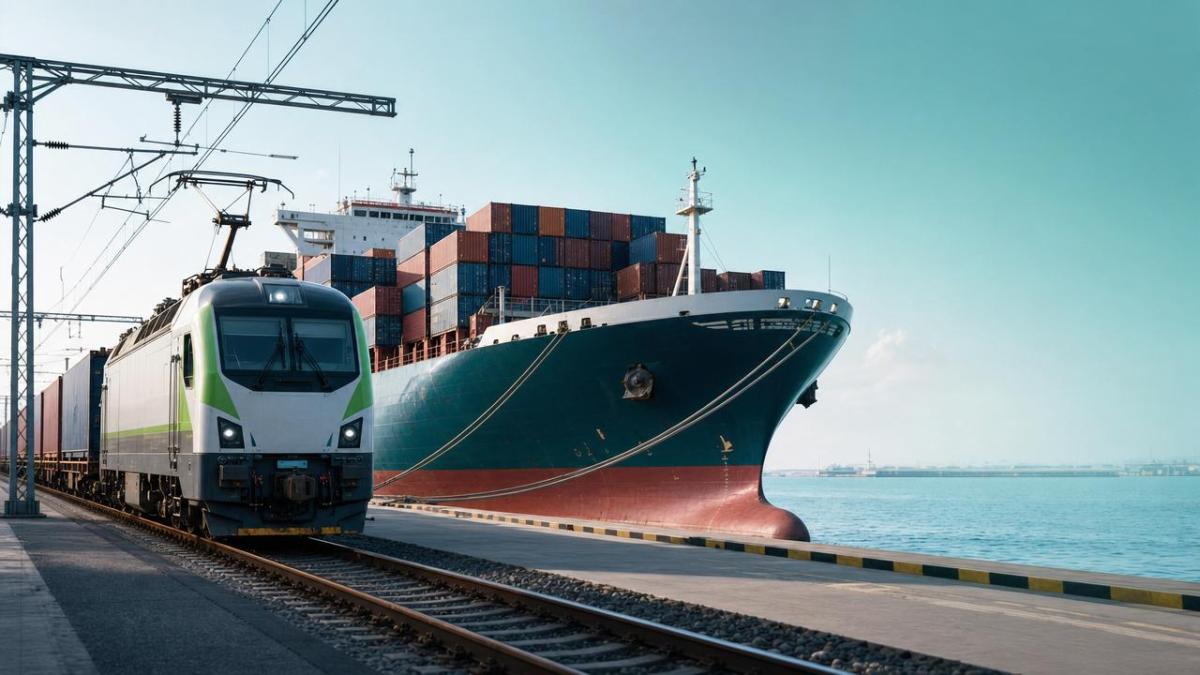
For budget holders in rail and maritime operations, the key question is not whether decarbonization is coming, but which measures improve cash flow first. In most fleets and infrastructure programs, the earliest gains come from efficiency layers added onto existing assets rather than from full asset replacement.
That is why practical decarbonization strategies for transportation usually begin with operational visibility, energy loss reduction, route optimization, braking recovery, shore-side coordination, and fuel switching where infrastructure already supports it. These moves lower fuel burn, reduce idle time, and improve throughput before larger capital programs mature.
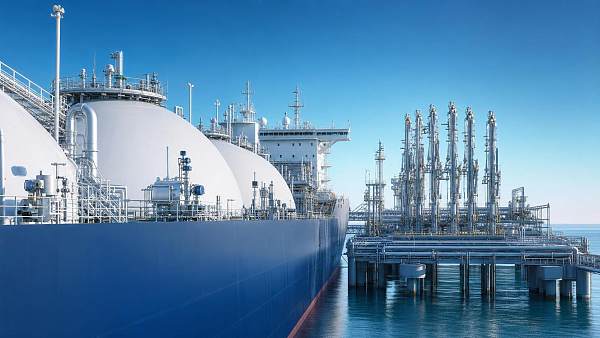
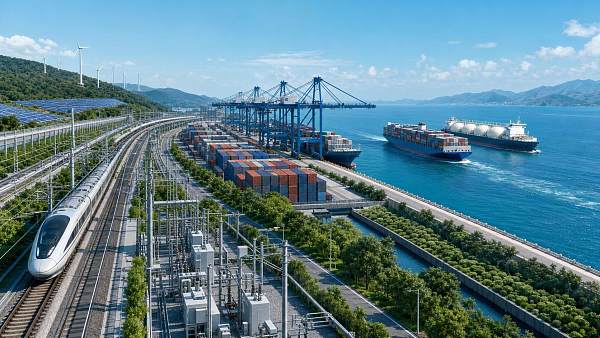
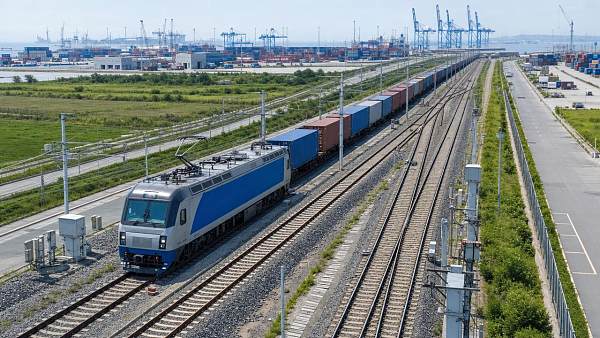
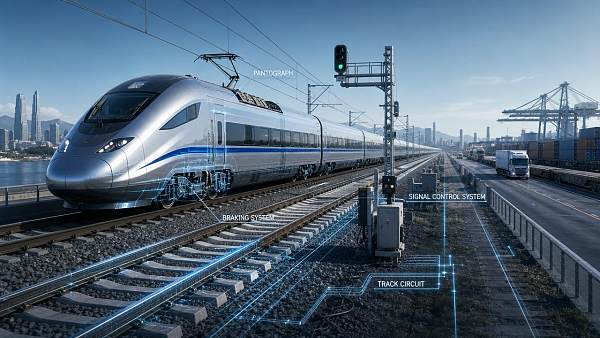
GTOT tracks this logic across rail signalling, pantograph performance, braking systems, smart container ships, and LNG carrier technology. The common finance lesson is simple: the best first path is often the one that monetizes existing utilization gaps while preparing the asset base for future compliance rules.
- Start with measures that reduce fuel or electricity consumption without disrupting service schedules.
- Prioritize upgrades that improve dispatch reliability, asset availability, and maintenance predictability.
- Sequence larger decarbonization strategies for transportation only after utilization data and compliance exposure are clear.
Why finance teams should rank pathways by payback velocity
A low-emission project can still be financially weak if it locks capital into long development cycles, uncertain energy pricing, or underused infrastructure. Finance approvers need a ranking method that compares emissions reduction with payback speed, implementation risk, downtime impact, and residual asset value.
In heavy transportation, cost-first decarbonization is less about slogans and more about energy intensity per ton-kilometer, schedule adherence, maintenance intervals, and loading efficiency. These are measurable levers, which makes them suitable for phased approvals and milestone-based budgeting.
Where do rail and maritime operators usually see the earliest savings?
The table below compares common decarbonization strategies for transportation by typical investment profile, savings trigger, and finance relevance in rail and ocean-going operations.
The pattern is clear. Software-enabled optimization and subsystem upgrades usually move faster through financial approval because they preserve installed asset value. Full propulsion shifts can be strategic, but they rarely rank first when near-term cash return is the primary filter.
Rail: savings often start with control, current, and stopping efficiency
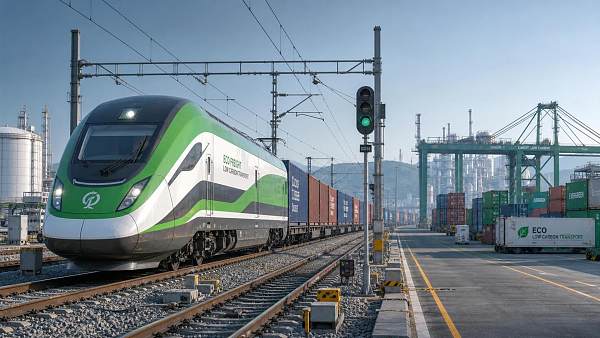
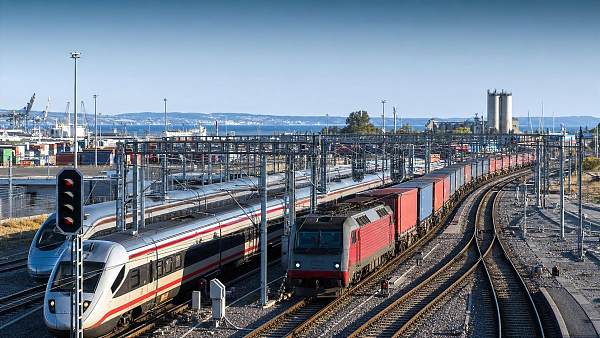
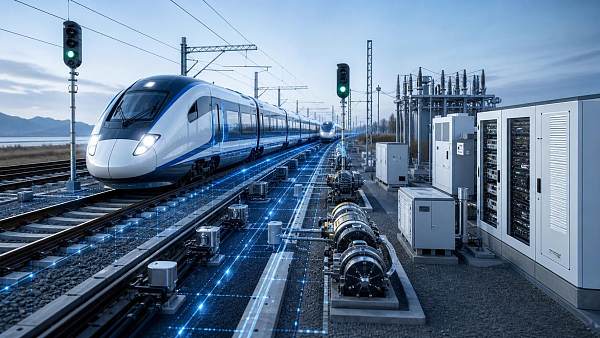
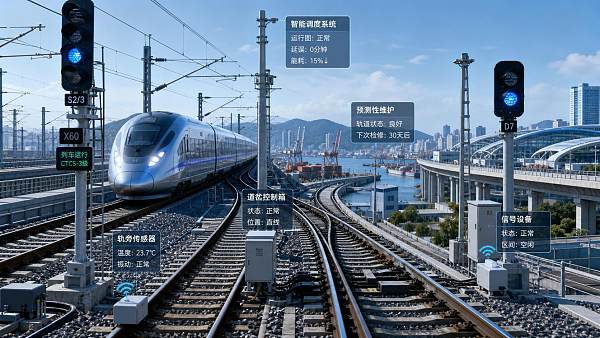
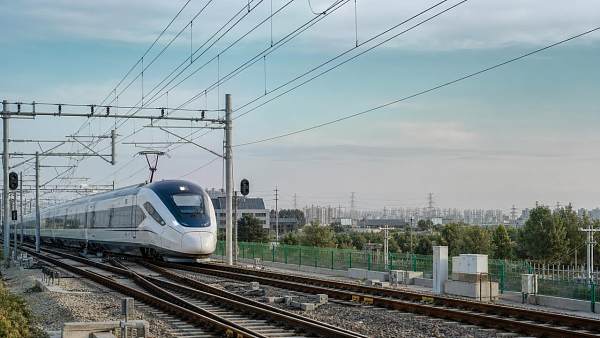
In rail networks, decarbonization strategies for transportation often gain momentum through better signalling logic, tighter headway management, reduced unnecessary acceleration, and improved electrical collection. Higher network smoothness can reduce energy waste without demanding a new rolling stock platform.
Braking systems also matter financially. Precise control can reduce component wear, stabilize stopping distances, and support energy recovery where system architecture allows it. For finance reviewers, that means the emissions story is linked to maintenance cost, availability, and timetable performance.
Maritime: savings often start with voyage intelligence and port synchronization
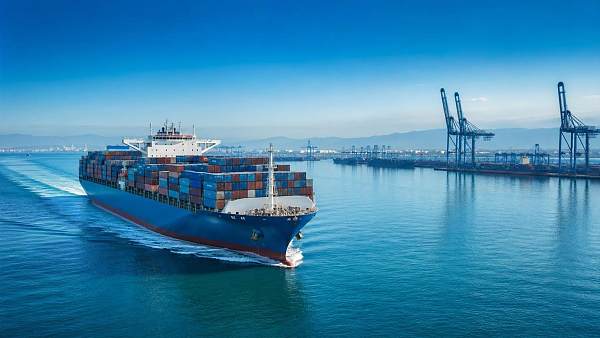
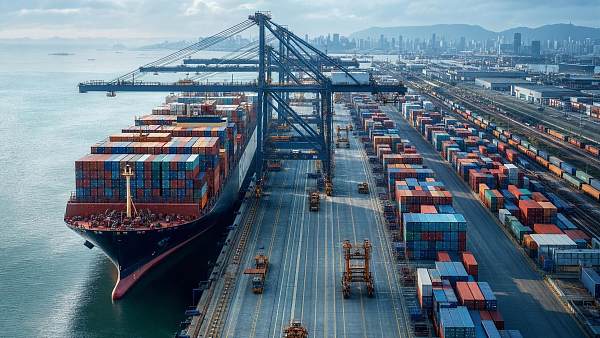
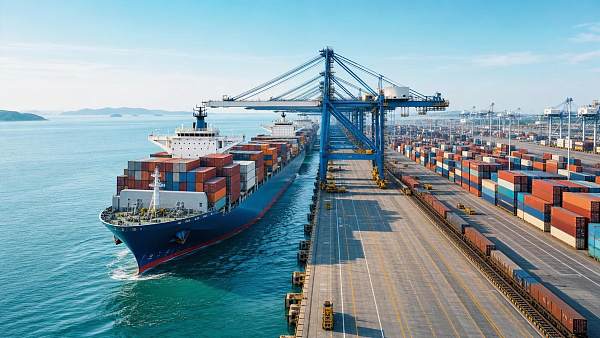
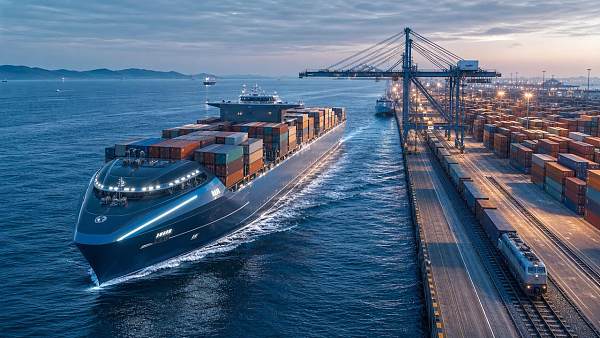
For container ships and LNG carriers, fuel burn is heavily influenced by speed profiles, weather routing, port waiting time, and loading patterns. A vessel that arrives more precisely can avoid wasteful acceleration and prolonged auxiliary consumption.
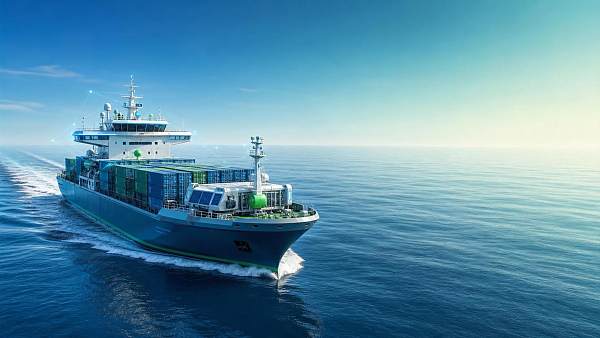
This is where GTOT’s cross-domain perspective helps. Smart maritime performance is not only an engine topic. It is also a data topic, a scheduling topic, and a supply chain coordination topic. Finance teams should therefore assess digital and operational upgrades alongside hardware choices.
How should finance approvers compare low-capex and high-capex pathways?
Not all decarbonization strategies for transportation compete on the same timeline. The next table supports procurement and investment committees that must compare quick-return retrofits with longer-horizon transition projects.
This comparison does not mean high-capex pathways should be delayed indefinitely. It means finance teams should separate “save now” projects from “transform later” projects, and avoid forcing both into the same approval logic.
A practical approval sequence
- Quantify fuel, power, idle-time, and maintenance loss on the current asset base.
- Approve quick-return digital and subsystem measures first.
- Use measured savings and utilization data to refine larger transition cases.
- Link later-stage capex to compliance deadlines, charter commitments, and infrastructure readiness.
What should procurement and investment teams check before approval?
The most expensive mistake in decarbonization strategies for transportation is approving a technically credible project with weak commercial fit. Finance approvers need procurement filters that connect engineering claims to operating realities across rail and marine environments.
Core diligence points
- Check whether savings come from lower consumption, lower maintenance, higher throughput, or avoided compliance cost. Each has a different verification method.
- Confirm integration scope. A signalling or vessel optimization upgrade can lose value if software, power systems, onboard controls, and shore systems are not aligned.
- Review downtime assumptions. Even strong decarbonization strategies for transportation can underperform if installation interrupts revenue service longer than planned.
- Ask for scenario-based economics instead of a single return estimate. Fuel spreads, traffic density, port congestion, and duty cycles all shift the result.
- Examine standards and safety interfaces. Rail systems may involve SIL-related logic, while vessel systems must align with class, flag, and fuel-handling requirements where applicable.
Why technical detail matters to finance
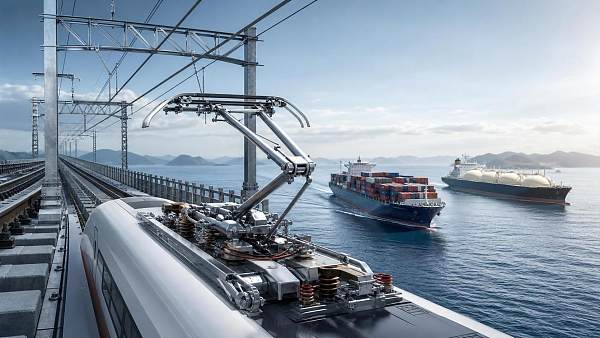
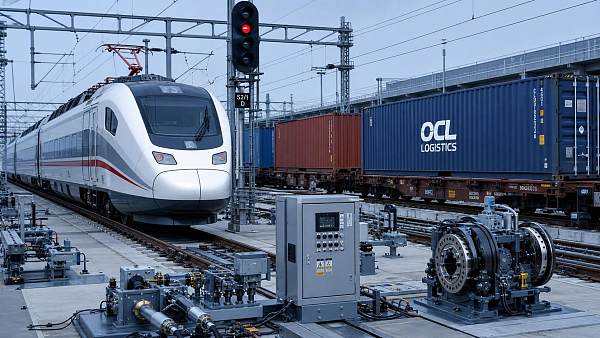
Finance teams do not need to become system engineers, but they do need the right questions. For example, in high-speed rail, pantograph stability under vibration and wind resistance influences current collection quality, wear rate, and service continuity. Those directly affect lifecycle cost.
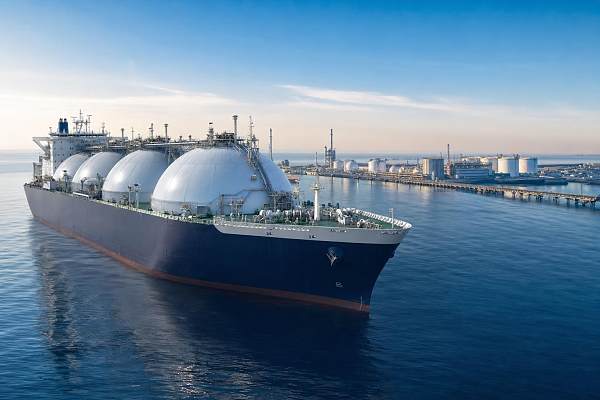
Similarly, in LNG shipping or dual-fuel planning, membrane containment stress behavior, cryogenic insulation performance, and bunkering availability can change the true commercial risk profile. GTOT’s intelligence approach is valuable because it connects technical constraints to procurement timing and commercial credibility.
How do standards, compliance, and risk alter the cost-first path?
Many finance approvers focus on direct energy savings first, but compliance exposure can quickly turn into a balance-sheet issue. The right decarbonization strategies for transportation should therefore be tested against both present efficiency and future regulatory resilience.
In rail, safety integrity, interoperability requirements, power quality, and braking performance cannot be compromised by energy-saving changes. In maritime operations, emissions rules, reporting obligations, port requirements, and fuel-system safety frameworks shape what can be implemented and when.
Common risk blind spots
- Treating fuel switching as a guaranteed savings move without testing infrastructure access and operating profile.
- Ignoring how congestion, timetable design, or berth delays can erase modeled efficiency gains.
- Approving subsystem upgrades without confirming compatibility across controls, maintenance practice, and spare support.
- Using short trial data as if it represented full-season or full-network conditions.
A disciplined risk review often favors staged implementation. That can mean piloting route optimization on priority corridors, validating braking and signalling improvements on selected traffic patterns, or linking maritime efficiency software to a defined subset of voyages before fleetwide rollout.
FAQ: what do finance approvers ask most about decarbonization strategies for transportation?
Which transportation decarbonization projects usually get approved fastest?
Projects with measurable operating savings, limited downtime, and strong compatibility with existing assets tend to move fastest. In practice, that often includes dispatch optimization, voyage management, current collection improvements, and braking-control upgrades rather than immediate fleetwide propulsion replacement.
Are LNG pathways always a cost-first answer?
No. LNG-related decarbonization strategies for transportation can be commercially sound in the right vessel class, trade lane, and fueling context, but they are not automatically the earliest payback route. Finance teams should examine bunkering access, duty cycle, expected fuel spread, retrofit complexity, and compliance horizon.
How can rail operators decarbonize before major rolling stock renewal?
They can often improve energy and cost performance through signalling optimization, power collection stability, braking efficiency, maintenance analytics, and traffic-flow smoothing. These measures support emissions reduction while extending productive asset life and reducing service interruptions.
What evidence should suppliers provide to support approval?
Finance approvers should request baseline assumptions, integration scope, downtime plan, savings logic, operating boundaries, and scenario sensitivity. They should also ask how the proposal interacts with safety requirements, maintenance workload, spare strategy, and future scalability.
Why choose us when evaluating decarbonization pathways across rail and sea?
GTOT is positioned for organizations that need more than broad sustainability messaging. We focus on the decision points that matter in complex transportation assets: railway signal control systems, pantographs, rail transit braking systems, smart container ships, and LNG carrier technology.
Our value to finance approvers is the ability to connect technical detail with commercial judgment. We monitor rail infrastructure investment, shipbuilding cycles, digitalization trends, and evolving component performance topics such as LTE-M applications, composite brake pad thermal fade, and containment-system stress considerations in LNG ships.
If you are assessing decarbonization strategies for transportation, contact us for focused support on parameter confirmation, technology route comparison, procurement risk screening, delivery-cycle discussion, tender-oriented technical positioning, certification-related considerations, and solution matching for rail or maritime use cases. That helps finance, procurement, and engineering teams move from broad ambition to a defensible approval path.
Recommended News
 Jul 19, 2026Transportation Infrastructure Trends Shaping Capital Planning in 2026Transportation infrastructure trends in 2026 are reshaping capital planning across rail, ports, and shipping. Discover how resilience, automation, and digital control are driving smarter investment decisions.
 Jul 12, 2026Gas Carrier Technology in the Middle East: 2026 OutlookGas carrier technology Middle East trends for 2026: explore LNG vessel innovation, propulsion, containment, and regional yard upgrades shaping smarter energy trade decisions.
 Jul 10, 2026Commercial Shipbuilding Technology Trends Shaping Newbuild Projects in 2026Commercial shipbuilding technology is reshaping 2026 newbuild projects with smarter vessels, fuel flexibility, digital twins, and earlier compliance planning. Explore the trends driving stronger ROI.
 Jul 08, 2026Rail Transit Systems Upgrade Trends Shaping 2026 Investment PlansRail transit systems in 2026 are shifting from expansion to smarter upgrades. Explore safety, automation, energy, and digital trends shaping resilient, high-value investment plans.
 Jul 06, 2026Cryogenic Shipping Systems Manufacturer Trends Shaping 2026 Fleet UpgradesCryogenic shipping systems manufacturer trends are reshaping 2026 fleet upgrades. Explore how digital monitoring, emissions control, and safer containment can improve vessel performance.
 Jul 05, 2026Smart Shipping Solutions for Fleet Management: 2026 Trends Shaping Vessel OperationsSmart shipping solutions for fleet management are redefining vessel operations in 2026. Explore trends in integration, compliance, fuel efficiency, and resilient fleet performance.
 Jul 04, 2026Digital Marine Decarbonization Technology: What Delivers Measurable GainsDigital marine decarbonization technology helps fleets cut fuel use, improve compliance, and boost vessel efficiency with measurable, data-driven gains. Learn what truly delivers value.
 Jul 03, 2026Global Rail Infrastructure Standards: 2026 Changes to WatchGlobal rail infrastructure standards are reshaping 2026 rail projects. Discover the key compliance, interoperability, cyber, and low-carbon changes that will impact bids and investment.
 Jul 02, 2026Global Trade Logistics North America Trends to Watch in 2026Global trade logistics North America in 2026 will be shaped by rail-ocean integration, smart routing, LNG demand, and measurable resilience. Discover the trends redefining reliability and trade advantage.
 Jun 30, 2026International Shipbuilding Suppliers: 2026 Sourcing Trends and Supply Chain RisksInternational shipbuilding suppliers face new 2026 sourcing risks, from compliance and digital integration to sub-tier bottlenecks. Explore key trends shaping cost, delivery, and resilience.
 Jun 27, 2026Heavy Industry Tech Trends Reshaping Equipment Investment in 2026Heavy industry tech is reshaping 2026 equipment investment across rail and maritime systems. Explore the five trends driving safer, smarter, higher-value capital decisions.
 Jun 25, 2026Decarbonization Trends Reshaping Rail and Marine Investment in 2026Decarbonization is reshaping rail and marine investment in 2026. Discover where capital is moving, which assets gain value, and how smarter transport upgrades improve resilience.
 Jun 23, 2026Global Rail Infrastructure Trends Shaping Capacity, Funding, and Delivery TimelinesGlobal rail infrastructure trends are redefining capacity, funding, and delivery timelines. Explore how data-driven planning and system readiness shape resilient, investable rail projects.
 Jun 22, 2026Maritime Logistics Trends in 2026: Capacity Shifts, Delays, and Margin PressureMaritime logistics in 2026 faces shifting capacity, persistent delays, and rising margin pressure. Explore key risks, lane-level signals, and smarter planning strategies.
 Jun 21, 2026LNG Carriers Technology Advancements: 5 Upgrades Reshaping Fleet PerformanceLNG carriers technology advancements are reshaping fleet performance through smarter containment, dual-fuel propulsion, digital monitoring, boil-off control, and automation—see the 5 upgrades driving safer, cleaner, more profitable LNG shipping.
 Jun 20, 2026Global Supply Chain Challenges in Rail Infrastructure in 2026Global supply chain challenges in rail infrastructure are redefining 2026 project risk. Discover where delays, compliance, and sourcing pressure hit hardest—and how smarter evaluation protects cost, delivery, and performance.
 Jun 20, 2026Full Digitalization in Rail: 7 Risks to Address Before ScalingFull digitalization in rail can boost safety, maintenance, and control—but only if key risks are managed. Explore 7 critical challenges to address before scaling network-wide.
 Jun 18, 2026Maritime Logistics Trends in 2026: Where Shipping Efficiency Is MovingMaritime logistics in 2026 is driven by AI routing, port connectivity, decarbonization, and asset visibility. Discover the trends redefining shipping efficiency and resilience.
 Jun 17, 2026Transportation Infrastructure Development Trends That Matter for Long-Term PlanningTransportation infrastructure development trends are reshaping rail, ports, shipping, and LNG networks. Explore the key signals for smarter long-term planning, resilience, and investment value.
 Jun 17, 2026Railway Automation Trends Shaping Safer, Smarter Networks in 2026Railway automation in 2026 is driving safer, smarter rail networks with predictive maintenance, integrated signaling, and higher capacity. Explore the trends shaping resilient transport.
 Jun 15, 2026Decarbonization in Rail Transportation: What Cuts Emissions First?Decarbonization in rail transportation starts with the fastest wins: traction optimization, regenerative braking, smarter signalling, and retrofit upgrades that cut emissions, costs, and risk.
 Jun 14, 2026Rail Infrastructure Investment: Cost vs Long-Term ReturnRail infrastructure investment is more than upfront cost. Discover how lifecycle planning, smarter systems, and reliable rail design can deliver stronger long-term returns.
 Jun 13, 2026Advanced Ocean-Going Vessels: Key Design Shifts in 2026Advanced ocean-going vessels in 2026 are redefining shipping with AI routing, fuel-flexible propulsion, and smarter port integration. See which design shifts drive resilience, efficiency, and long-term fleet value.
 Jun 12, 2026High-Speed Rail Technology Trends Shaping 2026 ProjectsHigh-speed rail technology is reshaping 2026 projects through smarter signaling, resilient traction, precision braking, and digital monitoring. Explore the trends driving safer, scalable, bankable rail delivery.