Search News
Industry Portal
Popular Tags
Heavy Industry Tech Trends Reshaping Transport Projects in 2026
Author
Time
Click Count
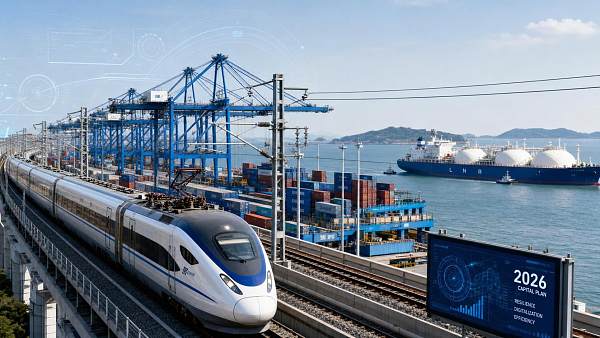
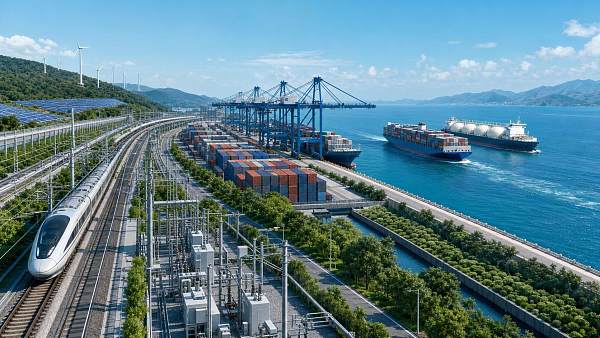
In 2026, heavy industry tech is redefining how transport projects are planned, financed, and executed across rail and maritime sectors. For business decision-makers, the shift goes beyond equipment upgrades—it means smarter control systems, safer high-speed operations, AI-driven vessels, and more resilient global logistics. Understanding these trends is essential for capturing long-term value, reducing operational risk, and staying competitive in an increasingly connected land-and-sea transportation landscape.
For executives responsible for capital allocation, tender strategy, engineering risk, or supply chain continuity, the practical question is no longer whether to invest in new systems. It is how to identify the right heavy industry tech priorities across rail signalling, traction power, braking, smart shipping, and LNG vessel operations without increasing project complexity or delaying returns.
This is where sector intelligence matters. In both land and sea transport, decision-makers now face tighter delivery windows, stricter safety requirements, more digital interfaces, and decarbonization targets that can affect procurement choices for the next 10–20 years. GTOT’s coverage of railway control components and advanced maritime assets reflects the exact areas where strategic investment is reshaping transport projects in 2026.
Why Heavy Industry Tech Has Become a Board-Level Issue in Transport Projects
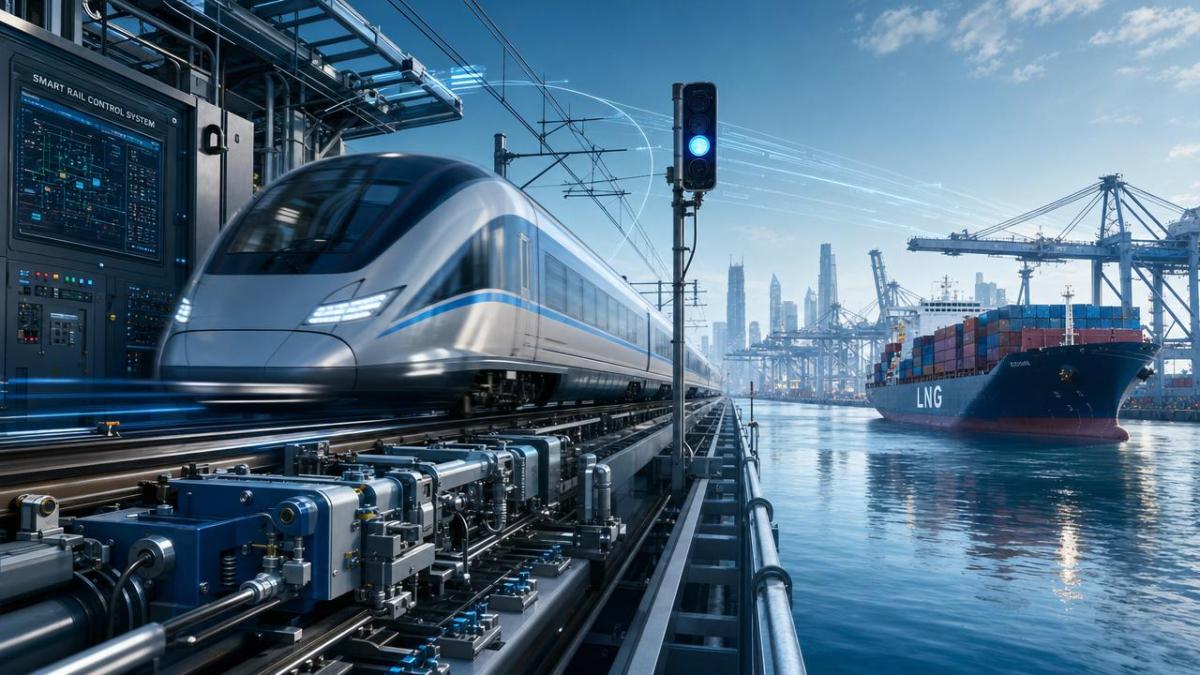
Transport infrastructure used to be evaluated mainly through cost, schedule, and physical capacity. In 2026, heavy industry tech adds a fourth dimension: intelligence. Rail and maritime operators are increasingly judged on automation readiness, predictive maintenance capability, cybersecurity alignment, and energy efficiency over asset lifecycles that often exceed 25 years.
For large projects, even a 2%–5% efficiency gain can materially improve total asset value when applied across high-frequency rail corridors or long-haul shipping fleets. On the other hand, poor technology alignment can lead to integration disputes, delayed commissioning, or higher lifecycle maintenance costs within the first 3–5 years of operation.
Three forces changing investment logic
- Automation is moving from selective deployment to system-wide architecture, especially in signalling, vessel monitoring, and terminal coordination.
- Safety compliance is becoming more data-driven, with SIL4 rail control expectations and stricter digital traceability in marine operations.
- Energy transition is affecting equipment selection, from lightweight traction interfaces to dual-fuel propulsion and optimized braking performance.
What this means for procurement leaders
Procurement teams can no longer assess components as isolated products. A pantograph, braking subsystem, or membrane containment element must be evaluated for interoperability, monitoring visibility, expected service intervals, and digital compatibility with upstream and downstream systems. In practical terms, this means more cross-functional tender reviews involving engineering, operations, IT, finance, and compliance.
The table below shows how transport project priorities are shifting from traditional selection logic toward integrated heavy industry tech decision models.
The key conclusion is clear: technology value now sits at the intersection of safety, data, and long-term operating economics. For decision-makers, heavy industry tech should be assessed as an investment platform rather than a line-item expense.
Rail Systems: Smarter Control, Faster Corridors, Lower Operational Risk
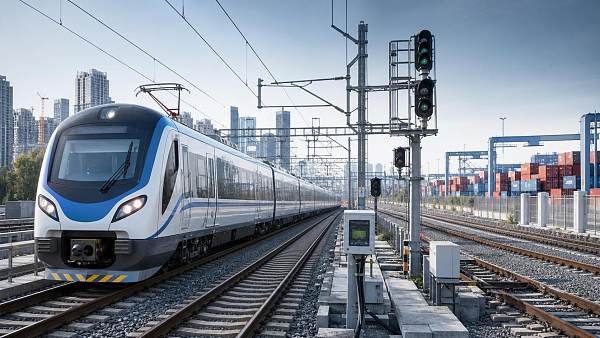
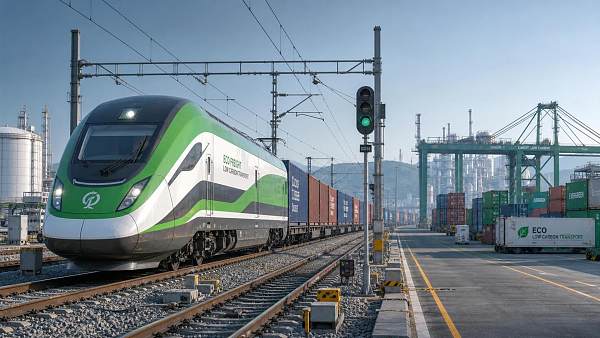
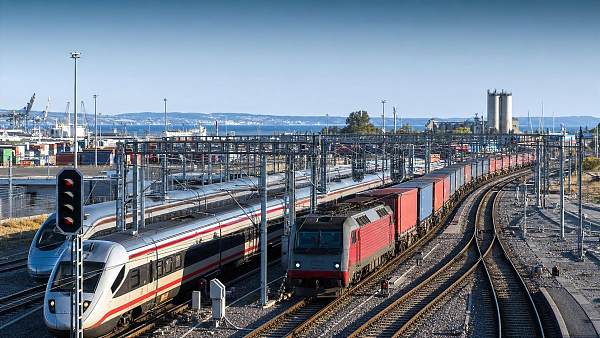
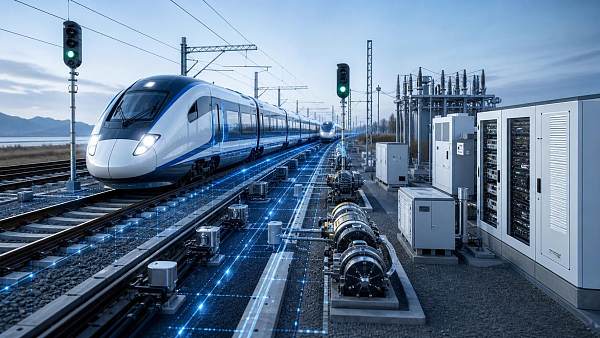
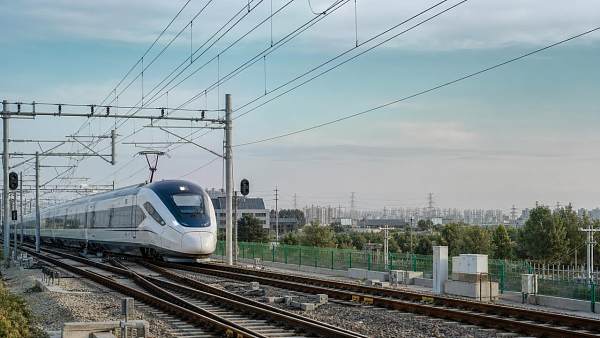
Rail transport remains one of the clearest examples of how heavy industry tech is changing project execution. New corridors and modernization programs are under pressure to move more passengers and freight per hour without compromising safety. This makes signalling, power collection, and braking systems central to both technical design and commercial viability.
Railway signalling is becoming the digital backbone
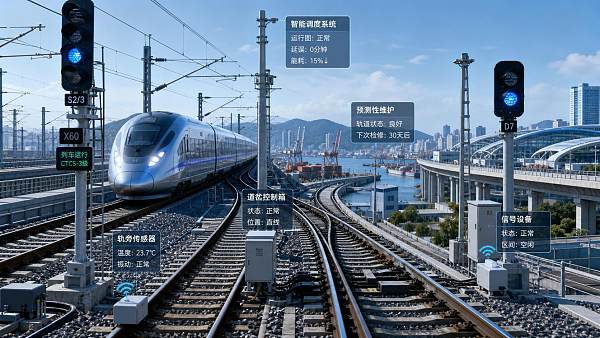
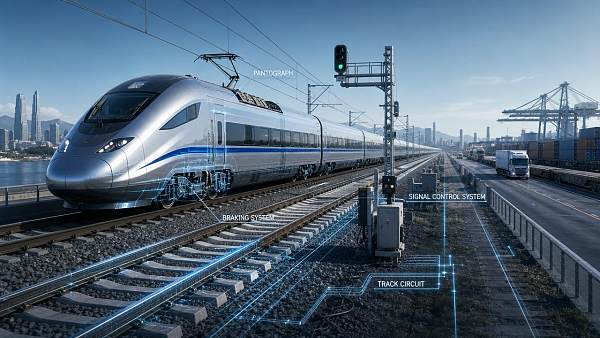
Modern signalling is no longer just about route setting and interlocking. It is becoming the operational brain of dense rail networks. In high-throughput environments, control systems must manage frequent dispatch intervals, automated recovery protocols, fault localization, and real-time interface with traffic management platforms. Even small communication delays can affect timetable integrity and headway performance.
In many projects, a 3-layer architecture is emerging: field equipment, logic control, and analytics visibility. For buyers, the most important questions include fail-safe design maturity, software update governance, spare part continuity, and how the supplier supports migration from legacy platforms.
Pantographs and braking systems are now strategic reliability assets
At speeds above 300 km/h, power collection stability becomes a corridor-level performance issue rather than a vehicle-only issue. Pantographs must withstand crosswind exposure, contact wire dynamics, and sustained vibration while maintaining consistent current transfer. A small instability at operating speed can trigger greater wear, reduce system efficiency, and shorten maintenance intervals.
Braking systems are evolving in parallel. Operators increasingly expect precise stopping control, lower thermal fade risk, and integration with onboard diagnostics. For trains with high passenger density or heavy freight loads, braking performance affects platform safety, throughput planning, and emergency response capability. Composite materials, aerodynamic support, and microelectronic control are therefore becoming procurement priorities rather than engineering afterthoughts.
Common rail-side selection criteria in 2026
- Safety design maturity, especially where SIL4-equivalent control logic is required.
- Performance stability at 250–350 km/h operating ranges.
- Maintenance interval visibility, such as inspection cycles every 30,000–80,000 km depending on subsystem duty.
- Integration readiness with LTE-M, diagnostics gateways, or centralized control platforms.
- Availability of technical documentation for EPC review, testing, and commissioning.
The following table helps decision-makers compare core rail technology priorities by operational impact rather than by purchase price alone.
For boards and project sponsors, the takeaway is that rail heavy industry tech has direct influence on utilization rates, maintenance cost curves, and public service reliability. The strongest projects treat these systems as value multipliers across the full operational lifecycle.
Maritime Transformation: AI Vessels, LNG Logistics, and Smarter Global Arteries
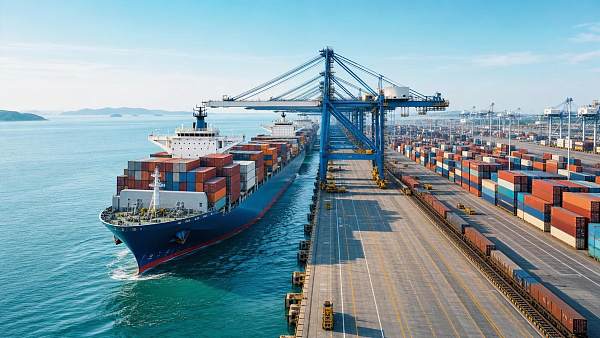
On the maritime side, heavy industry tech is changing not only vessel design but also commercial planning. Smart container ships and LNG carriers are now judged by connectivity, route intelligence, fuel flexibility, cargo safety, and the ability to operate in tighter regulatory and geopolitical conditions. This is especially relevant for operators managing intercontinental trade routes with high-value schedules and narrow berth windows.
Smart container ships are becoming data-driven logistics assets
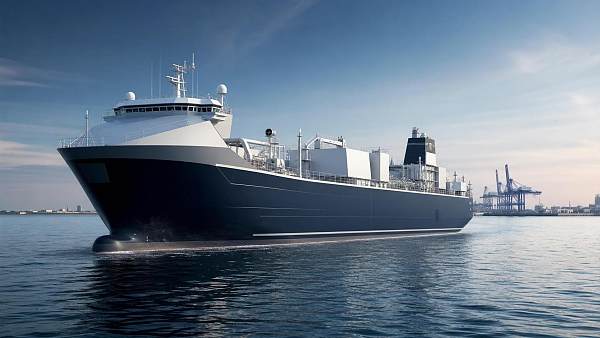
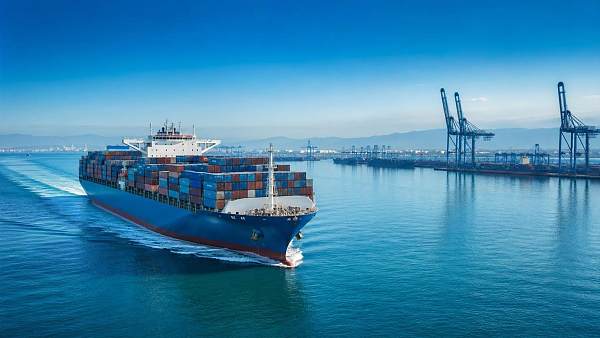
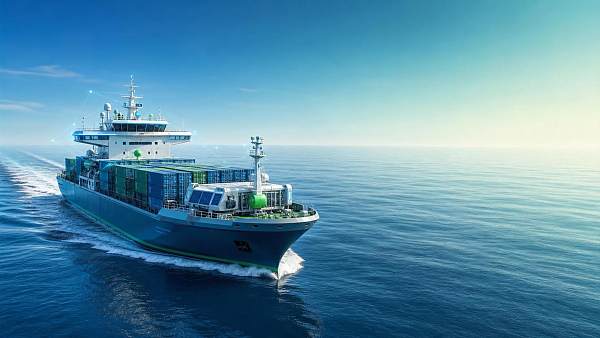
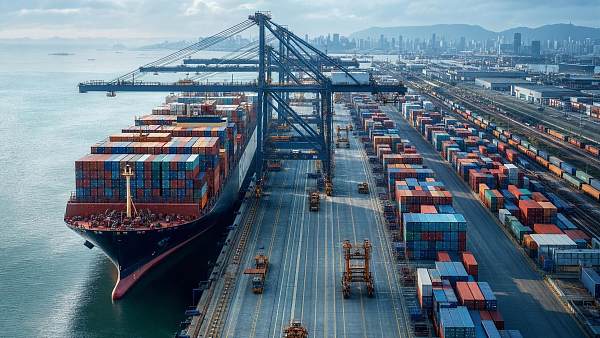
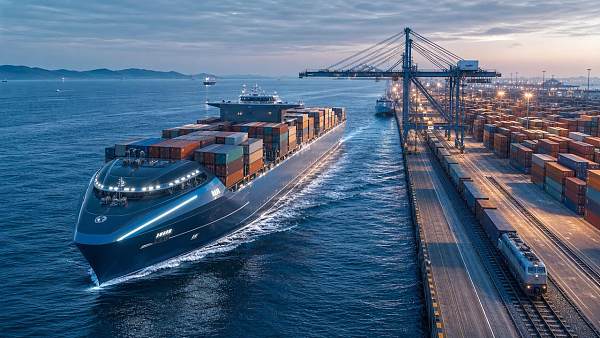
A modern smart vessel is expected to do more than transport containers. It must support AI-assisted routing, engine condition monitoring, weather-responsive navigation, and ship-to-shore data exchange. The operational benefit is not only fuel optimization. It also includes better ETA accuracy, lower unplanned downtime, and improved synchronization with terminal operations and inland distribution networks.
For example, route optimization can be evaluated across 4 variables: fuel profile, weather deviation, port congestion risk, and cargo priority. When these variables are integrated into voyage planning, operators can reduce avoidable delays and improve utilization of both vessels and terminal slots over a 7–30 day cycle.
LNG carriers remain critical to energy security and engineering discipline
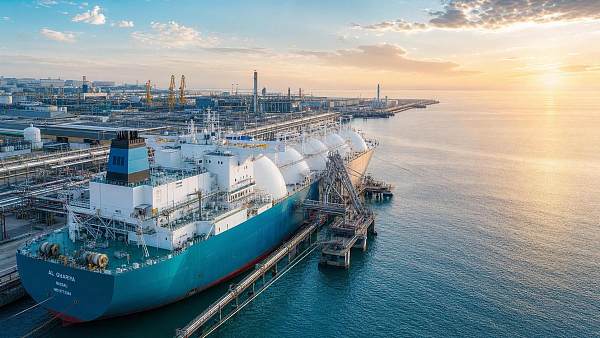
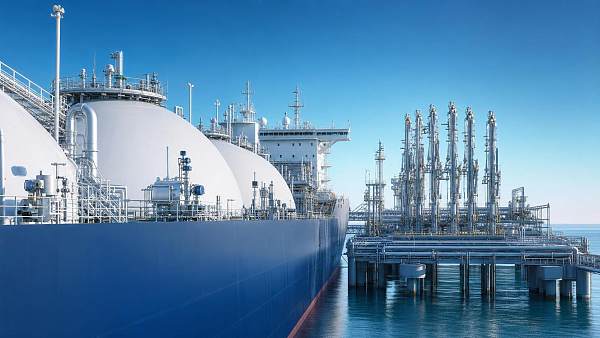
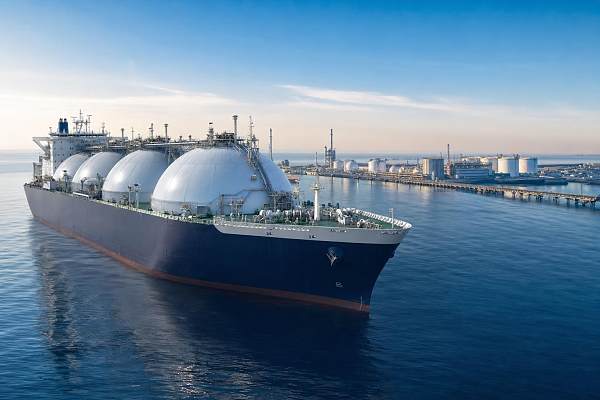
LNG carriers represent one of the most technically demanding segments in heavy industry tech. Their design must support cargo containment at approximately -163°C while maintaining structural integrity, insulation performance, and propulsion efficiency. For investors and EPC stakeholders, this means that material behavior, membrane stress response, boil-off gas management, and dual-fuel engine compatibility all require disciplined engineering review.
Unlike standard shipping assets, LNG carriers also raise a more complex risk profile. Technical choices affect not only fuel economy and voyage range but also charter attractiveness, insurance conditions, and maintenance planning. In a volatile energy market, small differences in reliability or cargo handling performance can affect long-term commercial value.
Questions executives should ask before approving maritime technology investments
- Does the vessel architecture support scalable digital monitoring over a 15–25 year service life?
- Can route intelligence systems interface with terminal and fleet management platforms without custom rework?
- What are the expected dry-dock, inspection, and component replacement intervals?
- How resilient is the design under variable fuel prices, emissions rules, and changing trade lanes?
- Does the supplier provide engineering transparency for containment, propulsion, and controls integration?
For maritime procurement, the most successful investments combine high-spec engineering with measurable operational visibility. Heavy industry tech creates value when ship performance can be translated into fewer disruptions, stronger scheduling discipline, and better capital efficiency across the logistics chain.
How Decision-Makers Should Evaluate Heavy Industry Tech in 2026
The biggest mistake in transport projects is to treat advanced systems as premium add-ons rather than as risk-control infrastructure. Whether the asset is a rail signalling platform or an LNG carrier subsystem, the evaluation model should balance technical depth with commercial practicality. A disciplined review framework often improves supplier comparison and reduces downstream change orders.
A practical 5-step evaluation framework
- Define operational targets first, such as speed threshold, route density, cargo type, or automation level.
- Map technical interfaces, including control systems, power systems, communication layers, and maintenance data flows.
- Review lifecycle economics over at least 10 years, not just purchase and installation cost.
- Assess supplier support depth across documentation, commissioning, spare parts, and software or system upgrades.
- Stress-test the solution against failure modes, regulatory shifts, and delivery timeline risks.
Where transport buyers often misjudge value
One common misjudgment is overemphasizing initial capex while underestimating integration cost. Another is selecting components with acceptable standalone performance but weak compatibility with broader digital or safety architecture. A third is failing to define measurable acceptance criteria before bidding, which can create disputes during FAT, SAT, or final commissioning.
In 2026, heavy industry tech should be reviewed through at least 4 dimensions: safety, data, maintainability, and scalability. If one dimension is missing, the system may still work technically, but it may not perform commercially under full operating pressure.
GTOT’s relevance for transport strategy
GTOT sits at the intersection of these decisions by tracking the equipment categories that matter most to cross-border transport performance. Its focus on signalling architectures, pantograph behavior, braking evolution, smart vessel intelligence, and LNG engineering gives decision-makers a structured view of where innovation is practical, where risk is concentrated, and where procurement credibility can be strengthened in complex tenders.
For distributors, EPC contractors, fleet planners, and infrastructure investors, this intelligence is especially useful when projects involve restricted technical specifications, high documentation demands, or multi-party approval chains. Better information shortens evaluation cycles and improves confidence in high-value decisions.
From Trend Watching to Implementation
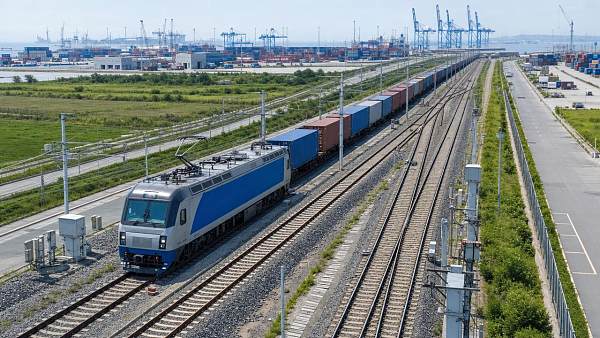
The transport projects that will outperform in 2026 are not necessarily the ones with the most visible automation or the largest budgets. They are the ones that apply heavy industry tech with discipline: choosing systems that improve safety margins, raise asset productivity, and connect land-and-sea operations through reliable intelligence. In rail, that means robust signalling, stable high-speed power collection, and precise braking control. In maritime logistics, it means smarter container ships, better route logic, and engineered confidence in LNG transport.
For business decision-makers, the opportunity is to move from reactive equipment buying to strategic technology planning. GTOT helps make that shift clearer by connecting technical detail with commercial relevance across the transport value chain. If you are evaluating upcoming rail or maritime investments, now is the time to refine your criteria, benchmark the right systems, and align procurement with long-term operational outcomes.
Contact us today to explore tailored transport intelligence, discuss specific equipment priorities, or get a customized solution aligned with your next project phase.
Recommended News
 Jul 19, 2026Transportation Infrastructure Trends Shaping Capital Planning in 2026Transportation infrastructure trends in 2026 are reshaping capital planning across rail, ports, and shipping. Discover how resilience, automation, and digital control are driving smarter investment decisions.
 Jul 12, 2026Gas Carrier Technology in the Middle East: 2026 OutlookGas carrier technology Middle East trends for 2026: explore LNG vessel innovation, propulsion, containment, and regional yard upgrades shaping smarter energy trade decisions.
 Jul 10, 2026Commercial Shipbuilding Technology Trends Shaping Newbuild Projects in 2026Commercial shipbuilding technology is reshaping 2026 newbuild projects with smarter vessels, fuel flexibility, digital twins, and earlier compliance planning. Explore the trends driving stronger ROI.
 Jul 08, 2026Rail Transit Systems Upgrade Trends Shaping 2026 Investment PlansRail transit systems in 2026 are shifting from expansion to smarter upgrades. Explore safety, automation, energy, and digital trends shaping resilient, high-value investment plans.
 Jul 06, 2026Cryogenic Shipping Systems Manufacturer Trends Shaping 2026 Fleet UpgradesCryogenic shipping systems manufacturer trends are reshaping 2026 fleet upgrades. Explore how digital monitoring, emissions control, and safer containment can improve vessel performance.
 Jul 05, 2026Smart Shipping Solutions for Fleet Management: 2026 Trends Shaping Vessel OperationsSmart shipping solutions for fleet management are redefining vessel operations in 2026. Explore trends in integration, compliance, fuel efficiency, and resilient fleet performance.
 Jul 04, 2026Digital Marine Decarbonization Technology: What Delivers Measurable GainsDigital marine decarbonization technology helps fleets cut fuel use, improve compliance, and boost vessel efficiency with measurable, data-driven gains. Learn what truly delivers value.
 Jul 03, 2026Global Rail Infrastructure Standards: 2026 Changes to WatchGlobal rail infrastructure standards are reshaping 2026 rail projects. Discover the key compliance, interoperability, cyber, and low-carbon changes that will impact bids and investment.
 Jul 02, 2026Global Trade Logistics North America Trends to Watch in 2026Global trade logistics North America in 2026 will be shaped by rail-ocean integration, smart routing, LNG demand, and measurable resilience. Discover the trends redefining reliability and trade advantage.
 Jun 30, 2026International Shipbuilding Suppliers: 2026 Sourcing Trends and Supply Chain RisksInternational shipbuilding suppliers face new 2026 sourcing risks, from compliance and digital integration to sub-tier bottlenecks. Explore key trends shaping cost, delivery, and resilience.
 Jun 27, 2026Heavy Industry Tech Trends Reshaping Equipment Investment in 2026Heavy industry tech is reshaping 2026 equipment investment across rail and maritime systems. Explore the five trends driving safer, smarter, higher-value capital decisions.
 Jun 25, 2026Decarbonization Trends Reshaping Rail and Marine Investment in 2026Decarbonization is reshaping rail and marine investment in 2026. Discover where capital is moving, which assets gain value, and how smarter transport upgrades improve resilience.
 Jun 23, 2026Global Rail Infrastructure Trends Shaping Capacity, Funding, and Delivery TimelinesGlobal rail infrastructure trends are redefining capacity, funding, and delivery timelines. Explore how data-driven planning and system readiness shape resilient, investable rail projects.
 Jun 22, 2026Maritime Logistics Trends in 2026: Capacity Shifts, Delays, and Margin PressureMaritime logistics in 2026 faces shifting capacity, persistent delays, and rising margin pressure. Explore key risks, lane-level signals, and smarter planning strategies.
 Jun 21, 2026LNG Carriers Technology Advancements: 5 Upgrades Reshaping Fleet PerformanceLNG carriers technology advancements are reshaping fleet performance through smarter containment, dual-fuel propulsion, digital monitoring, boil-off control, and automation—see the 5 upgrades driving safer, cleaner, more profitable LNG shipping.
 Jun 20, 2026Global Supply Chain Challenges in Rail Infrastructure in 2026Global supply chain challenges in rail infrastructure are redefining 2026 project risk. Discover where delays, compliance, and sourcing pressure hit hardest—and how smarter evaluation protects cost, delivery, and performance.
 Jun 20, 2026Full Digitalization in Rail: 7 Risks to Address Before ScalingFull digitalization in rail can boost safety, maintenance, and control—but only if key risks are managed. Explore 7 critical challenges to address before scaling network-wide.
 Jun 18, 2026Maritime Logistics Trends in 2026: Where Shipping Efficiency Is MovingMaritime logistics in 2026 is driven by AI routing, port connectivity, decarbonization, and asset visibility. Discover the trends redefining shipping efficiency and resilience.
 Jun 17, 2026Transportation Infrastructure Development Trends That Matter for Long-Term PlanningTransportation infrastructure development trends are reshaping rail, ports, shipping, and LNG networks. Explore the key signals for smarter long-term planning, resilience, and investment value.
 Jun 17, 2026Railway Automation Trends Shaping Safer, Smarter Networks in 2026Railway automation in 2026 is driving safer, smarter rail networks with predictive maintenance, integrated signaling, and higher capacity. Explore the trends shaping resilient transport.
 Jun 15, 2026Decarbonization in Rail Transportation: What Cuts Emissions First?Decarbonization in rail transportation starts with the fastest wins: traction optimization, regenerative braking, smarter signalling, and retrofit upgrades that cut emissions, costs, and risk.
 Jun 14, 2026Rail Infrastructure Investment: Cost vs Long-Term ReturnRail infrastructure investment is more than upfront cost. Discover how lifecycle planning, smarter systems, and reliable rail design can deliver stronger long-term returns.
 Jun 13, 2026Advanced Ocean-Going Vessels: Key Design Shifts in 2026Advanced ocean-going vessels in 2026 are redefining shipping with AI routing, fuel-flexible propulsion, and smarter port integration. See which design shifts drive resilience, efficiency, and long-term fleet value.
 Jun 12, 2026High-Speed Rail Technology Trends Shaping 2026 ProjectsHigh-speed rail technology is reshaping 2026 projects through smarter signaling, resilient traction, precision braking, and digital monitoring. Explore the trends driving safer, scalable, bankable rail delivery.