



Search News
Industry Portal
Popular Tags
Decarbonization in Rail Transportation: What Changes First on Site
Author
Time
Click Count
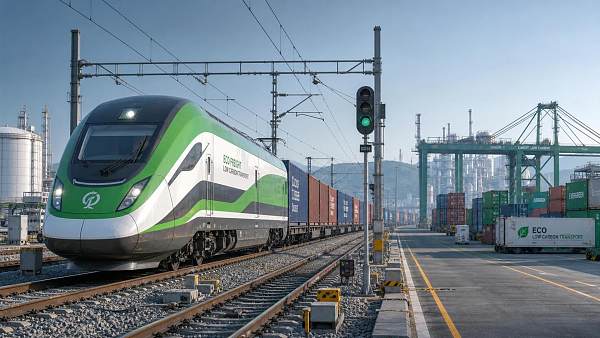
For operators on the ground, decarbonization in rail transportation does not begin with abstract targets—it starts with visible, practical changes in daily operations. From energy-efficient traction and smarter braking to real-time monitoring and power collection stability, the first on-site shifts directly affect safety, maintenance, and performance. Understanding these early changes helps teams adapt faster while supporting cleaner, more reliable rail systems.
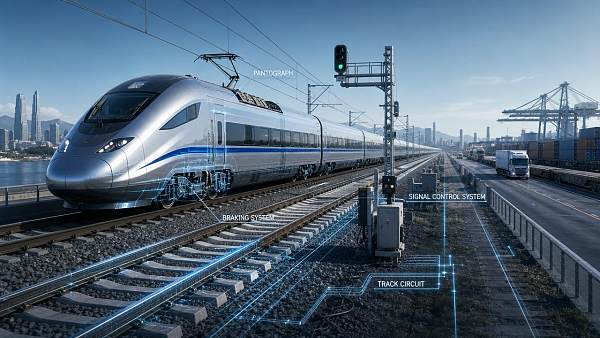
For depot teams, drivers, maintainers, and operations managers, the early phase of decarbonization in rail transportation is less about long-term policy and more about equipment behavior, inspection routines, and operating discipline. Changes usually appear first in traction power use, braking recovery, pantograph contact quality, onboard diagnostics, and signal-linked efficiency control. These are not distant technology concepts. They are the first points where carbon reduction, asset reliability, and service punctuality meet.
This matters across mixed rail environments, from urban transit to high-speed corridors and freight lines. In practical terms, operators need to know which systems change first, what thresholds deserve attention, how maintenance intervals may shift, and which procurement decisions support low-carbon performance without creating operational risk. For intelligence platforms such as GTOT, these on-site signals are also where component selection, system compatibility, and lifecycle planning become commercially critical.
Where Decarbonization in Rail Transportation Becomes Visible First
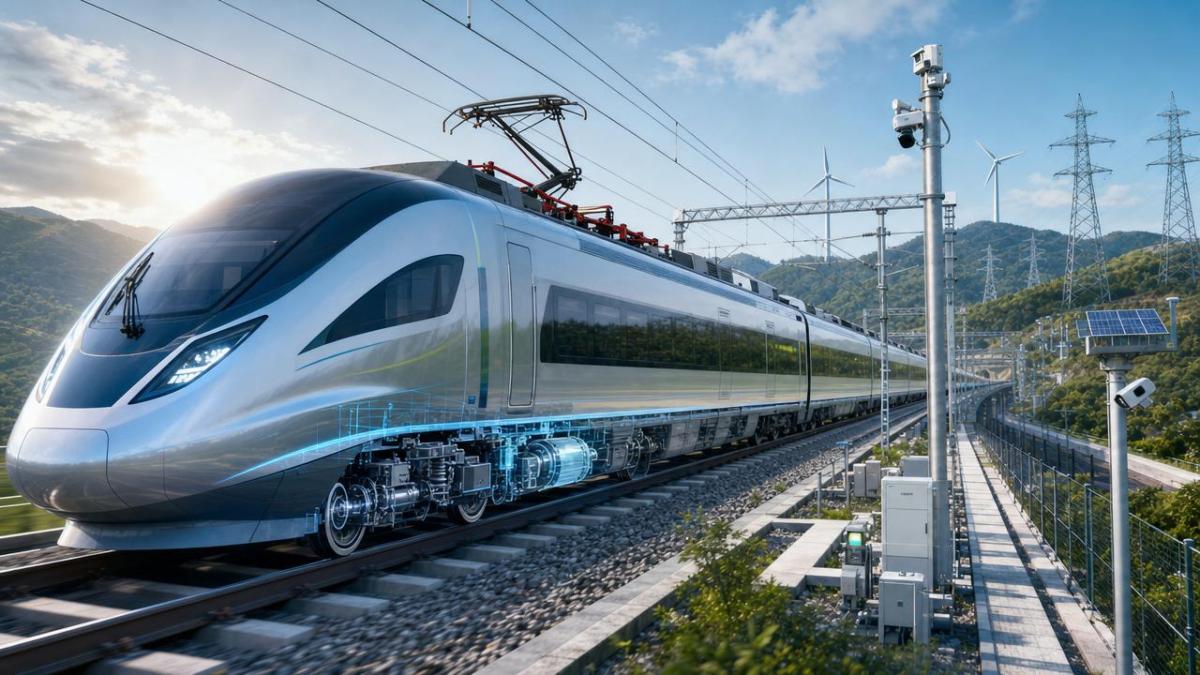
The first stage of decarbonization in rail transportation is usually visible in 4 operational domains: traction efficiency, braking energy use, current collection stability, and digital monitoring. These changes often emerge within the first 6–18 months after a fleet upgrade, substation optimization, or revised operating plan.
Traction Systems Shift from Raw Power to Managed Efficiency
Older traction logic often prioritizes available power and schedule recovery. Low-carbon operation changes that balance. Operators begin to work with optimized acceleration curves, eco-driving modes, and more precise power modulation. On many electric multiple units and metro sets, even a 3%–8% reduction in unnecessary peak power events can translate into measurable energy savings over a full timetable cycle.
For drivers and traffic controllers, this means tighter attention to start-stop patterns, coasting windows, and route-specific speed discipline. For traction maintenance teams, it means more focus on inverter thermal behavior, cooling performance, and software-defined control updates rather than only mechanical wear.
Regenerative Braking Moves from Optional Benefit to Daily Operating Target
One of the clearest signs of decarbonization in rail transportation is the operational value assigned to regenerative braking. Instead of treating braking only as a stopping function, rail systems increasingly treat it as an energy recovery event. In favorable network conditions, regenerative systems can return a meaningful share of traction energy, but actual recovery depends on timetable alignment, grid receptivity, and braking control quality.
On site, this changes how brake performance is evaluated. Teams must check blending between regenerative and friction braking, monitor brake pad thermal load, and verify whether recovered energy is consistently accepted by the network. If receptivity is poor during peak cycles, the expected carbon benefit can fall sharply.
What operators usually notice first
- More frequent review of traction energy data by shift or route
- Revised driver guidance for coasting and braking points
- Stronger attention to pantograph-contact events and arcing traces
- Expanded use of onboard alarms tied to temperature, voltage, and vibration
The table below shows the earliest on-site changes and what they mean for operating teams responsible for safety, uptime, and asset life.
The key conclusion is that decarbonization in rail transportation appears first as operational refinement rather than complete equipment replacement. The fastest gains often come from better control of existing assets, especially where traction, braking, and power collection interact tightly.
Pantographs and Power Quality Become More Important Than Before
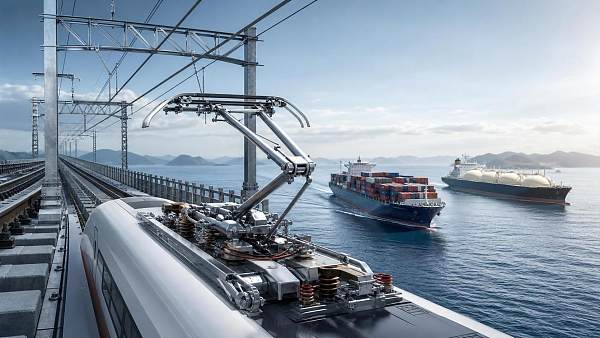
Low-carbon performance depends on stable electrical transfer. If pantograph contact becomes inconsistent at 160 km/h, 250 km/h, or above 350 km/h, energy efficiency drops and wear rises. Small issues such as contact strip degradation, uplift instability, or overhead line geometry deviation can reduce the benefit of efficient traction systems.
For operators, this means more frequent visual checks, event-based inspection after severe weather, and improved coordination between rolling stock and infrastructure teams. A decarbonized rail system is not only about cleaner energy supply. It also depends on reducing avoidable electrical losses and contact-related downtime.
What Changes in Maintenance, Safety, and Daily Workflows
The second major effect of decarbonization in rail transportation is procedural. On-site teams do not simply maintain different hardware. They maintain systems that are more software-linked, sensor-rich, and performance-measured. That changes inspection frequency, fault response, and responsibility boundaries between operations, electrical teams, and fleet maintenance.
From Time-Based Maintenance to Threshold-Based Intervention
In conventional practice, many tasks are completed every fixed 30, 60, or 90 days. In a decarbonized rail environment, certain items are increasingly checked by condition. Current spikes, brake temperature trends, converter alarms, and repeated low-voltage events may trigger intervention before the calendar date arrives.
This does not remove preventive maintenance. Instead, it adds a second layer of intelligence. Teams need threshold definitions, escalation rules, and data interpretation skills. If an operator sees a 10% rise in arcing incidents or repeated overheating in a traction module, action should follow a documented workflow rather than informal judgment.
A practical 5-step workflow for operators
- Capture event data from onboard and wayside systems.
- Compare readings against route-specific thresholds and prior baseline.
- Classify the issue as traction, braking, current collection, or signaling interaction.
- Assign an intervention window: immediate, within 24 hours, or next maintenance slot.
- Review post-action data to confirm energy and reliability improvement.
Safety Does Not Decrease; the Control Logic Gets Tighter
Some teams initially worry that energy-saving operation may weaken performance margins. In well-designed systems, the opposite is true. Decarbonization in rail transportation usually requires more disciplined control logic, not less protection. Signaling systems, traction commands, and braking response must remain synchronized within stricter operating envelopes.
For example, braking optimization is only useful if stopping distance remains stable under different load conditions, weather, and speed profiles. A difference of even a few percentage points in adhesion or brake blending response can matter. That is why signal control architecture, SIL4-oriented safety practices, and equipment diagnostics remain central in any decarbonization program.
The following table outlines how routine work changes when carbon reduction goals are translated into field operations.
The main takeaway is that decarbonization does not remove core railway disciplines. It adds measurable efficiency requirements to existing safety and reliability routines. Teams that treat energy data as an operational parameter, not just a utility cost, adapt much faster.
Training Requirements Expand Across Roles
A typical rail operator may need 3 training layers during the first transition phase: driver behavior guidance, maintenance threshold interpretation, and cross-functional incident review. Each layer should be practical. A 2-hour classroom overview is rarely enough if the fleet is introducing new traction control software, revised regenerative logic, or enhanced pantograph monitoring.
The most effective programs usually combine route-based examples, alarm simulations, and 4–8 weeks of monitored feedback. This helps teams distinguish between acceptable efficiency variation and real emerging faults. It also reduces the risk of overreacting to minor data fluctuations or missing a genuine degradation trend.
How to Choose Components and Systems That Support Early Decarbonization
For procurement teams and technical operators, decarbonization in rail transportation is not solved by buying a single “green” product. It depends on selecting interoperable components with clear field performance under real operating loads. The first purchasing mistakes often happen when energy claims are reviewed without checking maintenance impact, signaling compatibility, or route conditions.
Key Selection Criteria for Operators and Asset Owners
When comparing traction packages, braking systems, pantographs, or monitoring platforms, 4 criteria should come first: compatibility, measurable efficiency gain, maintenance burden, and fault transparency. If a system improves energy performance by 5% but doubles troubleshooting complexity, field adoption may stall.
- Compatibility with existing signaling, traction, and vehicle control architecture
- Stable performance across temperature, vibration, humidity, and route gradient changes
- Data visibility for operators, not only for OEM engineers
- Reasonable spare parts cycle, service response time, and technician training demand
Common selection mistakes
A frequent mistake is focusing on laboratory efficiency while ignoring network constraints. Another is specifying advanced braking or pantograph systems without matching them to actual line speed, catenary condition, or depot capability. In mixed fleets, interface complexity can become the hidden cost center within 12 months of deployment.
This is where technical intelligence platforms create value. GTOT’s focus on railway signal control systems, pantographs, braking systems, and traction-related insight is relevant because low-carbon transformation is cross-functional. A strong solution must perform in control logic, current collection, stopping accuracy, and maintainability at the same time.
What Operators Should Ask Suppliers Before Deployment
Before a new component or subsystem enters service, operators should ask precise questions. What is the expected inspection interval: 7 days, 30 days, or condition-based? Which alarms are actionable on site? What data format is available to depot teams? How does the system behave during voltage fluctuation, contamination, or repeated stop-start urban duty?
They should also request a clear implementation path. In many rail projects, a practical rollout works best in 3 stages: pilot route validation, limited fleet expansion, and full operational integration. This reduces risk while giving teams time to compare energy use, maintenance frequency, and incident trends against a baseline.
Implementation checkpoints worth defining early
- Baseline measurement of energy, wear, and service incidents over 30–90 days
- Threshold setting for alarms, intervention rules, and operator responsibilities
- Validation of braking, pantograph, and signal interaction under normal and degraded modes
- Post-pilot review using both efficiency metrics and maintenance outcomes
In real projects, the first objective should be dependable operational improvement, not aggressive headline claims. A component that cuts avoidable wear, improves power stability, and supports better diagnostics often delivers more long-term carbon benefit than a system with impressive specifications but weak field integration.
Practical Risks, Misconceptions, and Field-Level Priorities
Operators often hear that decarbonization in rail transportation is inevitable, but the field reality is that transition quality varies. The early risks are usually operational, not ideological. If communication is weak, teams may interpret low-carbon operation as reduced performance expectations. If data quality is poor, false alarms can overwhelm maintenance teams within weeks.
Misconception 1: Decarbonization Is Mainly About New Rolling Stock
Fleet renewal matters, but many first gains come from better use of current assets. Software tuning, revised brake management, improved pantograph maintenance, and stronger condition monitoring can all produce visible results before any major replacement cycle. In many systems, those measures can begin within one timetable revision or one maintenance planning cycle.
Misconception 2: Energy Efficiency and Reliability Compete with Each Other
In poorly managed programs, they can conflict. In mature programs, they support each other. Less unstable current collection, fewer harsh brake events, and earlier fault detection often reduce both energy loss and unplanned downtime. The strongest results usually come when efficiency is tracked together with availability, mean time between failures, and inspection labor hours.
Misconception 3: Operators Only Need Final Reports, Not Continuous Data
This approach is too slow for modern rail systems. Field teams need near-real-time visibility into voltage anomalies, brake behavior, temperature drift, and repeated event patterns. Monthly reports are useful for strategy, but daily or shift-based data is often what prevents a minor efficiency loss from becoming a service issue.
For organizations managing both rail and wider transport infrastructure intelligence, the lesson is clear. Decarbonization succeeds when technical depth reaches frontline decisions. That is why integrated intelligence around signaling, braking, traction power, and asset monitoring is becoming a strategic requirement rather than a specialist extra.
The first changes on site are rarely dramatic, but they are decisive. Decarbonization in rail transportation begins with better control of traction energy, more effective regenerative braking, more stable pantograph performance, and maintenance routines guided by thresholds instead of habit. For operators, these are the points where carbon goals become measurable daily work. For rail suppliers, EPC participants, and technical buyers, they are also the areas that determine long-term operational credibility.
If your team is evaluating railway signal control systems, pantographs, braking technologies, or traction-related monitoring solutions, GTOT can help you connect field requirements with practical equipment intelligence. Contact us to get a tailored solution, discuss component selection, or learn more about rail decarbonization strategies that work in real operating conditions.
Recommended News
 Jul 19, 2026Transportation Infrastructure Trends Shaping Capital Planning in 2026Transportation infrastructure trends in 2026 are reshaping capital planning across rail, ports, and shipping. Discover how resilience, automation, and digital control are driving smarter investment decisions.
 Jul 12, 2026Gas Carrier Technology in the Middle East: 2026 OutlookGas carrier technology Middle East trends for 2026: explore LNG vessel innovation, propulsion, containment, and regional yard upgrades shaping smarter energy trade decisions.
 Jul 10, 2026Commercial Shipbuilding Technology Trends Shaping Newbuild Projects in 2026Commercial shipbuilding technology is reshaping 2026 newbuild projects with smarter vessels, fuel flexibility, digital twins, and earlier compliance planning. Explore the trends driving stronger ROI.
 Jul 08, 2026Rail Transit Systems Upgrade Trends Shaping 2026 Investment PlansRail transit systems in 2026 are shifting from expansion to smarter upgrades. Explore safety, automation, energy, and digital trends shaping resilient, high-value investment plans.
 Jul 06, 2026Cryogenic Shipping Systems Manufacturer Trends Shaping 2026 Fleet UpgradesCryogenic shipping systems manufacturer trends are reshaping 2026 fleet upgrades. Explore how digital monitoring, emissions control, and safer containment can improve vessel performance.
 Jul 05, 2026Smart Shipping Solutions for Fleet Management: 2026 Trends Shaping Vessel OperationsSmart shipping solutions for fleet management are redefining vessel operations in 2026. Explore trends in integration, compliance, fuel efficiency, and resilient fleet performance.
 Jul 04, 2026Digital Marine Decarbonization Technology: What Delivers Measurable GainsDigital marine decarbonization technology helps fleets cut fuel use, improve compliance, and boost vessel efficiency with measurable, data-driven gains. Learn what truly delivers value.
 Jul 03, 2026Global Rail Infrastructure Standards: 2026 Changes to WatchGlobal rail infrastructure standards are reshaping 2026 rail projects. Discover the key compliance, interoperability, cyber, and low-carbon changes that will impact bids and investment.
 Jul 02, 2026Global Trade Logistics North America Trends to Watch in 2026Global trade logistics North America in 2026 will be shaped by rail-ocean integration, smart routing, LNG demand, and measurable resilience. Discover the trends redefining reliability and trade advantage.
 Jun 30, 2026International Shipbuilding Suppliers: 2026 Sourcing Trends and Supply Chain RisksInternational shipbuilding suppliers face new 2026 sourcing risks, from compliance and digital integration to sub-tier bottlenecks. Explore key trends shaping cost, delivery, and resilience.
 Jun 27, 2026Heavy Industry Tech Trends Reshaping Equipment Investment in 2026Heavy industry tech is reshaping 2026 equipment investment across rail and maritime systems. Explore the five trends driving safer, smarter, higher-value capital decisions.
 Jun 25, 2026Decarbonization Trends Reshaping Rail and Marine Investment in 2026Decarbonization is reshaping rail and marine investment in 2026. Discover where capital is moving, which assets gain value, and how smarter transport upgrades improve resilience.
 Jun 23, 2026Global Rail Infrastructure Trends Shaping Capacity, Funding, and Delivery TimelinesGlobal rail infrastructure trends are redefining capacity, funding, and delivery timelines. Explore how data-driven planning and system readiness shape resilient, investable rail projects.
 Jun 22, 2026Maritime Logistics Trends in 2026: Capacity Shifts, Delays, and Margin PressureMaritime logistics in 2026 faces shifting capacity, persistent delays, and rising margin pressure. Explore key risks, lane-level signals, and smarter planning strategies.
 Jun 21, 2026LNG Carriers Technology Advancements: 5 Upgrades Reshaping Fleet PerformanceLNG carriers technology advancements are reshaping fleet performance through smarter containment, dual-fuel propulsion, digital monitoring, boil-off control, and automation—see the 5 upgrades driving safer, cleaner, more profitable LNG shipping.
 Jun 20, 2026Global Supply Chain Challenges in Rail Infrastructure in 2026Global supply chain challenges in rail infrastructure are redefining 2026 project risk. Discover where delays, compliance, and sourcing pressure hit hardest—and how smarter evaluation protects cost, delivery, and performance.
 Jun 20, 2026Full Digitalization in Rail: 7 Risks to Address Before ScalingFull digitalization in rail can boost safety, maintenance, and control—but only if key risks are managed. Explore 7 critical challenges to address before scaling network-wide.
 Jun 18, 2026Maritime Logistics Trends in 2026: Where Shipping Efficiency Is MovingMaritime logistics in 2026 is driven by AI routing, port connectivity, decarbonization, and asset visibility. Discover the trends redefining shipping efficiency and resilience.
 Jun 17, 2026Transportation Infrastructure Development Trends That Matter for Long-Term PlanningTransportation infrastructure development trends are reshaping rail, ports, shipping, and LNG networks. Explore the key signals for smarter long-term planning, resilience, and investment value.
 Jun 17, 2026Railway Automation Trends Shaping Safer, Smarter Networks in 2026Railway automation in 2026 is driving safer, smarter rail networks with predictive maintenance, integrated signaling, and higher capacity. Explore the trends shaping resilient transport.
 Jun 15, 2026Decarbonization in Rail Transportation: What Cuts Emissions First?Decarbonization in rail transportation starts with the fastest wins: traction optimization, regenerative braking, smarter signalling, and retrofit upgrades that cut emissions, costs, and risk.
 Jun 14, 2026Rail Infrastructure Investment: Cost vs Long-Term ReturnRail infrastructure investment is more than upfront cost. Discover how lifecycle planning, smarter systems, and reliable rail design can deliver stronger long-term returns.
 Jun 13, 2026Advanced Ocean-Going Vessels: Key Design Shifts in 2026Advanced ocean-going vessels in 2026 are redefining shipping with AI routing, fuel-flexible propulsion, and smarter port integration. See which design shifts drive resilience, efficiency, and long-term fleet value.
 Jun 12, 2026High-Speed Rail Technology Trends Shaping 2026 ProjectsHigh-speed rail technology is reshaping 2026 projects through smarter signaling, resilient traction, precision braking, and digital monitoring. Explore the trends driving safer, scalable, bankable rail delivery.