



Search News
Industry Portal
Popular Tags
Global Rail Infrastructure Trends Driving Cross-Border Project Planning
Author
Time
Click Count
Global rail infrastructure is no longer only an engineering topic. For enterprise decision-makers, it is a strategic variable that affects market entry, tender success, capex timing, supply chain resilience, and long-term asset value across cross-border transport projects.
Today’s cross-border rail planning is being shaped by a small set of powerful forces: government stimulus, regional interoperability rules, digital signaling upgrades, decarbonization targets, and tighter scrutiny of safety, financing, and geopolitical exposure.
The practical conclusion is clear. Companies that understand how these trends influence standards, procurement models, and multimodal logistics can reduce delivery risk and position themselves earlier in high-value international programs.
Why global rail infrastructure trends now matter directly to cross-border project planning
The core search intent behind global rail infrastructure is not simple industry curiosity. Decision-makers want to know which infrastructure trends will influence project viability, partner selection, compliance requirements, and revenue potential in cross-border rail development.
They are usually asking business questions beneath the technical headline. Where is investment moving? Which technologies are becoming mandatory? How will standards differ by region? What risks can delay projects? Which capabilities improve bidding credibility?
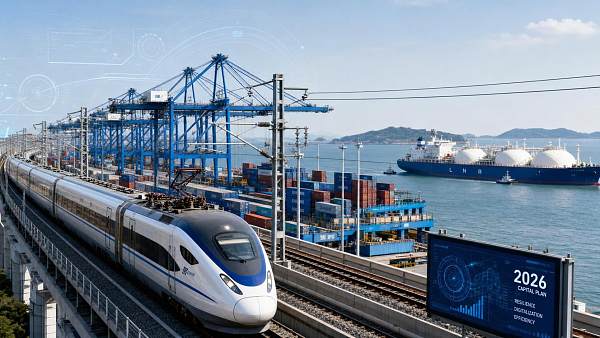
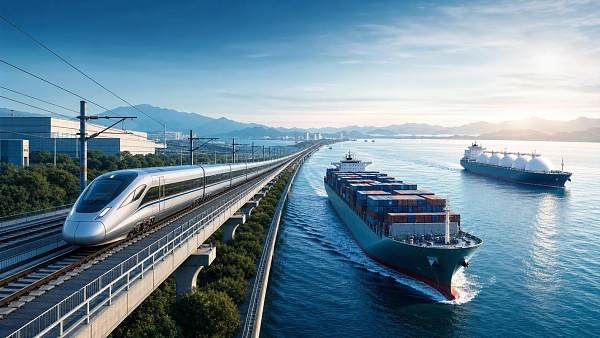
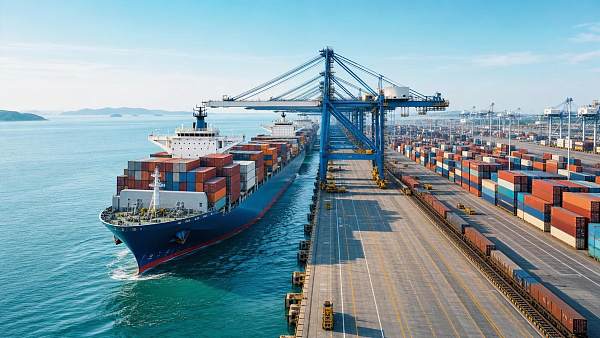
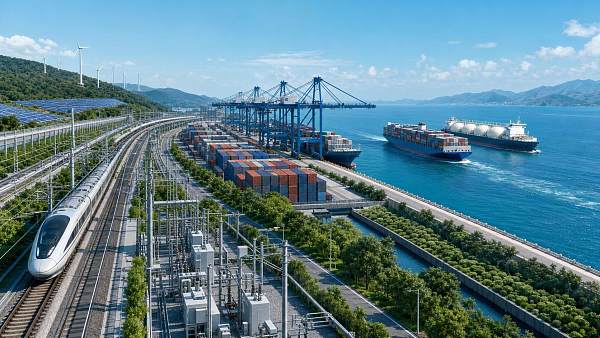
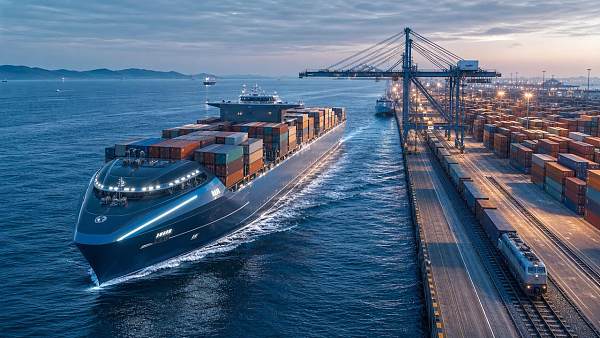
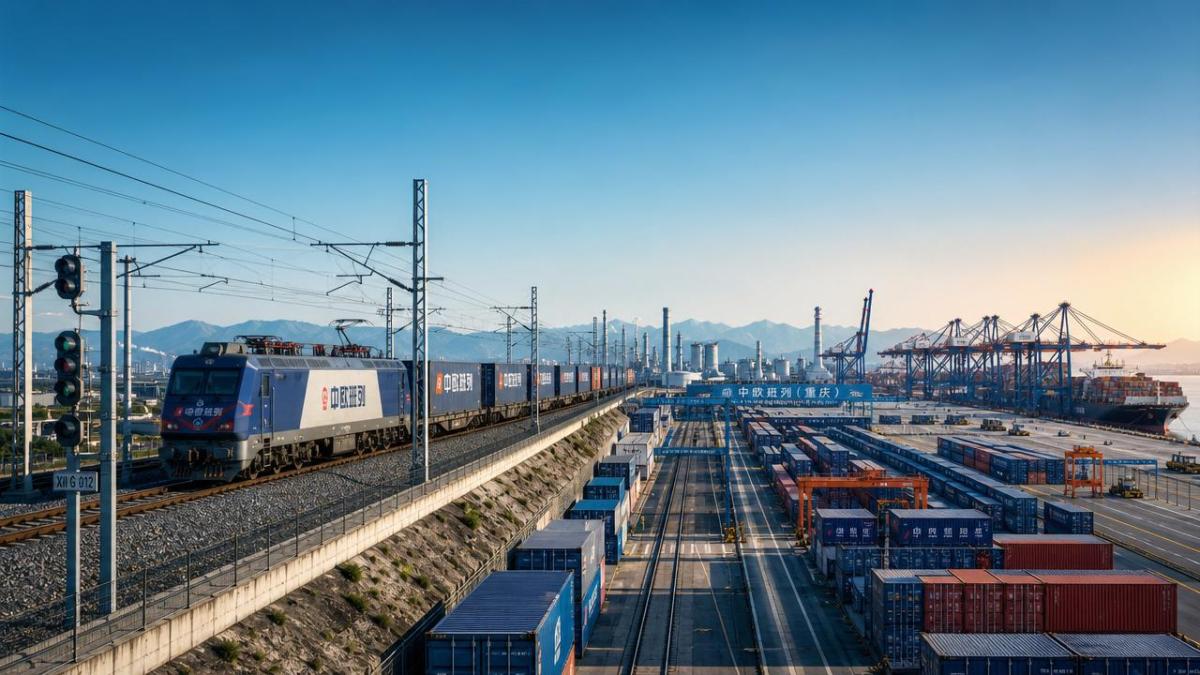
For companies involved in signaling, traction, braking, electrification, rolling stock components, ports, vessels, or logistics systems, these questions are linked. Rail corridors increasingly connect with maritime gateways, inland terminals, and digital supply chain platforms.
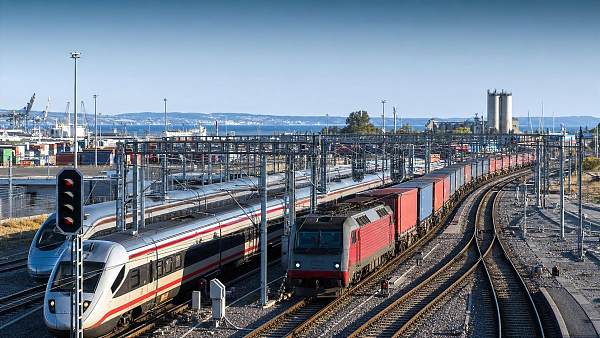
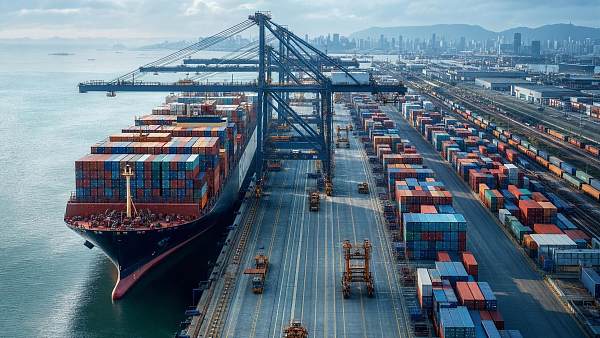
That makes global rail infrastructure a board-level issue. It determines how land transport interfaces with ports, container flows, energy transport, and customs corridors, especially where public funding and long asset lives raise the cost of mistakes.
The strongest trend is that cross-border projects are becoming less about laying track and more about building interoperable systems. Safe operations, digital control, power reliability, maintenance visibility, and border-crossing efficiency now shape project planning from the earliest stage.
Where investment is going and what that means for corporate planning
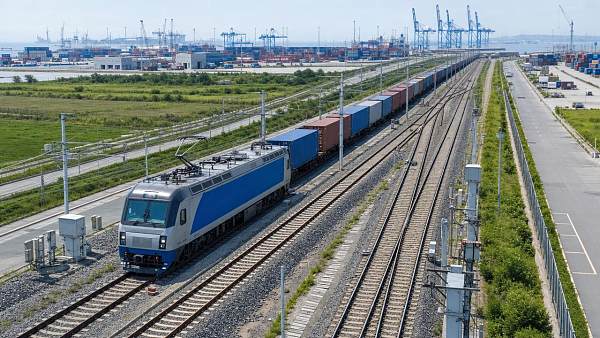
Rail investment is concentrating in a few high-impact areas: transnational freight corridors, metro and high-speed upgrades, strategic links to ports, and network modernization programs that replace fragmented legacy systems with digital and automated architectures.
In Europe, interoperability and decarbonization continue to support corridor upgrades, ETCS deployment, electrification, and terminal modernization. In Asia, high-speed expansion, urban transit density, and manufacturing-driven freight links remain powerful investment drivers.
In the Middle East and parts of Africa, rail planning is closely tied to economic diversification, mining exports, new cities, and port connectivity. In the Americas, investment often focuses on freight efficiency, urban transit renewal, and selective passenger rail improvements.
For enterprise planners, the implication is straightforward. Opportunity is strongest where rail infrastructure aligns with national industrial policy, cross-border trade corridors, or multimodal logistics priorities, rather than where projects are promoted only as standalone transport assets.
This matters when allocating business development resources. Companies should prioritize markets where procurement pipelines are reinforced by long-term policy support, not only headline announcements. Announced projects and fundable projects are often very different things.
A useful screening approach is to assess five indicators: sovereign commitment, corridor relevance, standards clarity, financing structure, and interface complexity. Markets that score well across these areas usually offer better commercial timing and lower execution uncertainty.
Interoperability is becoming the real gatekeeper in international rail projects
One of the most important global rail infrastructure trends is the shift from isolated national systems toward interoperable networks. Cross-border project success increasingly depends on whether trains, control systems, and operating procedures can work across multiple jurisdictions.
For decision-makers, interoperability is not a narrow technical issue. It affects procurement scope, certification timelines, lifecycle service obligations, and the ability to scale business across neighboring markets using a repeatable product and delivery model.
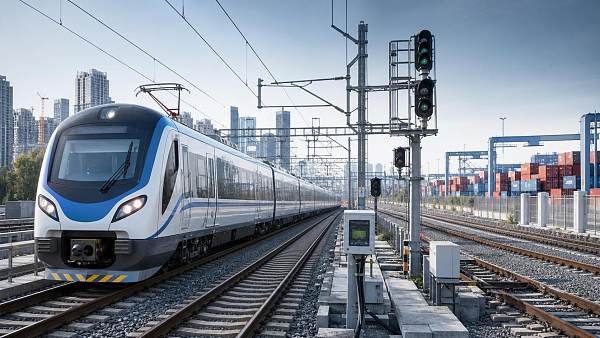
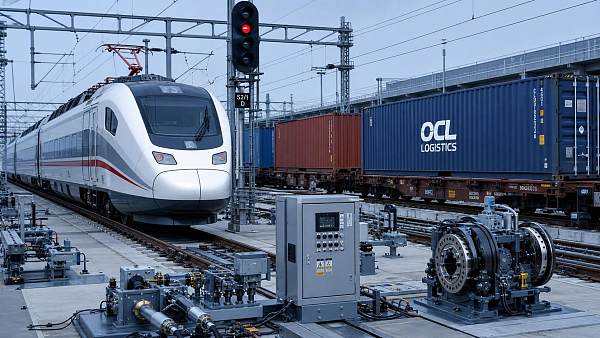
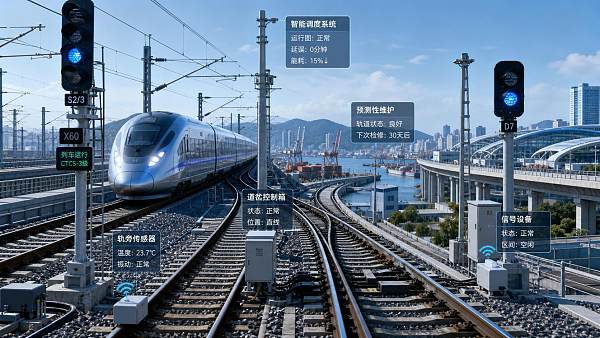
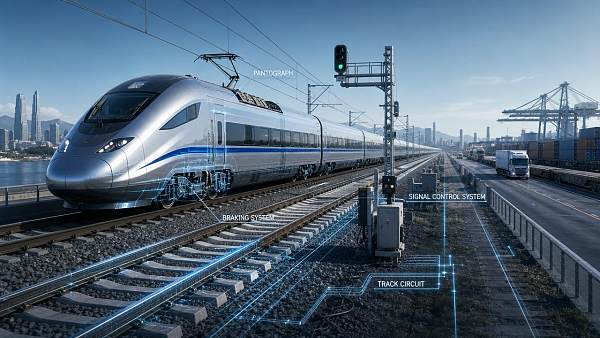
Signaling is central here. Rail signaling control systems act as the network’s operational brain, and international projects increasingly favor architectures that support automation, safety integrity, higher line capacity, and future integration with digital traffic management platforms.
Vendors in this space must demonstrate more than product availability. They need credible evidence of safety compliance, interface management capability, software governance, and support for migration from legacy systems without causing operational disruption.
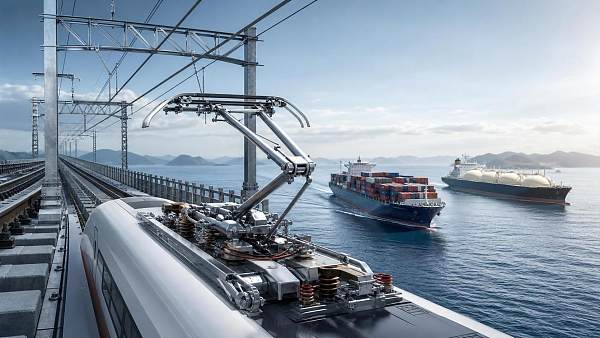
The same logic applies to traction and current collection. Pantographs and related high-speed power systems may look component-specific, but in cross-border operations they are evaluated through performance stability, maintenance behavior, climatic resilience, and fleet compatibility.
Braking systems are equally strategic. In multinational procurement, buyers are not just comparing stopping power. They are looking at controllability, redundancy, digital diagnostics, energy performance, and proven behavior under varying grades, temperatures, and operational rules.
The business lesson is that interoperability sells when it is translated into project outcomes. Better border throughput, lower retraining burden, simpler certification pathways, and stronger lifecycle economics matter more to buyers than generic technical superiority claims.
Digitalization is changing how projects are specified, financed, and operated
Digitalization is now embedded in how major rail projects are planned. It influences design assumptions, operating models, predictive maintenance requirements, and even the financing narrative used to justify investment to governments, lenders, and public stakeholders.
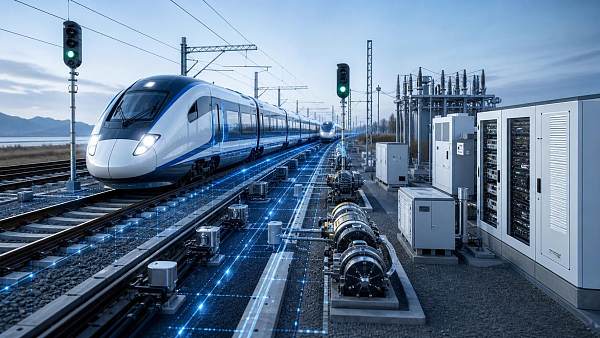
Modern cross-border projects increasingly expect digital monitoring, remote diagnostics, and data integration across assets. This includes signaling analytics, traction condition tracking, brake health monitoring, and interfaces with terminal, customs, and port information systems.
For suppliers and EPC participants, this raises the standard of proof. Buyers want to see how equipment contributes to uptime, safety assurance, and maintenance efficiency over years of operation, not only how it performs during factory acceptance tests.
Digital rail also links directly with broader freight visibility goals. As land-sea supply chains become more synchronized, rail assets are expected to support schedule predictability, asset traceability, and real-time decision-making across inland depots and maritime gateways.
This is where intelligence-led positioning becomes valuable. Companies that can connect rail technology decisions with network performance, customs efficiency, and multimodal throughput create a stronger executive case than those speaking only in engineering terms.
In practical project planning, digital maturity should be assessed early. Decision-makers should ask whether local operators can support cybersecurity requirements, data standards, maintenance workflows, and software lifecycle obligations before finalizing technology commitments.
Decarbonization is driving specifications, but procurement still follows economics
Another defining force in global rail infrastructure is decarbonization. Rail continues to benefit from its relative energy efficiency, but that advantage alone is no longer enough. Projects must increasingly demonstrate measurable environmental performance and future readiness.
This affects electrification choices, rolling stock strategy, braking energy recovery, materials selection, and asset management systems. It also affects how rail links integrate with lower-carbon ports, smart vessels, and cleaner industrial corridors serving trade and energy flows.
However, enterprise leaders should avoid treating sustainability as a purely reputational layer. In major tenders, decarbonization matters most when it improves financing access, regulatory alignment, operating efficiency, or long-term competitiveness of the transport corridor.
For example, a signaling upgrade that increases line capacity can reduce congestion and improve energy efficiency. A better pantograph system can support reliable high-speed performance with less wear. Advanced braking can improve safety while lowering maintenance and lifecycle waste.
These are not abstract ESG points. They influence total cost of ownership, service reliability, and concession performance. Buyers increasingly reward solutions that combine environmental credibility with clear operational and financial logic.
For companies selling into this environment, the winning message is specific. Show how your technology supports decarbonization through measurable performance outcomes, not broad sustainability language that procurement teams cannot evaluate or defend internally.
Risk factors that can undermine cross-border rail projects
While the opportunity is substantial, cross-border rail planning remains vulnerable to several risks. The most common are political discontinuity, misaligned standards, financing delays, weak interface governance, and unrealistic assumptions about construction or commissioning timelines.
Geopolitical fragmentation is becoming more relevant. Sanctions, local content requirements, strategic technology restrictions, and security reviews can all alter sourcing plans or certification routes, especially for critical control systems and digitally connected equipment.
Another recurring problem is underestimating integration complexity. A project may appear technically straightforward until signaling, power supply, braking logic, telecoms, customs processes, and terminal interfaces are forced into one cross-border operating model.
Maintenance capability is also a hidden risk. If local partners cannot support advanced systems after handover, performance deterioration can emerge quickly. Decision-makers should examine spare parts strategy, training design, remote support readiness, and diagnostic transparency early.
There is also a commercial risk in overcommitting to markets where procurement logic is unclear. Some projects are politically visible but commercially unstable. Others have strong fundamentals but demand patience, local partnerships, and precise technical positioning to win.
A disciplined planning process helps. Build scenarios around policy continuity, standards approval, financing closure, and logistics constraints. Then test whether the project still delivers acceptable returns under slower rollout, phased deployment, or higher compliance costs.
How decision-makers should evaluate opportunity in the current market
For enterprise readers, the most useful response to global rail infrastructure trends is a structured evaluation model. The goal is not simply to identify growth regions, but to decide where your technology and delivery strengths actually create defensible value.
Start with corridor logic. Ask whether the target project improves trade flow between production zones, logistics hubs, ports, and end markets. Cross-border rail schemes with strong cargo, passenger, or strategic connectivity logic are more likely to sustain funding support.
Next, evaluate technical fit. Can your systems meet safety, speed, climate, and interoperability requirements without excessive customization? Standardized repeatability usually creates stronger margins and lower project risk than one-off adaptation-heavy engagements.
Then assess procurement influence. Are decisions made by central ministries, railway operators, EPC consortia, financiers, or local partners? Understanding who defines technical credibility is essential when positioning signaling, traction, braking, or digital support capabilities.
Fourth, review lifecycle economics. In major infrastructure decisions, capex is only the opening argument. What matters is whether your solution improves availability, lowers maintenance burden, reduces energy waste, or shortens recovery from operational disruptions.
Finally, consider multimodal advantage. The most resilient opportunities often sit where rail links strengthen maritime and inland logistics together. Companies that understand both rail systems and ocean transport dynamics can present a more strategic value proposition.
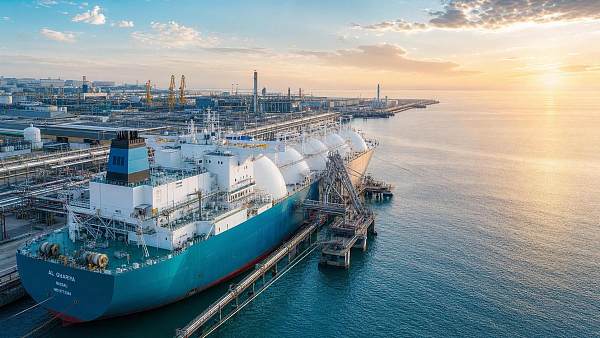
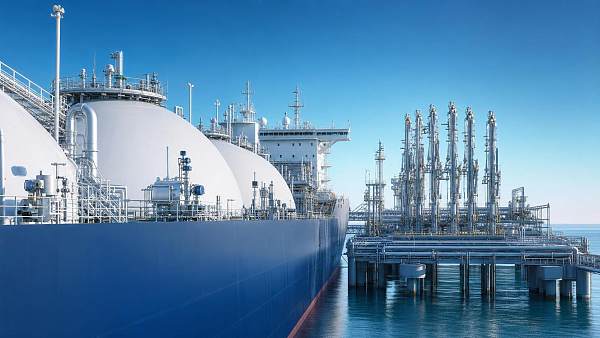
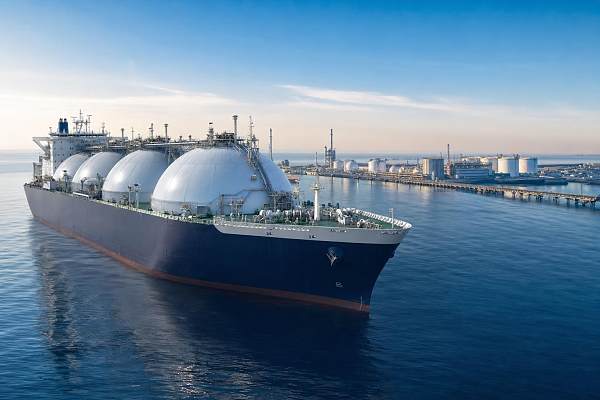
This is especially relevant for organizations working across rail and shipping ecosystems. As smart container ships, LNG carriers, ports, and inland terminals become more data-driven, infrastructure planning increasingly rewards companies that can think beyond a single mode.
What a stronger market position looks like in cross-border rail infrastructure
In this market, stronger positioning does not come from broad claims about innovation. It comes from proving that your technology can help clients build safer, more interoperable, more efficient transport systems under real regulatory and commercial constraints.
That means presenting evidence in decision-maker language. Show how signaling systems support automated high-density operations. Explain how pantographs maintain stable power collection at extreme speed and vibration. Quantify how braking systems improve stopping precision and safety assurance.
It also means connecting product capability to corridor outcomes. Decision-makers respond when technical depth is tied to reduced commissioning risk, faster cross-border readiness, stronger tender compliance, and better asset utilization across the transport network.
For intelligence-led brands such as GTOT, this is where market value is created. Technical observation, investment tracking, and commercial insight help buyers and suppliers navigate a landscape where rail, maritime logistics, and strategic infrastructure planning are increasingly interdependent.
Conclusion: cross-border rail planning now rewards intelligence, not just scale
Global rail infrastructure trends are reshaping cross-border project planning around interoperability, digital control, decarbonization, and multimodal integration. For enterprise decision-makers, the key task is to translate these trends into better investment timing, lower risk, and stronger execution choices.
The winners will not necessarily be the largest participants. They will be the organizations that understand where policy, standards, technology, and logistics converge, and that can prove business value as clearly as engineering competence.
In a market where rail corridors increasingly connect with ports, vessels, energy routes, and digital trade systems, planning quality matters as much as hardware quality. The more precisely companies read these trends, the better they can shape durable cross-border growth.
Recommended News
 Jul 19, 2026Transportation Infrastructure Trends Shaping Capital Planning in 2026Transportation infrastructure trends in 2026 are reshaping capital planning across rail, ports, and shipping. Discover how resilience, automation, and digital control are driving smarter investment decisions.
 Jul 12, 2026Gas Carrier Technology in the Middle East: 2026 OutlookGas carrier technology Middle East trends for 2026: explore LNG vessel innovation, propulsion, containment, and regional yard upgrades shaping smarter energy trade decisions.
 Jul 10, 2026Commercial Shipbuilding Technology Trends Shaping Newbuild Projects in 2026Commercial shipbuilding technology is reshaping 2026 newbuild projects with smarter vessels, fuel flexibility, digital twins, and earlier compliance planning. Explore the trends driving stronger ROI.
 Jul 08, 2026Rail Transit Systems Upgrade Trends Shaping 2026 Investment PlansRail transit systems in 2026 are shifting from expansion to smarter upgrades. Explore safety, automation, energy, and digital trends shaping resilient, high-value investment plans.
 Jul 06, 2026Cryogenic Shipping Systems Manufacturer Trends Shaping 2026 Fleet UpgradesCryogenic shipping systems manufacturer trends are reshaping 2026 fleet upgrades. Explore how digital monitoring, emissions control, and safer containment can improve vessel performance.
 Jul 05, 2026Smart Shipping Solutions for Fleet Management: 2026 Trends Shaping Vessel OperationsSmart shipping solutions for fleet management are redefining vessel operations in 2026. Explore trends in integration, compliance, fuel efficiency, and resilient fleet performance.
 Jul 04, 2026Digital Marine Decarbonization Technology: What Delivers Measurable GainsDigital marine decarbonization technology helps fleets cut fuel use, improve compliance, and boost vessel efficiency with measurable, data-driven gains. Learn what truly delivers value.
 Jul 03, 2026Global Rail Infrastructure Standards: 2026 Changes to WatchGlobal rail infrastructure standards are reshaping 2026 rail projects. Discover the key compliance, interoperability, cyber, and low-carbon changes that will impact bids and investment.
 Jul 02, 2026Global Trade Logistics North America Trends to Watch in 2026Global trade logistics North America in 2026 will be shaped by rail-ocean integration, smart routing, LNG demand, and measurable resilience. Discover the trends redefining reliability and trade advantage.
 Jun 30, 2026International Shipbuilding Suppliers: 2026 Sourcing Trends and Supply Chain RisksInternational shipbuilding suppliers face new 2026 sourcing risks, from compliance and digital integration to sub-tier bottlenecks. Explore key trends shaping cost, delivery, and resilience.
 Jun 27, 2026Heavy Industry Tech Trends Reshaping Equipment Investment in 2026Heavy industry tech is reshaping 2026 equipment investment across rail and maritime systems. Explore the five trends driving safer, smarter, higher-value capital decisions.
 Jun 25, 2026Decarbonization Trends Reshaping Rail and Marine Investment in 2026Decarbonization is reshaping rail and marine investment in 2026. Discover where capital is moving, which assets gain value, and how smarter transport upgrades improve resilience.
 Jun 23, 2026Global Rail Infrastructure Trends Shaping Capacity, Funding, and Delivery TimelinesGlobal rail infrastructure trends are redefining capacity, funding, and delivery timelines. Explore how data-driven planning and system readiness shape resilient, investable rail projects.
 Jun 22, 2026Maritime Logistics Trends in 2026: Capacity Shifts, Delays, and Margin PressureMaritime logistics in 2026 faces shifting capacity, persistent delays, and rising margin pressure. Explore key risks, lane-level signals, and smarter planning strategies.
 Jun 21, 2026LNG Carriers Technology Advancements: 5 Upgrades Reshaping Fleet PerformanceLNG carriers technology advancements are reshaping fleet performance through smarter containment, dual-fuel propulsion, digital monitoring, boil-off control, and automation—see the 5 upgrades driving safer, cleaner, more profitable LNG shipping.
 Jun 20, 2026Global Supply Chain Challenges in Rail Infrastructure in 2026Global supply chain challenges in rail infrastructure are redefining 2026 project risk. Discover where delays, compliance, and sourcing pressure hit hardest—and how smarter evaluation protects cost, delivery, and performance.
 Jun 20, 2026Full Digitalization in Rail: 7 Risks to Address Before ScalingFull digitalization in rail can boost safety, maintenance, and control—but only if key risks are managed. Explore 7 critical challenges to address before scaling network-wide.
 Jun 18, 2026Maritime Logistics Trends in 2026: Where Shipping Efficiency Is MovingMaritime logistics in 2026 is driven by AI routing, port connectivity, decarbonization, and asset visibility. Discover the trends redefining shipping efficiency and resilience.
 Jun 17, 2026Transportation Infrastructure Development Trends That Matter for Long-Term PlanningTransportation infrastructure development trends are reshaping rail, ports, shipping, and LNG networks. Explore the key signals for smarter long-term planning, resilience, and investment value.
 Jun 17, 2026Railway Automation Trends Shaping Safer, Smarter Networks in 2026Railway automation in 2026 is driving safer, smarter rail networks with predictive maintenance, integrated signaling, and higher capacity. Explore the trends shaping resilient transport.
 Jun 15, 2026Decarbonization in Rail Transportation: What Cuts Emissions First?Decarbonization in rail transportation starts with the fastest wins: traction optimization, regenerative braking, smarter signalling, and retrofit upgrades that cut emissions, costs, and risk.
 Jun 14, 2026Rail Infrastructure Investment: Cost vs Long-Term ReturnRail infrastructure investment is more than upfront cost. Discover how lifecycle planning, smarter systems, and reliable rail design can deliver stronger long-term returns.
 Jun 13, 2026Advanced Ocean-Going Vessels: Key Design Shifts in 2026Advanced ocean-going vessels in 2026 are redefining shipping with AI routing, fuel-flexible propulsion, and smarter port integration. See which design shifts drive resilience, efficiency, and long-term fleet value.
 Jun 12, 2026High-Speed Rail Technology Trends Shaping 2026 ProjectsHigh-speed rail technology is reshaping 2026 projects through smarter signaling, resilient traction, precision braking, and digital monitoring. Explore the trends driving safer, scalable, bankable rail delivery.