



Search News
Industry Portal
Popular Tags
Global Trade Logistics Trends Reshaping Lead Times in 2026
Author
Time
Click Count
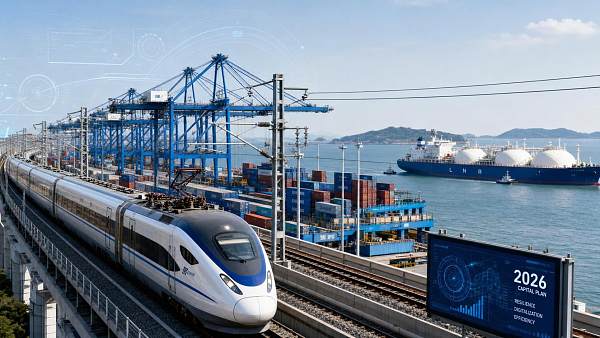
In 2026, global trade logistics is entering a new phase shaped by smart vessels, rail automation, tighter compliance, and rising pressure on lead-time reliability. For business evaluators, understanding how these forces interact is essential to assessing supplier resilience, transport efficiency, and long-term investment value across increasingly complex land-sea supply chain networks.
What Global Trade Logistics Means in 2026
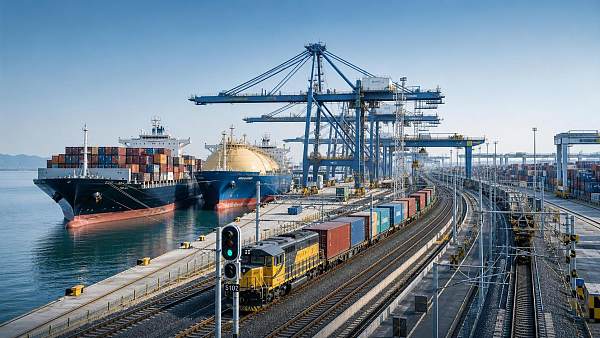
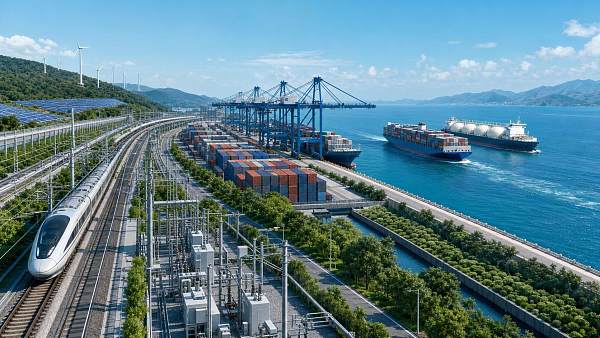
Global trade logistics is no longer limited to moving goods from origin to destination at the lowest cost. In 2026, it refers to an integrated operating system that connects shipping capacity, port efficiency, rail corridor reliability, energy availability, customs compliance, digital visibility, and equipment intelligence. Lead times are being reshaped not by one dominant factor, but by a chain of interdependent decisions across sea and land transport.
For business evaluation teams, this shift matters because traditional assumptions are weakening. A supplier with competitive pricing may still create hidden risk if its cargo depends on congested ports, aging fleets, unstable inland rail transfer, or poor documentation quality. In contrast, companies that align maritime technology, railway control systems, and data-based planning are gaining an advantage in delivery predictability.
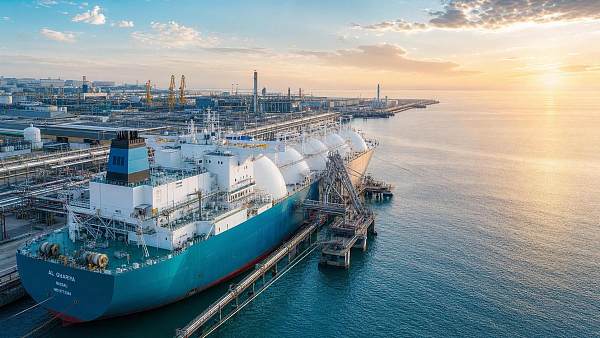
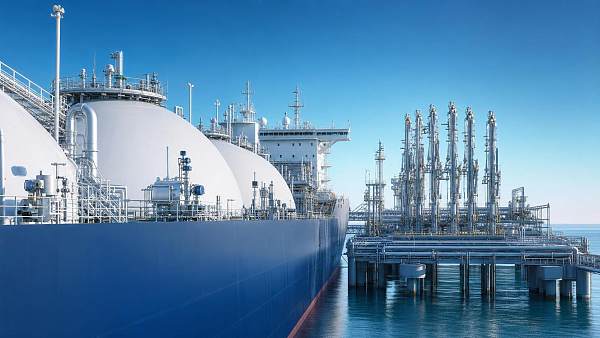
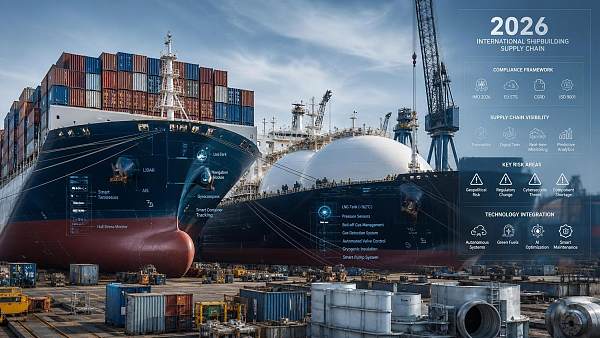
This is especially relevant in sectors linked to high-value equipment, strategic infrastructure, and energy transport. Platforms such as GTOT observe that the relationship between smart container ships, LNG carriers, railway signal control systems, pantographs, and braking systems is becoming more visible in global trade logistics because each component influences network continuity, risk tolerance, and transit performance.
Why Lead Times Are Being Reshaped
The most important trend is that lead times are now determined by network quality rather than distance alone. A route can be geographically shorter but operationally slower if it faces berth delays, customs inspection volatility, inland bottlenecks, or poor coordination between ocean and rail schedules. This explains why global trade logistics in 2026 is increasingly evaluated through resilience metrics instead of simple transit averages.
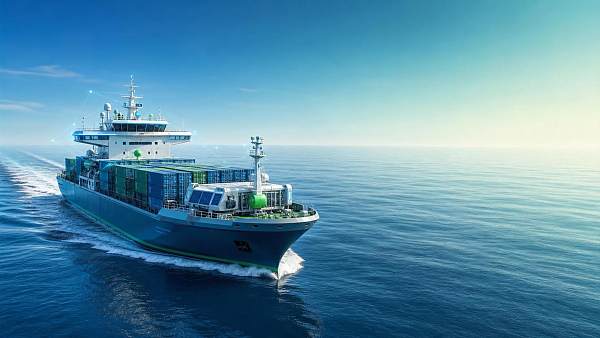
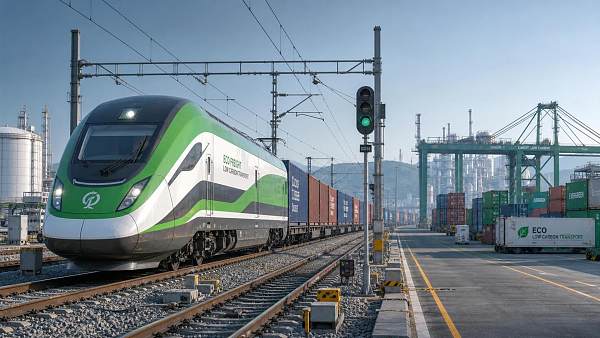
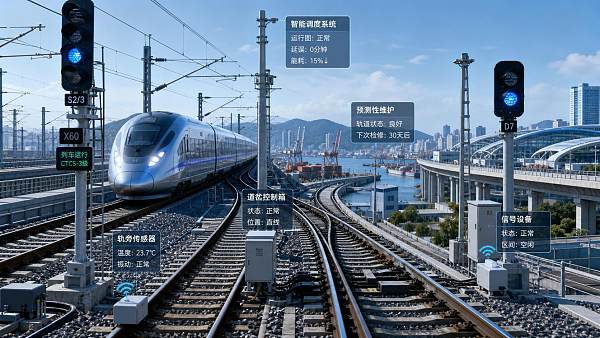
Several forces are driving this change. First, carriers and shippers are investing in smart vessels equipped with route optimization, fuel monitoring, and predictive maintenance tools. Second, rail automation and SIL4-grade signalling are improving the reliability of inland cargo movement, especially where high-density freight corridors support port evacuation. Third, compliance requirements are expanding, covering emissions reporting, cargo traceability, sanctions screening, and technical certification. Fourth, energy transition pressures are influencing fleet design, fuel choices, and terminal operations.
Together, these shifts are making global trade logistics more transparent but also more demanding. Visibility alone does not reduce delay. The real value comes when data, equipment capability, and operational decision-making are connected in a practical way.
Core Industry Drivers Behind the 2026 Shift
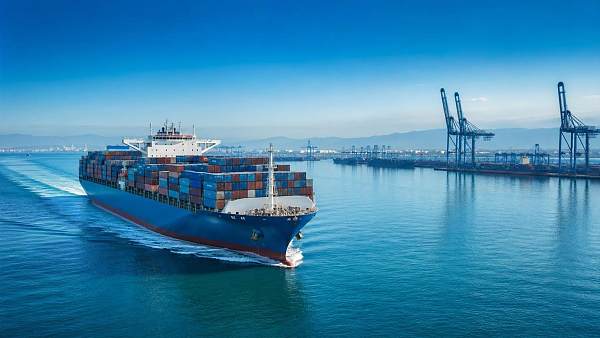
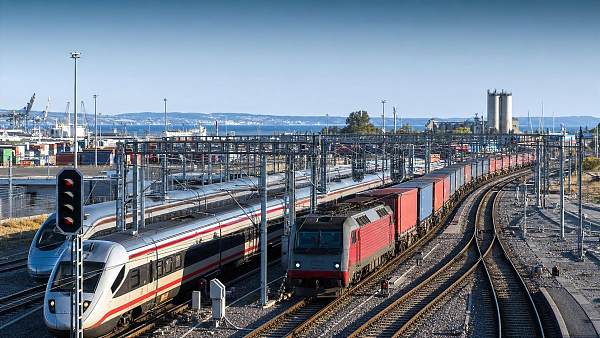
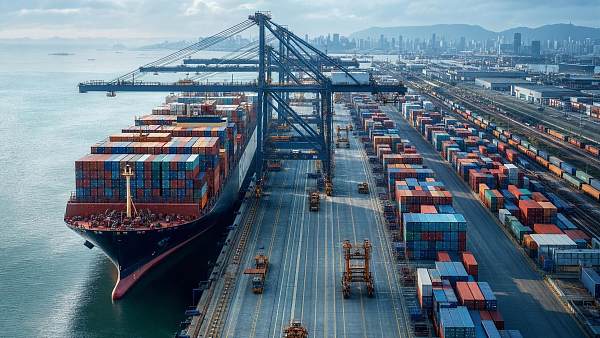
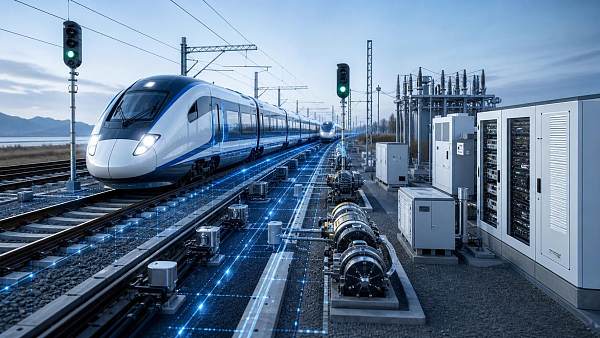
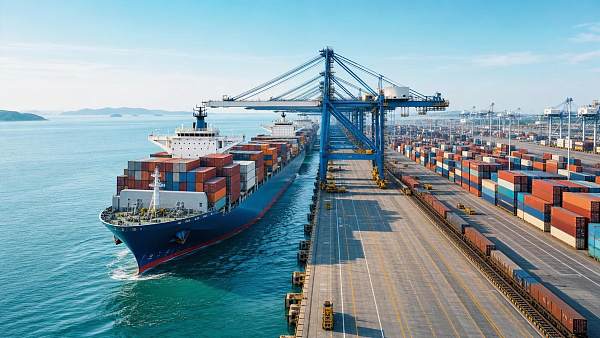
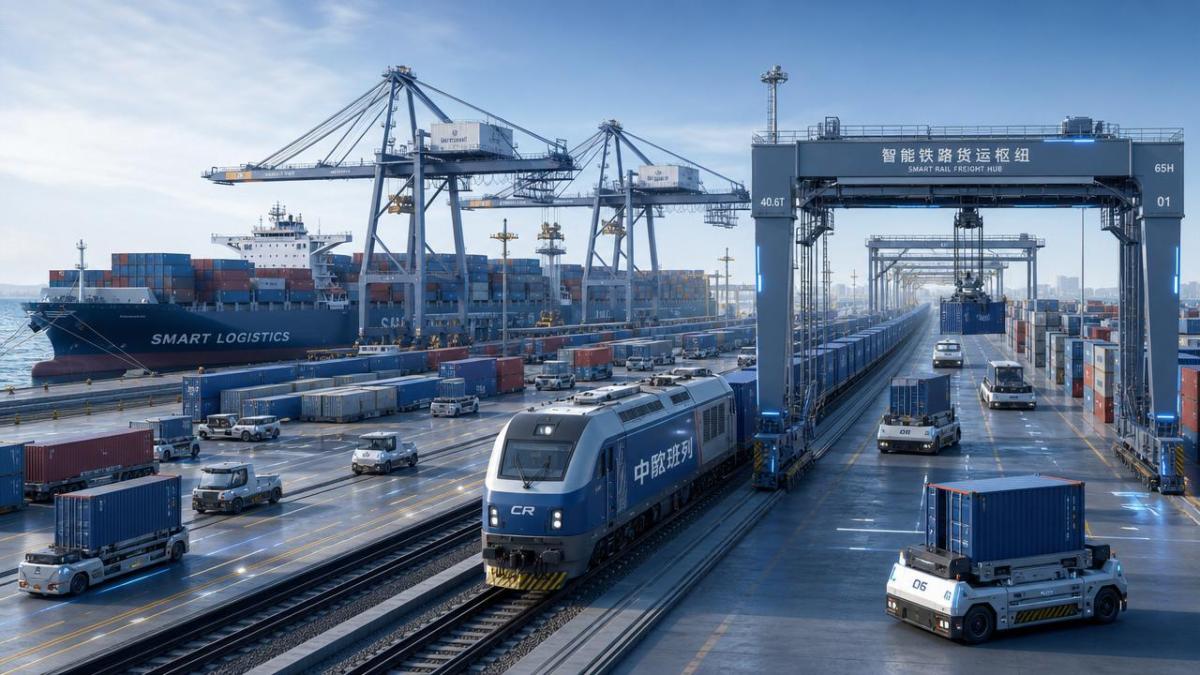
A useful way to understand current global trade logistics is to look at the infrastructure and equipment layers that support intercontinental movement. Sea transport remains the backbone of long-haul trade, yet its efficiency is increasingly linked to intelligent port calls and inland transfer capacity. Rail systems are becoming more important as companies seek faster, lower-emission hinterland connections. Meanwhile, strategic cargo such as LNG and advanced industrial equipment depends on specialized vessels, strict engineering standards, and highly controlled handling processes.
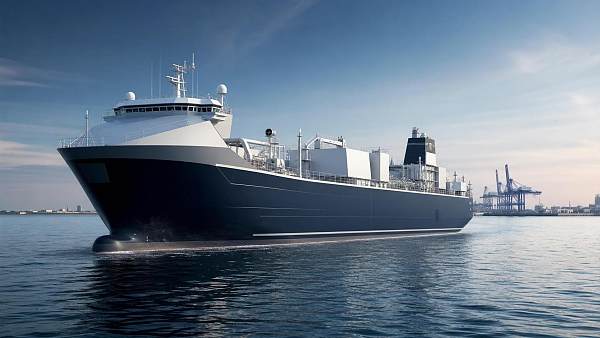
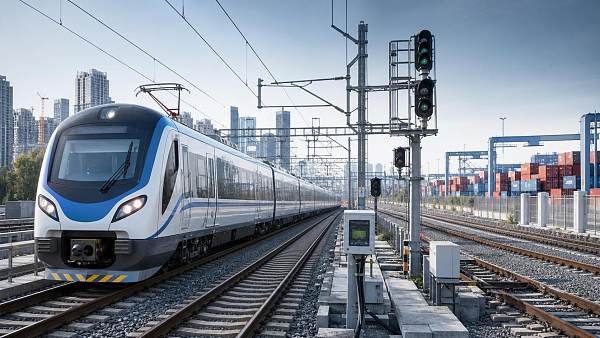
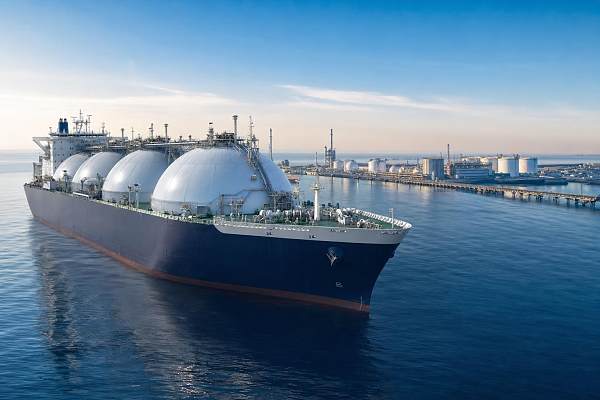
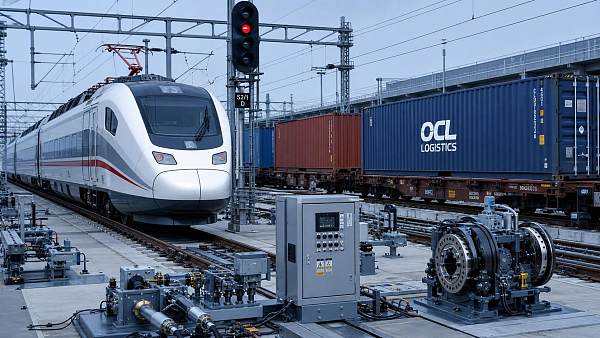
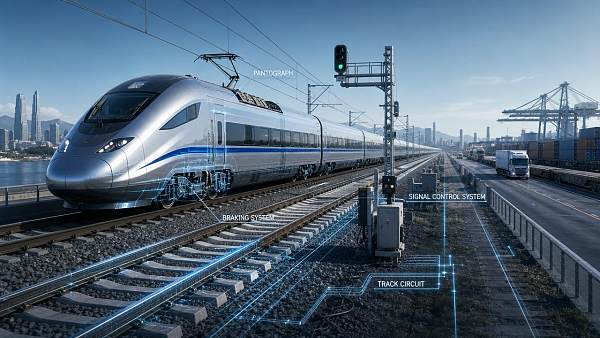
GTOT’s focus areas reflect this reality. Railway signal control systems serve as the operational logic that keeps freight corridors safe and dense. Pantographs and braking systems support stable, high-performance rail movement where timing precision matters. Smart container ships improve voyage planning and vessel-port coordination. LNG carriers add another dimension, because energy logistics directly affects bunker availability, industrial continuity, and geopolitical route choices.
Industry overview table
Why This Matters for Business Evaluators
Business evaluators are under pressure to look beyond purchase price and nominal transit promises. In global trade logistics, the real performance gap often appears in execution quality: whether a supplier can maintain schedule integrity when weather changes, a terminal becomes congested, a rail corridor is reallocated, or documentation standards tighten.
A strong assessment framework should therefore include route structure, modal flexibility, digital tracking maturity, engineering dependence, and regulatory readiness. For example, a supplier relying on a single transshipment hub may present concentration risk. Another supplier using smart maritime assets and automated inland rail links may offer more stable lead times even if baseline freight cost is slightly higher. In 2026, global trade logistics performance is increasingly a proxy for management quality and asset intelligence.
This perspective is particularly valuable in projects involving railway components, marine equipment, EPC contracts, and strategic energy systems. Long procurement cycles, strict technical standards, and cross-border delivery obligations mean that small logistics disruptions can create large commercial consequences.
Typical Scenarios Where Lead-Time Trends Become Visible
Not every cargo category experiences global trade logistics in the same way. The impact on lead times depends on cargo value, compliance burden, modal dependence, and infrastructure sensitivity. Business evaluators should separate scenarios rather than use one generic benchmark.
Application and object classification
The Expanding Role of Technology and Intelligence
Technology is changing global trade logistics in two ways. First, it improves physical operations through automation, equipment monitoring, and optimized routing. Second, it strengthens decision quality by converting fragmented shipment events into usable intelligence. The best-performing organizations are not simply buying digital tools; they are building a logistics operating view that links transport data with engineering, compliance, and commercial planning.
This is where sector intelligence becomes valuable. Observing rail signalling adoption, vessel design cycles, LNG fleet trends, and infrastructure investment patterns allows evaluators to judge whether a logistics advantage is temporary or structural. A supplier may claim reliable delivery, but if it depends on weak corridors or outdated fleets, that advantage may not be sustainable. Conversely, companies aligned with smart vessel deployment, automated rail interfaces, and stronger technical governance are more likely to maintain performance under stress.
Practical Evaluation Priorities for 2026
To assess global trade logistics effectively, business evaluators should move toward a layered review model. Cost remains important, but it should be balanced with reliability, adaptability, and infrastructure compatibility. Useful priorities include:
First, examine route architecture rather than only transit time promises. Ask which ports, rail links, and transfer nodes are involved, and whether alternatives exist. Second, verify the technical and digital maturity of the transport chain, including vessel intelligence, cargo visibility, and documentation controls. Third, consider compliance readiness, especially for strategic equipment and regulated cargoes. Fourth, review asset specialization, because advanced railway systems and LNG-related transport require different risk assumptions than standard freight.
Fifth, connect logistics analysis with supplier strategy. If a company invests in smart maritime capabilities, rail-safe automation, or high-integrity engineering systems, those choices often support better delivery discipline over time. In this sense, global trade logistics is not just an operational function; it is an indicator of enterprise capability.
A Balanced Outlook for the Next Phase
The outlook for 2026 is not defined by simple acceleration. Some routes will become faster because of smart vessels, better rail signalling, and more integrated planning. Others may remain volatile because regulatory checks, energy market shifts, and geopolitical fragmentation continue to reshape transport patterns. This means lead-time evaluation must become more scenario-based and less dependent on historical averages alone.
For organizations active across land-sea supply chains, the most effective response is to combine market intelligence with technical understanding. That includes monitoring vessel evolution, railway automation, braking and traction reliability, LNG transport dynamics, and regional infrastructure investment. These signals help decision-makers distinguish between suppliers that merely move cargo and suppliers that can support long-term continuity.
Conclusion and Next-Step Perspective
In 2026, global trade logistics is becoming a strategic discipline shaped by equipment intelligence, compliance pressure, multimodal integration, and network resilience. Lead times are being reshaped by the quality of coordination between smart ships, ports, rail systems, and technical governance. For business evaluators, the key task is to identify which partners can convert complexity into dependable performance.
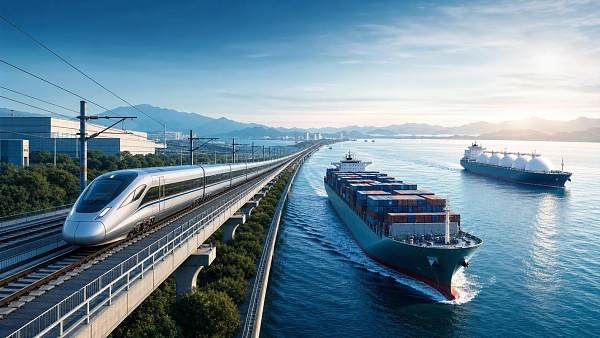
A deeper review of logistics capability should therefore include not only cost and schedule, but also route design, technology adoption, infrastructure alignment, and sector-specific engineering constraints. With this lens, global trade logistics becomes a practical tool for evaluating supplier strength, project readiness, and long-term operational value across the connected worlds of rail and ocean transport.
Recommended News
 Jul 19, 2026Transportation Infrastructure Trends Shaping Capital Planning in 2026Transportation infrastructure trends in 2026 are reshaping capital planning across rail, ports, and shipping. Discover how resilience, automation, and digital control are driving smarter investment decisions.
 Jul 12, 2026Gas Carrier Technology in the Middle East: 2026 OutlookGas carrier technology Middle East trends for 2026: explore LNG vessel innovation, propulsion, containment, and regional yard upgrades shaping smarter energy trade decisions.
 Jul 10, 2026Commercial Shipbuilding Technology Trends Shaping Newbuild Projects in 2026Commercial shipbuilding technology is reshaping 2026 newbuild projects with smarter vessels, fuel flexibility, digital twins, and earlier compliance planning. Explore the trends driving stronger ROI.
 Jul 08, 2026Rail Transit Systems Upgrade Trends Shaping 2026 Investment PlansRail transit systems in 2026 are shifting from expansion to smarter upgrades. Explore safety, automation, energy, and digital trends shaping resilient, high-value investment plans.
 Jul 06, 2026Cryogenic Shipping Systems Manufacturer Trends Shaping 2026 Fleet UpgradesCryogenic shipping systems manufacturer trends are reshaping 2026 fleet upgrades. Explore how digital monitoring, emissions control, and safer containment can improve vessel performance.
 Jul 05, 2026Smart Shipping Solutions for Fleet Management: 2026 Trends Shaping Vessel OperationsSmart shipping solutions for fleet management are redefining vessel operations in 2026. Explore trends in integration, compliance, fuel efficiency, and resilient fleet performance.
 Jul 04, 2026Digital Marine Decarbonization Technology: What Delivers Measurable GainsDigital marine decarbonization technology helps fleets cut fuel use, improve compliance, and boost vessel efficiency with measurable, data-driven gains. Learn what truly delivers value.
 Jul 03, 2026Global Rail Infrastructure Standards: 2026 Changes to WatchGlobal rail infrastructure standards are reshaping 2026 rail projects. Discover the key compliance, interoperability, cyber, and low-carbon changes that will impact bids and investment.
 Jul 02, 2026Global Trade Logistics North America Trends to Watch in 2026Global trade logistics North America in 2026 will be shaped by rail-ocean integration, smart routing, LNG demand, and measurable resilience. Discover the trends redefining reliability and trade advantage.
 Jun 30, 2026International Shipbuilding Suppliers: 2026 Sourcing Trends and Supply Chain RisksInternational shipbuilding suppliers face new 2026 sourcing risks, from compliance and digital integration to sub-tier bottlenecks. Explore key trends shaping cost, delivery, and resilience.
 Jun 27, 2026Heavy Industry Tech Trends Reshaping Equipment Investment in 2026Heavy industry tech is reshaping 2026 equipment investment across rail and maritime systems. Explore the five trends driving safer, smarter, higher-value capital decisions.
 Jun 25, 2026Decarbonization Trends Reshaping Rail and Marine Investment in 2026Decarbonization is reshaping rail and marine investment in 2026. Discover where capital is moving, which assets gain value, and how smarter transport upgrades improve resilience.
 Jun 23, 2026Global Rail Infrastructure Trends Shaping Capacity, Funding, and Delivery TimelinesGlobal rail infrastructure trends are redefining capacity, funding, and delivery timelines. Explore how data-driven planning and system readiness shape resilient, investable rail projects.
 Jun 22, 2026Maritime Logistics Trends in 2026: Capacity Shifts, Delays, and Margin PressureMaritime logistics in 2026 faces shifting capacity, persistent delays, and rising margin pressure. Explore key risks, lane-level signals, and smarter planning strategies.
 Jun 21, 2026LNG Carriers Technology Advancements: 5 Upgrades Reshaping Fleet PerformanceLNG carriers technology advancements are reshaping fleet performance through smarter containment, dual-fuel propulsion, digital monitoring, boil-off control, and automation—see the 5 upgrades driving safer, cleaner, more profitable LNG shipping.
 Jun 20, 2026Global Supply Chain Challenges in Rail Infrastructure in 2026Global supply chain challenges in rail infrastructure are redefining 2026 project risk. Discover where delays, compliance, and sourcing pressure hit hardest—and how smarter evaluation protects cost, delivery, and performance.
 Jun 20, 2026Full Digitalization in Rail: 7 Risks to Address Before ScalingFull digitalization in rail can boost safety, maintenance, and control—but only if key risks are managed. Explore 7 critical challenges to address before scaling network-wide.
 Jun 18, 2026Maritime Logistics Trends in 2026: Where Shipping Efficiency Is MovingMaritime logistics in 2026 is driven by AI routing, port connectivity, decarbonization, and asset visibility. Discover the trends redefining shipping efficiency and resilience.
 Jun 17, 2026Transportation Infrastructure Development Trends That Matter for Long-Term PlanningTransportation infrastructure development trends are reshaping rail, ports, shipping, and LNG networks. Explore the key signals for smarter long-term planning, resilience, and investment value.
 Jun 17, 2026Railway Automation Trends Shaping Safer, Smarter Networks in 2026Railway automation in 2026 is driving safer, smarter rail networks with predictive maintenance, integrated signaling, and higher capacity. Explore the trends shaping resilient transport.
 Jun 15, 2026Decarbonization in Rail Transportation: What Cuts Emissions First?Decarbonization in rail transportation starts with the fastest wins: traction optimization, regenerative braking, smarter signalling, and retrofit upgrades that cut emissions, costs, and risk.
 Jun 14, 2026Rail Infrastructure Investment: Cost vs Long-Term ReturnRail infrastructure investment is more than upfront cost. Discover how lifecycle planning, smarter systems, and reliable rail design can deliver stronger long-term returns.
 Jun 13, 2026Advanced Ocean-Going Vessels: Key Design Shifts in 2026Advanced ocean-going vessels in 2026 are redefining shipping with AI routing, fuel-flexible propulsion, and smarter port integration. See which design shifts drive resilience, efficiency, and long-term fleet value.
 Jun 12, 2026High-Speed Rail Technology Trends Shaping 2026 ProjectsHigh-speed rail technology is reshaping 2026 projects through smarter signaling, resilient traction, precision braking, and digital monitoring. Explore the trends driving safer, scalable, bankable rail delivery.