



Search News
Industry Portal
Popular Tags
Decarbonization Steps That Cut Emissions Without Slowing Operations
Author
Time
Click Count
Decarbonization is no longer a trade-off between emissions goals and operational performance. For business decision-makers across rail, shipping, and energy-linked transport systems, the real opportunity lies in cutting carbon through smarter control, digital visibility, efficient propulsion, and asset-level optimization. This article outlines practical decarbonization steps that reduce emissions while protecting uptime, safety, and supply chain efficiency.
Why is decarbonization now a board-level operations issue instead of just a sustainability topic?
For many industrial and transport-heavy organizations, decarbonization has moved out of the CSR department and into the operating model. The reason is simple: emissions are now directly connected to fuel spend, asset efficiency, tender eligibility, financing conditions, customer requirements, and long-term competitiveness. In rail, shipping, and intermodal logistics, carbon performance increasingly affects whether a company can win regulated projects, serve multinational buyers, or maintain credibility in safety- and compliance-sensitive supply chains.
Enterprise leaders also face a practical reality. The largest sources of emissions often sit inside the same systems that determine operating cost and reliability: traction power, braking behavior, routing logic, auxiliary loads, vessel speed, reefer consumption, idling, and maintenance quality. That means decarbonization does not begin with slogans. It begins with operational decisions that already matter to production, punctuality, and asset availability.
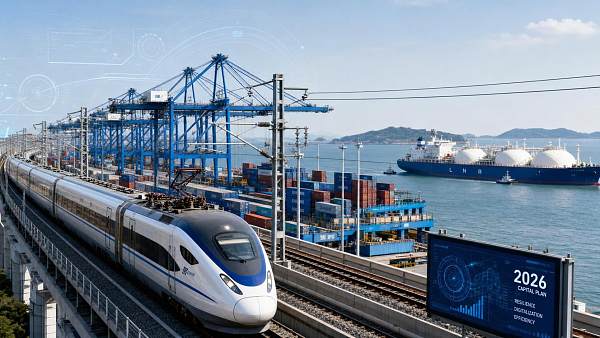
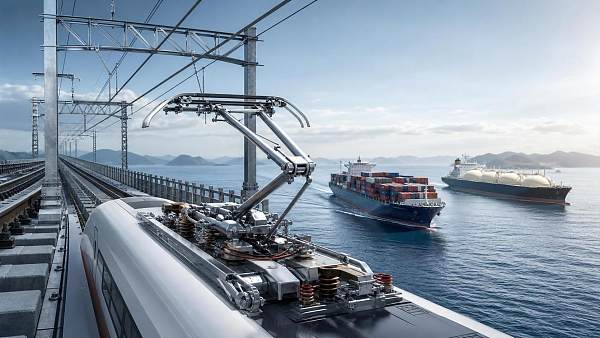
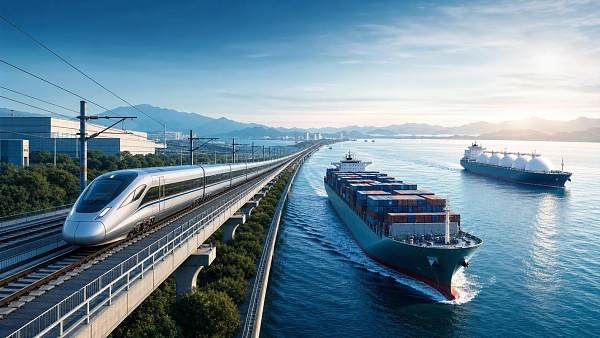
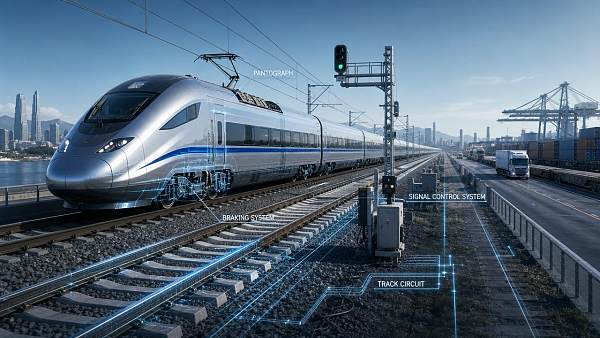
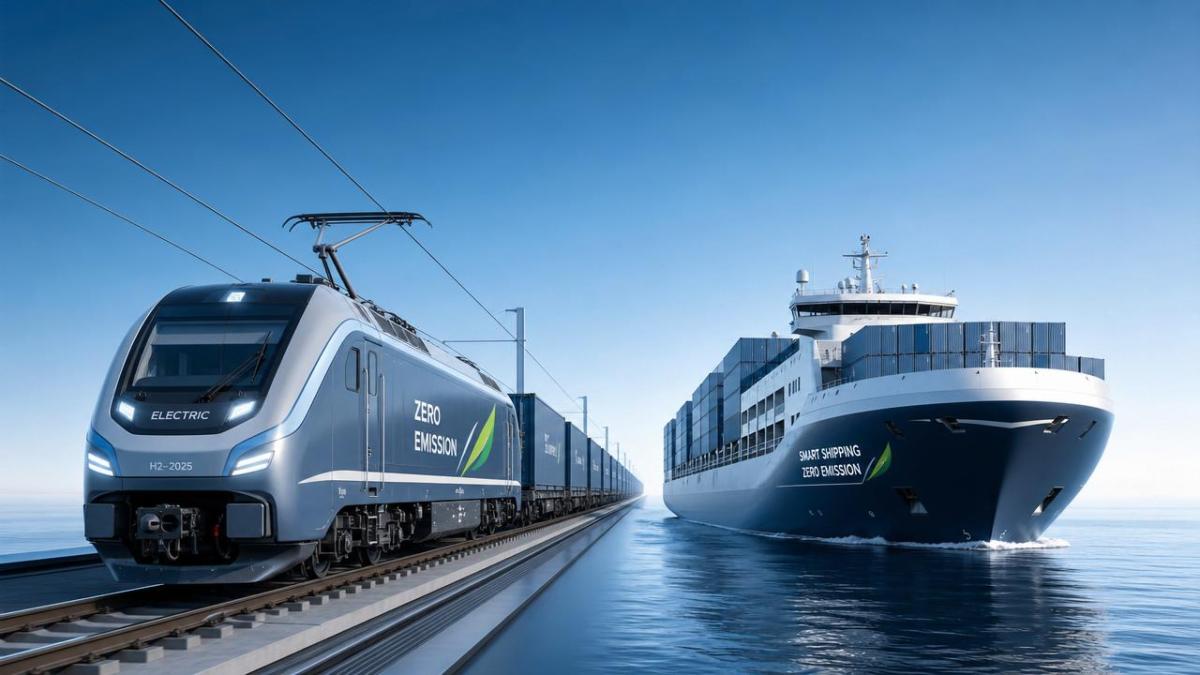
For a platform such as GTOT, this is especially relevant. Railway signal control systems, pantographs, braking systems, smart container ships, and LNG carriers all sit at the intersection of performance and carbon intensity. The same engineering discipline that improves safety, precision, and uptime can also reduce energy waste. In other words, decarbonization is increasingly a question of better control, not slower operations.
What decarbonization steps usually cut emissions fastest without disrupting throughput?
The fastest wins typically come from measures that improve how existing assets are operated rather than from immediate fleet replacement. Decision-makers often overestimate the impact of one large technology shift and underestimate the value of many smaller control improvements working together.
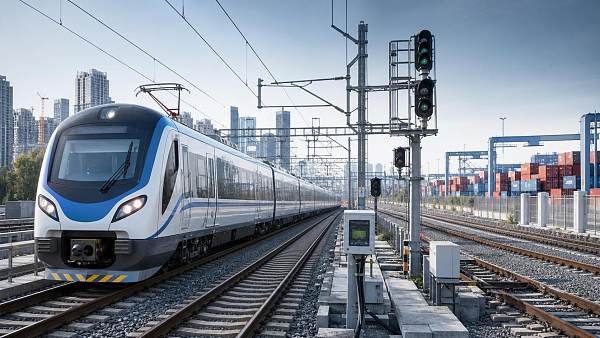
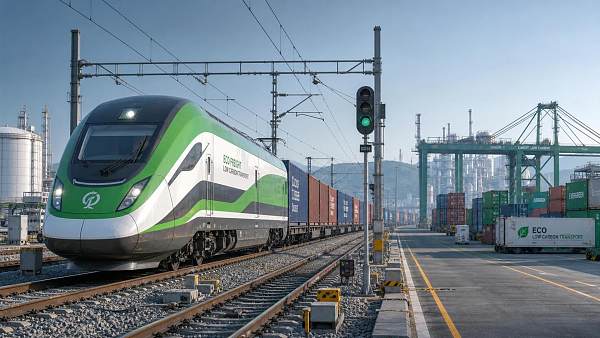
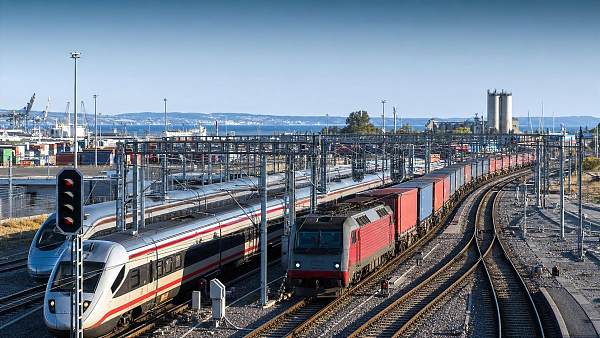
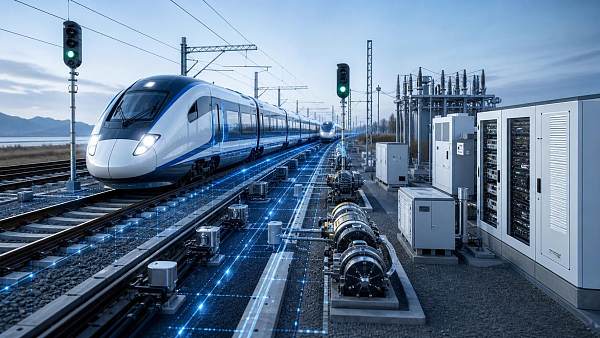
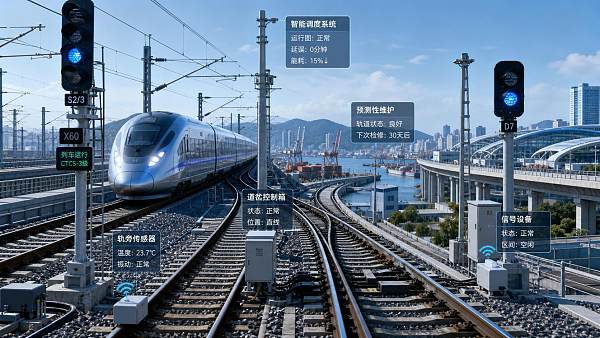
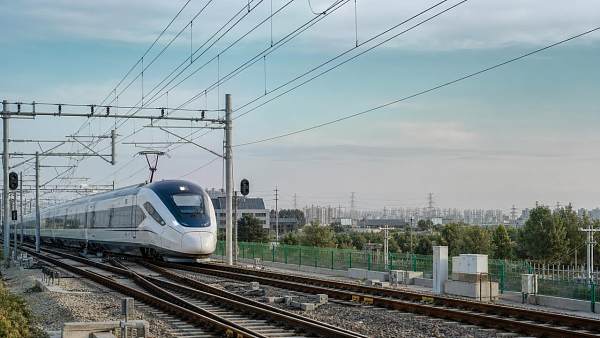
In rail systems, one of the most effective steps is energy-aware control. This includes timetable optimization, smoother acceleration profiles, regenerative braking capture, and traffic management that reduces stop-start inefficiency. Where signalling, traction, and braking are better synchronized, trains consume less energy without compromising network capacity. For high-density lines, the operational benefit can be as important as the emissions reduction.
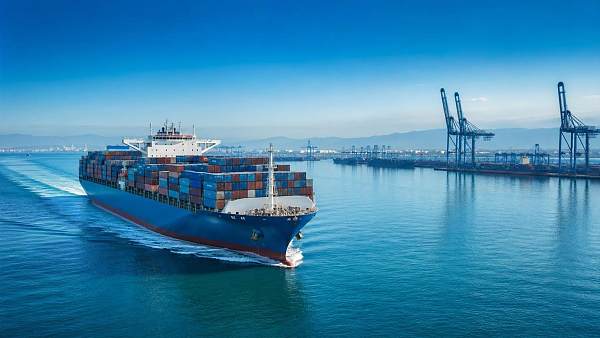
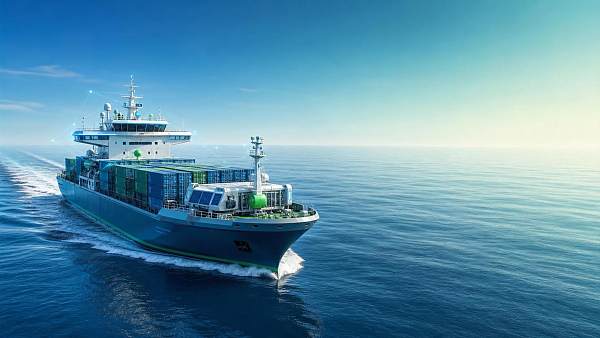
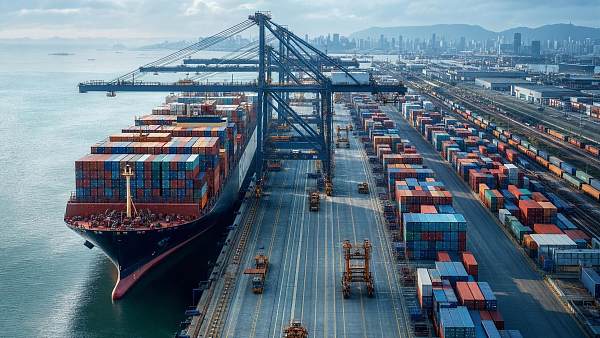
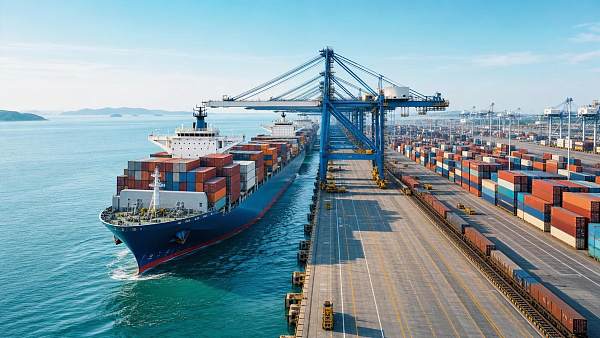
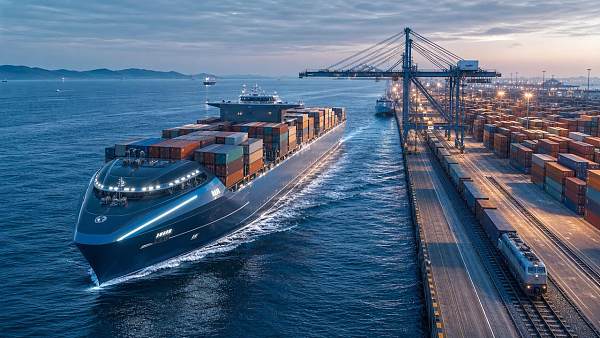
In maritime operations, voyage optimization often delivers early decarbonization gains. AI-supported route planning, weather-adjusted speed control, hull and propeller performance monitoring, and port call coordination can reduce fuel burn while protecting schedule integrity. Smart container ships benefit especially from connected decision-making between ship and shore, because small inefficiencies across a long voyage add up quickly.
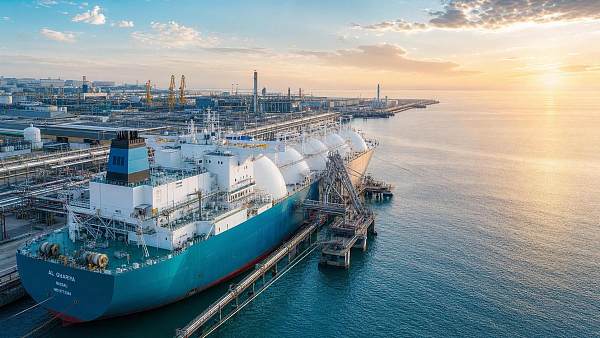
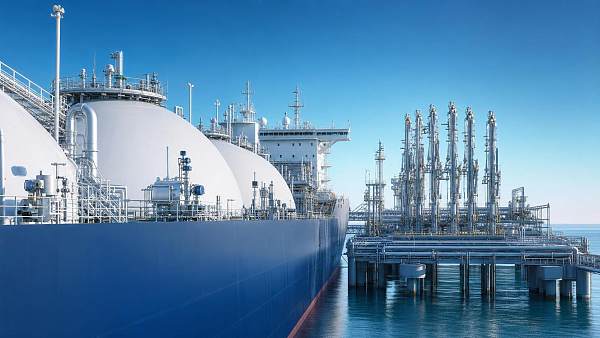
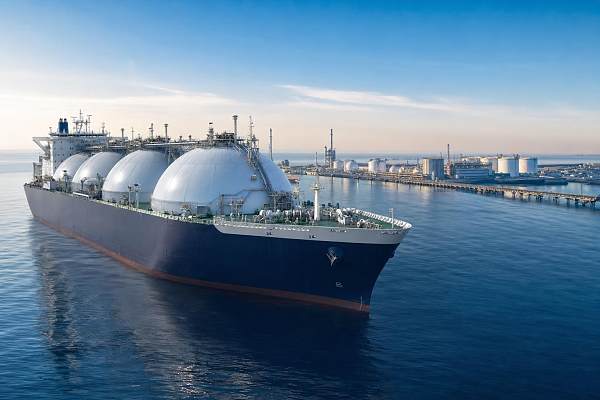
For LNG carriers and energy-linked vessels, propulsion management, boil-off gas utilization, and insulation performance monitoring are central. These are not marginal engineering details. They are core decarbonization levers because thermal losses, fuel switching behavior, and machinery loading directly influence both emissions and voyage economics.
Across sectors, the common theme is visibility. Companies reduce emissions faster when they can see where energy is lost at the level of route, asset, subsystem, and operating event.
Which parts of rail and maritime systems offer the highest-value decarbonization opportunities?
Not every subsystem offers the same return. A useful decarbonization strategy starts by identifying high-energy, high-runtime, or high-friction components that influence the whole operating chain.
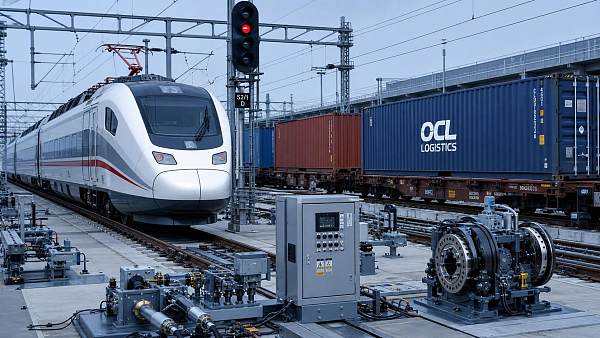
In railway operations, signal control systems matter because they shape traffic flow quality. Better headway management and automated protection reduce unnecessary braking and restart cycles. Pantographs matter because unstable current collection increases losses, wear, and power quality issues, especially at high speed. Braking systems matter because precision control determines how much kinetic energy is wasted versus recovered or managed efficiently. These are technical topics, but for decision-makers they translate into lower electricity use, reduced component stress, and better service consistency.
In shipping, the biggest opportunities are often found in propulsion efficiency, route intelligence, auxiliary systems, and maintenance discipline. A vessel with advanced routing but poor hull condition will still waste fuel. A dual-fuel ship with weak operational control may not capture the expected emissions benefit. Likewise, smart ships only become true decarbonization assets when onboard data is converted into repeatable operating decisions.
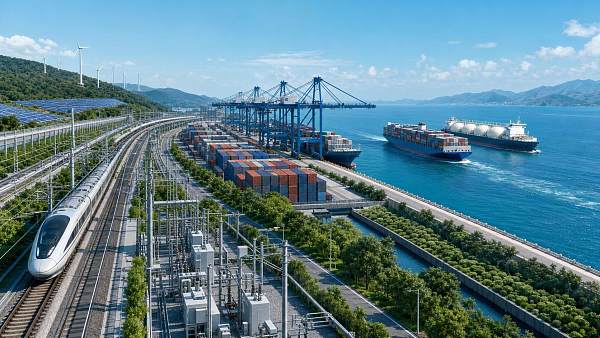
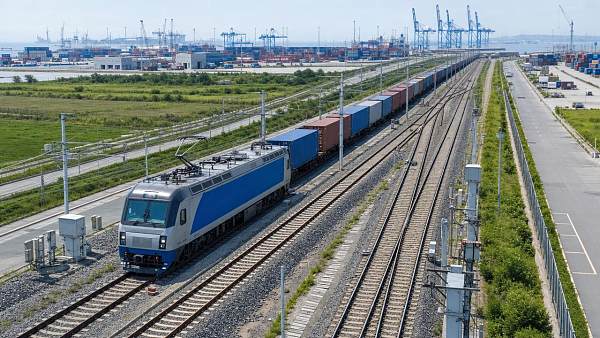
For organizations managing portfolios across land and sea transport, the most valuable approach is usually to rank opportunities in three buckets: immediate optimization of existing assets, targeted retrofits with clear payback, and longer-cycle fleet or infrastructure transformation. This prevents decarbonization from becoming either too conservative or unrealistically ambitious.
How can executives judge which decarbonization investments are operationally safe?
The best test is not whether a solution looks green, but whether it improves decision quality under real operating conditions. Executives should ask whether a proposed measure strengthens reliability, preserves safety margins, and works under peak-load scenarios rather than only in ideal demonstrations.
In practice, this means evaluating five factors. First, measure system compatibility. A decarbonization upgrade must fit existing signalling logic, traction architecture, vessel automation systems, or maintenance workflows. Second, confirm data quality. Optimization depends on trustworthy information from sensors, control layers, and operational records. Third, check failure-mode behavior. If a digital or energy-saving feature degrades, can the asset continue operating safely? Fourth, review workforce readiness. Even the best efficiency technology underperforms when crews, dispatchers, or maintenance teams do not use it consistently. Fifth, calculate value beyond carbon. The strongest business cases include fuel savings, less wear, fewer delays, better compliance, and improved tender positioning.
This is why high-end intelligence matters. In sectors where SIL4 railway systems, cryogenic cargo containment, and dual-fuel propulsion are involved, decarbonization must be engineered with the same seriousness as safety and reliability. Speed of implementation matters, but system integrity matters more.
Quick decision table: where should leaders start?
What are the most common mistakes companies make when pursuing decarbonization?
One common mistake is treating decarbonization as a single procurement event. Companies buy a software layer, a new propulsion option, or a reporting tool and expect results to appear automatically. In reality, emissions performance improves when governance, data, operations, and maintenance are aligned. Technology is necessary, but orchestration is what delivers results.
A second mistake is focusing only on tailpipe or stack emissions while ignoring system-wide inefficiency. A vessel or train may have a lower-emission power source but still waste energy through poor scheduling, idle time, drag, or inconsistent control. Decision-makers should look at operational carbon intensity, not just equipment labels.
A third mistake is pushing aggressive changes without proving operational resilience. In transport-critical sectors, a failed decarbonization initiative can damage service confidence and slow future adoption. Pilot programs, phased rollouts, and KPI-based validation are usually more effective than broad mandates.
Another risk is underestimating human factors. Crews, dispatchers, maintenance engineers, and control-room teams all influence emissions outcomes. If incentive structures reward only speed or volume, decarbonization measures may be bypassed in daily practice. Good leadership turns carbon efficiency into a normal operating discipline rather than an extra task.
How should companies balance short-term wins and long-term decarbonization transformation?
A practical roadmap usually has three horizons. Horizon one focuses on no-regret actions: energy data visibility, route and timetable optimization, maintenance quality, equipment tuning, and idle reduction. These measures often produce measurable decarbonization benefits in months, not years.
Horizon two includes targeted upgrades with stronger technical depth. In rail, this may involve improved braking controls, better pantograph performance, or advanced signalling integration. In shipping, it may include digital voyage platforms, propulsion retrofits, hull efficiency programs, or auxiliary power improvements. These projects require more coordination but can strengthen both carbon performance and asset life.
Horizon three is structural transformation: fleet renewal, fuel pathway shifts, port and terminal integration, electrification interfaces, or advanced dual-fuel strategies. These moves carry larger capital implications, so they should be informed by the operational lessons learned in horizons one and two. Companies that skip directly to transformation without building data discipline often spend more and learn less.
For business decision-makers, the lesson is clear: decarbonization should be staged, measurable, and closely tied to asset strategy. Progress is strongest when each phase reduces emissions while strengthening decision confidence for the next phase.
What should decision-makers ask before launching a decarbonization program or supplier discussion?
Before moving into procurement, partnership, or implementation, leaders should clarify a small set of high-value questions. Where are the biggest emission hotspots by asset type and operating mode? Which actions can be deployed without service interruption? What data already exists, and what is still missing? Which KPIs matter most: fuel, electricity, delay minutes, maintenance intervals, carbon intensity, or tender compliance? Which functions need to be involved from day one: operations, engineering, finance, safety, procurement, and commercial teams?
It is also wise to ask suppliers and internal teams how the proposed decarbonization measure performs under stress. Can it scale across mixed fleets? Does it support safety certification and existing standards? How is ROI measured beyond emissions alone? In GTOT-related sectors, these questions are especially important because high-speed rail components and advanced ocean-going vessels operate in highly demanding environments where failure is costly.
If you need to confirm a concrete decarbonization direction, start the conversation with operational baselines, subsystem priorities, implementation cycle, compatibility constraints, and expected payback logic. From there, it becomes much easier to compare suppliers, define pilot scope, and build a roadmap that cuts emissions without slowing operations.
Recommended News
 Jul 19, 2026Transportation Infrastructure Trends Shaping Capital Planning in 2026Transportation infrastructure trends in 2026 are reshaping capital planning across rail, ports, and shipping. Discover how resilience, automation, and digital control are driving smarter investment decisions.
 Jul 12, 2026Gas Carrier Technology in the Middle East: 2026 OutlookGas carrier technology Middle East trends for 2026: explore LNG vessel innovation, propulsion, containment, and regional yard upgrades shaping smarter energy trade decisions.
 Jul 10, 2026Commercial Shipbuilding Technology Trends Shaping Newbuild Projects in 2026Commercial shipbuilding technology is reshaping 2026 newbuild projects with smarter vessels, fuel flexibility, digital twins, and earlier compliance planning. Explore the trends driving stronger ROI.
 Jul 08, 2026Rail Transit Systems Upgrade Trends Shaping 2026 Investment PlansRail transit systems in 2026 are shifting from expansion to smarter upgrades. Explore safety, automation, energy, and digital trends shaping resilient, high-value investment plans.
 Jul 06, 2026Cryogenic Shipping Systems Manufacturer Trends Shaping 2026 Fleet UpgradesCryogenic shipping systems manufacturer trends are reshaping 2026 fleet upgrades. Explore how digital monitoring, emissions control, and safer containment can improve vessel performance.
 Jul 05, 2026Smart Shipping Solutions for Fleet Management: 2026 Trends Shaping Vessel OperationsSmart shipping solutions for fleet management are redefining vessel operations in 2026. Explore trends in integration, compliance, fuel efficiency, and resilient fleet performance.
 Jul 04, 2026Digital Marine Decarbonization Technology: What Delivers Measurable GainsDigital marine decarbonization technology helps fleets cut fuel use, improve compliance, and boost vessel efficiency with measurable, data-driven gains. Learn what truly delivers value.
 Jul 03, 2026Global Rail Infrastructure Standards: 2026 Changes to WatchGlobal rail infrastructure standards are reshaping 2026 rail projects. Discover the key compliance, interoperability, cyber, and low-carbon changes that will impact bids and investment.
 Jul 02, 2026Global Trade Logistics North America Trends to Watch in 2026Global trade logistics North America in 2026 will be shaped by rail-ocean integration, smart routing, LNG demand, and measurable resilience. Discover the trends redefining reliability and trade advantage.
 Jun 30, 2026International Shipbuilding Suppliers: 2026 Sourcing Trends and Supply Chain RisksInternational shipbuilding suppliers face new 2026 sourcing risks, from compliance and digital integration to sub-tier bottlenecks. Explore key trends shaping cost, delivery, and resilience.
 Jun 27, 2026Heavy Industry Tech Trends Reshaping Equipment Investment in 2026Heavy industry tech is reshaping 2026 equipment investment across rail and maritime systems. Explore the five trends driving safer, smarter, higher-value capital decisions.
 Jun 25, 2026Decarbonization Trends Reshaping Rail and Marine Investment in 2026Decarbonization is reshaping rail and marine investment in 2026. Discover where capital is moving, which assets gain value, and how smarter transport upgrades improve resilience.
 Jun 23, 2026Global Rail Infrastructure Trends Shaping Capacity, Funding, and Delivery TimelinesGlobal rail infrastructure trends are redefining capacity, funding, and delivery timelines. Explore how data-driven planning and system readiness shape resilient, investable rail projects.
 Jun 22, 2026Maritime Logistics Trends in 2026: Capacity Shifts, Delays, and Margin PressureMaritime logistics in 2026 faces shifting capacity, persistent delays, and rising margin pressure. Explore key risks, lane-level signals, and smarter planning strategies.
 Jun 21, 2026LNG Carriers Technology Advancements: 5 Upgrades Reshaping Fleet PerformanceLNG carriers technology advancements are reshaping fleet performance through smarter containment, dual-fuel propulsion, digital monitoring, boil-off control, and automation—see the 5 upgrades driving safer, cleaner, more profitable LNG shipping.
 Jun 20, 2026Global Supply Chain Challenges in Rail Infrastructure in 2026Global supply chain challenges in rail infrastructure are redefining 2026 project risk. Discover where delays, compliance, and sourcing pressure hit hardest—and how smarter evaluation protects cost, delivery, and performance.
 Jun 20, 2026Full Digitalization in Rail: 7 Risks to Address Before ScalingFull digitalization in rail can boost safety, maintenance, and control—but only if key risks are managed. Explore 7 critical challenges to address before scaling network-wide.
 Jun 18, 2026Maritime Logistics Trends in 2026: Where Shipping Efficiency Is MovingMaritime logistics in 2026 is driven by AI routing, port connectivity, decarbonization, and asset visibility. Discover the trends redefining shipping efficiency and resilience.
 Jun 17, 2026Transportation Infrastructure Development Trends That Matter for Long-Term PlanningTransportation infrastructure development trends are reshaping rail, ports, shipping, and LNG networks. Explore the key signals for smarter long-term planning, resilience, and investment value.
 Jun 17, 2026Railway Automation Trends Shaping Safer, Smarter Networks in 2026Railway automation in 2026 is driving safer, smarter rail networks with predictive maintenance, integrated signaling, and higher capacity. Explore the trends shaping resilient transport.
 Jun 15, 2026Decarbonization in Rail Transportation: What Cuts Emissions First?Decarbonization in rail transportation starts with the fastest wins: traction optimization, regenerative braking, smarter signalling, and retrofit upgrades that cut emissions, costs, and risk.
 Jun 14, 2026Rail Infrastructure Investment: Cost vs Long-Term ReturnRail infrastructure investment is more than upfront cost. Discover how lifecycle planning, smarter systems, and reliable rail design can deliver stronger long-term returns.
 Jun 13, 2026Advanced Ocean-Going Vessels: Key Design Shifts in 2026Advanced ocean-going vessels in 2026 are redefining shipping with AI routing, fuel-flexible propulsion, and smarter port integration. See which design shifts drive resilience, efficiency, and long-term fleet value.
 Jun 12, 2026High-Speed Rail Technology Trends Shaping 2026 ProjectsHigh-speed rail technology is reshaping 2026 projects through smarter signaling, resilient traction, precision braking, and digital monitoring. Explore the trends driving safer, scalable, bankable rail delivery.