



Search News
Industry Portal
Popular Tags
Global Transportation Network Trends Reshaping Supply Chains
Author
Time
Click Count
Global transportation network trends are shifting from fragmented routes to integrated systems
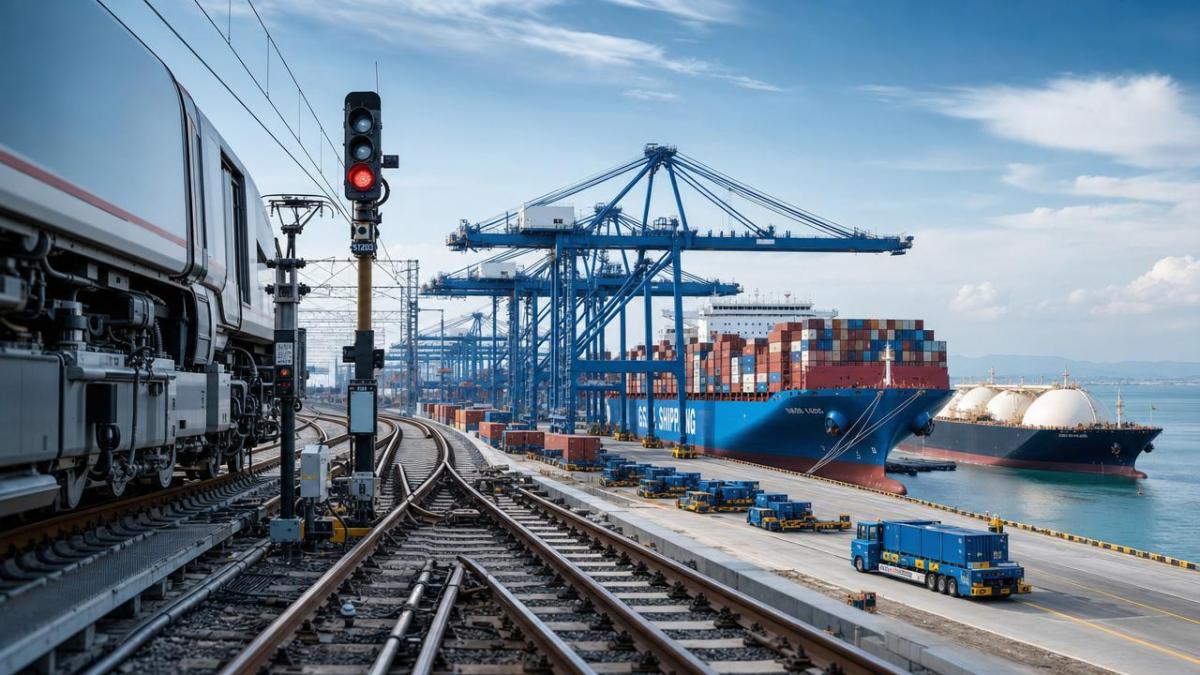
As supply chains absorb geopolitical shocks and carbon pressure, the global transportation network is being rebuilt around resilience, visibility, and multimodal coordination.
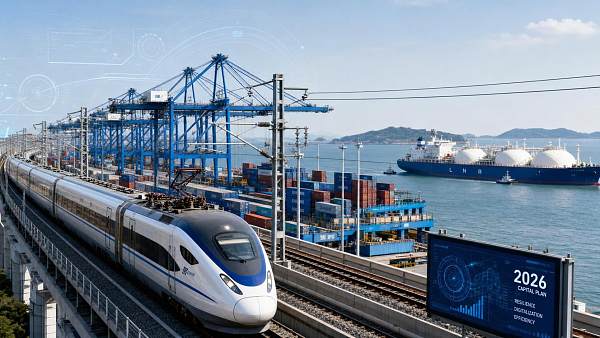
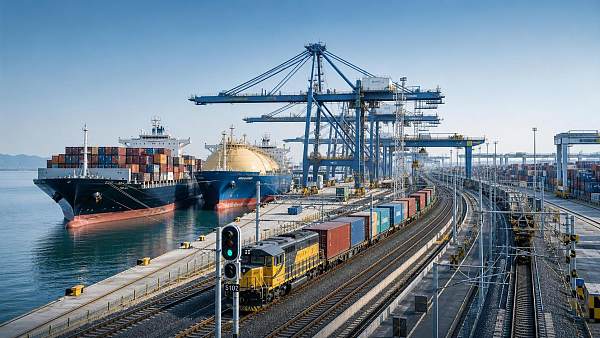
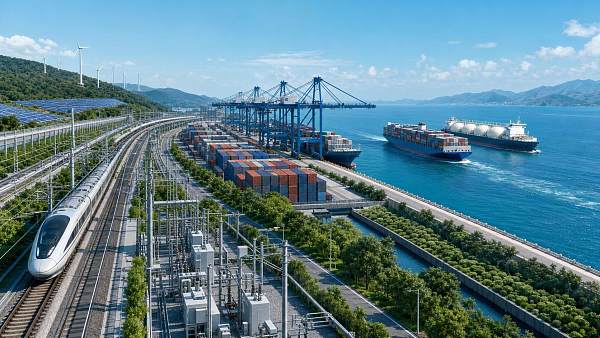
This shift matters because transport performance now depends less on isolated assets and more on how rail, ports, vessels, energy systems, and data platforms connect.
Across rail corridors and sea lanes, operators are investing in safer signalling, stronger traction, smarter ships, and cleaner propulsion.
For sectors watching long-cycle infrastructure and vessel technology, the global transportation network has become a strategic indicator of trade continuity and industrial competitiveness.
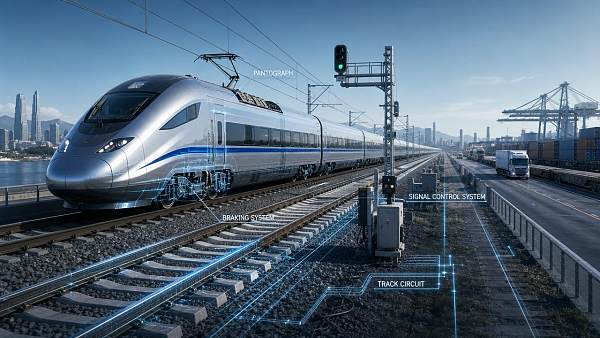
GTOT’s focus on railway signal control systems, pantographs, braking systems, smart container ships, and LNG carriers reflects this wider convergence.
The clearest trend signals are appearing at the intersection of rail intelligence and maritime digitalization
Recent disruptions exposed a simple truth: capacity alone does not guarantee flow.
The global transportation network now rewards synchronized operations, fast rerouting, and better failure prediction across land and sea.
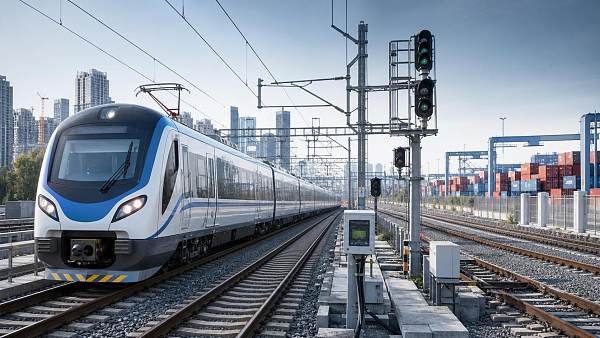
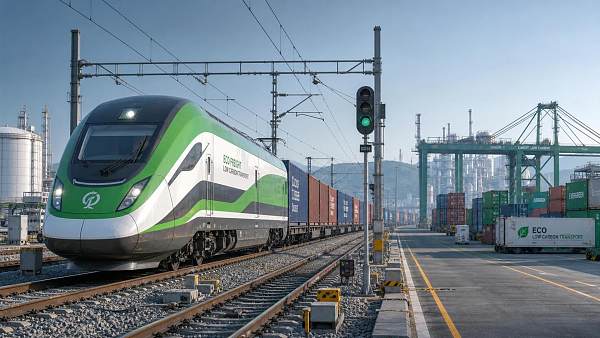
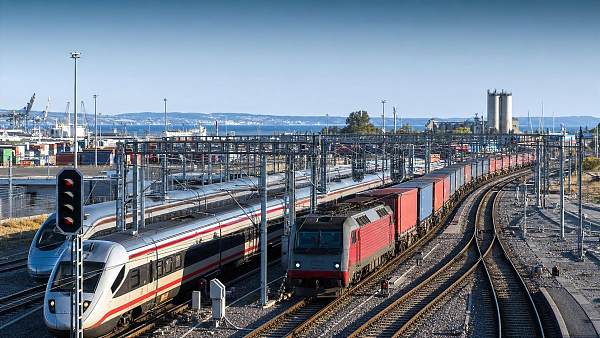
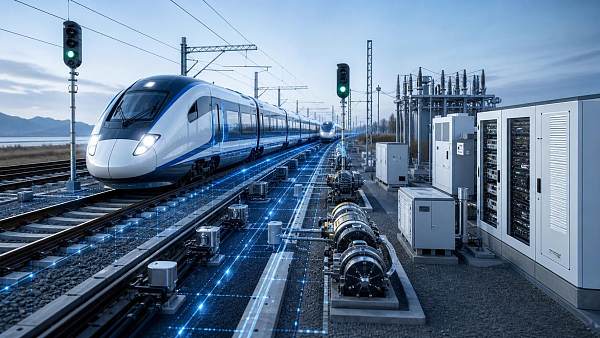
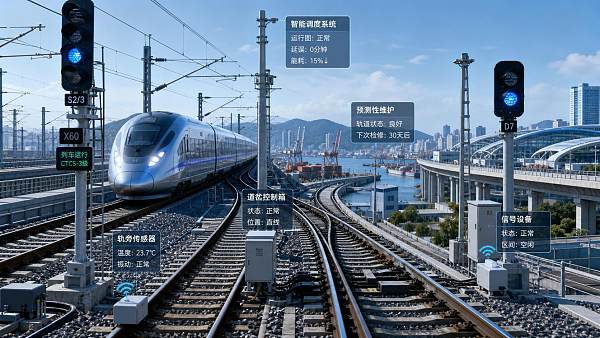
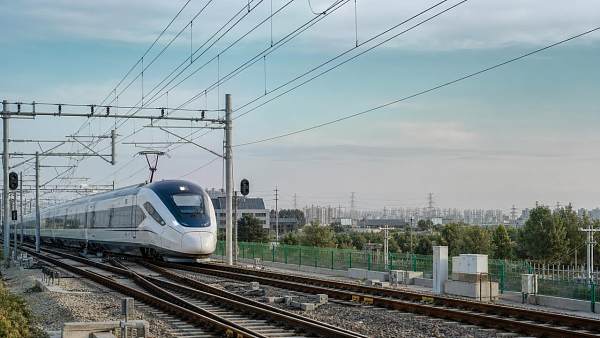
On rail networks, automation is moving beyond timetable optimization into safety-critical control.
SIL4 signalling architectures, condition-aware braking, and stable high-speed current collection are becoming enablers of dense, reliable service.
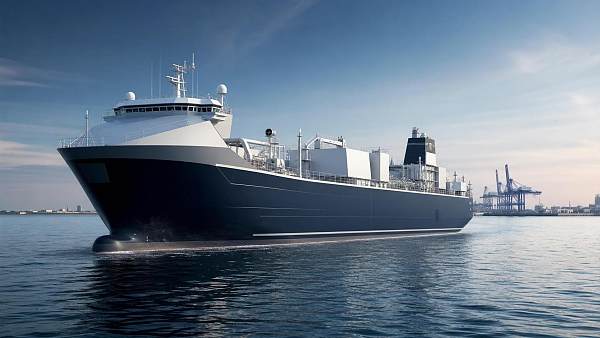
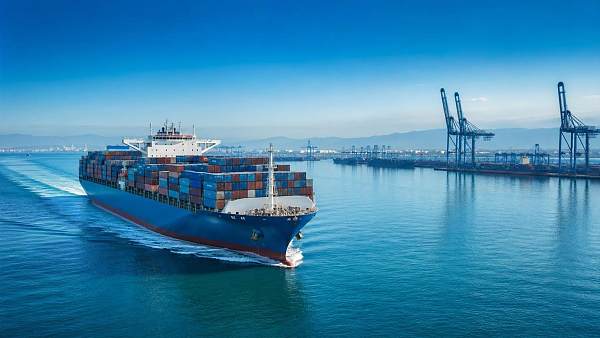
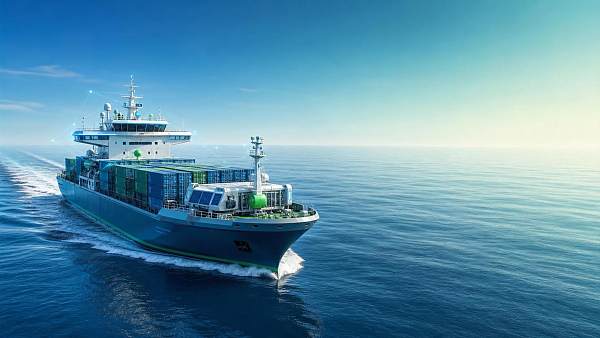
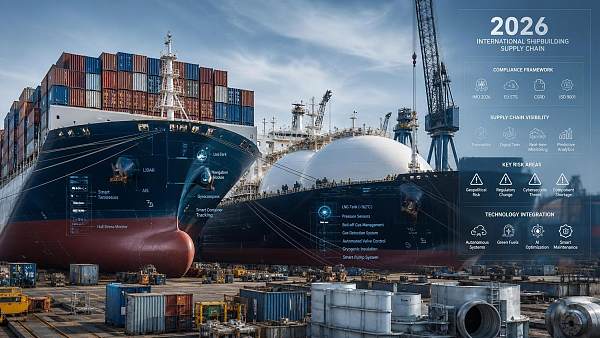
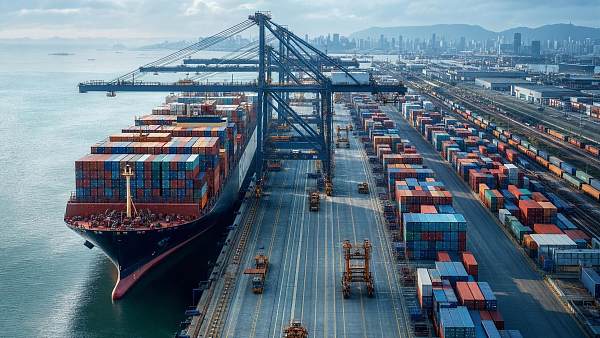
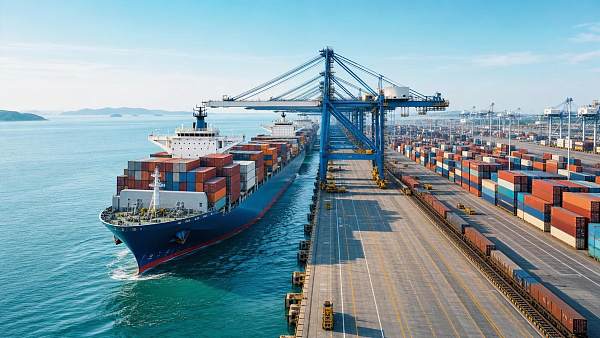
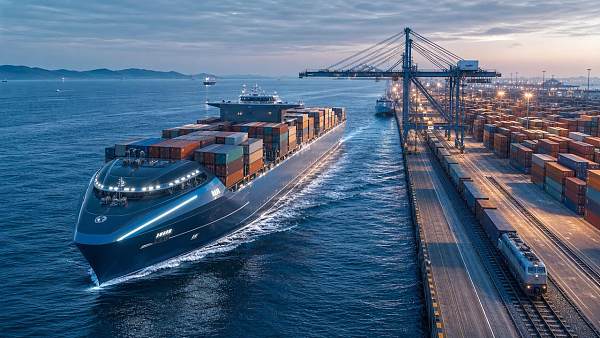
In maritime transport, smart container ships are turning into mobile data nodes.
AI route optimization, ship-to-shore coordination, and connected cargo visibility are reducing idle time and improving arrival certainty.
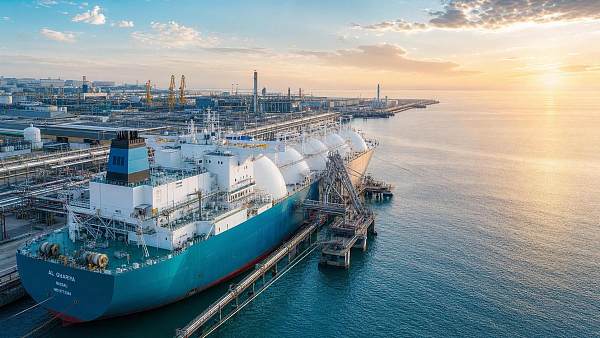
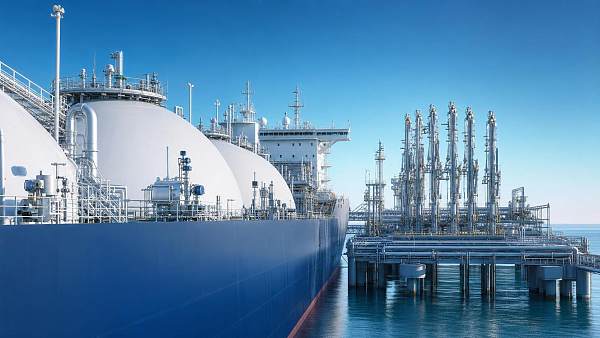
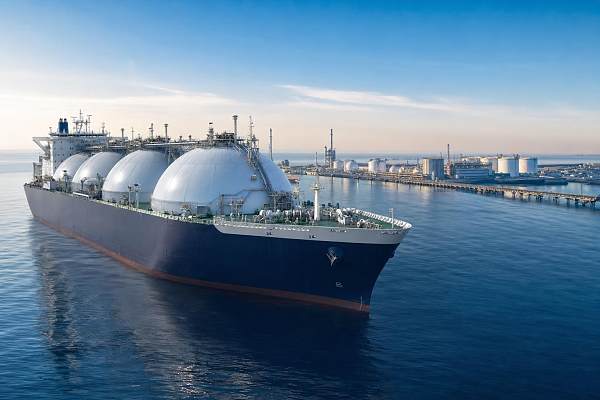
LNG carriers also show how the global transportation network is balancing energy security with decarbonization pressure.
Cryogenic containment, dual-fuel propulsion, and fleet efficiency now influence not only shipping economics but also broader supply chain stability.
Why these global transportation network trends are accelerating now
Several structural forces are reinforcing each other.
Together, they are redefining investment priorities across the global transportation network.
These forces are not temporary.
They suggest the global transportation network will keep moving toward connected, safety-led, data-rich infrastructure.
Component-level innovation is becoming a network-level advantage
One major change is that previously specialized technologies now shape whole-network outcomes.
A railway signalling system is no longer just a control layer.
It is a resilience tool that supports dense traffic, automated dispatch, and safer recovery from disruption.
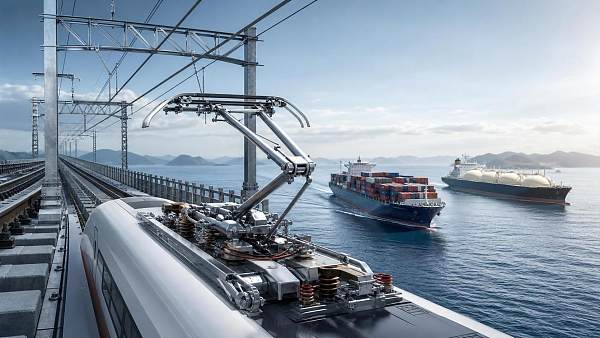
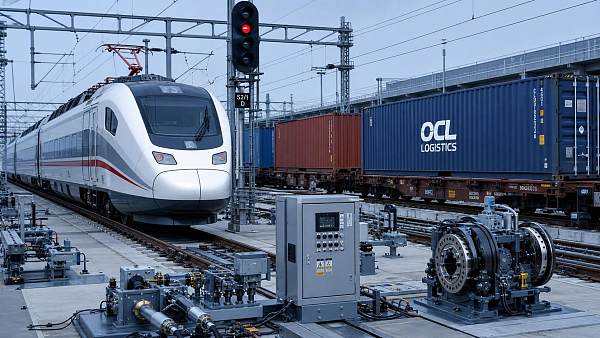
Pantographs also illustrate this shift.
Stable power collection at very high speed affects schedule integrity, maintenance intervals, and corridor throughput.
Braking systems are equally strategic.
Composite material performance, thermal fade behavior, and microelectronic control influence stopping precision and service confidence.
At sea, smart container ships extend this logic.
Their value comes from connected navigation, terminal coordination, and cargo intelligence rather than hull scale alone.
LNG carriers reveal another layer of importance.
Membrane containment integrity and cryogenic performance affect energy flows that many industries now depend on.
The impact on supply chain planning is broad, practical, and immediate
The global transportation network is changing decision logic across multiple operating stages.
- Route planning now weighs political exposure, infrastructure quality, and digital visibility together.
- Asset selection increasingly favors systems with measurable reliability and lifecycle transparency.
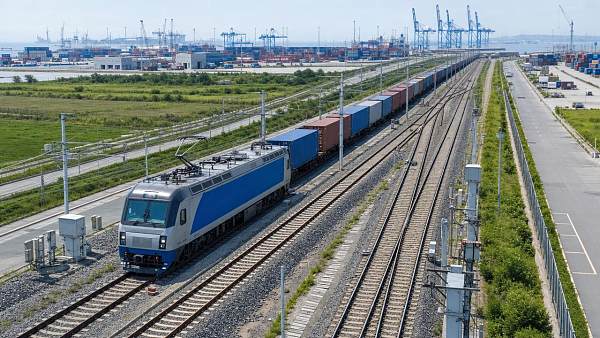
- Port and rail coordination matters more because dwell time can erase line-haul efficiency gains.
- Energy transport planning is becoming more linked to vessel technology and emissions strategy.
- Maintenance planning is shifting from periodic cycles toward predictive, condition-based intervention.
These effects also change how bottlenecks are defined.
A weak software interface, unstable traction component, or terminal data gap can now be as disruptive as physical congestion.
That is why the global transportation network can no longer be assessed through capacity metrics alone.
Resilience depends on interoperability, engineering quality, and intelligence sharing across linked modes.
What deserves close attention as the global transportation network evolves
Several watchpoints stand out for anyone tracking transport technology and supply chain durability.
1. Safety-certified automation
High-density traffic growth will increase reliance on signalling systems that combine automation with rigorous fail-safe design.
2. High-speed electrical and braking stability
Traction continuity and precise braking will remain central to rail corridor reliability, especially as speed and frequency rise.
3. Smart vessel interoperability
Ship intelligence is most valuable when it connects seamlessly with ports, cargo systems, and route decision engines.
4. LNG and transition-fuel relevance
LNG carriers will remain important as energy security and shipping emissions targets continue to interact.
5. Strategic intelligence capabilities
Market participants need more than news.
They need technical interpretation of investment cycles, standards, and component performance trends across the global transportation network.
A practical response framework for the next stage of supply chain redesign
A useful response begins with structured evaluation rather than broad assumptions.
This framework helps convert macro trends into measurable decisions.
It also aligns well with how the global transportation network is becoming more integrated and performance-sensitive.
The next competitive edge will come from intelligence stitched across land and sea
The most important lesson is that the global transportation network is no longer a backdrop.
It is an active system shaped by safety engineering, propulsion choices, digital interoperability, and strategic route design.
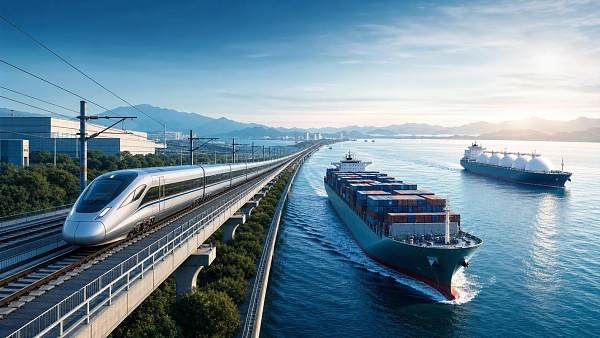
Those tracking transport evolution should watch where rail and maritime technologies begin to reinforce each other.
That is where resilience gains, carbon efficiencies, and trade continuity are most likely to emerge.
To move from observation to action, follow component-level innovation, compare corridor intelligence maturity, and monitor how smart vessels and advanced rail systems co-shape supply chains.
In this environment, a sharper view of the global transportation network is not optional.
It is the basis for stronger decisions in a world where speed, safety, and interconnection increasingly define value.
Recommended News
 Jul 19, 2026Transportation Infrastructure Trends Shaping Capital Planning in 2026Transportation infrastructure trends in 2026 are reshaping capital planning across rail, ports, and shipping. Discover how resilience, automation, and digital control are driving smarter investment decisions.
 Jul 12, 2026Gas Carrier Technology in the Middle East: 2026 OutlookGas carrier technology Middle East trends for 2026: explore LNG vessel innovation, propulsion, containment, and regional yard upgrades shaping smarter energy trade decisions.
 Jul 10, 2026Commercial Shipbuilding Technology Trends Shaping Newbuild Projects in 2026Commercial shipbuilding technology is reshaping 2026 newbuild projects with smarter vessels, fuel flexibility, digital twins, and earlier compliance planning. Explore the trends driving stronger ROI.
 Jul 08, 2026Rail Transit Systems Upgrade Trends Shaping 2026 Investment PlansRail transit systems in 2026 are shifting from expansion to smarter upgrades. Explore safety, automation, energy, and digital trends shaping resilient, high-value investment plans.
 Jul 06, 2026Cryogenic Shipping Systems Manufacturer Trends Shaping 2026 Fleet UpgradesCryogenic shipping systems manufacturer trends are reshaping 2026 fleet upgrades. Explore how digital monitoring, emissions control, and safer containment can improve vessel performance.
 Jul 05, 2026Smart Shipping Solutions for Fleet Management: 2026 Trends Shaping Vessel OperationsSmart shipping solutions for fleet management are redefining vessel operations in 2026. Explore trends in integration, compliance, fuel efficiency, and resilient fleet performance.
 Jul 04, 2026Digital Marine Decarbonization Technology: What Delivers Measurable GainsDigital marine decarbonization technology helps fleets cut fuel use, improve compliance, and boost vessel efficiency with measurable, data-driven gains. Learn what truly delivers value.
 Jul 03, 2026Global Rail Infrastructure Standards: 2026 Changes to WatchGlobal rail infrastructure standards are reshaping 2026 rail projects. Discover the key compliance, interoperability, cyber, and low-carbon changes that will impact bids and investment.
 Jul 02, 2026Global Trade Logistics North America Trends to Watch in 2026Global trade logistics North America in 2026 will be shaped by rail-ocean integration, smart routing, LNG demand, and measurable resilience. Discover the trends redefining reliability and trade advantage.
 Jun 30, 2026International Shipbuilding Suppliers: 2026 Sourcing Trends and Supply Chain RisksInternational shipbuilding suppliers face new 2026 sourcing risks, from compliance and digital integration to sub-tier bottlenecks. Explore key trends shaping cost, delivery, and resilience.
 Jun 27, 2026Heavy Industry Tech Trends Reshaping Equipment Investment in 2026Heavy industry tech is reshaping 2026 equipment investment across rail and maritime systems. Explore the five trends driving safer, smarter, higher-value capital decisions.
 Jun 25, 2026Decarbonization Trends Reshaping Rail and Marine Investment in 2026Decarbonization is reshaping rail and marine investment in 2026. Discover where capital is moving, which assets gain value, and how smarter transport upgrades improve resilience.
 Jun 23, 2026Global Rail Infrastructure Trends Shaping Capacity, Funding, and Delivery TimelinesGlobal rail infrastructure trends are redefining capacity, funding, and delivery timelines. Explore how data-driven planning and system readiness shape resilient, investable rail projects.
 Jun 22, 2026Maritime Logistics Trends in 2026: Capacity Shifts, Delays, and Margin PressureMaritime logistics in 2026 faces shifting capacity, persistent delays, and rising margin pressure. Explore key risks, lane-level signals, and smarter planning strategies.
 Jun 21, 2026LNG Carriers Technology Advancements: 5 Upgrades Reshaping Fleet PerformanceLNG carriers technology advancements are reshaping fleet performance through smarter containment, dual-fuel propulsion, digital monitoring, boil-off control, and automation—see the 5 upgrades driving safer, cleaner, more profitable LNG shipping.
 Jun 20, 2026Global Supply Chain Challenges in Rail Infrastructure in 2026Global supply chain challenges in rail infrastructure are redefining 2026 project risk. Discover where delays, compliance, and sourcing pressure hit hardest—and how smarter evaluation protects cost, delivery, and performance.
 Jun 20, 2026Full Digitalization in Rail: 7 Risks to Address Before ScalingFull digitalization in rail can boost safety, maintenance, and control—but only if key risks are managed. Explore 7 critical challenges to address before scaling network-wide.
 Jun 18, 2026Maritime Logistics Trends in 2026: Where Shipping Efficiency Is MovingMaritime logistics in 2026 is driven by AI routing, port connectivity, decarbonization, and asset visibility. Discover the trends redefining shipping efficiency and resilience.
 Jun 17, 2026Transportation Infrastructure Development Trends That Matter for Long-Term PlanningTransportation infrastructure development trends are reshaping rail, ports, shipping, and LNG networks. Explore the key signals for smarter long-term planning, resilience, and investment value.
 Jun 17, 2026Railway Automation Trends Shaping Safer, Smarter Networks in 2026Railway automation in 2026 is driving safer, smarter rail networks with predictive maintenance, integrated signaling, and higher capacity. Explore the trends shaping resilient transport.
 Jun 15, 2026Decarbonization in Rail Transportation: What Cuts Emissions First?Decarbonization in rail transportation starts with the fastest wins: traction optimization, regenerative braking, smarter signalling, and retrofit upgrades that cut emissions, costs, and risk.
 Jun 14, 2026Rail Infrastructure Investment: Cost vs Long-Term ReturnRail infrastructure investment is more than upfront cost. Discover how lifecycle planning, smarter systems, and reliable rail design can deliver stronger long-term returns.
 Jun 13, 2026Advanced Ocean-Going Vessels: Key Design Shifts in 2026Advanced ocean-going vessels in 2026 are redefining shipping with AI routing, fuel-flexible propulsion, and smarter port integration. See which design shifts drive resilience, efficiency, and long-term fleet value.
 Jun 12, 2026High-Speed Rail Technology Trends Shaping 2026 ProjectsHigh-speed rail technology is reshaping 2026 projects through smarter signaling, resilient traction, precision braking, and digital monitoring. Explore the trends driving safer, scalable, bankable rail delivery.