



Search News
Industry Portal
Popular Tags
Decarbonization in Rail Transportation: Which Upgrades Deliver Faster ROI
Author
Time
Click Count
For enterprise decision-makers, decarbonization in rail transportation has shifted from policy language to financial discipline.
The strongest projects now reduce energy use, improve punctuality, and lower maintenance exposure at the same time.
That is why decarbonization in rail transportation should be judged by payback speed, operational resilience, and system-level value.
Across rail networks, the fastest ROI usually comes from targeted upgrades, not full asset replacement.
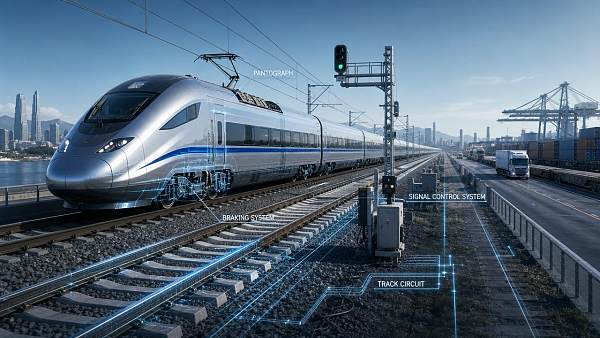
Signal modernization, efficient traction, regenerative braking, and optimized pantograph systems often outperform larger headline projects in early returns.
What decarbonization in rail transportation really includes
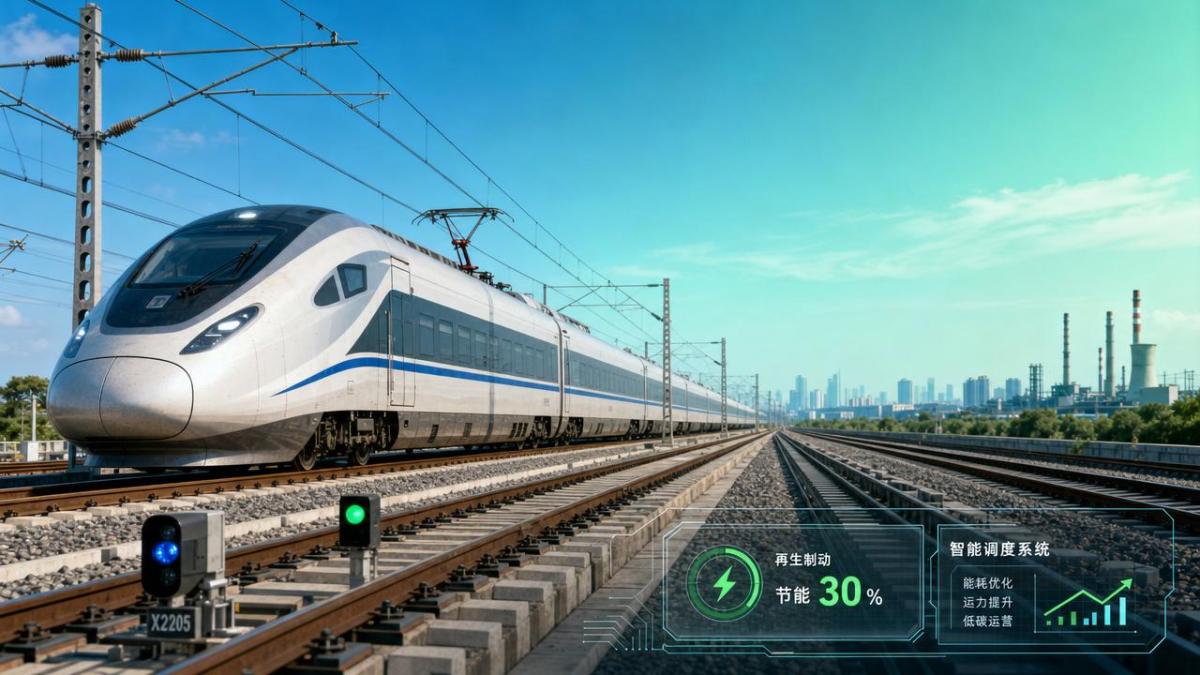
Decarbonization in rail transportation is broader than switching to renewable electricity or ordering new trains.
It includes every upgrade that cuts traction energy, reduces idle losses, avoids service disruption, and extends asset life.
In practice, emissions fall fastest when rail operators improve how trains move, stop, draw power, and interact with network control.
This makes decarbonization in rail transportation a cross-functional engineering program, not a single procurement category.
- Operational decarbonization through lower energy consumption per train-kilometer
- Reliability decarbonization through fewer breakdowns and less recovery energy
- Lifecycle decarbonization through longer component service intervals
- Network decarbonization through better traffic flow and fewer delays
For platforms like GTOT, this systems view matters because core components influence both emissions and throughput economics.
Current market signals shaping upgrade priorities
Rail investment cycles are becoming more selective.
Capital is moving toward projects with measurable energy savings, digital visibility, and safety compliance.
That trend favors modular upgrades over long replacement programs with delayed benefits.
These signals explain why decarbonization in rail transportation is increasingly funded through performance logic rather than compliance logic alone.
Upgrades that usually deliver faster ROI
1. Signalling and traffic management modernization
Signal control is often underestimated in decarbonization in rail transportation.
Yet better signalling reduces stop-start movement, bottlenecks, unnecessary dwell time, and recovery acceleration.
Automatic train operation, moving block logic, and optimized dispatching improve headways while lowering energy intensity.
ROI appears quickly because software-led upgrades can unlock capacity without major civil construction.
2. Regenerative braking and smarter brake control
Braking is both a safety function and an energy opportunity.
When regenerative systems are paired with effective control strategies, energy that would become heat can return to the grid or nearby loads.
Advanced braking control also reduces wear on friction materials and wheels.
That means lower maintenance intervals and fewer service interruptions, strengthening the decarbonization business case.
3. Efficient traction systems and power electronics
Traction upgrades usually rank high in decarbonization in rail transportation because propulsion is the main energy consumer.
Modern converters, motors, and control software improve acceleration efficiency and reduce thermal losses.
On high-frequency routes, even small percentage gains produce strong annual savings.
Retrofit packages often outperform fleet replacement in near-term capital efficiency.
4. Pantograph and current collection optimization
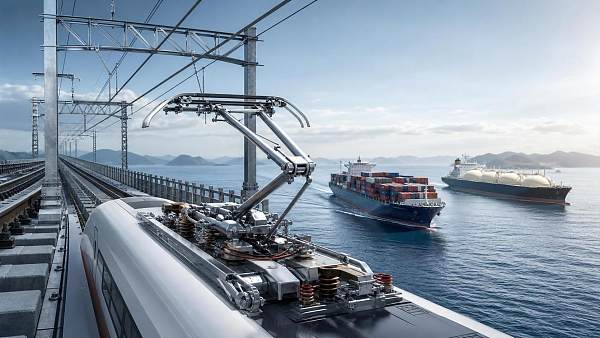
Pantographs are critical to decarbonization in rail transportation, especially at high speed.
Poor contact quality causes arcing, wear, transmission losses, and unstable power collection.
Improved aerodynamics, contact strip materials, and dynamic control reduce those losses.
The payoff is not only lower energy waste, but also less overhead line damage and fewer maintenance possessions.
5. Condition monitoring and predictive maintenance
Digital monitoring supports decarbonization in rail transportation by preventing inefficient degradation.
A misaligned pantograph, overheating converter, or drifting brake response can raise energy use before failure occurs.
Sensors and analytics catch those issues early.
This creates fast ROI through reduced downtime, more stable asset performance, and better spare-parts planning.
How business value should be measured
The mistake in many programs is measuring only carbon reduction per project.
A better framework connects emissions to operational and financial outcomes.
- Energy saved per route, fleet, or timetable cycle
- Reduced delay minutes caused by component instability
- Maintenance labor avoided through longer service intervals
- Asset life extension for rolling stock and infrastructure
- Safety improvement under SIL4 or equivalent requirements
This is where GTOT’s focus areas intersect.
Signal systems, braking, traction, and pantographs are not isolated upgrades.
Together, they determine how efficiently rail assets move at scale.
Typical upgrade paths by rail scenario
This comparison shows that decarbonization in rail transportation should match route physics, fleet age, and traffic pattern.
Practical considerations before funding an upgrade
Faster ROI depends on execution quality.
A promising technology can underperform if baseline data is weak or interfaces are ignored.
- Build an energy baseline by route, season, and trainset type.
- Separate carbon benefits from timetable and reliability benefits.
- Check integration across signalling, traction, braking, and overhead systems.
- Prioritize retrofit-friendly projects with limited service disruption.
- Use pilot corridors to validate savings before wider rollout.
The strongest decarbonization in rail transportation programs use phased delivery.
They capture quick wins first, then reinvest savings into deeper system changes.
A disciplined next step for rail investment planning
The fastest returns in decarbonization in rail transportation rarely come from the most visible projects.
They come from upgrades that improve train movement quality, power efficiency, and maintenance predictability.
For many networks, signalling, braking, traction, pantographs, and monitoring should be screened before fleet-wide replacement decisions.
A practical next move is to rank candidate upgrades by energy impact, interface complexity, outage risk, and payback period.
That approach turns decarbonization in rail transportation into a credible investment roadmap, not a broad ambition statement.
With rigorous technical intelligence, rail stakeholders can identify which component-level improvements deliver carbon reduction and stronger asset value first.
Recommended News
 Jul 19, 2026Transportation Infrastructure Trends Shaping Capital Planning in 2026Transportation infrastructure trends in 2026 are reshaping capital planning across rail, ports, and shipping. Discover how resilience, automation, and digital control are driving smarter investment decisions.
 Jul 12, 2026Gas Carrier Technology in the Middle East: 2026 OutlookGas carrier technology Middle East trends for 2026: explore LNG vessel innovation, propulsion, containment, and regional yard upgrades shaping smarter energy trade decisions.
 Jul 10, 2026Commercial Shipbuilding Technology Trends Shaping Newbuild Projects in 2026Commercial shipbuilding technology is reshaping 2026 newbuild projects with smarter vessels, fuel flexibility, digital twins, and earlier compliance planning. Explore the trends driving stronger ROI.
 Jul 08, 2026Rail Transit Systems Upgrade Trends Shaping 2026 Investment PlansRail transit systems in 2026 are shifting from expansion to smarter upgrades. Explore safety, automation, energy, and digital trends shaping resilient, high-value investment plans.
 Jul 06, 2026Cryogenic Shipping Systems Manufacturer Trends Shaping 2026 Fleet UpgradesCryogenic shipping systems manufacturer trends are reshaping 2026 fleet upgrades. Explore how digital monitoring, emissions control, and safer containment can improve vessel performance.
 Jul 05, 2026Smart Shipping Solutions for Fleet Management: 2026 Trends Shaping Vessel OperationsSmart shipping solutions for fleet management are redefining vessel operations in 2026. Explore trends in integration, compliance, fuel efficiency, and resilient fleet performance.
 Jul 04, 2026Digital Marine Decarbonization Technology: What Delivers Measurable GainsDigital marine decarbonization technology helps fleets cut fuel use, improve compliance, and boost vessel efficiency with measurable, data-driven gains. Learn what truly delivers value.
 Jul 03, 2026Global Rail Infrastructure Standards: 2026 Changes to WatchGlobal rail infrastructure standards are reshaping 2026 rail projects. Discover the key compliance, interoperability, cyber, and low-carbon changes that will impact bids and investment.
 Jul 02, 2026Global Trade Logistics North America Trends to Watch in 2026Global trade logistics North America in 2026 will be shaped by rail-ocean integration, smart routing, LNG demand, and measurable resilience. Discover the trends redefining reliability and trade advantage.
 Jun 30, 2026International Shipbuilding Suppliers: 2026 Sourcing Trends and Supply Chain RisksInternational shipbuilding suppliers face new 2026 sourcing risks, from compliance and digital integration to sub-tier bottlenecks. Explore key trends shaping cost, delivery, and resilience.
 Jun 27, 2026Heavy Industry Tech Trends Reshaping Equipment Investment in 2026Heavy industry tech is reshaping 2026 equipment investment across rail and maritime systems. Explore the five trends driving safer, smarter, higher-value capital decisions.
 Jun 25, 2026Decarbonization Trends Reshaping Rail and Marine Investment in 2026Decarbonization is reshaping rail and marine investment in 2026. Discover where capital is moving, which assets gain value, and how smarter transport upgrades improve resilience.
 Jun 23, 2026Global Rail Infrastructure Trends Shaping Capacity, Funding, and Delivery TimelinesGlobal rail infrastructure trends are redefining capacity, funding, and delivery timelines. Explore how data-driven planning and system readiness shape resilient, investable rail projects.
 Jun 22, 2026Maritime Logistics Trends in 2026: Capacity Shifts, Delays, and Margin PressureMaritime logistics in 2026 faces shifting capacity, persistent delays, and rising margin pressure. Explore key risks, lane-level signals, and smarter planning strategies.
 Jun 21, 2026LNG Carriers Technology Advancements: 5 Upgrades Reshaping Fleet PerformanceLNG carriers technology advancements are reshaping fleet performance through smarter containment, dual-fuel propulsion, digital monitoring, boil-off control, and automation—see the 5 upgrades driving safer, cleaner, more profitable LNG shipping.
 Jun 20, 2026Global Supply Chain Challenges in Rail Infrastructure in 2026Global supply chain challenges in rail infrastructure are redefining 2026 project risk. Discover where delays, compliance, and sourcing pressure hit hardest—and how smarter evaluation protects cost, delivery, and performance.
 Jun 20, 2026Full Digitalization in Rail: 7 Risks to Address Before ScalingFull digitalization in rail can boost safety, maintenance, and control—but only if key risks are managed. Explore 7 critical challenges to address before scaling network-wide.
 Jun 18, 2026Maritime Logistics Trends in 2026: Where Shipping Efficiency Is MovingMaritime logistics in 2026 is driven by AI routing, port connectivity, decarbonization, and asset visibility. Discover the trends redefining shipping efficiency and resilience.
 Jun 17, 2026Transportation Infrastructure Development Trends That Matter for Long-Term PlanningTransportation infrastructure development trends are reshaping rail, ports, shipping, and LNG networks. Explore the key signals for smarter long-term planning, resilience, and investment value.
 Jun 17, 2026Railway Automation Trends Shaping Safer, Smarter Networks in 2026Railway automation in 2026 is driving safer, smarter rail networks with predictive maintenance, integrated signaling, and higher capacity. Explore the trends shaping resilient transport.
 Jun 15, 2026Decarbonization in Rail Transportation: What Cuts Emissions First?Decarbonization in rail transportation starts with the fastest wins: traction optimization, regenerative braking, smarter signalling, and retrofit upgrades that cut emissions, costs, and risk.
 Jun 14, 2026Rail Infrastructure Investment: Cost vs Long-Term ReturnRail infrastructure investment is more than upfront cost. Discover how lifecycle planning, smarter systems, and reliable rail design can deliver stronger long-term returns.
 Jun 13, 2026Advanced Ocean-Going Vessels: Key Design Shifts in 2026Advanced ocean-going vessels in 2026 are redefining shipping with AI routing, fuel-flexible propulsion, and smarter port integration. See which design shifts drive resilience, efficiency, and long-term fleet value.
 Jun 12, 2026High-Speed Rail Technology Trends Shaping 2026 ProjectsHigh-speed rail technology is reshaping 2026 projects through smarter signaling, resilient traction, precision braking, and digital monitoring. Explore the trends driving safer, scalable, bankable rail delivery.