



Search News
Industry Portal
Popular Tags
Transportation Infrastructure for Smart Cities in 2026: What Scales Best
Author
Time
Click Count
As cities race toward automation, resilience, and lower emissions, transportation infrastructure for smart cities is becoming a core investment benchmark for business evaluators. In 2026, the real question is not which technologies look impressive, but which systems scale reliably across rail, port, and urban mobility networks. This article examines the models, control architectures, and deployment priorities that deliver measurable long-term value.
What does transportation infrastructure for smart cities really include in 2026?
Transportation infrastructure for smart cities now means more than roads, stations, and terminals. It includes control layers, sensing networks, energy interfaces, and data governance.
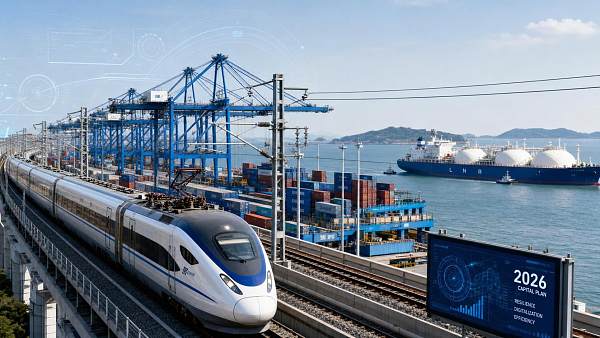
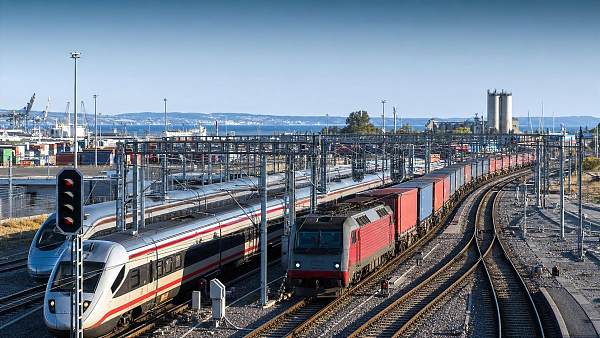
The most scalable systems combine physical assets with operational intelligence. This is where rail control, braking precision, port automation, and vessel coordination start to converge.
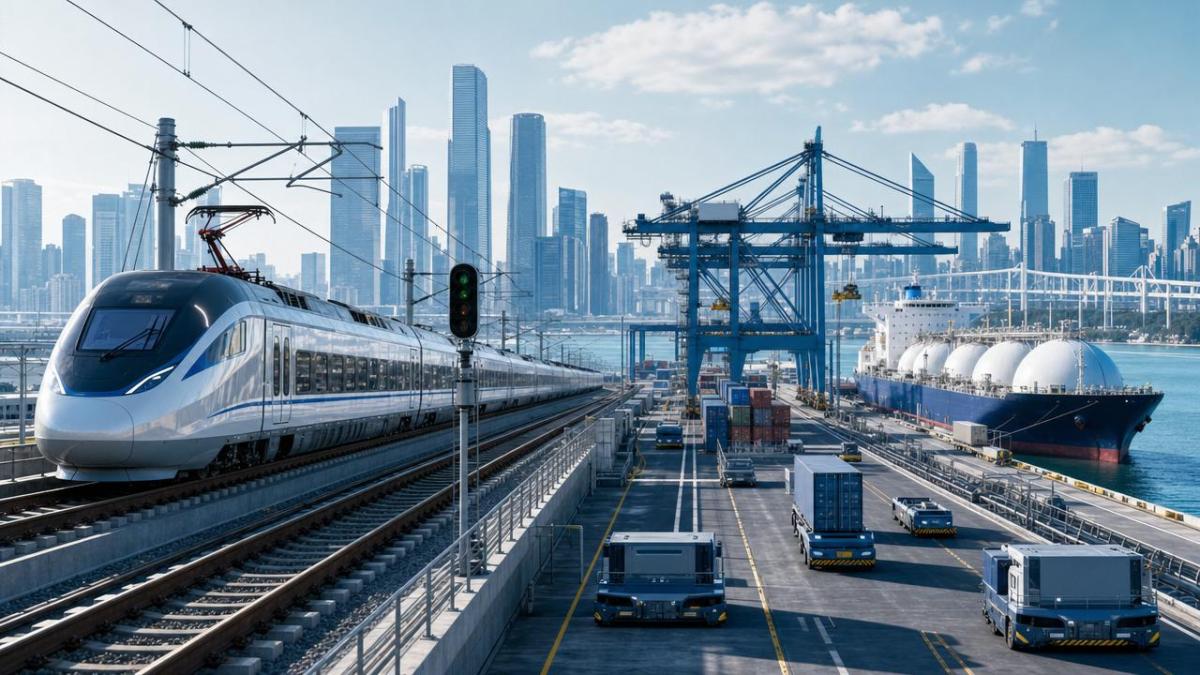
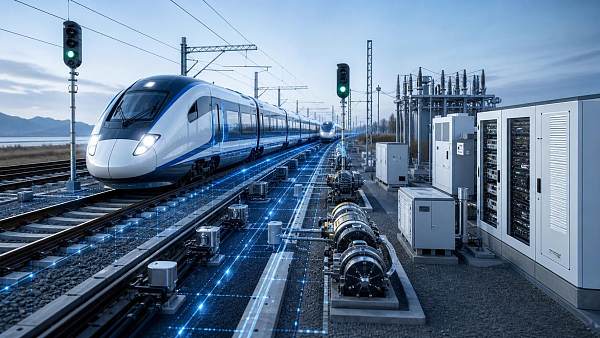
In practical terms, the stack usually covers five infrastructure layers:
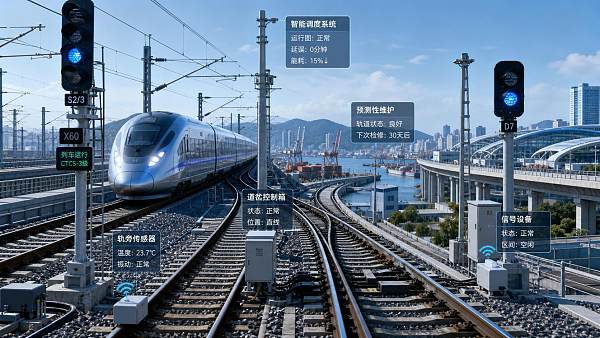
- Digital rail signalling and interlocking
- High-efficiency traction power interfaces
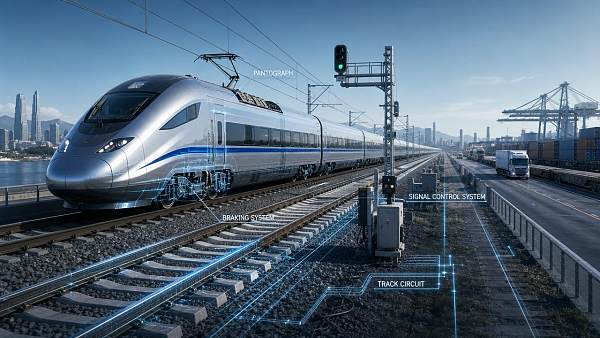
- Predictive braking and safety monitoring
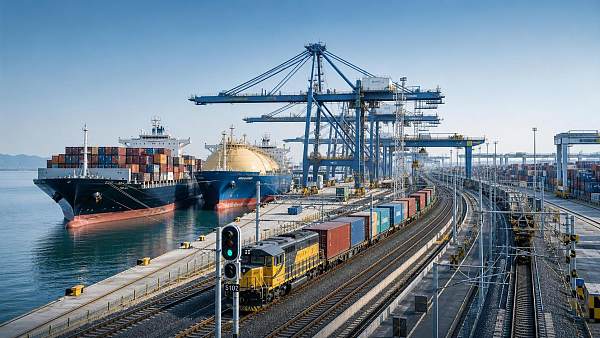
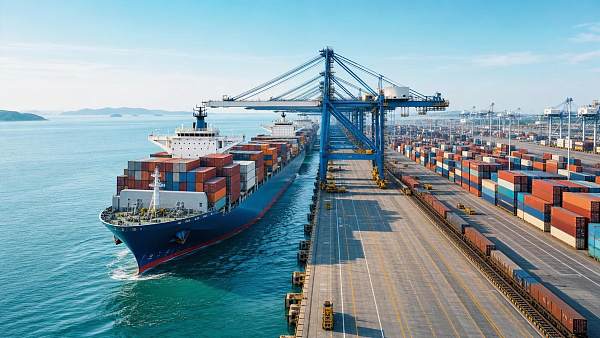
- Smart port logistics and ship-to-shore systems
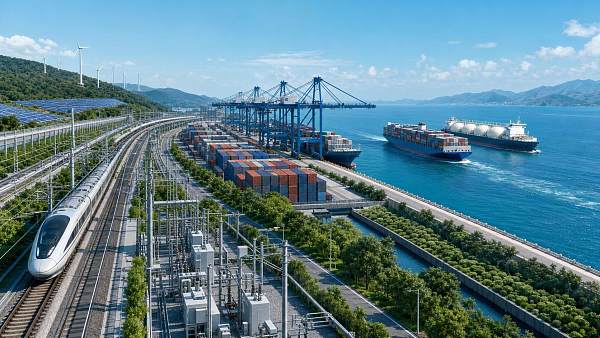
- Cross-network data orchestration for land-sea corridors
This broader definition matters because isolated upgrades rarely scale. A smart intersection helps little if nearby rail terminals, power systems, and ports remain disconnected.
GTOT tracks this convergence closely. Its focus on signalling, pantographs, braking systems, smart vessels, and LNG carriers reflects the infrastructure links shaping modern mobility.
Which transportation infrastructure for smart cities scales best across networks?
The best-scaling transportation infrastructure for smart cities shares one trait. It reduces operational complexity while improving safety, uptime, and throughput across multiple assets.
In 2026, four categories stand out as proven scaling candidates.
1. Digital signalling with high safety integrity
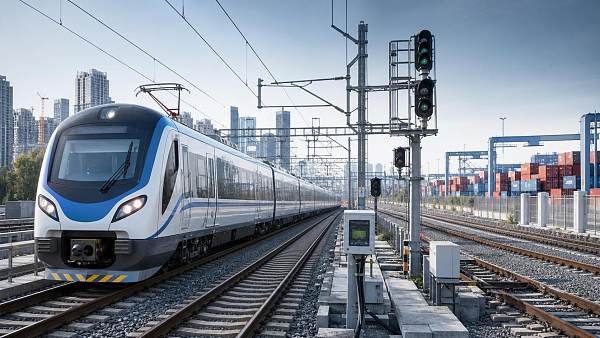
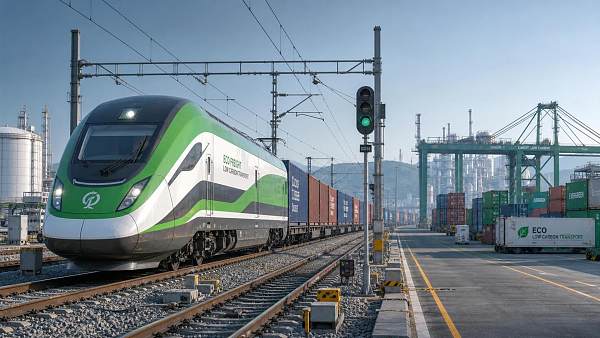
Railway signal control systems remain one of the strongest scaling models. They enable high-density movement, automation, and incident isolation with measurable safety outcomes.
Systems designed to SIL4 standards support dense urban corridors and intercity lines. They also create cleaner data for planning, maintenance, and energy scheduling.
2. Stable traction interfaces for faster electrified mobility
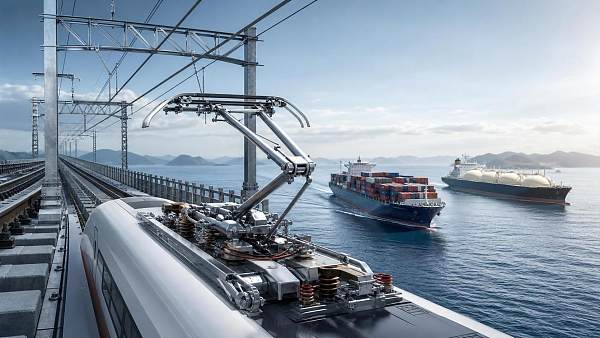
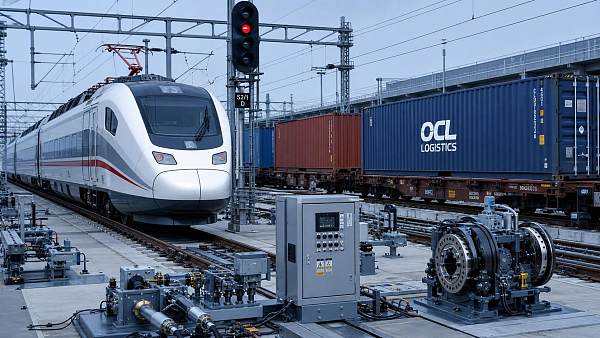
Pantographs may appear specialized, yet they are central to scalable electrification. Reliable current collection supports higher speeds, lower losses, and fewer service interruptions.
For smart cities expanding rail and metro networks, power stability is not a minor component issue. It is a network reliability issue.
3. Intelligent braking for precision and resilience
Rail transit braking systems scale well because they directly affect safety distance, timetable confidence, and wear control. Better braking also supports automation and mixed-traffic environments.
When cities need more capacity from existing tracks, braking performance often delivers gains faster than entirely new corridor construction.
4. Smart maritime nodes linked to inland corridors
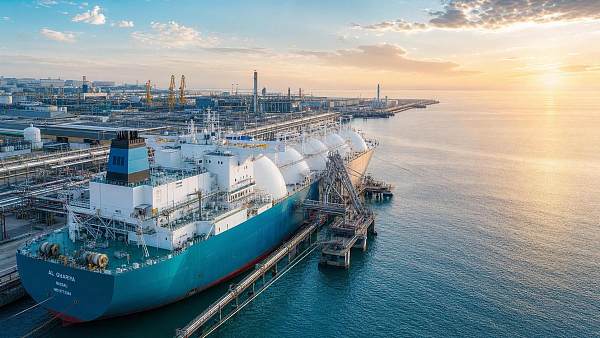
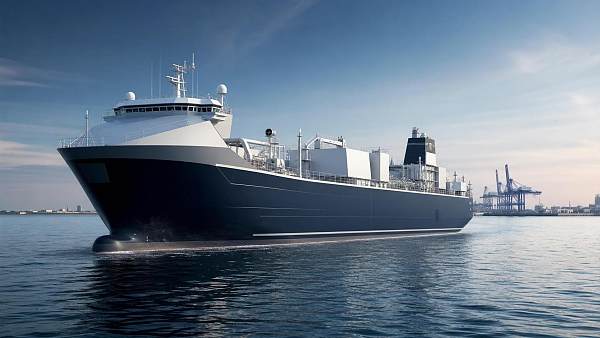
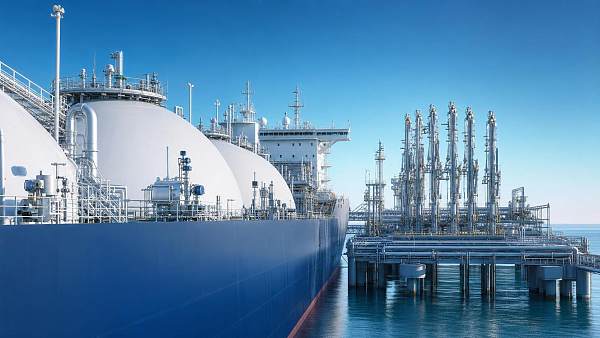
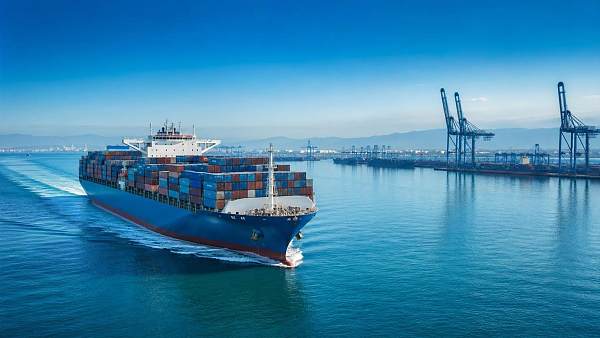
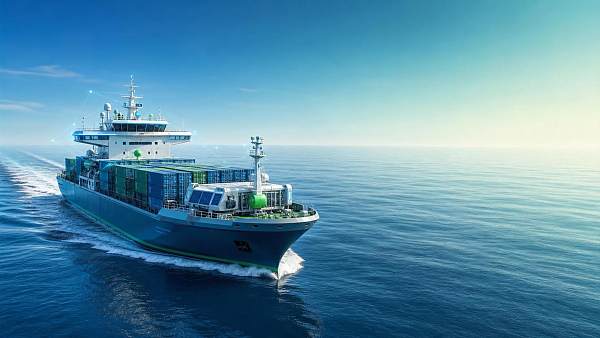
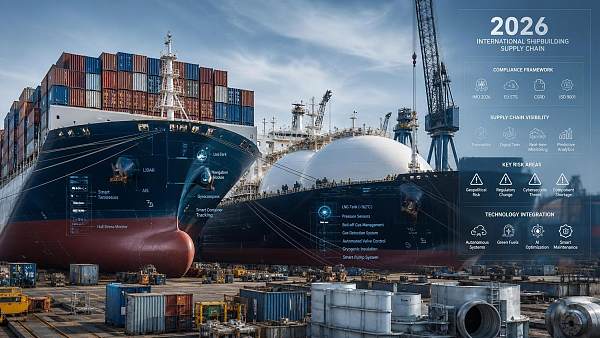
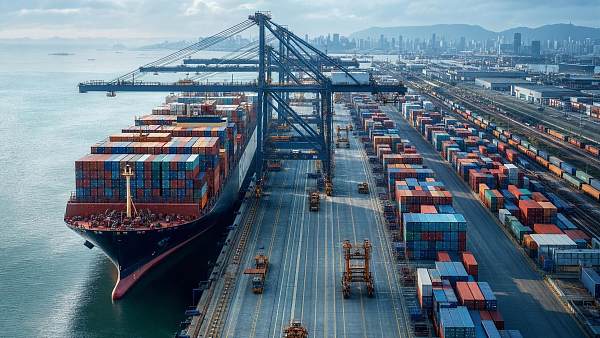
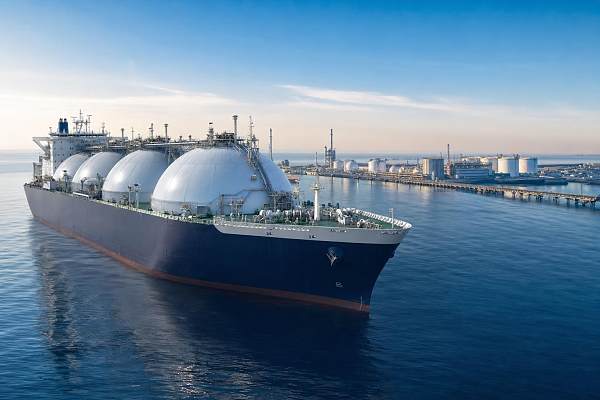
Transportation infrastructure for smart cities increasingly includes ports. Smart container ships, LNG carriers, and digital berthing systems reshape urban logistics and regional supply resilience.
Cities with port dependence benefit most when maritime intelligence links directly with rail dispatch, customs timing, and inland distribution planning.
Why do control architecture and interoperability matter more than flashy devices?
Many projects fail because they scale hardware before they scale coordination. Transportation infrastructure for smart cities only performs well when systems can communicate and recover together.
A scalable architecture usually includes these design principles:
- Common operational data models across rail, road, and port assets
- Redundant control logic for critical functions
- Cybersecurity embedded at sensor and gateway levels
- Predictive maintenance tied to actual asset stress
- Clear interfaces between public systems and private logistics platforms
Interoperability matters especially for land-sea corridors. A delayed ship, a traction fault, or a braking issue can cascade into urban congestion and inventory shortages.
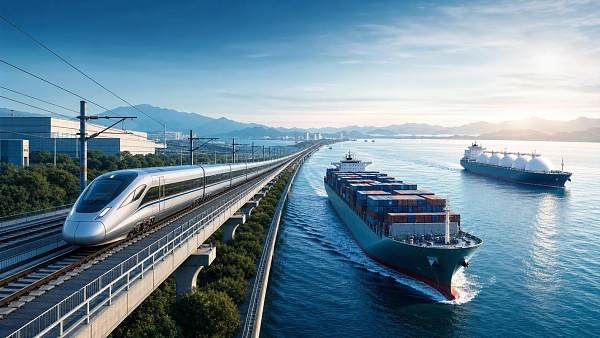
GTOT’s land-sea perspective is useful here. High-speed rail components and ocean-going vessel systems face different physics, but both depend on disciplined control logic.
This is why intelligent “stitching” is a strong planning concept. It prioritizes compatible systems over isolated showpieces.
How should cities and operators decide what to deploy first?
The answer depends on bottlenecks, not trends alone. Transportation infrastructure for smart cities should be prioritized where failures create the highest network cost.
A practical sequence often looks like this:
- Secure safety-critical control systems first
- Stabilize power and braking performance next
- Digitize operational visibility across terminals and corridors
- Add automation where workflows are already standardized
This order avoids a common mistake. Some programs invest early in user-facing apps while leaving core movement systems fragmented and unreliable.
Decision quality improves when planners compare three metrics together:
The strongest transportation infrastructure for smart cities programs usually solve hidden technical constraints before scaling visible automation layers.
What are the biggest risks and misconceptions in smart transport expansion?
Several misconceptions still distort investment choices in 2026. Most relate to speed, visibility, or technology branding rather than actual network performance.
Misconception 1: New infrastructure must always mean new construction
Often, scalable gains come from upgrading control components. Better signalling or braking can unlock capacity faster than adding new lines.
Misconception 2: Smart city mobility is mostly urban road technology
That view is too narrow. Transportation infrastructure for smart cities now includes regional rail, freight nodes, port systems, and energy logistics.
Misconception 3: Full automation can be deployed before process discipline
Automation magnifies inconsistency if maintenance rules, interfaces, and incident procedures remain weak. Standardization must come first.
Misconception 4: Sustainability metrics can be separated from equipment design
They cannot. Decarbonization depends on traction efficiency, vessel routing, braking performance, and cryogenic transport reliability, not only reporting dashboards.
A useful risk checklist includes cyber resilience, spare parts localization, standards compliance, and lifecycle serviceability. These factors strongly affect scaling success.
What does a practical 2026 roadmap look like for transportation infrastructure for smart cities?
A realistic roadmap starts with network mapping. Identify where control failures, transfer delays, and energy instability create the highest cumulative losses.
Then align investments to infrastructure maturity:
- Modernize core signalling and interlocking
- Improve pantograph, traction, and braking reliability
- Integrate port, rail, and terminal data layers
- Pilot AI optimization only after data quality is stable
- Track lifecycle metrics, not launch metrics alone
The roadmap should also respect regional reality. Coastal economies may prioritize smart maritime integration, while inland hubs may see greater return from signalling upgrades.
Below is a compact FAQ-style reference for fast evaluation:
Transportation infrastructure for smart cities will scale best in 2026 when investments focus on dependable control, interoperable electrification, precise braking, and connected maritime logistics.
The most durable gains come from systems that increase safety, asset value, and corridor efficiency at the same time. That is where digitalization becomes operational, not cosmetic.
For stronger next-step planning, evaluate each corridor as a land-sea system. Then rank upgrades by failure impact, standards readiness, and lifecycle performance.
In that framework, transportation infrastructure for smart cities stops being a trend phrase. It becomes a disciplined strategy for resilient movement across rail, port, and energy-linked networks.
Recommended News
 Jul 19, 2026Transportation Infrastructure Trends Shaping Capital Planning in 2026Transportation infrastructure trends in 2026 are reshaping capital planning across rail, ports, and shipping. Discover how resilience, automation, and digital control are driving smarter investment decisions.
 Jul 12, 2026Gas Carrier Technology in the Middle East: 2026 OutlookGas carrier technology Middle East trends for 2026: explore LNG vessel innovation, propulsion, containment, and regional yard upgrades shaping smarter energy trade decisions.
 Jul 10, 2026Commercial Shipbuilding Technology Trends Shaping Newbuild Projects in 2026Commercial shipbuilding technology is reshaping 2026 newbuild projects with smarter vessels, fuel flexibility, digital twins, and earlier compliance planning. Explore the trends driving stronger ROI.
 Jul 08, 2026Rail Transit Systems Upgrade Trends Shaping 2026 Investment PlansRail transit systems in 2026 are shifting from expansion to smarter upgrades. Explore safety, automation, energy, and digital trends shaping resilient, high-value investment plans.
 Jul 06, 2026Cryogenic Shipping Systems Manufacturer Trends Shaping 2026 Fleet UpgradesCryogenic shipping systems manufacturer trends are reshaping 2026 fleet upgrades. Explore how digital monitoring, emissions control, and safer containment can improve vessel performance.
 Jul 05, 2026Smart Shipping Solutions for Fleet Management: 2026 Trends Shaping Vessel OperationsSmart shipping solutions for fleet management are redefining vessel operations in 2026. Explore trends in integration, compliance, fuel efficiency, and resilient fleet performance.
 Jul 04, 2026Digital Marine Decarbonization Technology: What Delivers Measurable GainsDigital marine decarbonization technology helps fleets cut fuel use, improve compliance, and boost vessel efficiency with measurable, data-driven gains. Learn what truly delivers value.
 Jul 03, 2026Global Rail Infrastructure Standards: 2026 Changes to WatchGlobal rail infrastructure standards are reshaping 2026 rail projects. Discover the key compliance, interoperability, cyber, and low-carbon changes that will impact bids and investment.
 Jul 02, 2026Global Trade Logistics North America Trends to Watch in 2026Global trade logistics North America in 2026 will be shaped by rail-ocean integration, smart routing, LNG demand, and measurable resilience. Discover the trends redefining reliability and trade advantage.
 Jun 30, 2026International Shipbuilding Suppliers: 2026 Sourcing Trends and Supply Chain RisksInternational shipbuilding suppliers face new 2026 sourcing risks, from compliance and digital integration to sub-tier bottlenecks. Explore key trends shaping cost, delivery, and resilience.
 Jun 27, 2026Heavy Industry Tech Trends Reshaping Equipment Investment in 2026Heavy industry tech is reshaping 2026 equipment investment across rail and maritime systems. Explore the five trends driving safer, smarter, higher-value capital decisions.
 Jun 25, 2026Decarbonization Trends Reshaping Rail and Marine Investment in 2026Decarbonization is reshaping rail and marine investment in 2026. Discover where capital is moving, which assets gain value, and how smarter transport upgrades improve resilience.
 Jun 23, 2026Global Rail Infrastructure Trends Shaping Capacity, Funding, and Delivery TimelinesGlobal rail infrastructure trends are redefining capacity, funding, and delivery timelines. Explore how data-driven planning and system readiness shape resilient, investable rail projects.
 Jun 22, 2026Maritime Logistics Trends in 2026: Capacity Shifts, Delays, and Margin PressureMaritime logistics in 2026 faces shifting capacity, persistent delays, and rising margin pressure. Explore key risks, lane-level signals, and smarter planning strategies.
 Jun 21, 2026LNG Carriers Technology Advancements: 5 Upgrades Reshaping Fleet PerformanceLNG carriers technology advancements are reshaping fleet performance through smarter containment, dual-fuel propulsion, digital monitoring, boil-off control, and automation—see the 5 upgrades driving safer, cleaner, more profitable LNG shipping.
 Jun 20, 2026Global Supply Chain Challenges in Rail Infrastructure in 2026Global supply chain challenges in rail infrastructure are redefining 2026 project risk. Discover where delays, compliance, and sourcing pressure hit hardest—and how smarter evaluation protects cost, delivery, and performance.
 Jun 20, 2026Full Digitalization in Rail: 7 Risks to Address Before ScalingFull digitalization in rail can boost safety, maintenance, and control—but only if key risks are managed. Explore 7 critical challenges to address before scaling network-wide.
 Jun 18, 2026Maritime Logistics Trends in 2026: Where Shipping Efficiency Is MovingMaritime logistics in 2026 is driven by AI routing, port connectivity, decarbonization, and asset visibility. Discover the trends redefining shipping efficiency and resilience.
 Jun 17, 2026Transportation Infrastructure Development Trends That Matter for Long-Term PlanningTransportation infrastructure development trends are reshaping rail, ports, shipping, and LNG networks. Explore the key signals for smarter long-term planning, resilience, and investment value.
 Jun 17, 2026Railway Automation Trends Shaping Safer, Smarter Networks in 2026Railway automation in 2026 is driving safer, smarter rail networks with predictive maintenance, integrated signaling, and higher capacity. Explore the trends shaping resilient transport.
 Jun 15, 2026Decarbonization in Rail Transportation: What Cuts Emissions First?Decarbonization in rail transportation starts with the fastest wins: traction optimization, regenerative braking, smarter signalling, and retrofit upgrades that cut emissions, costs, and risk.
 Jun 14, 2026Rail Infrastructure Investment: Cost vs Long-Term ReturnRail infrastructure investment is more than upfront cost. Discover how lifecycle planning, smarter systems, and reliable rail design can deliver stronger long-term returns.
 Jun 13, 2026Advanced Ocean-Going Vessels: Key Design Shifts in 2026Advanced ocean-going vessels in 2026 are redefining shipping with AI routing, fuel-flexible propulsion, and smarter port integration. See which design shifts drive resilience, efficiency, and long-term fleet value.
 Jun 12, 2026High-Speed Rail Technology Trends Shaping 2026 ProjectsHigh-speed rail technology is reshaping 2026 projects through smarter signaling, resilient traction, precision braking, and digital monitoring. Explore the trends driving safer, scalable, bankable rail delivery.