



Search News
Industry Portal
Popular Tags
What drives AI route optimization platform price across vendors
Author
Time
Click Count
For procurement teams comparing maritime and logistics technology providers, understanding AI route optimization platform price is essential to balancing budget, performance, and long-term operational value. Across vendors, pricing is shaped by deployment model, data integration depth, fleet scale, optimization complexity, and support scope. This article outlines the key cost drivers buyers should evaluate to make confident, commercially sound sourcing decisions.
When buyers search for AI route optimization platform price, they are usually not asking for a single market rate. They want to understand why vendor quotes vary so widely, what is actually included, and how to compare offers without missing hidden costs.
For procurement teams, the practical answer is straightforward: price is driven less by the software label and more by the operating environment the platform must support. A system routing coastal feeder vessels, LNG carriers, or inland fleets across volatile schedules and compliance constraints will not be priced like a standard delivery optimization tool.
That is why vendor comparisons should move beyond headline subscription fees. The real commercial question is which pricing components are justified by operational value, technical depth, and implementation risk in your specific transport context.
What procurement teams are really paying for
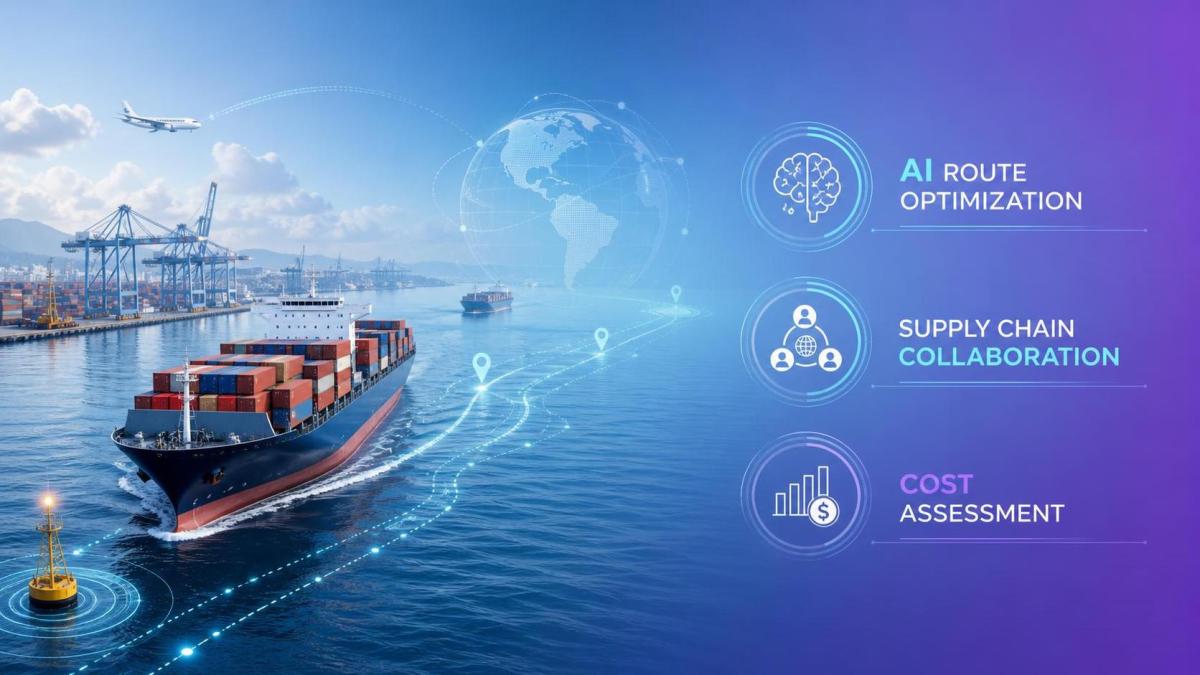
Across vendors, AI route optimization platform price typically reflects five commercial layers: core software access, data integration, optimization capability, deployment architecture, and ongoing service support. A lower entry quote may only cover the first layer.
In maritime and multimodal logistics, route optimization depends on live vessel data, weather feeds, port updates, fuel models, charter conditions, and maintenance constraints. The more sources a platform must connect and normalize, the more implementation effort the vendor must price in.
Procurement teams should therefore ask a simple question early: are we buying a dashboard with basic routing logic, or a decision engine that can influence voyage cost, schedule reliability, fuel burn, and risk exposure?
This distinction matters because two vendors may both claim route optimization, while one offers static rule-based recommendations and the other delivers continuous AI recalculation across changing operational variables. Their price difference may be entirely rational.
Why deployment model changes the price significantly
One of the first price drivers is deployment structure. Cloud-native SaaS platforms generally have lower upfront costs, faster implementation, and subscription-based pricing. They are often attractive when the buyer wants speed, lower IT burden, and easier scaling.
However, some operators require private cloud or on-premises deployment because of cybersecurity rules, fleet data sensitivity, or integration with restricted operational systems. In those cases, vendor cost rises because infrastructure design, security hardening, and support complexity all increase.
For procurement, this means the cheapest subscription model is not automatically the most economical choice. If internal policy later forces architectural changes, the total cost can rise well above the original quote.
Buyers should request pricing in at least two scenarios when possible: standard SaaS deployment and the required secure deployment model. This exposes the premium linked to compliance and helps avoid misaligned vendor shortlists.
How integration depth becomes a major cost driver
In most serious projects, integration work is where AI route optimization platform price starts to diverge sharply across vendors. The software is only valuable if it receives accurate, timely, and usable operational data.
A vendor connecting only AIS feeds and weather APIs will price differently from one integrating ERP, TMS, fleet management, engine performance systems, port community data, cargo planning inputs, and charter-party constraints.
Integration pricing also depends on data quality. If your organization has fragmented system ownership, inconsistent master data, or limited API readiness, vendors may include extra charges for mapping, cleansing, middleware, or custom connectors.
Procurement teams should not treat these items as optional details. In many projects, hidden integration effort determines whether the platform goes live smoothly or becomes a delayed and expensive IT exercise.
A practical sourcing approach is to ask every bidder for a line-by-line split between license fees, standard integrations, custom integrations, and third-party data dependency costs. That creates a more defensible comparison.
Optimization complexity is often what separates premium vendors
Not all route optimization problems are equal. Vendors charge more when the optimization engine must process multi-variable, real-time, high-risk operating conditions rather than simple point-to-point sequencing.
In maritime settings, route decisions may involve bunker consumption curves, emissions targets, weather routing, port congestion, berth windows, crew limits, cargo sensitivity, and contractual service obligations. Each additional constraint increases model sophistication and validation effort.
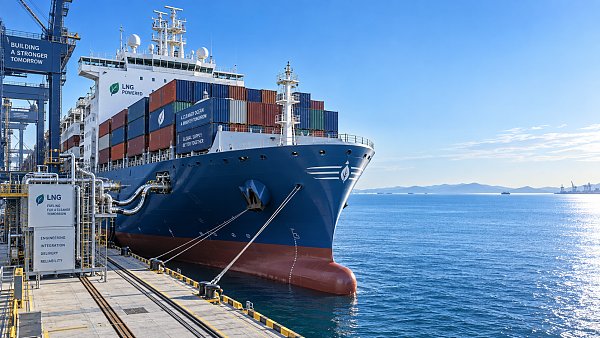
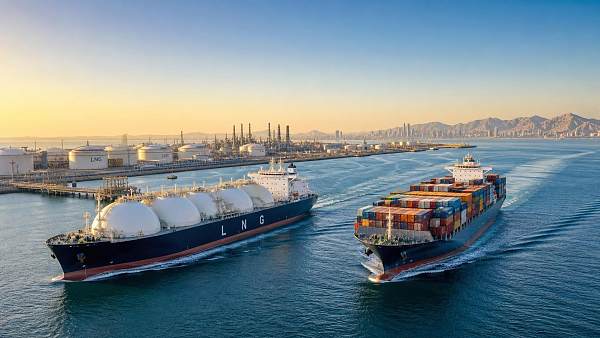
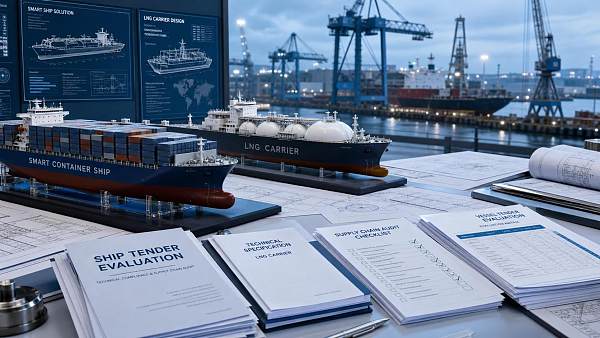
That is especially true for operators managing high-value assets such as smart container ships or LNG carriers, where route choice affects not only fuel cost but schedule integrity, safety margins, boil-off management, and regulatory exposure.
From a procurement perspective, this is where the buyer must test whether the vendor’s AI claims are commercially meaningful. A premium price is only justified if the optimization logic can handle your actual operational complexity.
Ask vendors to demonstrate scenario performance using representative voyage conditions rather than generic demos. The best pricing decision comes from seeing how the platform performs against your real constraints.
Fleet scale and transaction volume shape commercial structure
Another major factor behind AI route optimization platform price is the scale basis used in the contract. Vendors may charge per vessel, per route, per voyage, per user, per optimization run, or through tiered annual enterprise pricing.
For smaller fleets, per-asset pricing may appear reasonable. For larger operators or groups planning expansion, that same model can become expensive very quickly as usage grows across business units and regions.
Procurement should therefore model cost over a three-to-five-year horizon, not just year one. A platform that looks affordable in a pilot phase may become commercially inefficient once fleet-wide adoption begins.
It is also important to understand usage thresholds. Some vendors advertise a competitive base price but add charges for extra API calls, simulation volume, advanced reporting, or additional optimization scenarios.
A clean commercial review should identify which costs are fixed, which are variable, and which are likely to rise as operations become more data-driven. This is critical for accurate total cost forecasting.
Support, service scope, and SLA requirements affect long-term value
Procurement teams often focus heavily on software fees and underestimate support structure. Yet in mission-sensitive transport operations, service levels can materially affect both price and platform value.
A basic package may include business-hours support, limited onboarding, and standard release cycles. A higher-priced offer may include 24/7 response coverage, voyage operations assistance, model tuning, change management support, and dedicated account engineering resources.
For organizations operating across time zones or managing sensitive shipping schedules, these services are not cosmetic extras. They can directly influence uptime, internal adoption, and the speed at which optimization recommendations become trusted in operations.
That is why buyers should compare service definitions in detail. Two similar-looking offers can differ sharply in escalation paths, response commitments, and responsibilities for issue resolution.
When evaluating premium pricing, the relevant question is whether the service package reduces operational disruption, accelerates ROI, and lowers internal support burden. If it does, the higher vendor price may still be commercially stronger.
Data, compliance, and cybersecurity requirements add hidden cost
In transport technology procurement, hidden costs often sit inside governance requirements. Data residency, model transparency, audit logging, user permissions, encryption standards, and integration with identity management systems can all raise price.
These requirements are especially relevant when route decisions support regulated shipping activities, cross-border operations, or sensitive commercial cargo flows. Vendors may need to customize architecture, documentation, and control layers to pass approval processes.
Some buyers discover too late that compliance work is scoped outside the original price proposal. That creates budget pressure after vendor selection, when switching costs are already rising.
To avoid that, procurement should issue a clear requirement matrix covering security, legal, data governance, and operational controls during the RFP stage. A less ambiguous scope usually produces more realistic pricing.
How to compare vendor quotes without being misled by headline price
The most useful procurement method is to compare total commercial structure rather than advertised platform fees. Headline price alone rarely reflects implementation effort, support obligations, or likely change requests.
Build a comparison model with separate lines for subscription or license cost, deployment setup, standard integrations, custom development, third-party data, training, support, SLA tier, and expected annual expansion costs.
Then test each vendor against the same operational scenario. For example, assess what the price looks like for a defined number of vessels, voyages, users, integrations, and decision variables over a full contract term.
This approach reveals whether a low initial quote depends on narrow scope assumptions. It also helps procurement explain price differences internally using operational facts rather than vendor marketing language.
Buyers should also score commercial flexibility. Contract options such as phased rollout, pilot-to-scale conversion, volume discounts, and performance review checkpoints can be just as important as nominal price.
What a reasonable pricing discussion should produce
By the end of vendor evaluation, procurement should be able to answer four questions clearly. First, what exactly is included in the quoted AI route optimization platform price? Second, what operating assumptions does that price depend on?
Third, which future costs are most likely to emerge during scaling, integration, or compliance review? Fourth, what measurable business outcomes justify the investment relative to alternative providers or manual planning methods?
If those answers remain vague, the sourcing process is not yet mature enough for award. A credible vendor should be able to connect pricing logic to deployment scope, optimization depth, service obligations, and expected operational improvement.
That discipline matters in sectors where route efficiency intersects with asset utilization, fuel economics, emissions pressure, and schedule reliability. In those environments, the cheapest bid can easily become the costliest decision.
Conclusion
AI route optimization platform price varies across vendors because the underlying product scope varies just as much. Buyers are not simply purchasing software access; they are purchasing a combination of data connectivity, optimization intelligence, deployment design, support capability, and commercial flexibility.
For procurement teams, the best decision comes from linking price to operating reality. Evaluate quotes against your fleet complexity, integration maturity, compliance requirements, and expected scale, then judge whether the vendor’s cost structure is aligned with measurable value.
In practice, the strongest sourcing outcome is not the lowest quote. It is the offer that gives the clearest line between investment, implementation risk, and operational return across the full life of the platform.
Recommended News
 Sep 29, 2026What drives traction systems price differences between rail projects?Traction systems price differences explained: compare duty cycles, voltage compatibility, integration, localization, and lifecycle costs for smarter rail procurement.
 Sep 26, 2026What to assess before selecting an electric traction system manufacturerChoose an electric traction system manufacturer with confidence. Explore key criteria for performance, reliability, safety, integration, energy efficiency, and lifecycle support.
 Sep 25, 2026When do full digitalization systems justify the investment?Full digitalization systems: discover when rail and maritime operators can turn connected data into safer operations, higher availability, and measurable ROI.
 Sep 23, 2026What drives automatic train control systems cost on rail projects?Automatic train control systems cost depends on integration, migration, safety testing, communications, and lifecycle support. Explore the key budget drivers for rail projects.
 Sep 21, 2026How to assess an ocean going vessel builder’s delivery riskAssess an ocean going vessel builder’s delivery risk with proven checks for schedules, capacity, design maturity, critical equipment, quality, and project controls.
 Sep 20, 2026What drives rail safety technology costs over a project lifecycle?Rail safety technology cost goes beyond equipment—explore lifecycle drivers from integration and safety assurance to cybersecurity, commissioning, and obsolescence.
 Sep 16, 2026What to verify before choosing an advanced ocean-going vessels supplierAdvanced ocean-going vessels supplier checklist: verify design authority, build quality, digital systems, delivery reliability, and lifecycle support before you buy.
 Sep 15, 2026What rail safety technology best reduces level-crossing risks in Southeast Asia?Rail safety technology Southeast Asia: discover how fail-safe signalling, barriers, obstacle detection and remote monitoring reduce level-crossing risks.
 Sep 14, 2026How exporters can reduce customs delays in global trade logisticsGlobal trade logistics for exporters: reduce customs delays with accurate data, clearance-ready documents, early filing, and proactive exception management.
 Sep 13, 2026When do global transportation network systems reduce delivery delays?Global transportation network systems reduce delivery delays by improving rail-port-vessel coordination, real-time visibility, and proactive decisions across complex land-sea supply chains.
 Sep 09, 2026When should you choose a rail and maritime manufacturer with dual-sector capability?Rail and maritime manufacturer guide: learn when dual-sector capability reduces integration risk, improves lifecycle support, and strengthens rail-to-port operations.
 Sep 08, 2026What to verify before selecting a railway signalling equipment supplierRailway signalling equipment supplier checklist: verify safety evidence, integration, cybersecurity, delivery capability, and lifecycle support before award.
 Sep 07, 2026How to size a traction power transformer for railway load demandTraction power transformer sizing guide: model railway load demand, peak duty, voltage regulation, harmonics, and contingency capacity for reliable service.
 Sep 07, 2026How do customization options for industrial connectors affect lead times?Customization options for industrial connectors can impact lead times, cost, and compliance. Learn how to specify smarter for rail and marine projects.
 Sep 05, 2026What information should an industrial sourcing guide include?Industrial sourcing information procurement guide: evaluate suppliers, compliance, lifecycle costs, interfaces, and lead times for smarter rail and maritime purchasing decisions.
 Sep 01, 2026How to find reliable maritime tender information before biddingMaritime tender information: learn how to verify sources, define bid-ready scopes, check qualifications, and reduce risk before submitting competitive marine bids.
 Aug 30, 2026How to select railway automation equipment for depots with phased upgradesRailway automation equipment for depots: learn how to plan phased upgrades that improve safety, throughput, integration, and lifecycle control.
 Aug 27, 2026How industrial sourcing intelligence pricing data supports budget approvalIndustrial sourcing intelligence pricing data helps teams benchmark scope, assess supplier risk, and build defensible budget approvals for complex rail and maritime assets.
 Aug 26, 2026When does a marine fuel efficiency solution make financial sense in the Middle East?Marine fuel efficiency solution Middle East: learn when retrofit savings, compliance value, and vessel data align to deliver credible ROI and smarter shipping investment decisions.
 Aug 24, 2026When does maritime automation for tankers deliver a real payback?Maritime automation for tankers delivers real payback when it cuts fuel use, reduces cargo risk, and improves uptime. See how owners can time investment for stronger ROI.
 Aug 23, 2026When do maritime logistics systems in the Middle East justify the costMaritime logistics systems Middle East: discover when rising delays, manual coordination, and poor visibility make system investment the smarter move for regional operators.
 Aug 22, 2026What drives vessel navigation system price for commercial fleetsVessel navigation system price depends on integration, compliance, automation, and support—not just hardware. Learn what drives fleet costs and compare quotes with confidence.
 Aug 21, 2026How to assess shipbuilding maritime tenders before biddingShipbuilding maritime tenders require more than price checks. Learn how to assess technical scope, compliance, supply chain, and commercial risk before bidding with confidence.
 Aug 20, 2026When does working with an ocean-going vessels distributor reduce supply risk?Ocean-going vessels distributor: learn when this partner cuts supply risk through stronger compliance, faster response, and better sourcing resilience in complex maritime procurement.