



Search News
Industry Portal
Popular Tags
Transportation Infrastructure Cost Drivers to Watch in 2026
Author
Time
Click Count
As 2026 budget cycles tighten, financial approvers need a clearer view of which transportation infrastructure costs are structural, which are volatile, and which can be controlled through smarter technical choices. From rail signalling upgrades and traction power systems to smart vessels, LNG carriers, and port-rail interconnection, capital decisions are increasingly shaped by safety compliance, decarbonization mandates, supply chain resilience, and digital intelligence requirements. Understanding these cost drivers early can help organizations defend investment cases, reduce lifecycle risk, and prioritize assets that deliver measurable operational and strategic value.
For CFOs, investment committees, and procurement approvers, transportation infrastructure is no longer a simple civil works category. It is a multi-asset technology portfolio covering safety-critical control systems, electrification hardware, braking performance, vessel intelligence, cryogenic cargo containment, and cross-border logistics continuity.
The challenge in 2026 is not only whether to approve capital expenditure. It is how to separate unavoidable compliance spending from avoidable lifecycle waste, and how to evaluate technical choices before they become 20-year operating liabilities.
Structural Cost Drivers Shaping 2026 Transportation Infrastructure Budgets
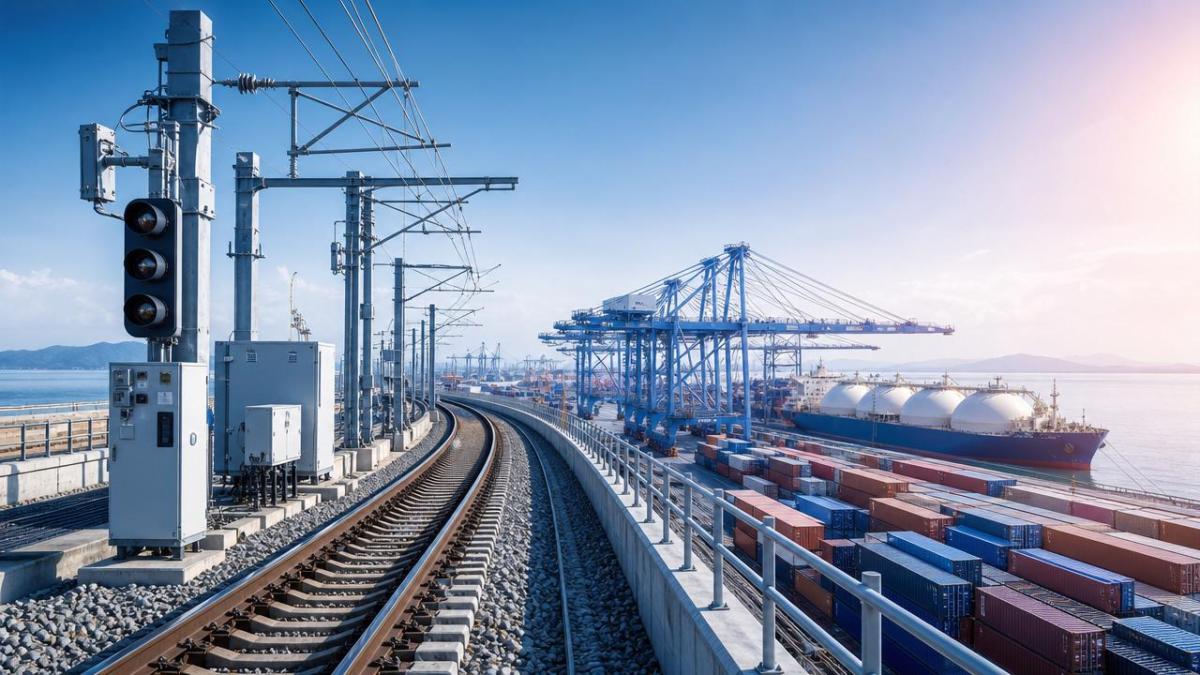
Structural cost drivers are the expenses that rarely disappear from transportation infrastructure programs. They are rooted in safety standards, asset age, network capacity, environmental policy, and interoperability requirements across rail, ports, and ocean transport corridors.
Unlike commodity price movements, structural costs often grow gradually over 5–10 years. Delaying them may improve a single annual budget, but it can increase renewal complexity, outage exposure, and vendor dependency later.
Safety Compliance and Certification Depth
Rail signalling, braking, and vessel control systems sit in high-consequence environments. For railway signal control systems, SIL4 safety integrity expectations increase engineering validation, redundancy design, documentation, and commissioning costs.
A signalling upgrade may involve 3–5 verification stages, including design review, factory acceptance testing, site integration testing, trial operation, and final safety case approval. Each stage has cost implications beyond hardware procurement.
For LNG carriers, structural cost pressure appears in membrane containment stress analysis, cryogenic insulation performance at minus 163 degrees Celsius, dual-fuel propulsion integration, and crew safety systems.
Network Capacity and Automation Demand
Urban rail and intercity corridors are moving toward higher frequency operations. A system designed for 5-minute headways may require major control upgrades to support 90–120 second operating intervals safely.
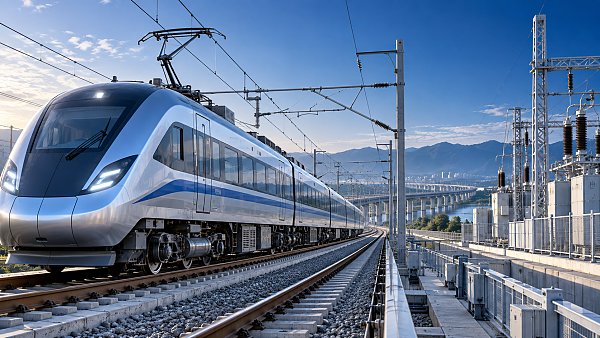
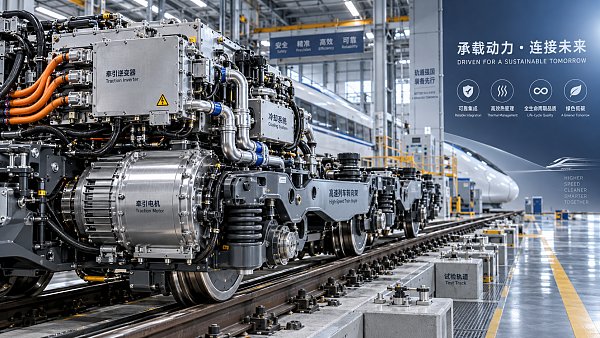
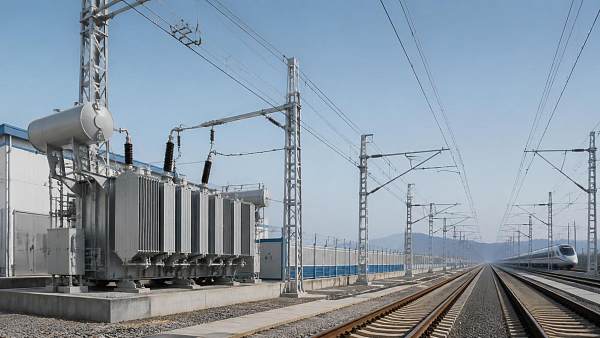
In high-speed rail, pantographs and traction power systems must maintain stable current collection above 300–350 km/h. That requirement affects material selection, aerodynamic testing, monitoring sensors, and maintenance planning.
Decarbonization and Energy Transition Mandates
Transportation infrastructure budgets increasingly include electrification, energy recovery, LNG propulsion optimization, shore power readiness, and intelligent route planning. These items are not optional enhancements when policy targets become tender requirements.
Financial approvers should evaluate decarbonization projects with both capital and operating lenses. A higher initial investment can be justified when it reduces traction energy losses, fuel consumption, berth waiting time, or maintenance frequency over 10–25 years.
The table below summarizes major structural cost drivers and the approval questions that matter before a transportation infrastructure budget is locked.
The key conclusion is that structural costs should not be treated as discretionary overruns. They often represent the price of keeping transportation infrastructure safe, interoperable, insurable, and compliant.
Volatile Inputs That Can Distort Capital Planning
Volatile cost drivers create budget uncertainty between feasibility approval and final procurement. In 2026, the most important variables include specialized electronics, steel, copper, shipyard capacity, logistics disruption, and skilled engineering availability.
A transportation infrastructure business case prepared 12 months before tender release may become inaccurate if it assumes stable component lead times or single-region sourcing for high-value subsystems.
Electronics, Sensors, and Control Hardware
Digital rail and smart vessel programs depend on processors, sensors, communication modules, cybersecurity hardware, and condition monitoring devices. These components are smaller than civil assets but can delay entire projects.
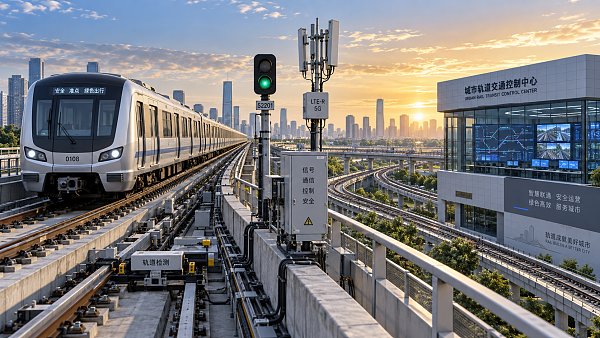
For LTE-M rail communication, onboard control units, and predictive maintenance sensors, financial approvers should ask whether lead times are closer to 8–12 weeks or 24–36 weeks under constrained supply.
Metals, Energy, and Specialized Materials
Copper affects traction power distribution, signalling cables, and onboard electrical architecture. Specialized alloys influence pantograph frames, braking components, marine propulsion systems, and LNG carrier piping.
A 5% material swing may look manageable in isolation, but on multi-year infrastructure packages it can affect contingency reserves, supplier negotiations, and payment milestone design.
Shipyard and Rail Engineering Capacity
Smart container ships and LNG carriers compete for shipyard slots, naval architecture expertise, cryogenic engineering teams, and classification review capacity. Rail projects compete for signalling architects and traction power specialists.
When specialist capacity tightens, the cost impact is not limited to labor rates. It may lengthen delivery cycles by 3–9 months and increase financing costs before revenue service begins.
Budget Controls for Volatile Inputs
- Use indexed pricing clauses only for clearly defined materials such as copper, steel, or fuel-linked logistics.
- Separate long-lead electronic components from general installation packages to improve procurement timing.
- Require at least 2 qualified sourcing options for safety-critical but replaceable modules.
- Set contingency bands by risk category, commonly 5%–15% for mature scopes and higher for first-of-kind integration.
Good governance does not remove volatility, but it prevents volatility from being hidden inside vague allowances. This improves board confidence and reduces approval friction.
Technology Choices That Control Lifecycle Cost
The most controllable transportation infrastructure costs often appear after commissioning. Maintenance labor, failure response, software updates, spare parts, energy consumption, and inspection frequency can exceed initial purchase differences.
For financial approvers, the question is not whether the lowest bid meets today’s specification. The question is whether the selected architecture protects operational availability for 10, 15, or 30 years.
Rail Signalling: Open Interfaces and Upgradeability
Closed signalling architectures can make future migration expensive. Open interfaces, documented protocols, and modular hardware allow staged upgrades without replacing every interlocking, axle counter, or wayside controller at once.
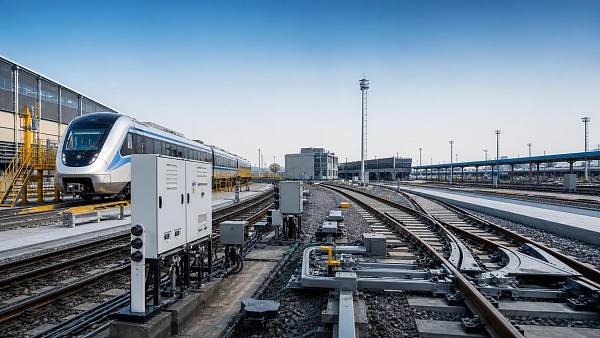
A phased deployment model may divide investment into 3 stages: core safety renewal, digital communication expansion, and automation optimization. This supports smoother cash flow and clearer benefit tracking.
Pantographs and Braking Systems: Reliability Under Stress
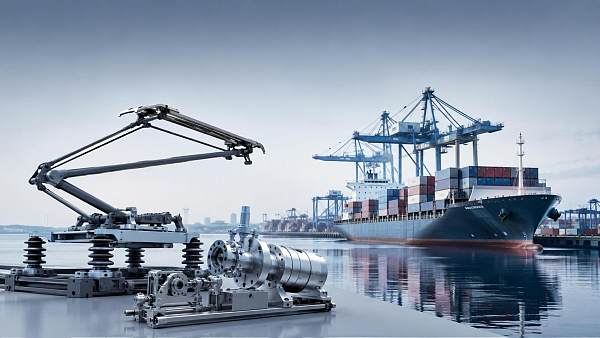
Pantographs operating above 350 km/h must manage uplift force, aerodynamic vibration, contact strip wear, and current collection stability. Small design choices can influence inspection intervals and unplanned service withdrawals.
Rail transit braking systems should be reviewed for thermal fade behavior, control precision, wear rates, and compatibility with regenerative braking. Composite brake pads may reduce noise and dust, but they require proper validation under route-specific duty cycles.
Smart Vessels and LNG Carriers: Data as an Asset
Smart container ships rely on ship-to-shore data, AI route optimization, cargo condition visibility, and predictive maintenance. These functions can reduce fuel waste, improve schedule reliability, and support port coordination.
For LNG carriers, digital monitoring supports containment integrity, boil-off gas management, propulsion optimization, and voyage safety. Financial models should include software maintenance, sensor calibration, and cybersecurity costs.
The comparison below helps approvers distinguish between short-term procurement savings and long-term transportation infrastructure value.
The cheapest compliant option can still be financially weak if it increases downtime, manual inspection, and future integration costs. Approval teams should therefore score technical flexibility as a financial variable.
How Financial Approvers Should Evaluate 2026 Investment Cases
A strong transportation infrastructure investment case should connect technical parameters with measurable financial outcomes. Safety, reliability, and decarbonization must be translated into risk reduction, asset utilization, and lifecycle cost control.
Approvers should require more than capital cost summaries. A credible package should include 5-year operating assumptions, 10-year upgrade logic, spare parts exposure, commissioning risks, and performance acceptance criteria.
A 6-Point Review Framework
- Define whether the cost is compliance-driven, capacity-driven, resilience-driven, or optimization-driven.
- Separate civil works, core equipment, software, integration, testing, training, and lifecycle support.
- Request sensitivity analysis for 3 variables: materials, lead time, and commissioning delay.
- Compare at least 2 technical architectures where safety and interoperability allow alternatives.
- Evaluate total cost of ownership over 10–25 years, not only initial tender price.
- Tie payment milestones to factory tests, site acceptance, performance availability, and documentation delivery.
Questions to Ask Before Approval
Before approving a rail or maritime infrastructure project, finance leaders should ask whether the proposed system reduces operational uncertainty or merely transfers it into maintenance budgets.
- What failure modes are most expensive, and how quickly can they be detected?
- Which components have lead times longer than 20 weeks?
- Can the system support future automation, alternative fuels, or higher service frequency?
- How many years of software updates, cybersecurity patches, and technical support are included?
- What measurable benefits are expected within the first 12–24 months of operation?
Common Approval Mistakes
One common mistake is treating transportation infrastructure as a one-time capital purchase. In reality, it is a long-cycle operating platform with compliance, training, spare parts, and data governance obligations.
Another mistake is approving digital systems without data ownership rules. Smart vessels, rail control platforms, and predictive maintenance tools all depend on usable, secure, and transferable data.
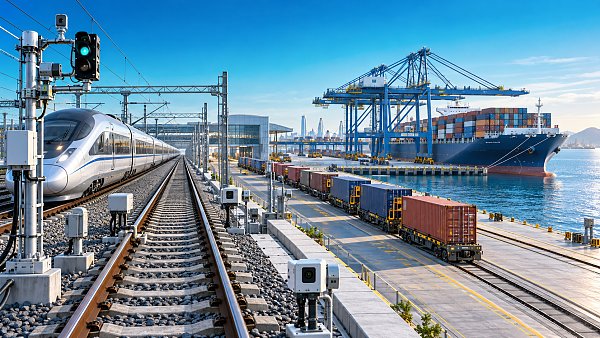
A third mistake is underfunding commissioning. Complex land-sea interconnection projects may require 2–4 months of integrated testing before stable operation, especially when ports, rail yards, vessels, and customs systems exchange live data.
Where GTOT Adds Decision Value
The Global Transit & Ocean Tech focuses on the equipment intelligence behind modern transportation infrastructure. GTOT tracks the technical and commercial forces shaping rail signalling, pantographs, braking systems, smart container ships, and LNG carriers.
For financial approvers, this perspective matters because the largest risks often sit between engineering detail and board-level investment logic. A safety certificate, propulsion design, or braking material choice can directly influence lifecycle economics.
Turning Technical Complexity Into Approval Clarity
GTOT’s strategic intelligence lens supports decision teams that need to understand not only what technology does, but why it affects capital intensity, operating resilience, and tender competitiveness.
Rail signalling architects, cryogenic shipping strategists, and traction power specialists help interpret parameters such as LTE-M deployment readiness, composite brake pad thermal fade, membrane containment stress, and high-speed current collection behavior.
Practical Use Cases for Finance and Procurement Teams
- Benchmarking technical requirements before rail infrastructure tender approval.
- Screening smart vessel investment proposals for integration and lifecycle risk.
- Assessing LNG carrier equipment choices against cryogenic safety and fuel flexibility needs.
- Supporting EPC contractors and distributors with clearer evidence for restricted tenders.
In 2026, transportation infrastructure cost control will depend on earlier intelligence, sharper technical questions, and better lifecycle modeling. Financial approvers who understand structural, volatile, and controllable cost drivers can defend stronger investment cases.
GTOT helps organizations connect land and sea infrastructure decisions with equipment-level insight, operational risk analysis, and commercial context. To evaluate upcoming rail, vessel, or port-rail investment decisions with greater confidence, contact GTOT to obtain a customized intelligence brief or consult detailed solution options.
- railway signal control systems
- pantographs
- LNG carriers
- rail signalling
- cryogenic shipping
- traction power
- composite brake pads
- smart vessels
- AI route optimization
- decarbonization
- rail transit braking
- smart container ships
- dual-fuel propulsion
- land-sea interconnection
- rail infrastructure
- EPC contractors
- marine propulsion systems
- cryogenic engineering
- transportation infrastructure
Recommended News
 Sep 29, 2026What drives traction systems price differences between rail projects?Traction systems price differences explained: compare duty cycles, voltage compatibility, integration, localization, and lifecycle costs for smarter rail procurement.
 Sep 26, 2026What to assess before selecting an electric traction system manufacturerChoose an electric traction system manufacturer with confidence. Explore key criteria for performance, reliability, safety, integration, energy efficiency, and lifecycle support.
 Sep 25, 2026When do full digitalization systems justify the investment?Full digitalization systems: discover when rail and maritime operators can turn connected data into safer operations, higher availability, and measurable ROI.
 Sep 23, 2026What drives automatic train control systems cost on rail projects?Automatic train control systems cost depends on integration, migration, safety testing, communications, and lifecycle support. Explore the key budget drivers for rail projects.
 Sep 21, 2026How to assess an ocean going vessel builder’s delivery riskAssess an ocean going vessel builder’s delivery risk with proven checks for schedules, capacity, design maturity, critical equipment, quality, and project controls.
 Sep 20, 2026What drives rail safety technology costs over a project lifecycle?Rail safety technology cost goes beyond equipment—explore lifecycle drivers from integration and safety assurance to cybersecurity, commissioning, and obsolescence.
 Sep 16, 2026What to verify before choosing an advanced ocean-going vessels supplierAdvanced ocean-going vessels supplier checklist: verify design authority, build quality, digital systems, delivery reliability, and lifecycle support before you buy.
 Sep 15, 2026What rail safety technology best reduces level-crossing risks in Southeast Asia?Rail safety technology Southeast Asia: discover how fail-safe signalling, barriers, obstacle detection and remote monitoring reduce level-crossing risks.
 Sep 14, 2026How exporters can reduce customs delays in global trade logisticsGlobal trade logistics for exporters: reduce customs delays with accurate data, clearance-ready documents, early filing, and proactive exception management.
 Sep 13, 2026When do global transportation network systems reduce delivery delays?Global transportation network systems reduce delivery delays by improving rail-port-vessel coordination, real-time visibility, and proactive decisions across complex land-sea supply chains.
 Sep 09, 2026When should you choose a rail and maritime manufacturer with dual-sector capability?Rail and maritime manufacturer guide: learn when dual-sector capability reduces integration risk, improves lifecycle support, and strengthens rail-to-port operations.
 Sep 08, 2026What to verify before selecting a railway signalling equipment supplierRailway signalling equipment supplier checklist: verify safety evidence, integration, cybersecurity, delivery capability, and lifecycle support before award.
 Sep 07, 2026How to size a traction power transformer for railway load demandTraction power transformer sizing guide: model railway load demand, peak duty, voltage regulation, harmonics, and contingency capacity for reliable service.
 Sep 07, 2026How do customization options for industrial connectors affect lead times?Customization options for industrial connectors can impact lead times, cost, and compliance. Learn how to specify smarter for rail and marine projects.
 Sep 05, 2026What information should an industrial sourcing guide include?Industrial sourcing information procurement guide: evaluate suppliers, compliance, lifecycle costs, interfaces, and lead times for smarter rail and maritime purchasing decisions.
 Sep 01, 2026How to find reliable maritime tender information before biddingMaritime tender information: learn how to verify sources, define bid-ready scopes, check qualifications, and reduce risk before submitting competitive marine bids.
 Aug 30, 2026How to select railway automation equipment for depots with phased upgradesRailway automation equipment for depots: learn how to plan phased upgrades that improve safety, throughput, integration, and lifecycle control.
 Aug 27, 2026How industrial sourcing intelligence pricing data supports budget approvalIndustrial sourcing intelligence pricing data helps teams benchmark scope, assess supplier risk, and build defensible budget approvals for complex rail and maritime assets.
 Aug 26, 2026When does a marine fuel efficiency solution make financial sense in the Middle East?Marine fuel efficiency solution Middle East: learn when retrofit savings, compliance value, and vessel data align to deliver credible ROI and smarter shipping investment decisions.
 Aug 24, 2026When does maritime automation for tankers deliver a real payback?Maritime automation for tankers delivers real payback when it cuts fuel use, reduces cargo risk, and improves uptime. See how owners can time investment for stronger ROI.
 Aug 23, 2026When do maritime logistics systems in the Middle East justify the costMaritime logistics systems Middle East: discover when rising delays, manual coordination, and poor visibility make system investment the smarter move for regional operators.
 Aug 22, 2026What drives vessel navigation system price for commercial fleetsVessel navigation system price depends on integration, compliance, automation, and support—not just hardware. Learn what drives fleet costs and compare quotes with confidence.
 Aug 21, 2026How to assess shipbuilding maritime tenders before biddingShipbuilding maritime tenders require more than price checks. Learn how to assess technical scope, compliance, supply chain, and commercial risk before bidding with confidence.
 Aug 20, 2026When does working with an ocean-going vessels distributor reduce supply risk?Ocean-going vessels distributor: learn when this partner cuts supply risk through stronger compliance, faster response, and better sourcing resilience in complex maritime procurement.