Search News
Industry Portal
Popular Tags
Traction Power Upgrades: When Do They Pay Off?
Author
Time
Click Count
Traction power upgrades pay off only when network pressure is real
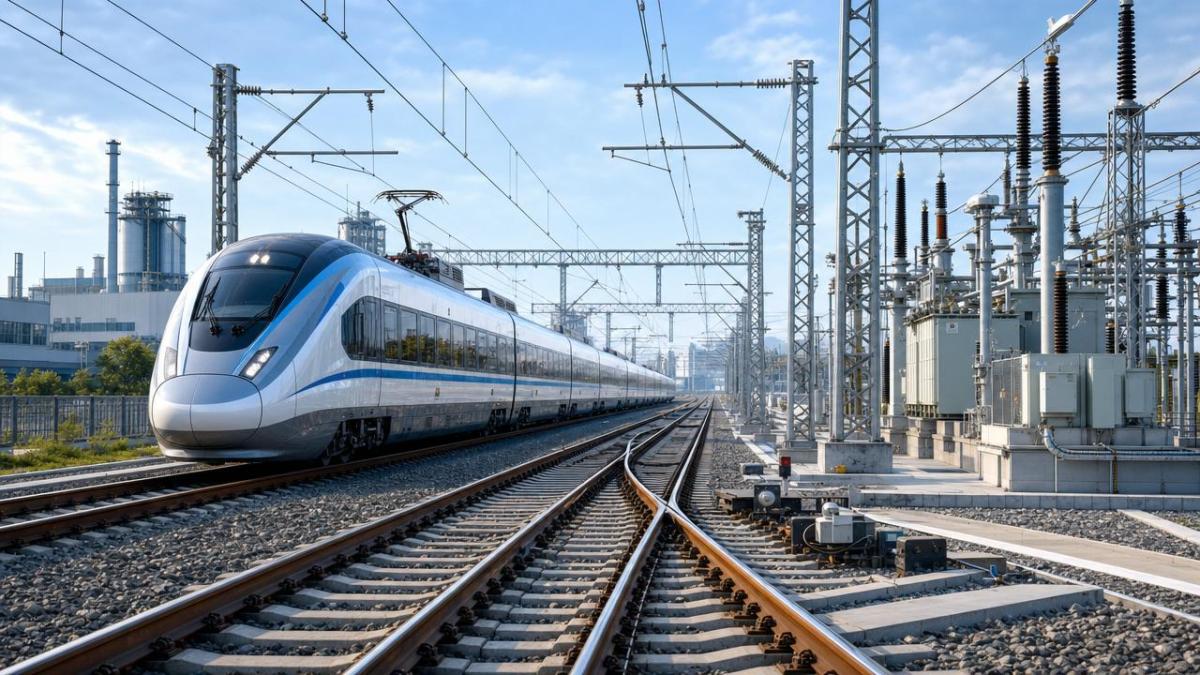
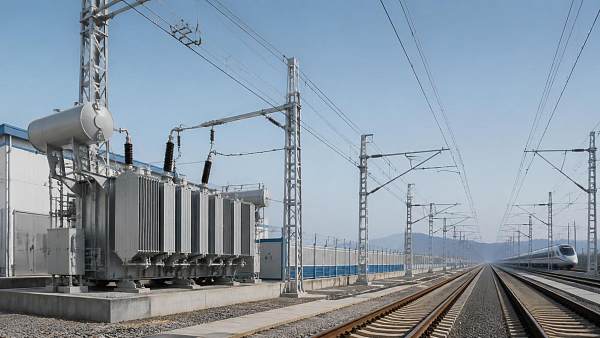
Traction power investment looks attractive on paper, but payback rarely comes from hardware alone.
It comes when rising service density, tighter timetables, and reliability targets start exposing electrical limits across the line.
In practical rail systems, traction power upgrades are often justified by avoided disruption as much as by energy savings.
That is why the same upgrade can be compelling on one corridor and premature on another.
Within GTOT’s land-and-sea intelligence view, this matters because traction performance is not isolated.
It interacts with signalling headways, braking behavior, pantograph stability, and the wider efficiency logic of global transport assets.
The better question is not whether traction power should be upgraded.
The better question is when the operating context makes that upgrade economically and technically worthwhile.
Why similar rail lines reach different traction power conclusions
Two networks may carry similar annual passenger or freight volumes, yet require very different traction power strategies.
The difference usually starts with duty cycle, peak acceleration demand, voltage stability, and how much recovery margin operations still have.
A suburban line with frequent stops stresses substations differently from a high-speed route with fewer stations but stronger acceleration peaks.
A freight corridor adds another layer, because heavy trailing loads amplify current draw, thermal stress, and timetable sensitivity.
In actual planning, traction power decisions are shaped by several linked questions:
- Is the present system limiting service growth, or only operating comfort?
- Are voltage drops occasional, or common during peak timetable windows?
- Will new rolling stock increase acceleration and regenerative braking demand?
- Do signalling upgrades allow tighter headways that the power system cannot yet support?
- Is asset renewal already due, making traction power upgrades cheaper to integrate now?
When these answers align, traction power becomes a strategic enabler rather than a standalone electrical project.
Where traction power upgrades usually create the fastest return
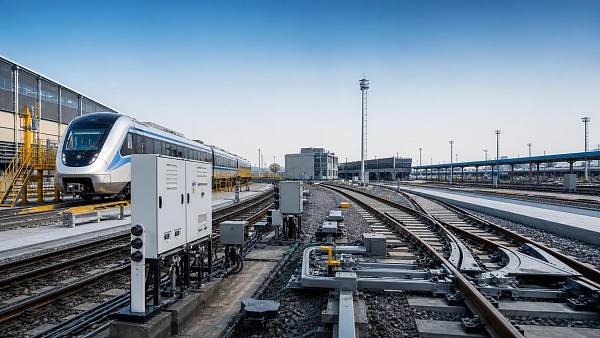
Dense commuter and metro-style operations
This is one of the clearest cases for traction power upgrades.
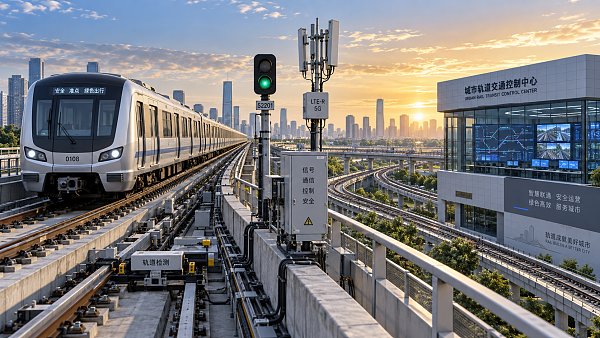
Frequent starts, short station spacing, and overlapping train movements push substations and feeder sections toward their practical limits.
The value here often appears as fewer voltage-related delays, stronger timetable resilience, and smoother integration of new trainsets.
If automation or higher signalling capacity is being introduced, traction power constraints become even more visible.
High-speed corridors adding frequency, not just speed
High-speed routes do not always need major traction power upgrades after rolling stock renewal.
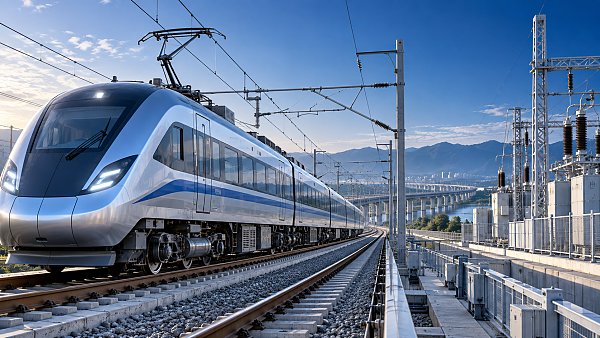
They pay off more clearly when train frequency rises, turnaround windows shrink, and pantograph-current collection stability must remain reliable above 300 km/h.
In this setting, traction power supports the whole performance chain.
That chain includes signalling availability, braking precision, and the ability to recover from minor disruption without cascading delay.
Electrified freight corridors under heavier train composition
Freight brings a different economics.
The case for traction power upgrades is stronger when train weight is rising, gradients are demanding, or terminal windows are tightly synchronized with port logistics.
This is where GTOT’s cross-modal perspective becomes useful.
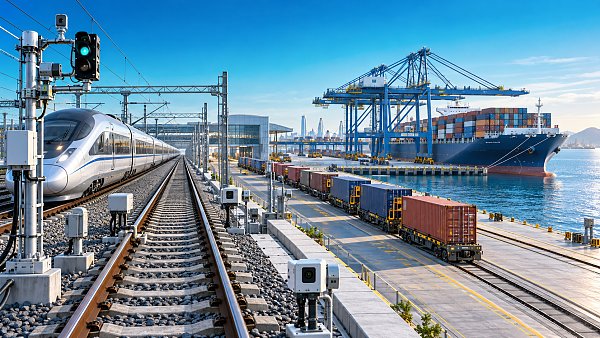
A rail corridor serving smart container ports or energy gateways can suffer outsized commercial losses from electrical bottlenecks.
Here, traction power upgrades may protect supply chain velocity more than they reduce direct energy cost.
Different operating scenarios change the decision logic
Not every business case is built on the same benefit stack.
The table below shows why traction power planning should follow operating context, not generic upgrade assumptions.
In other words, traction power value can mean capacity in one corridor and risk reduction in another.
The strongest signals that an upgrade window has opened
The best timing is usually visible before failures become frequent.
Several early indicators suggest that traction power upgrades are moving from optional to necessary.
- Repeated voltage sag during peak departures or steep-gradient operations.
- New rolling stock programs with higher acceleration or regenerative performance.
- Signalling modernization that unlocks headways the electrical system cannot sustain.
- Frequent schedule padding added to absorb energy-related performance variation.
- Deferred maintenance costs rising because aging power assets are compensating for demand growth.
- Port, industrial, or logistics expansion increasing dependence on corridor punctuality.
A common pattern is that traction power stops being a background utility and starts shaping commercial outcomes.
Where projects are often misjudged before money is committed
One frequent mistake is to evaluate traction power upgrades by installed capacity alone.
That misses how train sequencing, substation spacing, and return current behavior affect real operating performance.
Another misjudgment is focusing only on energy savings.
On many lines, the larger benefit comes from avoiding delay propagation, protecting asset life, and supporting service growth.
Some projects also overlook compatibility.
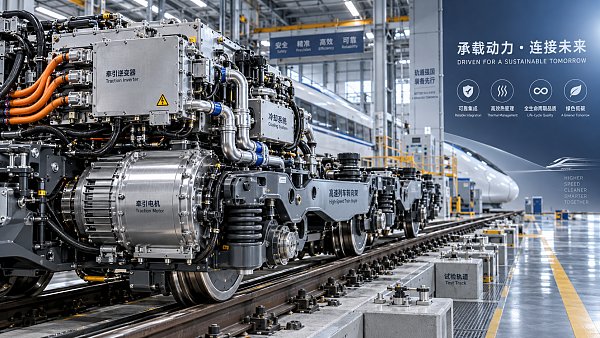
Traction power upgrades may require coordinated changes in protection systems, pantograph-catenary interaction, SCADA, and maintenance procedures.
There is also a timing trap.
If civil works, signalling renewal, or fleet replacement are already planned, delaying traction power may raise total lifecycle cost later.
In actual deployment, the cheapest project scope is not always the most economical network decision.
How to match traction power upgrades to the corridor, not the trend
A useful approach is to test traction power need through a layered review.
This keeps decisions grounded in operating evidence rather than upgrade fashion.
- Map peak electrical demand by timetable window, not annual average load.
- Compare present margins with planned fleet, signalling, and service density changes.
- Model the cost of disruption, not only equipment replacement cost.
- Check interfaces with braking, pantograph behavior, control systems, and maintenance access.
- Prioritize sections where traction power constraints block the highest-value traffic flows.
For complex networks, phased traction power upgrades are often more effective than corridor-wide replacement.
The first phase should usually target the places where electrical weakness and operational sensitivity overlap.
A practical next step for evaluating return
Traction power upgrades pay off when they unlock a constraint that the network can already feel.
That may be recurring voltage instability, limited timetable growth, heavier freight demand, or the need to coordinate with broader modernization.
The most reliable evaluation starts by separating corridors by operating pattern, load profile, and strategic role.
Then compare each corridor’s traction power condition with planned signalling, rolling stock, braking, and capacity changes.
Where GTOT’s intelligence perspective is especially relevant is in this systems view.
Rail performance, logistics timing, and asset value increasingly depend on whether infrastructure upgrades are stitched together rather than justified in isolation.
Before any final commitment, clarify corridor-specific load growth, interface risks, maintenance implications, outage windows, and the cost of doing nothing for another operating cycle.
That is usually where the real answer on traction power return begins.
Recommended News
 Sep 29, 2026What drives traction systems price differences between rail projects?Traction systems price differences explained: compare duty cycles, voltage compatibility, integration, localization, and lifecycle costs for smarter rail procurement.
 Sep 26, 2026What to assess before selecting an electric traction system manufacturerChoose an electric traction system manufacturer with confidence. Explore key criteria for performance, reliability, safety, integration, energy efficiency, and lifecycle support.
 Sep 25, 2026When do full digitalization systems justify the investment?Full digitalization systems: discover when rail and maritime operators can turn connected data into safer operations, higher availability, and measurable ROI.
 Sep 23, 2026What drives automatic train control systems cost on rail projects?Automatic train control systems cost depends on integration, migration, safety testing, communications, and lifecycle support. Explore the key budget drivers for rail projects.
 Sep 21, 2026How to assess an ocean going vessel builder’s delivery riskAssess an ocean going vessel builder’s delivery risk with proven checks for schedules, capacity, design maturity, critical equipment, quality, and project controls.
 Sep 20, 2026What drives rail safety technology costs over a project lifecycle?Rail safety technology cost goes beyond equipment—explore lifecycle drivers from integration and safety assurance to cybersecurity, commissioning, and obsolescence.
 Sep 16, 2026What to verify before choosing an advanced ocean-going vessels supplierAdvanced ocean-going vessels supplier checklist: verify design authority, build quality, digital systems, delivery reliability, and lifecycle support before you buy.
 Sep 15, 2026What rail safety technology best reduces level-crossing risks in Southeast Asia?Rail safety technology Southeast Asia: discover how fail-safe signalling, barriers, obstacle detection and remote monitoring reduce level-crossing risks.
 Sep 14, 2026How exporters can reduce customs delays in global trade logisticsGlobal trade logistics for exporters: reduce customs delays with accurate data, clearance-ready documents, early filing, and proactive exception management.
 Sep 13, 2026When do global transportation network systems reduce delivery delays?Global transportation network systems reduce delivery delays by improving rail-port-vessel coordination, real-time visibility, and proactive decisions across complex land-sea supply chains.
 Sep 09, 2026When should you choose a rail and maritime manufacturer with dual-sector capability?Rail and maritime manufacturer guide: learn when dual-sector capability reduces integration risk, improves lifecycle support, and strengthens rail-to-port operations.
 Sep 08, 2026What to verify before selecting a railway signalling equipment supplierRailway signalling equipment supplier checklist: verify safety evidence, integration, cybersecurity, delivery capability, and lifecycle support before award.
 Sep 07, 2026How to size a traction power transformer for railway load demandTraction power transformer sizing guide: model railway load demand, peak duty, voltage regulation, harmonics, and contingency capacity for reliable service.
 Sep 07, 2026How do customization options for industrial connectors affect lead times?Customization options for industrial connectors can impact lead times, cost, and compliance. Learn how to specify smarter for rail and marine projects.
 Sep 05, 2026What information should an industrial sourcing guide include?Industrial sourcing information procurement guide: evaluate suppliers, compliance, lifecycle costs, interfaces, and lead times for smarter rail and maritime purchasing decisions.
 Sep 01, 2026How to find reliable maritime tender information before biddingMaritime tender information: learn how to verify sources, define bid-ready scopes, check qualifications, and reduce risk before submitting competitive marine bids.
 Aug 30, 2026How to select railway automation equipment for depots with phased upgradesRailway automation equipment for depots: learn how to plan phased upgrades that improve safety, throughput, integration, and lifecycle control.
 Aug 27, 2026How industrial sourcing intelligence pricing data supports budget approvalIndustrial sourcing intelligence pricing data helps teams benchmark scope, assess supplier risk, and build defensible budget approvals for complex rail and maritime assets.
 Aug 26, 2026When does a marine fuel efficiency solution make financial sense in the Middle East?Marine fuel efficiency solution Middle East: learn when retrofit savings, compliance value, and vessel data align to deliver credible ROI and smarter shipping investment decisions.
 Aug 24, 2026When does maritime automation for tankers deliver a real payback?Maritime automation for tankers delivers real payback when it cuts fuel use, reduces cargo risk, and improves uptime. See how owners can time investment for stronger ROI.
 Aug 23, 2026When do maritime logistics systems in the Middle East justify the costMaritime logistics systems Middle East: discover when rising delays, manual coordination, and poor visibility make system investment the smarter move for regional operators.
 Aug 22, 2026What drives vessel navigation system price for commercial fleetsVessel navigation system price depends on integration, compliance, automation, and support—not just hardware. Learn what drives fleet costs and compare quotes with confidence.
 Aug 21, 2026How to assess shipbuilding maritime tenders before biddingShipbuilding maritime tenders require more than price checks. Learn how to assess technical scope, compliance, supply chain, and commercial risk before bidding with confidence.
 Aug 20, 2026When does working with an ocean-going vessels distributor reduce supply risk?Ocean-going vessels distributor: learn when this partner cuts supply risk through stronger compliance, faster response, and better sourcing resilience in complex maritime procurement.