



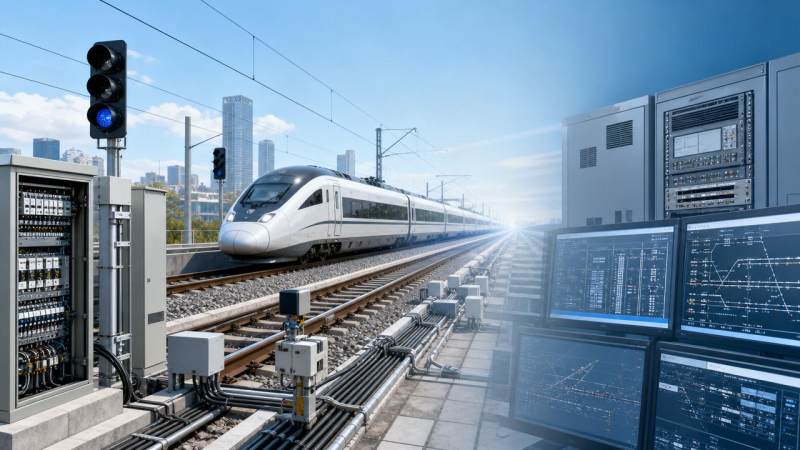
Upgrading railway automation systems is no longer a purely technical decision. It is a capital allocation question tied to compliance, capacity, resilience, and asset value.
For financial approvers, the core issue is not whether automation matters. It is which costs are mandatory, which are strategic, and which can wait.
This article explains the main upgrade cost drivers, how they affect total ownership cost, and where spending can translate into measurable operational return.
What Financial Approvers Should Evaluate First
The first question is whether the upgrade protects license-to-operate conditions or mainly improves performance. Compliance-driven costs usually deserve different approval logic.
Rail networks facing outdated interlocking, obsolete control centers, or unsupported communication systems often have limited deferral room. Delay can increase safety and continuity risk.
Capacity-led upgrades require a different business case. Approvers should test whether automation reduces headways, improves punctuality, or supports higher traffic density.
The strongest projects usually combine both drivers. They improve safety assurance while unlocking more train paths from existing infrastructure, avoiding expensive civil expansion.
The Major Cost Blocks Behind Railway Automation Systems
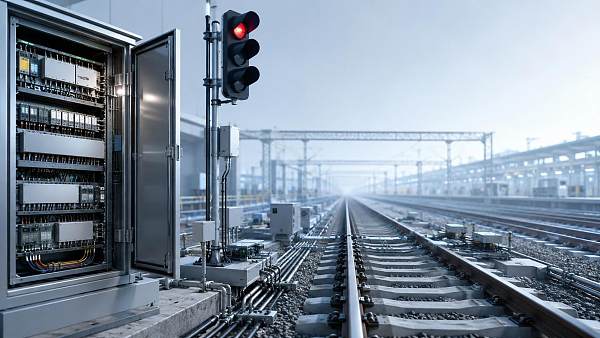
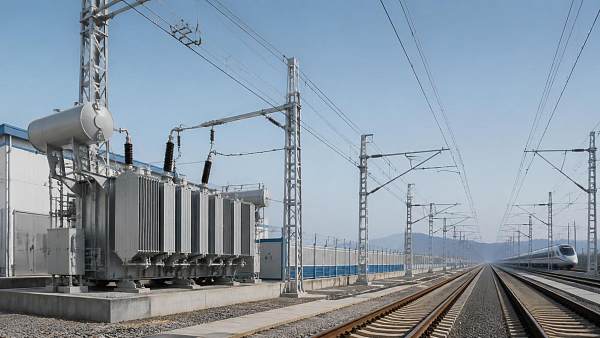
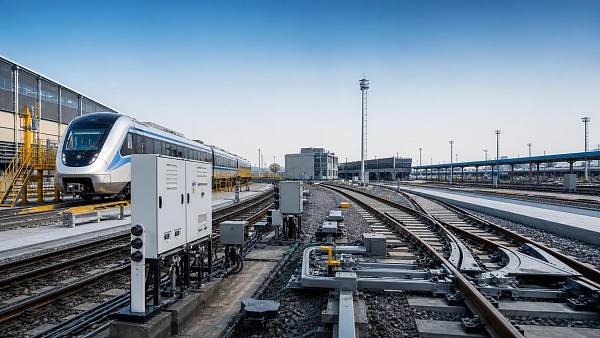
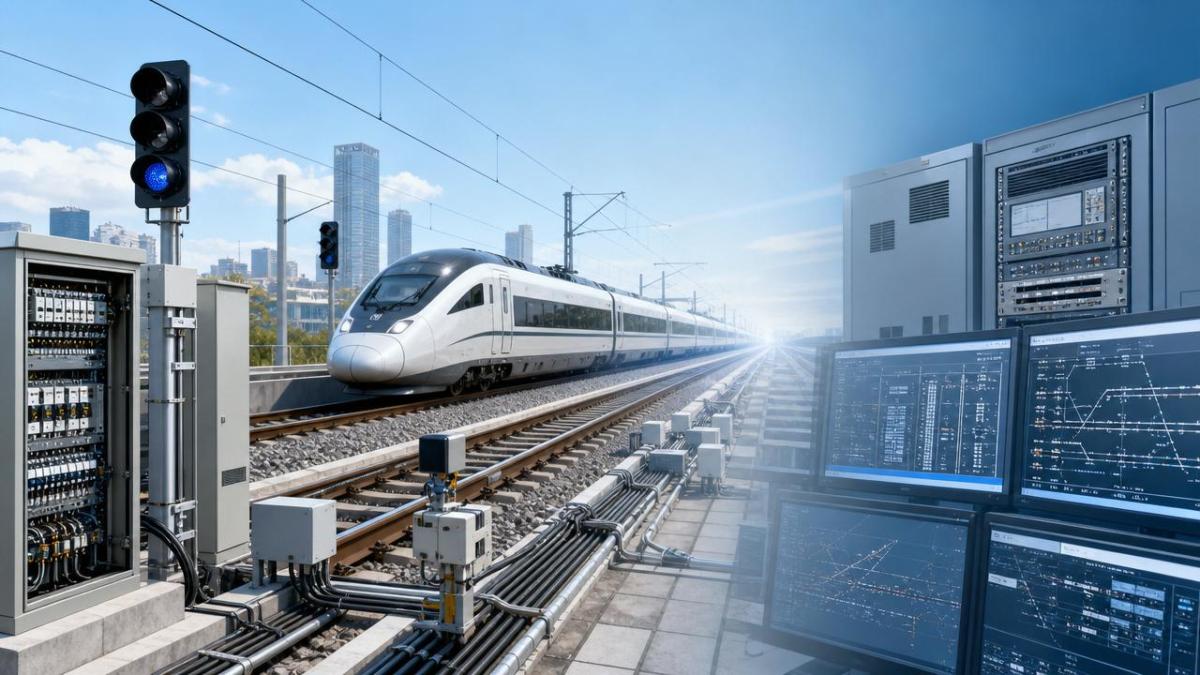
Modern railway automation systems include signalling logic, train detection, control platforms, field equipment, telecommunications, cybersecurity, data systems, and long-term maintenance arrangements.
Financial review should separate equipment purchase price from integration, testing, migration, training, certification, and lifecycle support. The purchase order is rarely the full cost.
Signalling hardware may look visible, but software configuration, safety validation, and interface engineering can consume a large share of the budget.
Brownfield projects usually cost more than greenfield projects because existing services must continue operating while legacy and new systems coexist safely.
Signalling Modernization: The Largest Strategic Cost Area
Signalling modernization is often the central cost item because it defines train separation, route setting, operating rules, and the network’s safety envelope.
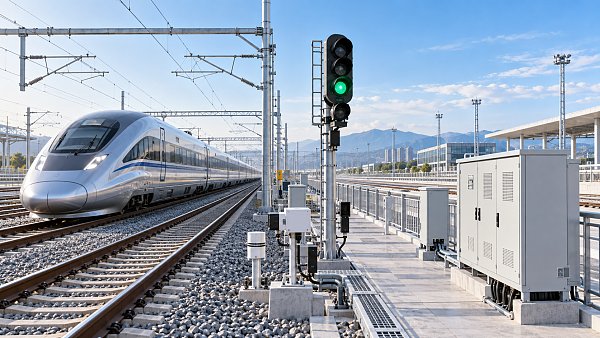
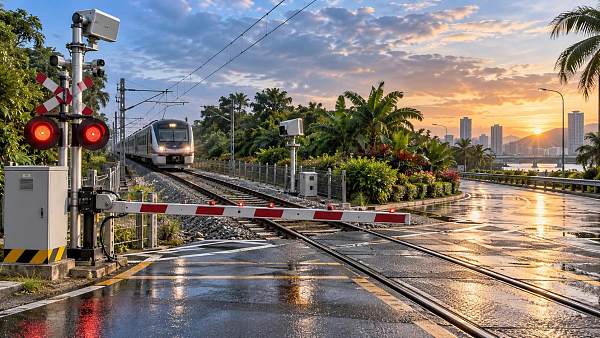
Upgrades may include electronic interlocking, automatic train protection, automatic train operation, centralized traffic control, axle counters, track circuits, and wayside equipment.
For financial approvers, the key question is whether the selected architecture supports future capacity needs without forcing another major replacement cycle.
A lower upfront cost can become expensive if the system cannot support higher automation grades, digital train control, or future communication-based operation.
Safety integrity requirements also influence cost. SIL4-grade systems demand rigorous design assurance, independent assessment, documentation, and verification throughout the project.
Control Centers and Operational Platforms
Automation upgrades frequently require new control center platforms that integrate dispatching, supervision, alarms, energy information, maintenance alerts, and incident response workflows.
The investment is not only software licensing. It includes workstation hardware, redundancy, data migration, operator training, simulation environments, and disaster recovery design.
Approvers should ask whether the platform improves decision speed during disruptions. Reduced recovery time can produce strong economic value on congested corridors.
Integration with passenger information, rolling stock monitoring, and maintenance planning may raise project cost, but it can also reduce operational fragmentation.
Telecommunications and Connectivity Costs
Reliable automation depends on communications. Upgrades may involve fiber backbone, radio systems, network switches, onboard interfaces, time synchronization, and resilient power supply.
Rail operators moving toward LTE-M, FRMCS, or other digital railway communications should evaluate both current compatibility and long-term migration pathways.
Connectivity spending can be underestimated because procurement teams often focus on signalling equipment while treating communication networks as supporting infrastructure.
However, poor network design can limit automation performance, increase latency risk, and create costly redesign work during commissioning or safety approval.
Cybersecurity Is Now a Core Cost, Not an Add-On
As railway automation systems become more connected, cybersecurity becomes part of safety, service continuity, regulatory assurance, and corporate risk management.
Typical cost items include network segmentation, intrusion detection, secure access control, patch management, vulnerability testing, logging, backup systems, and incident response capability.
Approvers should resist treating cybersecurity as a discretionary enhancement. A compromised control system can create service disruption, reputational loss, and regulatory exposure.
The most practical budget approach is to embed cybersecurity requirements into system design and supplier contracts from the earliest procurement stage.
Integration With Legacy Infrastructure
Legacy integration is one of the most unpredictable cost drivers in automation upgrades. Existing assets may have incomplete documentation or customized interfaces.
Older relay interlocking, proprietary protocols, mixed rolling stock fleets, and fragmented maintenance databases can all increase design and testing complexity.
Financial approvers should request a clear interface register before final budget approval. Unknown interfaces often become change orders after contract award.
Staged migration also adds cost. Temporary interfaces, parallel running, night possessions, and fallback procedures are essential when services cannot be interrupted.
Testing, Certification, and Safety Assurance
Testing and certification costs are sometimes underestimated because they do not appear as physical assets. Yet they are essential for safe commissioning.
Costs may include factory acceptance testing, site acceptance testing, simulation, safety case preparation, independent safety assessment, regulatory submissions, and operator acceptance activities.
For high-density networks, testing windows are scarce and expensive. Night works, weekend closures, and contingency staffing can materially affect project cost.
Approvers should ask whether the supplier has proven certification experience in similar operating environments. Learning curves can be costly during safety approval.
Rolling Stock Interface and Onboard Equipment
Automation upgrades often require onboard modifications, especially when moving toward automatic train protection, communication-based train control, or higher automation levels.
Onboard costs can include antennas, onboard controllers, driver-machine interfaces, odometry equipment, software updates, cabling, testing, and fleet downtime.
The financial impact depends on fleet size, vehicle age, maintenance scheduling, and whether installation can be synchronized with planned overhaul cycles.
A project may appear infrastructure-focused but become expensive if multiple rolling stock types require different engineering packages and separate approval processes.
Possessions, Service Disruption, and Hidden Delivery Costs
Installation cost is not only labor and materials. It also includes the operational cost of accessing tracks, tunnels, depots, and control rooms.
Possession planning can be a major budget variable. Short access windows increase manpower needs, prolong schedules, and raise coordination risk.
Service disruption may also have indirect financial consequences, including compensation, reduced fare revenue, political pressure, and customer satisfaction impacts.
Approvers should compare project options using whole-network impact, not only supplier price. A higher bid may reduce disruption and total economic loss.
Maintenance Contracts and Lifecycle Cost
For financial approvers, the most important figure is total cost of ownership, not the initial capital expenditure alone.
Maintenance contracts may include preventive maintenance, software support, spare parts, obsolescence management, remote diagnostics, emergency response, and performance monitoring.
Long-term support can look expensive, but unsupported automation systems create higher risks of downtime, emergency procurement, and non-compliant operation.
Approvers should examine service-level agreements carefully. Response times, spare availability, software update rights, and cybersecurity obligations all affect lifecycle value.
Supplier Strategy and Procurement Structure
Procurement structure strongly influences upgrade cost. A turnkey contract may reduce interface risk but can limit pricing transparency and flexibility.
A multi-package strategy may improve competition, but it requires stronger internal integration management and clearer responsibility for system-level performance.
Financial approvers should determine whether the organization has the engineering capacity to manage multiple suppliers without creating coordination delays.
Contract terms should also address change control, software ownership, data access, obsolescence, cybersecurity responsibilities, warranty boundaries, and acceptance milestones.
How to Judge Return on Investment
The return from railway automation systems should be measured through avoided risk, added capacity, lower lifecycle cost, and improved service reliability.
Useful financial metrics include reduced delay minutes, higher train frequency, lower maintenance interventions, fewer manual operations, and reduced incident recovery time.
Approvers should also value deferral of civil infrastructure spending. Automation can sometimes create capacity without new tracks, platforms, or large station expansion.
Risk-adjusted ROI is often more realistic than simple payback. Safety compliance, cyber resilience, and asset continuity may not produce immediate revenue.
Cost Control Questions Before Approval
Before approving a budget, decision-makers should ask whether the scope is driven by documented operational requirements or by technology preference.
They should confirm which legacy systems remain, which interfaces are fixed, and which assumptions could become variation claims during implementation.
The business case should show contingency levels for brownfield uncertainty, certification delays, access limitations, and rolling stock integration risks.
It should also state what happens if the project is delayed. Deferral may increase maintenance cost, supplier scarcity, and compliance exposure.
Where Spending Is Usually Worth Protecting
Cost reduction should not weaken safety assurance, cybersecurity, migration planning, or interface testing. These areas protect the project from expensive failure.
Spending on simulation environments and operator training is also valuable. Human readiness often determines whether automation benefits are achieved after commissioning.
Approvers can usually challenge excessive customization, unclear reporting tools, duplicated platforms, and features that do not support measurable operational outcomes.
The best savings come from disciplined scope control, standardized architecture, coordinated shutdown planning, and early agreement on acceptance criteria.
Final View: Treat Automation as an Asset Strategy
Railway automation systems should be evaluated as long-life strategic assets, not isolated technology purchases. Their value depends on integration and operating performance.
The largest costs usually arise from signalling modernization, legacy interfaces, communications, cybersecurity, testing, migration, and lifecycle support contracts.
For financial approvers, the strongest business case connects each cost item to safety compliance, capacity gain, resilience, or reduced ownership risk.
A well-governed upgrade can protect network reliability today while preparing the railway for higher automation, denser operations, and more resilient transport economics.