



Search News
Industry Portal
Popular Tags
Railway Automation Systems: Key Cost and Risk Factors in 2026
Author
Time
Click Count
As rail operators and procurement teams prepare for 2026, railway automation systems are moving from optional upgrades to strategic infrastructure investments. Yet beyond performance claims, buyers must assess lifecycle cost, integration complexity, cybersecurity exposure, and compliance risk. This article outlines the key cost and risk factors shaping purchasing decisions, helping procurement professionals compare suppliers more accurately and protect long-term project value.
Why railway automation systems demand a different procurement approach in 2026
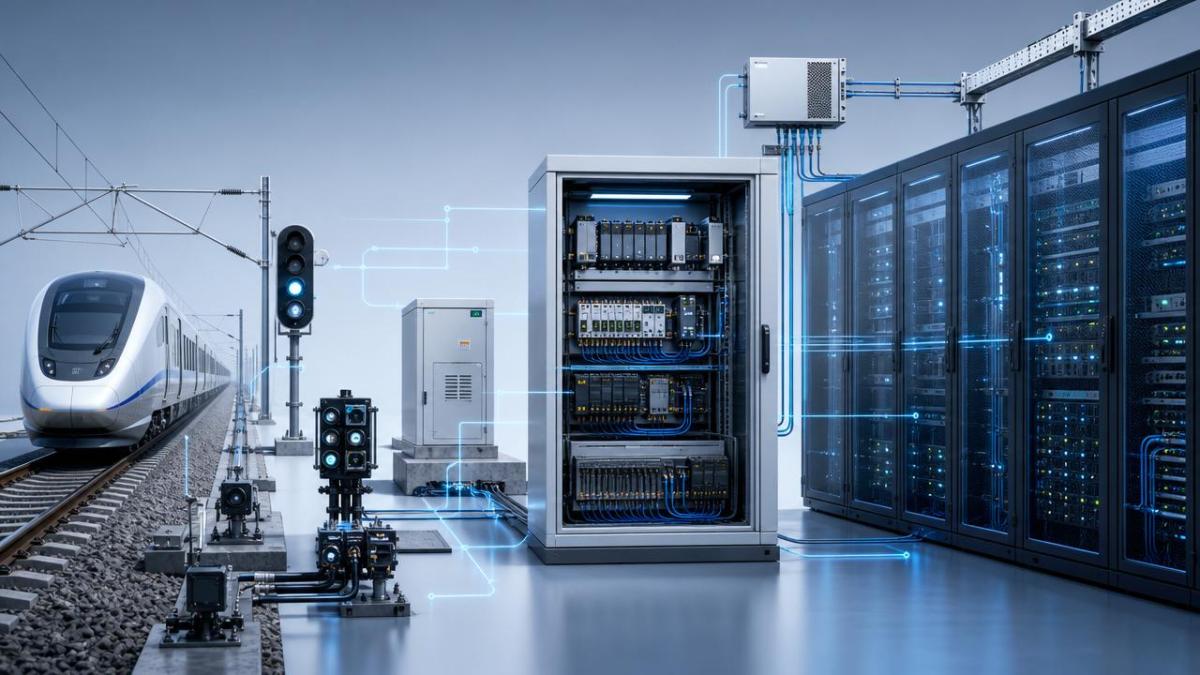
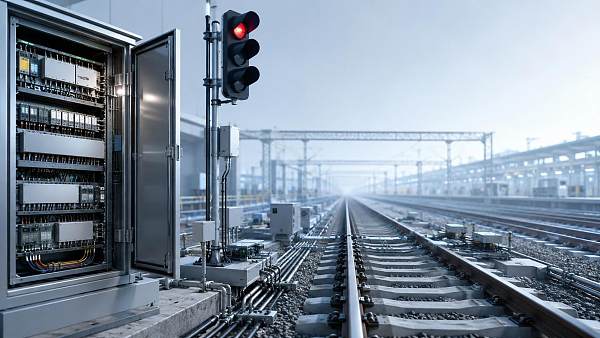
Railway automation systems now sit at the intersection of signalling, onboard control, telecom networks, traction coordination, diagnostics, and cybersecurity. For procurement teams, that means the lowest purchase price rarely represents the lowest project cost.
In 2026, buyers are also facing tighter safety expectations, stronger digitalization targets, and more scrutiny over supply chain resilience. A procurement error in an automation package can delay commissioning, increase interface disputes, or create operational restrictions that last for years.
GTOT follows these decisions from the perspective of rail control architecture, traction performance, and broader transport infrastructure investment cycles. That cross-domain view matters because procurement risk often emerges not from one component, but from weak system stitching across control, power, braking, and data layers.
- Mainline and metro operators are expanding unattended or semi-automated operation, increasing dependence on interoperable signalling and resilient control logic.
- Urban rail projects are under pressure to shorten headways without compromising SIL-oriented safety design and maintainability.
- Cross-border supply chains create procurement exposure around software support, spare parts continuity, and standard compliance over a ten- to twenty-year lifecycle.
What procurement teams are really buying
When evaluating railway automation systems, buyers are not simply buying hardware cabinets, onboard units, or control software. They are buying operational availability, upgrade paths, data visibility, maintainability, and the supplier’s ability to manage interfaces under strict safety rules.
That is why technical equivalence on a datasheet is often misleading. Two systems may appear similar in nominal functions, yet differ sharply in integration effort, engineering documentation quality, or response time during testing and certification stages.
Which cost factors matter most beyond the initial bid price?
For many buyers, the visible equipment quote covers only part of the total commitment. The table below highlights the main cost layers procurement teams should map before comparing railway automation systems suppliers.
The key lesson is simple: procurement should model total cost of ownership, not just capex. In complex railway automation systems, integration and support often drive the biggest budget deviations after contract award.
Hidden cost drivers that frequently distort budgets
Several cost drivers are routinely underestimated during tender evaluation. Software licensing terms may be unclear. Interface responsibilities may be split across civil, rolling stock, and signalling contractors. Spare parts lists may exclude end-of-life replacements for key electronics.
Another frequent issue is training scope. If maintainers cannot handle diagnostics, log extraction, and software version control internally, operators remain dependent on external support, increasing service cost and slowing fault recovery.
- Check whether pricing includes interface simulation tools and test benches.
- Ask how software updates are licensed during warranty and after warranty.
- Confirm whether cybersecurity patching is part of baseline support or a separate service item.
How should buyers compare different railway automation systems offers?
A robust comparison framework helps procurement teams avoid attractive but incomplete proposals. The following table can be used in supplier evaluation meetings, especially when technical and commercial teams need a common decision structure.
This comparison method also helps separate technically mature suppliers from vendors that mainly compete on a limited equipment price. For procurement professionals, the best offer is usually the one with the clearest risk ownership and the most credible lifecycle plan.
Use weighted scoring, not binary qualification
Many tenders treat requirements as pass or fail, but railway automation systems procurement benefits from weighted scoring. A supplier that merely meets baseline signalling functionality may still score poorly on cybersecurity governance, maintainability, or software support transparency.
GTOT’s industry perspective is useful here because procurement decisions do not happen in isolation. Signal control choices influence traction coordination, braking response logic, operating headways, and even future interoperability with digital monitoring platforms.
What are the biggest risk factors in implementation and operation?
The most expensive risks in railway automation systems often surface after contract signing. Buyers should therefore assess implementation risk with the same rigor as product capability.
1. Interface and integration risk
Automation systems must interact with rolling stock control, telecom backbones, platform systems, power infrastructure, and sometimes legacy signalling. If interface definitions remain vague, testing can stall and root-cause analysis becomes slow and expensive.
2. Cybersecurity and remote access risk
As more diagnostics and software maintenance functions become connected, cyber exposure rises. Remote support may be operationally useful, but it must be governed through controlled access, event logging, and clear patching responsibility.
3. Obsolescence and spare parts risk
Electronic components evolve faster than rail asset lifecycles. A system that looks cost-effective today may require expensive redesign later if processors, communication modules, or proprietary boards become obsolete without a documented transition plan.
4. Compliance and acceptance risk
Rail projects are heavily document-driven. Missing verification evidence, incomplete hazard records, or unclear safety responsibility allocation can delay third-party review and regulatory acceptance even when equipment is physically installed.
- Request a draft interface control structure before contract award.
- Review the supplier’s obsolescence policy and software support horizon in writing.
- Check how incident response, cyber patch validation, and rollback procedures are documented.
- Align test milestones with civil works, rolling stock readiness, and operations training schedules.
Which standards and compliance areas should procurement teams verify?
Different markets apply different approval paths, but buyers should still verify whether railway automation systems are developed and documented according to recognized rail safety and system engineering practices. The table below summarizes the main compliance checkpoints.
Procurement teams do not need to become certification bodies, but they do need enough technical discipline to identify evidence gaps early. That is especially important in restricted tenders where documentation quality strongly influences commercial credibility.
How can buyers reduce lifecycle risk before signing the contract?
The most practical protection comes from contract structure and pre-award clarification. Railway automation systems should be purchased with measurable obligations tied to integration, support, and documentation, not only hardware delivery.
- Define a detailed interface matrix covering rolling stock, telecom, power, platform equipment, depot systems, and control center links.
- Set clear milestones for design review, factory acceptance test, site acceptance test, trial operation, and software freeze dates.
- Require a lifecycle support package that includes spare parts strategy, training scope, response times, and obsolescence management.
- Include cybersecurity obligations for access control, patch validation, remote service procedures, and incident reporting.
- Request transparent change-order rules to prevent cost escalation from foreseeable integration activities.
This is where GTOT adds decision value. Because the platform tracks railway signalling, traction power interfaces, braking technologies, and macro transport investment trends, it helps procurement teams ask sharper technical-commercial questions before they become project claims.
Why cross-domain insight matters
Railway automation systems do not operate alone. Headway targets interact with braking performance. High-speed current collection stability affects onboard control reliability. Digitalization goals influence data architecture and maintenance workflows. A narrow purchase decision can therefore create broader system inefficiency.
GTOT’s land-sea intelligence approach is relevant because large infrastructure buyers increasingly compare vendors on resilience, efficiency, and lifecycle governance across multiple transport technologies. The same discipline that supports high-integrity rail control also supports high-value asset management in maritime and energy-linked logistics chains.
FAQ: common procurement questions about railway automation systems
How should we choose between a lower-cost bid and a more mature system offer?
Compare total lifecycle exposure, not list price alone. If the lower-cost bid lacks clear support terms, software governance, or interface ownership, it may trigger later costs in testing, change orders, and operations support. A mature offer often protects schedule and availability better.
What deployment scenarios make railway automation systems especially complex?
Brownfield upgrades are usually more complex than greenfield projects because legacy signalling, mixed fleets, and limited possession windows constrain implementation. High-density urban corridors and high-speed lines also raise performance and safety verification demands.
What should procurement teams ask about software support?
Ask about version control, release approval, patch timelines, backward compatibility, cybersecurity fixes, and the duration of supported software branches. Also confirm whether operator staff will receive tools and permissions for diagnostics, backups, and controlled recovery actions.
How long is a reasonable support horizon for railway automation systems?
It depends on the project, but support planning should reflect long rail asset lifecycles rather than short electronics cycles. Buyers should seek clarity on spare parts continuity, alternative component pathways, and upgrade planning well beyond the basic warranty period.
Why choose us for procurement intelligence and supplier evaluation support?
GTOT is positioned for buyers who need more than catalog-level information. Our strength lies in connecting railway signal control systems, high-speed traction interfaces, braking performance logic, and broader global transport investment dynamics into practical procurement judgment.
If you are evaluating railway automation systems for 2026 projects, we can support targeted discussions around parameter confirmation, subsystem interface review, product selection priorities, indicative delivery cycle expectations, compliance documentation focus points, and supplier comparison logic.
You can also consult us on customization pathways, support scope definitions, tender documentation questions, sample or technical material requests, and quotation communication strategy for highly regulated rail procurement environments. For teams balancing safety, digitalization, and long-term asset value, early technical-commercial clarity is often the strongest cost control tool.
Recommended News
 Sep 29, 2026What drives traction systems price differences between rail projects?Traction systems price differences explained: compare duty cycles, voltage compatibility, integration, localization, and lifecycle costs for smarter rail procurement.
 Sep 26, 2026What to assess before selecting an electric traction system manufacturerChoose an electric traction system manufacturer with confidence. Explore key criteria for performance, reliability, safety, integration, energy efficiency, and lifecycle support.
 Sep 25, 2026When do full digitalization systems justify the investment?Full digitalization systems: discover when rail and maritime operators can turn connected data into safer operations, higher availability, and measurable ROI.
 Sep 23, 2026What drives automatic train control systems cost on rail projects?Automatic train control systems cost depends on integration, migration, safety testing, communications, and lifecycle support. Explore the key budget drivers for rail projects.
 Sep 21, 2026How to assess an ocean going vessel builder’s delivery riskAssess an ocean going vessel builder’s delivery risk with proven checks for schedules, capacity, design maturity, critical equipment, quality, and project controls.
 Sep 20, 2026What drives rail safety technology costs over a project lifecycle?Rail safety technology cost goes beyond equipment—explore lifecycle drivers from integration and safety assurance to cybersecurity, commissioning, and obsolescence.
 Sep 16, 2026What to verify before choosing an advanced ocean-going vessels supplierAdvanced ocean-going vessels supplier checklist: verify design authority, build quality, digital systems, delivery reliability, and lifecycle support before you buy.
 Sep 15, 2026What rail safety technology best reduces level-crossing risks in Southeast Asia?Rail safety technology Southeast Asia: discover how fail-safe signalling, barriers, obstacle detection and remote monitoring reduce level-crossing risks.
 Sep 14, 2026How exporters can reduce customs delays in global trade logisticsGlobal trade logistics for exporters: reduce customs delays with accurate data, clearance-ready documents, early filing, and proactive exception management.
 Sep 13, 2026When do global transportation network systems reduce delivery delays?Global transportation network systems reduce delivery delays by improving rail-port-vessel coordination, real-time visibility, and proactive decisions across complex land-sea supply chains.
 Sep 09, 2026When should you choose a rail and maritime manufacturer with dual-sector capability?Rail and maritime manufacturer guide: learn when dual-sector capability reduces integration risk, improves lifecycle support, and strengthens rail-to-port operations.
 Sep 08, 2026What to verify before selecting a railway signalling equipment supplierRailway signalling equipment supplier checklist: verify safety evidence, integration, cybersecurity, delivery capability, and lifecycle support before award.
 Sep 07, 2026How to size a traction power transformer for railway load demandTraction power transformer sizing guide: model railway load demand, peak duty, voltage regulation, harmonics, and contingency capacity for reliable service.
 Sep 07, 2026How do customization options for industrial connectors affect lead times?Customization options for industrial connectors can impact lead times, cost, and compliance. Learn how to specify smarter for rail and marine projects.
 Sep 05, 2026What information should an industrial sourcing guide include?Industrial sourcing information procurement guide: evaluate suppliers, compliance, lifecycle costs, interfaces, and lead times for smarter rail and maritime purchasing decisions.
 Sep 01, 2026How to find reliable maritime tender information before biddingMaritime tender information: learn how to verify sources, define bid-ready scopes, check qualifications, and reduce risk before submitting competitive marine bids.
 Aug 30, 2026How to select railway automation equipment for depots with phased upgradesRailway automation equipment for depots: learn how to plan phased upgrades that improve safety, throughput, integration, and lifecycle control.
 Aug 27, 2026How industrial sourcing intelligence pricing data supports budget approvalIndustrial sourcing intelligence pricing data helps teams benchmark scope, assess supplier risk, and build defensible budget approvals for complex rail and maritime assets.
 Aug 26, 2026When does a marine fuel efficiency solution make financial sense in the Middle East?Marine fuel efficiency solution Middle East: learn when retrofit savings, compliance value, and vessel data align to deliver credible ROI and smarter shipping investment decisions.
 Aug 24, 2026When does maritime automation for tankers deliver a real payback?Maritime automation for tankers delivers real payback when it cuts fuel use, reduces cargo risk, and improves uptime. See how owners can time investment for stronger ROI.
 Aug 23, 2026When do maritime logistics systems in the Middle East justify the costMaritime logistics systems Middle East: discover when rising delays, manual coordination, and poor visibility make system investment the smarter move for regional operators.
 Aug 22, 2026What drives vessel navigation system price for commercial fleetsVessel navigation system price depends on integration, compliance, automation, and support—not just hardware. Learn what drives fleet costs and compare quotes with confidence.
 Aug 21, 2026How to assess shipbuilding maritime tenders before biddingShipbuilding maritime tenders require more than price checks. Learn how to assess technical scope, compliance, supply chain, and commercial risk before bidding with confidence.
 Aug 20, 2026When does working with an ocean-going vessels distributor reduce supply risk?Ocean-going vessels distributor: learn when this partner cuts supply risk through stronger compliance, faster response, and better sourcing resilience in complex maritime procurement.