



Search News
Industry Portal
Popular Tags
Rail Infrastructure Investment Opportunities: What Makes a Project Bankable?
Author
Time
Click Count
For financial approvers, rail infrastructure investment opportunities only become attractive when risk, revenue certainty, and long-term asset performance align. A bankable rail project is not defined by size alone. It must show dependable demand, resilient cash flow, proven systems, regulatory clarity, and credible delivery capability. In today’s mobility market, where decarbonization, automation, and supply chain resilience are reshaping transport priorities, understanding what makes a project financeable is now as important as understanding what makes it technically possible.
Why rail infrastructure investment opportunities are gaining new momentum
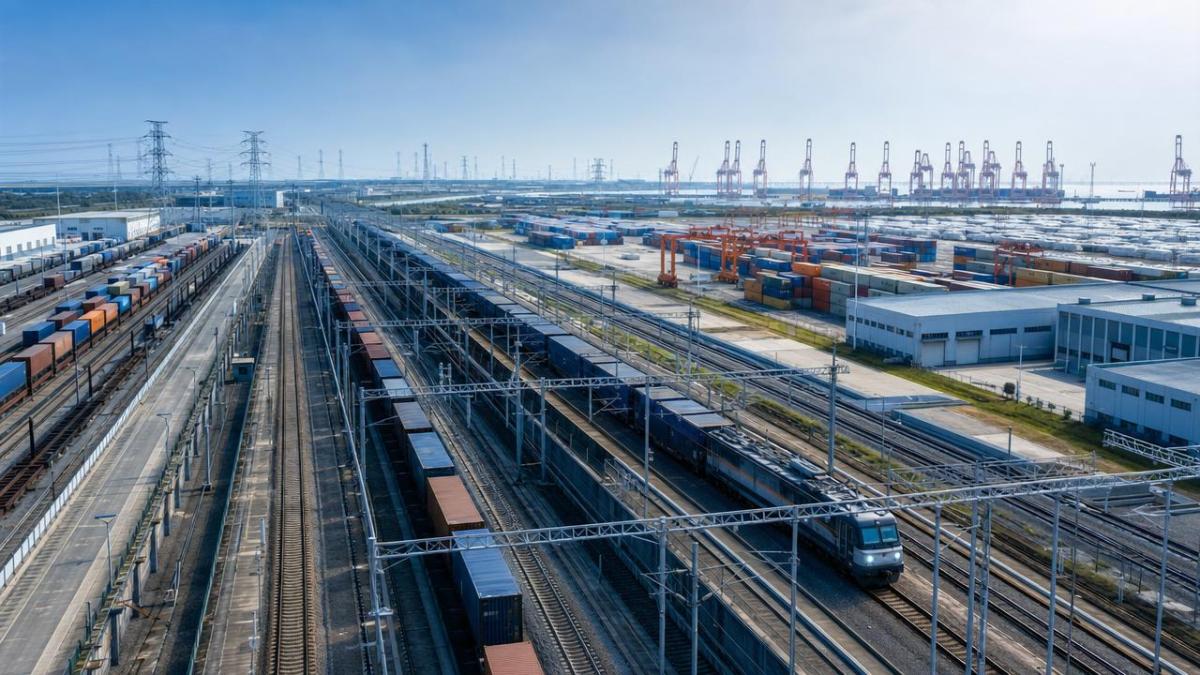
Global transport systems are being redesigned around resilience, lower emissions, and higher throughput. Rail fits all three priorities. That is why rail infrastructure investment opportunities are attracting renewed attention.
Public budgets alone cannot fund network expansion, modern signaling, electrification, and multimodal links. Private capital is entering the discussion, but only where project structures support long-term bankability.
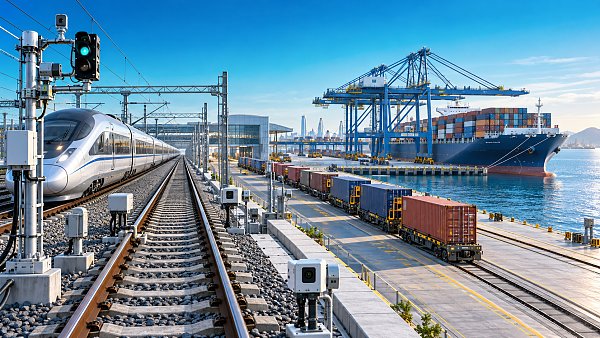
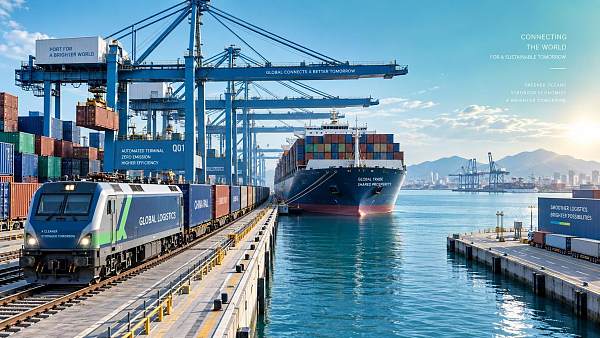
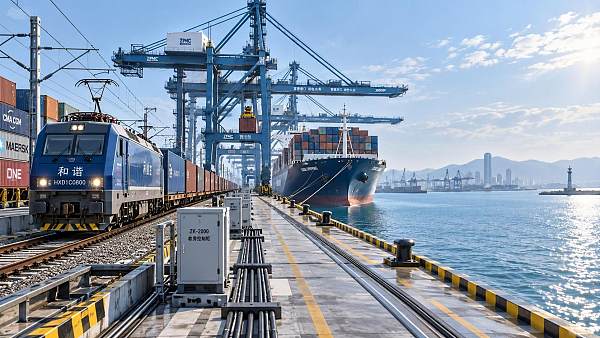
This shift matters across the broader transport industry. Rail corridors increasingly connect with ports, logistics hubs, smart container flows, and energy supply chains. Bankable rail assets now influence land-sea efficiency together.
At the same time, lenders are stricter. They look beyond headline passenger forecasts or political announcements. They test technology maturity, operating assumptions, contractual protections, and downside resilience before supporting rail infrastructure investment opportunities.
The market signal is clear: ambition alone no longer makes a rail project financeable
Many rail programs begin with strategic importance. Fewer reach financial close smoothly. The difference usually comes down to whether a project can convert policy intent into measurable, defendable commercial performance.
Investors increasingly ask practical questions. Who pays? What protects revenue? How robust is demand if growth slows? Can operations maintain safety and punctuality? What happens when costs rise?
For this reason, the best rail infrastructure investment opportunities combine infrastructure logic with operating realism. They are planned as long-life systems, not isolated construction events.
Key trend signals shaping bankability
- Decarbonization targets are favoring electrified and modal-shift projects.
- Digital signaling improves capacity, safety, and asset productivity.
- Urban congestion supports commuter and metro expansion cases.
- Freight diversification increases interest in inland rail-port corridors.
- Capital providers are prioritizing proven delivery teams and transparent risk allocation.
What actually makes rail infrastructure investment opportunities bankable
Bankability rests on a disciplined combination of commercial strength, technical reliability, and institutional confidence. Strong projects usually perform well across several linked dimensions, not just one.
Core bankability drivers
In practice, the most attractive rail infrastructure investment opportunities are those where these factors reinforce each other. A strong traffic case is not enough if signaling integration is uncertain.
Likewise, modern equipment alone does not solve weak contractual design. Projects become financeable when technical systems, operational assumptions, and legal frameworks are aligned from the start.
Why technology quality now plays a bigger role in project finance
Technology has moved from a secondary engineering issue to a central bankability factor. Modern rail assets depend on high-integrity control, efficient power collection, and predictable braking performance.
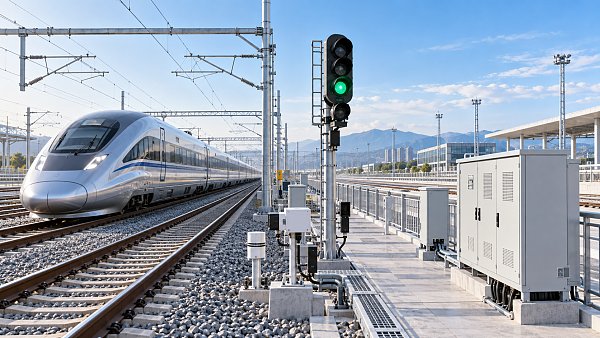
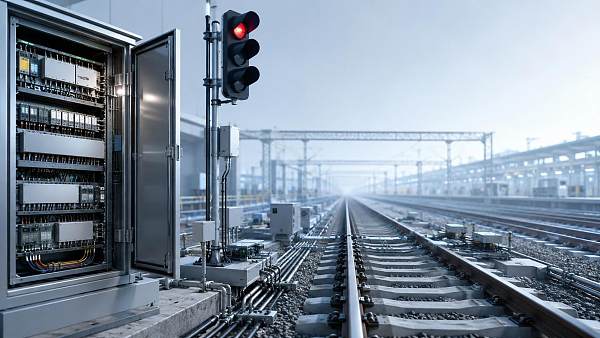
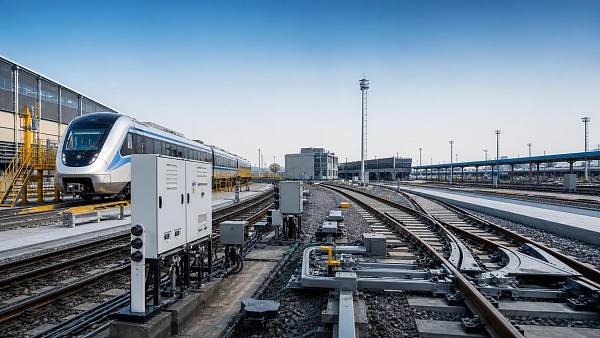
For example, railway signal control systems shape capacity, safety, and automation potential. SIL4-grade architecture can directly influence lender confidence by reducing operational risk and supporting performance guarantees.
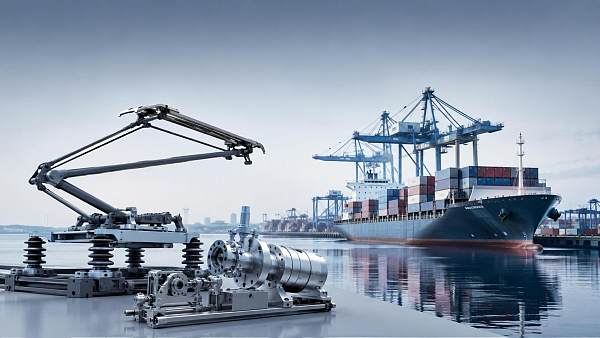
Pantographs also matter more than many financing models assume. Stable current collection at very high speeds supports energy efficiency, timetable reliability, and lower wear. These outcomes affect lifecycle economics.
Rail transit braking systems are equally critical. Precision stopping, thermal stability, and integrated electronic control shape both safety outcomes and maintenance planning. Bankable projects must quantify these operational implications.
This is where intelligence platforms such as GTOT add value. By tracking component trends, safety standards, and performance evolution, they help connect engineering quality with investment judgment.
Technology questions that affect financing confidence
- Is the control architecture proven in comparable operating conditions?
- Can traction power and current collection remain stable at planned speeds?
- Do braking systems support safe stopping under peak loads and adverse weather?
- Are spare parts, maintenance skills, and diagnostics available locally?
- Can digital upgrades be added without major service disruption?
How changing conditions affect different business links across transport
The implications of rail infrastructure investment opportunities extend beyond rail operators. Port connectivity, inland logistics, energy flows, and industrial distribution networks all feel the effects.
A freight corridor linked to container terminals can reduce landside bottlenecks. Better rail access supports smarter vessel turnaround planning and more reliable hinterland movement for time-sensitive cargo.
Passenger projects have different effects. They can unlock urban density, labor mobility, and station-area development. But they also require tighter fare policy assumptions and stronger public-service support structures.
Impact by business link
- Infrastructure developers: stronger emphasis on lifecycle planning and interface control.
- Equipment ecosystems: growing demand for reliable signaling, pantographs, and braking components.
- Logistics networks: better corridor predictability improves multimodal scheduling.
- Capital markets: more selective support based on transparent risk-sharing models.
- Policy systems: greater need for stable regulation and coordinated approvals.
Where to focus when evaluating rail infrastructure investment opportunities now
Current market conditions reward disciplined screening. Not every strategic corridor becomes a strong investment case. Attention should stay on the variables that most directly shape downside resilience.
Priority checkpoints
- Validate traffic forecasts against independent demographic and trade data.
- Separate political commitment from enforceable payment mechanisms.
- Review technology packages for interoperability and maintenance realism.
- Stress-test capital expenditure, inflation, and schedule assumptions.
- Map supply chain concentration risk for critical components.
- Check land, permit, and environmental approval readiness early.
- Assess whether concession terms support long-term asset stewardship.
The strongest rail infrastructure investment opportunities usually show consistency across these checkpoints. Weakness in one area can often be managed. Weakness across several areas usually destroys financeability.
Practical judgment frameworks for the next wave of bankable projects
A useful way to judge future projects is to ask whether each one solves a real transport constraint with measurable commercial value. If the answer is unclear, bankability will likely remain weak.
For long-term observers of land-sea transport systems, this framework is increasingly relevant. Rail project quality now affects not only mobility outcomes, but also wider logistics efficiency and industrial competitiveness.
What should happen next if a project looks promising
Once a project appears attractive, the next step is not faster promotion. It is sharper validation. Confirm the demand case, verify technical assumptions, and align financing structure with realistic operating performance.
Use intelligence sources that connect equipment trends, safety standards, and logistics patterns. This helps reveal whether apparent rail infrastructure investment opportunities are genuinely bankable or merely politically visible.
GTOT’s cross-sector perspective is useful here because bankability increasingly depends on how rail systems interact with supply chains, digital control, and broader transport infrastructure. Better decisions begin with better technical and commercial visibility.
In the coming cycle, successful rail infrastructure investment opportunities will be the ones built on evidence, not excitement. Projects that unite dependable demand, resilient technology, and disciplined execution will remain the most financeable.
Recommended News
 Sep 29, 2026What drives traction systems price differences between rail projects?Traction systems price differences explained: compare duty cycles, voltage compatibility, integration, localization, and lifecycle costs for smarter rail procurement.
 Sep 26, 2026What to assess before selecting an electric traction system manufacturerChoose an electric traction system manufacturer with confidence. Explore key criteria for performance, reliability, safety, integration, energy efficiency, and lifecycle support.
 Sep 25, 2026When do full digitalization systems justify the investment?Full digitalization systems: discover when rail and maritime operators can turn connected data into safer operations, higher availability, and measurable ROI.
 Sep 23, 2026What drives automatic train control systems cost on rail projects?Automatic train control systems cost depends on integration, migration, safety testing, communications, and lifecycle support. Explore the key budget drivers for rail projects.
 Sep 21, 2026How to assess an ocean going vessel builder’s delivery riskAssess an ocean going vessel builder’s delivery risk with proven checks for schedules, capacity, design maturity, critical equipment, quality, and project controls.
 Sep 20, 2026What drives rail safety technology costs over a project lifecycle?Rail safety technology cost goes beyond equipment—explore lifecycle drivers from integration and safety assurance to cybersecurity, commissioning, and obsolescence.
 Sep 16, 2026What to verify before choosing an advanced ocean-going vessels supplierAdvanced ocean-going vessels supplier checklist: verify design authority, build quality, digital systems, delivery reliability, and lifecycle support before you buy.
 Sep 15, 2026What rail safety technology best reduces level-crossing risks in Southeast Asia?Rail safety technology Southeast Asia: discover how fail-safe signalling, barriers, obstacle detection and remote monitoring reduce level-crossing risks.
 Sep 14, 2026How exporters can reduce customs delays in global trade logisticsGlobal trade logistics for exporters: reduce customs delays with accurate data, clearance-ready documents, early filing, and proactive exception management.
 Sep 13, 2026When do global transportation network systems reduce delivery delays?Global transportation network systems reduce delivery delays by improving rail-port-vessel coordination, real-time visibility, and proactive decisions across complex land-sea supply chains.
 Sep 09, 2026When should you choose a rail and maritime manufacturer with dual-sector capability?Rail and maritime manufacturer guide: learn when dual-sector capability reduces integration risk, improves lifecycle support, and strengthens rail-to-port operations.
 Sep 08, 2026What to verify before selecting a railway signalling equipment supplierRailway signalling equipment supplier checklist: verify safety evidence, integration, cybersecurity, delivery capability, and lifecycle support before award.
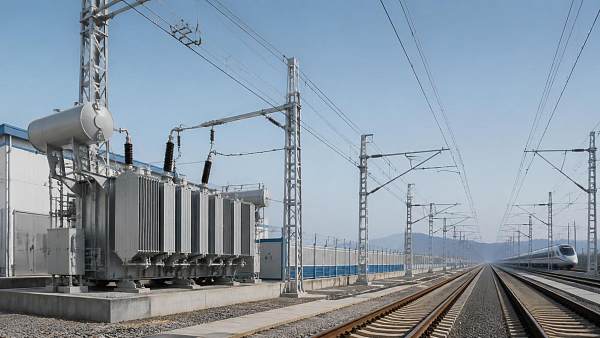
 Sep 07, 2026How to size a traction power transformer for railway load demandTraction power transformer sizing guide: model railway load demand, peak duty, voltage regulation, harmonics, and contingency capacity for reliable service.
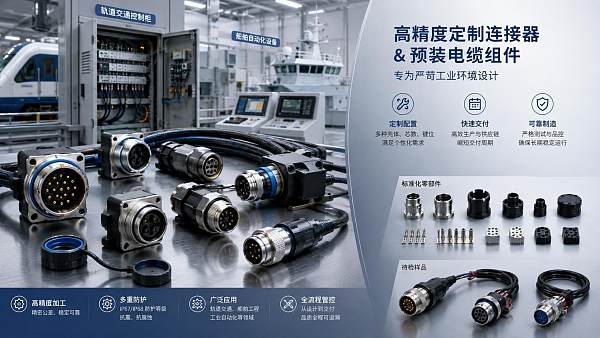
 Sep 07, 2026How do customization options for industrial connectors affect lead times?Customization options for industrial connectors can impact lead times, cost, and compliance. Learn how to specify smarter for rail and marine projects.
 Sep 05, 2026What information should an industrial sourcing guide include?Industrial sourcing information procurement guide: evaluate suppliers, compliance, lifecycle costs, interfaces, and lead times for smarter rail and maritime purchasing decisions.
 Sep 01, 2026How to find reliable maritime tender information before biddingMaritime tender information: learn how to verify sources, define bid-ready scopes, check qualifications, and reduce risk before submitting competitive marine bids.
 Aug 30, 2026How to select railway automation equipment for depots with phased upgradesRailway automation equipment for depots: learn how to plan phased upgrades that improve safety, throughput, integration, and lifecycle control.
 Aug 27, 2026How industrial sourcing intelligence pricing data supports budget approvalIndustrial sourcing intelligence pricing data helps teams benchmark scope, assess supplier risk, and build defensible budget approvals for complex rail and maritime assets.
 Aug 26, 2026When does a marine fuel efficiency solution make financial sense in the Middle East?Marine fuel efficiency solution Middle East: learn when retrofit savings, compliance value, and vessel data align to deliver credible ROI and smarter shipping investment decisions.
 Aug 24, 2026When does maritime automation for tankers deliver a real payback?Maritime automation for tankers delivers real payback when it cuts fuel use, reduces cargo risk, and improves uptime. See how owners can time investment for stronger ROI.
 Aug 23, 2026When do maritime logistics systems in the Middle East justify the costMaritime logistics systems Middle East: discover when rising delays, manual coordination, and poor visibility make system investment the smarter move for regional operators.
 Aug 22, 2026What drives vessel navigation system price for commercial fleetsVessel navigation system price depends on integration, compliance, automation, and support—not just hardware. Learn what drives fleet costs and compare quotes with confidence.
 Aug 21, 2026How to assess shipbuilding maritime tenders before biddingShipbuilding maritime tenders require more than price checks. Learn how to assess technical scope, compliance, supply chain, and commercial risk before bidding with confidence.
 Aug 20, 2026When does working with an ocean-going vessels distributor reduce supply risk?Ocean-going vessels distributor: learn when this partner cuts supply risk through stronger compliance, faster response, and better sourcing resilience in complex maritime procurement.