



Search News
Industry Portal
Popular Tags
Intermodal Transportation Solutions for Global Trade: Cost Wins and Hidden Bottlenecks
Author
Time
Click Count
For business decision-makers navigating volatile freight markets, intermodal transportation solutions for global trade offer a practical route to lower landed cost, stronger continuity, and better end-to-end control.
The model looks simple on paper: combine rail, sea, road, and terminal assets into one synchronized flow. In reality, value depends on timing precision, equipment fit, and data continuity.
When those elements align, intermodal transportation solutions for global trade can outperform single-mode networks on cost, emissions, and risk diversification. When they do not, hidden bottlenecks quietly absorb margin.
Intermodal Transportation Solutions for Global Trade: Core Definition and Operating Logic
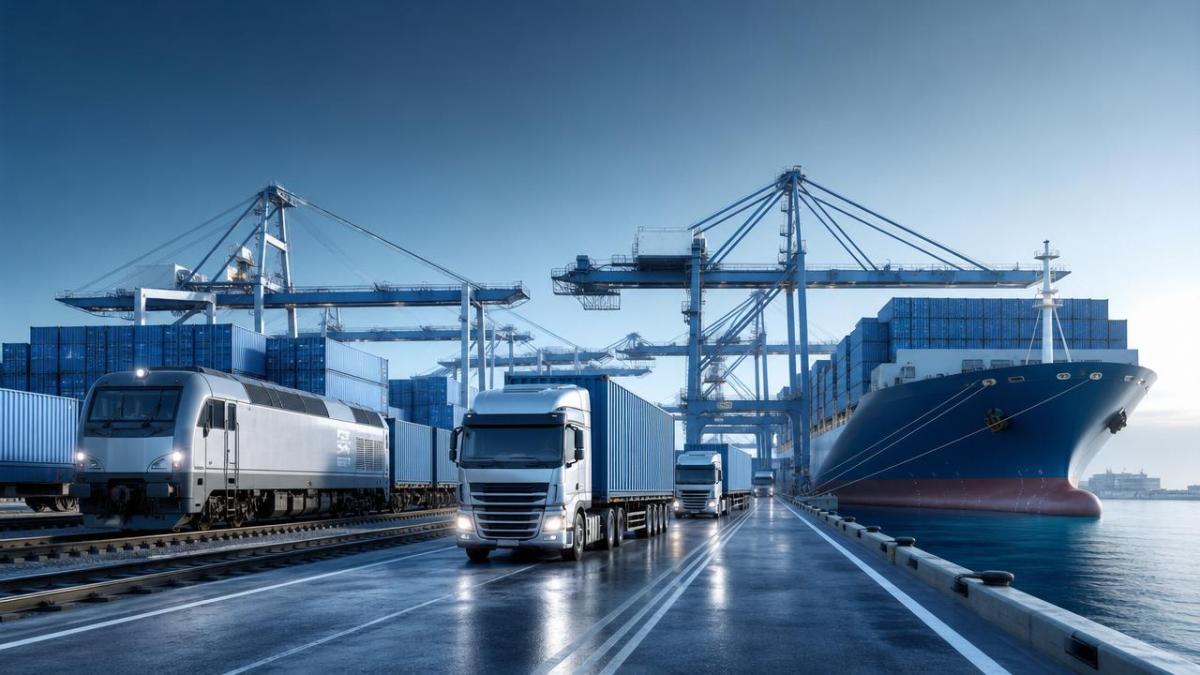
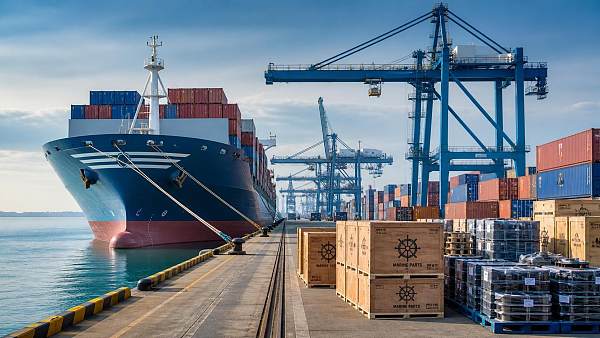
Intermodal transportation means moving cargo through multiple transport modes without repeatedly handling the goods themselves. The container, trailer, or swap body becomes the standard transfer unit.
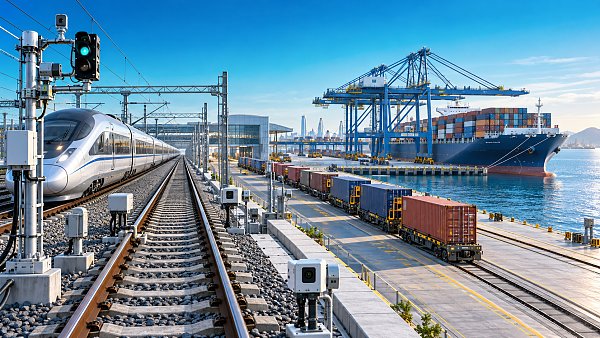
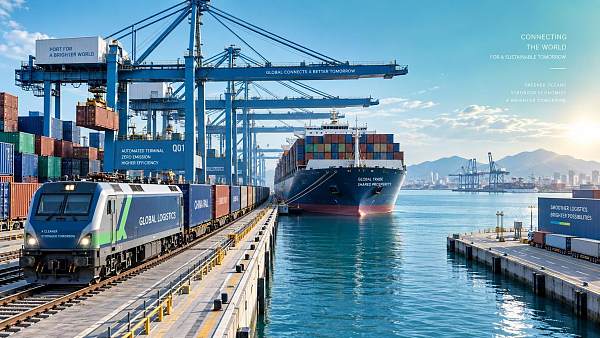
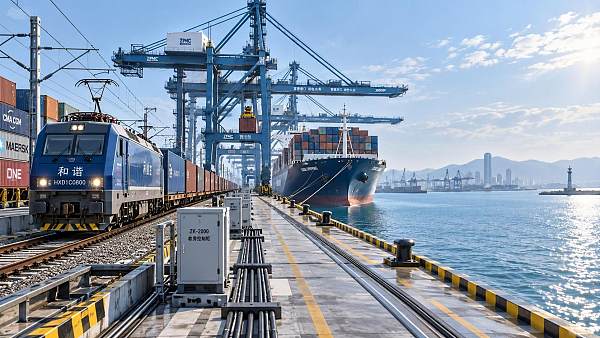
For global trade, the most common chain is factory drayage, inland rail, port terminal transfer, ocean transport, destination terminal handling, and final road delivery.
The strongest intermodal transportation solutions for global trade are not defined by low freight rates alone. They rely on schedule integrity, handoff discipline, asset visibility, and infrastructure compatibility.
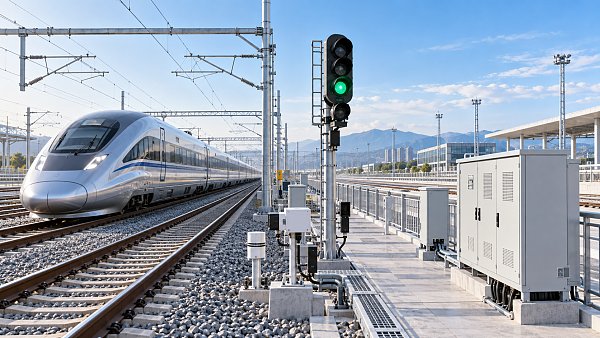
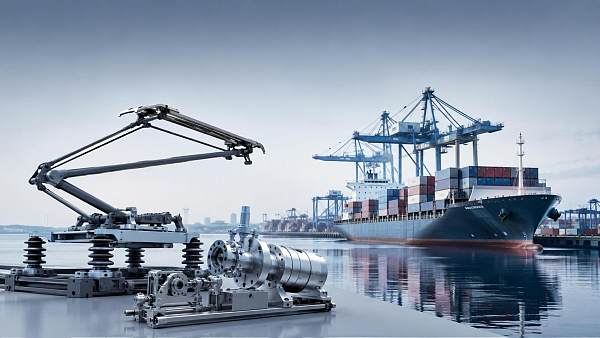
GTOT’s land-sea perspective matters here. Rail signal control, pantograph reliability, braking performance, smart vessel routing, and terminal intelligence all influence whether cargo moves smoothly or stalls unexpectedly.
What creates cost wins
- Long-haul rail reduces fuel intensity versus all-road transport.
- Large vessels spread fixed cost across higher cargo volumes.
- Standardized containers reduce cargo handling losses and damage.
- Network diversification lowers exposure to single-route disruption.
- Digital planning improves equipment utilization and dwell control.
Current Industry Signals Shaping Network Decisions
Today’s freight environment rewards balanced networks rather than cheapest spot moves. Energy swings, geopolitical shifts, decarbonization pressure, and infrastructure congestion are changing route economics.
Intermodal transportation solutions for global trade are gaining attention because they offer optionality. Yet optionality only works when physical systems and decision systems are aligned.
Where Business Value Is Actually Created
The business case for intermodal transportation solutions for global trade becomes strongest when total system cost replaces isolated mode pricing as the planning baseline.
A cheaper ocean leg means little if inland rail misses terminal windows. A fast rail route means little if destination drayage capacity is unstable.
Practical value dimensions
- Cost control: Better lane design lowers fuel, handling, storage, and detention exposure.
- Resilience: Multi-mode options reduce dependence on one corridor or one terminal.
- Visibility: Integrated milestones improve exception management and ETA accuracy.
- Asset efficiency: Better synchronization improves wagon, container, chassis, and vessel slot use.
- Sustainability: Rail and optimized ship deployment can reduce carbon intensity per unit moved.
GTOT’s technical lens highlights an overlooked point. Transport economics are often decided by engineering reliability: signaling uptime, braking confidence, traction continuity, berth productivity, and route optimization logic.
Those factors rarely appear in simple freight comparisons, but they directly shape throughput, delay frequency, and contingency cost.
Hidden Bottlenecks That Quietly Reduce Intermodal Performance
Many intermodal networks underperform not because the concept is flawed, but because friction accumulates at transfer points and control points.
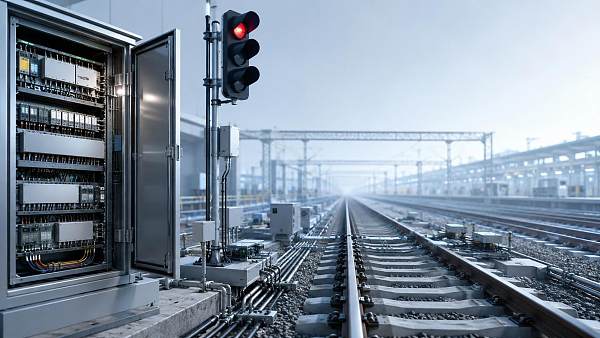
1. Rail signaling and corridor throughput
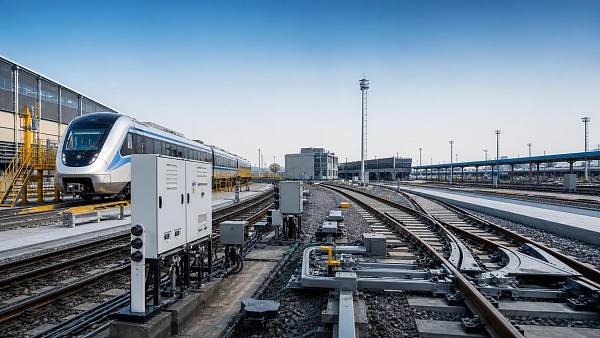
Rail capacity is not just track length. It depends on signaling architecture, dispatching logic, maintenance windows, and safety constraints.
Where signal systems are dense, automated, and reliable, train spacing improves. Where they are outdated, a theoretically attractive lane may face chronic schedule slippage.
2. Terminal interface congestion
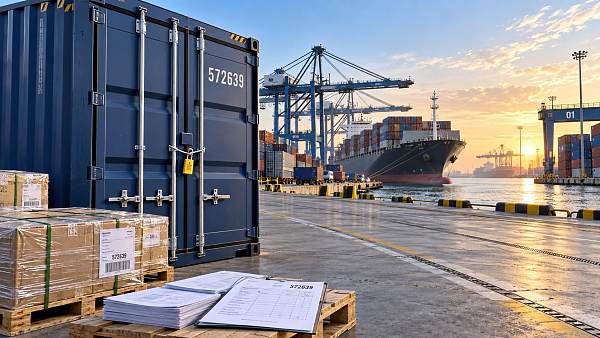
Ports and inland terminals create the most expensive waiting time. Crane productivity, gate processing, customs release, and yard design determine transfer velocity.
3. Vessel schedule unreliability
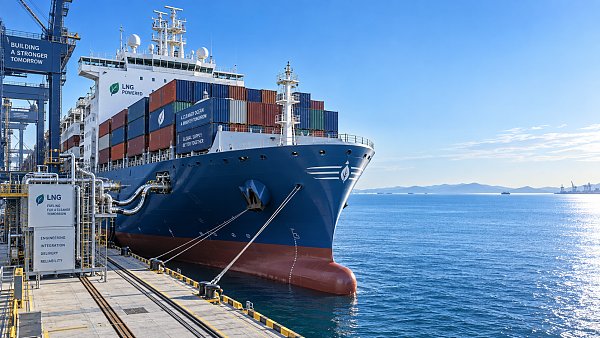
Even advanced smart container ships face weather disruption, berth delay, and cascading rotation changes. One missed arrival can break downstream rail and drayage planning.
4. Equipment and compatibility risk
Container type, chassis availability, axle load limits, tunnel clearance, and terminal handling capability all affect execution. Small mismatches often cause expensive rework.
5. Data fragmentation
Intermodal transportation solutions for global trade depend on milestone accuracy. If rail, port, vessel, and trucking data stay disconnected, delay response becomes reactive and slow.
Representative Intermodal Use Cases Across Global Trade
Different cargo and corridor profiles require different intermodal designs. The best model depends on value density, time sensitivity, equipment profile, and border complexity.
Practical Steps for Stronger Intermodal Transportation Solutions for Global Trade
Improvement starts with lane-level diagnosis rather than broad assumptions. Each handoff should be measured for time, variability, and exception cost.
- Map the full transport chain, including cutoff times, dwell points, and control ownership.
- Compare landed cost against total cost of delay, detention, stockout, and recovery actions.
- Assess infrastructure quality, especially signaling capability, terminal productivity, and berth stability.
- Standardize equipment planning to reduce compatibility failures across rail, port, and road interfaces.
- Build milestone visibility across all modes, not only ocean tracking.
- Create fallback routes for key corridors before disruption occurs.
Technical intelligence should support every step. GTOT’s focus on rail control systems, braking reliability, traction continuity, smart vessels, and LNG shipping evolution helps reveal where operational theory meets physical reality.
Execution Priorities for the Next Planning Cycle
Intermodal transportation solutions for global trade work best when transport strategy, infrastructure intelligence, and equipment performance are evaluated together.
The biggest gains usually come from removing small but repeated delays: poor terminal sequencing, low-quality milestone data, unstable rail windows, and vessel-to-inland disconnects.
A useful next step is to review top corridors through three lenses: true total cost, bottleneck frequency, and technical readiness of the land-sea chain.
With that approach, intermodal transportation solutions for global trade become more than a logistics concept. They become a disciplined framework for cost advantage, resilience, and smarter global network design.
Explore corridor intelligence, equipment trends, and land-sea system signals through GTOT to identify where intermodal performance can be strengthened before bottlenecks become structural.
Recommended News
 Sep 29, 2026What drives traction systems price differences between rail projects?Traction systems price differences explained: compare duty cycles, voltage compatibility, integration, localization, and lifecycle costs for smarter rail procurement.
 Sep 26, 2026What to assess before selecting an electric traction system manufacturerChoose an electric traction system manufacturer with confidence. Explore key criteria for performance, reliability, safety, integration, energy efficiency, and lifecycle support.
 Sep 25, 2026When do full digitalization systems justify the investment?Full digitalization systems: discover when rail and maritime operators can turn connected data into safer operations, higher availability, and measurable ROI.
 Sep 23, 2026What drives automatic train control systems cost on rail projects?Automatic train control systems cost depends on integration, migration, safety testing, communications, and lifecycle support. Explore the key budget drivers for rail projects.
 Sep 21, 2026How to assess an ocean going vessel builder’s delivery riskAssess an ocean going vessel builder’s delivery risk with proven checks for schedules, capacity, design maturity, critical equipment, quality, and project controls.
 Sep 20, 2026What drives rail safety technology costs over a project lifecycle?Rail safety technology cost goes beyond equipment—explore lifecycle drivers from integration and safety assurance to cybersecurity, commissioning, and obsolescence.
 Sep 16, 2026What to verify before choosing an advanced ocean-going vessels supplierAdvanced ocean-going vessels supplier checklist: verify design authority, build quality, digital systems, delivery reliability, and lifecycle support before you buy.
 Sep 15, 2026What rail safety technology best reduces level-crossing risks in Southeast Asia?Rail safety technology Southeast Asia: discover how fail-safe signalling, barriers, obstacle detection and remote monitoring reduce level-crossing risks.
 Sep 14, 2026How exporters can reduce customs delays in global trade logisticsGlobal trade logistics for exporters: reduce customs delays with accurate data, clearance-ready documents, early filing, and proactive exception management.
 Sep 13, 2026When do global transportation network systems reduce delivery delays?Global transportation network systems reduce delivery delays by improving rail-port-vessel coordination, real-time visibility, and proactive decisions across complex land-sea supply chains.
 Sep 09, 2026When should you choose a rail and maritime manufacturer with dual-sector capability?Rail and maritime manufacturer guide: learn when dual-sector capability reduces integration risk, improves lifecycle support, and strengthens rail-to-port operations.
 Sep 08, 2026What to verify before selecting a railway signalling equipment supplierRailway signalling equipment supplier checklist: verify safety evidence, integration, cybersecurity, delivery capability, and lifecycle support before award.
 Sep 07, 2026How to size a traction power transformer for railway load demandTraction power transformer sizing guide: model railway load demand, peak duty, voltage regulation, harmonics, and contingency capacity for reliable service.
 Sep 07, 2026How do customization options for industrial connectors affect lead times?Customization options for industrial connectors can impact lead times, cost, and compliance. Learn how to specify smarter for rail and marine projects.
 Sep 05, 2026What information should an industrial sourcing guide include?Industrial sourcing information procurement guide: evaluate suppliers, compliance, lifecycle costs, interfaces, and lead times for smarter rail and maritime purchasing decisions.
 Sep 01, 2026How to find reliable maritime tender information before biddingMaritime tender information: learn how to verify sources, define bid-ready scopes, check qualifications, and reduce risk before submitting competitive marine bids.
 Aug 30, 2026How to select railway automation equipment for depots with phased upgradesRailway automation equipment for depots: learn how to plan phased upgrades that improve safety, throughput, integration, and lifecycle control.
 Aug 27, 2026How industrial sourcing intelligence pricing data supports budget approvalIndustrial sourcing intelligence pricing data helps teams benchmark scope, assess supplier risk, and build defensible budget approvals for complex rail and maritime assets.
 Aug 26, 2026When does a marine fuel efficiency solution make financial sense in the Middle East?Marine fuel efficiency solution Middle East: learn when retrofit savings, compliance value, and vessel data align to deliver credible ROI and smarter shipping investment decisions.
 Aug 24, 2026When does maritime automation for tankers deliver a real payback?Maritime automation for tankers delivers real payback when it cuts fuel use, reduces cargo risk, and improves uptime. See how owners can time investment for stronger ROI.
 Aug 23, 2026When do maritime logistics systems in the Middle East justify the costMaritime logistics systems Middle East: discover when rising delays, manual coordination, and poor visibility make system investment the smarter move for regional operators.
 Aug 22, 2026What drives vessel navigation system price for commercial fleetsVessel navigation system price depends on integration, compliance, automation, and support—not just hardware. Learn what drives fleet costs and compare quotes with confidence.
 Aug 21, 2026How to assess shipbuilding maritime tenders before biddingShipbuilding maritime tenders require more than price checks. Learn how to assess technical scope, compliance, supply chain, and commercial risk before bidding with confidence.
 Aug 20, 2026When does working with an ocean-going vessels distributor reduce supply risk?Ocean-going vessels distributor: learn when this partner cuts supply risk through stronger compliance, faster response, and better sourcing resilience in complex maritime procurement.