Search News
Industry Portal
Popular Tags
EPC Contractors for Transportation Infrastructure: How to Compare Delivery Risk
Author
Time
Click Count
Choosing among EPC contractors for transportation infrastructure is not only a pricing decision. It directly affects delivery risk, schedule reliability, safety outcomes, lifecycle cost, and long-term network performance.
In rail, port, and multimodal projects, contracts often look similar on paper. Execution capability, however, varies sharply across interface control, procurement discipline, systems integration, and commissioning readiness.
A structured comparison method helps reveal hidden weaknesses early. That matters when projects involve signalling, traction power, braking systems, smart vessels, LNG logistics interfaces, or complex civil-electromechanical coordination.
What EPC Contractors for Transportation Infrastructure Are Expected to Deliver
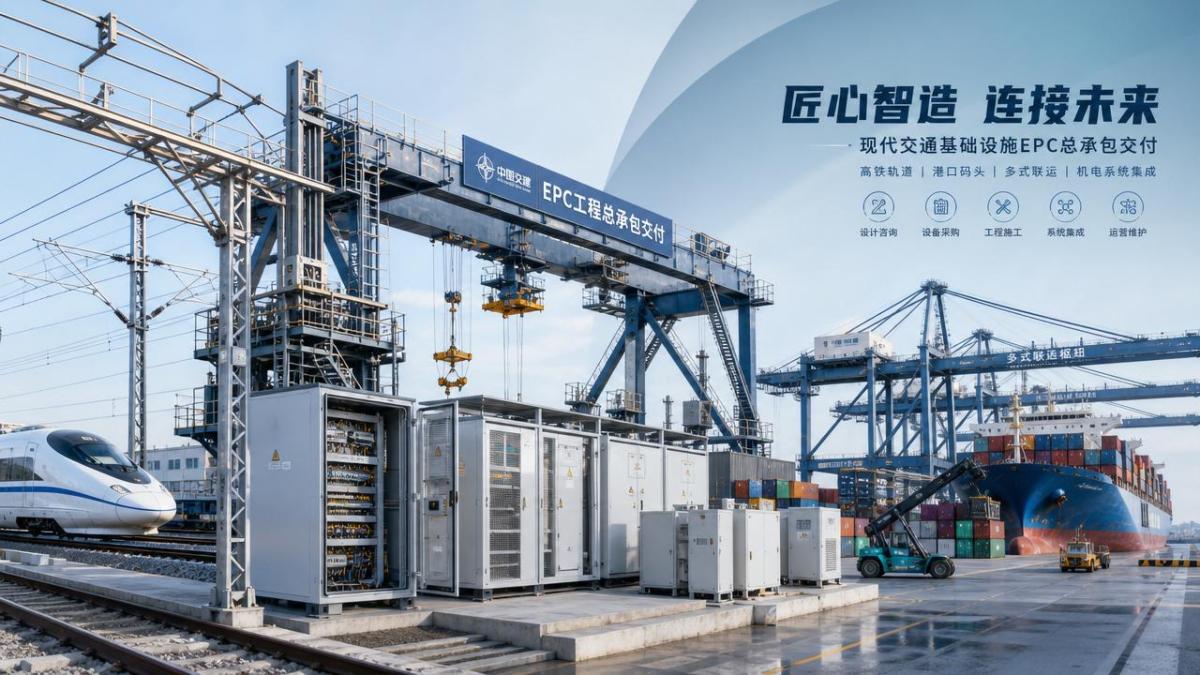
EPC contractors for transportation infrastructure are responsible for engineering, procurement, and construction under one delivery structure. In many projects, they also coordinate testing, commissioning, and handover.
This model is common in metro lines, high-speed rail, ports, intermodal yards, marine terminals, and logistics corridors. It is attractive because owners seek single-point accountability for complex delivery packages.
However, single-point accountability does not automatically reduce risk. It only transfers risk effectively when the contractor has the right technical depth, supply chain strength, and interface governance.
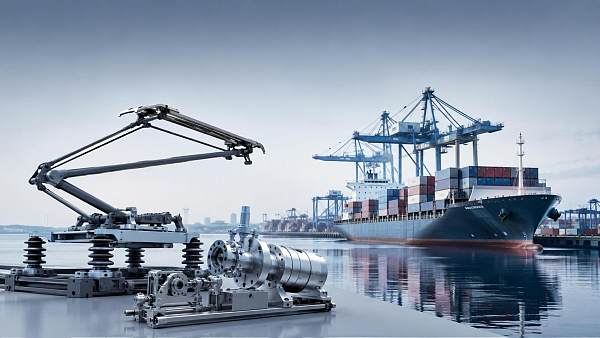
For transport assets, scope goes beyond civil works. It may include SIL4 railway control systems, pantographs, braking systems, terminal automation, vessel-side interfaces, cryogenic handling systems, and digital monitoring platforms.
Core delivery elements to compare
- Front-end design maturity and constructability review
- Procurement planning for long-lead critical equipment
- Systems integration across civil, power, control, and operations
- Quality assurance, safety management, and compliance evidence
- Testing, commissioning, and operational readiness planning
Why Delivery Risk Comparison Matters in Today’s Transport Market
The current market environment has made comparison more difficult. Cost pressure remains high, while technical complexity, decarbonization targets, and supply volatility continue to increase.
Projects now face tighter windows for land access, stricter environmental review, and greater dependence on imported systems. This is especially visible in rail signalling, traction packages, port electrification, and smart maritime assets.
GTOT’s industry focus highlights an important reality. Transportation infrastructure no longer depends on standalone hardware. It depends on intelligence stitched across control logic, energy systems, vessel operations, and supply chain timing.
Market signals affecting EPC selection
For this reason, evaluating EPC contractors for transportation infrastructure requires more than checking reference lists. The comparison must show how each bidder manages risk under real delivery conditions.
A Practical Framework to Compare EPC Contractors for Transportation Infrastructure
A useful framework combines technical, commercial, operational, and governance indicators. The goal is not to reward the lowest number. The goal is to identify the most controllable delivery path.
1. Design control and systems understanding
Look at design ownership in detail. Strong EPC contractors for transportation infrastructure show how civil, signalling, power, marine, and operational systems are coordinated from the start.
Evidence should include interface matrices, design review gates, change control logic, and constructability checks. Generic design narratives usually indicate future variation risk.
2. Procurement resilience
Critical packages often determine the real schedule. Review supplier lock-in exposure, approved vendor depth, manufacturing lead times, logistics routes, and substitution governance.
This is essential where projects depend on control electronics, specialised braking components, pantographs, cryogenic systems, or integrated terminal equipment.
3. Construction and commissioning readiness
Construction plans must connect to commissioning logic. A contractor may build quickly but still fail at energisation, dynamic testing, software validation, or operational integration.
Review possession planning, phased access assumptions, testing protocols, and the sequence from mechanical completion to revenue service.
4. Risk governance and claims behavior
The best proposals explain risk ownership clearly. Compare risk registers, contingency assumptions, notice procedures, and historical claims patterns on similar transport contracts.
A contractor that prices low but relies on aggressive claim recovery may create poor cost certainty later.
5. Safety, quality, and compliance maturity
Transport infrastructure cannot tolerate weak assurance systems. Compare safety case development, quality traceability, audit routines, and compliance records against relevant codes and standards.
Typical Transportation Scenarios and Risk Priorities
Different asset types require different comparison emphasis. The same contractor may perform strongly in one transport segment and poorly in another.
Representative scenarios
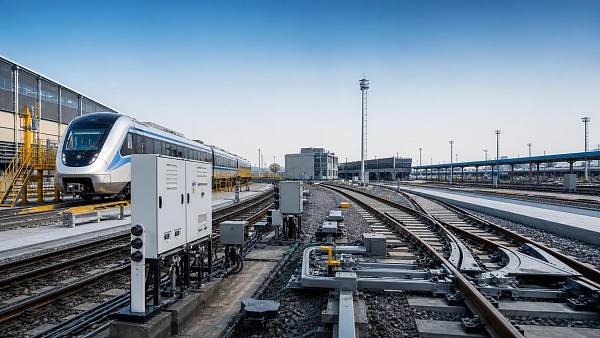
- Urban rail extensions: prioritise access planning, signalling integration, and live-network safety controls.
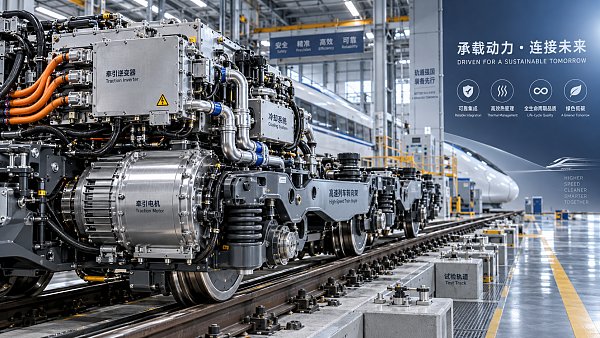
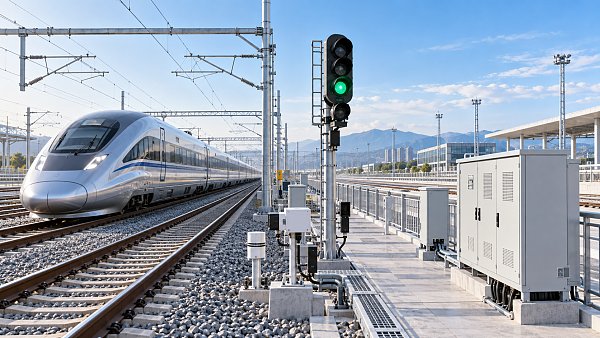
- High-speed rail packages: focus on traction, pantograph interface, braking performance, and high-precision testing.
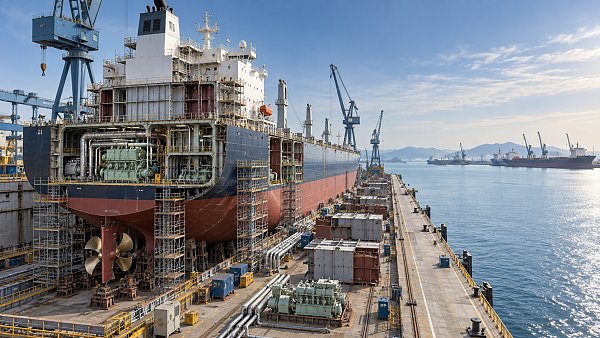
- Ports and terminals: compare marine-civil coordination, yard systems, electrification, and vessel turnaround logic.
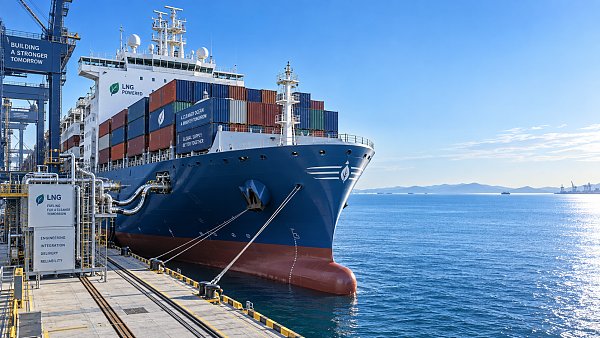
- LNG-linked facilities: examine cryogenic safety, containment interfaces, specialist suppliers, and operational readiness.
- Multimodal logistics corridors: assess digital coordination, phased delivery, and cross-agency interface management.
This segmentation improves evaluation quality. It prevents overreliance on generic EPC credentials that do not match the technical realities of the intended asset.
How Better Comparison Improves Asset Value and Operational Outcomes
Choosing the right EPC contractors for transportation infrastructure improves more than delivery. It shapes maintainability, energy efficiency, safety resilience, and operational reliability for years after handover.
In rail systems, poor early integration can reduce timetable performance later. In ports, weak digital coordination can erode throughput. In LNG or smart vessel interfaces, minor specification gaps can create major operational constraints.
A stronger contractor comparison process also supports financing discipline. Lenders, insurers, and public stakeholders respond better when delivery risk is transparent, quantified, and allocated credibly.
Practical Evaluation Steps Before Final Selection
Use a weighted scorecard, but do not rely on scoring alone. Pair it with interviews, clarification workshops, schedule challenge sessions, and deep reviews of exclusions and assumptions.
- Define critical risk categories before bid review starts.
- Request evidence, not summaries, for key delivery claims.
- Stress-test procurement and commissioning assumptions.
- Compare comparable scope boundaries across bidders.
- Check whether proposed teams match reference project complexity.
- Review post-handover support and defect response capability.
The strongest selection outcomes usually come from disciplined normalization. Price, schedule, and risk should be adjusted to reflect what each bidder is truly offering.
When comparing EPC contractors for transportation infrastructure, the best decision often comes from understanding delivery behavior, not just contract wording.
Next-Step Focus for Confident Contractor Assessment
A reliable review process starts with a clear risk map. Identify the interfaces that could stop operations, delay energisation, or weaken compliance before evaluating any commercial offer.
Then build a comparison file around technical evidence, procurement realism, and commissioning credibility. That approach gives a more dependable basis for selecting EPC contractors for transportation infrastructure.
For transport programs involving advanced rail systems, smart maritime assets, or land-sea logistics links, the most valuable question is simple: which contractor can control complexity without transferring it back later?
Recommended News
 Sep 29, 2026What drives traction systems price differences between rail projects?Traction systems price differences explained: compare duty cycles, voltage compatibility, integration, localization, and lifecycle costs for smarter rail procurement.
 Sep 26, 2026What to assess before selecting an electric traction system manufacturerChoose an electric traction system manufacturer with confidence. Explore key criteria for performance, reliability, safety, integration, energy efficiency, and lifecycle support.
 Sep 25, 2026When do full digitalization systems justify the investment?Full digitalization systems: discover when rail and maritime operators can turn connected data into safer operations, higher availability, and measurable ROI.
 Sep 23, 2026What drives automatic train control systems cost on rail projects?Automatic train control systems cost depends on integration, migration, safety testing, communications, and lifecycle support. Explore the key budget drivers for rail projects.
 Sep 21, 2026How to assess an ocean going vessel builder’s delivery riskAssess an ocean going vessel builder’s delivery risk with proven checks for schedules, capacity, design maturity, critical equipment, quality, and project controls.
 Sep 20, 2026What drives rail safety technology costs over a project lifecycle?Rail safety technology cost goes beyond equipment—explore lifecycle drivers from integration and safety assurance to cybersecurity, commissioning, and obsolescence.
 Sep 16, 2026What to verify before choosing an advanced ocean-going vessels supplierAdvanced ocean-going vessels supplier checklist: verify design authority, build quality, digital systems, delivery reliability, and lifecycle support before you buy.
 Sep 15, 2026What rail safety technology best reduces level-crossing risks in Southeast Asia?Rail safety technology Southeast Asia: discover how fail-safe signalling, barriers, obstacle detection and remote monitoring reduce level-crossing risks.
 Sep 14, 2026How exporters can reduce customs delays in global trade logisticsGlobal trade logistics for exporters: reduce customs delays with accurate data, clearance-ready documents, early filing, and proactive exception management.
 Sep 13, 2026When do global transportation network systems reduce delivery delays?Global transportation network systems reduce delivery delays by improving rail-port-vessel coordination, real-time visibility, and proactive decisions across complex land-sea supply chains.
 Sep 09, 2026When should you choose a rail and maritime manufacturer with dual-sector capability?Rail and maritime manufacturer guide: learn when dual-sector capability reduces integration risk, improves lifecycle support, and strengthens rail-to-port operations.
 Sep 08, 2026What to verify before selecting a railway signalling equipment supplierRailway signalling equipment supplier checklist: verify safety evidence, integration, cybersecurity, delivery capability, and lifecycle support before award.
 Sep 07, 2026How to size a traction power transformer for railway load demandTraction power transformer sizing guide: model railway load demand, peak duty, voltage regulation, harmonics, and contingency capacity for reliable service.
 Sep 07, 2026How do customization options for industrial connectors affect lead times?Customization options for industrial connectors can impact lead times, cost, and compliance. Learn how to specify smarter for rail and marine projects.
 Sep 05, 2026What information should an industrial sourcing guide include?Industrial sourcing information procurement guide: evaluate suppliers, compliance, lifecycle costs, interfaces, and lead times for smarter rail and maritime purchasing decisions.
 Sep 01, 2026How to find reliable maritime tender information before biddingMaritime tender information: learn how to verify sources, define bid-ready scopes, check qualifications, and reduce risk before submitting competitive marine bids.
 Aug 30, 2026How to select railway automation equipment for depots with phased upgradesRailway automation equipment for depots: learn how to plan phased upgrades that improve safety, throughput, integration, and lifecycle control.
 Aug 27, 2026How industrial sourcing intelligence pricing data supports budget approvalIndustrial sourcing intelligence pricing data helps teams benchmark scope, assess supplier risk, and build defensible budget approvals for complex rail and maritime assets.
 Aug 26, 2026When does a marine fuel efficiency solution make financial sense in the Middle East?Marine fuel efficiency solution Middle East: learn when retrofit savings, compliance value, and vessel data align to deliver credible ROI and smarter shipping investment decisions.
 Aug 24, 2026When does maritime automation for tankers deliver a real payback?Maritime automation for tankers delivers real payback when it cuts fuel use, reduces cargo risk, and improves uptime. See how owners can time investment for stronger ROI.
 Aug 23, 2026When do maritime logistics systems in the Middle East justify the costMaritime logistics systems Middle East: discover when rising delays, manual coordination, and poor visibility make system investment the smarter move for regional operators.
 Aug 22, 2026What drives vessel navigation system price for commercial fleetsVessel navigation system price depends on integration, compliance, automation, and support—not just hardware. Learn what drives fleet costs and compare quotes with confidence.
 Aug 21, 2026How to assess shipbuilding maritime tenders before biddingShipbuilding maritime tenders require more than price checks. Learn how to assess technical scope, compliance, supply chain, and commercial risk before bidding with confidence.
 Aug 20, 2026When does working with an ocean-going vessels distributor reduce supply risk?Ocean-going vessels distributor: learn when this partner cuts supply risk through stronger compliance, faster response, and better sourcing resilience in complex maritime procurement.