



Search News
Industry Portal
Popular Tags
Rail Infrastructure Supply Chain Challenges: 5 Risks Behind Schedule Slippage
Author
Time
Click Count
Why Global Supply Chain Challenges in Rail Infrastructure Need a Checklist View
For project managers and engineering leads, schedule slippage in rail programs rarely comes from one issue alone. The real pressure lies in global supply chain challenges in rail infrastructure, where component shortages, certification delays, logistics volatility, and fragmented supplier coordination can quickly disrupt milestones. This article outlines five critical risks behind timeline overruns and offers a clearer lens for managing delivery certainty in complex rail projects.
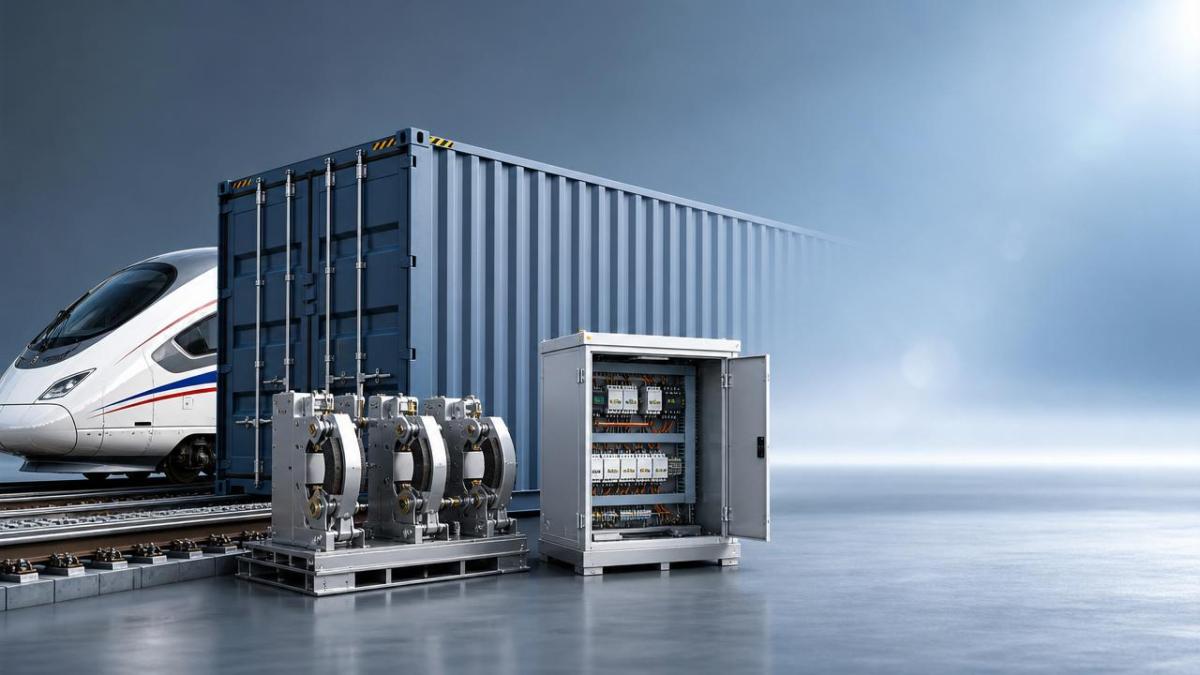
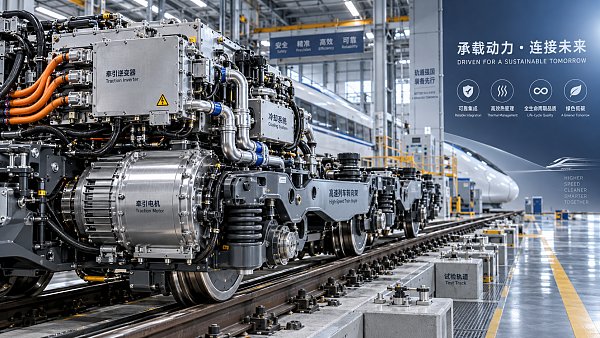
In modern rail delivery, delays often start far upstream. A late relay, braking module, onboard controller, or pantograph subassembly can push testing, integration, and handover at the same time.
That is why global supply chain challenges in rail infrastructure should be reviewed through a practical checklist. A checklist exposes weak links early, before they become expensive recovery plans.
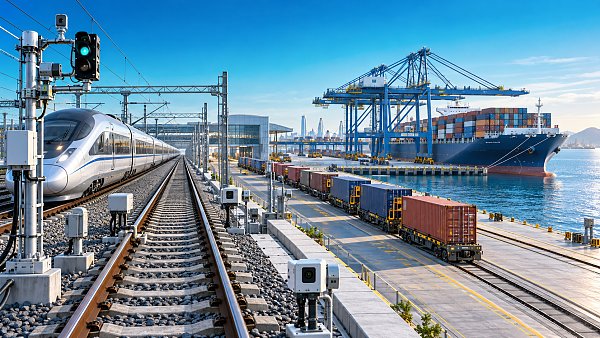
This matters across the wider transport industry. Rail signaling, traction power, braking systems, and digital control platforms now share supply pressures with marine electronics, energy systems, and industrial automation.
Five Risks Behind Schedule Slippage
Use the following checklist to assess the most common sources of delay tied to global supply chain challenges in rail infrastructure.
- Map long-lead components early, including interlockings, brake control units, onboard electronics, converters, and safety-certified software packages that can silently define the real project critical path.
- Verify certification readiness across every tier, because a compliant product on paper may still face delayed approvals, retesting, or document gaps before site installation begins.
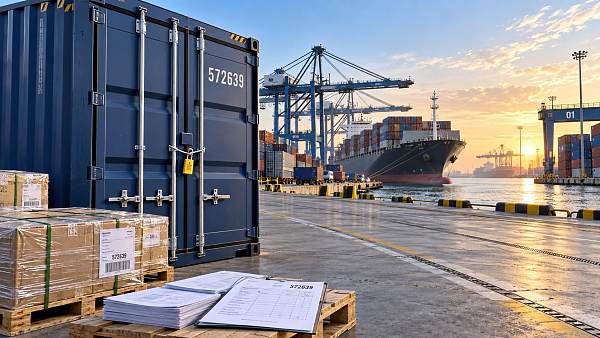
- Stress-test logistics routes for border changes, port congestion, hazardous goods rules, oversized cargo handling, and regional warehousing limits that can block equipment release.
- Align supplier interfaces in detail, since mismatched drawings, software versions, wiring definitions, and inspection responsibilities often surface only during integration or factory acceptance testing.
- Track sub-tier financial and operational stability, as hidden exposure to raw material shocks, labor shortages, or single-source tooling can quickly turn minor delays into schedule slippage.
1. Long-Lead Components Distort the Real Timeline
Many rail programs still anchor schedules to visible civil works. Yet global supply chain challenges in rail infrastructure often begin with hidden lead times for control electronics, semiconductors, actuators, and testing rigs.
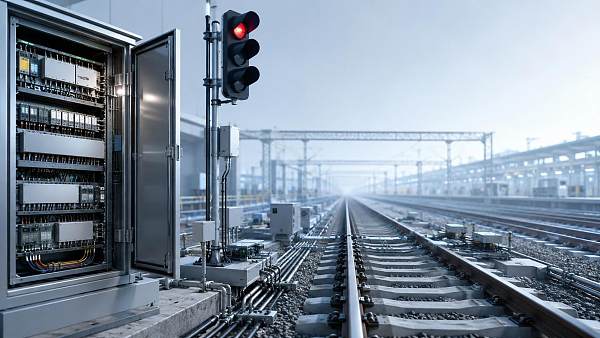
A signaling cabinet may appear simple at package level. But inside it, safety processors, communication boards, connectors, and certified firmware may come from several countries and different production calendars.
2. Certification Delays Extend Beyond Product Delivery
A component delivered to the warehouse is not the same as a component cleared for installation. EN standards, SIL requirements, fire safety rules, EMC tests, and local acceptance procedures can all create delay.
This is one of the least visible global supply chain challenges in rail infrastructure. The part exists, but the evidence pack, witness test, or updated software baseline does not.
3. Logistics Volatility Breaks Carefully Sequenced Workfronts
Rail systems rely on tightly staged delivery. If a brake assembly, transformer, or pantograph arrives two weeks late, installation teams can lose their window, and dependent works slide immediately.
Global supply chain challenges in rail infrastructure are increasingly shaped by freight rate swings, customs inspections, weather disruption, and vessel schedule unreliability. These shocks hit project sequencing harder than average lead-time reports suggest.
4. Fragmented Supplier Coordination Delays Integration
Rail projects are interface-heavy by design. Signaling, traction, braking, telecom, SCADA, and platform systems must connect without ambiguity. One late data definition can delay an entire test campaign.
In practice, global supply chain challenges in rail infrastructure are not only about material shortage. They also come from fragmented engineering responsibility across OEMs, local partners, and sub-tier specialists.
5. Sub-Tier Weaknesses Create Sudden Delivery Failure
A prime supplier may report green status while a critical machining house, PCB assembler, or insulation material source is already under strain. By the time the issue becomes visible, recovery options are limited.
Among global supply chain challenges in rail infrastructure, this is often the fastest route to schedule slippage because it compresses response time and increases requalification pressure.
Scenario Notes Across Rail Delivery Environments
High-Speed Rail Programs
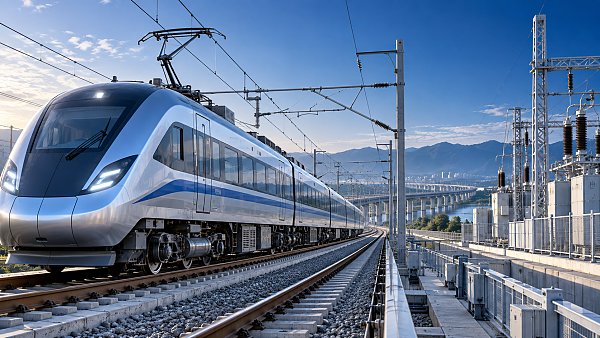
High-speed projects are highly sensitive to certified performance consistency. Pantographs, braking systems, and signaling controls must meet narrow tolerance bands, leaving less room for substitute sourcing.
In this environment, global supply chain challenges in rail infrastructure often spread from one missing component into repeated validation work, especially when aerodynamic, vibration, or safety-critical parameters change.
Urban Rail and Metro Expansions
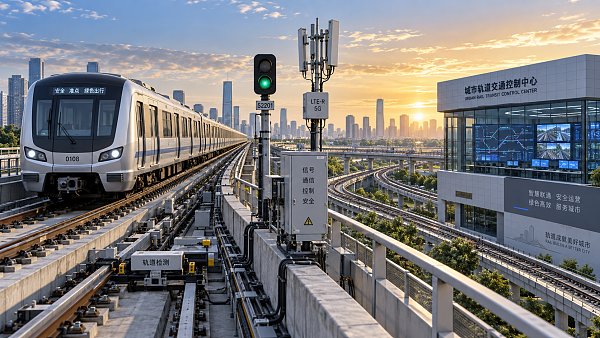
Metro projects usually face dense interface conditions, staged possessions, and tight commissioning windows. Delayed software integration or communication modules can be more damaging than bulk hardware delays.
Here, global supply chain challenges in rail infrastructure are amplified by night-shift installation windows, depot readiness constraints, and strict handback obligations after test periods.
Cross-Border and Multi-Standard Projects
Programs spanning several jurisdictions must navigate different approval paths, language packages, import rules, and technical interpretations. The planning burden rises quickly even when hardware looks standardized.
These are among the most persistent global supply chain challenges in rail infrastructure because documentation, witness testing, and customs treatment may differ by route segment.
Commonly Missed Issues That Worsen Delays
Overlooking spare parts strategy can slow commissioning. If reserve modules are absent, one damaged shipment or failed FAT unit can stall testing sequences immediately.
Ignoring software and firmware version control can trigger interface disputes. A physically delivered component may still be unusable if its approved baseline does not match the system matrix.
Assuming Tier 1 visibility is enough creates blind spots. Many global supply chain challenges in rail infrastructure emerge below the direct contract line, especially in electronics and specialty materials.
Separating logistics from engineering review is another mistake. Packaging limits, shock monitoring, climate protection, and hazardous classification can directly affect acceptance and installation readiness.
Practical Execution Steps to Protect Delivery Certainty
- Build a component-level risk register linked to lead time, certification status, transport route, sub-tier exposure, and installation dependency rather than relying only on package summaries.
- Set monthly interface reviews covering hardware, software, documents, and test evidence so emerging gaps surface before FAT, SAT, or site possession windows are affected.
- Create alternate logistics scenarios for critical items, including bonded storage, split shipments, regional consolidation, and pre-cleared customs documentation for urgent movements.
- Audit sub-tier resilience selectively on safety-critical and single-source items, focusing on tooling dependence, labor continuity, raw material access, and energy-intensive process stability.
- Link schedule updates to supply chain evidence, using real manufacturing progress, approval milestones, and shipping confirmations instead of optimistic reporting conventions.
Conclusion and Next-Step Action
Global supply chain challenges in rail infrastructure are rarely a single procurement problem. They are a combined delivery risk involving engineering readiness, certification timing, transport volatility, and sub-tier resilience.
The most effective response is to review exposure with a disciplined checklist, then connect each risk to a real milestone, owner, and recovery trigger. That approach reduces surprises and protects schedule credibility.
Start with the five risks above, test them against current packages, and update the project view using evidence from both supply and integration. That is the fastest way to reduce schedule slippage before it becomes structural.
Recommended News
 Sep 29, 2026What drives traction systems price differences between rail projects?Traction systems price differences explained: compare duty cycles, voltage compatibility, integration, localization, and lifecycle costs for smarter rail procurement.
 Sep 26, 2026What to assess before selecting an electric traction system manufacturerChoose an electric traction system manufacturer with confidence. Explore key criteria for performance, reliability, safety, integration, energy efficiency, and lifecycle support.
 Sep 25, 2026When do full digitalization systems justify the investment?Full digitalization systems: discover when rail and maritime operators can turn connected data into safer operations, higher availability, and measurable ROI.
 Sep 23, 2026What drives automatic train control systems cost on rail projects?Automatic train control systems cost depends on integration, migration, safety testing, communications, and lifecycle support. Explore the key budget drivers for rail projects.
 Sep 21, 2026How to assess an ocean going vessel builder’s delivery riskAssess an ocean going vessel builder’s delivery risk with proven checks for schedules, capacity, design maturity, critical equipment, quality, and project controls.
 Sep 20, 2026What drives rail safety technology costs over a project lifecycle?Rail safety technology cost goes beyond equipment—explore lifecycle drivers from integration and safety assurance to cybersecurity, commissioning, and obsolescence.
 Sep 16, 2026What to verify before choosing an advanced ocean-going vessels supplierAdvanced ocean-going vessels supplier checklist: verify design authority, build quality, digital systems, delivery reliability, and lifecycle support before you buy.
 Sep 15, 2026What rail safety technology best reduces level-crossing risks in Southeast Asia?Rail safety technology Southeast Asia: discover how fail-safe signalling, barriers, obstacle detection and remote monitoring reduce level-crossing risks.
 Sep 14, 2026How exporters can reduce customs delays in global trade logisticsGlobal trade logistics for exporters: reduce customs delays with accurate data, clearance-ready documents, early filing, and proactive exception management.
 Sep 13, 2026When do global transportation network systems reduce delivery delays?Global transportation network systems reduce delivery delays by improving rail-port-vessel coordination, real-time visibility, and proactive decisions across complex land-sea supply chains.
 Sep 09, 2026When should you choose a rail and maritime manufacturer with dual-sector capability?Rail and maritime manufacturer guide: learn when dual-sector capability reduces integration risk, improves lifecycle support, and strengthens rail-to-port operations.
 Sep 08, 2026What to verify before selecting a railway signalling equipment supplierRailway signalling equipment supplier checklist: verify safety evidence, integration, cybersecurity, delivery capability, and lifecycle support before award.
 Sep 07, 2026How to size a traction power transformer for railway load demandTraction power transformer sizing guide: model railway load demand, peak duty, voltage regulation, harmonics, and contingency capacity for reliable service.
 Sep 07, 2026How do customization options for industrial connectors affect lead times?Customization options for industrial connectors can impact lead times, cost, and compliance. Learn how to specify smarter for rail and marine projects.
 Sep 05, 2026What information should an industrial sourcing guide include?Industrial sourcing information procurement guide: evaluate suppliers, compliance, lifecycle costs, interfaces, and lead times for smarter rail and maritime purchasing decisions.
 Sep 01, 2026How to find reliable maritime tender information before biddingMaritime tender information: learn how to verify sources, define bid-ready scopes, check qualifications, and reduce risk before submitting competitive marine bids.
 Aug 30, 2026How to select railway automation equipment for depots with phased upgradesRailway automation equipment for depots: learn how to plan phased upgrades that improve safety, throughput, integration, and lifecycle control.
 Aug 27, 2026How industrial sourcing intelligence pricing data supports budget approvalIndustrial sourcing intelligence pricing data helps teams benchmark scope, assess supplier risk, and build defensible budget approvals for complex rail and maritime assets.
 Aug 26, 2026When does a marine fuel efficiency solution make financial sense in the Middle East?Marine fuel efficiency solution Middle East: learn when retrofit savings, compliance value, and vessel data align to deliver credible ROI and smarter shipping investment decisions.
 Aug 24, 2026When does maritime automation for tankers deliver a real payback?Maritime automation for tankers delivers real payback when it cuts fuel use, reduces cargo risk, and improves uptime. See how owners can time investment for stronger ROI.
 Aug 23, 2026When do maritime logistics systems in the Middle East justify the costMaritime logistics systems Middle East: discover when rising delays, manual coordination, and poor visibility make system investment the smarter move for regional operators.
 Aug 22, 2026What drives vessel navigation system price for commercial fleetsVessel navigation system price depends on integration, compliance, automation, and support—not just hardware. Learn what drives fleet costs and compare quotes with confidence.
 Aug 21, 2026How to assess shipbuilding maritime tenders before biddingShipbuilding maritime tenders require more than price checks. Learn how to assess technical scope, compliance, supply chain, and commercial risk before bidding with confidence.
 Aug 20, 2026When does working with an ocean-going vessels distributor reduce supply risk?Ocean-going vessels distributor: learn when this partner cuts supply risk through stronger compliance, faster response, and better sourcing resilience in complex maritime procurement.