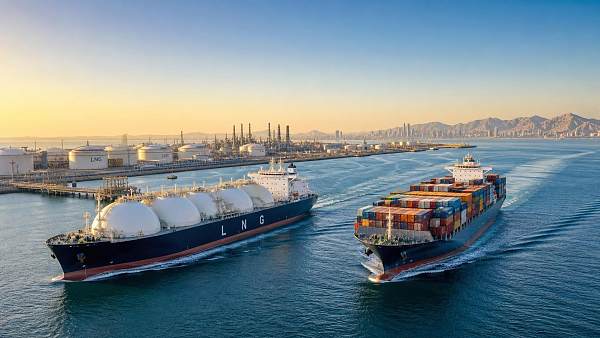




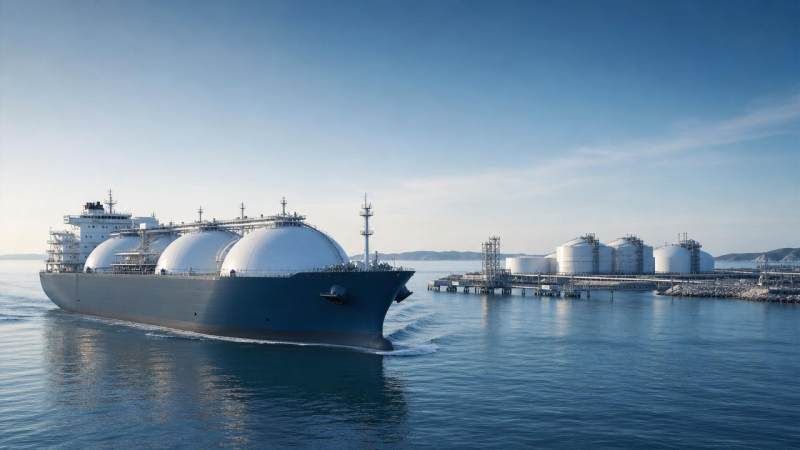
As energy markets enter 2026 with tighter shipping windows, shifting trade routes, and rising geopolitical exposure, LNG carriers for energy security are becoming a board-level concern rather than a fleet-planning detail.
For enterprise decision-makers, the critical question is no longer simply how much LNG can be sourced, but whether vessel capacity, cryogenic reliability, port access, and propulsion flexibility can keep supply chains resilient under stress.
The practical answer is clear: LNG supply security in 2026 will depend less on headline production capacity and more on available, reliable, and correctly positioned carrier capacity.
What Decision-Makers Are Really Trying to Assess
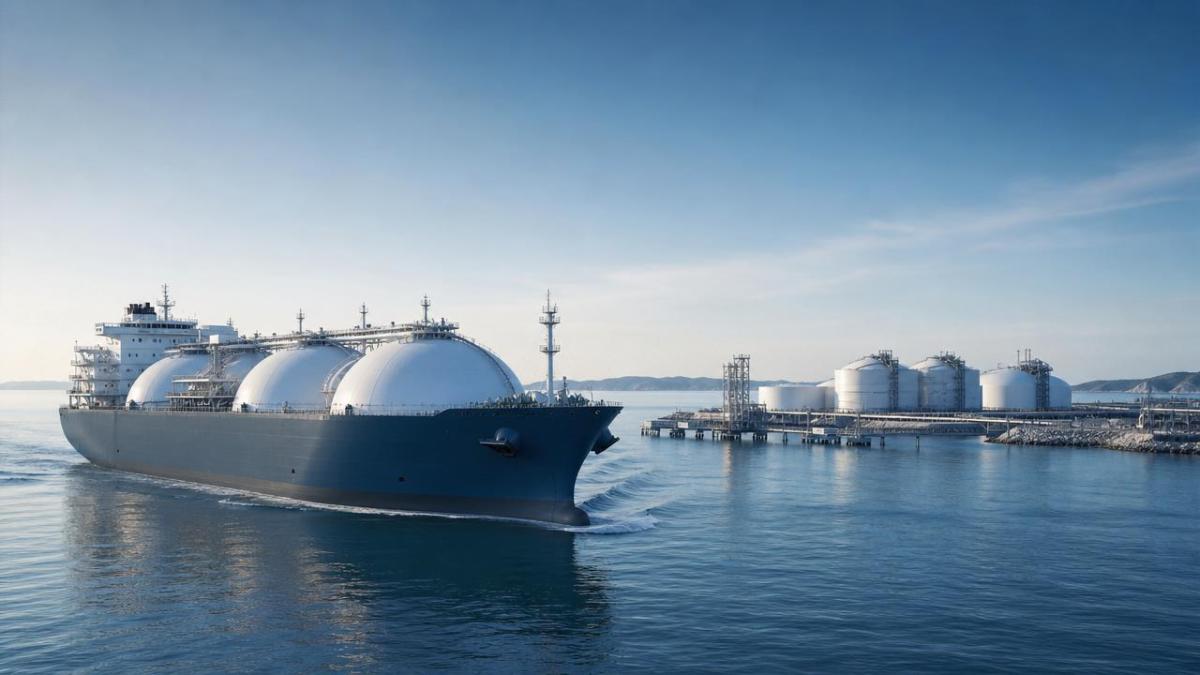
Most searches around LNG carriers for energy security are not seeking a basic ship description. They are evaluating exposure, procurement timing, and operational resilience.
Executives want to know whether LNG can arrive when contracted, whether charter rates may spike, and whether vessel shortages could undermine energy strategies.
They also need to understand which capacity risks are structural and which are cyclical. That distinction shapes investment, chartering, and supplier diversification decisions.
The most useful analysis therefore connects shipping capacity with business continuity. It must translate fleet data into procurement risk, margin risk, and strategic options.
Why LNG Carrier Capacity Matters More in 2026
LNG has become a flexibility fuel for economies balancing energy security, decarbonization, and industrial competitiveness. That flexibility depends on specialized maritime infrastructure.
Unlike crude oil or dry bulk, LNG cannot be moved by ordinary tankers. It requires cryogenic containment, trained crews, compatible terminals, and controlled boil-off management.
This makes LNG carriers a bottleneck asset. Even when liquefaction supply is available, a shortage of qualified vessels can delay delivery and raise total landed cost.
In 2026, that bottleneck risk is amplified by new LNG projects, evolving sanctions regimes, Panama and Suez route uncertainty, and competing demand from Asia and Europe.
For boards and procurement committees, the implication is straightforward. LNG security must be measured across the full chain, not only at the purchase contract level.
The Core Capacity Risks to Watch
The first risk is fleet availability. Nominal global LNG carrier numbers can look sufficient, while practical availability is reduced by maintenance, long voyages, and positioning delays.
The second risk is delivery synchronization. New liquefaction capacity may start later than expected, while newbuild carriers may arrive early, late, or mismatched to destination needs.
The third risk is vessel suitability. Not every LNG carrier fits every commercial requirement, especially where terminal restrictions, containment type, draft, or propulsion efficiency matter.
The fourth risk is charter market volatility. When spot demand rises quickly, available tonnage can tighten faster than procurement teams can secure cost-effective alternatives.
The fifth risk is geopolitical routing. Longer voyages around disrupted canals or restricted sea lanes absorb vessel days, effectively reducing global carrying capacity.
Fleet Availability Is Not the Same as Fleet Size
Enterprise leaders should avoid treating published fleet counts as a direct measure of security. A ship on paper is not always a ship available for delivery.
LNG carriers may be tied to long-term projects, committed under portfolio contracts, undergoing drydock, or positioned far from the required loading window.
Voyage duration also matters. If route disruption adds ten to twenty days to round-trip timing, the same cargo program may need additional vessels.
This is where LNG shipping differs from simpler commodity logistics. Capacity risk is created by distance, timing, terminal slots, and operational compatibility together.
A better executive metric is effective carrier capacity. It reflects vessels actually available, technically compatible, commercially accessible, and positioned within the required delivery window.
Geopolitics Can Convert Shipping Into Supply Risk
In 2026, geopolitical exposure is likely to remain one of the largest uncertainties around LNG carriers for energy security.
Sanctions, conflict zones, insurance restrictions, and canal constraints can all alter voyage planning. Each disruption changes carrier utilization and cargo arrival certainty.
When vessels must reroute, the impact is not limited to freight cost. The market loses available ship days, tightening capacity across unrelated trade lanes.
This creates second-order risk. A disruption affecting one region can increase competition for vessels elsewhere, especially during winter demand peaks.
Decision-makers should therefore evaluate LNG procurement against geopolitical route dependency. Cargo source diversification matters, but shipping corridor diversification matters as well.
Cryogenic Reliability Is a Strategic Issue
LNG carriers operate at approximately minus 163 degrees Celsius, making containment integrity and thermal performance central to commercial reliability.
A ship with poor boil-off management, aging equipment, or limited maintenance transparency can create hidden exposure beyond the charter rate.
For long-haul routes, boil-off handling affects delivered volume, emissions performance, fuel economics, and operational flexibility.
Technical due diligence should therefore include membrane containment condition, reliquefaction capability, cargo handling systems, and the operator’s incident history.
For enterprise buyers, this is not excessive engineering detail. It directly affects delivery confidence, contractual performance, and reputational risk.
Propulsion Flexibility Will Influence Cost and Compliance
Propulsion technology is becoming another decisive factor in LNG carrier selection. Steam turbine vessels, dual-fuel diesel electric systems, and modern two-stroke engines differ materially.
Newer propulsion systems usually offer better fuel efficiency and lower emissions intensity. That advantage matters when freight costs and carbon reporting requirements rise.
However, the lowest-cost vessel is not always the best option. Older tonnage may appear cheaper but expose buyers to higher fuel and compliance costs.
Charterers should evaluate propulsion flexibility against voyage profile, environmental rules, expected waiting time, and potential carbon pricing exposure.
By 2026, energy security will increasingly include regulatory resilience. A carrier unable to meet tightening standards may become commercially constrained.
Port Access and Terminal Compatibility Can Break the Plan
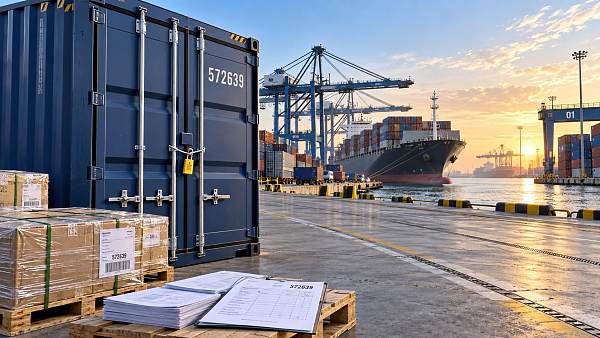
Even when LNG supply and shipping are secured, port compatibility can become the weak link. Not all terminals can receive every carrier class.
Restrictions may involve berth size, draft, unloading arms, safety zones, storage availability, or local pilotage and tug requirements.
Floating storage and regasification units add flexibility, but they also create interface questions around scheduling, weather limits, and transfer procedures.
Executives should require integrated planning between supply contracts, carrier specifications, and terminal access rights before assuming LNG availability is secure.
The strongest procurement teams treat port compatibility as a commercial risk variable, not merely an operational detail handled after contracting.
How Enterprises Should Evaluate LNG Carrier Exposure
A useful assessment begins with mapping cargo obligations against shipping windows. Identify which deliveries depend on spot vessels and which are covered by committed tonnage.
Next, test each cargo route under delay scenarios. Include canal disruption, terminal congestion, weather interruptions, vessel maintenance, and geopolitical restrictions.
Then calculate replacement difficulty. If a vessel becomes unavailable, assess how quickly another compatible carrier can be secured at acceptable cost.
Decision-makers should also review counterparty strength. A supplier with portfolio access and shipping flexibility may offer stronger resilience than a single-asset seller.
Finally, link shipping exposure to financial thresholds. Define when freight volatility, delay risk, or delivered-cost escalation becomes unacceptable.
Contracting Strategies That Reduce 2026 Risk
Long-term charters can reduce exposure to spot market spikes, but they may reduce flexibility if demand profiles or trade routes change.
Spot chartering preserves optionality, yet it can become expensive during tight windows. The best strategy often combines both approaches.
Portfolio procurement can also help. Buying from suppliers with diversified loading points and shipping access reduces dependence on one route or vessel pool.
Contract clauses deserve close attention. Force majeure, delivery windows, diversion rights, demurrage, boil-off allocation, and emissions responsibilities can shift material risk.
For major buyers, shipping optionality should be priced explicitly. Paying more for reliable carrier access may be cheaper than emergency replacement cargoes.
What Boards Should Ask Before Approving LNG Plans
Boards do not need to manage vessel scheduling, but they should challenge assumptions behind LNG supply resilience.
The first question is whether contracted volumes have confirmed shipping coverage. If not, the procurement plan contains hidden execution risk.
The second question is how many vessel days are exposed to route disruption. This reveals whether the plan is robust or overly optimized.
The third question is whether terminal compatibility has been independently verified. A mismatch can turn a valid cargo contract into a delayed supply event.
The fourth question is how freight volatility affects margins. Energy procurement should be linked to financial stress testing, not treated separately.
The fifth question is whether the organization has fallback options. Resilience requires alternatives before the market becomes distressed.
Investment Signals to Monitor in 2026
Several indicators can help enterprises anticipate capacity pressure. Newbuild delivery schedules are important, but they should be compared with liquefaction start-up timelines.
Charter rate movements reveal market tightness, especially when spot rates rise despite stable commodity prices.
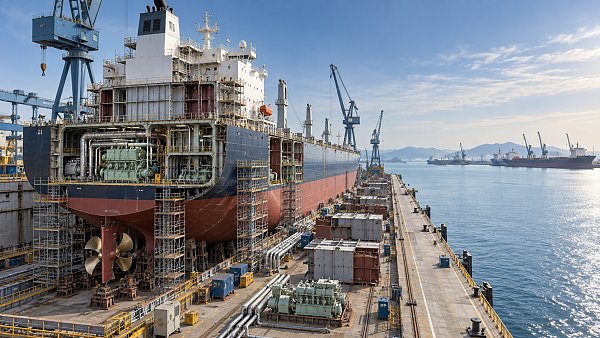
Shipyard congestion also matters. LNG carriers are complex assets, and construction delays can affect fleet availability years after ordering decisions.
Regulatory developments should be monitored closely. Emissions rules, methane scrutiny, and port requirements can influence which vessels remain commercially attractive.
Insurance pricing and war-risk premiums are also useful signals. They often reflect geopolitical shipping stress before broader market commentary catches up.
Where LNG Carriers Fit in Energy Security Strategy
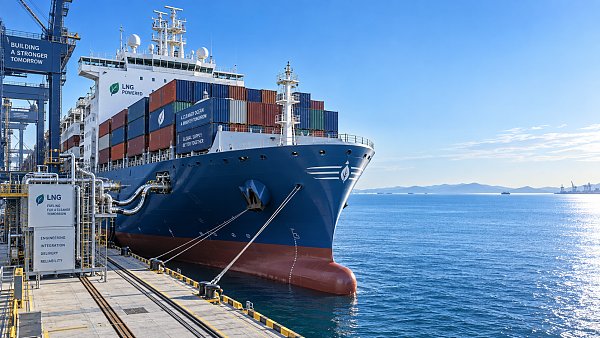
LNG carriers are not merely transport assets. They are mobile infrastructure connecting production basins, regasification markets, and industrial energy demand.
For governments, they support national resilience. For enterprises, they protect operating continuity, cost predictability, and procurement flexibility.
This is why LNG carriers for energy security deserve attention from leadership teams beyond shipping departments.
Industrial buyers, utilities, EPC contractors, and infrastructure investors should all understand how carrier constraints can affect strategic planning.
The organizations best prepared for 2026 will integrate maritime intelligence, contract discipline, and technical due diligence into LNG decision-making.
Conclusion: Capacity Risk Is Now a Strategic Variable
The central lesson for 2026 is that LNG availability cannot be judged by molecule supply alone. Carrier capacity is now a strategic variable.
Fleet size, vessel positioning, cryogenic reliability, propulsion efficiency, port access, and geopolitical routing all determine whether LNG contracts become secure deliveries.
For enterprise decision-makers, the priority is not predicting every disruption. It is building a procurement structure that remains workable when disruption arrives.
Companies that treat LNG shipping as a board-level resilience issue will be better positioned to control costs, protect operations, and maintain energy security.
In a tighter and more uncertain market, the strongest advantage may be knowing which carrier risks matter before competitors are forced to discover them under pressure.