



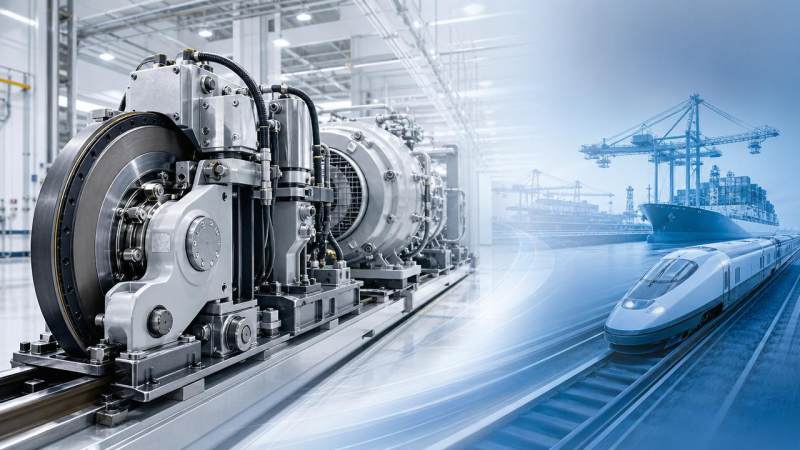
Selecting heavy industry equipment is rarely a simple purchase decision—it is a long-term capital commitment that can either protect margins or quietly erode ROI for years.
For financial approvers evaluating rail systems, marine assets, propulsion technologies, or other mission-critical infrastructure, the biggest risks often hide beyond the initial quote.
Lifecycle maintenance, energy efficiency, downtime exposure, compliance upgrades, and supplier lock-in can reshape the real economics of an equipment decision.
This guide highlights cost traps worth scrutinizing before approval, helping decision-makers align technical performance with sustainable financial returns.
The Real Question Is Not “What Does It Cost?” but “What Will It Consume?”
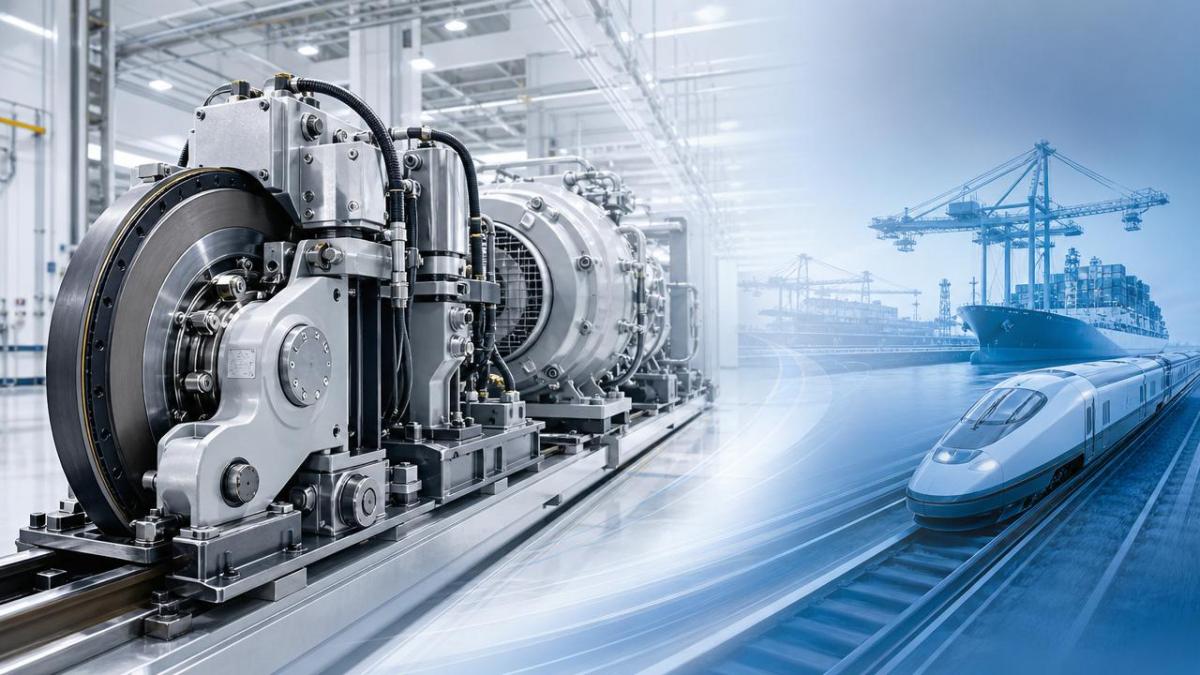
The lowest bid for heavy industry equipment is often the most comfortable option during procurement review, especially under capital expenditure pressure.
Yet financial approvers should treat the purchase price as only the visible portion of a much larger economic structure.
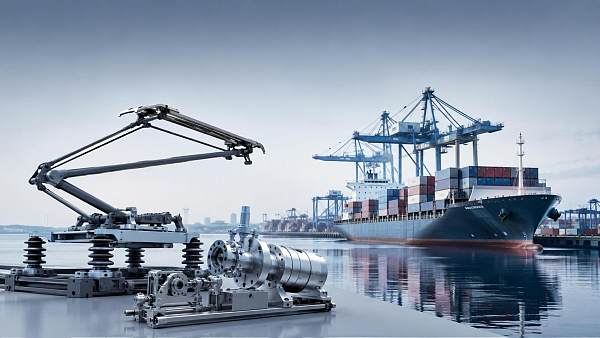
Rail signaling systems, pantographs, braking platforms, smart vessels, and LNG carrier technologies all generate costs across decades of operation.
Those costs include maintenance intervals, certification renewals, spare parts, energy demand, crew training, software licensing, and operational disruption.
A cheaper system that requires frequent shutdowns can quickly become more expensive than a higher-priced option with stable uptime.
The strongest approval process starts by comparing total cost of ownership, not simply vendor quotations or headline technical specifications.
For financial teams, the central question should be whether the asset protects cash flow under real operating conditions.
Cost Trap One: Underestimating Downtime Exposure
Downtime is one of the most damaging hidden costs in heavy industry equipment selection because it affects revenue, penalties, and customer confidence.
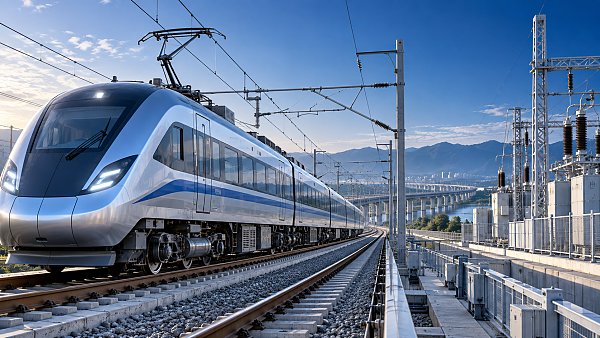
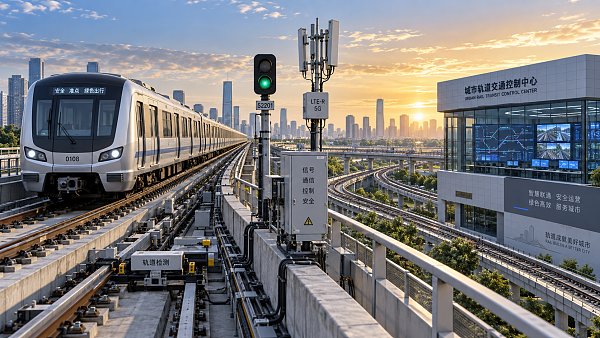
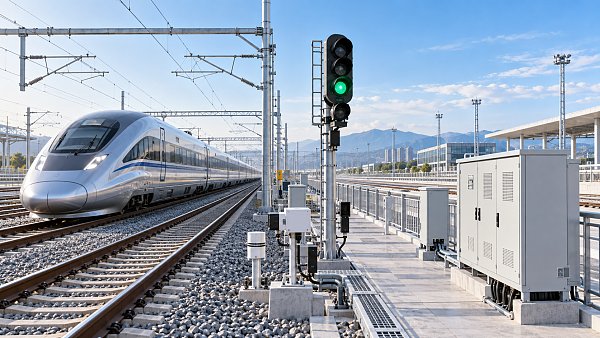
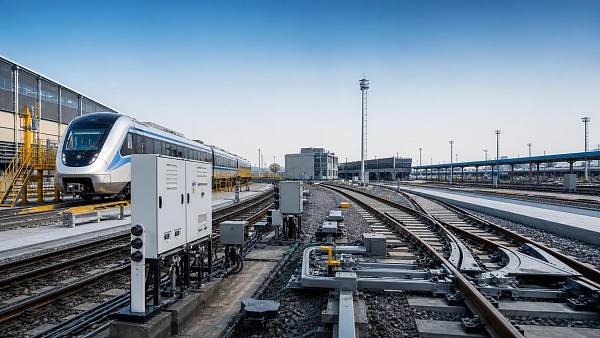
In rail operations, a signaling failure can reduce network capacity, create service delays, and trigger contractual performance deductions.
In maritime operations, vessel downtime can disrupt charter schedules, port windows, cargo commitments, and broader supply chain planning.
Financial approvers should avoid evaluating reliability claims only through vendor brochures or laboratory performance figures.
Instead, they should request mean time between failures, mean time to repair, historical field data, and performance under comparable duty cycles.
It is also important to examine whether failures are isolated, predictable, and repairable without specialized intervention from the original supplier.
A technically impressive system can still be financially weak if each fault requires long diagnostics, imported parts, or scarce certified engineers.
Approvers should convert expected downtime into monetary exposure, including lost output, compensation payments, idle labor, and reputational damage.
Cost Trap Two: Ignoring Maintenance Architecture
Maintenance cost is not only about how often equipment needs service; it is also about how that service is designed.
Some heavy industry equipment is modular, allowing fast replacement of critical units without dismantling large sections of infrastructure.
Other systems require complex disassembly, proprietary tools, or vendor-only diagnostics, increasing labor cost and extending outage windows.
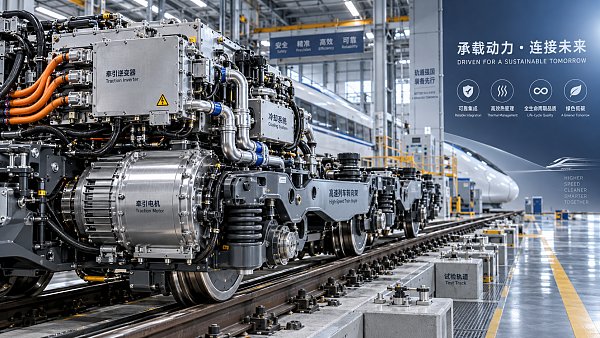
For rail braking systems, pantographs, and control components, maintainability can directly affect fleet availability and workshop capacity.
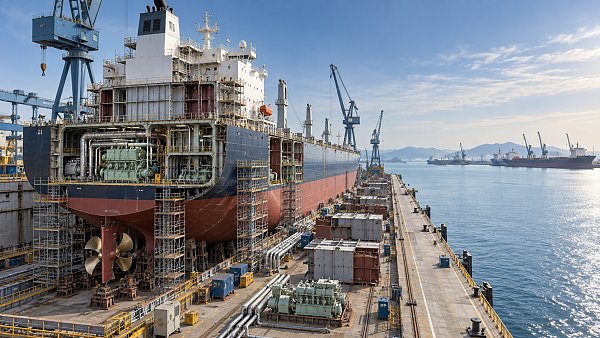
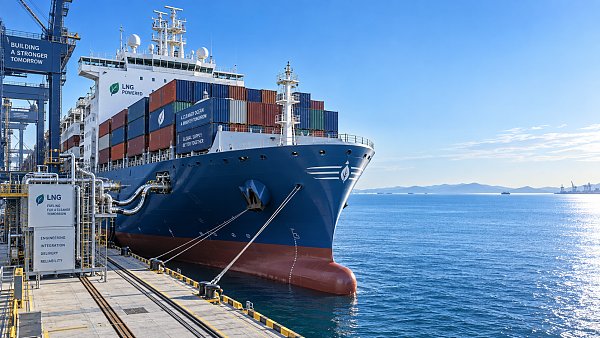
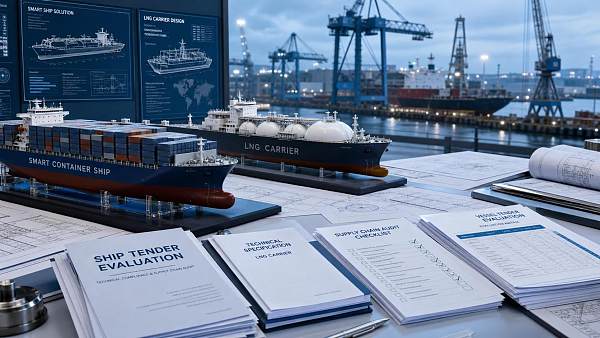
For LNG carriers and smart container ships, maintenance architecture influences dry-dock planning, voyage reliability, and asset utilization.
Financial approvers should ask whether preventive maintenance schedules align with existing operational windows and workforce capabilities.
They should also check whether parts can be stocked economically, sourced regionally, and replaced without voiding warranties or certifications.
A realistic ROI model should include maintenance labor, consumables, diagnostic subscriptions, testing equipment, and inventory carrying costs.
Cost Trap Three: Treating Energy Efficiency as a Technical Detail
Energy efficiency is often reviewed by engineers, but its financial impact belongs directly in the approval discussion.
Over long operating lives, small efficiency differences can create major cost variance, especially in high-utilization assets.
High-speed traction systems, vessel propulsion platforms, cryogenic containment systems, and auxiliary power systems all influence energy consumption profiles.
In rail networks, inefficient traction or braking energy recovery can raise electricity cost across thousands of service cycles.
In ocean transport, fuel efficiency affects voyage economics, emissions exposure, charter competitiveness, and sensitivity to fuel price volatility.
Financial approvers should request efficiency data under realistic load factors, weather conditions, route profiles, and operational speeds.
They should be cautious when vendors present best-case efficiency figures without explaining assumptions behind operating mode and duty cycle.
Energy modeling should include future carbon pricing, fuel regulation, shore power requirements, and grid electricity price scenarios.
Cost Trap Four: Compliance Costs That Arrive After Purchase
Regulatory compliance can turn a well-priced acquisition into an expensive retrofit program if future requirements are ignored.
Railway signal control systems may face evolving safety, cybersecurity, interoperability, and automation standards over their operating life.
Marine assets face emissions rules, ballast water obligations, digital reporting requirements, safety codes, and class society updates.
LNG carriers also operate under demanding cryogenic safety, containment integrity, and dual-fuel propulsion compliance expectations.
Financial approvers should ask whether the selected equipment has a clear upgrade path for foreseeable regulatory changes.
They should also evaluate whether compliance upgrades require hardware replacement, software updates, certification testing, or operational downtime.
A low-cost system with limited upgradeability may force expensive mid-life interventions or shorten the economically useful life.
Strong procurement evaluation includes a regulatory roadmap, not only confirmation that the equipment meets today’s minimum requirement.
Cost Trap Five: Supplier Lock-In and Weak Commercial Flexibility
Supplier lock-in can quietly reduce negotiating power after the purchase contract is signed and the asset enters operation.
This risk is especially relevant for safety-critical rail systems, integrated vessel automation, propulsion software, and proprietary diagnostics.
If only one supplier can provide parts, updates, calibration, or authorized repair, future costs become difficult to control.
Lock-in may appear as restricted software access, non-standard interfaces, exclusive spare parts, or warranty clauses limiting third-party service.
Financial approvers should examine the commercial ecosystem behind the equipment, not merely the technical capability of the product.
Open architecture, documented interfaces, multi-source components, and transparent service terms can preserve flexibility over the asset lifecycle.
Long-term service agreements should define escalation formulas, response times, parts availability, cybersecurity support, and obsolescence management.
The goal is not to avoid strategic suppliers, but to prevent dependency from becoming an uncontrolled cost center.
Cost Trap Six: Overlooking Integration Risk
Heavy industry equipment rarely operates in isolation; it must integrate with existing assets, control systems, crews, and maintenance processes.
A rail signaling upgrade may affect onboard equipment, station systems, control centers, communication networks, and operational rules.
A smart vessel platform may require ship-to-shore data links, crew training, cybersecurity hardening, and port-side compatibility.
Integration costs often appear late because they are shared across engineering, IT, operations, safety, and external contractors.
Financial approvers should require a full integration scope before approving the apparent core equipment cost.
This scope should include interface development, system testing, commissioning, documentation, operator training, and contingency planning.
They should also ask who carries responsibility if delays arise from compatibility issues between suppliers or legacy systems.
Without this clarity, the buyer may absorb cost overruns even when individual vendors technically fulfill their contracts.
Cost Trap Seven: Misjudging Asset Life and Residual Value
ROI depends not only on annual operating cost, but also on how long the asset remains economically useful.
Some heavy industry equipment becomes financially obsolete before it is physically worn out because technology, regulation, or market requirements change.
For example, a vessel automation system may lose competitiveness if it cannot support future digital routing and emissions reporting.
A rail component may remain functional yet become inefficient if network operators move toward higher automation or new safety standards.
Financial approvers should separate physical life, accounting depreciation life, regulatory life, and commercial life in their models.
They should also consider residual value, redeployability, resale restrictions, and the cost of decommissioning or replacement.
Assets with modular upgrades and proven market acceptance usually retain value better than highly customized, closed systems.
A longer technical life is valuable only when the equipment remains compliant, supportable, efficient, and operationally relevant.
How Financial Approvers Should Structure the Evaluation
A disciplined evaluation process should begin with a lifecycle cost model, built jointly by finance, engineering, operations, and procurement.
The model should include acquisition cost, installation, commissioning, training, maintenance, energy, downtime, compliance, financing, and end-of-life costs.
Approvers should request vendor data in comparable formats, so assumptions can be challenged rather than accepted at face value.
Scenario analysis is essential because heavy industry assets operate under uncertain energy prices, utilization rates, regulation, and market demand.
A useful model should test base case, downside case, and stress case assumptions over the expected operating horizon.
Financial teams should also calculate payback period, net present value, internal rate of return, and sensitivity to downtime.
However, numeric outputs should not replace judgment about supplier credibility, technical maturity, safety performance, and strategic fit.
The best approval decisions combine financial discipline with operational realism, especially for infrastructure that cannot fail without major consequences.
Questions to Ask Before Signing the Approval
Before approving heavy industry equipment, financial decision-makers should ask whether the vendor’s operating assumptions match the buyer’s real environment.
They should ask how maintenance costs change after warranty expiry and whether service pricing is capped or indexed.
They should confirm which components are proprietary, which parts have alternative sources, and which software functions require recurring licenses.
They should ask how quickly critical failures can be diagnosed, repaired, and returned to certified service.
They should examine whether future compliance upgrades are included, optional, or technically impossible without major replacement.
They should also ask how the equipment performs under degraded conditions, extreme weather, high utilization, and emergency scenarios.
Finally, they should require evidence from comparable deployments, not only reference lists without measurable performance information.
These questions help transform procurement review from price comparison into long-term risk management and capital stewardship.
Where Higher Upfront Cost Can Be Financially Justified
Higher upfront cost can be justified when it clearly reduces lifecycle exposure, protects availability, or extends commercial relevance.
For safety-critical rail components, premium systems may provide better diagnostics, faster recovery, higher redundancy, and stronger certification pathways.
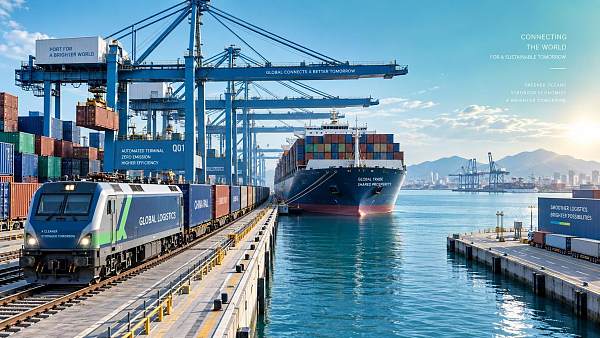
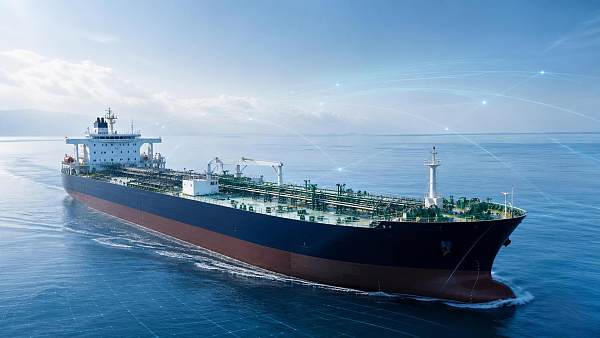
For smart container ships, advanced data integration can improve route efficiency, fuel planning, maintenance forecasting, and fleet coordination.
For LNG carriers, superior containment performance and propulsion efficiency can reduce boil-off losses, emissions exposure, and operational uncertainty.
The key is to connect each premium feature to a measurable financial or risk-reduction outcome.
Approvers should resist vague claims such as “future-ready” unless they are supported by upgrade evidence and contractual commitments.
They should also avoid dismissing higher-priced solutions when the payback appears through reduced downtime rather than direct cost savings.
In capital-intensive sectors, avoiding one major outage can sometimes justify a meaningful portion of the initial premium.
Conclusion: ROI Is Protected Before the Contract Is Signed
The most expensive cost traps in heavy industry equipment selection usually emerge after procurement celebrates a favorable purchase price.
Downtime, maintenance complexity, energy consumption, compliance retrofits, supplier lock-in, integration risk, and premature obsolescence all affect long-term ROI.
For financial approvers, the strongest position is neither automatic cost-cutting nor unquestioned technical endorsement.
It is disciplined capital judgment based on lifecycle economics, operational consequences, supplier resilience, and strategic fit.
When finance teams ask better questions before approval, they help protect margins, improve asset reliability, and strengthen long-term competitiveness.
In rail, maritime, and other mission-critical sectors, the right equipment decision is not the cheapest one today.
It is the one that continues to create value when operating conditions become demanding, regulations evolve, and performance pressure increases.