



Search News
Industry Portal
Popular Tags
Intermodal Transport Systems: Cost Risks in 2026 Network Planning
Author
Time
Click Count
As 2026 network planning accelerates, intermodal transport systems face a new cost equation. Trade routes are shifting, bunker and power prices remain volatile, and asset utilization is under pressure.
At the same time, safety standards, digital control requirements, and decarbonization targets are tightening. These forces are changing how rail and maritime capacity should be planned together.
For networks linking inland rail, terminals, ports, and ocean corridors, cost risk no longer sits in one mode alone. It emerges from the interaction between equipment, operations, timing, and infrastructure readiness.
This makes intermodal transport systems a strategic topic for 2026. Better planning now can protect margins, improve resilience, and support more stable land-sea logistics performance.
Intermodal Transport Systems and the Cost Logic Behind 2026 Planning
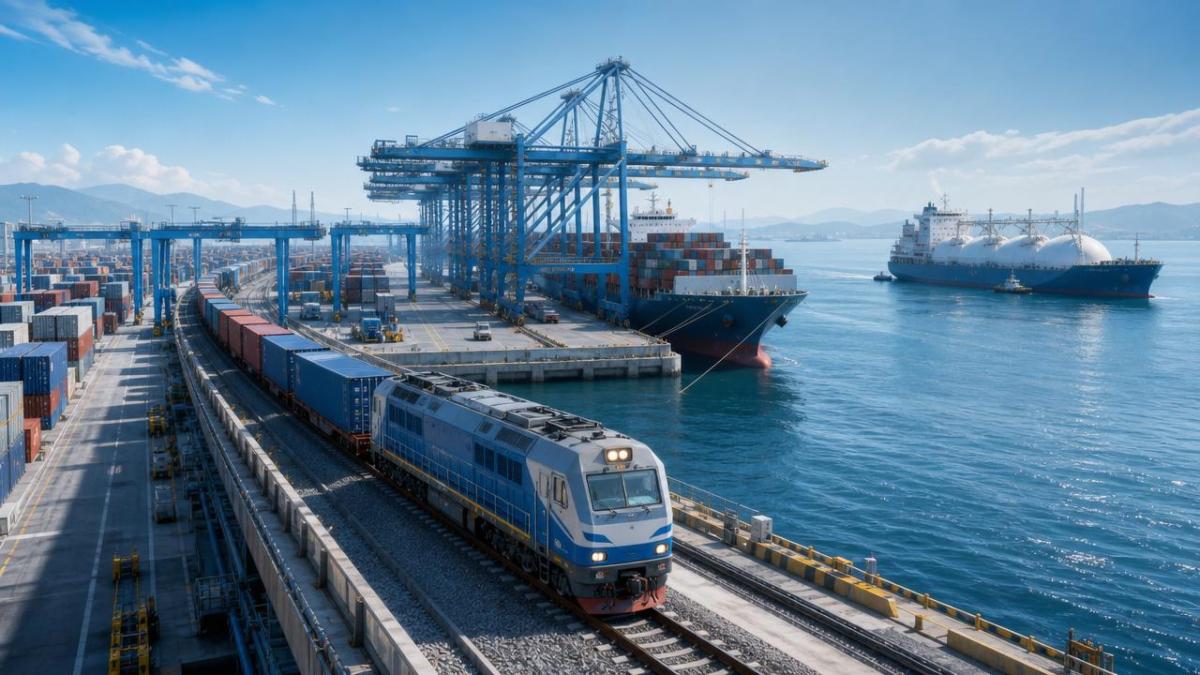
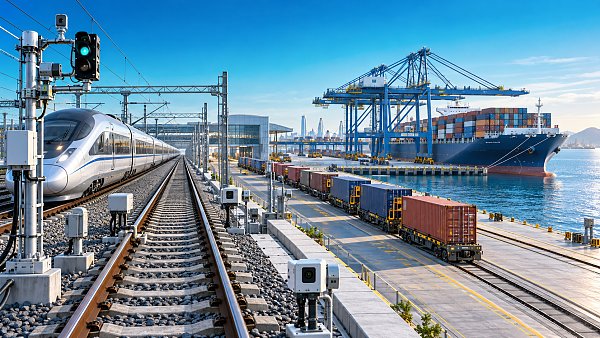
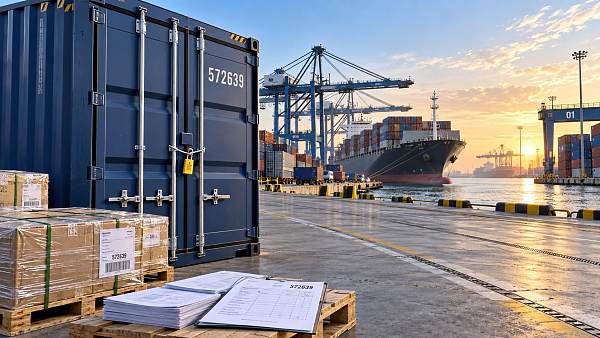
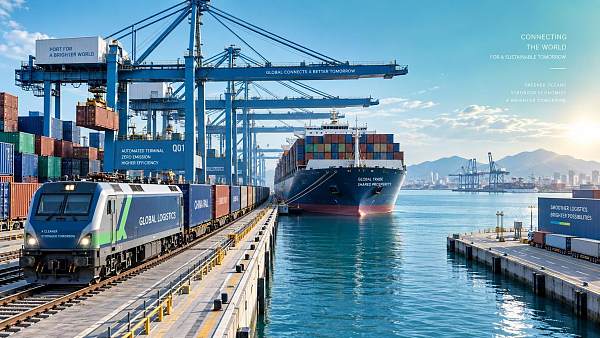
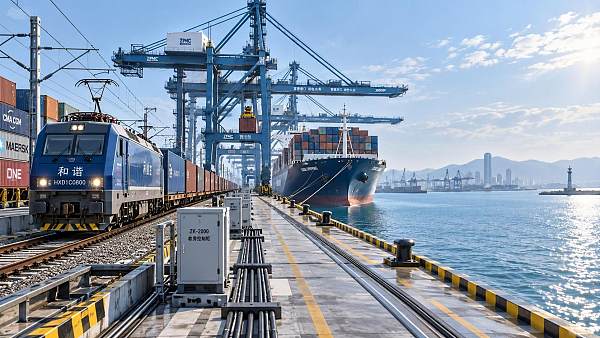
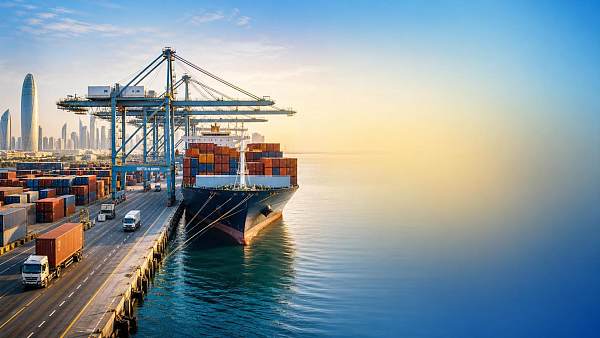
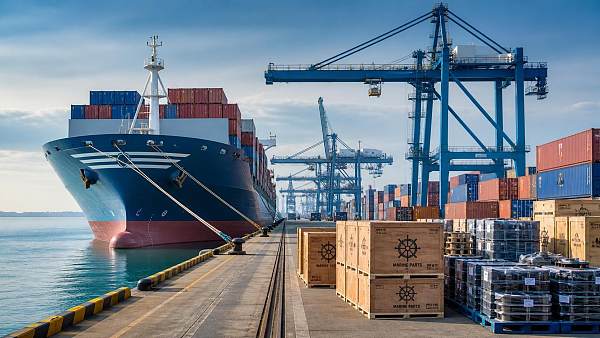
Intermodal transport systems combine multiple transport modes within one coordinated logistics chain. Most commonly, they connect rail corridors, terminals, ports, container ships, and last-mile distribution links.
Their value lies in synchronization. When schedules, equipment, and control systems align, operators reduce idle time, improve throughput, and lower unit transport cost.
In 2026 planning, cost risk must be viewed across the whole chain. A rail delay can increase port dwell time. Port congestion can distort vessel rotation. Vessel delay can weaken inland equipment utilization.
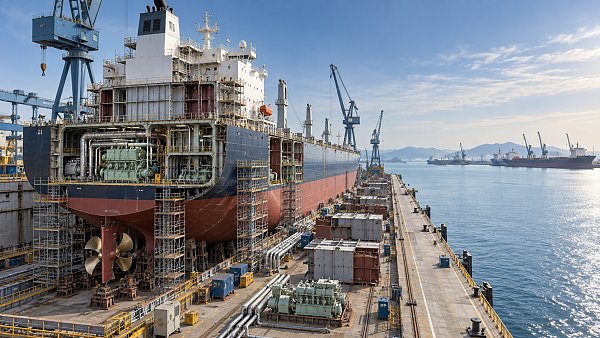
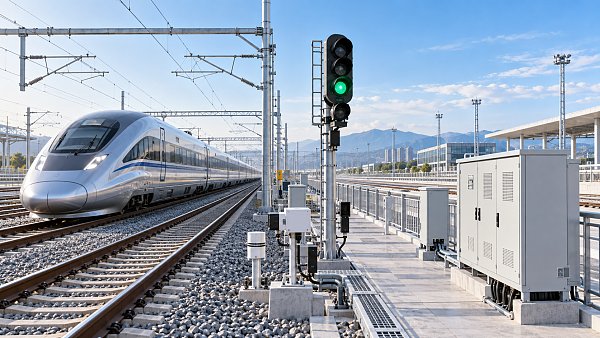
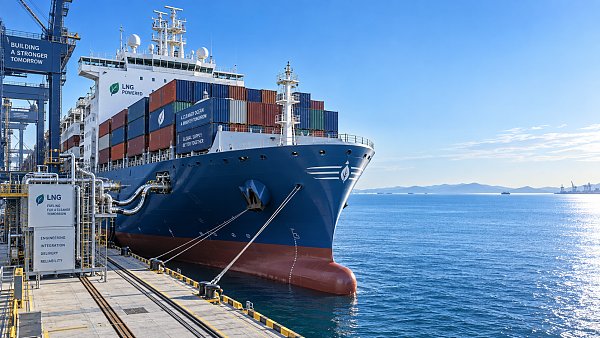
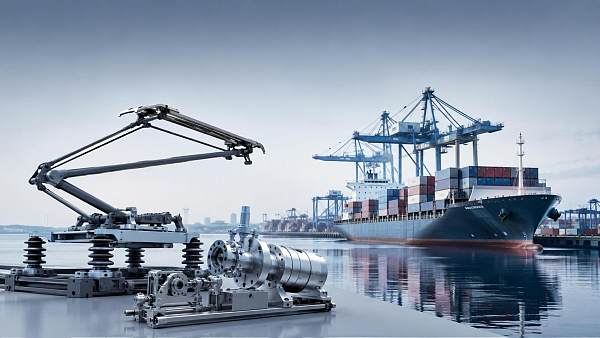
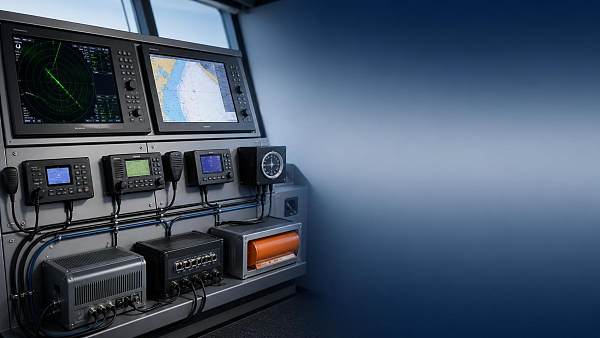
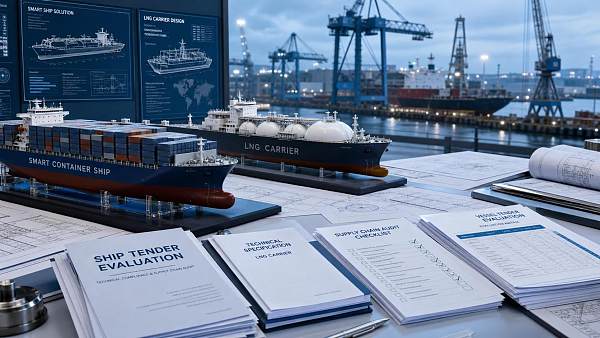
This cross-mode effect is especially important for networks using advanced railway signal control systems, pantographs, braking systems, smart container ships, and LNG carriers.
GTOT’s industry focus highlights a practical reality. Technical performance at component level now shapes commercial performance at network level.
Why component intelligence matters
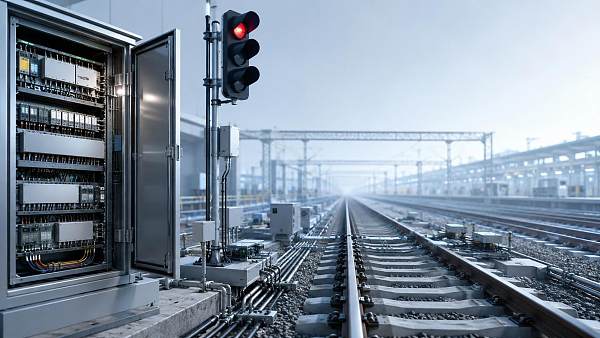
- Railway signal control affects headway, safety, and network density.
- Pantograph quality influences power stability and speed consistency.
- Braking systems shape stopping precision, wear cost, and timetable reliability.
- Smart container ships improve route optimization and berth coordination.
- LNG carriers influence energy security, vessel fuel strategy, and emissions planning.
In modern intermodal transport systems, these are not isolated engineering topics. They affect total landed cost, schedule reliability, and resilience during disruption.
Key Industry Signals Raising Cost Risks in 2026
Several market signals are reshaping how intermodal transport systems should be budgeted and designed for 2026. The biggest issue is uncertainty across several linked cost centers.
These signals create compounding effects. A network may appear efficient on paper, yet lose money when one node suffers persistent delay or one asset class underperforms.
That is why intermodal transport systems should be evaluated by corridor economics, not by mode-specific cost alone.
Where hidden costs usually emerge
- Terminal handoff delays between rail and port windows.
- Unexpected braking, traction, or signal maintenance events.
- Poor vessel-rail schedule matching during peak season.
- Low-quality data across dispatch, fleet, and cargo platforms.
- Insufficient redundancy for weather, labor, or geopolitical shocks.
Business Value of Stronger Intermodal Transport Systems
Well-designed intermodal transport systems do more than move cargo. They reduce cost variability, strengthen service consistency, and support more reliable planning for capital-intensive assets.
This matters in sectors tied to high-value infrastructure, heavy equipment, energy, industrial supply, and long-distance trade. Small efficiency gains can produce large returns over network scale.
The strongest value often comes from aligning engineering capability with logistics strategy. For example, safer high-density rail operations can raise inland flow stability and reduce pressure on port buffer capacity.
Likewise, smart maritime vessels with better route optimization can improve arrival accuracy. That allows better train path planning, terminal labor allocation, and container cycling.
Main value areas
- Lower total logistics cost through synchronized scheduling.
- Higher asset productivity across trains, terminals, and ships.
- Better disruption recovery through digital visibility.
- Stronger compliance with safety and emissions requirements.
- Improved credibility in technically demanding infrastructure tenders.
For 2026 network planning, intermodal transport systems should therefore be treated as value-preserving operating architecture, not just transport infrastructure.
Typical Planning Scenarios Across Rail and Maritime Networks
Different corridors expose different risk patterns. A practical approach is to classify intermodal transport systems by operational profile, equipment dependence, and cost sensitivity.
In each case, intermodal transport systems perform best when technical decisions are made with corridor-level data. That includes train frequency, dwell time, weather sensitivity, and vessel schedule reliability.
GTOT’s land-sea perspective is useful here. It connects rail control precision, braking performance, and maritime intelligence into one operational planning framework.
Practical Planning Recommendations for 2026 Cost Control
A strong 2026 plan should combine engineering depth with financial discipline. Intermodal transport systems need both robust equipment choices and realistic operating assumptions.
1. Model lifecycle cost, not purchase cost
Low initial pricing can hide maintenance exposure, energy inefficiency, and shorter service intervals. This is especially true for control systems, traction interfaces, and braking components.
2. Build planning around node synchronization
Most losses appear at transfer points. Measure rail arrival accuracy, terminal processing time, berth windows, and container release speed as one chain.
3. Prepare energy and carbon scenarios
Include electricity, LNG, marine fuel, and carbon-related cost assumptions. Stress test corridors under high-volatility cases, not just baseline forecasts.
4. Strengthen data integration across modes
Intermodal transport systems need shared visibility. Dispatch systems, yard operations, vessel routing, and maintenance data should support one planning logic.
5. Prioritize resilience in critical equipment
SIL4-grade signaling, stable pantograph systems, precise braking, and smart shipboard monitoring help reduce severe disruption and emergency recovery cost.
6. Use phased upgrades where uncertainty is high
If demand visibility is limited, phase investments by corridor segment. This reduces stranded asset risk while keeping future expansion possible.
A Clear Next Step for More Resilient Intermodal Transport Systems
The central lesson for 2026 is simple. Intermodal transport systems should be planned as integrated operating ecosystems, not disconnected transport assets.
A reliable strategy starts by mapping the highest-cost failure points across rail, terminal, and maritime links. Then align equipment capability, data architecture, and corridor economics around those points.
For organizations tracking railway signal control, pantographs, braking systems, smart container ships, and LNG carriers, this integrated view offers a stronger foundation for planning decisions.
Use 2026 planning cycles to review route assumptions, test energy scenarios, compare lifecycle equipment costs, and tighten node coordination metrics. That is how intermodal transport systems become more efficient, safer, and commercially resilient.
GTOT’s intelligence perspective supports this next step by linking land and sea technology signals into one practical framework for better network planning.
Recommended News
 Sep 29, 2026What drives traction systems price differences between rail projects?Traction systems price differences explained: compare duty cycles, voltage compatibility, integration, localization, and lifecycle costs for smarter rail procurement.
 Sep 26, 2026What to assess before selecting an electric traction system manufacturerChoose an electric traction system manufacturer with confidence. Explore key criteria for performance, reliability, safety, integration, energy efficiency, and lifecycle support.
 Sep 25, 2026When do full digitalization systems justify the investment?Full digitalization systems: discover when rail and maritime operators can turn connected data into safer operations, higher availability, and measurable ROI.
 Sep 23, 2026What drives automatic train control systems cost on rail projects?Automatic train control systems cost depends on integration, migration, safety testing, communications, and lifecycle support. Explore the key budget drivers for rail projects.
 Sep 21, 2026How to assess an ocean going vessel builder’s delivery riskAssess an ocean going vessel builder’s delivery risk with proven checks for schedules, capacity, design maturity, critical equipment, quality, and project controls.
 Sep 20, 2026What drives rail safety technology costs over a project lifecycle?Rail safety technology cost goes beyond equipment—explore lifecycle drivers from integration and safety assurance to cybersecurity, commissioning, and obsolescence.
 Sep 16, 2026What to verify before choosing an advanced ocean-going vessels supplierAdvanced ocean-going vessels supplier checklist: verify design authority, build quality, digital systems, delivery reliability, and lifecycle support before you buy.
 Sep 15, 2026What rail safety technology best reduces level-crossing risks in Southeast Asia?Rail safety technology Southeast Asia: discover how fail-safe signalling, barriers, obstacle detection and remote monitoring reduce level-crossing risks.
 Sep 14, 2026How exporters can reduce customs delays in global trade logisticsGlobal trade logistics for exporters: reduce customs delays with accurate data, clearance-ready documents, early filing, and proactive exception management.
 Sep 13, 2026When do global transportation network systems reduce delivery delays?Global transportation network systems reduce delivery delays by improving rail-port-vessel coordination, real-time visibility, and proactive decisions across complex land-sea supply chains.
 Sep 09, 2026When should you choose a rail and maritime manufacturer with dual-sector capability?Rail and maritime manufacturer guide: learn when dual-sector capability reduces integration risk, improves lifecycle support, and strengthens rail-to-port operations.
 Sep 08, 2026What to verify before selecting a railway signalling equipment supplierRailway signalling equipment supplier checklist: verify safety evidence, integration, cybersecurity, delivery capability, and lifecycle support before award.
 Sep 07, 2026How to size a traction power transformer for railway load demandTraction power transformer sizing guide: model railway load demand, peak duty, voltage regulation, harmonics, and contingency capacity for reliable service.
 Sep 07, 2026How do customization options for industrial connectors affect lead times?Customization options for industrial connectors can impact lead times, cost, and compliance. Learn how to specify smarter for rail and marine projects.
 Sep 05, 2026What information should an industrial sourcing guide include?Industrial sourcing information procurement guide: evaluate suppliers, compliance, lifecycle costs, interfaces, and lead times for smarter rail and maritime purchasing decisions.
 Sep 01, 2026How to find reliable maritime tender information before biddingMaritime tender information: learn how to verify sources, define bid-ready scopes, check qualifications, and reduce risk before submitting competitive marine bids.
 Aug 30, 2026How to select railway automation equipment for depots with phased upgradesRailway automation equipment for depots: learn how to plan phased upgrades that improve safety, throughput, integration, and lifecycle control.
 Aug 27, 2026How industrial sourcing intelligence pricing data supports budget approvalIndustrial sourcing intelligence pricing data helps teams benchmark scope, assess supplier risk, and build defensible budget approvals for complex rail and maritime assets.
 Aug 26, 2026When does a marine fuel efficiency solution make financial sense in the Middle East?Marine fuel efficiency solution Middle East: learn when retrofit savings, compliance value, and vessel data align to deliver credible ROI and smarter shipping investment decisions.
 Aug 24, 2026When does maritime automation for tankers deliver a real payback?Maritime automation for tankers delivers real payback when it cuts fuel use, reduces cargo risk, and improves uptime. See how owners can time investment for stronger ROI.
 Aug 23, 2026When do maritime logistics systems in the Middle East justify the costMaritime logistics systems Middle East: discover when rising delays, manual coordination, and poor visibility make system investment the smarter move for regional operators.
 Aug 22, 2026What drives vessel navigation system price for commercial fleetsVessel navigation system price depends on integration, compliance, automation, and support—not just hardware. Learn what drives fleet costs and compare quotes with confidence.
 Aug 21, 2026How to assess shipbuilding maritime tenders before biddingShipbuilding maritime tenders require more than price checks. Learn how to assess technical scope, compliance, supply chain, and commercial risk before bidding with confidence.
 Aug 20, 2026When does working with an ocean-going vessels distributor reduce supply risk?Ocean-going vessels distributor: learn when this partner cuts supply risk through stronger compliance, faster response, and better sourcing resilience in complex maritime procurement.