



Search News
Industry Portal
Popular Tags
Intermodal Transport Systems: Common Upgrade Mistakes
Author
Time
Click Count
Upgrading intermodal transport systems can deliver faster flows, safer operations, and stronger asset productivity across rail and maritime networks.
Yet many programs underperform because technical design, data architecture, and operational governance are not aligned from the start.
In complex land-sea logistics, small upgrade mistakes can trigger bottlenecks, compliance gaps, and expensive reliability losses.
For intelligence-driven platforms such as GTOT, the issue is not only modernization speed, but whether every subsystem supports safe, efficient, connected transportation.
What Intermodal Transport Systems Upgrades Really Involve
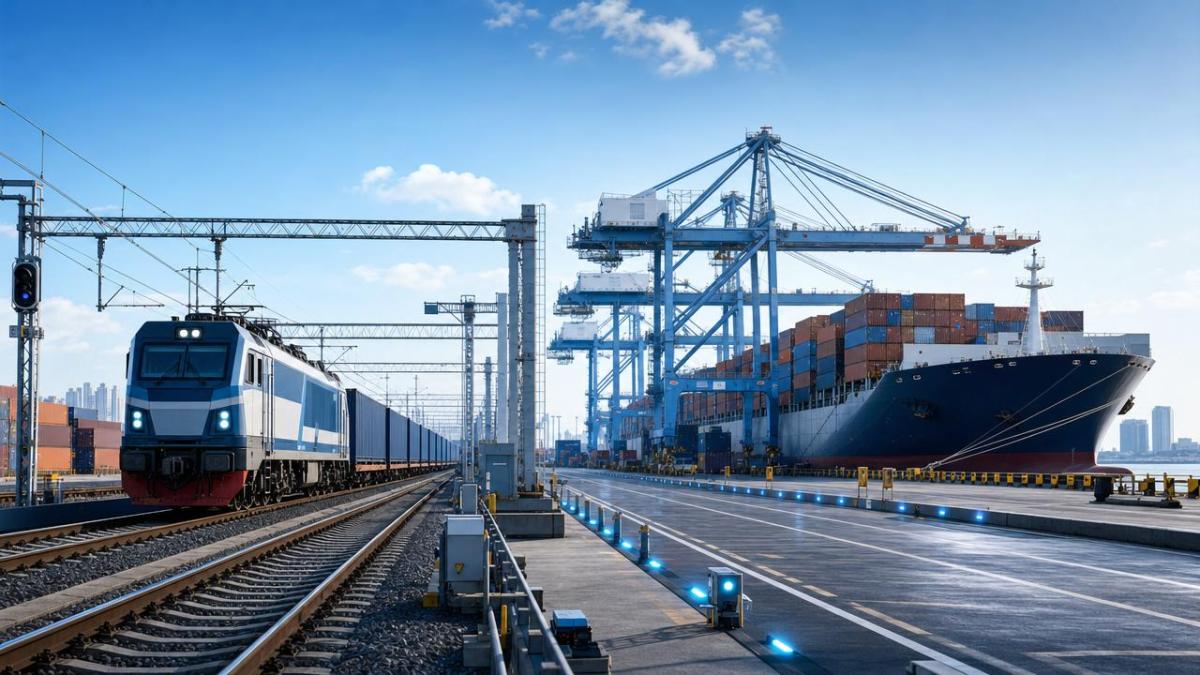
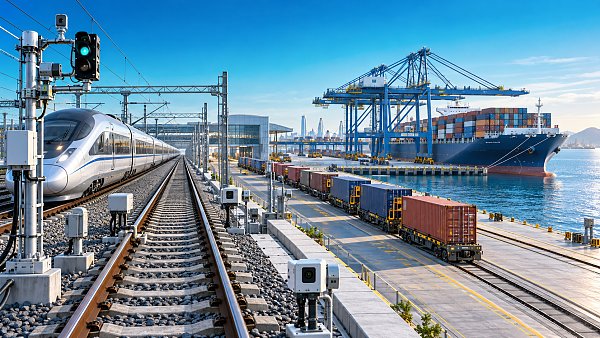
Intermodal transport systems connect rail, port, vessel, terminal, and digital control assets into one operational chain.
An upgrade is rarely a single equipment swap.
It usually includes signalling improvements, traction power interfaces, braking coordination, cargo visibility, vessel intelligence, and scheduling integration.
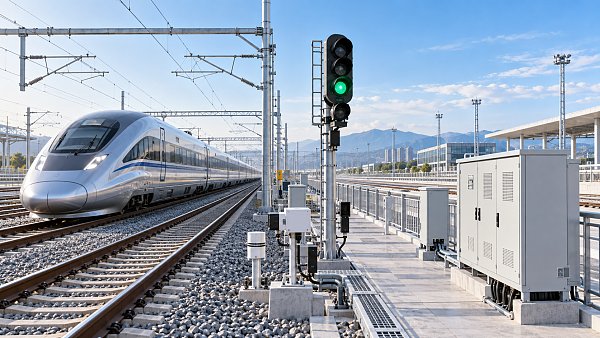
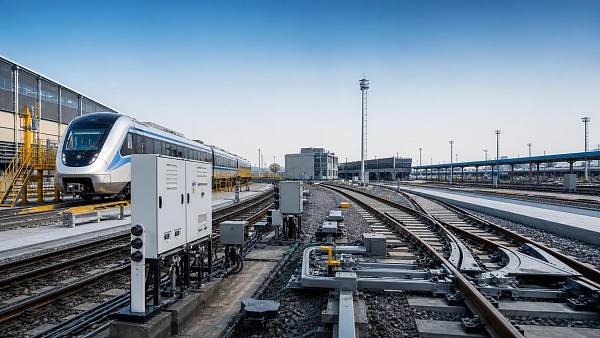
In rail environments, this may involve signal control systems, pantograph performance, and braking response under high-density automation.
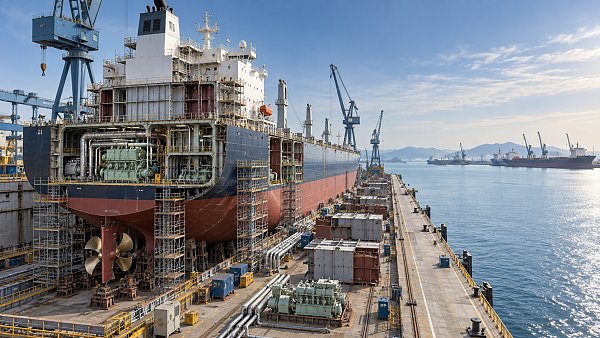
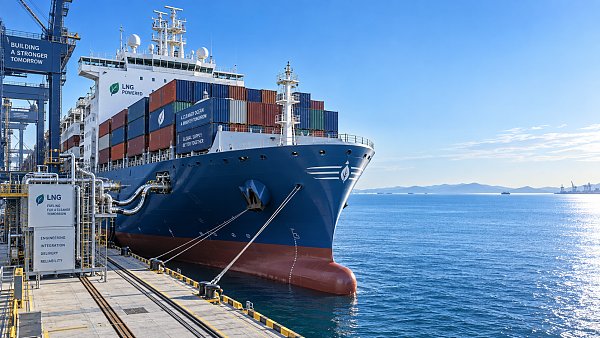
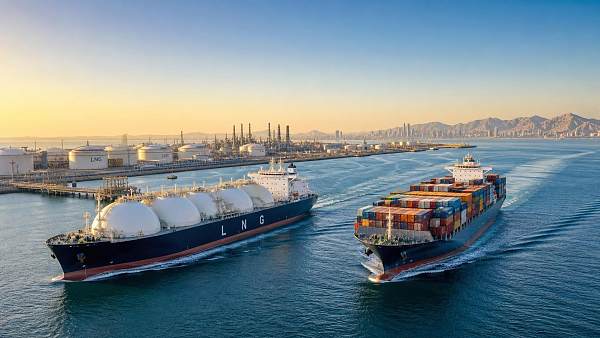
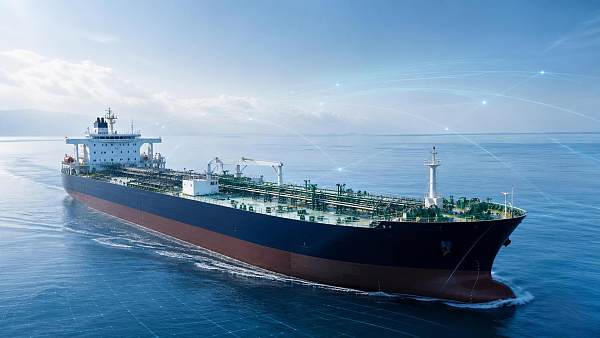
In maritime operations, upgrades often focus on smart container ships, LNG carrier monitoring, route optimization, and port connectivity.
The common goal is simple.
Every interface must reduce delay, protect safety, and improve decision quality across the full transport corridor.
That is why intermodal transport systems fail when modernization remains fragmented.
Current Industry Pressures Shaping Upgrade Decisions
Today’s intermodal transport systems face pressure from five directions: automation, safety regulation, energy transition, data transparency, and global schedule volatility.
These pressures affect both equipment selection and upgrade timing.
GTOT closely tracks these pressures because they shape component value, tender credibility, and long-term system performance.
Common Upgrade Mistakes in Intermodal Transport Systems
Treating hardware replacement as full modernization
A frequent mistake is upgrading physical assets while leaving process logic unchanged.
New hardware cannot create value if dispatching, maintenance planning, and interface standards remain outdated.
Ignoring interface compatibility
Intermodal transport systems depend on frictionless handoffs between rail control, terminal systems, port operations, and vessel platforms.
Projects often underestimate protocol mismatches, latency issues, and sensor data inconsistency.
Underestimating safety validation
In railway signalling and braking, upgrades must respect strict safety integrity expectations.
Compressed schedules sometimes weaken testing depth, hazard review, and fallback mode design.
Designing for average conditions only
Good intermodal transport systems must perform during peak congestion, bad weather, high wind, vibration, and volatile demand windows.
Average-case engineering creates hidden fragility.
Separating digital upgrades from operations teams
Software, analytics, and AI tools often fail because frontline workflows were not mapped before deployment.
The result is low adoption, poor data quality, and bypass behavior.
Weak lifecycle thinking
Many programs optimize capital cost, but neglect maintenance burden, spare parts availability, and upgrade scalability.
That weakens return on investment over time.
Why These Mistakes Damage Business Performance
Upgrade mistakes in intermodal transport systems affect more than engineering metrics.
They directly influence service reliability, utilization, compliance exposure, and customer confidence across global logistics chains.
- Train delays increase when signalling, power collection, and braking responses are not coordinated.
- Port dwell time rises when container visibility and berth scheduling remain disconnected.
- Fuel and energy costs grow when route logic and traction efficiency are not optimized together.
- Tender competitiveness weakens when compliance evidence is incomplete or inconsistent.
- Asset value declines when digital systems cannot support predictive maintenance and operational learning.
For this reason, intermodal transport systems should be treated as strategic infrastructure, not isolated equipment packages.
Representative Upgrade Scenarios Across Rail and Maritime Networks
Different scenarios create different risk patterns.
The table below shows where intermodal transport systems most often encounter upgrade mistakes.
These examples show that intermodal transport systems succeed when design choices reflect operating reality, not presentation-level ambition.
Practical Guidance for Better Upgrade Execution
A disciplined approach reduces rework and protects long-term value.
- Map every operational interface before approving technical architecture.
- Define measurable goals for reliability, safety, capacity, and energy performance.
- Test against peak, degraded, and emergency operating conditions.
- Align rail, port, vessel, and digital teams on one data governance model.
- Plan lifecycle support, including spares, diagnostics, and upgrade pathways.
- Use phased deployment to capture lessons before network-wide rollout.
- Document compliance evidence early for auditability and future tenders.
For intermodal transport systems, successful execution depends on intelligence stitching across disciplines.
That principle strongly matches GTOT’s focus on linking speed control, deep-sea logic, and supply chain efficiency.
A Measured Next Step for Upgrade Planning
Before launching any modernization program, create a cross-system review of interfaces, failure modes, and decision data.
This first step often reveals whether intermodal transport systems are constrained by equipment, process design, or information quality.
A clear baseline makes later investment choices more defensible.
Organizations following rail and maritime technology through GTOT can use sector intelligence to benchmark risks, compare upgrade paths, and strengthen technical credibility.
In intermodal transport systems, the best upgrades are not the fastest to launch.
They are the ones that connect safety, automation, and lifecycle performance into one durable operating model.
Recommended News
 Sep 29, 2026What drives traction systems price differences between rail projects?Traction systems price differences explained: compare duty cycles, voltage compatibility, integration, localization, and lifecycle costs for smarter rail procurement.
 Sep 26, 2026What to assess before selecting an electric traction system manufacturerChoose an electric traction system manufacturer with confidence. Explore key criteria for performance, reliability, safety, integration, energy efficiency, and lifecycle support.
 Sep 25, 2026When do full digitalization systems justify the investment?Full digitalization systems: discover when rail and maritime operators can turn connected data into safer operations, higher availability, and measurable ROI.
 Sep 23, 2026What drives automatic train control systems cost on rail projects?Automatic train control systems cost depends on integration, migration, safety testing, communications, and lifecycle support. Explore the key budget drivers for rail projects.
 Sep 21, 2026How to assess an ocean going vessel builder’s delivery riskAssess an ocean going vessel builder’s delivery risk with proven checks for schedules, capacity, design maturity, critical equipment, quality, and project controls.
 Sep 20, 2026What drives rail safety technology costs over a project lifecycle?Rail safety technology cost goes beyond equipment—explore lifecycle drivers from integration and safety assurance to cybersecurity, commissioning, and obsolescence.
 Sep 16, 2026What to verify before choosing an advanced ocean-going vessels supplierAdvanced ocean-going vessels supplier checklist: verify design authority, build quality, digital systems, delivery reliability, and lifecycle support before you buy.
 Sep 15, 2026What rail safety technology best reduces level-crossing risks in Southeast Asia?Rail safety technology Southeast Asia: discover how fail-safe signalling, barriers, obstacle detection and remote monitoring reduce level-crossing risks.
 Sep 14, 2026How exporters can reduce customs delays in global trade logisticsGlobal trade logistics for exporters: reduce customs delays with accurate data, clearance-ready documents, early filing, and proactive exception management.
 Sep 13, 2026When do global transportation network systems reduce delivery delays?Global transportation network systems reduce delivery delays by improving rail-port-vessel coordination, real-time visibility, and proactive decisions across complex land-sea supply chains.
 Sep 09, 2026When should you choose a rail and maritime manufacturer with dual-sector capability?Rail and maritime manufacturer guide: learn when dual-sector capability reduces integration risk, improves lifecycle support, and strengthens rail-to-port operations.
 Sep 08, 2026What to verify before selecting a railway signalling equipment supplierRailway signalling equipment supplier checklist: verify safety evidence, integration, cybersecurity, delivery capability, and lifecycle support before award.
 Sep 07, 2026How to size a traction power transformer for railway load demandTraction power transformer sizing guide: model railway load demand, peak duty, voltage regulation, harmonics, and contingency capacity for reliable service.
 Sep 07, 2026How do customization options for industrial connectors affect lead times?Customization options for industrial connectors can impact lead times, cost, and compliance. Learn how to specify smarter for rail and marine projects.
 Sep 05, 2026What information should an industrial sourcing guide include?Industrial sourcing information procurement guide: evaluate suppliers, compliance, lifecycle costs, interfaces, and lead times for smarter rail and maritime purchasing decisions.
 Sep 01, 2026How to find reliable maritime tender information before biddingMaritime tender information: learn how to verify sources, define bid-ready scopes, check qualifications, and reduce risk before submitting competitive marine bids.
 Aug 30, 2026How to select railway automation equipment for depots with phased upgradesRailway automation equipment for depots: learn how to plan phased upgrades that improve safety, throughput, integration, and lifecycle control.
 Aug 27, 2026How industrial sourcing intelligence pricing data supports budget approvalIndustrial sourcing intelligence pricing data helps teams benchmark scope, assess supplier risk, and build defensible budget approvals for complex rail and maritime assets.
 Aug 26, 2026When does a marine fuel efficiency solution make financial sense in the Middle East?Marine fuel efficiency solution Middle East: learn when retrofit savings, compliance value, and vessel data align to deliver credible ROI and smarter shipping investment decisions.
 Aug 24, 2026When does maritime automation for tankers deliver a real payback?Maritime automation for tankers delivers real payback when it cuts fuel use, reduces cargo risk, and improves uptime. See how owners can time investment for stronger ROI.
 Aug 23, 2026When do maritime logistics systems in the Middle East justify the costMaritime logistics systems Middle East: discover when rising delays, manual coordination, and poor visibility make system investment the smarter move for regional operators.
 Aug 22, 2026What drives vessel navigation system price for commercial fleetsVessel navigation system price depends on integration, compliance, automation, and support—not just hardware. Learn what drives fleet costs and compare quotes with confidence.
 Aug 21, 2026How to assess shipbuilding maritime tenders before biddingShipbuilding maritime tenders require more than price checks. Learn how to assess technical scope, compliance, supply chain, and commercial risk before bidding with confidence.
 Aug 20, 2026When does working with an ocean-going vessels distributor reduce supply risk?Ocean-going vessels distributor: learn when this partner cuts supply risk through stronger compliance, faster response, and better sourcing resilience in complex maritime procurement.