



Search News
Industry Portal
Popular Tags
Heavy Industry Equipment: 5 Failure Risks to Check Early
Author
Time
Click Count
In heavy industry equipment operations, small warning signs can quickly escalate into costly failures, safety incidents, and unplanned downtime. For quality control and safety managers, identifying early-risk points is essential to protecting system reliability, compliance, and asset performance.
This article highlights five critical failure risks to check early, helping teams strengthen preventive maintenance and make smarter inspection decisions across complex industrial environments.
What Quality and Safety Teams Should Check First
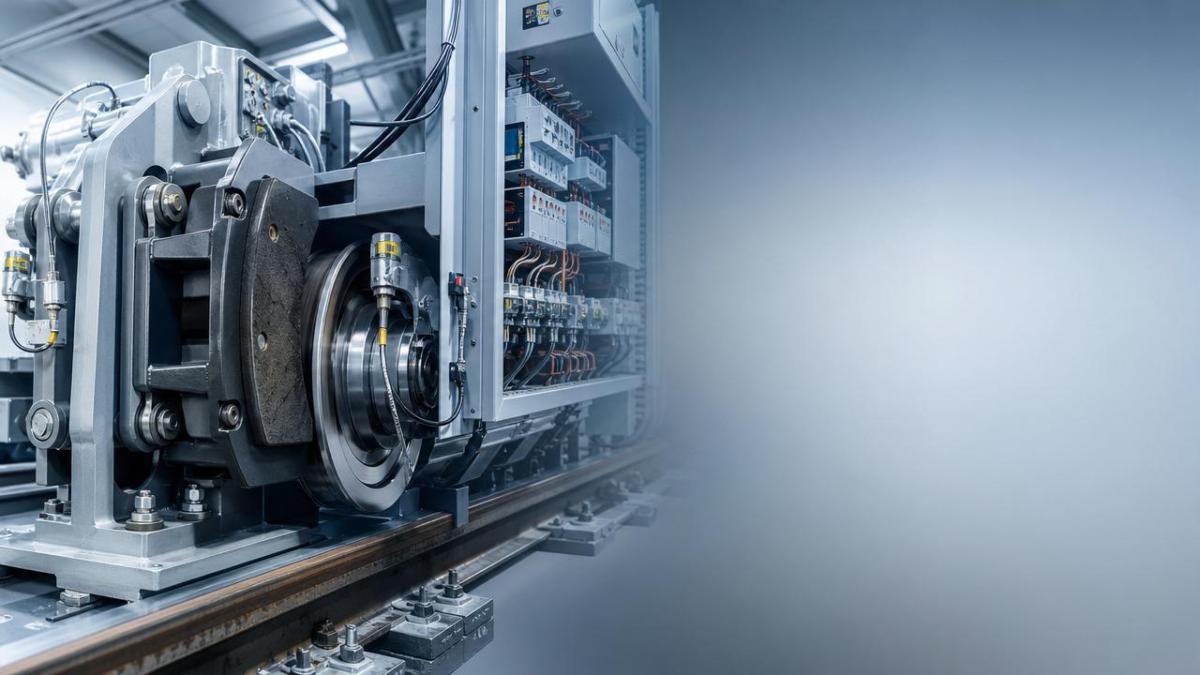
When people search for heavy industry equipment failure risks, they usually want practical inspection priorities, not broad theory. They need to know which warning signs deserve immediate attention.
For quality control personnel and safety managers, the real question is simple: which early failures can trigger downtime, nonconformance, or serious incidents if left uncorrected?
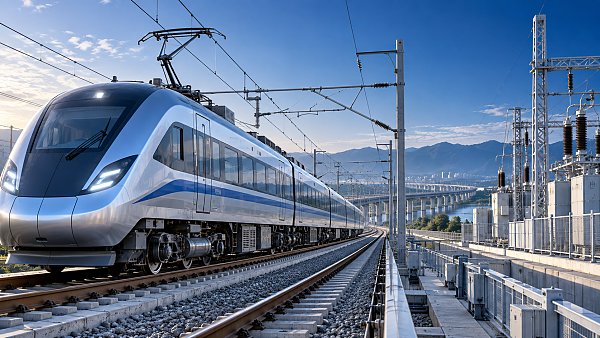
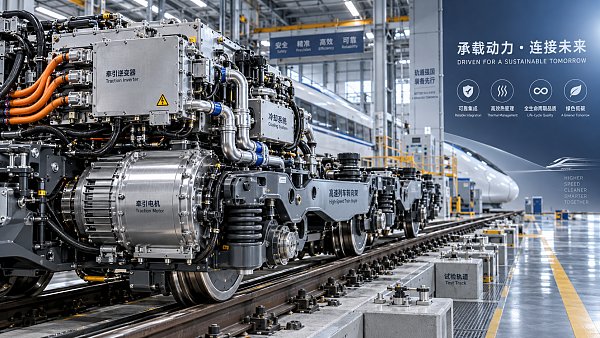
Across rail systems, traction components, braking assemblies, marine equipment, and other heavy-duty assets, five risk areas repeatedly appear before major breakdowns. They are structural fatigue, overheating, lubrication loss, electrical instability, and control-system deviation.
These issues matter because they often start small, remain hidden during routine operation, and then accelerate under load, vibration, speed, pressure, or harsh environmental exposure.
The best preventive strategy is not checking everything with equal effort. It is focusing inspection resources on the failure modes most likely to affect safety, compliance, and equipment availability.
1. Structural Fatigue and Crack Initiation Are Often Missed Too Long
Structural fatigue is one of the most dangerous early failure risks in heavy industry equipment because visible damage usually appears late, after internal weakness has already progressed.
Quality and safety teams should pay close attention to welded joints, bolted interfaces, brackets, housings, supports, mounting points, and load-bearing frames that experience repeated stress cycles.
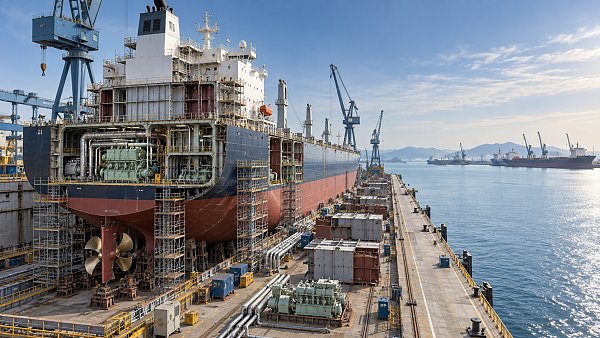
In railway and marine environments, fatigue can be accelerated by high-frequency vibration, shock loading, thermal expansion, corrosion, and dynamic operating conditions. These combined stresses slowly reduce component integrity.
Early signs include paint cracking near joints, minor deformation, abnormal gap changes, fastener loosening, recurring alignment drift, and unusual vibration patterns during startup or high-load operation.
These signals are easy to dismiss as cosmetic or routine wear. However, they often indicate that stress concentration has formed around a component that is already approaching failure.
Inspection methods should go beyond visual review alone. Dye penetrant testing, ultrasonic testing, torque verification, dimensional measurement, and trend comparison across inspection cycles can reveal hidden deterioration earlier.
Safety managers should also ask whether design loading still matches actual operating conditions. Equipment may now be handling higher throughput, faster cycles, rougher routes, or heavier environmental exposure than originally planned.
When fatigue risk is found early, teams can schedule reinforcement, replacement, or load adjustment during planned maintenance. If discovered late, the result may be fracture, derailment risk, cargo damage, or emergency shutdown.
2. Heat Build-Up Can Turn a Stable System into a Fast-Moving Failure
Overheating is not only a temperature problem. It is often the first visible symptom of deeper friction, electrical resistance, cooling inefficiency, overload, or control imbalance in heavy industry equipment.
For quality teams, temperature trends are valuable because they reveal failure before catastrophic damage occurs. Bearings, brake systems, converters, switchgear, motors, hydraulic units, and power interfaces all deserve attention.
In rail transit braking systems, for example, thermal overload may reduce braking consistency, accelerate material wear, and increase stopping uncertainty. In marine systems, heat stress can degrade propulsion and auxiliary equipment.
Common early signs include localized hot spots, burnt odor, discoloration, rising enclosure temperature, unstable thermal readings, repeated thermal alarms, and declining performance during continuous-duty cycles.
Do not only inspect components after alarm thresholds are exceeded. Good preventive practice uses baseline temperature mapping and compares thermal behavior under similar load, weather, and operating profiles.
Infrared thermography is especially useful because it detects abnormal heat patterns without stopping production. This helps teams identify friction points, poor electrical connections, blocked cooling paths, and overloaded subsystems.
Safety managers should also review whether heat-related findings are treated as isolated maintenance tasks when they are actually symptoms of a systemic process issue.
If a contact interface repeatedly overheats, the true problem may involve contamination, misalignment, material degradation, excess current draw, or poor assembly quality rather than cooling alone.
3. Lubrication Failure Quietly Damages High-Value Components
Lubrication problems are among the most common and most underestimated risks in heavy industry equipment. They develop gradually, but their effects on wear, friction, heat, and contamination can be severe.
For rotating and sliding assemblies, correct lubrication is not just about adding oil or grease on schedule. It is about using the right lubricant, in the right amount, under the right condition.
Bearings, gearboxes, couplings, compressors, actuators, and hydraulic systems are especially vulnerable. In transport and marine environments, contamination by dust, water, salt, or metal particles makes the risk even greater.
Early indicators include unusual noise, rising vibration, darker lubricant color, foaming, leakage, pressure instability, reduced film quality, and abnormal particle counts in oil analysis results.
One common management mistake is treating lubrication as a basic servicing activity rather than a condition-monitoring discipline. That approach misses trends that could justify intervention before wear becomes irreversible.
Used oil analysis can reveal viscosity change, oxidation, water ingress, fuel dilution, and metal wear signatures. These findings help quality teams trace whether damage is coming from friction, contamination, or internal component breakdown.
Safety managers should also verify lubrication routes, storage standards, labeling controls, and contamination prevention practices. Many failures begin not inside the machine, but during lubricant handling or maintenance execution.
When lubrication risk is managed early, asset life extends and performance remains stable. When ignored, the result can include seized bearings, gearbox failure, hydraulic malfunction, and expensive secondary damage.
4. Electrical Instability Often Appears Before Mechanical Breakdown
Electrical issues in heavy industry equipment are frequently misread as isolated faults, yet many major failures start with unstable power, deteriorated insulation, poor grounding, or intermittent connection problems.
This is especially important in systems that combine power electronics, sensors, braking logic, communication interfaces, and automated controls. Small electrical irregularities can quickly affect broader operational safety.
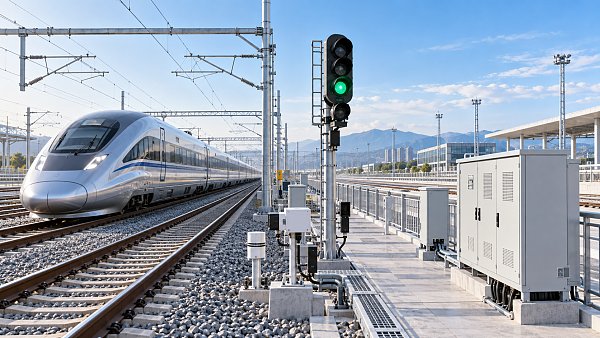
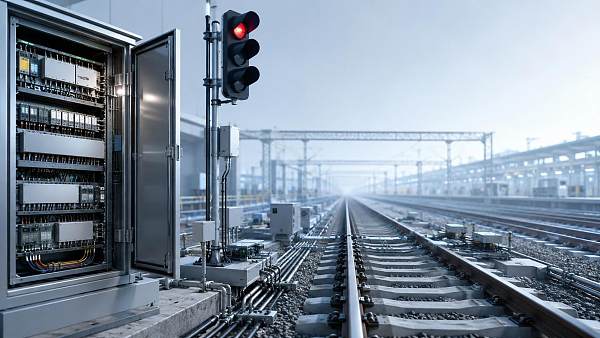
In railway signal control, traction systems, and smart vessel platforms, electrical instability can disrupt command reliability, create false readings, reduce redundancy effectiveness, or trigger protective shutdowns.
Teams should watch for voltage fluctuation, nuisance trips, intermittent signal loss, connector heating, insulation resistance decline, moisture ingress, corrosion at terminals, and unexplained resets or communication delays.
These symptoms may seem minor when equipment still operates. However, they are often early evidence that system margins are shrinking and failure tolerance is becoming dangerously low.
Inspection should include cable routing checks, enclosure sealing verification, grounding continuity tests, insulation testing, connector condition review, and trend analysis of alarms across repeated operating cycles.
Quality control teams can create real value by linking electrical findings with environmental and operational data. For example, recurring faults after vibration events or humidity changes often point to root causes faster than component replacement does.
From a safety perspective, unresolved electrical instability can impair braking response, automation logic, monitoring accuracy, or emergency functions. That makes it more than a maintenance issue; it becomes a risk-control issue.
5. Control-System Drift Creates Hidden Compliance and Safety Exposure
The fifth early risk is control-system deviation. This includes sensor drift, calibration error, delayed feedback, software-logic mismatch, and actuator response variation that gradually pushes equipment away from intended limits.
For quality and safety managers, this is one of the hardest failure risks to detect because the equipment may continue running while performance quietly becomes less accurate, less repeatable, or less safe.
In braking systems, this may mean reduced precision in stopping behavior. In signal systems, it may mean timing inconsistency. In marine applications, it may affect navigation, propulsion coordination, or cargo condition monitoring.
Warning signs include unexplained process variation, mismatch between command and output, recurring manual correction by operators, inconsistent sensor readings, drifting setpoints, and a growing gap between nominal and actual performance.
These issues are especially important in regulated and high-consequence industries because they can create compliance problems before they cause visible mechanical failure.
To catch drift early, teams should compare live operating data against validated baselines, calibration records, alarm histories, and known design tolerances. Cross-checking multiple data sources usually reveals problems faster than isolated inspections.
Root cause analysis should consider software changes, firmware compatibility, sensor aging, environmental interference, installation error, and process modifications that were never fully reflected in control logic.
If left unresolved, control-system drift can produce false confidence. The equipment appears available, but actual safety margin, quality consistency, and audit readiness are already declining.
How to Turn Early Warning Signs into Better Inspection Decisions
Knowing the five main failure risks is useful, but the real operational value comes from converting them into a repeatable inspection and escalation process.
First, rank heavy industry equipment by consequence of failure, not only by replacement cost. Assets tied to human safety, operational continuity, or regulatory exposure should receive the earliest and deepest checks.
Second, define what counts as an early warning signal. Teams need clear thresholds for temperature rise, vibration change, crack indication, lubricant contamination, alarm repetition, and calibration deviation.
Third, combine routine inspection with condition-based methods. Visual checks remain important, but they should be supported by thermal imaging, vibration analysis, oil analysis, electrical testing, and data trending.
Fourth, improve feedback between maintenance, operations, quality, and safety functions. Many serious failures occur because each team sees only part of the pattern and no one integrates the evidence early enough.
Fifth, document findings in a way that supports action. A useful inspection record should show location, symptom, trend direction, likely consequence, urgency, and recommended next step.
This approach helps managers justify maintenance windows, prioritize spares, reduce unnecessary shutdowns, and defend decisions during audits, incident reviews, or customer qualification processes.
For organizations handling advanced rail or marine assets, it also strengthens technical credibility. Reliable inspection logic supports safer operations and better lifecycle performance across complex, high-value equipment fleets.
Conclusion
The most costly heavy industry equipment failures rarely begin as dramatic events. They usually start as small, detectable changes in structure, temperature, lubrication, electrical behavior, or control performance.
For quality control and safety managers, early detection is not just about preventing breakdown. It is about protecting compliance, reducing operational uncertainty, and preserving confidence in high-consequence systems.
If your team focuses first on structural fatigue, overheating, lubrication loss, electrical instability, and control-system drift, inspection resources become more targeted and preventive maintenance becomes more effective.
The strongest risk programs do not wait for failure confirmation. They identify weak signals early, verify them with the right methods, and act before safety margins disappear.
That is how heavy industry equipment remains reliable, auditable, and fit for demanding rail, marine, and industrial operating environments.
Recommended News
 Sep 29, 2026What drives traction systems price differences between rail projects?Traction systems price differences explained: compare duty cycles, voltage compatibility, integration, localization, and lifecycle costs for smarter rail procurement.
 Sep 26, 2026What to assess before selecting an electric traction system manufacturerChoose an electric traction system manufacturer with confidence. Explore key criteria for performance, reliability, safety, integration, energy efficiency, and lifecycle support.
 Sep 25, 2026When do full digitalization systems justify the investment?Full digitalization systems: discover when rail and maritime operators can turn connected data into safer operations, higher availability, and measurable ROI.
 Sep 23, 2026What drives automatic train control systems cost on rail projects?Automatic train control systems cost depends on integration, migration, safety testing, communications, and lifecycle support. Explore the key budget drivers for rail projects.
 Sep 21, 2026How to assess an ocean going vessel builder’s delivery riskAssess an ocean going vessel builder’s delivery risk with proven checks for schedules, capacity, design maturity, critical equipment, quality, and project controls.
 Sep 20, 2026What drives rail safety technology costs over a project lifecycle?Rail safety technology cost goes beyond equipment—explore lifecycle drivers from integration and safety assurance to cybersecurity, commissioning, and obsolescence.
 Sep 16, 2026What to verify before choosing an advanced ocean-going vessels supplierAdvanced ocean-going vessels supplier checklist: verify design authority, build quality, digital systems, delivery reliability, and lifecycle support before you buy.
 Sep 15, 2026What rail safety technology best reduces level-crossing risks in Southeast Asia?Rail safety technology Southeast Asia: discover how fail-safe signalling, barriers, obstacle detection and remote monitoring reduce level-crossing risks.
 Sep 14, 2026How exporters can reduce customs delays in global trade logisticsGlobal trade logistics for exporters: reduce customs delays with accurate data, clearance-ready documents, early filing, and proactive exception management.
 Sep 13, 2026When do global transportation network systems reduce delivery delays?Global transportation network systems reduce delivery delays by improving rail-port-vessel coordination, real-time visibility, and proactive decisions across complex land-sea supply chains.
 Sep 09, 2026When should you choose a rail and maritime manufacturer with dual-sector capability?Rail and maritime manufacturer guide: learn when dual-sector capability reduces integration risk, improves lifecycle support, and strengthens rail-to-port operations.
 Sep 08, 2026What to verify before selecting a railway signalling equipment supplierRailway signalling equipment supplier checklist: verify safety evidence, integration, cybersecurity, delivery capability, and lifecycle support before award.
 Sep 07, 2026How to size a traction power transformer for railway load demandTraction power transformer sizing guide: model railway load demand, peak duty, voltage regulation, harmonics, and contingency capacity for reliable service.
 Sep 07, 2026How do customization options for industrial connectors affect lead times?Customization options for industrial connectors can impact lead times, cost, and compliance. Learn how to specify smarter for rail and marine projects.
 Sep 05, 2026What information should an industrial sourcing guide include?Industrial sourcing information procurement guide: evaluate suppliers, compliance, lifecycle costs, interfaces, and lead times for smarter rail and maritime purchasing decisions.
 Sep 01, 2026How to find reliable maritime tender information before biddingMaritime tender information: learn how to verify sources, define bid-ready scopes, check qualifications, and reduce risk before submitting competitive marine bids.
 Aug 30, 2026How to select railway automation equipment for depots with phased upgradesRailway automation equipment for depots: learn how to plan phased upgrades that improve safety, throughput, integration, and lifecycle control.
 Aug 27, 2026How industrial sourcing intelligence pricing data supports budget approvalIndustrial sourcing intelligence pricing data helps teams benchmark scope, assess supplier risk, and build defensible budget approvals for complex rail and maritime assets.
 Aug 26, 2026When does a marine fuel efficiency solution make financial sense in the Middle East?Marine fuel efficiency solution Middle East: learn when retrofit savings, compliance value, and vessel data align to deliver credible ROI and smarter shipping investment decisions.
 Aug 24, 2026When does maritime automation for tankers deliver a real payback?Maritime automation for tankers delivers real payback when it cuts fuel use, reduces cargo risk, and improves uptime. See how owners can time investment for stronger ROI.
 Aug 23, 2026When do maritime logistics systems in the Middle East justify the costMaritime logistics systems Middle East: discover when rising delays, manual coordination, and poor visibility make system investment the smarter move for regional operators.
 Aug 22, 2026What drives vessel navigation system price for commercial fleetsVessel navigation system price depends on integration, compliance, automation, and support—not just hardware. Learn what drives fleet costs and compare quotes with confidence.
 Aug 21, 2026How to assess shipbuilding maritime tenders before biddingShipbuilding maritime tenders require more than price checks. Learn how to assess technical scope, compliance, supply chain, and commercial risk before bidding with confidence.
 Aug 20, 2026When does working with an ocean-going vessels distributor reduce supply risk?Ocean-going vessels distributor: learn when this partner cuts supply risk through stronger compliance, faster response, and better sourcing resilience in complex maritime procurement.