



Search News
Industry Portal
Popular Tags
How Maritime Decarbonization Solutions Cut Fuel and Compliance Costs
Author
Time
Click Count
For finance decision-makers, decarbonization solutions for maritime logistics are no longer just a sustainability upgrade—they are a practical path to lower fuel spend, reduced compliance exposure, and stronger long-term asset returns.
As regulations tighten and bunker costs stay volatile, shipowners, operators, and logistics networks need measures that improve efficiency while protecting profitability.
In today’s transport economy, smart shipping decisions increasingly connect with broader rail, port, and supply chain performance.
What Decarbonization Solutions for Maritime Logistics Mean
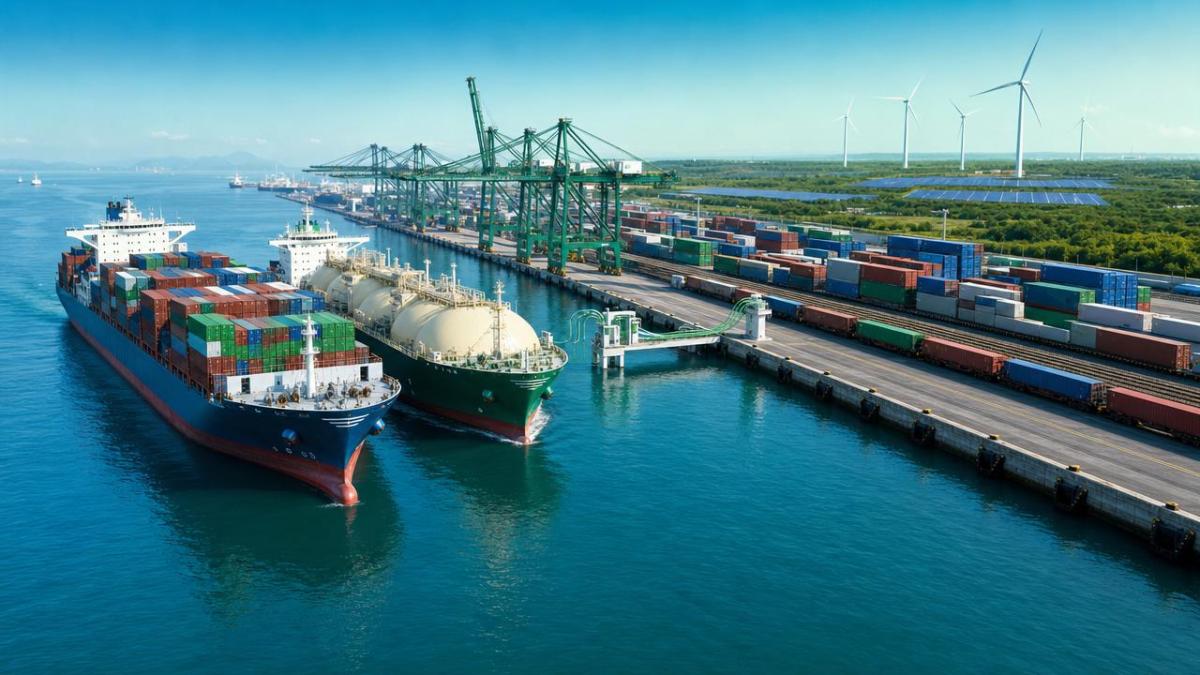
Decarbonization solutions for maritime logistics refer to technologies, fuels, digital tools, and operating methods that reduce vessel emissions and energy waste.
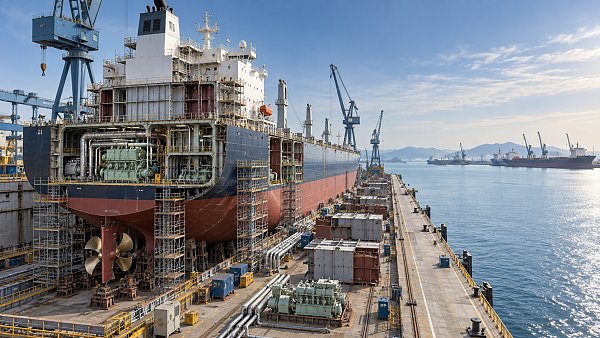
They include hull optimization, weather routing, shore power, air lubrication, dual-fuel engines, battery support systems, and voyage performance analytics.
The financial value comes from two linked outcomes: lower fuel consumption and lower regulatory cost exposure.
That exposure may include carbon pricing, fuel standard penalties, emissions reporting burdens, and the cost of non-compliant asset operation.
Core components of a practical decarbonization approach
- Energy efficiency upgrades for hull, propeller, and engine systems.
- Operational controls such as speed optimization and port turnaround planning.
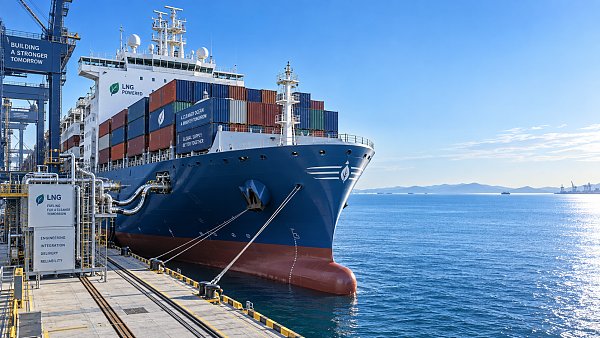
- Fuel pathway choices including LNG, methanol, biofuels, and future-ready configurations.
- Digital monitoring for emissions visibility, benchmarking, and compliance reporting.
For platforms like GTOT, this topic matters because vessel efficiency is no longer isolated from ports, inland transport, and strategic transport intelligence.
Why the Industry Is Paying Closer Attention
The maritime sector faces simultaneous pressure from fuel economics, environmental rules, and charter market expectations.
That makes decarbonization solutions for maritime logistics a financial planning issue, not only an engineering topic.
The result is clear: inefficient ships are becoming more expensive to operate, finance, and deploy in premium trade lanes.
At the same time, efficient vessels benefit from lower daily operating cost and better long-term commercial positioning.
How Fuel Savings and Compliance Savings Are Created
The strongest business case for decarbonization solutions for maritime logistics comes from combining direct and indirect savings.
Direct fuel cost reduction
Fuel remains one of the largest operating expenses in ocean shipping.
Small improvements in resistance, propulsion efficiency, and routing can produce meaningful annual savings across large fleets.
- Hull cleaning lowers drag and improves fuel efficiency.
- Propeller upgrades improve power transfer.
- Voyage optimization avoids unnecessary fuel burn.
- Smart speed management balances arrival time and consumption.
Compliance cost reduction
Regulatory savings are less visible, but often equally important.
Better emissions performance can reduce carbon-linked charges, avoid retrofit urgency, and protect schedule flexibility in regulated markets.
It also lowers the risk of stranded investment in vessels that no longer fit future trade requirements.
Data-driven decision quality
Digital monitoring strengthens capital decisions by showing which ships, routes, and retrofit combinations deliver the best payback.
This is where intelligence platforms add value through benchmarking, trend tracking, and technical comparison.
Typical Solution Paths Across Maritime Logistics
Not every vessel needs the same transition roadmap.
The most effective decarbonization solutions for maritime logistics depend on ship type, age, route profile, and fuel availability.
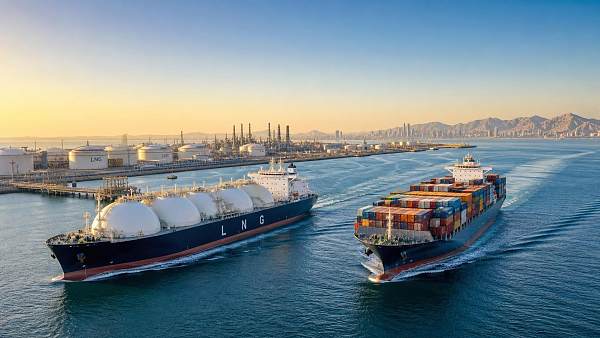
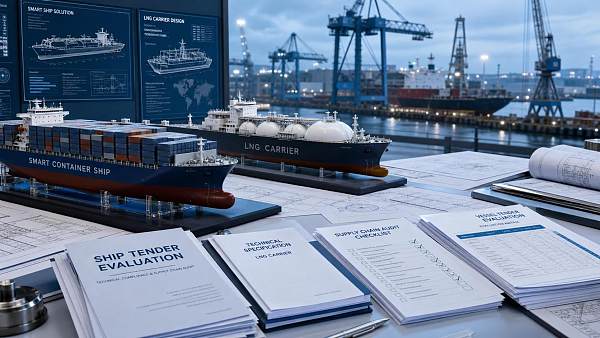
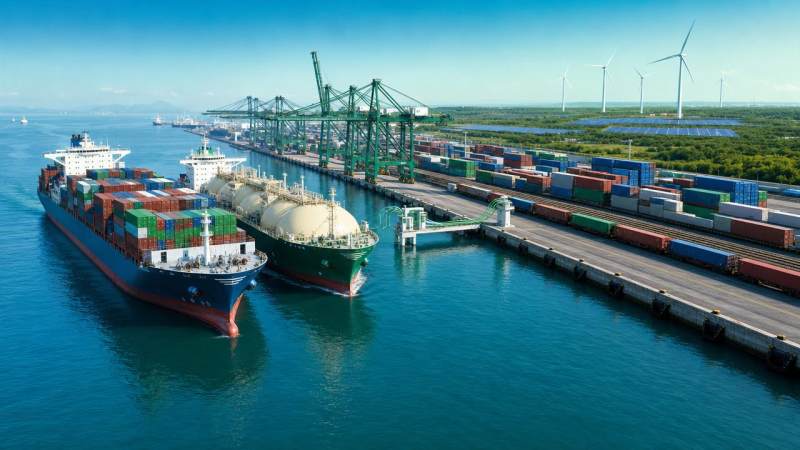
For GTOT’s audience, smart container ships and LNG carriers are especially relevant because digitalization and energy transition are shaping both segments rapidly.
Business Value Beyond the Vessel Itself
Decarbonization solutions for maritime logistics create value beyond onboard fuel burn.
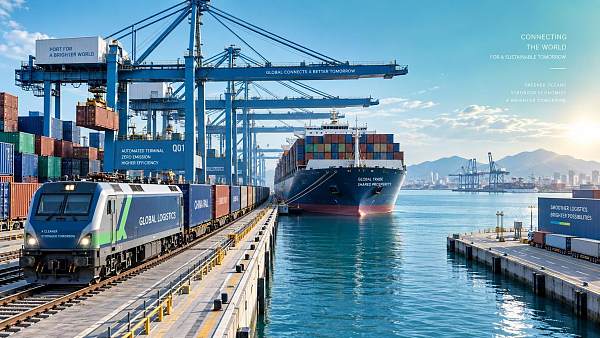
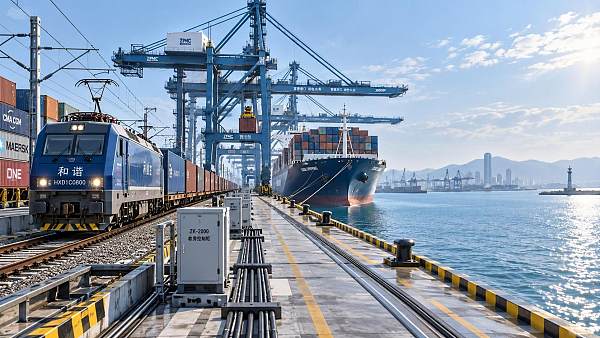
They improve network reliability, cargo visibility, and intermodal coordination across ports, terminals, rail links, and inland distribution.
When ocean schedules become more predictable, surrounding transport assets also perform better.
- Lower waiting time can reduce berth congestion and wasted fuel.
- Better ETA accuracy supports rail and truck planning.
- Cleaner fleets can strengthen access to sustainability-linked contracts.
- Transition-ready assets may preserve resale and charter attractiveness.
This broader systems view matches GTOT’s land-sea intelligence model, where vessel efficiency connects with strategic supply chain resilience.
Practical Evaluation Points Before Investment
The best projects are not always the most complex.
A disciplined review should compare capital cost, payback horizon, regulatory relevance, and technical fit.
Key questions to test each option
- How much fuel can this measure realistically save on current routes?
- Does it reduce exposure to future emissions rules?
- Can the technology integrate with existing onboard systems?
- Is fuel or service infrastructure available in target ports?
- What is the expected downtime for retrofit or installation?
It is also important to separate headline emissions claims from verified operating performance.
Measured data, route-specific modeling, and lifecycle cost analysis should guide decisions.
A Structured Next Step for Maritime Logistics Planning
A useful starting point is to map current fuel consumption, route behavior, and compliance risk by vessel class.
Then rank opportunities into quick wins, medium-term retrofits, and long-horizon fleet renewal choices.
This phased approach helps convert decarbonization solutions for maritime logistics from broad ambition into controllable investment logic.
For organizations tracking smart ships, LNG carriers, and intermodal transport trends, market intelligence can shorten the path from analysis to action.
The most resilient strategy is usually not a single technology bet, but a portfolio of efficiency, digitalization, and compliance-ready upgrades.
As fuel and carbon economics keep evolving, informed action today can protect both operating margins and future asset value.
Recommended News
 Sep 29, 2026What drives traction systems price differences between rail projects?Traction systems price differences explained: compare duty cycles, voltage compatibility, integration, localization, and lifecycle costs for smarter rail procurement.
 Sep 26, 2026What to assess before selecting an electric traction system manufacturerChoose an electric traction system manufacturer with confidence. Explore key criteria for performance, reliability, safety, integration, energy efficiency, and lifecycle support.
 Sep 25, 2026When do full digitalization systems justify the investment?Full digitalization systems: discover when rail and maritime operators can turn connected data into safer operations, higher availability, and measurable ROI.
 Sep 23, 2026What drives automatic train control systems cost on rail projects?Automatic train control systems cost depends on integration, migration, safety testing, communications, and lifecycle support. Explore the key budget drivers for rail projects.
 Sep 21, 2026How to assess an ocean going vessel builder’s delivery riskAssess an ocean going vessel builder’s delivery risk with proven checks for schedules, capacity, design maturity, critical equipment, quality, and project controls.
 Sep 20, 2026What drives rail safety technology costs over a project lifecycle?Rail safety technology cost goes beyond equipment—explore lifecycle drivers from integration and safety assurance to cybersecurity, commissioning, and obsolescence.
 Sep 16, 2026What to verify before choosing an advanced ocean-going vessels supplierAdvanced ocean-going vessels supplier checklist: verify design authority, build quality, digital systems, delivery reliability, and lifecycle support before you buy.
 Sep 15, 2026What rail safety technology best reduces level-crossing risks in Southeast Asia?Rail safety technology Southeast Asia: discover how fail-safe signalling, barriers, obstacle detection and remote monitoring reduce level-crossing risks.
 Sep 14, 2026How exporters can reduce customs delays in global trade logisticsGlobal trade logistics for exporters: reduce customs delays with accurate data, clearance-ready documents, early filing, and proactive exception management.
 Sep 13, 2026When do global transportation network systems reduce delivery delays?Global transportation network systems reduce delivery delays by improving rail-port-vessel coordination, real-time visibility, and proactive decisions across complex land-sea supply chains.
 Sep 09, 2026When should you choose a rail and maritime manufacturer with dual-sector capability?Rail and maritime manufacturer guide: learn when dual-sector capability reduces integration risk, improves lifecycle support, and strengthens rail-to-port operations.
 Sep 08, 2026What to verify before selecting a railway signalling equipment supplierRailway signalling equipment supplier checklist: verify safety evidence, integration, cybersecurity, delivery capability, and lifecycle support before award.
 Sep 07, 2026How to size a traction power transformer for railway load demandTraction power transformer sizing guide: model railway load demand, peak duty, voltage regulation, harmonics, and contingency capacity for reliable service.
 Sep 07, 2026How do customization options for industrial connectors affect lead times?Customization options for industrial connectors can impact lead times, cost, and compliance. Learn how to specify smarter for rail and marine projects.
 Sep 05, 2026What information should an industrial sourcing guide include?Industrial sourcing information procurement guide: evaluate suppliers, compliance, lifecycle costs, interfaces, and lead times for smarter rail and maritime purchasing decisions.
 Sep 01, 2026How to find reliable maritime tender information before biddingMaritime tender information: learn how to verify sources, define bid-ready scopes, check qualifications, and reduce risk before submitting competitive marine bids.
 Aug 30, 2026How to select railway automation equipment for depots with phased upgradesRailway automation equipment for depots: learn how to plan phased upgrades that improve safety, throughput, integration, and lifecycle control.
 Aug 27, 2026How industrial sourcing intelligence pricing data supports budget approvalIndustrial sourcing intelligence pricing data helps teams benchmark scope, assess supplier risk, and build defensible budget approvals for complex rail and maritime assets.
 Aug 26, 2026When does a marine fuel efficiency solution make financial sense in the Middle East?Marine fuel efficiency solution Middle East: learn when retrofit savings, compliance value, and vessel data align to deliver credible ROI and smarter shipping investment decisions.
 Aug 24, 2026When does maritime automation for tankers deliver a real payback?Maritime automation for tankers delivers real payback when it cuts fuel use, reduces cargo risk, and improves uptime. See how owners can time investment for stronger ROI.
 Aug 23, 2026When do maritime logistics systems in the Middle East justify the costMaritime logistics systems Middle East: discover when rising delays, manual coordination, and poor visibility make system investment the smarter move for regional operators.
 Aug 22, 2026What drives vessel navigation system price for commercial fleetsVessel navigation system price depends on integration, compliance, automation, and support—not just hardware. Learn what drives fleet costs and compare quotes with confidence.
 Aug 21, 2026How to assess shipbuilding maritime tenders before biddingShipbuilding maritime tenders require more than price checks. Learn how to assess technical scope, compliance, supply chain, and commercial risk before bidding with confidence.
 Aug 20, 2026When does working with an ocean-going vessels distributor reduce supply risk?Ocean-going vessels distributor: learn when this partner cuts supply risk through stronger compliance, faster response, and better sourcing resilience in complex maritime procurement.